
WiFi Slower Than Ethernet: Tested Ways to Boost Speed
Changing the router position can help boost the Wi-Fi speed


 4 min. read
  Updated on
Key notes
- Is your Wi-Fi slower than Ethernet? Well, that's usually the case since wireless connections are usually slower than hardwired Ethernet connections.
- This is because, for a Wi-Fi connection, you need to use a router that reduces the speed to whatever speed your router can handle.
- The Wi-Fi speed can also be slower due to outdated drivers, open background apps, router's position, and more.

If your Wi-Fi speed is slower than Ethernet, it’s because Ethernet provides faster speeds, fewer interruptions, and a more stable connection.
Wi-Fi can be slower due to several factors: limited data rates (check why Wi-Fi doesn’t work but Ethernet does), too many devices connected to your router, Wi-Fi packet loss from network congestion, outdated drivers, or too many background processes affecting your connection (learn more about background processes).
Wi-Fi works great for mobile devices but is more prone to interference. If you notice that Wi-Fi is slow on your laptop, we have an expert guide to help you fix it.
How do I make my Wi-Fi faster than Ethernet?
Try these preliminary checks to see if they help boost your Wi-Fi speed:
- Move your router to a better location.
- Check your internet speed using a dedicated internet speed tester.
- Restart your modem and router.
- Check network card speed.
- Change your frequency band from 2.4 GHz to 5 GHz.
- Reconfigure the router’s antennas.
- Use Wi-Fi signal boosters or Wi-Fi extenders for better reception.
If none of the above steps work, here we have a quick rundown of some fixes that can help you fix the issue when Wi-Fi is slower than Ethernet.
1. Run the Windows troubleshooter
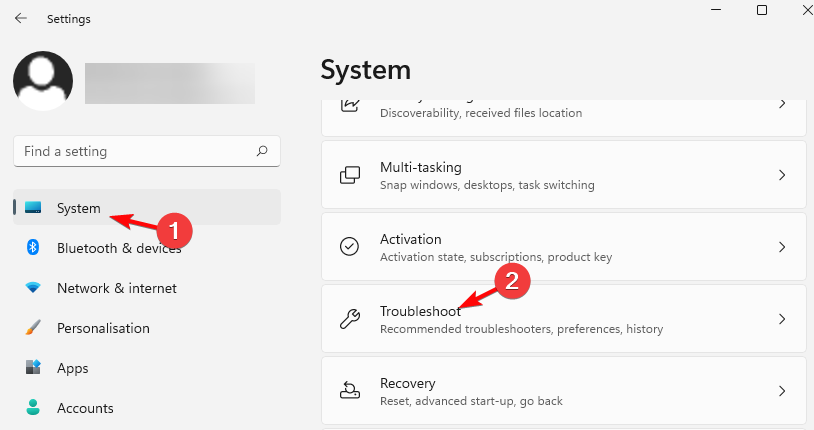
- Open the Settings app by pressing the Win + I keys together. Click on System on the left and then click on Troubleshoot on the right.
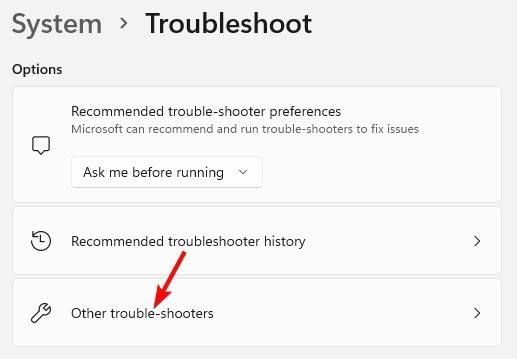
- Next, on the right, click on Other trouble-shooters.
- On the next screen, go to Internet Connections, and click on Run.

- Now, wait for the troubleshooter to look up any issues, and if any are found, it will apply the repairs automatically.
2. Update network drivers
- Press the Win + R keys together to launch the Run console. Type devmgmt.msc and hit Enter to open the Device Manager.

- Expand the Network Adapters section, right-click on the device, and select Update driver.

- In the Update Drivers window, click on Search automatically for drivers. Now, wait for Windows to detect the latest drivers. Once found, the updates will be applied automatically.

Once you have successfully updated the network driver, check if the Wi-Fi speed has increased. Updating the network driver will fix bugs and resolve issues like slow internet issues while using wired access points, along with installing the latest features to improve your internet experience.
If you’re looking for another method of updating your network drivers, then we recommend you use specialized software to perform this action automatically.
Fortect Driver Updater is a great choice here because it scans your computer for outdated or missing drivers and quickly finds the latest updates from its massive database.
3. Disable apps from running in the background
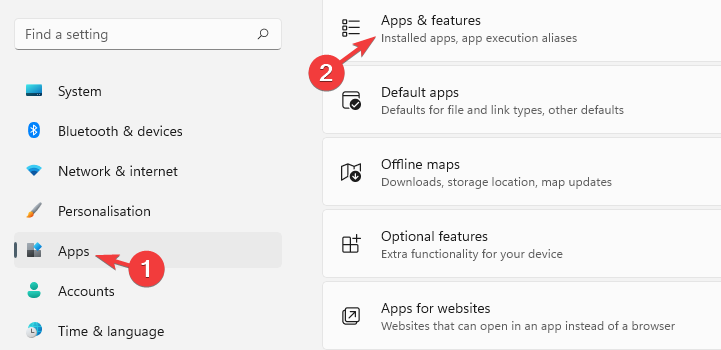
- Press the Win + I keys simultaneously to launch the Windows Settings app. Here, click on Apps on the left and then, click on Apps & features on the right.
- On the next screen, go to the right and under the App list, look for the problem app. Click on the three dots next to it and select Advanced options.

- Next, on the right side of the screen, scroll down and go to Background apps permissions. Select Never from the drop-down below.

If Windows 11 still has slow Internet speed, refer to our detailed guide for more expert-tested fixes.
At the same time, you may also change the Wi-Fi frequency channel using dedicated Wi-Fi channel scanners if the Wi-Fi speed is slower than Ethernet or you experience isolated cases such as video calls being slower even with high-speed internet.
If you’re wondering why your internet is slow on one computer but fast on another, this detailed guide on fixing slow internet on one device while another stays fast explains the common causes and solutions.
Alternatively, you may disconnect any unused devices and make sure only the essential devices are connected.
For any other queries on Wi-Fi or Ethernet speed, do let us know in the comments section below.


Read our disclosure page to find out how can you help Windows Report sustain the editorial team. Read more



Improve this guide


User forum
0 messages