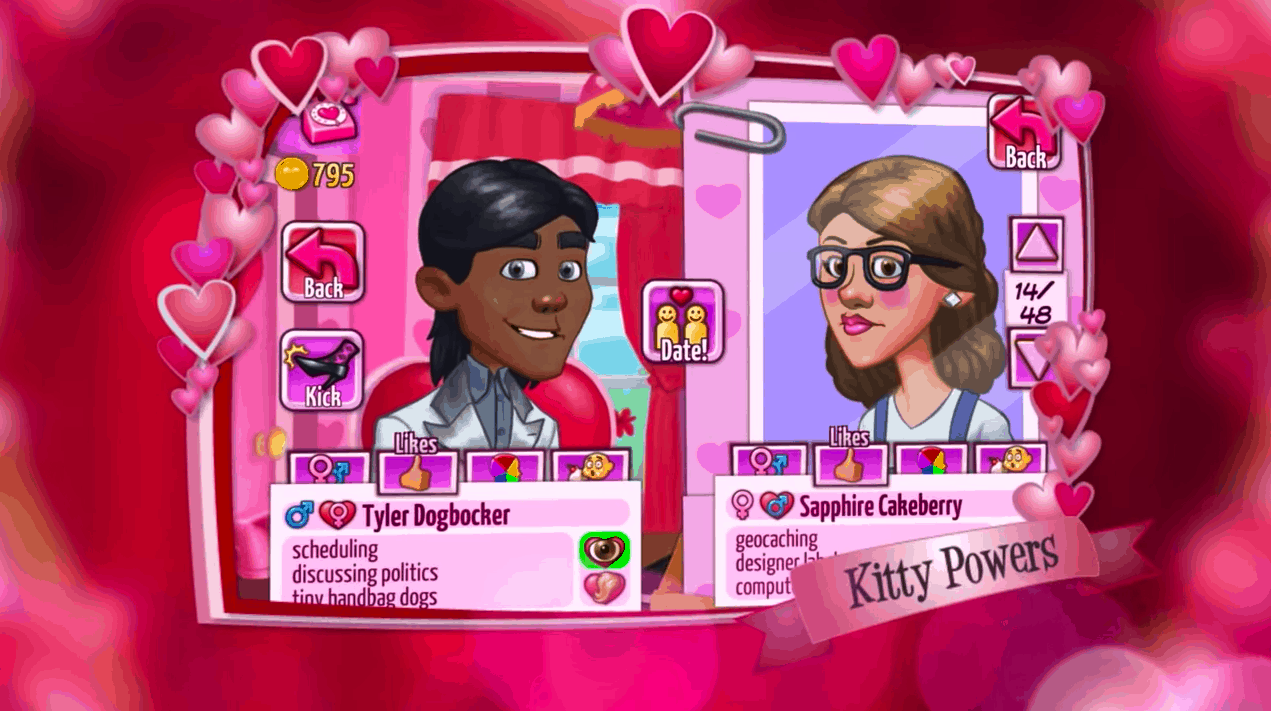
Kitty Powers’ Matchmaker, a dating simulator developed by UK indie studio Magic Notion will be released on the Xbox One on February 7th (via VentureBeat). The game was first released on mobile in PC back in 2014, and the developer shared in a blog post announcing the news that that the game “looks amazeballs on the big screen.”
While this isn’t the typical kind game you expect to find on a gaming console, the PC version of the LGBTQ-friendly dating simulator currently enjoys very positive reviews on Steam, with gamers praising the over-the-top humor and the actually difficult challenge of managing a dating agency. The official game description notes:
Kitty Powers’ Matchmaker is a hilarious dating simulator with a difference. Manage your own matchmaking agency with the guidance of your fabulous boss, drag queen diva Kitty Powers! Match an endless parade of desperate clients with candidates from Kitty’s little black book and guide them through awkward conversations and dozens of perilous dating dilemmas.
As your reputation grows you’ll unlock new date venues, more demanding clientele and upgrades for your agency. Send your hopefuls out with the right look and perfect gift to maximize their chance of finding love. Are you ready to bring romance to the world? Or will you leave a sea of broken hearts in your wake?
For those of you who already played the game on PC or mobile, this console version will feature new additions such as an upgraded avatar system and dynamic dialogue. Let us know in the comments if you’re looking forward to play this game on your Xbox One ahead of Valentine’s Day.
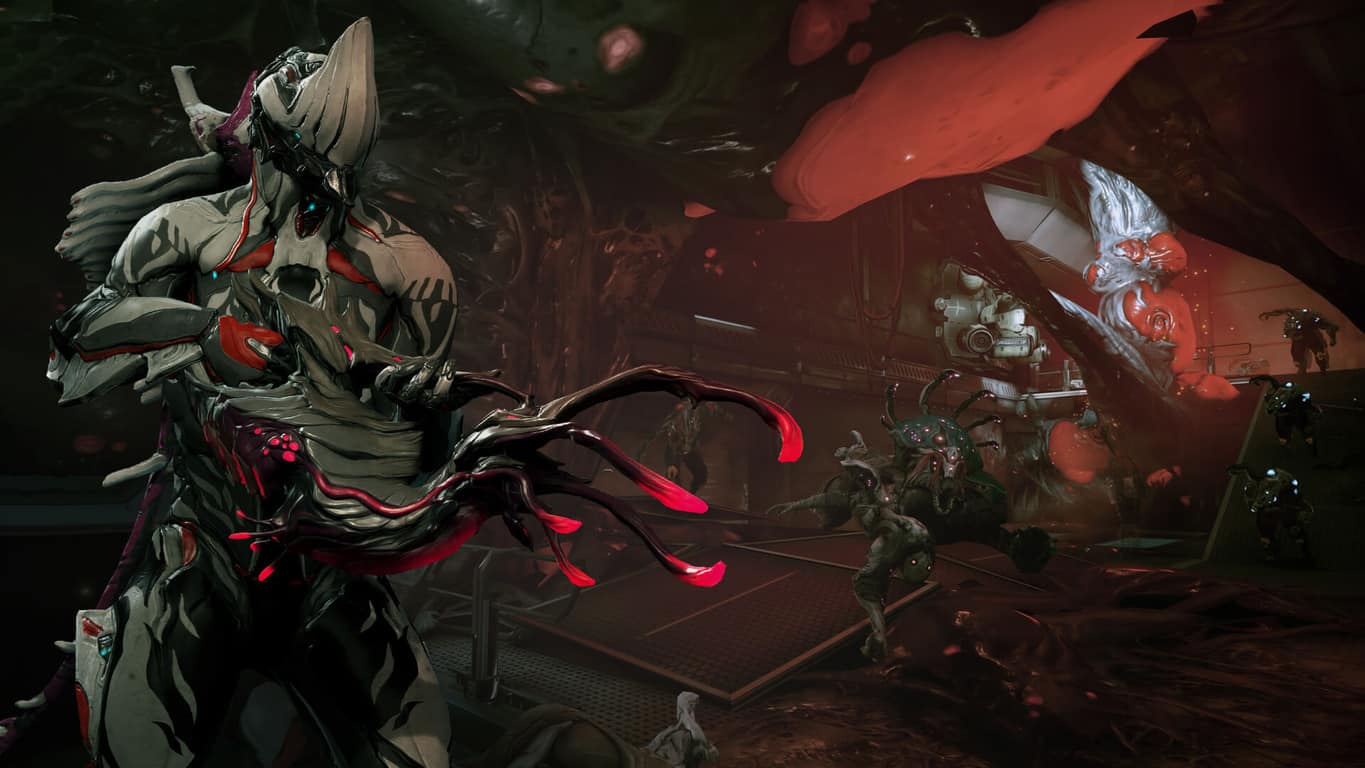
The Glast Gambit update rolls out to the Xbox One version of Warframe today. This update is rather significant and adds a new Warframe character/suit, fresh story content, a variety of special items created by fans, new weapons, new customizations, and new mods. Installing the The Glast Gambit update also adds an entirely new game mode called, Infested Salvage, which has been given the following description:
A ship and its crew have fallen victim to the Infestation they were researching. Locate the ship’s manifest to recover their extensive research, but be fast as a corrosive gas fills the ship degrading your armor integrity.
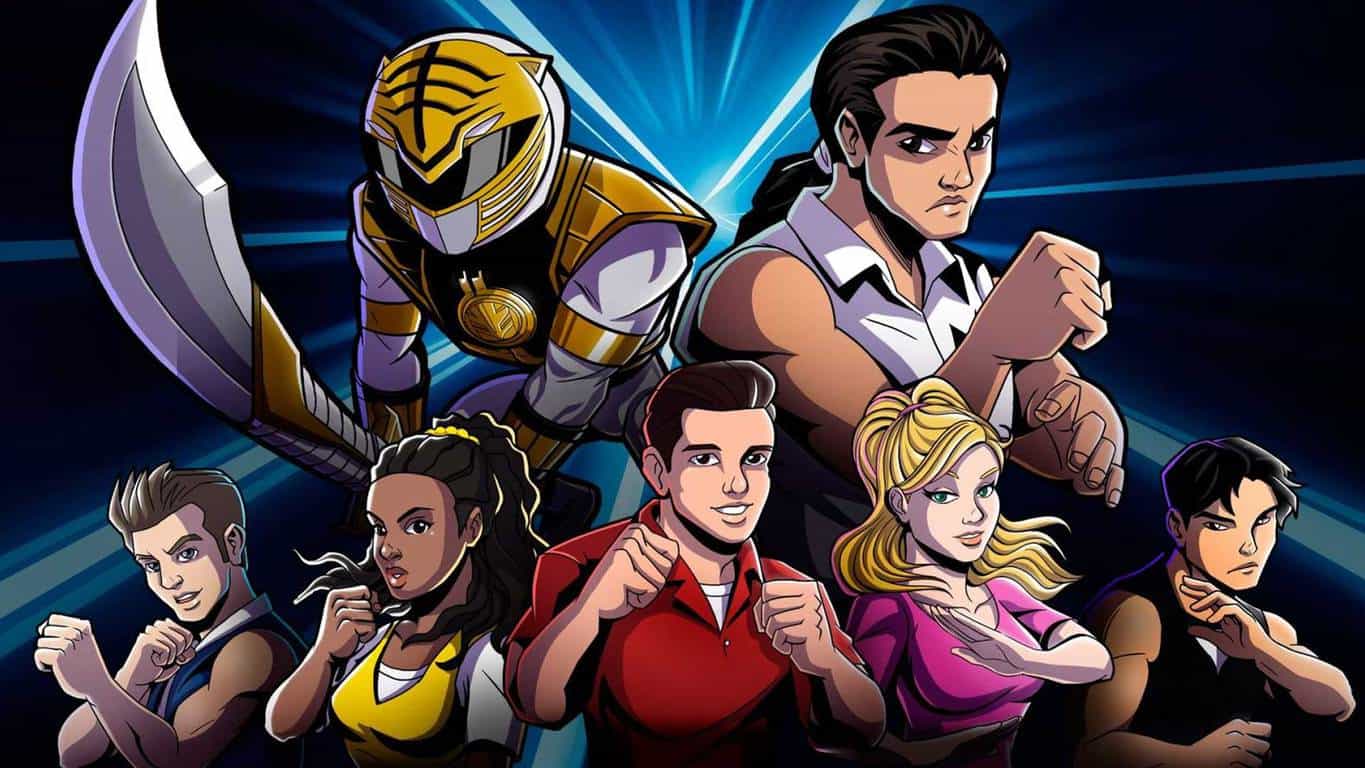
Saban’s Mighty Morphin Power Rangers: Mega Battle provides a creative and modern re-imaging of the classic multiplayer beat-em-up genre. Level up your rangers, team up with friends, summon the Megazord, and fight your way through levels stylized after classic Mighty Morphin Power Rangers episodes! • CLASSIC POWER RANGER DNA INTACT: Morph, use weapons & martial arts, and summon the larger-than-life Megazord!• INTUITIVE & DEEP BATTLE SYSTEM: Includes light, heavy, weapon and projectile attacks. Players will be able to integrate weapon strikes into different combo strings!• LEVELING & CUSTOMIZATION: Players can level-up and unlock new moves, attacks and weapons.• NOSTALGIC: Each level is based on a classic episode from the TV series. The levels are filled with familiar dialogue, background details, cut scenes, and enemies pulled straight from the first two seasons of the show!
The creation of this game is likely part of a plan to remind casual fans of the brand before the release of the major Power Rangers movie which premieres in March 2017 and is also based on the early seasons of the show.
Are you excited for more Power Rangers? Let us know in the comments below.
It was rumored a couple of months ago but now it has been confirmed. Resident Evil 7 will be an Xbox Play Anywhere title. This means that gamers can buy the video game on either Xbox One or Windows 10 and gain the other version for free. All content will also carry over between each version.
The confirmation came today in a tweet from Xbox’s Phil Spencer who said, “RESIDENT EVIL 7 biohazard confirmed for Xbox Play Anywhere – buy once, play on both Xbox One & Windows 10 PC.” You can see his tweet below.
The RAR file opener/extractor Windows 10 app, RAR Opener has just updated to Version 3 and now boasts several big improvements such as faster extracting, pin to Start, drag and drop for expanded files, and a new design that looks and works better on Windows 10 Mobile devices.
RAR Opening is a free app though does contain in-app purchases for some features. Here’s the official app description:
The Missing RAR Opener – Open any RAR file in seconds! New update: Now in addition to RAR, it handles dozens of popular Internet file types, like 7Z, Zip, TAR, LZH, etc. Don’t clutter and overwhelm your computer with file openers that handle hundreds of file types you’ll never need. RAR Opener is a tiny and super-fast utility that focuses on RAR files and doesn’t clog up your PC or waste your RAM.
RAR Opener has a small size and memory footprint to keep its operation quick without slowing down your computer. It’s beautifully simple: just double click once on the file you want to open and that’s it. Your opened file is waiting for you in Downloads. You can, of course, launch RAR Opener to manually select files you want but when it comes to RAR files, RAR Opener is all you need.
Do you use RAR Opener on your Windows 10 device or do you prefer an alternative? Share your recommendations in the comments below.
If you rely on Service Bus for Windows Server 1.1 to do anything, you might want to start thinking about replacing it. Microsoft announced in a blog post today that they’re going to be discontinuing support for the service in a year – the cutoff date being January 9, 2018.
The cutting of support for the service came “after a careful analysis of market and community needs, trends, and considering what [Microsoft’s] true technology strengths are.” It accompanied an announcement that the future of cloud computing is in hybrid technology, and a successor to Windows Server 1.1 will not be immediately available.
The exact wording in the blog post is that Microsoft will be discontinuing “mainstream support” in January – not necessarily constituting a full stop. While it’s certainly not advisable to rely on the service as it goes into obsolescence, it’ll be interesting to see if anything else happens with it after 2018.
One of the major advantages Microsoft Teams had over its competition at its announcement was the threaded conversations. This is the feature that branches messaging under a previous topic, making communication much smoother and less cluttered. Now, Slack fighting back with the same feature in their arsenal (via Windows Central.)
As announced earlier today, Slack will be rolling out a new update for its app starting today. In the next week or so, the thread messaging feature is expected to be available to everyone. Users will be able to hover over a message and start a new thread from the topic, or they can join in on others that have already been started. Furthermore, View All Threads and View All Unreads will make catching up a breeze in the updated Slack.
On a more productive note, subthreads won’t notify you unless you are specifically mentioned or you join in. That way you can work in a clear space without the need to read through every unnecessary detail of collaboration. Also, you can search through all of the threads conveniently.
Slack seems excited for the feature, undoubtedly eager to push back against Microsoft’s claim over enterprise team collaboration. Currently, Microsoft Teams is expected to overthrow Slack and Google Hangouts within the next two years. Even so, the projected deployment plans for businesses has less than a 10% margin difference. The race is close, and new features on both ends could keep the competition fierce.
When Microsoft officially unveiled Windows 10 during a much anticipated media event in September 2014, the company explained that it made the bold bet to create a operating system that could run on many platforms: PCs, tablets, phones, IoT devices and its Xbox One console. Since then, new devices have joined the Windows 10 ecosystem such as the Surface Hub and the HoloLens mixed-reality headset, which further confirmed the versatility of Microsoft’s latest operating system.
Of course, all Windows 10 devices don’t run the exact same Windows 10 version, but all of them share some common elements such as the OneCore subsystem and the Universal Windows Platform. But according to a new report from Windows Central, Microsoft plans to push further its Windows Everywhere ambition by making the Windows Shell the next universal element of Windows 10.
The Windows 10 ecosystem.
For those unfamiliar, the Windows Shell is the collection of UI elements that let Windows users run apps and manage the operating system. On Windows 10, we’re talking about the desktop, the task bar, the task switching interface, the Start menu and more. While the familiar Windows shell is present on both Windows 10 PCs and tablets, other Windows 10 devices such as phones, the Xbox One and HoloLens are currently using different shells that coexist with the main Windows shell, but Microsoft is willing to change that.
According to the report, the Redmond giant is working on a new universal shell (known internally as “Composable Shell”) that can scale across different devices and form factors. On Windows 10 Mobile devices, this will lead to Continuum improvements with a UI that looks more familiar to the classic Windows 10 desktop. During its Ignite 2016 conference last year, Microsoft actually teased some of these Continuum improvements such as the ability to pin apps to the taskbar, a more PC-like system tray and Action Center plus the support for windowed apps.
Continuum on Windows 10 Mobile is pretty limited as of today.
But this new Composable shell should also benefit Windows 10 tablets. Yesterday, we reported that Japanese Fujitsu was releasing a 6-inch Windows 10 tablet for the Japanese market, but it’s pretty clear that today’s Windows 10 tablet mode is not completely optimized for the phablet form factor. With a universal Windows 10 shell though, such small tablets may be able to switch to an optimized phone UI that would be definitely be more usable in certain circumstances.
It’s not clear yet what this new universal shell could bring to the Xbox One or the HoloLens. According to Windows Central, “that doesn’t mean certain devices will be encumbered with features and behaviors they don’t need or play well with. Xbox will still be primarily Xbox orientated, Mobile will be primarily Mobile orientated, and Desktop will be primarily Desktop orientated.” Obviously, the Composable Shell should be especially important for 3-in-1 devices such as the rumored Surface Phone, which could definitely leverage this universal shell to switch dynamically between a phone interface and a tablet/PC interface.
The Composable Shell reportedly will “begin showing up over the next few major Windows 10 updates, for Mobile, then Desktop, and eventually Xbox too.” In other words, don’t expect to see it in the upcoming Creators Update, which fetaures will reportedly be locked this month. Anyway, this universal shell is definitely exciting: it seems that one day, it won’t matter if you use Windows 10, Windows 10 on ARM or Windows 10 Mobile, because the device you use could be able to dynamically adapt to what you want to do with it.
Microsoft has announced yesterday that PIX (not to be confused with the Pix camera app for iPhone), its performance tuning and debugging tool for games developers using DirectX 12 is now available for free on Windows 10. While many Xbox game developers may already be familiar with the in-depth graphics analysis tools, the company explained that this new release is the latest milestone in Microsoft’s commitment to gaming on Windows 10.
“The Windows version of PIX is built on the Xbox version of the tool, so developers targeting both platforms can easily get started optimizing their Windows games,” explained the company. PIX is launching on Windows as beta but it already supports Direct 3D 12 GPUs from all major vendors. Here are the five main modes that game developers will be able to use to analyze DirectX 12 games on Windows:
GPU captures for debugging and analyzing the performance of Direct3D 12 graphics rendering.
Timing captures for understanding the performance and threading of all CPU and GPU work carried out by your game.
Function Summary captures accumulate information about how long each function runs for and how often each is called.
Callgraph captures trace the execution of a single function.
Memory Allocation captures provide insight into the memory allocations made by your game.
To get best results, Microsoft is recommending to use PIX on a PC running the Windows 10 build Anniversary Update with 32 GB RAM and a Direct3D 12 GPU with the latest available graphics drivers. The company has also published the following series of videos to help you get started:
You can download the beta release of PIX for Windows 10 on Microsoft’s developer website, and you can also have a look at what is on the roadmap on this page.
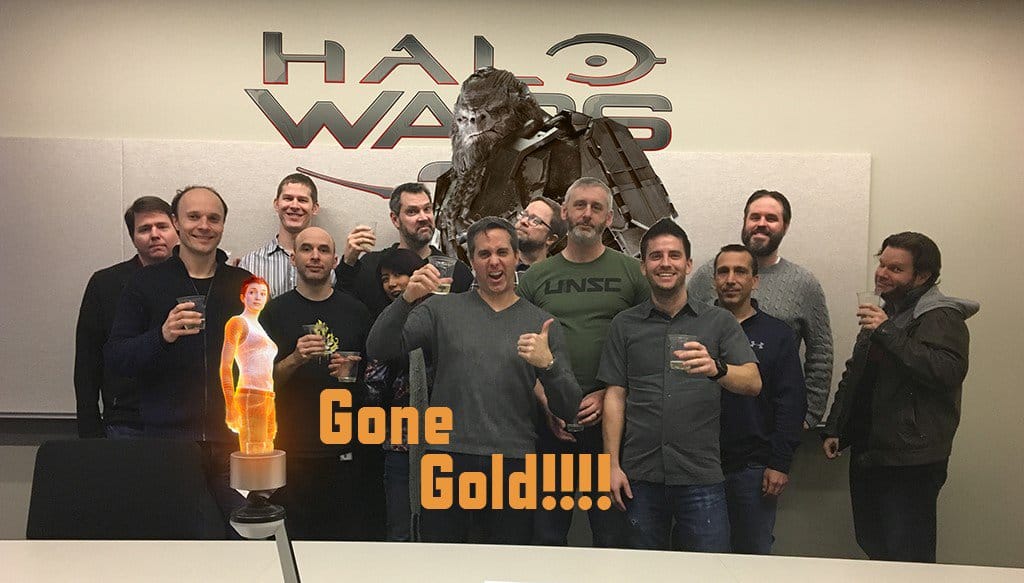
As we’re just a month away from the worldwide release of Halo Wars 2 on Xbox One and Windows 10, 343 Industries studio head Dan Ayoub has announced on Twitter yesterday that the real-time strategy game has finally gone gold.
Halo Wars 2 has been co-developed by 343 Industries and Creative Assembly for the last three years and the Xbox Play Anywhere title will be released on February 21. If you can’t wait to play it, the Xbox team has announced last week that a final multiplayer beta will kick off on Friday, January 20: this time, the ten-day beta will focus on Blitz mode, a new card-based game mode offering a wide range of strategic and gameplay options to players.
As a reminder, Halo Wars 2 is already available to pre-order on the Windows Store, and those of you who choose to purchase the $79.99 Ultimate Edition will also get access Halo Wars: Definitive Edition, a remastered version of the first installment in the series released back in 2009. Let us know in the comments if you’re looking forward to play the game on your Xbox One or Windows 10 PC.
Today was a big day for Injustice fans as an all-new trailer was released that revealed the game’s story and end boss as well as all three different Xbox One pre-order versions which are now available to, well, pre-order.
The Standard Edition of Injustice 2 contains the main game and default content. The Deluxe Edition contains everything in the Standard Edition as well as access to three new fighters as they’re made available, exclusive gear shader for every character, and new dialogue, skin, and design for an unspecified character. The Ultimate Edition of Injustice 2 contains everything in the two previously mentioned versions plus access to nine new fighters (three are assumed to be from the Deluxe Edition), two gear shaders, and three premiere skins, designs, and dialogue choices for the unspecified character. Pre-ordering any version will unlock Darkseid who was just revealed in the new trailer which can be watched right here.
Build and power up the ultimate version of your favorite DC legends in INJUSTICE 2. With a massive selection of DC Super Heroes and Super-Villains, INJUSTICE 2 allows you to personalize every iconic character with unique and powerful gear. Take control over how your favorite characters look, how they fight, and how they develop across a huge variety of game modes.EVERY BATTLE DEFINES YOU: With every match you’ll earn gear to equip, customize and level-up your favorite DC characters, meaningfully impacting how they look and fight. A NEW THREAT RISES: As Batman and his allies continue to clash with remnants of Superman’s regime, a new threat appears that will put Earth’s very existence at risk…THE BEST OF DC: Choose from new and returning characters in the biggest DC roster ever.
Are you excited for Injustice 2? Which Xbox One version will you pre-order? Let us know in the comments below.
Blizzard’s Battle.net is a useful gaming platform that allows gamers to meet up and play multiplayer matches together, socialize with their friends, and install the latest game updates. The desktop app brings together all your Blizzard games in one place, automatically queues up patches and updates, and allows you to communicate with other players.
Speaking of communicating and interacting with other players, there is one feature that many Battle.net users covet: Invisible Mode. As you all know, the Battle.net chat app doesn’t offer an invisibility feature. This means that users can’t simply pretend they’re not there if they don’t want to talk to their friends.
Battle.net : To be or not to be invisible – that is the question
Battle.net users have been asking Blizzard to add invisibility support for more than three years. Players suggest that any modern day messaging platform deserves an invisibility feature, allowing users to control who can interact with them.
Battle.net, is it really that difficult to add this feature? Other platforms offer this […] I’ve gone through the various threads requesting for this feature and so far no rep has addressed it. It’s baffling to see so many people clamoring for this and receive nothing but silence.
I’d really appreciate an invisible feature. There are times when I don’t GAF whether someone sees what I’m playing but there are also times when I just want to log in and play without someone saying a day later, “yeah I saw you were playing D3 late last night… what time did you finish?”
While Blizzard announced an upcoming ability to appear offline, this feature has yet to be released. Battle.net users want the invisibility feature in order to get some precious peace from constant waves of messages.
After four years, many Battle.net users are beginning to lose hope and think that an invisibility feature is nothing but a pipe dream.
If you feel strongly about this matter, go to this old forum post and have your say.
Microsoft New Zealand is being audited by the IRD (Inland Revenue Department). The audit is happening over the Microsoft branch’s use of “transfer pricing” – a practice that can be used by multinational companies in order to minimize tax costs.
“We believe tax is an issue that should be addressed at the global level, but having said that, we abide by the laws in all jurisdictions in which we operate.” Microsoft Spokesperson Brendan Boughen
It’s unclear how long the audit will take, or what – if any – repercussions it might have. As it stands now, it seems like things will be staying relatively quiet for the foreseeable future. Apart from the initial statements from Boughen, Microsoft New Zealand hasn’t commented on the audit or the circumstances around it.
While transfer pricing isn’t necessarily against the law, it can potentially be abused in ways that cross the line. As the audit takes place, the IRD will be trying to determine if any transfer pricing on the part of Microsoft would be over the line.
Today, the XSplit 2.9 Beta has updated to include Beam FTL Support according to their blog. The low latency protocol from Beam is a relatively new addition that lowers interruptions and delay between streamers and viewers. Some delays in the testing phase have gone as low as only 0.2 seconds between the two.
Beam is relatively new to the live streaming scene, particularly in comparison to XSplit, one of the most popular streaming software for Twitch, Youtube, and more. Last year, XSplit added in support for the newly Microsoft acquired Beam in favor of the interactive functionality for viewers.
If you’re a streamer interested in testing out the latest Beam FTL through XSplit Broadcaster Beta, keep in mind that the program is still undergoing vigorous testing to make sure the FTL integration is a success. Users can access it as a simple checkbox in the Beam application’s Properties menu and XSplit will automatically detect these settings.
The improvement to Beam is also to be expected through its integration on Xbox One. Expect to see more about the streaming feature, already seen on the Xbox Game Bar, as we move towards the Windows 10 Creators Update coming this Spring.
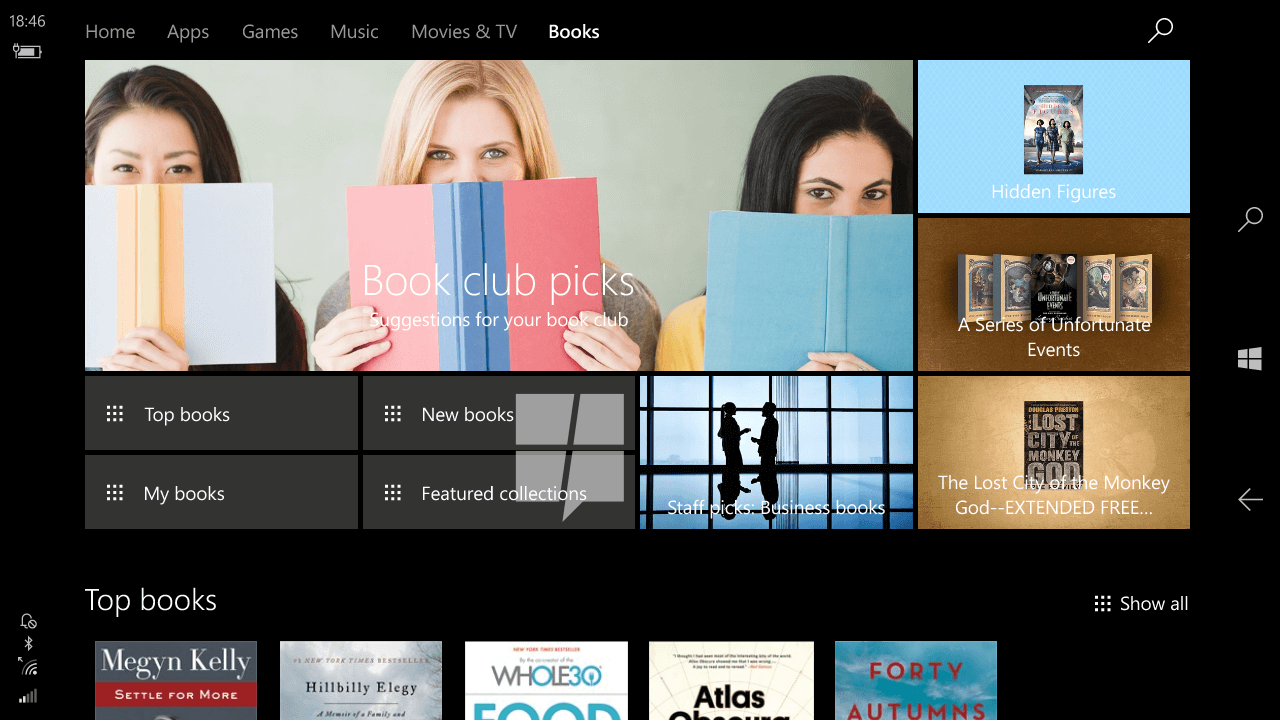
The preview release of the ePUB reader in Microsoft Edge was only the beginning according to a report from MSPU. Microsoft is taking e-reading just a step further with a new section for e-books on the Windows Store.
An internal build for Windows 10 Mobile leaked the feature, revealing that e-books will be the biggest addition to the Windows Store. Furthermore, the dedication section is expected to be seen on other Windows 10 devices such as PCs and tablets. It’s to be expected that readers will be able to take any purchased material on the go just like most apps.
Image Credit: MSPU
The biggest hangup seems to be that reading e-books is contained solely to Microsoft Edge. Which brings to light the real reason that the tech giant had added the new ePUB reader to it in the first place.
It’s unfortunate that Android and iOS users might have to consider the lack of Microsoft Edge when considering an e-book purchase. However, the Windows 10 hand in tablets and 2-in-1 devices might make up for the lack of Windows Mobile incentive.
It looks like the new bookstore will be available to the public with the Windows 10 Creators Update expected around April.
Microsoft loves their security. So much, in fact, that they’ve been approved at the highest security clearance allowing them to create some of the best software available for the U.S. Government. Today, the Office 365 team announced that their software and apps have taken it a step further with some new capabilities and features that make connecting official agencies together more secure and efficient.
First off, the Skype for Business cloud-based voice, video, and meetings is completely changing the way that agencies can communicate. Compared to the more traditional methods such as phones and meetings, the additions of PSTN Conferencing, Cloud PBX, and PSTN Calling can make connecting a bit more impromptu.
PSTN Conferencing—Provides the ability to dial in to a meeting from a traditional phone, as well as the option to join a meeting with a single click on your PC or mobile device.
Cloud PBX—Enables companies to eliminate separate PBX systems and transition to the cloud with Office 365 as the central location to manage users for communication.
PSTN Calling—Gives Office 365 customers the ability to subscribe to Microsoft-managed calling plans and phone numbers.
From LinkedIn, Beam, and more recently the natural language deep learning startup Maluuba, Microsoft has clearly been on a spending streak lately. Today the Redmond giant has once again extended its spending reach, as Microsoft has announced that is has acquired the 3D data optimization company Simplygon.
The announcement was first made by Kudo Tsunoda, the Corporate Vice President of Next Gen Experiences, Windows and Devices Group. Tsunoda addresses how the acquisition of the premier developer of automatic 3D data optimization solutions will accelerate Microsoft’s “3D For Everyone” vision and strategy.
Simplygon’s technology and talent will strengthen our position in 3D creation, making it easier to capture, create and share in 3D. It builds on and extends our aspirations to empower a new wave of creativity with the Windows 10 Creators Update, Paint 3D and our online creator community at Remix3D.com. Simplygon was developed by Donya Labs AB, a privately held company based in Sweden. Donya was founded in 2006 with the aim to be the premier developer of automatic 3D data-optimization solutions. Simplygon is a leader in 3D game optimization, dedicated to helping creators and users of 3D data across industries optimize content pipelines and streamline workflows.
Similar, Simplygon CEO Matt Connors, Founder & CTO Ulrik Lindahl, and Co-Founder Koshi Hamedi took to their website to announce the acquisition. The two thanked everyone for being part of the journey and expressed excitement.
Throughout our journey, we’ve been laser focused on helping developers push the boundaries of 3D. From our early days delivering advanced level-of-detail solutions, to the adoption of Simplygon SDK by most leading AAA game development studios, and our more recent expansion into enterprise AR/VR, Simplygon has made automatic 3D data-optimization increasingly more accessible to developers. Our next challenge is 3D For Everyone, the ultimate accessibility! We’re thrilled to join forces with Microsoft to make this happen.
What do you think this latest acquisition mean for the future of Windows and Microsoft? Let us know what you think by dropping us a comment below! And, be sure to follow us on Twitter so you won’t miss out on all your Microsoft news and information!
A little more than ten years ago, Microsoft entered the portable media player market with the Zune 30, an iPod competitor which also led the company to create the Zune marketplace to distribute digital media content. Unfortunately, the media players never managed to grab a significant market share in the US, and Microsoft ultimately discontinued both the hardware and the brand in 2012.
Tony Scherba, president and founding partner of design studio Yeti LLC, looked back at Microsoft’s Zune failure in an interesting article published today on Entrepreneur.com. According to the product development expert, it’s clear that the first Zune player was released way too late to make a significant impact on the market. “When Zune debuted, Apple had captured nearly the entire mp3 market and would announce the first-generation iPhone — which would lead the smartphone market to quash standalone mp3 players altogether — just months later,” he explained.
However, Scherba added that Microsoft could still have turned Zune into a success if the company had done “proper product planning,” which is a necessary step to make sure that new products meet an actual consumer demand. And it seems that Microsoft was well aware that Zune wasn’t much different than Apple’s popular iPods according to Scherba. “Microsoft executive Robbie Bach, who headed Zune, later called it a “chasing” product, which, he said, gave customers little motivation to swap their iPods for Microsoft’s offering,” he added.
The Zune brand lived on in Windows Phone’s Zune app.
For a company designing new products, product planning starts with identifying a problem to solve and ends with the creation of an product roadmap which will take into account market conditions and customer feedback. However, Microsoft made a mistake right from the beginning, according to Scherba. “While Zune had some capabilities the iPod didn’t, potential users — many of whom had already bought an iPod — simply didn’t think the product addressed a pressing need,” he explained Later on, the product development expert also thinks that the company didn’t prototyped Zune adequately: “If it had, Microsoft would have learned prior to release that consumers didn’t truly value Zune’s features. The company assumed they did, and that was its downfall,” he added.
Zune is probably one of Microsoft’s biggest failures from the last ten years, but it’s not clear if Microsoft could have done really better with proper product planning: just a couple of months after the introduction of the first Zune media player, the launch of the first iPhone was the first nail in the coffin for portable media players, which have obviously become a niche market as of today.
In just six years in the market, the Zune brand managed to attract a loyal fan base of users though. As we reported two months ago, you can find on the Zune subreddit a lot of passionnate users who collect, repair and share tips about how to fix technical issues with the now-unsupported media players. Windows phones may enjoy the same kind of cult following, and you may also think that Microsoft reiterated the same product planning mistakes with its mobile OS over the past few years. However, Microsoft execs have been teasing the “ultimate mobile device” last year and we hope that lessons have now been learned.
In New York City, the National Retail Federation’s (NRF) annual Big Show kicks off this week. Retailers across the US are looking to focus on their customers now more than ever, by providing a unique and personalized shopping experience. Microsoft will be there at every step of the way, showcasing new technologies and innovations to improve the customer experience.
Microsoft Azure, Power BI and Dynamics 365 are some of the Microsoft services available to help national retailers engage their customers. With the help of their global partners, Microsoft’s booth at the NRF Big Show will include store-scanning robots, Microsoft mobile apps, intelligent vending machines, and more.
Here are examples of how Microsoft and its partners have helped US retailers nationwide.
• Nordstrom Rack: In its pursuit of continually improving the customer experience, Nordstrom Rack is piloting in-store beacon technology from Footmarks, built on the Microsoft Cloud, to better engage and personalize shoppers’ experiences and ultimately increase speed and convenience. Today, Nordstrom Rack is using the beacons to gather data that it hopes will ultimately help to better engage and serve customers. It is also testing some messaging displays via the beacons to direct shoppers to available fitting rooms or express checkout services, and to show customers extended product offerings that are available online while they’re shopping in-store.
• SKIP Mobile grocery checkout: SKIP is back at NRF this year, and Macey’s, an Associated Food Stores grocery chain based in Salt Lake City, is using the SKIP app for line-free checkout and to better personalize offers and promotions for customers. Built on Azure, SKIP enables shoppers to build shopping lists at home and have their lists organized by aisle as they walk into the store. Then they simply scan each item as they place it in their cart and check out on the app when finished. In the first two months of deployment, Macey’s has seen an increase in repeat usage of SKIP from guests as well as an increase in average trips to the store and basket size.
• Mars Drinks Smart vending machines: Mars Drinks worked with Neal Analytics to apply Microsoft data and machine learning technologies to its vending machines. By connecting its machines to the Microsoft Azure IoT Suite, Cortana Intelligence Suite and Power BI technology, Mars Drinks can use remote sensors and predictive computing to better maintain stock levels, understand consumer behaviors and account for changes in demand related to factors such as weather and holidays.
• Hickory Farms: Each year, Hickory Farms opens and closes approximately 500 seasonal retail stores within the United States and Canada for the holiday season. The company needed a way to scale up and down quickly to account for this massive swing in business. The solution: replace four disparate legacy business systems with Microsoft Dynamics 365 to integrate its catalog and mail order, web, retail and wholesale operations into a single platform. The company can now automate manual processes, break down business silos and better manage inventory such as exactly how many summer sausages were sold and shipped from each location — something it hadn’t been able to do before without significant effort.
• Shelfie, the in-store robot: Unstocked shelves have met their match. Microsoft partner Lakeba has harnessed the power of robotics to solve low stock levels and incorrect product ticketing. Available as a robot or drone, Shelfie travels the store scanning shelves, enabling real-time stock reporting, identifying sales trends and providing intelligent insights to help optimize merchandise displays. With data analytics solutions running in Microsoft Azure, Shelfie empowers retailers to grow sales revenue and optimize profit margins — and frees up employees to focus on tasks that add bottom-line value.
• Powershelf: Regional supermarket chain Giant Eagle turned to the Powershelf system and support from Hitachi Consulting to digitize inventory management. Running on Microsoft Azure, Powershelf uses sensors on shelves and Power BI dashboards to give employees up-to-date insight into what to order. The technology can also change pricing electronically, measure inventory life and send shoppers product information on their mobile phones.
Microsoft StaffHub moved out of public preview and is now available on iOS and Android. Part of Office 365, Microsoft StaffHub allows staff and managers to share content, communicate with each other, and manage work schedules.
The internet can sometimes be a wild and dangerous place, but a new Microsoft pilot program is aiming to make the web healthier and safer for teens. In a recent post to the On the Issues Blog, Jacqueline Beauchere, Microsoft’s Chief Online Safety Officer, announced the “Council for Digital Good” program and encouraged U.S based teenagers ages 13-17 to apply now.
Applications for the one-year pilot program which aims to lay the groundwork for a new approach to online interactions are now open, and those who are selected will be invited to the Microsoft Campus in Redmond for a two-day trip in early August. It is explained by Jacqueline:
Today’s youth are tech-savvy, digitally engaged and resourceful, and we at Microsoft are interested in what they’re doing online, who they’re connecting with, and what they’re sharing and learning. In turn, we’re cognizant that being online presents very real risks, and we want to make sure young people appreciate – and have the skills to help mitigate – those risks. That’s why we’re piloting this council: to gain diverse perspectives from youth in the U.S. on the state of online interactions today, as well as their hopes and ideals for what would make online life healthier, safer and more enjoyable.
The application for the program requires some basic information, as well as an essay or video responses to questions about life online, expectations for council experience, and about Microsoft generally. After reviewing applications, 12 to 15 applicants will be selected to join an inaugural council summit at Microsoft’s Redmond headquarters. Activities planned for the summit include a small group and full council discussions, a separate “parent track,” interactive sessions with guest speakers, engagement with Microsoft consumer product and service group representatives.
Online applications for the program, which are available here, are open until Wednesday, March 1. Interested applicants can also learn more about the program by visiting this website. You can also learn more about Microsoft’s online safety initiatives by going here.
The Windows 10 Video 360 app is expected to get an update sometime this week that will bring it to Xbox One consoles according to a tweet from one of its developers. “May the #XboxOne could have a 360 degrees player in few days ? ? Video360 app on the road!” the tweet which was posted earlier today reads.
No more information is given but it’s expected that this will simply be an update to the app’s Universal Windows Platform app coding that will add support for the Xbox One in addition to the existing support for Windows 10 and Windows 10 Mobile devices. Here’s the official app description:
Video 360 is the first mediaplayer 360° on Windows Store. The 3D Virtual Reality Headsets are supported (such as Oculus Rift, Google Cardboard etc.) Try this amazing experience to control the camera angle : a total immersion. Use this media player with Tubecast to enjoy Youtube videos 360 degrees (4K supported). Move the camera angle with Device sensors (Gyrometer, Accelerometer etc.), your fingers, keyboard, mouse, and XBOX Gamepad.
Would you watch 360 degrees videos on your Xbox One? Let us know in the comments below.
Like the Xbox Onesie, the inflatable controller is also being given away in a competition on Microsoft Australia’s Facebook page. To win one, entrants must describe in 25 words or less what their ideal Australia Day is. The competition has already begun and runs until 9am on January 20th. Naturally, it’s only open to residents of Australia and only one entry per person is allowed.
200 inflatable Xbox One controllers are up for grabs and this rarity coupled with its region exclusivity is bound to make it a hot commodity for collectors and resellers.
Have you entered this competition yet and how much do you want to get your hands on one of these? Let us know in the comments below.
Many Windows users may have experienced lagging BitLocker performance after upgrading to Windows 10 from Windows 7. That’s because Microsoft added a new conversion method called the Encrypt-On-Write mechanism to its latest desktop operating system, explained Windows support escalation engineer Ritesh Sinha.
For starters, Bitlocker is a native disk encryption program on Windows that protects your data from third-party access. The program experienced major changes when Windows 10 launched, chief of which is Encrypt-On-Write. This conversion mechanism works to encrypt all writes made to the disk once you enable Bitlocker on your system. Encrypt-On-Write does not apply to removable drives, however.
Encrypt-On-Write slows down BitLocker on Windows 10
So why does Encrypt-On-Write slow down Bitlocker on Windows 10? Sinha offers the following explanation:
BitLocker in Windows 10 has been made to run less aggressively while converting in background. This makes sure that don’t experience slow performance of the machine while the encryption is in progress.
This is compensated by the fact that this new conversion model BitLocker now uses (on all client SKUs and any internal drives) ensures that any new writes are always encrypted regardless of where on the disk they land (which was not the case for the original BitLocker watermark-based conversion model).
The new conversion mechanism, called Encrypt-On-Write, immediately guarantees the encryption of all writes to the disk as soon as BitLocker is enabled on the OS or internal volumes. Removable drives work in the older mode for backwards compatibility.
The pre-Windows 10 conversion mechanism could only make such a claim after the conversion reached 100%.
If one thinks about it, #2 and 3 are very significant because:
Regardless of the version of Windows used, without Bitlocker enabled and the drive fully encrypted, you could not guarantee that data wasn’t already compromised or stolen.
Therefore, those serious about any such compliance claims would have to wait for the older BitLocker conversion process to reach 100% before placing any sensitive data on drive. This means possibly waiting a long time if the drive is large.
With the new method, they could safely copy sensitive data as soon as BitLocker is enabled and the volume is in the encrypting state.
Due to achieving compliance status for all writes immediately upon enabling BitLocker, the pressure of reaching 100% conversion status is less and converting all pre-existing data happens at a slower rate (further lessening the impact on interactive user).
Microsoft, nonetheless, vows significant improvement in Windows 10 Bitlocker encryption time once the Creators Update rolls out in April this year. However, encryption time will still depend on your hardware and machine workload.
Microsoft tagged Slack as one of the “little companies” filling a very small niche when the software giant launched chat-based workspace Teams in November last year. But the remark did not dampen Slack’s spirit, and the team has now rolled out its desktop app to the Windows Store.
That means you won’t need to visit Slack’s website to download and install the cloud-based team communication app on your machine anymore. Slack has now made it easier for you to get the app and keep it updated on your PC by using Microsoft’s Desktop App Converter. Also known as Project Centennial, the app bridge has made it possible to convert the Win32 version of Slack so that it becomes available on the Windows Store.
You can use Slack to:
Communicate with your team and organize your conversations by topics, projects, or anything else that matters to your work.
Message or call any person or group within your team.
Share and edit documents and collaborate with the right people all in Slack.
Integrate into your workflow, the tools and services you already use including Google Drive, Salesforce, Dropbox, Asana, Twitter, Zendesk, and more.
Easily search a central knowledge base that automatically indexes and archives your team’s past conversations and files.
Customize your notifications so you stay focused on what matters.
With Slack now available on the Windows Store, users won’t have to update the app constantly as the desktop app already includes an auto-update function. Slack also now supports Live Tiles. You can download Slack from the Windows Store.
Slack also noted some fixes it added to Slack:
Our zoom levels now match the Chrome browser, so you should feel right at home (so long as your home is Chrome).
An infrequent crash when quitting the app has been dispatched.
A slightly more frequent crash while checking for updates; eliminated.
Signing out of teams from the right-click menu is 46.8% more reliable.
And finally, if you had multiple displays, new windows (such as a call or a Post) would appear on the primary display instead of the display that Slack was on. Rather than submit this to a physics journal for peer review, we decided to fix it. All is as it should be.
By launching its desktop app to Microsoft’s store, Slack demonstrates that it remains unfazed after Microsoft introduced Teams to the race.
Indeed, Microsoft Germany published a new blog post to explain that while Windows 7 is still officially supported by the company, it’s now time to move on from the legacy OS (via Neowin). “Today, it does not meet the requirements of modern technology, nor the high security requirements of IT departments. As early as in Windows XP, we saw that companies should take early steps to avoid future risks or costs,” explained Head of Windows at Microsoft Germany Markus Nitschke, via translation.
Now in extended support through January 14, 2020, Windows 7 is only receiving security updates, but that doesn’t mean that the OS is as safe to use as Windows 10. Actually, companies that keep using it will likely have higher operating costs due to increased malware attacks or support requests. Indeed, Windows 7 is based on “long-outdated security architectures” according to the company, and many hardware manufacturers have also stopped providing drivers for Windows 7, which means that the OS won’t recognize many new modern peripherals.
Today marks the annual observance of American civil rights activist Dr. Martin Luther King Jr’s birthday. Many U.S. banks, shops, schools, and offices observe the holiday but Microsoft had something different in mind. Even though they are taking a break from their offices, Microsoft Rewards directs consumers to take a closer look at the historical reference.
Visiting your account dashboard has plenty of options to get a few points here and there, but new on the list is a box to watch the “I Have A Dream” speech for 10 points. By clicking it, a new tab will open to Bing with the search. While you don’t actually have to watch the video on the separate tab to earn the points, it’s worth watching.
As usual, you can use these to redeem for Microsoft Rewards such as Groove Music passes, Windows Store gift cards, Microsoft apparel, Skype Credits, Xbox One gift cards, sweepstakes for Windows 10 devices, and more You can even convert your points into money for charity, something we’re sure Dr. Martin Luther King Jr. would definitely approve of.
Another episode of ‘Talk Microsoft’ is live tonight at 1pm PST. We’ll be discussing all the latest Microsoft and Windows 10 related news including GATT support coming in the Creator’s Update, the latest build of Windows 10, and more.
You can watch the show live on our YouTube channel and comment during the show. If you can’t make it live, we’ll put the show up on YouTube and send out the audio only version on SoundCloud as well.
PDF Compressor is a Windows utility that compresses scanned PDF files for easy transmission across the Web or over emails. Scanned PDF documents are made from images, and they tend to have large file sizes usually.
PDF Compressor claims to reduce the file size of a PDF from about 30 MB to only 8 MB – a compression ratio of 23% – quite fast. You can change the compress quality or the DPI setting to get better compressed result and content quality.
Mind you, if the PDF files are not scanned PDF, the app doesn’t work well and the output files will be bigger than the original files.
Available for all Windows editions above Windows XP, the app supports batch mode and allows you to compress hundreds of PDF documents at one time. It can also automatically remove the restriction from protected PDF files.
The company is running a promotional giveaway allowing you to score a free license of PDF Compressor Pro, with a regular value of $29.95. The pro version unlocks full functionality of the PDF Compressor and doesn’t add watermark on output PDF files. Check out the details here, and do it soon, because the promotion ends on February 1, 2017.
Ben Heck, a popular console modder has been taking apart gaming consoles to turn them into new products from quite some time. In a recent episode of his Ben Heck show, Heck explained how he created an Xbox One S laptop by using parts from a previous teardown of Microsoft’s latest gaming console (via Engadget).
The console modder explains the DIY process in detail during the 25 minutes video, from scanning the motherboard to get its exact measurements to the construction of a custom aluminum base cut with a CNC machine. To reduce the size of the hardware, Heck had to move some parts including the hard drive and the wifi module, and he also chose to replace the fans by smaller models that can keep the system cool in all circumstances. The power supply has also been replaced by a more powerful model that can power both the console parts and the integrated LCD screen.
While the result is definitely impressive, this isn’t the first time that we see someone design a portable Xbox One S mod: indeed, modder Ed Zarick built a Xbook One S laptop with a body made almost entirely out of strong acrylic last year. Unlike Heck’s Xbox One S mod, Zarick’s Xbook One S is available to purchase with prices starting at $1.495, or just $1,200 if you ship in your own Xbox One S console to have it modded by him.
Although Windows 10 snagged only a hike of 0.64% globally in December 2016 compared to the previous month based on NetMarketShare’s data, the operating system has seen some growth in the U.S. and U.K. Data from Statcounter shows that Windows 10 hit 31.02% in the U.K and 26.9% in the U.S. respectively during the same period.
With this data, Windows 10 has now officially overtaken Windows 7 in the U.S. and U.K. According to Statcounter’s data, Windows 7 finished 2016 with a market share of 21.49% in the U.K. and 26.56% in the U.S. The market growth in the U.K. over the last month in particular marks the sharpest gain for Windows 10. Statcounter’s data shows that Windows 10 is starting to become the U.K.’s most widely used operating system for desktops and tablets in June when it reached 27.59%, eclipsing Windows 7 in the country.
Meanwhile, Windows 10 continues to lag behind Windows 7 on a global scale. For example, the latest data from NetMarketShare puts Windows 10 desktop market share at 24.36% in December 2016 while Windows 7 remains dominant at 48.34%. Also, Statcounter’s figures indicate that Windows 10 reached a market share of 24.48% in December 2016 while Windows snagged 36.26% during the same period.
Windows 10 adoption began to slow down dramatically when Microsoft ended its free upgrade offer in July 2015. However, it now seems that installations are starting to soar again after three months of flat growth. It’s slowly becoming evident that the free Windows 10 upgrade was an effective strategy, though Microsoft’s biggest error was making the offer available for only a year — and being uncharacteristically aggressive while it did.
Are you surprised that Windows 10 has eclipsed Windows 7 in the U.K. and U.S.? Let us know your thoughts in the comments.
Welcome back to our Windows 10 news recap. We are continuing the trend of our weekly “Windows 10 news recap” series where we go over the top stories of the past week in the world of Microsoft’s flagship operating system.
Microsoft working directly with Fitbit, Garmin for new Bluetooth features in Windows 10 Creators Update
Fitbit testing Windows 10 GATT Server support with Call and SMS notifications
As noted above, Microsoft is implementing GATT Server support for Bluetooth in the Windows 10 Creators Update. Fitbit is already working on upgrading its Universal Windows 10 App to support this new feature, allowing Call, SMS and other notifications to be sent to Fitbit devices from Windows 10 and Windows 10 Mobile. It is working on a private beta test for users interested in taking an early look at the feature.
Microsoft: Windows 10 Creators Update will make your gaming experience much better
Microsoft to lower Windows 10 licensing for low-cost notebooks on March 1, says DigiTimes
To help manufacturers get more low-cost Windows 10 notebooks on the market, Microsoft is planning to lower the price for Windows 10 licensing for those devices. This licensing change is anticipated for March 1, according to DigiTimes.
Second Windows 10 Creators Update Bug Bash taking place in February
Microsoft’s Windows Insider team is preparing the second Windows 10 Insider Bug Bash, which will be taking place in February. It will give Windows 10 Insiders the chance to take part in more Quests, as well as ensure their bug reports are being fed to the right teams, making sure that as many bugs as possible are being fixed before the update is pushed to the public.
New Windows 10 feature will lock computers automatically when users step away
Microsoft (MSFT) news recap is a weekly feature highlighting the top Microsoft news stories of the past week. Sit back, grab some coffee, and enjoy the read!
EFF welcomes Microsoft’s changes to privacy collection policies
Microsoft, Epic Games sued over Gears of War character, likeness “stolen” from former pro wrestler
A former pro football player and wrestler, Lenwood Hamilton, is suing Microsoft over the likeness of a Gears of War character, Augustus Cole, to himself. The developer behind the game, Epic Games, as well as a voice actor, Lester Speight, are also being sued.
Microsoft, CardLinx launch open source software suite, links credit cards to loyalty programs
Microsoft has developed a new open source card-linking software suite, allowing companies to link payment cards to loyalty programs in order to reward customers. The new software suite has been announced by the CardLinx Association and will be distributed by them in order to set some industry standards.
Microsoft Teams expected to pass Google Hangouts, Slack for enterprise chat
A study by IT network Spiceworks has come to the conclusion that it expects Microsoft Teams, its new enterprise chat service, to surpass both Google Hangouts and Slack in users when it comes to enterprise chat.
Trump administration could scrap foreign worker visa program used by Microsoft, others
President-elect Donald Trump’s administration is looking at changing the employment market and one of its proposed changes is scrapping the H1-B visa, which allows companies to import foreign workers to work for them if required. Microsoft uses this visa to fill positions where the talent is not available in the United States, instead having to hire people from overseas. This could be detrimental to Microsoft.
That’s all the top Microsoft news for the past week – we’ll be back next week with more!
In a post on the company’s forum, Tristan Rice, Product Manager for Fitbit on Windows, announced the “Fitbit for Windows 10 Tracker Notifications Testing”. Tracker notifications are things such as calls, SMS, calendars and more. With Microsoft introducing GATT Server support in Windows 10 Insider builds, Fitbit is now ready to begin integrating notifications from a Windows 10 device to a Fitbit device.
Fitbit will be offering a private beta test, so not everyone can just sign-up, however, the test will only become available once they “have a good build to share”.
In order to participate in the test, there’s several requirements:
Own a Windows 10 Mobile device.
Be a participant of the Windows Insider program.
Be willing to provide your Microsoft Account Email.
You are willing to test app features in an alpha or beta state, on alpha/beta quality Windows OS builds.
You are willing to provide feedback and actively engage with devs to help us improve this feature to launch.
You understand the terms “flighting” and “whitelist”, without using Google/Bing.
Additionally, if you don’t meet these requirements, you should not take part in the test:
What a alpha or beta test is.
What the Windows Insider program is.
What the “Fast Ring” is.
Whether your mobile device is supported.
Fitbit warns that only those who are serious about testing, despite the risks involved, which can include damage to your devices, should take part. The company will not be offering help or support for issues encountered as a result.
If you understand and agree to all of the above, you can sign-up to be a tester by filling in this form.
As Windows 10 pretty much contains every option a basic user would need, it’s now left for Microsoft to make these options more practical. In that manner, the Creators Update should bring (among new features and options) some re-designed Settings pages, and same possibilities as present before, but in a slightly different package.
One of the Settings pages that’s going to receive some adjustments with the Creators Update is the Display Settings page. Namely, starting from Windows 10 Preview build 15002, users will be able to change the display resolution directly from here. This small change will definitely come in handy, because all important settings are going to be stored in the same place.
“In the refreshed display page, numerous changes have been made to make the page clearer and easier to use, including now being able to change resolution straight from the main Display Settings page.”
Until now, to change the display resolution, you had to go to Settings > System > Display > Advanced Settings. Once again, this is a minor change, and probably won’t save you even a second of time, but it just feels better to have everything on a single page.
Other aspects of the Display settings page, like the display orientation, text size, and brightness level remained unchanged, for now.
Besides this small tweak, the latest Windows 10 Preview build also brings some more visible changes to the Settings app, like the improved Device settings, the option to lower blue light, and more. For now, all these changes are available only to Windows Insiders running at least build 15002, but Microsoft will release them to everyone else with the Creators Update this spring.
Microsoft president Brad Smith has put together a list of things that he thinks needs to be improved in Washington State legislature as we enter 2017. Here, Smith doesn’t speak much at all about Microsoft’s plans for the future of technology. This article comes from a place of genuine care and activism. If you’re interested in knowing Smith’s priorities in politics, it’s definitely worth a read.
Here’s an overview of what Smith had to say.
A Balanced Agenda to Create Opportunity
Brad Smith understands that there’s a serious problem with equality in Washington, and the country as a whole. While technological advancements continue to be made on every level, those advancements continue to only be available to a select few people. Smith says that “We need a legislative agenda that will enhance economic growth, create new opportunities for more individuals to participate in that growth, and protect and improve the quality of life enjoyed by Washington residents.”
Education and Workforce Training
Smith thinks that we’ve made a considerable amount of progress in our education system, citing the rising graduation rate since 2010. That being said, there’s still a lot further that we can go to elevate education to where it ought to be. Smith talks not only about improving the K-12 school system, but also creating more education opportunities to improve the quality of so-called “middle skill” employment.
Improvements to the Criminal Justice System
Many would say that the criminal justice system has been something of a disaster recently, and Brad Smith thinks that Microsoft has a place in improving things. Smith says that Microsoft’s ability to collect and analyze data could be a valuable contributor to improvements to the criminal justice system, and make Washington State a better place.
Equal Pay in the Workplace
Despite significant support from Washington voters and a multitude of proposals from state legislators, the business world continues to show extreme hesitation in offering basic equality when it comes to payment in the workplace. Smith wants to work with lawmakers and businesses to work towards paid family leave and equal pay to improve the lives of employees in Washington State and beyond.
A Cascadia Innovation Corridor
Smith wants to focus on improving the innovation corridor between Vancouver and Seattle in 2017. More than anything else, Smith thinks that it’s important to help create more convenient transportation between the two cities.
A Cloud for Global Good
Smith made a point to let us know that Microsoft is “committed to building a cloud that is trusted, responsible, and inclusive, promising economic and social benefits for both urban and rural communities.” As cloud technology continues to be one of the biggest factors in the advancement of tech as we move into 2017, Smith and Microsoft are focused on developing a cloud for global good that can benefit everybody.
Go ahead and check out Smith’s full writing if you’re interested in hearing what he has to say. Smith wrote at length about how he thinks Washington State can be improved, and many of his ideas extend quite well to the United States as a whole.
Welcome to our weekly Xbox news recap series, where we go over the top stories of the past week in the world of Xbox. Let’s get started.
Scalebound officially canceled after confusion
Scaelbound has been in a pretty strange state of development for a while, with appearances only made once or twice at big events like E3. As it turns out, Scalebound just wasn’t meeting the standards of Platinum Games or Xbox. It was announced this week that the game will cease all development, and be cast off to the graveyard of games that never were. No real reason was given for the cancellation of the game, but it marks a sad moment for the many people who were rooting for it to succeed.
Xbox has its best sales month ever in December
With the holidays driving sales for people of all sorts, it’s not hard to imagine that the month can often bring sales numbers high. December 2016, however, marked the best sales month that Xbox has ever had. Microsoft’s Aaron Greenberg mentioned the achievement on Twitter, congratulating all Xbox users for helping Xbox become the #1 best selling console in the US.
Microsoft releases new red and crimson controllers
Microsoft has released two new premium looking controllers – red and crimson. The two controllers feature a nicely textured grip, an improved wireless range, and some truly striking color schemes. While many people in need of a new controller might prefer to create one of Microsoft’s Xbox Design Lab custom controllers, these make a good option for people looking for a more premium product.
Mass Effect Andromeda will be playable for early access
Mass Effect Andromeda is going to be playable on early access for EA access members. The service has been offering this early play option for a while, and it’s a pretty nice perk for those who happen to like getting their toes wet before release day. People looking to try out early access should know that the game will likely only be available to play up to a certain point (and in a time limit of a certain amount of hours). We don’t have a date yet for certain, but the rumor mill says that the trial will start on March 18th.
New feature coming to Beam – but we aren’t sure what it is.
Someone on Twitter asked Xbox’s Mike Ybarra a fairly simple question: Will Beam be snappable on Xbox One? Mike replied with a pretty cryptic answer, opting to forego a simple yes or no by saying “better than snappable.” We aren’t sure what this could possibly mean, but you can bet that Xbox has something up its sleeve. We’ll have to wait and see what the future of Beam on Xbox is going to be.
We talk about how to improve Xbox One in 2017
Xbox One had a great year, and we want to see 2017 be even better. We put together a list of six ways that Microsoft can kick the Xbox One’s success into high gear in 2017. We talk a bit about Kinect, backward compatibility, and social features like Facebook and Twitter.
Thanks for joining us. To keep up to date with all the latest Xbox news, keep a close eye on our Xbox One news hub.