Microsoft now stuffs Copilot into Windows 11 context menus, but you can remove it

Microsoft just updated the Copilot app, and it quietly slipped a new “Ask Copilot” option into the File Explorer’s context menus in Windows 11. If you are a Windows 11 user, you must be aware that context menus have been a pain since day one.

Although Microsoft promised a simpler, cleaner design compared to Windows 10, the result has often felt the opposite. Now, users are fuming over the latest update to the context menus.

Microsoft stuffs the new “Ask Copilot” option into the Windows 11 context menu with the latest update

Now, when you right-click a file, you’ll see “Ask Copilot” alongside things like Edit in Notepad, Paint, Clipchamp, and so on. As one would expect, clicking the option opens Copilot. The AI assistant copies the files and allows you to ask questions about them.

Copilot will then provide a summary of that document, help with drafting an email based on the file, and even explain what’s inside. Although it might sound like a great addition, this update is actually overcrowding the Windows 11 context menus.

It’s worth noting that the latest feature is part of Copilot app version 1.25044.93.0, released on Saturday. If you roll back to the previous version—or uninstall Copilot entirely—the context menus entry disappears.

If you want to quickly get rid of it, a user has shared an easy method on the Elevenforum website. Simply open Notepad and paste the following:

Windows Registry Editor Version 5.00

[HKEY_CURRENT_USER\Software\Microsoft\Windows\CurrentVersion\Shell Extensions\Blocked]
“{CB3B0003-8088-4EDE-8769-8B354AB2FF8C}”=-

Finally, you need to save the file with a .reg extension, run it, and restart your PC. That’s all; “Ask Copilot” will be gone from the Windows 11 context menus.

Not to forget, Microsoft is also making some good changes. Windows 11 is also getting a redesigned Start menu, and early previews suggest it’s a much more thoughtful upgrade. You can even download and install apps directly from Windows search.

Microsoft lists Surface models compatible and incompatible with Windows 11

With Windows 10 support ending in October 2025, Microsoft has quietly updated a support page detailing which Surface models are compatible with Windows 11—and which can’t. The page lists every Surface model that originally shipped with Windows 10.

If your device is on the list, you’ll either see a green check for Windows 11 support or a note saying it doesn’t meet the requirements. Remember, many newer models are eligible.

The Surface Laptop 2 and up, Surface Pro 6 and newer, and Surface Book 2 (with supported chips) all are eligible fore Windows 11 upgrade. However, several older ones aren’t eligible. These include the original Surface Book, Surface Pro 5, and Surface Studio (1st Gen).

Surface models that came with Windows 10 installed but are compatible with Windows 11

  • Surface Book 2 (on 8th Gen Intel® Core™ i5-8350U or i7-8650U processor only)
  • Surface Book 3
  • Surface Go 2
  • Surface Laptop 2
  • Surface Laptop 3
  • Surface Laptop 4
  • Surface Laptop Go
  • Surface Pro 6
  • Surface Pro 7
  • Surface Pro 7+
  • Surface Pro X
  • Surface Studio 2
  • Surface Hub 2S

Surface models that can’t be upgraded to Windows 11

  • Surface Book (1st Gen)
  • Surface Book 2 (on 7th Gen Intel® Core™ i5-7300U processor only)
  • Surface Go (1st Gen)
  • Surface Laptop (1st Gen)
  • Surface Pro (1st Gen)
  • Surface Pro 2
  • Surface Pro 3
  • Surface Pro 4
  • Surface Pro (5th Gen)
  • Surface Studio (1st Gen)

If your Surface model can’t be upgraded to Windows 11, Microsoft suggests buying a new PC, preferlbly the AI-powered Copilot + PCs that launched recently. The company also recently launched a 12-inch 2-in-1 Surface Pro tablet. You can check it out too.

While Microsoft is doing its bit to push users towards Windows 11, it hasn’t completely cutoff the support for Windows 10. Microsoft recently extended support for Microsoft 365 apps on Windows 10 until 2028.

Microsoft shares big update on new Outlook enable/disable option

Microsoft has announced a major change related to Windows’ new Outlook enable or disable option. The company had said it would change the policy parameter for mailbox access is handled in the new Outlook for Windows and Outlook on the Web.

Specifically, the “OWAEnabled” policy parameter would no longer be used. Instead, only the “OneWinNativeOutlookEnabled” policy would determine access. This was meant to simplify how IT admins control mailbox access across platforms.

Changes coming to enable or disable the option for the new Outlook for Windows and Outlook for the web

The aforementioned update was supposed to start rolling out in January 2025 and finish by February. But so far, the change hasn’t gone live. Microsoft has now updated the timeline inside the Microsoft 365 Admin Center.

Microsoft notes:

Updated May 8, 2025: We have updated the timeline below. Thank you for your patience.

We are changing how you enable or disable the new Microsoft Outlook for Windows and Microsoft Outlook for the web.

When this will happen:

General Availability (Worldwide, GCC): We will begin rolling out late June 2025 (previously late April) and expect to complete by mid-July 2025 (previously mid-May).

Those with access can check message ID MC922623 for the latest status. For more details, read this article.

If you’re still using Windows 10 with Microsoft 365 apps, you’d be happy to know that the support isn’t ending anytime soon. Microsoft has quietly pushed the deadline back to 2028.

Microsoft extends Microsoft 365 apps support on Windows 10 to 2028

Microsoft has extended support for Microsoft 365 apps on Windows 10 devices. With Windows 10 support ending in less than six months, Microsoft has been continuously reminding users to prepare for it. Now, the company is being very generous towards Microsoft 365 users with Windows 10 devices.

Microsoft extends Microsoft 365 apps support on Windows 10 for three more years

Earlier this year, Microsoft made it clear that apps like Word, Excel, Teams, and Outlook would stop working on Windows 10 after October 14, 2025. The company said that if you want to keep using Microsoft 365 apps, you’d have to upgrade to Windows 11. But now, Microsoft’s changed its mind.

In a recent update to a Tech Community blog post about Windows 10 Extended Security Updates (ESU), Microsoft confirmed that Microsoft 365 apps will keep getting security updates for another three years—until October 10, 2028.

The company notes:

To help maintain security while you transition to Windows 11, Microsoft will continue providing security updates for Microsoft 365 Apps on Windows 10 for three years after Windows 10 reaches end of support. These updates will be delivered through the standard update channels, ending on October 10, 2028.

While Microsoft still recommends upgrading to Windows 11, it says Microsoft 365 apps will keep working after Windows 10 hits its end of support. However, the company warns that users may run into performance and reliability issues on Windows 10 over time.

Microsoft also updated another support article confirming that Microsoft 365 apps won’t just stop working in 2025. However, Microsoft didn’t hesitate to advertise its Copilot + PCs and the benefits of upgrading to Windows 11. Let’s not forget that the company also recently shared an update on a major change related to Windows’ New Outlook enable/disable option.

Microsoft says a “really bad” bug halted Windows 11 25H2 rollout to Canary channel

If you’ve been waiting for Windows 11 version 25H2 to show up in the Canary channel, you’re not alone. Many expected Windows 11 25H2 to land last week, sadly, but it didn’t due a bug, which Microsoft calls “really bad.”

Newer code changes in Windows 11 25H2 introdces a bad bug that nearly broke entire OS

Microsoft confirmed on the official Windows Insider Program X account that no new Canary build was coming as expected. Later, Brandon LeBlanc, Senior Program Manager on the Insider team, gave some extra context of why the rollout of Windows 11 25H2 was halted.

According to LeBlanc, the delay is due to a “really bad” bug. LeBlanc, in his tweet, notes, “We tried really hard with Canary, but this new bug is really bad. I know this is disappointing. I am currently re-imaging a PC now to validate the fix for Canary for next week’s flight though.“

Well, it’s not just some other bug. This one impacts core parts of the system, including Bluetooth, Wi-Fi, USB, even the Camera. He further added:

It’s hard to describe in a post but it impacts functionality across the OS ranging from Bluetooth and Wi-Fi to connecting USB accessories and even your onboard camera (which impacts Windows Hello on PCs too).

When users asked if the issue was already affecting public builds, LeBlanc clarified that it comes from newer code changes that haven’t been released yet. We are guessing it’s most likely related to the upcoming Windows 11 25H2 update. LeBlanc, talks about it, and mentions:

It is a specific bug that is impacting builds we have not released to Windows Insiders based on a code change we made in newer builds, so you wouldn’t be experiencing this specific bug. This issue is completely unrelated to AMD GPU/chipset drivers.

While Microsoft hasn’t officially confirmed that 25H2 testing has started, the clues are all there. And this delay might be part of that process. All that said, Microsoft is aware of the issue and is already testing a fix.

Microsoft talks about lawsuit against AI hackers over explicit image abuse

AI has been taking our lives for good and bad reasons. In the recent past, we have come across multiple instances of bad actors using AI for malicious activities, which includes creating explicit deepfakes and AI-generated harmful content. Well, Microsoft recently took action against a group of AI hackers by slapping a lawsuit.

Yesterday, the company shared all the details about how it is taking down AI hackers. So, how it all started?

Microsoft’s AI Incident Detection and Response team discovered hackers had stolen a customer’s access code for an AI image generator. This allowed hackers to bypass safeguards and create inappropriate images.

Although Microsoft revoked the stolen code, the hackers kept using stolen credentials, and the damage kept spreading on anonymous message boards. In response, Microsoft filed lawsuit against Storm-2139, a group of six hackers, who created tools to hack into AI platforms like Azure OpenAI Service.

Ten other hackers used these tools to produce explicit AI images that violated Microsoft’s terms of service. The hackers are from countries like Iran, England, Hong Kong, and Vietnam.

Court filings suggests that hackers produced thousands of offensive AI-generated images—many of which were misogynistic, violent, or sexualized.

These images disproportionately targeted women, people of color, and public figures. This lawsuit reminds us how powerful AI is—and how easily bad actors can misuse it

This lawsuit isn’t just about holding these individuals accountable; it’s Microsoft’s way of saying AI should be used responsibly. The company is also working alongside lawmakers and advocates to make sure these kinds of abuses don’t happen in the future.

File sharing in Microsoft 365 just got smarter with Hero Links

Microsoft is making file sharing even better. If you use Microsoft 365 at work, file sharing is about to get smarter with the new Hero Link.

Thanks to upcoming changes, every Microsoft 365 file will have a Hero Link. That’s applicable no matter how you share it—email, copy link, or from your browser—it’s the same one. That makes it easier to manage and fix when needed.

You can now change who can access a Microsoft 365 file without sending a new Hero Link. You can simply open it to everyone in your company or keep it locked down with just a click. The sharing UI also looks a lot cleaner.

clipboard_image-1-1746639511693
Image: Microsoft
clipboard_image-2-1746639511693
Image: Microsoft

Also read: Microsoft extends Basic Authentication and makes changes to HVE in Microsoft 365

You can update access for several people at once, by renaming the Create more links for specific groups. The new layout puts everything in the right place.

clipboard_image-1-1746639511693
Image: Microsoft

Not to mention, there’s a focus on security too. If someone is outside your company, the new UI tags them clearly. You also get more control over who can add others or change settings. That’s not all; IT admins can always adjust the defaults to fit company rules.

clipboard_image-5-1746639511684
Image: Microsoft

Copilot is now built into the file sharing window in Microsoft 365. You can ask it to write a quick summary of your document. That summary gets sent with the file. You can also choose whether the person gets a notification or not.

These changes roll out in late 2025. Microsoft says more details are coming later this year. Not to fotget, Microsoft 365 Copilot Chat also recently got SafeLinks for better security.

clipboard_image-7-1746639511665
Image: Microsoft
clipboard_image-7-1746639511665
Image: Microsoft

OneNote new UI update gives you more canvas space and cleaner layout

Microsoft OneNote is one of the most popular note-taking apps out there—and for good reason. Most of you use it daily to write, sketch, plan, and organize ideas across devices. But have you ever felt like the canvas was a little too cramped, especially when working on a smaller screen? Well, Microsoft is sloving that problem by pushing new UI update for OneNote.

Microsoft rolls out new UI update for OneNote

A new UI update to the desktop version of Copilot-powered OneNote on Windows removes the awkward gap between the ribbon and your notes. By eliminating that extra space, the app now gives you more room for writing, drawing, and working with content—without changing anything about how you use it.

The ribbon still sits at the top, but Microsoft has changed the position of the search box. Previously, it sat below the ribbon, taking up a chunk of horizontal space that didn’t do much. Now, the search box floats over your canvas instead.

This minor UI update in OneNote frees up more vertical and horizontal space at once, making your notebook feel bigger without needing a bigger screen. Microsoft says the update gives you a larger view of your OneNote canvas and more room to see your page list, too.

It’s a small change but an important one especially if you’re using a device like the new 12-inch Surface Pro. Remember, the floating search box might sometimes cover part of your notes. If that happens, you can either scroll the page slightly or click the double arrow button to expand the canvas.

The update is available now

The OneNote UI update is rolling out with version 2503 (build 16.0.18730.20074 and newer) for Office users on Windows. Not to forget, this only applies to the desktop OneNote app, not the older Windows 10 version, which will be discontinued in October 2025 alongside the OS.

The latest Edge update fixes Microsoft Editor issue & a Chromium vulnerability

Microsoft Editor in Edge browser has troubled a lot of users in the past. We are among them too. Earlier this month, the Microsoft Edge 136 update pushed to the Stable channel broke the built-in Microsoft Editor but worry not it’s been fixed.

Microsoft Edge 136.0.3240.64 update fixes issues with built-in Editor

For the unintiated, Microsoft Editor stopped working, failing to offer spelling and grammar suggestions in the Edge 136. Microsoft has addressed issue with Microsoft Editor with the new version, 136.0.3240.64, which is now available for download for all.

While Microsoft keeps pushing users to try Edge browser, issues like the one with the built-in editor dents the reputation. That’s especially when it is second most popular desktop browser in the world. Anyway, the issue shouldn’t bother you now.

Also read: Microsoft Edge’s Find on Page getting Copilot Suggestions

The update includes fixes for the bug that prevented Microsoft Editor from offering spelling suggestions. If you prefer not to send your data to Microsoft’s servers for processing, you can easily disable this feature. Simply go to Settings > Languages > Writing Assistance and turn off Enable grammar and spellcheck assistance.

The update also patches a Medium severity security vulnerability

Beyond the Editor fix, this update also addresses a Chromium security vulnerability (CVE-2025-4372) affecting WebAudio in Google Chrome. This flaw could allow attackers to exploit heap corruption via a malicious HTML page. The vulnerability has been classified as Medium in severity. If you want to download the latest version of Microsoft Edge, just visit edge://settings/help.

Visual Studio Code 1.100 is here GPT 4.1, custom Chat feature & more

If you use Visual Studio Code, the April 2025 update (version 1.100) is worth checking out. This release brings smarter AI, faster Chat responses, a new GPT model, and small but useful improvements to the interface.

Visual Studio Code 1.100 launches with some neat features

The biggest change in Visual Studio Code 1.100 is custom instructions in the Chat feature, letting you shape how the AI assistant replies. You can create reusable prompts to guide Chat, helping it better fit your workflow and tone.

The Chat feature also switches to GPT-4.1 by default, a stronger and more reliable model from OpenAI. It’s designed for code, but you can switch to other models anytime from the Chat settings.

Chat now returns better answers when using tools like GitHub, extensions, and notebooks in version 1.100 of Visual Studio Code. It supports images and streamable HTTP responses in multi-chat panels, adding more flexibility to how you interact.

You’ll also notice faster replies when repeating similar questions or using agent mode to edit. Beyond AI, multi-window support has improved across Chat and the main editor. Staged changes are now easier to see, making version control a bit more intuitive.

The update also bring Next Edit Suggestions (NES) model

Another big feature coming with Visual Studio Code 1.100 is the new Next Edit Suggestions model, or NES. It gives quicker, more relevant code suggestions that feel less intrusive and more in tune with your recent changes. If you prefer coding without AI, this update still brings useful changes to the interface.

There are two new floating window modes in new version of Visual Studio Code—compact and always-on-top. Compact mode hides extra UI elements, giving you more space to focus on your code. Always-on-top keeps a window above all others until you turn that setting off.

Whether you rely on AI or not, this version of Visual Studio Code makes the experience smoother overall. You can download the update now from the Visual Studio Code website or wait for the update notification case you already have it installed.

Microsoft pushes Windows 11, but this project wants you to switch to Linux instead

With Windows 10 support ending soon, Microsoft is pushing hard to get users onto Windows 11—or, better yet for the company, to buy one of the new Copilot+ PCs. But not everyone is ready or willing to follow that path. Those who are not willing that path, the End of 10 project is asking them to try Linux.

The End of 10 Project outlines diffrent reasons on why you should ditch Windows 11 and try Linux

As you may know, some Windows users can’t upgrade because their PC doesn’t meet Windows 11’s hardware requirements. Others just don’t want to. Either way, that doesn’t mean these machines have to be thrown out. A new grassroots initiative wants to offer an alternative. Enter the End Of 10 project.

This community-led campaign is made up of Linux enthusiasts and contributors from across the ecosystem, including members of the GNOME and KDE communities. Their mission is simple: to help people switch to Linux instead of letting working PCs end up as e-waste.

The project website states:

If you bought your computer after 2010, there’s most likely no reason to throw it out. By just installing an up-to-date Linux operating system you can keep using it for years to come.

Installing Linux might sound daunting for someone who’s only used Windows—but the End Of 10 project is built around the idea of support and community. Their goal is not just technical support, but a wider message: you don’t have to throw out a good PC just because Microsoft says it’s time to move on. That mindset is costly—not just financially, but environmentally.

The project outlines the following reasons

  1. Linux is way cheaper as you don’t want a new PC to use it.
  2. There are no ads or trackingunlike on Windows.
  3. It’s better for planet since you don’t don’t need to buy a new PC.
  4. There is always a community for your support.
  5. You are free from force updates and lock-ins.
    You don’t need to buy a new PC. Updates are free. Community help is often free too.

Even if you’re not a Linux user—or have no intention of becoming one—it’s hard not to admire the spirit behind End Of 10. It’s about keeping people empowered, keeping devices out of landfills, and showing that tech doesn’t have to move on without you.

You can get design suggestions from Copilot in PowerPoint

Microsoft is continuing to build out its Copilot feature set for Microsoft 365, and this time, it’s PowerPoint that’s getting a helpful AI upgrade. After recently raising the price of Microsoft 365 plans and bundling in more premium Copilot features to justify the hike, the company is now adding Copilot-driven Design Suggestions to PowerPoint.

Now, Copilot helps you with design suggestions in PowerPoint

To be clear, PowerPoint has offered design suggestions before—regular users might already be familiar with Microsoft Designer’s layout recommendations. But this new Copilot-powered version takes things up a notch. Instead of relying on preset layouts, you can now ask Copilot to actively help with your presentation’s design.

Design Suggestions_730x400_NEW
Image: Microsoft

This means that you can get AI-generated design inspiration when you’re stuck or just want your slides to look more polished. It’s like having a creative assistant inside PowerPoint. The new Design Suggestions feature is available for users with a Copilot Pro license or those on a higher-tier Microsoft 365 plan that includes Copilot. You’ll also need a stable internet connection, since the feature runs in the cloud.

Also read: Microsoft updates placeholders in PowerPoint for Windows and Mac

Microsoft says the update will “elevate your presentation experience by providing a broader range of creative options, and ensuring that your slides not only convey information effectively but also captivate your audience visually.“

Eligible users will only get this feature

If you’re eligible, you’ll find the new “Design Suggestions” button in the Home tab of PowerPoint on both Windows and macOS. When clicked, it opens a sidebar filled with layout options generated by Copilot and Microsoft Designer. These suggestions adapt to the content in your slide, aiming to speed up your design process without sacrificing visual impact.

Also read: New PowerPoint update keeps comments intact while editing slides

Design Suggestions is now rolling out to Microsoft 365 Insiders. On Windows, you’ll need version 2505 (build 1882.20006), and on macOS, it’s version 16.97 (build 25040216). The feature is currently available only on desktop. But Microsoft says it plans to bring the feature to the web version in a future update.

This follows another recent Copilot update for PowerPoint that lets users generate entire slide shows from files. Taken together, these additions are making it easier to create high-quality presentations with minimal manual effort.

Lenovo’s new 18-inch Legion 9i packs absolutely bonkers specs

Lenovo has officially launched its latest flagship laptop at Tech World in Shanghai, and it’s nothing short of a powerhouse. The new 18-inch Lenovo Legion 9i isn’t just a high-end gaming machine — it’s also built for game developers, 3D creators, and performance purists who want it all in a single device.

Lenovo launches the 18-inch Legion 9i with Intel’s Core Ultra 9 275HX and dual-mode 3D display

The 18-inch display of the Lenovo Legion 9i is a headline feature. Lenovo’s offering two options: a 4K 2D panel (3840×2400) with a 240Hz refresh rate and 3ms response time, and a more experimental glasses-free 3D display. This 3D version can dynamically switch from 4K 2D to 2K 3D using eye-tracking and a lenticular lens, pushing up to 440Hz at Full HD. Whether you’re rendering 3D models or deep into a high-FPS game, it’s built to impress visually.

05_Lenovo_Legion_9i_Eclipse_Black_Hero_Top_white

The design also deserves mention. The lid is crafted from eight layers of hand-forged carbon fiber, giving each unit a unique look and feel. It’s lighter than aluminum, yet looks and feels premium. The rest of the build carries the same level of attention to detail: a six-speaker system with smart amp, Nahimic Audio, and built-in software to sync RGB lighting with game sounds and visuals.

12_Lenovo_Legion_9i_Eclipse_Black_Hero_Rear_Left_white

Inside, the 18-inch Legion 9i is just as bold. Under the hood, it packs Intel’s Core Ultra 9 275HX, configurable with up to an NVIDIA GeForce RTX 5090 laptop GPU — that’s 24GB of GDDR7 VRAM and up to 175W. Lenovo claims a combined 280W performance envelope, and it backs that with an over-the-top cooling solution: the Legion Coldfront Vapor system, with vapor and hyper chambers, four fans, and cooling zones even for the RAM and Wi-Fi card. Under load, it can stay under 48dB — a serious feat.

You’re all sorted with a plethora of connectivity ports

On the memory front, you can push it to 192GB of DDR5 RAM (4000 MT/s), and there’s space for up to 8TB of NVMe storage across four SSD slots (three PCIe Gen 4, one Gen 5). It’s practically a mobile workstation. As for ports, there are two Thunderbolt 5 ports, HDMI 2.1, multiple USB-A and USB-C ports, Wi-Fi 7, Bluetooth 5.4, and even RJ45 Ethernet.

08_Lenovo_Legion_9i_Eclipse_Black_Hero_Left_Side_Profile_white

Lenovo includes an RGB mechanical keyboard with anti-ghosting and swappable WASD keys, plus a 5MP webcam with an e-shutter. On the 3D model, the lens gets an f/1.6 aperture for brighter images in low light. The battery is a large 99.99WHr cell, powered by a chunky 400W adapter. It’s technically portable, though it weighs in just under 7.72 lbs and measures about an inch thick — this is not a light carry, but it’s not meant to be.

09_Lenovo_Legion_9i_Eclipse_Black_Hero_Right_Side_Profile_white

Lenovo 18-inch Legion 9i availability and price

The 18-inch Lenovo Legion 9i will launch first in China, with a broader rollout — including North America — planned for this fall. Lenovo hasn’t shared pricing details yet, but with specs like these, it’s fair to expect a premium tag. Each purchase will include three months of PC Game Pass and support for Lenovo’s CO2 Offset Service.

Xbox Insiders can now play games using keyboard and mouse on Xbox Cloud Gaming

Xbox Insiders often get early access to new features. Guess what? A new feature is here yet again, for Alpha and Alpha Skip-Ahead rings. The Xbox Insider Build 2506.250501-2200 has brought support for keyboard and mouse play on Xbox Cloud Gaming (Beta).

Xbox Insiders get the ability to play games using keyboard and mouse on Xbox Cloud Gaming

Although the list of supported games is currently isn’t that long, this feature could improve the Cloud Gaming experience. Gamers who prefer a keyboard and mouse over a controller make the most out of Xbox Cloud Gaming. They can enjoy their favorite titles without being limited to a traditional controller.

Xbox, in its Insider Release Notes, mentions:

New Features and Experiences

We have exciting news! Xbox Insiders can expect something new coming to their Xbox Update Preview.

Play Xbox Cloud Games on Xbox Consoles with Mouse & Keyboard

Mouse and keyboard users rejoice! With the latest updates to Xbox Cloud Gaming (Beta), you can now use a mouse and keyboard to play some of your favorite Xbox cloud games on your Xbox console. Much like the current experience on PC and in some browsers, there are currently a select number of titles that support mouse and keyboard input, but more are coming.

Also read: Xbox Games Showcase 2025 will present the first teasers of The Outer Worlds 2

The update is not all about the ability to play games on Xbox Cloud Games using keyboard and mouse. Xbox also adds that it has fixed a few known issues and bugs.

Xbox Accessories App

  • Fixes to address an unexpected error that could occur when updating a controller indicating there was a problem.

System

  • Various updates to properly reflect local languages across the console.

Note: Users participating in Preview may see “odd” text across the console. To learn more, go to:What’s This? Learn More About Pseudo-Loc in Preview

While only a limited number of Xbox games are playable with keyboard and mouse for now, Microsoft has confirmed more will be added soon. This makes it a feature worth keeping an eye on, especially for players who want to play more games on Cloud Gaming with their preferred control method.

Also read: Photos of ASUS’ Xbox-branded handheld leak online

This update is currently rolling out to Xbox Insiders in the Alpha and Alpha Skip-Ahead rings. If you’re not yet in these rings, you’ll need to progress through Omega, Delta, and Beta to eventually get an invite.


Project Manager for Planner in Teams gets real-time task notifications

Microsoft has announced a small but useful update for the Project Manager for Planner in Teams that allows the agent to send you notifications when it completes a task or needs your input. These alerts appear in your Teams Activity feed, so you can stay updated without having to open the Planner tab every time.

Microsoft updates Project Manager for Planner in Teams with real-time task Notifications

In the announcement blog post, Microsoft noted, “We’re excited to announce that real-time task notifications for the Project Manager agent in Planner are now in public preview in Planner in Microsoft Teams.”

There are two types of notifications you’ll receive from the Project Manager for Planner in Teams. The first is a completion notification—when the agent finishes a task, you’ll get notified immediately.

The second is when the agent requires your input to continue, which ensures you’re not left out of the loop or forced to check manually.

This real-time task notifications update keeps teams better informed, reduces unnecessary delays, and improves accountability. It’s especially useful in collaborative environments. The Project Manager’s status can help move things along faster and meet deadlines more reliably.

Notifications are set by default, but you can always make changes

Microsoft says that Project Manager’s real-time task notifications are enabled by default. You don’t have to set anything up. If you’d prefer not to receive them, you can change this under Planner notifications in the Teams settings menu.

The feature is available to users with a Microsoft 365 Copilot license. Everyone assigned to a task that uses the Project Manager agent will receive relevant notifications. If anything doesn’t work as expected, Microsoft encourages users to submit feedback through the in-app feedback tool.

Windows New Outlook will soon get offline Calendar support

Microsoft has been making a few small but important changes to the new Outlook lately. However, many still find the app underwhelming, especially compared to the classic version. Well, Microsoft is looking to give users another reason to like the new Outlook; the company is finally planning to roll out offline Calendar support.

According to a new entry on the Microsoft 365 roadmap (ID 490059), New Outlook will soon offer support to let users create, edit, and delete calendar events even when they’re offline. The feature is listed as in development and is expected to begin rolling out in June 2025. The roadmap entry notes:

We are adding more offline functionality [for Calendar] in the new Outlook for Windows. You will now be able to create, edit, and delete events in your calendar when not connected to the internet.

The offline support for calendar makes New Outlook more usable for those who travel, work in areas with poor connectivity, or just expect their apps to function without relying on the cloud 24/7.

This builds on previous offline updates Microsoft began last year, starting with offline launch support and then email sync and attachment access. Other long-missing basics like PST support and offline functionality are also being rolled out bit by bit.

Windows 11 Search will soon let you install your favorite apps from Microsoft Store

If you’ve ever found it a hassle to head to the Microsoft Store to download and install an app, you might have wished for a faster way to do it. Microsoft is testing exactly that. This week, the company teased an upcoming change to Windows 11 Search that integrated Microsoft Store as well.

Microsoft is integrating its app store with Windows Search as part of the upcoming update. You’ll soon be able to download apps directly from the Start menu Search, or taskbar. Here’s how it works: You type the name of the app, and if it’s in the Store, you’ll see a “Get” button right there. You can click on the button and install the app right away.

Vice President of Microsoft’s App Store & Apps shared this news via a post on X. He also attached a screenshot to give an idea of what to expect. You can check the screenshot below.

Windows Search Microsoft Store integration
Image: Microsoft

Users are fuming over the upcoming change

It seems users have divided opinions about Windows Search integrating the Microsoft Store. Xeno, a popular Windows tipster, commented, “Will there be a way to disable this? I can see some users getting annoyed.“

Among the annoyed users is Dany Gonzalez, who commented, “The only OS with a search feature that finds everything but the files you actually need.” Another user, Pawel Gruba, seems frustrated about the upcoming change. The user notes:

But why? What for? If I search for something – I’m looking for the files on my machine, not sth on the web, not an article on someone’s blog, not a video, not an app from the store – a file from my drive! The best thing we can do in win11 is to disable Bing web search.

This update comes after Microsoft started testing smarter Search on Copilot+ PCs since late March. However, we can’t really tell if Microsoft would be willing to put the feature on hold because of the comments on the post. But if it does, it’s clear that Microsoft is taking note of every user’s feedback, since it asked for it.

Microsoft releases updated HLK and VHLK for Windows 11 24H2 & Server 2026

Microsoft isn’t slowing down this week when it comes to Windows hardware updates. More recently, the company announced the retirement of Device metadata and WMIS, plus changes to driver signing. Now, Microsoft has announced Hardware Lab Kit (HLK) and Virtual Hardware Lab Kit (VHLK) May 2025 releases for Windows 11 24H2 and Server 2025.

Microsoft announces HLK and VHLK May 2025 releases for Windows 11 24H2 and Server 2025

The refreshed versions replace the original RTM version released last year in May. The update was quietly announced on May 6 through the company’s official blog:

Microsoft is pleased to announce that a refreshed HLK for Windows 11, version 24H2 and Windows Server 2025 is available starting May 6, 2025.

This release of the HLK contains test errata fixes, HLK test removals, and HLK test additions. All these changes will help keep the overall test quality high while helping reduce triage time for known test issues.

The refreshed version of the HLK will replace the RTM version that is available on the HLK download site. The VHLK version will be available in a week.

What’s HLK and VHLK

For the uninitiated, HLK stands for Hardware Lab Kit. Hardware makers generally use this tool to test and validate drivers before shipping them with Windows. If a driver passes all HLK tests, it can qualify for WHQL certification—Microsoft’s stamp of approval for hardware compatibility.

VHLK is pretty much the same thing, but designed to run in virtual environments. Think VMs, virtual hard disks, and lab automation—it’s all about testing without physical machines.

Both HLK and VHLK fall under the WHCP umbrella—the Windows Hardware Compatibility Program. That program ensures vendors can test their gear and software against current Windows builds (including older ones like Windows 10).

This latest HLK build also adds some new tests, including support for Bluetooth LE Audio and better handling of Generation 2 virtual machines when testing with VHLK.

If you’re working with drivers or hardware and want to stay compliant, now’s a good time to grab the updated tools. You’ll find more info in Microsoft’s full blog post.

Microsoft extends Basic Authentication and makes changes to HVE in Microsoft 365

Microsoft has announced that High Volume Email (HVE) in Microsoft 365 will continue to support basic authentication until September 2028.

The idea is to give businesses more time to move to modern authentication methods like OAuth. That’s not all; Microsoft also said it’s cutting some of HVE’s features, and those changes start next month.

No more external emails with HVE in Microsoft 365

Starting next month, you won’t be able to use HVE to send emails outside your organization. It’s going internal-only. Microsoft explains that, “This change is intended to simplify our email offerings and clearly define HVE’s purpose within the Microsoft 365 ecosystem.“

If your systems still need to send bulk messages externally, Microsoft suggests using Azure Communication Services (ACS) instead. You can find setup details and documentation on Microsoft’s official site.

Also read: Microsoft 365 Copilot Chat gets SafeLinks for better user safety

Fewer limits within the tenant

There’s one upside, though. Microsoft is lifting some of the limits introduced during HVE’s preview in April 2024. Under the new rules:

  • You can create up to 100 HVE accounts.
  • Internal recipient rate limits are gone.

This should make internal use of HVE much more flexible for larger organizations using Microsoft 365.

Also read: Microsoft is now showing Microsoft 365 ads in the PC Manager app

Basic Authentication in Microsoft 365 will stick around for a few years

The biggest update is the three-year extension for Basic Authentication. It’s staying until September 2028. But Microsoft makes it clear this isn’t a long-term solution.

The company is actively encouraging anyone concerned to get switched over to modern authentication as soon as possible to boost their security. Microsoft also says it understands some organizations aren’t ready yet—and that’s the only reason for the delay.

Here are two key changes announced for next-nen Windows 11’s hardware drivers

Yesterday, Microsoft quietly confirmed two important changes that will directly affect how Windows 11 hardware drivers are built and tested.

As you may know, Microsoft has been pushing hard to modernize Windows. With big updates coming in Windows 11 24H2 and Server 2025, some older systems are being phased out.

Here’s what is changing for Windows 11 hardware drivers

First, Microsoft is officially retiring Windows Metadata and Internet Services (WMIS) and device metadata support. Second, it’s changing how pre-production drivers are signed—a process that’s critical for partners who test and validate hardware before public release.

In a new blog post, Microsoft talked about Windows Metadata and Internet Services (WMIS) and noted:

Device metadata and the Windows Metadata and Internet Services (WMIS) are being retired as of May 2025, and no new packages will be delivered to Windows clients via WMIS. In Partner Center, device metadata experiences cannot be created, modified, or promoted. New device metadata submissions will fail. Existing device metadata packages on Windows clients will remain on the client.

Between now and December 2025, partners can continue to use Partner Center to view and download previously signed device metadata packages.”

For the uninitiated, device metadata refers to XML-based files that define user-facing details—icons, names, descriptions—associated with hardware devices. Introduced with Windows 7, these files helped improve how devices showed up in Windows UI tools like Device Manager.

Microsoft will now block new metadata submissions. After May 2025, WMIS stops delivering anything new to clients. By December 2025, partners will only be able to view or download old packages. Microsoft now recommends using INF files instead.

Also read: Microsoft fixes Group Policy bug that prevented Windows 11 24H2 installation

Pre-Production Driver Signing Changes

Microsoft also confirmed that the certificate authority currently used for signing pre-production drivers—PCA 2010—is set to expire in July 2025.

The CA that is used to sign the binaries for use in pre-production environments on the Windows Hardware Program is set to expire in July 2025, following which a new CA will be used to sign the pre-production content starting June 9, 2025. There are some important points that partners must take notice of, following this change:

  • From now on, the expiry of the signed content will not be tied to the expiry of the underlying CA. This means that any pre-production driver signed after June 9, 2025, will not come with an expiry date. This is unlike today, where preproduction content expires along with the expiration of the certificate that signed it.
  • Drivers signed before June 9, 2025, will expire on July 6, 2025, as is the current model.
  • April 22, 2025, May 13, 2025, and June 10, 2025 - Windows servicing releases (4D/5B/6B) ship to in-market platforms (down to Windows Server 2008) to remap existing CAs to their new CAs in WDAC/Application Control for Business policies. Partners must make sure to install these Latest Cumulative updates (LCUs) to add trust for the new preproduction signer (Microsoft Windows Component Preproduction CA 2024) to the kernel.

That’s it. These changes are now on the timeline, and partners will need to update their processes accordingly.

Photos of ASUS’ Xbox-branded handheld leak online

Xbox’s partner handheld with ASUS, also known as Project Kennan, may have just leaked. The device in question is the ASUS ROG Ally 2. Folks over at 91Mobiles first spotted the listing for the gaming handheld on an Indonesian certification website.

Later on, VideoCardz found an FCC listing for the Wi-Fi module included in the two devices. That’s not all, the FCC listing also leaked photos of both ASUS ROG Aly 2 variants, and one of them features a dedicated Xbox button.

Microsoft and ASUS’ Xbox handheld appears in leaked images ahead of launch

The leaked black Xbox-branded handheld closely resembles the regular white ROG Ally 2, except for a small button above the D-pad bearing the Xbox logo. This same button is blacked out on the white model, which might be removed or replaced later on.

Designs of the leaked Xbox and non-Xbox handhelds include dual USB-C ports on the top and reshaped grips that look thicker and more ergonomic than the previous ROG Ally. The FCC listing has also leaked some specs of both Xbox and non-Xbox variants of the handhelds.

Also read: Microsoft increases prices of Xbox consoles, controllers & new games

Both versions include a 7-inch, 120Hz LCD screen — similar to the original ROG Ally. There’s a powerful 8-core AMD Ryzen Z2 Extreme chip with a 36W TDP. The standard model gets a less powerful 4-core, 20W chip. With regulatory certification underway, it’s likely that ASUS will make the devices official very soon.

We expect the official unveiling could happen at Computex, which kicks off May 20th, just a day after Microsoft’s Build conference. Not to forget, Microsoft is also working on three prototypes of next-gen Xbox controllers.

Microsoft upgrades Windows 11’s Photos, Paint, and Snipping Tool with AI-powered features

Microsoft is bringing a bunch of new AI-powered features to stock Windows 11 apps, including Paint, Photos, and Snipping Tool. These updates are exclusive to Copilot+ PCs, starting with Snapdragon-powered devices like the Surface Pro (12-inch) and Surface Laptop (13-inch).

New AI features are heading to Windows 11’s Photos and Paint apps

The Windows 11 Photos app has a new Relight feature that uses AI to add up to three dynamic light sources to your pictures. You can adjust light color, brightness, intensity, and focus point, or apply one-click presets for fast edits.

Microsoft says this will simplify complex lighting adjustments with AI doing most of the heavy lifting. Relight will debut on Snapdragon-based Copilot+ PCs, with Intel and AMD support coming later. Paint is also getting smarter with two AI features—Sticker Generator and Object Select—in Windows 11.

The Paint Sticker Generator feature uses AI to create custom sticker packs from text prompts. You can use them in Paint, documents, or even chats. Object Select also uses AI for isolating parts of an image in one click. So no more shaky outlines or rough edges. It recognizes image structure and context to deliver clean, fast selections without extra effort. Both Paint features arrive later this month for Windows Insiders.

Microsoft is also improving Paint Cocreator, generative fill, and image generation in Photos. A new diffusion-based model now powers those features, promising faster results and better image quality.

Snipping Tool is also getting much-needed AI features

Snipping Tool isn’t left out either. It uses AI to help you snap perfect screenshots by auto-selecting the most relevant on-screen content in Windows 11. It identifies key shapes like tables, charts, or images and captures just that, saving time on cropping.

Snipping Tool also adds a text extractor, letting you pull text from images and screenshots instantly. There’s also a new color picker tool to grab color values from anywhere on your screen, just like PowerToys.

Last but not least, Microsoft is upgrading Narrator on Snapdragon-powered Copilot+ PCs with rich image descriptions. The Windows 11 feature uses AI to now identify people, objects, colors, UI elements, text, and even charts for users with low vision.

Microsoft is making several AI features accessible across Windows 11 & Copilot + PCs

Yesterday, Microsoft launched two new Copilot+ PCs: a 13-inch Surface Laptop and a 12-inch Surface Pro. Qualcomm’s Snapdragon X chips power both Surface devices running Windows 11, which pack a bunch of AI features.

Microsoft is adding many AI-powered features to Windows 11

The standout feature is a new AI agent inside the Settings app. You can now just describe what you want to fix, like “my mouse pointer is too small” — and the AI figures it out on its own. It suggests changes, offers links to related settings, and can even take action for you with permission. It’s designed to cut through the clutter and make personalization or troubleshooting much simpler.

This smarter Settings app, infused with AI, first rolls out to Copilot+ PCs with Snapdragon chips through the Windows Insider program. Support for devices with Intel and AMD chips is coming later. Remember, English is the only supported language for now.

Microsoft is also giving Windows Search overdue improvements. A new update coming to Insiders this month will allow it to surface system settings more accurately and even install apps from the Microsoft Store. The Photos app will get better search, too — think finding specific images with keywords, not filenames.

Also read: Windows 11 is getting new Start menu, Notepad upgrades, and more

Click to Do and Copilot experience in the Microsoft Store

Microsoft’s new productivity AI assistant feature, Click to Do, is also getting smarter. It can now analyze text and photos, launch Reading Coach, open Immersive Reader, start Teams chats from emails, and schedule meetings — all through natural language commands.

1746526165_windows_copilotpc_clicktodo_feature_
Image: Microsoft

The Microsoft Store is also joining the AI wave. A new Copilot experience can recommend apps, answer questions, and guide users based on the AI capabilities of their device. An “AI Hub” will highlight apps optimized for Copilot+ PCs, with new product badges to show which apps are AI-powered or built exclusively for these devices. For more information on new features and their rollout timeline, check out the Windows Experience Blog.

GTA 6’s second trailer is here, but with a delayed released date

After making fans wait for months, Rockstar Games finally dropped the second trailer of GTA 6 yesterday, offering a better look at the game’s narrative and setting. The trailer revolves around the main characters, Jason Duval and Lucía Caminos, a criminal duo in the underworld of Leonida, a fictional state inspired by Florida. 

The second trailer of GTA 6 is great, but users are frustrated by the game’s delayed release date

The GTA 6 second trailer showcases that Lucía, who recently got out of prison, joins Jason for a series of heists, leaving users with a lot of questions yet again. The game returns to Vice City, now depicted with enhanced realism, featuring diverse locales like the Leonida Keys, wetlands, and mountainous regions.

Vice_City_01
Image: Rockstar Games

Notably, the trailer hints at the inclusion of real-world landmarks, such as a venue resembling Miami’s iconic Clevelander Hotel. Originally slated for a fall 2025 release, Rockstar has confirmed that Grand Theft Auto (GTA) 6 will now launch on May 26, 2026, for PlayStation 5 and Xbox Series X|S.

Despite the delay, the trailer has reignited excitement among fans, showcasing high-octane action sequences, including police chases, shootouts, and a variety of vehicles like luxury cars, motorcycles, planes, and boats.  

With its compelling characters, immersive setting, and action-packed gameplay, Grand Theft Auto (GTA) 6 is highly likely to be a money maker for the franchise. You can check out the trailer below.

Microsoft 365 services back online after major outage

Microsoft’s problem with outages isn’t a new thing. We often hear about some other service going offline, making users fume over the company. Yesterday, a major outage affected Microsoft 365 services. Users couldn’t send messages, access emails, or use key collaboration tools across Teams, Outlook, and others.

The company fixed a major outage that affected Microsoft 365 users for hours

Yesterday, Microsoft acknowledged the issue via its official Microsoft 365 Status X handle. The company said it was actively investigating the problem, with updates being provided through the Microsoft 365 Admin Center under issue ID “MO888473.”  

Well, the good news is that the company has fixed the major outage that caused Microsoft 365 services to be unusable for some hours.

The company’s official Microsoft 365 Status on X handle noted, “We’ve completed rerouting requests to alternate healthy infrastructure, and after a period of monitoring, we’ve determined the impact is now mitigated. For more information, please see MO1068615 in the admin center.”

Microsoft 365 services status check
Image: Microsoft

We recommend that users check the Microsoft 365 Service Health Dashboard to stay updated on similar outages in the future. You can also follow @MSFT365Status on X (formerly Twitter). Additionally, users can monitor service health and report issues through the Microsoft 365 Admin Center. Not to forget, in September last year, a similar incident affected over 20,000 Microsoft 365 users.

You can now download Docker Desktop app from Microsoft Store

The Docker Desktop app is now officially available on the Microsoft Store for Windows 11 and 10 users. This release simplifies the installation process, allowing developers to set up Docker with a single click, eliminating the need to download the installer from Docker’s website. 

The Docker Desktop app is finally available on the Microsoft Store

The announcement came from the official X handle of Giorgio Sardo, Vice President, Microsoft’s App Store & Apps. In the post, Sardo noted, “Docker Desktop is now available on the Microsoft Store, making installation & updates easier for developers and IT teams.“

Docker Desktop on Microsoft Store
Image: Microsoft

The Microsoft Store version of Docker Desktop offers the same features as the traditional installer. This includes support for Windows Subsystem for Linux (WSL) 2, Kubernetes integration, and container management tools.

It also benefits from automatic updates through the Store, ensuring users have the latest features and security patches without manual intervention. 

Why is it beneficial for developers and IT admins?

In the announcement blog post, Docker mentions the benefits of its Desktop app for developers and IT admins. The company notes:

For developers:

  • Automatic Updates: The Microsoft Store handles all update processes automatically, ensuring you’re always running the latest version without manual intervention.
  • Streamlined Installation: Experience a more reliable setup process with fewer startup errors..
  • Unified Management: Manage Docker Desktop alongside your other applications in one familiar interface.

For IT administrators:

  • Native Intune MDM Integration: Deploy Docker Desktop across your organization using Microsoft’s enterprise management tools — Learn how to add Microsoft Store apps via Intune.
  • Centralized Control: Easily roll out Docker Desktop through the Microsoft Store’s enterprise distribution channels.
  • Security-Compatible Updates: Updates are handled automatically by the Microsoft Store infrastructure, even in organizations where users don’t have direct store access.
  • Updates Without Direct Store Access: The native integration with Intune allows automatic updates to function even when users don’t have Microsoft Store access — a significant advantage for security-conscious organizations with restricted environments.
  • Familiar Workflow: The update mechanism works similarly to winget commands (winget install –id=XP8CBJ40XLBWKX –source=msstore), providing consistency with other enterprise software management.

You can download Docker Desktop from the Microsoft Store here. If you use the Docker Desktop app, let us know your thoughts in the comments below.

NVIDIA GeForce RTX 5060 is launching on May 19

NVIDIA has officially announced that the GeForce RTX 5060 will launch on May 19, 2025. The upcoming GPU will launch at a starting price of $299. 

It is an entry-level option in the RTX 5000 series that features 3,840 CUDA cores and 8GB of GDDR7 memory.

NVIDIA’s GeForce RTX 5060 to launch as an affordable option, starting at $299

The NVIDIA GeForce RTX 5060 supports DLSS 4 with Multi Frame Generation, along with updated ray tracing and tensor cores.  The RTX 5060 is designed for 1080p gaming, promising over 100 FPS in modern titles. 

NVIDIA has also highlighted the performance metrics, such as 330 FPS in Marvel Rivals, 148 FPS in Cyberpunk 2077, 130 FPS in Black Myth: Wukong, 114 FPS in Alan Wake 2, and 208 FPS in S.T.A.L.K.E.R. 2.

NVIDIA didn’t change the price of the RTX 5060, but pretty much everything else got an upgrade. For the same $299 as the RTX 4060, you’re getting a GPU with more CUDA cores (3,840 vs. 3,072), faster memory (28Gbps vs. 17Gbps), and a huge boost in memory bandwidth — 448GBps compared to just 272GBps.

While the base price of GeForce RTX is $299, the absence of a Founders Edition means users will have to rely on third-party manufacturers. This could lead to higher retail prices due to markups and recent U.S. import tariffs.  

As previously leaked, laptops featuring the RTX 5060 will also be available starting May 19, with prices beginning at $1,099.  

Microsoft says Windows 11 24H2’s first hotpatch update is coming soon

Microsoft is bringing hotpatch to Windows 11 24H2, allowing security updates to be applied without requiring a reboot. It’s coming next week with Patch Tuesday.

The first hotpatch for Windows 11 24H2 is coming next week

The first hotptach for Windows 11 24H2 will deliver security improvements without requiring a system restart, ensuring users experience minimal hassle. Microsoft has been using this approach Windows Server and is extending to Windows 11 Enterprise clients.  

Hotpatching works by patching in-memory code of running processes, eliminating the need for reboots.  Microsoft plans a quarterly cycle: a full cumulative update with a reboot at the start of each quarter, followed by two months of hotpatches that apply immediately without restarts.  

To use hotpatching, organizations need devices running Windows 11 Enterprise 24H2 (Build 26100.2033 or later). It should be managed via Microsoft Intune, and licensed under Windows Enterprise E3/E5 or Windows 365 Enterprise. A new Windows quality update policy in Microsoft Intune will handle the roll out.  

Microsoft has a complete list of things that will help you get started with hotpatch updates.

Note: A hotpatch calendar is now also incorporated into the Windows Server release information. 

To receive the May 2025 hotpatch update, enroll your devices into hotpatching and update them with the April 2025 baseline update.  

This move is part of Microsoft’s broader efforts to improve Windows 11 24H2. Not to forget, Windows 11 is also getting a new Start menu, improved Notepad, and AI-powered Microsoft Paint, this month.  

Windows 11 is getting new Start menu, Notepad upgrades, and more

If you have been waiting for a better Start menu experience, there’s some good news. Microsoft is rolling out a major Windows 11 update that introduces new, revamped Start menu and brings AI-powered features to classic apps like Notepad and Paint.

These updates are initially available to Windows Insiders on Snapdragon X Copilot Plus PCs, such as the latest Surface devices.

Windows 11 is getting a new Start menu this month

The redesigned Start menu now offers a scrollable layout with categorized app sections, making navigation more intuitive.  There’ll also be a dedicated button for Phone Link companion that provides quick access to messages, calls, and battery status from synced smartphones.   

New Start Menu Windows 11
Image: Microsoft

On top of a new Start menu, Windows 11 is also getting AI actions in File Explorer. You’ll be able to use AI-powered features like content summarization or image editing. You can access these features by right-clicking a file without opening it, similar to Click to Do on Copilot + PCs.

Besides new Start Menu, the Windows 11 update also brings some smart features to Notepad, including “Rewrite” and “Summarize.”  Users can rephrase text, adjust tone, and modify length directly within the app. 

The “Summarize” feature, as the name suggests, will offer brief summary for a legthy text. These tools require a Microsoft account and are currently available to Windows Insiders in the Canary and Dev Channels.  

Also read: Microsoft’s new, compact Surface Pro has 12-inch display and costs $799

Microsoft Paint gets AI upgrades

The Windows 11 update won’t just introduce new features to Notepad and revamped Start menu. Microsoft Paint is also getting AI-powered features like “Generative Erase,” allowing users to remove unwanted objects from images seamlessly. 

The tool fills in the background intelligently, making edits appear natural.  This feature is part of Microsoft’s broader initiative to integrate AI across Windows 11 apps. The updates are currently in preview for Windows Insiders, with broader availability expected in the near future. 

Copilot Vision
Image: Microsoft

Moreover, Copilot Vision for Windows will also launch soon. You can expect this feature to analyze the content of your screen and provide insights or answer questions to help you better understand what is going on. The Redmond giant plans to roll out Copilot Vision in the United States soon.

Microsoft’s new 13-inch Surface Laptop sets you back by $899

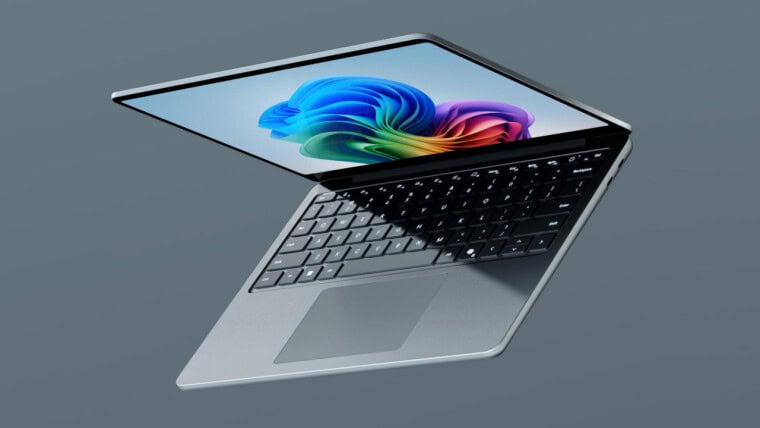
Microsoft’s 13-inch Surface Laptop is now official, and it’s all about portability, battery life, and Copilot+ PC features. Announced alongside the new 12-inch Surface Pro, this slimmer, smaller sibling to the Surface Laptop 7 is designed to be more affordable and lightweight without sacrificing modern performance or AI.

Microsoft’s new 13-inch Surface Laptop packs a Snapdragon X Plus chip under the hood and offers longer battery life

Built with anodized aluminum and available in three colors—including a new Violet option—the 13-inch Surface Laptop is Microsoft’s thinnest and lightest Surface Laptop yet. It trades in the 13.8-inch display of the Surface Laptop 7 for a smaller 13-inch Full HD touchscreen (1,920 x 1,280 pixels resolution), and sticks to a standard 60Hz refresh rate.

1746521809_surface_laptop_13-inch_1_story
Image: Microsoft

Under the hood, Microsoft is going all-in on Arm. The laptop is powered by Qualcomm’s 8-core Snapdragon X Plus processor, packing a 45 TOPS NPU to run Windows 11’s new AI features like Recall and image generation.

Microsoft says it’s 50% faster than Surface Laptop 5, and even claims it beats Apple’s MacBook Air M3 in performance, though real-world testing will matter more. What it lacks in raw power compared to the Snapdragon X Elite, it makes up for in battery life.

Microsoft is promising up to 23 hours of local video playback, or 16 hours of active web browsing, making this the longest-lasting Surface device ever released. That extra endurance comes with a few compromises.

Storage, connectivity, availability, and pricing

The 13-inch Surface Laptop ditches the infrared Windows Hello camera and replaces it with a fingerprint reader built into the power button. Memory is capped at 16GB, and storage options are limited to 256GB or 512GB of UFS storage, not SSD.

Still, you’re getting a backlit keyboard, a solid haptic touchpad, and all the standard Copilot+ perks. Microsoft includes a charger in the box this time, unlike the Surface Pro 12-inch, which now ships with just a USB-C cable.

1746521831_surface_laptop_13-inch_story
Image: Microsoft

As for ports, the 13-inch Surface Laptop includes two USB 3.2 Type-C, one USB 3.1 Type-A, and a 3.5mm audio jack. The old Surface Connect port isn’t available, hinting at Microsoft’s full transition to USB-C across the new Surface line. You can also drive up to two external 4K 60Hz displays through the Type-C ports.

The 13-inch Surface Laptop is available to preorder now starting at $899 for the base 256GB model. It starts shipping on May 20, 2025.

Microsoft’s new, compact Surface Pro has 12-inch display and costs $799

Microsoft just took the wraps off a brand-new addition to its Surface Pro lineup—and it has a 12-inch display. To catch you up, the device was leaked in full a few days ago. Well, it’s finally here.

The new 12-inch Surface Pro, unveiled today alongside the refreshed 13-inch Surface Laptop, marks Microsoft’s “thinnest and lightest Copilot+ PC” to date. It’s built for portability and value, and it starts at just $799.

Microsoft launches a smaller 12-inch Surface Pro with a Snapdragon X Plus Chip

At first glance, this new 12-inch Surface Pro keeps the familiar 2-in-1 design: tablet with kickstand, optional keyboard, and full Windows 11 experience. But under the hood, it’s Microsoft’s first budget-friendly Copilot+ PC, powered by Qualcomm’s Snapdragon X Plus chip—an 8-core, fanless processor built for AI features and all-day battery life.

12-inch Surface Pro
Image: Microsoft

You still get the tablet-first Surface feel, but in a more compact form. The 12-inch PixelSense LCD display features a 2,196 x 1,464 resolution (220 PPI) and a 90Hz refresh rate, though it defaults to 60Hz out of the box. It’s a downgrade from the OLED panel in the Surface Pro 11, but that’s part of how Microsoft is hitting a lower price point here.

12-inch Surface Pro with Pen
Image: Microsoft

The base model of the 12-inch Surface Pro includes 16GB of RAM and 256GB of UFS storage, not SSD, so performance will differ. A 512GB option is also available for those needing more space.

USB-C connectivity, support with 4K monitors, and AI features

The new Surface Pro is going all-in on USB-C. There are two USB 3.2 Type-C ports that support charging, display output, and data transfer. Microsoft has removed the Surface Connect port entirely, signaling a broader shift to USB-C across its lineup. The device supports dual 4K monitors at 60Hz and works with accessories like the Surface Thunderbolt 4 Dock.

Microsoft claims up to 16 hours of local video playback or 12 hours of active web usage. It charges at 45W, but the charger is not included in the box—a move Microsoft first tested in Europe with the Surface Pro 11 and is now applying globally.

As for AI features, this new Surface Pro is fully Copilot+ capable. It packs Qualcomm’s 45 TOPS NPU, enabling Microsoft’s growing set of AI tools like Recall, Click to Do, and image generation, all of which are now publicly available.

The Surface Slim Pen 2 now charges magnetically on the back of the device, similar to the iPad Pro. The Surface Pro keyboard ditches the charging dock but keeps backlighting, a welcome decision after complaints about stripped-down features in the Surface Laptop Go. The keyboard also now folds completely flat for improved ergonomics.

Price and availability of the 12-inch Surface Pro

For business users, a version of the device will launch on July 22, shipping with Windows 11 Pro, an anti-reflective display, and an NFC reader. The 12-inch Surface Pro is available to preorder today for $799, with consumer shipments beginning May 20.

Windows web app gets new features and improvements

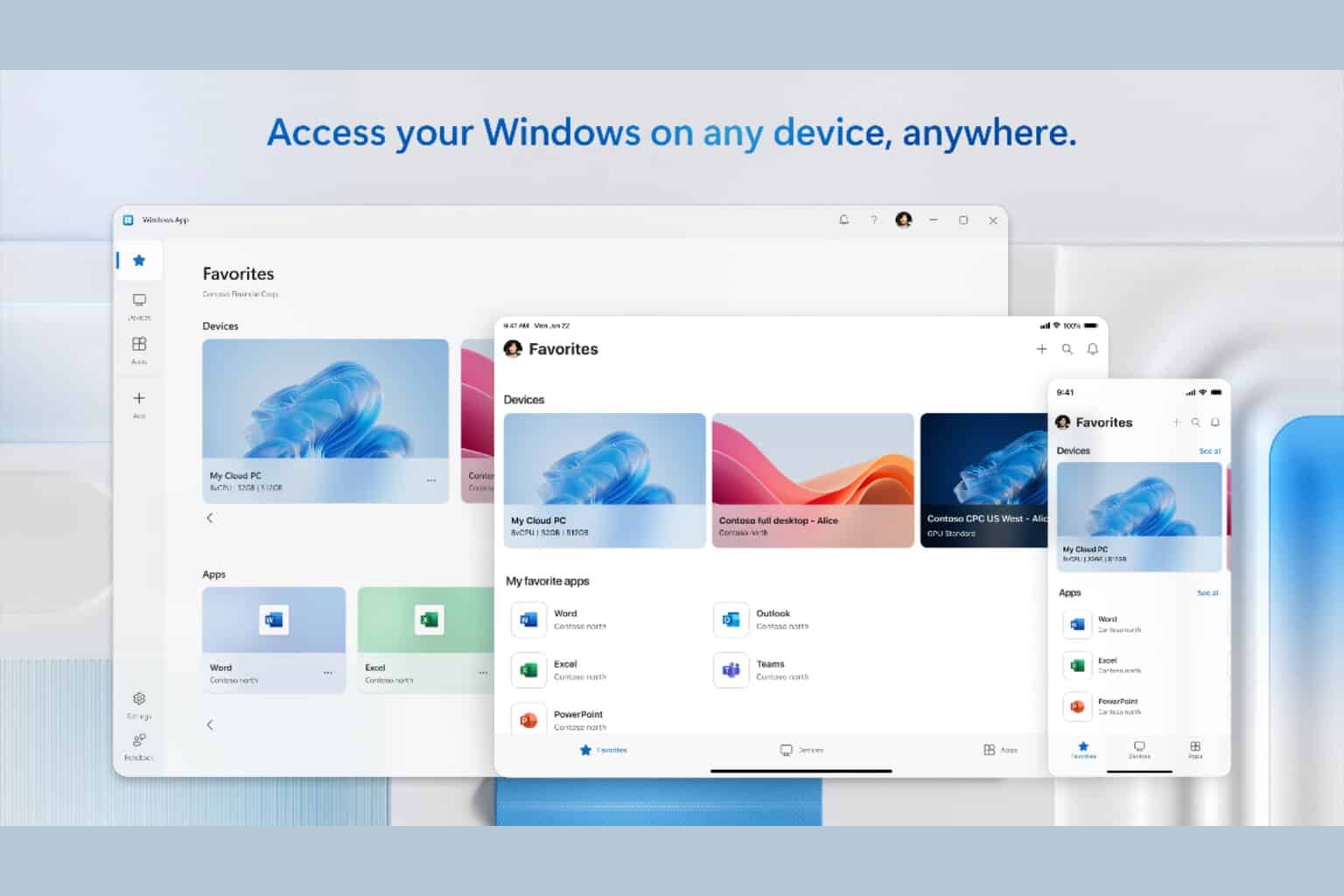
The Windows app, home to services like Windows 365 Cloud PCs, Azure Virtual Desktop, and Microsoft Dev Box, is getting better. Microsoft is rolling out some improvements to its Windows web app, making remote work feel more seamless than ever.

Microsoft adds new features and improvements to the Windows web app

While the app became generally available in June 2024, Microsoft is now focusing on Windows web app improvements, especially for users on the browser-based version. One of the most noticeable upgrades is the new Remote App Launcher. It’s tucked right into the web app’s toolbar.

Image: Microsoft

Click it, and you can quickly launch other remote apps without switching tabs or jumping back to the main screen. It’s a cleaner, more efficient way to work — and another example of how the Windows web app improved usability in subtle but impactful ways.

You can now print directly to local printers connected to your PC, without any workarounds needed. It’s a small change, but for anyone used to remote sessions, it’s a massive quality-of-life improvement.

Switching between the web and desktop apps is a lot easier now

Microsoft is also making it easier to switch to the desktop version of the Windows app, which supports advanced features like multi-monitor setups. A new “Connect in desktop app” option allows users to seamlessly move from the web session to the installed desktop app.

Image: Microsoft

In short, these Windows web app improvements show Microsoft’s steady push to make remote work simpler, faster, and less frustrating.

Windows 11 KB5055653 Beta improves HDR and Windows Update

Microsoft has released the new build 26120.3950, under KB5055653, for Beta Channel users in Windows 11. The latest update isn’t feature-packed, but it improves a lot of things within the operating system.

One of the notable changes in this build is an update to HDR controls, which mirrors improvements already seen in Windows 11 KB5055651 Dev.

Users now get more detailed settings for high dynamic range content, giving better flexibility for those running HDR-capable displays. It’s a welcome move, especially as HDR becomes more mainstream in both gaming and media.

Windows 11 KB5055653 Beta also improves power management tools, taskbar, and fixes a lot of bugs

Microsoft is also improving power management tools with the Windows 11 KB5055653 Beta update. A new policy allows IT admins to manage Energy Saver settings through Microsoft Intune. This is particularly useful for organizations managing fleets of laptops, and it lines up with energy-saving controls introduced in the Dev Channel previously.

Another small but noticeable change brought in by the Windows 11 KB5055653 Beta is the revamped “needy” indicator on the taskbar. Instead of a dot, apps now get a pill-shaped underline when they need your attention. It’s cleaner, more modern — and more in line with visual polish we’ve seen from Windows 11 KB5055651 Dev builds in the past few weeks.

The update also fixes issues with the Windows Update service, which had been throwing 0x800f081f errors for some users. While the changelog doesn’t go deep on specifics, Microsoft says reliability and installation flow should be smoother going forward. You can check all the details by visiting the Insider blog linked above.

Windows 11 KB5055651 Dev introduces Dolby Vision, improved HDR & more

Microsoft has released the Windows 11 KB5055651 update to the Dev Channel. The update, now live for Windows Insiders in that channel, doesn’t bring major feature updates.

However, it’s packed with important under-the-hood changes, especially HDR, enterprise power management, and quality-of-life tweaks.

The KB5055651 Dev channel update improves HDR performance and Dolby Vision in Windows 11

If you’re running HDR or Dolby Vision-capable hardware, the KB5055651 Dev update introduces noticeable improvements. Microsoft has tweaked Dolby Vision rendering and HDR settings, with a new panel inside the Settings app offering more granular display controls. It’s a minor update, but a welcoming one.

Image: Microsoft

Also read: Windows 11 KB5055653 Beta improves HDR and Windows Update

The Windows 11 KB5055651 Dev updates also bring a new Remote Desktop Energy Saver policy. You can manage the same via Microsoft Intune. It’s aimed at enterprise users who want better power management without sacrificing performance.

Image: Microsoft

The KB5055651 Dev update is also giving the taskbar a minor visual tweak in Windows 11. Microsoft has updated the “needy state” indicator — that little visual nudge apps give you when they want attention. It now appears as a wider pill shape under the app icon, making it more visible.

Image: Microsoft

The update contains plenty of bug fixes

The KB5055651 Dev update fixes a lot of bugs and issues. From making Windows Update’s behavior smooth to some lingering UI issues, Microsoft continues to patch them quietly in the background. For more details, check the full changelog here.

Microsoft revamps Teams chat and channels experience for all commercial users

Microsoft has officially rolled out the revamped chat and channels experience in Microsoft Teams to all commercial users. First introduced in October and tested across millions of users through public and private previews, the update is now generally available and will soon reach users in Government and other cloud environments.

The revamped Teams chat and channels experience is now available to all commercial users

The revamped Microsoft Teams chat update ensures communication is faster, smarter, and easier to manage. “The new experience is designed to be simple by default… and powerful on demand,” said Noga Ronen, Senior Product Marketing Manager for Microsoft Teams.

The revamped Teams chat and channels experience also introduces a new message filtering system. Users can now sort conversations by Unread, Chat, Channels, Meetings, and Muted. A new @mention view collects all directed messages into one place, improving visibility.

microsoft_teams_chat_redesign
Image: Microsoft

For those who want more control, Microsoft now lets users create custom sections. These can include chats, channels, meetings, bots, or AI agents—organized exactly how the user prefers. The revamped experience also brings a unified message creation experience, letting users send messages to both chats and channels from a single interface.

Also read: Microsoft is making Town Hall Events easier to manage. Here’s how

Users can opt to go back to the old design

Although the revamped Teams chat and channels are visible by default, Microsoft is giving users flexibility. You can still return to the old layout, turn off previews, or display channels in a list.

Microsoft also hinted that features like threaded conversations would also be available with future updates. Not to forget, Microsoft Teams Mobile will add a game-changing content share button in June as well. So, make sure to keep an eye on that update.

Firefox Update Will Prompt Users to Accept Terms of Use at Startup with Opt-Out options

Mozilla received a lot of flack for its new Terms of Use and Privacy Notice. The company is now preparing to show an upfront notification, prompting users to agree to and continue with the Terms of Service (ToS) by default for all new Firefox users in the version 138.x dot release on all official desktop builds, including Windows, Mac, Linux, Windows Installer, and Windows MSIX.

Mozilla introduced Firefox’s Terms of Use for the first time along with an updated Privacy Notice. The company had to rewrite the TOU. Users can opt out of these at any time by visiting Privacy settings.

The organization also wants new users to know about the new terms of service through a notification during onboarding. When they click “Continue,” they give consent for Mozilla to use their data, which can be used to show personalized ads on the NTP, send technical and interaction data to improve Firefox, allow personalized extension recommendations, install and run studies, or send daily usage pings to Mozilla.

At any time, current users can visit Firefox settings > Privacy & Security > Firefox Data Collection and Use and turn off relevant settings that let Mozilla collect data when they use Firefox.

For new users or those creating new profiles in Firefox, Firefox will show a notification asking them to read and accept the Terms of Use and Privacy Notice, which also includes settings to manage or opt out of sending diagnostic and interaction data.

Firefox’s Terms of Use and Privacy Notice notification reads as below

Welcome to Firefox
By continuing, you agree to the Firefox Terms of Use and our Privacy Notice. To help improve the browser, Firefox sends diagnostic and interaction data to Mozilla.

Basically, the notification includes three parts: Read our Terms of Use, Read our Privacy Notice, and Manage Diagnostic and Interaction Data. Users can expand each section to read through them. When they click “Continue,” they consent to Firefox using their data.

With the future Firefox 138 dot release, Firefox maker wants to enable and show Terms of service notification to users at startup with ability to opt out sending data to Mozilla.

Apart from the controversial ToS notification, Mozilla had planned to display the Firefox April Fools logo but pulled it for unknown reasons. The company is also testing PWAs on Windows 11 under the name “Taskbar Tabs” in Firefox