Beth Hamilton is principal of a new school in Bellevue, WA, opening this fall, that she hopes will revolutionize how children learn and improve education for the future.
Wilburton Elementary, opening in Fall 2018, will be a 80,000 square-foot, high tech facility that will also be a Microsoft Showcase School, according to a post on the Microsoft in Education blog. Microsoft Showcase Schools were created through another Microsoft partnership, this time with the Bellevue School District (BSD).
Microsoft and the BSD may have figured out a way to change the way that students learn. and Microsoft created a vision that will fundamentally change the way Wilburton Elementary students will learn. Here’s a look at the Wilburton Elementary education plan, the Microsoft Education Transformation Framework.
Hamilton believes that Wilburton Elementary is a step in the right direction for the education. and believes partnerships with corporations, including Microsoft, may help supply the educational tools needed to teach in the future.
“Give the kids the control. I want to provide an environment where everyone is a learner and we’re all collaborating together – educator, students and the community. And I want to bring back the love of learning and curiosity. I want the school to be a model, where we use technology and learning to disrupt the system so that students are engaged and excited to learn.”
Whether of not Hamilton is successful with her dream for Wilburton Elementary, we will have to wait to hear more about this Microsoft Showcase School sometime in the fall of 2018. Stay tuned.
Microsoft quietly updated Planner, its project management tool for Office 365 customers, last week. Planner doesn’t get as much love as Microsoft Teams, the team collaboration app that Microsoft launched earlier this year, though both products are already integrated in some ways.
Indeed, it’s already possible create plans right from Microsoft Teams, though as of today those plans you create on the Slack competitor won’t be visible in the Planner web app. To be clear, you can still open these plans in the web app if you want to, but these plans created on Microsoft Teams won’t appear in the Planner web app or the iOS and Android apps by default, which can be a bit confusing.
As a result, it seems that it’s always better to create plans from the Planner web app, and you should really use the web client in the first place if you want to see your plans at all times in a separate browser window. The Planner web app also seems to be more reliable (it refreshes faster), and it has just been updated with a new UI that should improve performance for plans with a high number of tasks. Microsoft detailed some of the changes on its online Planner community last week.
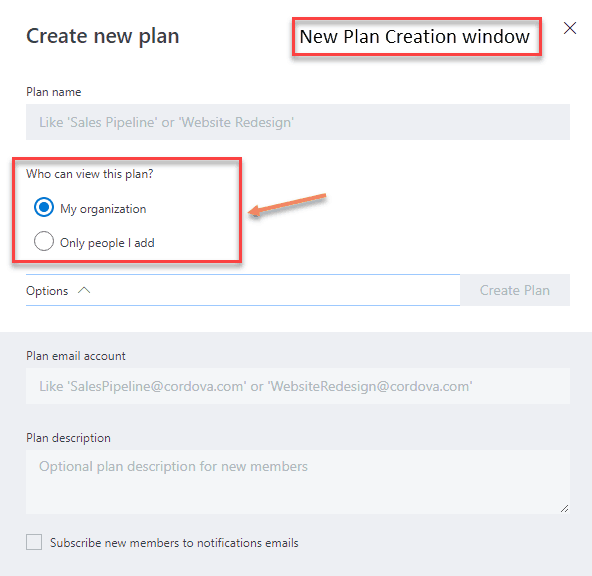
First of all, the new plan creation window now has a new option to let you choose who can view new plans: you can either make them available to all your organization, or restrict them to a few members you’ll add manually.
The new Plan Creation window.
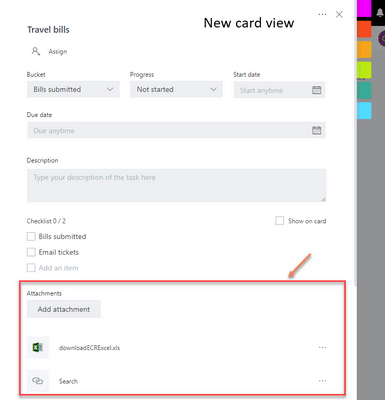
The card view has also been updated to make attachments more visible. When you add a link to a card, the link name will now show up on the card if you check the “Show on card” toggle.
The new card view.
Previously, with links, Planner would show the full url on the card by default. Now it shows the “text to display,” making visible links on cards more readable. “Attachments” used to be only links, but now include Files, Links and SharePoint.
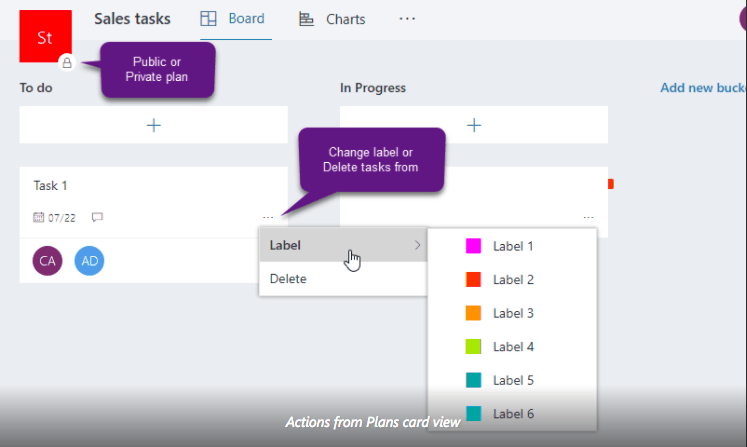
From the Plans card view, you will also see that it’s now easier to know if a plan is public or private, and you can also click on any card to add a new label or delete it.
The new Plans card view.
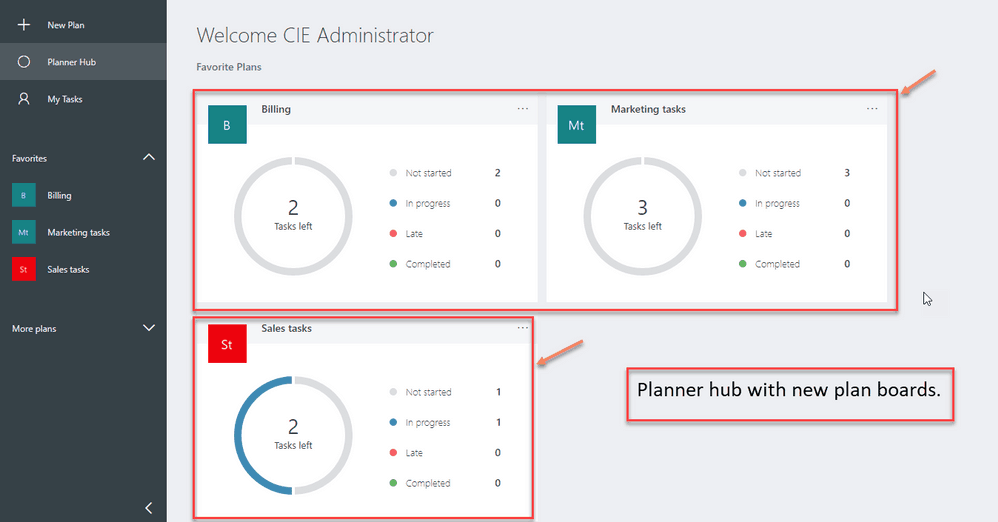
Lastly, the Planner hub has been slightly redesigned with new plan boards, which help you better track how many tasks are in progress, completed, etc.
The redesigned Planner Hub.
This is a pretty nice update overall, though the project management app still remains a work in progress. In the future, we’d very much like to see more seamless integrations with Microsoft Teams, as it really make sense for companies to use both tools in synergy. If you also use Planner, let us know what are the other improvements you would like to see in the near future.
Unlike the mandatory trip to the Apple Store that comes with buying a Mac, there are plenty of awesome and affordable options from both Microsoft and other OEMs when you want to buy a new Windows PC. Sometimes, though, it’s not easy to choose a PC, especially since there are a lot of categories in the wild today. Well, Microsoft has created an interactive “Help me Choose” tool, which is designed to make it easy to find a PC that’s perfect for your needs.
To access the tool, you must first visit Windows.com and click on “Shop for a new Windows 10 PC.” After you do so, you will be asked a few questions as to how you will be using your new PC. Examples of this initial question include: Is it for work, school, gaming, creative, or personal use. Once those questions are answered you will then be followed up with additional questions as to which features are more important to you: touch, typing, Windows Hello. Depending on your answer, you will then be prompted with more questions, or you will see which product is most appropriate for you, be it a standard laptop, or something fancier like a Surface Book, or Surface Pro.
Help me Choose
In the event that you’re already running Windows 10, or you’re already satisfied with your PC, the “Help me Choose” tool can still be useful for you. The tool gives access to links for finding out more about Windows 10 features, such as Paint 3D, Windows Hello, and more. It also can be used to purchase a copy of the Windows 10 OS or check for Windows 10 updates.
With data showing that Windows 10 is accounting for 26.80% of the OS market share, this tool will more than likely help people pick up the PC which is right for them. Do you think you will be picking up a new PC anytime soon? Or have you settled for an older device? Let us know your thoughts below.
Microsoft launched To-Do earlier this year as a replacement for the popular Wunderlist task management app. To-Do is built on top of Microsoft’s existing Office 365 platform and is meant to offer a streamlined task management experience. While To-Do is still early in development, it will eventually replace Wunderlist altogether. In this article, we’ll show how you to get set up with To-Do so you can migrate to it today.
Getting set up
To-Do is available now on Windows 10, Windows 10 Mobile, iOS, Android and the web. When you first launch the app, you’ll be prompted to login with your personal Microsoft or business Office 365 account. You’ll then be taken to the app’s main screen.
On desktop devices, you get a two-pane view with a fixed navigation menu on the left and a large task management space occupying the remainder of the screen. On mobile devices, the navigation menu is buried under a hamburger menu.
You can access the app’s settings page by tapping your profile picture and pressing “Settings.” Here, you can manually force a sync or start migrating your data from Wunderlist or Todoist. Click or tap “Start importing now” to bring all your existing tasks into the app.
To-Do also syncs with Outlook Tasks. If you’re already using tasks in Outlook 2016 or on the web, they’ll appear automatically in To-Do once the app has completed its initial sync. If you’re a heavy user of Outlook Tasks, you should be aware that not everything is currently supported. Notably, To-Do won’t display flagged emails and doesn’t offer any way of setting advanced Outlook task properties such as completion date and billing information.
Add some lists
When you’re set up, return to the app’s homepage. Next, you should set up some lists to organise your tasks. Press the “New list” button at the bottom of the navigation menu to name your list. Once it’s created, you can add an emoji icon to it by opening the list and tapping the icon to the left of its name.
You can also customise the app’s theme colour for the list using the “…” button to the right of the screen. You can set a different colour for each list as a visual aid to which tasks you’re looking at.
Create a task
Now it’s time to actually add a task. In your new list, press the “Add a to-do” button at the top of the screen (bottom on mobile) to name and create a to-do. It will show up in the task list.
You can click it to edit its details and add a due date, reminder or detailed note. If you right-click or long-press the task, you’ll also see shortcuts to change the due date or move it to another list. To complete the task, click the circle to the left of its name. It will momentarily change to a green “completed” tick before the task disappears.
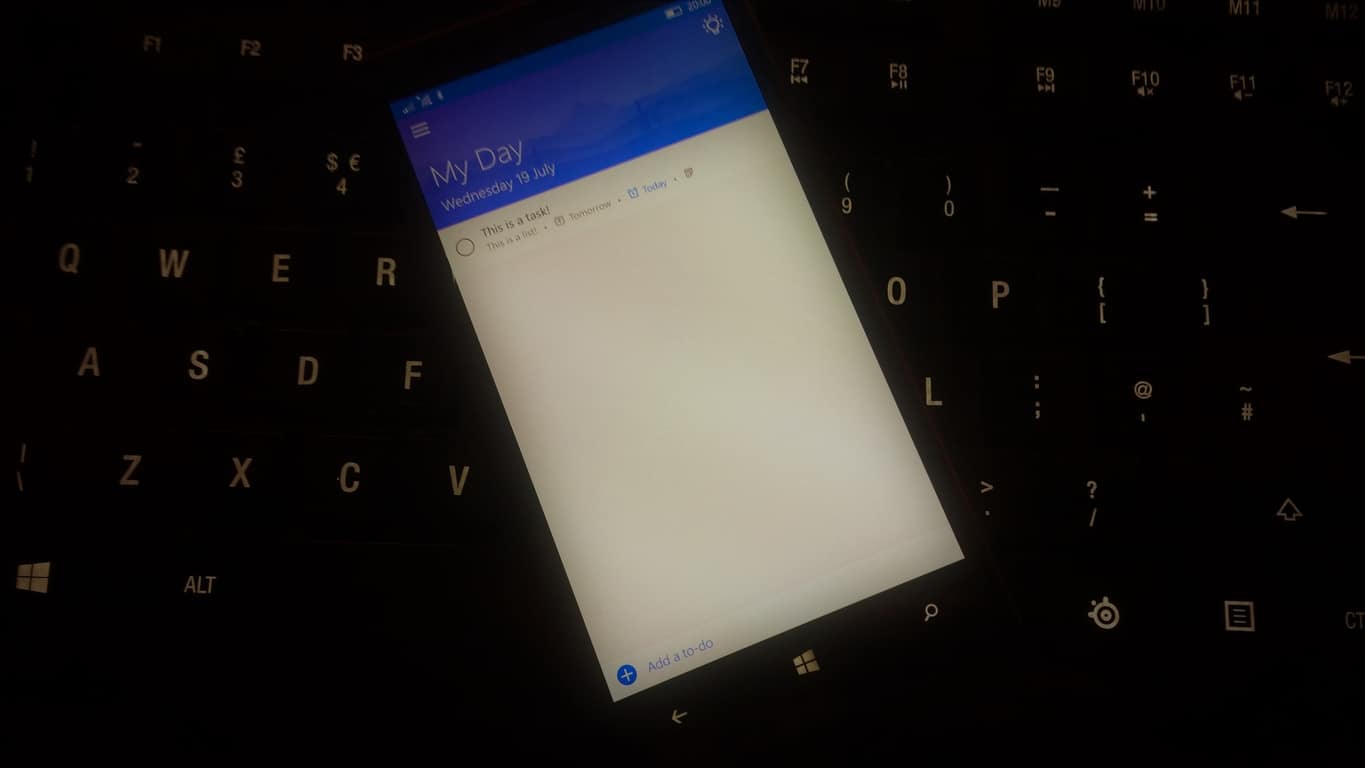
My Day
One feature of the task screen requires closer attention. The “Add to My Day” option at the top of the task context menu and details view is a unique feature of To-Do. Tasks that you add to My Day will show up in the My Day screen that appears when you first open the app.
This screen offers something no other task management app provides: the option to say you’ll work on a task today, without changing its due date. It lets you effectively plan out your work at the start of the day. If you don’t complete everything in My Day, you don’t need to worry.
Because the task’s original due date is intact, you can just schedule it again tomorrow. Any uncompleted tasks in My Day will be automatically removed from the view at the start of the next day, giving you a clean slate to work from in the morning. To remove a task from My Day, use the context menu or details view again. You can also toggle whether a task is in My Day by swiping it to the right.
Suggestions
My Day works in tandem with another unique To-Do feature. If you tap the lightbulb icon to the right of the “My Day” list header, To-Do’s suggestions screen will appear. This suggests tasks you might want to complete today based on their due date, how long they’ve been sitting in the app and whether they’ve been previously added to My Day.
If you didn’t complete all the work you’d scheduled yesterday, the tasks you left uncompleted will appear in Suggestions the next morning. You can just add them into My Day again and pick up where you left off.
Microsoft(‘s) To-Do: Finish building To-Do
This rounds up our introduction to To-Do. It’s currently a simplistic task management experience that’s got a long way to go before it replaces Wunderlist. However, the minimal design and unique potential of My Day bode well for the future.
To-Do also has the advantage of syncing everything with Outlook Tasks, letting you access your lists as task folders on the web or in the Outlook desktop client. This has been a long-requested feature from Wunderlist users that’s now available in the next-generation evolution of the original app. Although the omission of features like sub-tasks, shared lists and labels will keep established Wunderlist users away for now, To-Do is already well-placed as a minimal take on the task management experience.
Over the past few months, older versions of Windows have been the target of malware and ransomware cyber attacks such as Petya and WannaCry. All throughout those attacks, however, Windows 10 came out strong, and a new study done by Spiceworks is showing that the attacks are driving more and more businesses and industries into updating older systems and adopting Microsoft’s latest operating system.
According to the Spiceworks penetration rate data, 60% of global organizations have adopted Windows 10 on at least one computer, for a 6% increase since March of this year. More specifically, the human resources and the legal industries have shown a 52% and 54% adoption rate, and the software industry a 75% rate.
At the same time, businesses with 100-500 employees showed the highest Windows 10 adoption rate, coming in at 67%. The numbers are all coming from penetration data, which is defined by Spiceworks as the percentage of companies running at least one instance of a specific operating system. The Penetration Rates of other operating systems can be seen below.
OS penetration rates
When it comes to absolute operating system share, Spiceworks has found that Windows 7 is still popular, running on 68% of all surveyed laptops and desktops in business across the globe. Windows 10, meanwhile, secured a 13% share, which is up 4% from March. Windows XP now has an 11% share, falling 14% and now behind Windows 10 in Spiceworks study.
According to Peter Tsai, senior technology analyst at Spiceworks, this is fueled by ransomware attacks.
“In recent months, widespread ransomware attacks such as WannaCry and Petrwrap have put businesses under pressure to upgrade unsupported operating systems, such as Windows XP and Vista, and move to more secure systems like Windows 10… And while Windows XP is still running in some businesses, it’s evident that more companies are beginning to recognize the security risks and prioritize upgrades in order to better secure their networks.”
Share of desktop OS
Based on research from June 2015, Spiceworks is saying that 73 percent of IT professionals planned to implement Windows 10 in their organization within two years after launch. The data in this study was collected on June 30, 2017, and the methodology is “based on anonymized, aggregated deployment data among a sample of hundreds of thousands of IT professionals across the globe who use Spiceworks software to inventory their laptops and devices.”
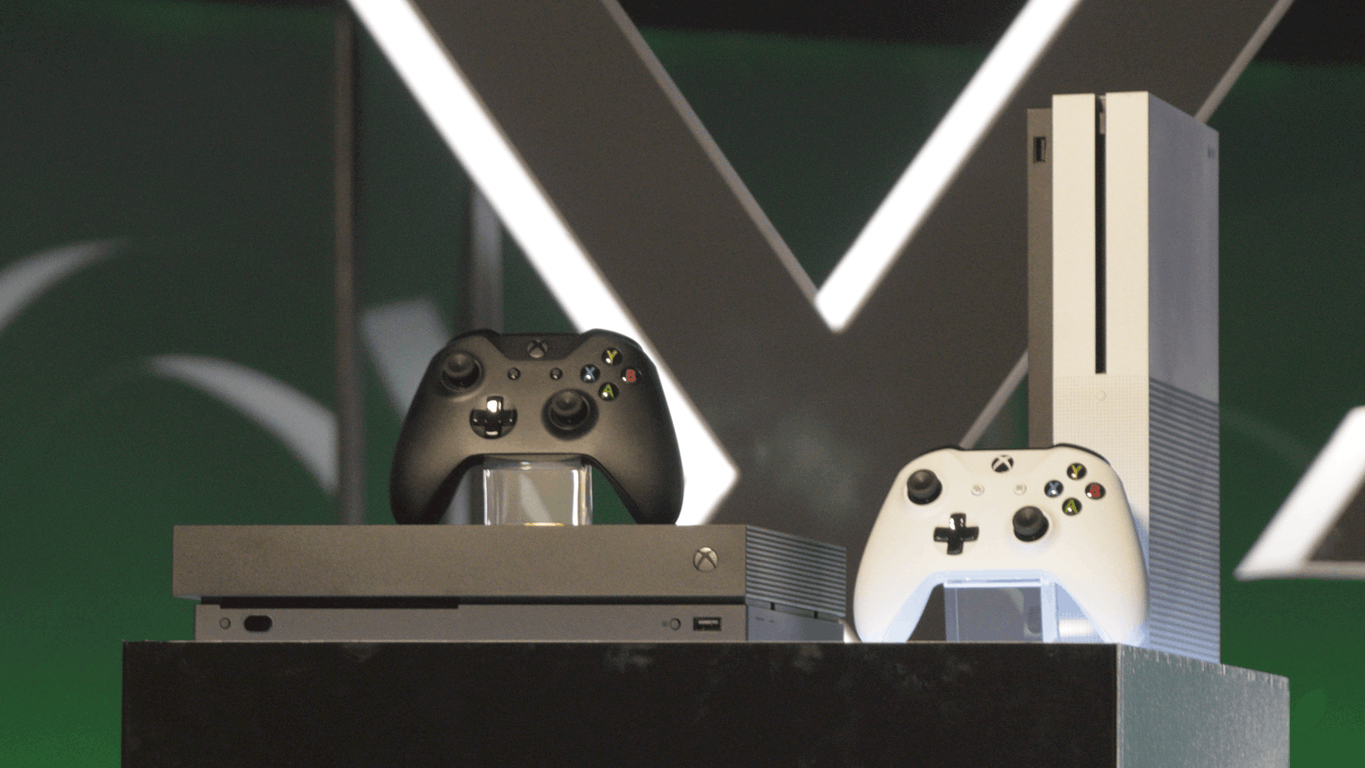
We’re now just a few months away from the release of the Xbox One X, but many enthusiasts are already wondering when Microsoft will open preorders for the new console. Last week, we spotted that Microsoft updated the Xbox One X store listing with an invite to follow the Microsoft Store Twitter account for pre-order details, and we also learned that the console may have just passed FCC clearance.
Today, Xbox head Phil Spencer confirmed that gamers won’t have to wait much longer to pre-order the console. Answering a question about the subject on Twitter, the exec shared that “all approvals are done,” and the team is now working on the official announcement (via Windows Central):
Our plan is set for this. All approvals are done so now just landing the announce with all the info, won't be too much longer.
It remains to be seen if Microsoft could open pre-orders next month during Gamescom, as this will be the first time that the Xbox team shows off the new console in Europe. The Xbox One X will be released worldwide on November 7, and we’ll let you know as soon as we get more details about preorders.
Welcome to our weekly Xbox news recap series, where we go over the top stories of the past week in the world of Xbox. Let’s get started.
Analysts predict failure of Xbox One X
The Xbox One X is a hard pill to swallow. Asking anyone to buy a game console with zero exclusivity by design is tough to start with, but slamming a $500 price point on it can seem pretty crazy. Analyst Michael Pachter thinks that the Xbox One X is going to be dead on arrival, and we covered some of his thoughts on the matter, as well as giving our own opinions. Personally? I think that the Xbox One X is going to be a financial failure – but Microsoft probably knows that. I feel like this is something that the company is selling at a loss knowingly, assuming it’s going to pay off for them down the line. It’s a risky investment, for sure.
“My Little Pony” bug boggles minds
You remember when “bronies” took the world by storm with their fervent love for the reboot of the classic animation series? We’ve recently gotten a taste of that yet again, with a bug causing a “mock error” to show up for many people in the Xbox Store one morning. The mock error directly referenced a My Little Pony episode called “Read it and Weep,” and spoke a bit more specifically about the show.
Fix will be in tonight, sorry about that. Test string that shouldn’t show up.
Gigantic gets a full release on Xbox One and Windows 10
Gigantic has been in beta for quite a long time, but it’s finally seen a full release. The game’s launch marks the first competitive esports-ish game to come out of Microsoft’s inner circle, and – if successful – could be pretty significant in the long run. Those who are interested in this type of game should consider logging in and giving it a shot in order to support more efforts like this from Microsoft, as they definitely seem to be interested in doing more.
ReCore Definitive Edition leaked
Here’s a weird one. Remember ReCore? We reviewed it when it first came out, and it… Wasn’t amazing. But it wasn’t awful, either. The game had some great art direction and an interesting world, but it altogether seemed rushed, and not quite complete. According to some leaked images, the supposed Xbox heavy hitter is going to be coming back with a reckoning, offering players a “Definitive edition” update. Some people suspect this may include 4K support for Xbox One X, but it’s anyone’s guess.
Thanks for joining us. To keep up to date with all the latest Xbox news, keep a close eye on our Xbox One tag.
Microsoft (MSFT) news recap is a weekly feature highlighting the top Microsoft news stories of the past week. Sit back, grab some coffee, and enjoy the read!
Once again the cloud proves fertile for Microsoft growth bringing in $6.5 billion for Q4 17′
With Microsoft’s continued focus on the cloud, it continues to pay off, as its earnings results for Q4 2017 showed continued growth, and more importantly, an increase in revenue. Increases were recorded against both Azure, cloud services, and Office 365.
Microsoft finds end-around to battle Russian hackers Fancy Bear
Microsoft has been using the courts to combat Russian hackers, Fancy Bear, by filing complaints surrounding domains owned by the group. it has been compiling a case against domains being reserved that infringe on its trademarks – and then, using those domains to act as a man-in-the-middle to possible future cyber attacks.
A “simpler, easier” Microsoft Account login page coming for “lots” of services
Following in the footsteps of Google’s recently redesigned login page for all of its services, Microsoft is now coming along, saying that it will be releasing a new login page for “lots” of its service.
Yup. That's a new login lots of our services will be using… Simpler and hopefully easier.
Microsoft trademarks MineCoin as potential Minecraft Marketplace currency rename
After Microsoft added the Minecraft Marketplace to the Windows 10 version of the game, the company has now trademarked “MineCoin”, potentially the new name for Minecraft’s in-game currency.
That’s it for this week – we’ll be back next week with more Microsoft news.
With the WePhone app installed on your Windows Phone or Windows PC, you will be able to make and receive international phone calls with crystal-clear sound quality at the lowest possible rates.
WePhone features
The app features a phone call recording capability and a caller ID display which means that the receiver will get to see your phone number.
The app is extremely easy to use and works flawlessly. If you compare it to Skype, it’s 30% cheaper and you only have to pay $0.2 USD for call credits that even work for international calls. Another great thing is that the app is ad free!
Check out some call prices below to make yourself an idea:
United States: $0.01/min
China: $0.018/min
India: $0.0185/min
Kuwait: $0.061/min
You can get trial phone calls with gift credits to make cheap calls. There are no hidden costs involved and you don’t have to pay any connection fee. There is no expiration date for the call credits, either. You’ll also have the chance to switch to a Premium Line for the best voice quality possible.
You can make calls over WIFI/4G/3G/GPRS and there are no roaming costs even when calling from abroad, meaning you can call from anywhere at the same rates!
Recommended system requirements
The app works best on Windows 10 and Windows 10 Mobile and you need at least 13.83 MB free to install it.
User experiences
According to most users, the app is straightforward and everything seems to work just as advertised. The app is also very easy to install, regardless of browser updates.
If you’re tired of malfunctioning dial pads or apps that require having an existing carrier phone line to activate, WePhone might just be your best choice. You can get it for free from the Windows Store.
TextNow provides you the opportunity to send free and unlimited text messages straight from your computer. With this app, you can be connected in an instant with your family and friends from all over the USA and Canada.
How does TextNow work?
Once you sign up, you will be assigned a dedicated phone number with an area code you choose. You will be able to use that particular number to send and receive unlimited texts across Canada and the US, including picture messages. What’s even better is the fact that your family and friends don’t have to also get the TextNow app. The app’s design is beautiful and straightforward and will integrate directly will all of your Windows contacts.
You can get TextNow for iOS, Android, and BlackBerry. If you take your phone number with you, your messages will all seamlessly synchronize.
Recommended system requirements
The recommended operating system for this app is a PC running on Windows 10 or Windows 8.1. The approximate download size of the app is about 1.59-1.77 MB. You can get the app while you are signed in to your Microsoft account and can be installed in up to ten Windows 10 devices.
Users’ experiences
Most users are happy with the app as it works perfectly for easy texting and calling on every phone or tablet on the market along with computers. On the other hand, the Windows Store version doesn’t support all the features of the standalone and Android versions of the app. In other words, it lacks calling, emojis, voicemail and so on and also lags when updating incoming text. If the app receives more updates, it should work just fine going forward.
Microsoft’s Brandon LeBlanc posted an interesting guide to the Windows 10 Fall Creators Update. The document is a huge collection of all the features of the upcoming Fall Creators Update. Buckle up because there are 51 pages to read!
Windows 10 Fall Creators Update highlights
We can’t tell you all about everything, as we said there are 51 pages to read, but we’ll list some of the most important features that will be available in the upcoming Fall Creators Update:
You can access all files in the cloud on demand with OneDrive Files On-Demand new feature; you won’t have to download them and use the storage space on your device.
My People will take connections to the next level, and it will bring you closer to your loved ones.
The Fluent Design System will come with lots of improvements including the following: acrylic, vertical resize, horizontal resize, diagonal resize, resize grips, tablet mode transitions.
You will be able to control the volume of your UWP apps.
There will be no more logging out to fix blurry desktop apps.
Cortana comes with lots of new features and improvements such as incoming call notifications.
Microsoft Edge got lots of new features and enhancements, and now it’s easier to move from another browser, and it will also give you more control over closing tabs.
The PDF Reader from Microsoft Edge also got more features such as the option to Ask Cortana in PDFs.
Other improvements and novelties include the ability to copy and Ask Cortana, updated emojis, shape writing, enhanced text prediction, scrolling with a pen, improved game setting, Braille/narrator improvements and more.
The update will bring a bevy of new features and enhancements that will significantly improve the Windows 10 experience. Check out the complete list of new features here.
Microsoft has just released Windows Template Studio 1.2, a new version of its UWP app creation tool that will soon replace Windows App Studio. This new version brings several new features and improvements, including the ability to add content into an existing application via a simple right-click.
Here are the main additions for the extension to Visual Studio (the full list of improvements is available on the dedicated Github);
Improvements to the Wizard:
Add new content to existing WTS generated projects in your solution window via right-click
We will be working toward seeing how we can enable this for non-WTS generated projects
Adjusted ordering of templates based on popularity and logical groupings
Under the hood, we’ve done a lot of work toward localization and started some accessibility improvements
If you already installed Windows Template Studio, the extension should automatically update to the latest version. As for developers who have yet to try the new developer tool, it’s available to download on this page. If you’re wondering, Microsoft also announced today some of the new features coming in future builds, including Visual Basic support, Fluent Design in the templates, Project Rome features and more.
Last but not least, Windows Template Studio has just been accepted into the .NET Foundation, joining other projects such as .NET Core, Roslyn and UWP Community Toolkit. “We are thrilled to be accepted in,” the company said in the blog post.
With the Creators Update, Microsoft gave Windows 10 users more granular controls over telemetry and all the diagnostic data that the OS shares with the Redmond giant. If you have already installed the update, you should know that Microsoft has reduced by half the volume of data collected at the “Basic level, which is one the reasons why France recently dropped all of its privacy complaints about Windows 10.
Nonetheless, the fact that Microsoft still doesn’t allow Windows 10 users to easily switch off all data collection remains a concern for many. Advanced users may know how to turn off data collection by using the Services desktop app, though you should be aware that doing so will also disable Xbox achievements for Windows Store games that support them.
The issue was discovered by Reddit user PoliteSpellingNazi, who explained on the Xbox One subreddit that Xbox Achievements will no longer work if the Connected User Experiences and Telemetry service is turned off in the Windows 10 Services app. The description for this service notes (emphasis ours):
The Connected User Experiences and Telemetry service enables features that support in-application and connected user experiences. Additionally, this service manages the event driven collection and transmission of diagnostic and usage information (used to improve the experience and quality of the Windows Platform) when the diagnostics and usage privacy option settings are enabled under Feedback and Diagnostics.
If you disabled this service a while go, are now having second thoughts, and don’t remember where to find it, here are the steps to turn it back on:
Open the Services desktop app, which you can easily find with the Cortana search bar or by using Windows Key + R and then type “services.msc”
Find the “Connected User Experiences and Telemetry” service in the list an open its property sheet.
Change the Startup Type to “Automatic”
Restart your PC
All of these services are here for a reason, and it’s never recommended to turn off any of these off without being sure of what you’re doing. For all other privacy-related settings, we invite you to check the Windows 10 Settings app and go to Privacy > Feedback and Diagnostics. From there, you’ll be able to choose how much telemetry data you want to send to Microsoft, with the “Basic” setting only sending data “necessary to keep Windows up to date and secure.”
Despite the White Houses reluctance to hold Russia fully accountable for meddling in the 2016 US election, Microsoft has taken it upon themselves to begin counter measures to mitigate the power of associate Russian GRU’s Fancy Bear hacking group.
Fancy Bear has been conducting cyber espionage since at least 2007, breaching NATO, Obama’s White House, a French television station, the World Anti-Doping Agency and countless NGOs, and militaries and civilian agencies in Europe, Central Asia and the Caucasus. Fancy Bear’s most notorious intrusions targeted the Democratic National Committee and the Hillary Clinton campaign last year, as part of Moscow’s efforts to help Donald Trump win the White House, according to U.S. intelligence findings.
However, unlike in the movies, battling Fancy Bear hackers won’t put Microsoft behind a monitor and keyboard chasing code across command prompt screens.
Instead, as The Daily Beast is reporting, Microsoft has been slowly building a legal case to bring Fancy Bear into court for reserving domain names that infringed on the company’s trademark. Admittedly, less thrilling than glamorized cyber terrorism seen on screen, Microsoft’s approach has already produced substantive results.
As of The Daily Beast’s reporting, Microsoft has managed to seize roughly 70 Fancy Bear domains used to conduct presumably nefarious acts such as injecting malware on computers and proliferating the spread of fake news onto social media sites.
Furthermore, seized domains allow Microsoft an interception point as Fancy Bear’s server network relays information to now Microsoft controlled domains. Microsoft’s ability to become the man in the middle now enables the company jump in and disrupt future foreign attacks or hacks when observed.
In other words,” Microsoft outside counsel Sten Jenson explained in a court filing last year, “any time an infected computer attempts to contact a command-and-control server through one of the domains, it will instead be connected to a Microsoft-controlled, secure server.”
As an embattled and courtroom tested company Microsoft’s approach of legal seizure seems well within the company’s purview as well as seemingly coming as a bit of a surprise to the less legally resourceful methods of hackers.
It will be interesting to see how much damage Microsoft can inflict before the hackers alter their methods.
It’s only been a week since Xbox One’s public release of custom gamerpics, and already there is controversy about what is or is not allowed on the Microsoft gaming platform. Officer Michael Lee was logging onto his Xbox Live account to realize that he was under suspension from Microsoft. Being a man of action, Lee contacted Xbox Live support to discover that supposedly his avatar, a photo of a police man with a folded American flag (seen above), was the “violation”.
“This account featured an inappropriate Gamerpic on Xbox One or Xbox on Windows. The content of this Gamerpic may include nudity or lewd material, extreme violence, profane or offensive terms or gestures, or other content designed to sound like, look like, reference, or allude to these topics.”
As a result, the Gamerpic was removed and the account suspended for a day. “I tried to find out which rule it violated with a customer service representative,” Lee shared on social media about the event. But since it was only a 24-hour ban, the customer service replied to him that he wasn’t allowed to file any case reviews. The response in full:
“Thank you for your kind understanding. I really understand that you want some clarifications with regards on your suspension about a police holding a flag. However, you can only get in touch with the Enforcement team by submitting a case review on them. Since your suspension is only 24 hours, You are not able to file any case review with regards on the Gamerpic about the police. I do recommend that you refrain from putting any police or military photos to avoid this happening again.”
As imagined, the response to avoid using images of men in uniform has many upset, including Lee. Police supporters at Blue Lives Matter are also calling the Xbox Live reply a “World’s Worst Customer Service Response”. Microsoft has yet to make a comment about the incident or to clarify what was offensive about the image.
UPDATE: A Microsoft spokesperson has made a statement concerning the image. According to Microsoft, the image provided by Lee was not the one that the user was banned for, but instead, one that was uploaded previously.
“Images like the one described by this user would not be removed from our service or subject to enforcement action. Every image uploaded to our service is subject to our Code of Conduct and may be reviewed for compliance. Images violating that code can result in enforcement action against the user’s account, which may prevent any images from being uploaded for a short period. Our investigation found that this user had previously uploaded a different image not in compliance with our Code of Conduct, and the resulting enforcement action prevented the user from uploading further images for a short time.” – a Microsoft spokesperson.
Furthermore, Lee stated that the previous picture was only up ‘for a second’ that he clicked by accident. The image itself is an NSFW of a woman in a thong holding the American flag which Lee submitted to Blue Lives Matters and will not be shown here.
Quantom is one of the best file shredding and file cleaning tools available in the Windows Store. It is described as being the strongest file shredding application in the Store, and it promises to compile most of the military standards.
Quantom features
With the great UWP called Quantom, you can shred and permanently remove all unwanted files from your computer and pendrive beyond recovery.
The app is recommended for personal and office usage as well in order to protect your personal privacy and to keep company data confidential.
Data wiping standards include the following:
German VSITR
Russian GOST R 50739-95
US Army AR380-19
US Dept of Defense DoD 5200.22 M(3)
and Peter Gutmann’s Algorithm
Just in case you didn’t know, CCleaner also uses a few of these standards.
The app gets all the available help of the big data analysis and machine learning, and it combines all the standards and design for a better and a quicker algorithm which is considered for both performance and speed.
The app’s features include File Shredding, File Removing, File Deleting, Data Wiping, Data Erasing, File Erasing.
Quantom system requirements:
The app is compatible with Windows 10 or Windows 10 Mobile systems featuring 2 GB of memory, integrated touch and multi-core processors.
You have to get the app while you are signed in to your Microsoft account and install on up to ten Windows devices.
According to users’ experiences, the process performed by the app is fluid and quick, and all you have to do is to select the file and press the fingerprint button to destroy the information. The only minus of this app might be the fact that it doesn’t allow you to select a folder or multiple folders. But this is not such a setback compared to its other features.
The musical party game, Conga Master, is now playable on the Xbox One console. The new game supports local multiplayer for up to four players and boasts a fun retro art style. Here’s the game description, shopping link, and trailer:
The dance floor fills, the line gets longer… come on down, it’s time to conga! Shake your virtual hips to the ridiculously fun arcade action of Conga Master as everyone fights to make the longest conga line possible. No rhythm required – anyone can conga! Playing Conga Master couldn’t be easier: steer your dancer across the floor, adding people to your line as you go. Longer congas let you add people faster, but watch out for pigs stinking up your line! Even better, drag three friends onto the dance floor for some local multiplayer conga madness and see who’ll become the true Conga Master!
The official Skype for Linux app, which is currently in beta, has updated to Version 5.4, fixing several unnamed bugs and added some new features such as Group video calling. Here’s the full release notes:
Enabled the Group video calling
Updated to Electron 1.7.4 for performance and security improvements
Do you use Skype for Linux? What features would you like to see in future Skype updates? Do you want it to look like other versions of the app? Let us know in the comments below.
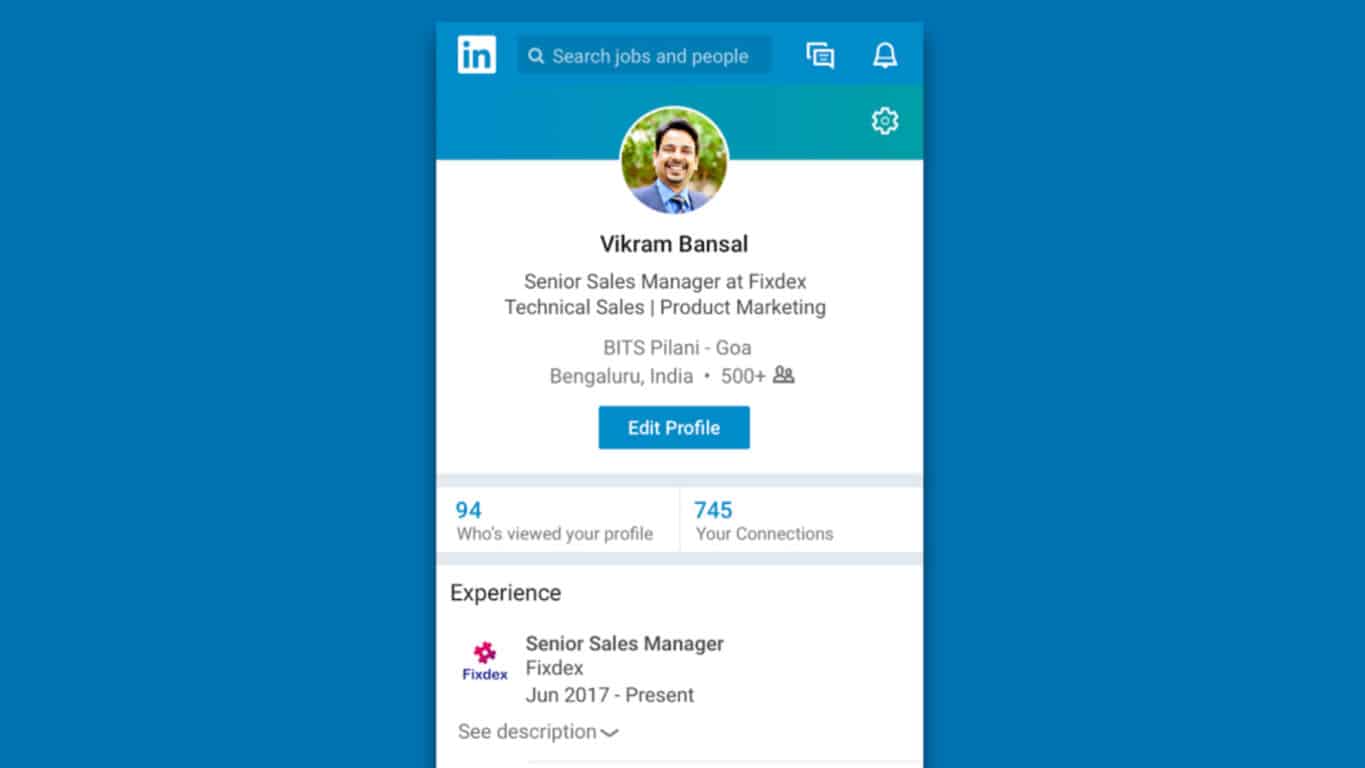
The official LinkedIn Lite app designed for Android devices in the Indian market is now available to download. The app offer access to most of the main LinkedIn features but reduces the amount of bandwidth required for it to function and is itself only one MB in size.
“Developed by LinkedIn’s R&D team in Bengaluru, LinkedIn Lite app is first being rolled out to members in India. The Lite app was inspired by the success of the lightweight mobile website, which was launched in September 2016. LinkedIn plans to roll out the mobile web version and the Android app in over 60+ countries shortly,” the official app launch announcement reads. “To help overcome the challenges of unpredictable internet connectivity, LinkedIn designed Lite to make the platform more easily accessible to the growing population of mobile internet users. Built to run smoothly and offer faster access even on lower end smartphones, the app loads extremely fast – in under five seconds, even on 2G network. The app size is only 1MB and reduces data usage by 80 percent. It also offers all key features like news feed, jobs, profile, network, messaging, notifications, and search.” Here’s the official app description:
The new LinkedIn Lite app is less than 1 MB in size. It can help you find jobs, make useful connections and get professional news even if your phone has limited storage capacity and slower internet conditions. LinkedIn Lite makes it easier for you to succeed in your career. It’s more than just your resume — it shows the world who you are and how you are building your career:
Search for people, alumni, seniors, jobs and companies
See all types of jobs including government jobs, MNC jobs, fresher jobs or entry level jobs, tech jobs, software jobs and more
Make useful connections with people who can help you find your dream job
Chat with your connections to get job referrals and career advice
Make your professional profile that shows your skills, education, projects, internships and work experience
Get the latest industry news and updates that can help you stay informed, interviews preparation, etc.
Would you like more apps like this? Let us know in the comments.
The launch of Microsoft’s Xbox One X console is still a few months out and people are already weighing in on whether they think it will succeed or not. Someone who thinks it might not do so well is analyst, Michael Pachter, who suspects that the $500 price tag could be an issue for consumers.
“An Xbox One X costs as much as an Xbox One S and PS4 Slim combined,” Pachter states. “So if you don’t have an Xbox One yet, any kind, why would you buy a One X instead of a One S, and a PS4 to go with it too? I just don’t get it. I don’t think they are doing themselves any favour at this price point. I know they are selling the appeal of 4K, but let’s be real, probably fewer than 10% of US households have a 4KTV, and certainly way less than that in any other developed country. So who is waiting for this? Next year, maybe around the end of 2017, we’ll probably be closer to 20% US households, and 10% for the rest of the world. And by the end of 2018, we’ll probably be at 35% and 20% respectively, and by 2019, we’ll probably be at 50% and 30%. So yes, it’s a more relevant purchase down the line, but… at $500, if I had only that money in my pocket, and I had to choose between an Xbox One X and a 4KTV, I wold buy a 4K TV. So, they’re only appealing to people who have $1100, because they have to buy a TV as well. This is the same problem Oculus faced. I really think the Xbox One X will not do well.”
Something Pachter fails to acknowledge though is that while the Xbox One X will be selling for a higher price than the Xbox One S, it’ll actually be retailing for the same price as the original Xbox One when it launched a few years ago (though it was also bundled with the Kinect sensor). The price isn’t actually that high especially when it’s compared to the cost of building a gaming PC with similar specs and/or the price of an HDR 4K Blu-ray player which can retail between $150 and $400 depending on the brand. There’s also the fact that the Xbox One X does more than offer 4K graphics in video games, it will also make them load faster and run smoother, something a 4K television set isn’t needed to experience.
What do you think? Do you agree with this analyst’s predictions or has he missed the mark? Let us know in the comments below.
The HashMe app is the most comprehensive collection of cryptographic hash functions such as MD5, SHA1, SHA256 and much more. In case you ever need to get MD2 or RIPEMD hash of your life, you are looking at the perfect solution.
The compatible operating systems include the following Windows 10, Windows 8.1, Windows 10 Mobile, Windows Phone 8.1.
The app’s approximate download size in 804.44 KB – 15.47 MB.
HashMe app’s main features
The app provides support for hashing text and files from any source.
It offers fast, native implementation for MD5, SHA1, SHA256, SHA384, and SHA512.
MD2, MD4, SHA224, RIPEMD, Panama, Tiger and Snefru implemented using 3rd party library.
You can perform easy File Drag&Drop (Windows 10).
You can make an easy comparison between expected and actual hash value.
Share Target contract – you have the ability to share your file into HashMe for instant hash.
Users’ experiences with HashMe
Users have found the app to have a slick, useful and snappy user interface. You can select your file; then you have to select your algorithm and then all you have left to do is paste the expected results. The app will calculate and will compare the results for you.
The app returns the hashes perfectly well, and it features many hash options. Some users also asked for enhanced functionality. Some of them said that it would be really nice if you were able to select multiple files at once to calculate their hashes. Some users asked for a button beside each hash value and for the ability to copy it to the clipboard. This way, you could compare more hashes against a list. Most users are happy with the app and with its nice layout, especially with its excellent amount of various hash check types.
Gigantic has been in beta for years now, giving its users one of the more unique MOBA-esque experiences out on the market. Putting players in a dynamic third-person action battlefield with a number of objectives and characters to choose from, it’s managed to capture some of the things that make games like SMITE, League of Legends, and Heroes of the Storm so great. For those who never got into the game during its beta, there’s finally a full launch to enjoy.
Gigantic is one of the first competitive online games to be funded by Microsoft directly, and its success could drastically influence the future of Microsoft Studios in the gaming market, changing the direction they take going forward. If you want to help the game succeed, or are just curious about it, you can play it right now on Xbox One or Windows 10 for free. It’ll be supported post-launch, hoping to hold onto a community of dedicated people.
Microsoft reported that its Xbox saw gaming revenue increase by $44 million in the past three months. For investors, the $44 million increase represents a 3% bump year over year and ultimately an indicator of software and services demand.
Even though the hardware revenue for Xbox’s dropped by 29% due to lower cost alternatives hitting the market such as the Xbox One S and fewer consoles being sold, owners are showing more demand of software and service on their devices. Xbox software and services revenue increased by 11% highlighting a bump in the company’s subscription transactions with Xbox Live.
Microsoft’s attempt to blur the lines between consoles and PCs may be starting to reveal the company’s true intention of introducing Xbox Play Anywhere as it managed to grow Xbox Live monthly active users despite relatively underwhelming console sales. During the past three months, Microsoft managed to grow Xbox Live users by 8% or a total of 53 million users.
While Microsoft may never truly recover in console sales compared to Sony’s stellar PS4 lead, the company may be quietly laying the foundation for an evolutionary transition in gaming where subscription services may be more important than the device they’re attached to and muting, the war cries of gaming fanboy’s over time.
Despite releasing the Surface Laptop and refreshed Surface Pro devices and receiving praises for its Surface Studio, Microsoft’s hardware crown jewel hardware division brought in $948 million this year compared to the $965 million from last year.
Microsoft is attributing the decline to ‘product lifecycle transitions’ which was a combination of expansion of the product line as well extended life cycles on products such as the Surface Pro and Surface Book.
While the Surface Pro, Surface Laptop, and eventual Surface Book refreshes will help to level out those revenue numbers for the next quarterly earnings results, it’s Microsoft’s failed Windows phone that is now leaving an immaterial mark on the company’s bottom line. Microsoft is now only in the hole for its failed smartphone platform to the tune of $4 million compared to the multiple millions just a couple of years ago.
However, for a mainly software focused company, having the Surface division only down 2% in a three month span when new hardware was absent isn’t that bad of deal.
If you’re a webmaster, you know that it’s very important to control how your website appears in search results, including those provided by Microsoft’s Bing. Yes, the search engine has always been lagging behind Google in most markets since launch, but you can’t deny that Bing is the default option on Microsoft’s Edge browser on Windows 10 PCs. Moreover, Redmond also has a long time partnership with Apple to make Siri search Bing for results, which probably helps to drive Bing usage on iPhones and iPads.
It may not be as popular and full-featured as Google’s Search Console and Analytics apps, but Microsoft’s Bing Webmaster tools is the place to go if you want to improve how your website is indexed on the search engine. Over the years, Microsoft has improved its online suite with various reporting and diagnostic tools, but the whole website seems to be somewhat broken these days.
As Search Engine Roundtable is reporting today, many users are currently encountering various errors when browsing the website. In our own testing, we also had many issues when trying to add a website to the dashboard.
Three months ago, Microsoft updated Bing Webmaster Tools with a new feature allowing webmasters to view pages that have been affected by Copyright Removal Notices. Since then dedicated blog has been completely silent, and the company did not answer user complaints on Twitter either. We’ve reached out to Microsoft to see if the company is aware of any issues with the service, and we’ll update this post if we get an answer.
As Microsoft puts the final touches on the Windows 10 Fall Creators Update, the Windows Insiders team is still calling on program participants for its final Bug Bash event before the big update.
The current Bug Bash started last week and is heading into its last leg, ending at 11:59 pm PT on Sunday, July 23rd. Dona Sarker tweeted today sharing a fun insight that Windows Insiders actually had the same top quests as the production team. She followed up with a list:
2/ in order they are: -Lock screen settings -Privacy UI -MyPeople -Start Menu Fluent Design
— Dona Sarkar at #MBAS #a11y (@donasarkar) July 20, 2017
Looks like both Windows Insiders and the production team are hard at work sorting everything out for the Windows 10 Fall Creators Update. Don’t forget that the second Bug Bash webcast will be streaming via Mixer tomorrow morning at 10:00 a.m. PT Friday, July 21st.
Did you take part in this final Windows 10 Bug Bash for the summer? Let us know what your top quests were in the comments below.
Today is the day for Microsoft’s Q4 2017 earnings reports, and investors are holding hopes for big numbers while Microsoft rides an all-time high of its current $74 share price.
The tech giant has had a decline in revenue as it branched out, but the massive cuts worldwide have also marked major dollar signs for Microsoft. Investing.com reports that because they’ve let go of employees, Microsoft profit has risen from $4 billion to $6.5 billion.
Even then, its personal computing market has been bleeding revenue over the last two year. With only a 12% increase in productivity software, it’s actually Microsoft Azure that has the shares soaring at a high. Last earnings report, Microsoft announced approximately 100% revenue growth for Azure
The cloud is exactly where investors are expecting the biggest numbers. The Street is expecting $24.3 billion in revenue for the quarter thanks to Azure with a predicted $7.3 billion sales increase. Productivity software is estimated to see an 8.4 billion rise as well.
Stay tuned to OnMSFT.com throughout the day as we bring you the latest from Microsoft’s earnings reports.
Microsoft has released their Surface Diagnostic Toolkit as an app in the Windows Store for users running Windows 10 S on their device. Windows 10 S doesn’t allow for the running of traditional, non-Windows Store, apps so the creation of this new app was a necessity (Great discovery, MSPU).
Interestingly, this Windows Store version of the Surface Diagnostic Toolkit is showing as unavailable on my Windows 10 Surface Pro 4 so it could be limited to Windows 10 S devices (Let us know in the comments if you can download it on your device). Here’s the official app description:
Part educator, part detective, and part doctor, the Surface Diagnostic Toolkit guides you through a set of software repairs and hardware diagnostics to quickly and efficiently uncover and resolve issues you are experiencing on your device. Use this app to check your battery health, lookup information about your device, repair common software issues, and validate your Surface hardware. The Surface Diagnostic Toolkit is the best place to start troubleshooting, and will guide you to the best support avenue for the quickest resolution, so you can get back to turning ideas into actions and accomplishing more with your Surface.
The Surface Diagnostic Toolkit is usually the go-to answer for many Windows 10 tech support problems as it’s able to test most of a Windows 10 device’s hardware and can also check to see if important software or parts of the operating system were installed correctly. The original version of the app can be downloaded here.
The latest update to the Xbox One console definitely packed in a lot more changes than was officially announced. In addition to the new loading screen and removal of OneGuide (now Entertainment), the new Dashboard now shows, by default, the active user’s email address associated with their Microsoft/Xbox account.
This was probably done as a way for users to differentiate themselves from other logged-in users on the same console or maybe to remind them of their account details. Despite the good intentions though, this is clearly a major privacy concern for Xbox One owners who stream their gaming online and don’t want their personal or business email shared with their entire audience. This can also be a problem with consoles in public places such as a bar or school and can even be unwanted when having friends and acquaintances over.
One of the reasons this has gone unnoticed by so many Xbox One owners so far is because the email is displayed on a rotational basis in the upper-left corner of the screen where it’s shown alongside the user’s real name before switching back to the Xbox Gamertag. Thankfully, there is an option that hides the email address once again and it’s fairly easy to implement.
To disable the email display on the Xbox One Dashboard, simply go to Settings > Account > Sign-in, security & passkey > and then uncheck the first option that says Show on Home. The change will take effect immediately.
Were you aware of this change and are you choosing to hide or display your email address? Let us know in the comments below.
The Xbox One X was the Belle of the ball when Microsoft unveiled it during this year’s E3, but – contrary to most peoples’ expectations – there was no opportunity to pre-order there. This was, at the time, blamed on the fact that the FCC hadn’t yet cleared everything on the console, making it unfit for sale. According to a bit of reporting from Neowin and a touch of guesswork, we can conclude that this issue is about to clear up.
A device with model number 1817 – some kind of wireless module – has been cleared through the FCC recently. To our knowledge, the Xbox One X is the only device in the works that would need this kind of clearance at the moment, and so we can safely assume that it’s one of the last bits of technology that needed to get cleared.
Like the folks at Neowin, we’re under the impression that pre-orders will open up for the device during Gamescom next month. The annual conference is considered by many to be the most announcement-heavy conference next to E3, and frequently has plenty of new games and other gaming-related news break there.
For families that love to use Microsoft products together, you’ll love the new features in Outlook.com. Today, Microsoft announced the Microsoft Family calendar to keep all of your household up to date on scheduling and events. Here’s a look at some of the features:
Microsoft Family calendar—Keep your family up-to-date with a single place for all of your events that everyone in the family can access.
Improved calendar sharing—Easily share your Outlook calendar with anyone who has an Outlook.com or Office 365 account.
Expanded support for events in your email—Outlook now automatically adds dinner reservations and other events to your calendar.
Expanded support for Interesting calendars—Interesting calendars now supports more languages, teams and sports.
Cortana can schedule your remote meetings—Stop emailing back and forth to set up a meeting. Sign up for the Calendar.help Preview and ask Cortana to schedule a phone or conference call for you.
The calendar setup is exceptionally easy for those that already have Microsoft Family accounts put together. The feature is already integrated into Outlook.com and will show up in your list of other calendars on the left.
Of course, that’s not all the news for Outlook Calendar. Microsoft has also improved sharing across any persons with Outlook.com or Office 365 accounts. Outlook will also detect dinner confirmations, much like its travel information, and place that on your calendar automatically.
Rounding up the list of announcements, Cortana was spotlighted with her Calendar.help preview which has been improved. Select Outlook.com users are able to email Cortana for assistance in scheduling, and she’ll take it from there to set things up with your correspondences at available times.
Earlier in the month, Microsoft announced that Xbox One X would be making its first appearance in Europe at Gamescom 2017. Well, American Xbox fans too can now have a glimpse of the upcoming Xbox console for themselves, since it was just announced that Xbox will be making appearances at San Diego Comic-Con from July 20-23.
Microsoft is saying that is has planned a week of fun Xbox activities for San Diego Comic-Con. If you’re attending, you can expect to see Middle-earth: Shadow of War gameplay, a photo experience, and an explosive Crackdown 3 panel. And, if you’re not attending, you can still expect exclusive Mixer streaming and a Comic-Con Game Night sweepstakes.
Here is a look at the events which will be happening on the ground in San Diego, you will need a Comic-Con Badge to attend.
Xbox Booth: Hall A, Booth #100: Play Middle-earth: Shadow of War in the Xbox booth and check out the new Xbox One X. In this highly anticipated sequel to Middle-earth Shadow of Mordor, go behind enemy lines to forge your army, conquer fortresses and dominate Mordor form within.
After you’ve gotten a chance to get hands on with the game hop onto our life-sized drake and share with your friends to immortalize your Comic-con experience.
Crackdown 3 Panel: Room 7AB, Saturday July 22 from 11:00 AM-12:00PM PDT: Boom, son! Terry Crews, the voice of Commander Jaxon, will join Xbox host Larry Hryb, writer Jon Goff, and members of the Crackdown 3 development team from art, design and narrative to discuss the behind the scenes development of Crackdown 3
If you’re not able to attend in person, you can still enjoy some of the action on Mixer. You can tune into the official Bandai Namco US Mixer channel from July 20 – 23 to see a Tekken 7 tournament. You also can join Join Janina Gavankar and Major Nelson as they chat with special guests during an Entertainment Weekly Bash from Saturday, July 22 from 9pm-12am PDT on the Xbox Mixer channel.
As is routine with these special events, you also can enter for a chance to win the Xbox Comic-Con Game Night package, packed with a Samsung 4K TV, an Xbox One S, and more. To enter, you Follow @Xbox on Twitter and keep an eye out for the special tweet, or Log on to Xbox Live on your Xbox One, and look for the Xbox Comic-Con Game Night Sweepstakes experience on the Dashboard. The sweepstakes runs until July 28th.
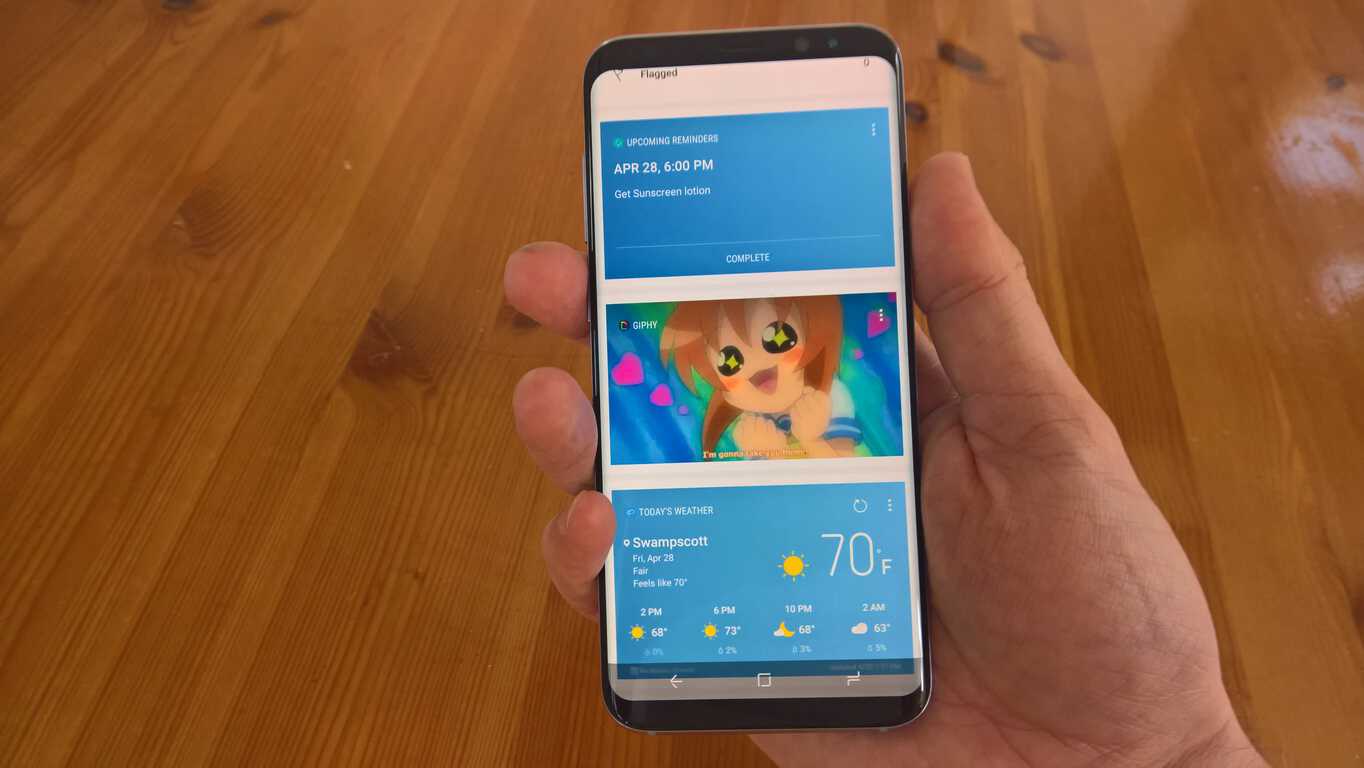
Now that the complete features of Bixby are available with the release of Bixby Voice to all US users, I decided to share my views on how Bixby compares to Cortana. Since abandoning Windows 10 Mobile for Android, I was able to upgrade my Lumia 950 to the Samsung Galaxy S8+ on AT&T. Fact: The Samsung Galaxy S8 and Samsung Galaxy S8+ are the best phones out right now. They’re big, they’re beautiful, and they are blazing fast. Samsung is looking to enter the digital assistant market with Bixby.
In my opinion, Microsoft’s Cortana is second in line to the throne among digital assistants, easily beating out Google Assistant and Siri, but still falling slightly behind Amazon’s Alexa; at least for the time being. Samsung is using many Bixby features that remind me of old Windows Phone 8 applications that used to be available; including JobLens and CityLens.
Samsung Bixby
Samsung claims Bixby is a “new way to interact with your phone.” Microsoft’s Cortana is already able to do many of the same things that Samsung’s Bixby can do. However, there are three things that Bixby can do that Cortana can’t: context awareness, cognitive tolerance, and completeness.
Here is a look at Bixby in action:
Content Awareness
As far as context awareness, Bixby-enabled applications will supposedly be able to understand in what context a person is using an app; what they are doing or trying to do when using an app. Bixby will also allow the user to use multiple use modes, like touch and voice at the same time. At the moment, Cortana can’t handle using touch and voice at the same time.
Cognitive Tolerance
Cognitive tolerance refers to how Bixby understands what action you intend to complete through voice commands. As the number of Bixby commands undoubtedly grows, in theory, you won’t need to remember all the new Bixby commands. Instead, Bixby will be able to understand what command you are trying to give, even if you are giving incomplete information; Bixby will try to complete the command based on its best guess. With Cortana, this is another
Completeness
As far as completeness is concerned, Bixby is able to support almost everything any Android application is able to complete using the traditional touch interface. Samsung claims that Cortana and other already available virtual assistants can only complete a few selected task for applications. Whereas, Bixby can do almost anything that an application can do via touch, just by using your Bixby Voice.
Bixby Voice
Bixby Voice appears to offer more options than Cortana at the moment. I just recently received the Bixby Voice update. For some reason, it appears that AT&T Samsung users were left out of the Bixby Voice beta program. Bixby is easier to access than Cortana on a phone. Instead of relying on saying “Hey Cortana,” the Samsung Galaxy S8 and S8+ have a dedicated Bixby button.
Plus, you can use Bixby Voice to change your phone settings, like background and ringtones, whereas Cortana is not quite the same experience when used on operating systems other than Windows 10 Mobile. That is not to say Bixby is not without its disadvantages.
One big problem that Samsung faces with Bixby is big data. While Samsung had very little problem with delivering Bixby Voice on the Galaxy S8 and S8+ in its native South Korea, transferring the same user experience to English and other languages has proved to be a challenge for Samsung. Microsoft is already an enterprise pro when it comes to handling the issues that come with analyzing and compiling big data, so Cortana has little, if no problem with that.
Microsoft Cortana
Although there is a Samsung Galaxy S8 “Microsoft Edition,” Cortana is still a separate application on Android and offers a similar, but not the same experience as Cortana does on Windows 10 Mobile. Using Cortana natively on Windows 10 and Windows 10 Mobile is still the better virtual assistant experience than using Cortana on any other platform.
Cortana is better in the car
I will say that one thing I miss about Windows 10 Mobile is pairing my phone over Bluetooth in my car. On Windows 10 Mobile, I was able to set up Driving Mode within my Lumia 950 phone settings. On Android, it appears that you need to download multiple apps to handle all of the things that Cortana is able to handle in your car, hands-free.
Unlike Cortana on Android, Cortana on Windows 10 Mobile can help you read and respond to your text messages while driving. Even if you are listening to music and driving directions, Cortana quickly interrupts you to read off any text messages you might get while driving. When you are finished reading and/or responding to a text message, Cortana resumes your music and/or driving directions, without you having to touch or say anything. Bixby is not yet able to mirror what Cortana can already do in a car.
After using Android Auto, I found that does not come remotely close to providing a comparable experience to Cortana on Windows 10 Mobile. With Android Auto, you need to download other apps to handle what Cortana can handle via your voice. Android Auto does let me send messages via my voice. However, Android Auto doesn’t read me any text messages I receive and won’t let me respond to them either. Android Auto does not come close to Cortana in the car just yet.
Bixby is a Social Experience
At the moment, Samsung is looking to turn Bixby into a social experience. While still in its infancy, Bixby is split into four areas: Bixby Home, Bixby Reminders, Bixby Vision, and Bixby Voice. Bixby Home has much of the same feed details that you get with Cortana; local news, trending news topics from Twitter and Facebook, recent photos, etc.
Bixby Reminders integrates with Bixby Home and Bixby Voice and offers the typical reminder feed for upcoming appointments, and reminders, based on time and locations, for the day. Bixby Vision is in no way revolutionary, but is another way Bixby offers a more enhanced experience. Bixby Vision allows you to find products online by using your camera, but also opens the door to more interesting ways of applying Bixby Vision in other useful scenarios for real-world usage.
I believe the overall UI experience that Bixby provides appears to be a big problem for Cortana, at least on the mobile front. With the announcement that Windows 10 on ARM won’t be coming to current Windows phones, Microsoft looks to be hitting the refresh button on its mobile market aspirations. So unless Microsoft plans to bring Cortana to Android as a more native UI experience, the only way you’ll be able to use Cortana will be on Windows 10.
At the moment, there are some things that Bixby can do things that Cortana just can’t.
Windows 10 has come with a large array of accent colour options since launch. With the Windows 10 Creators Update, Microsoft added the ability to set your own custom colour, greatly expanding the customisation possibilities for the operating system.
The accent colour options are found in the Settings app under “Personalisation.” Click the “Colours” page to see all the areas you can customise. You’ll see a grid of all of Windows’ built-in colours, as well as any colours you’ve recently been experimenting with.
To add your own colour, click the “Custom colour” button. This will launch a robust colour picker dialogue that lets you choose from the entire spectrum. Use the spectrum to select the base colour to use and then change its saturation with the slider below. The dialogue shows a preview of what the colour will look like and warns you if you’ve picked a shade that might be difficult to read.
If you’re looking for even more control, click the “More” button. Here, you can define your accent colour using an RGB, HSV or hex colour code. This lets you match your accent colour to your company branding or a theme you use across different platforms. Type in the colour code and press “Done” to confirm the choice.
For some added visual flair, you can choose to show your accent colour on the Start menu, taskbar and Action Center backgrounds from the main Colours settings page. You can also set your colour to appear on app title bars but this only applies to Windows Store apps. Finally, at the bottom of the page, you can change your overall system theme between “Light” and “Dark,” letting you choose the default look for Windows Store apps.
The upgraded accent colour tools introduced with the Windows 10 Creators Update make the operating system more personal. You can now set your accent colour precisely without resorting to using the registry or unofficial tweaks. If you ever want to revert to a stock Windows colour, you can return to the Colours settings page and pick one from the grid.
Xbox One users have been greeted with a rather Equestrian error message this morning. The strange “mock error” that popped up confused many who encountered it on the Xbox Store.
“This would be some long description about the error. Read it and weep! If you haven’t looked up this phrase on the internet, please do! You will find a My Little Pony episode called ‘Read It and Weep.’ Cloudchasers and Wonderbolts, you’ll never be forgotten!”
The error message is a clear homage to the four legged friends in the animated series My Little Pony. In the mentioned episode, Rainbow Dash has an accident while flying, an event that is often coined as ‘Rainbow Crash’ by fans.
While a strange way to find out that people at Microsoft are into MLP, the error isn’t one that should concern users, it seems. Mike Ybarra has confirmed that the error is a test string and should have never seen the light of day, not to the public anyway (via VG 24/7).
Fix will be in tonight, sorry about that. Test string that shouldn’t show up.
Does this mean that the people behind the scenes at Microsoft are bronies? We’ll let you decide that for yourself, but the test message should be fixed to its rightful place by tonight.
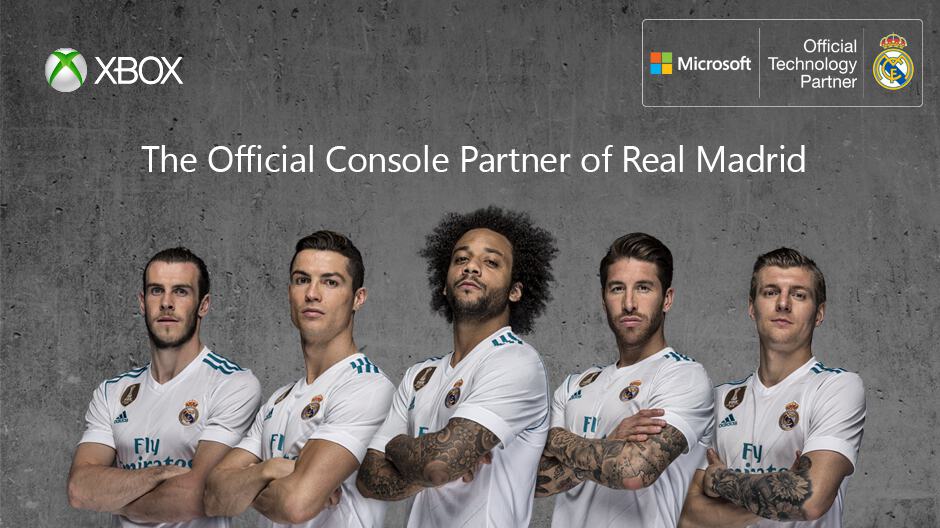
Microsoft today announced that Xbox is now the official console partner of the five-time world champion soccer team, Real Madrid. As part of the announcement, and the Real Madrid US Summer Tour, the tech giant will be inviting fans to join various soccer themed events across the United States, and to enter competitions for a chance to win a trip to a real soccer match.
The first of the events is an “Hour of Code” as the Microsoft Century City Store in California. This event is part of a Microsoft partnership with the Real Madrid Foundation, giving local youth groups the opportunity to engage in coding alongside Real Madrid players. Occurring on Friday, July 21 and Saturday, July 22, other events include free FIFA 17 tournaments at various Microsoft Stores across the US.
With the tournaments, fans will have a chance to win tickets to a local Real Madrid Match. Participating locations can be seen below, and you can check the full details on Facebook.
Microsoft Store at Westfield Valley Fair (Santa Clara)
Microsoft Store at Westfield Century City (Los Angeles)
Microsoft Store at Dadeland Mall (Miami)
Microsoft Store at Oakbrook Center (Oak Brook)
The Flagship NYC Microsoft Store, though, is hosting a special tournament, and participants can compete for an exclusive grand prize on Friday, July 21 at 4 p.m. local time with a championship round on Saturday, July 22 at 6 p.m. Everyone else who can not participate in these events is invited to follow Xbox on Twitter and Retweet the #RealMadridXboxSweepstakes Post for a chance to 3 unique Xbox Design Lab controllers inspired by Real Madrid’s 2017-18 on-field jersey, and a copy of FIFA 18.