We saw all sorts of AI improvements during the Build event, such as new features and new devices.
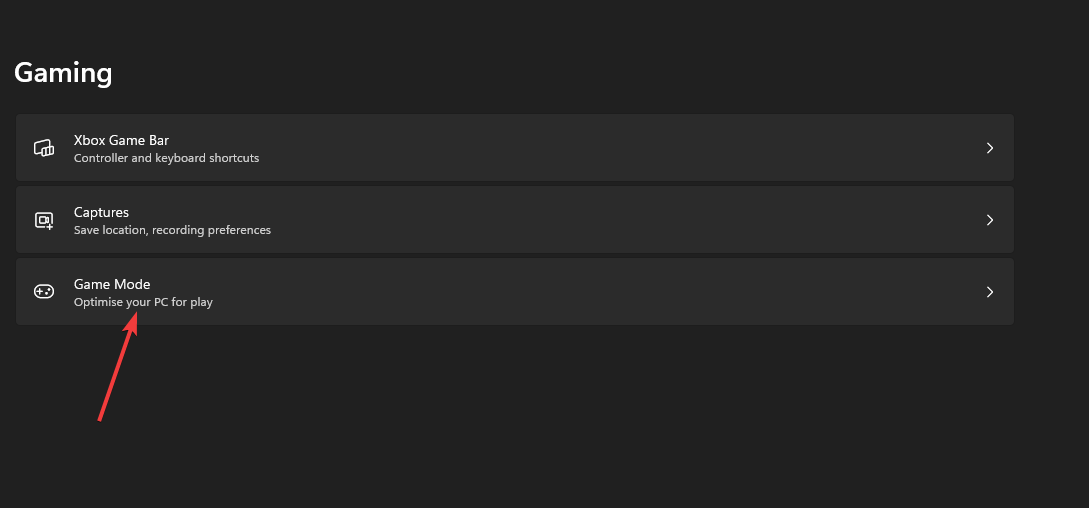
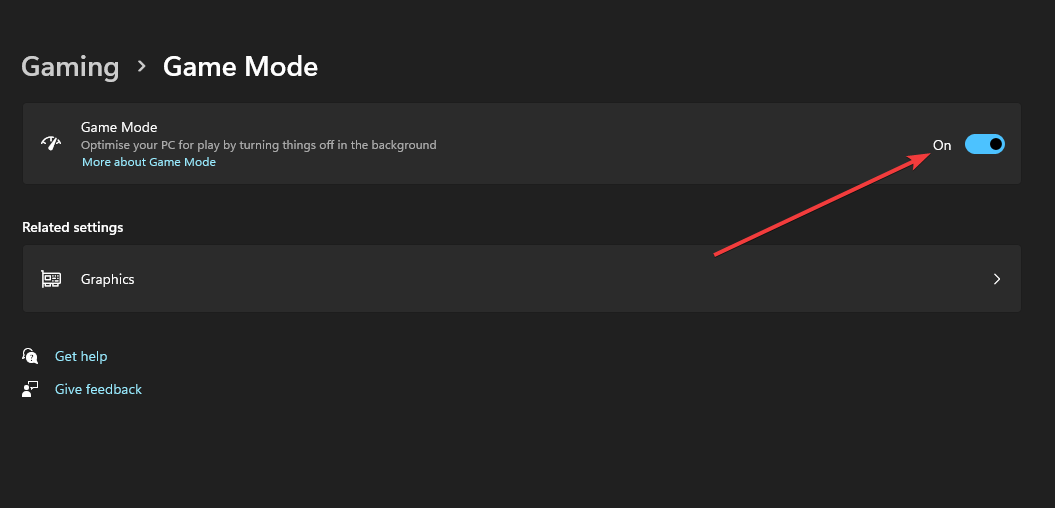
Speaking of new features, Microsoft has just introduced a new, AI-powered gaming feature called Automatic Super Resolution.
Microsoft Automatic Super Resolution will be initially available only on Snapdragon X Elite devices
Many companies have their upscaling feature, and Microsoft decided to join in by releasing its own feature called Automatic Super Resolution.
This feature is designed to enhance the frame rate as well as visual details of existing games in real time. However, as the Microsoft FAQ page states, this feature will be available only to Qualcomm Snapdragon X Elite processors and certain games.
As ExtremeTech writes, this will be only at launch, and we expect to see this feature available on other CPUs as Microsoft plans to partner with AMD and Intel on their Lunar Lake and Strix CPUs.
At the conference, Microsoft introduced a new .NET update, Preview 4 for .NET 9. This update focuses on improving .NET support by enhancing performance and optimization.
The Redmond tech giant wants to improve the application-building experience for cloud-based web apps and generative AI apps.
As mentioned on the release notes, the latest .NET 9 preview includes:
OpenTelemetry: Make activity linking more flexible
PDB support for System.Reflection.Emit.PersistedAssemblyBuilder
Let’s take a look at the changes in the latest preview:
Artificial intelligence integration – .Net 9 introduces end-to-end scenarios for building AI-enabled applications. Using futuristic libraries like Milvus, OpenAI, and Qdrant, developers can seamlessly integrate AI functionality into their apps.
.NET Aspire – It is a new addition focusing on building cloud-native distributed applications, and it promises to ease the development process with comprehensive templates and tools.
C# 13 improvements – Improvements in flexibility and performance will make coding in C# better than ever.
Performance optimization – Reduces memory usage and execution time with critical benchmarks to enhance the overall performance of .NET applications.
AI fundamentals with Tensor<T> – .NET 9 will come with a new Tensor<T> type, which will assist in effective data handling and information flow for AI applications.
Enhanced libraries and frameworks – Enhancements to popular .NET libraries and frameworks, including ASP.NET Core, Blazor, and .NET MAUI, to ensure developers can access the latest tools and features.
Expanded AI ecosystem – To enrich the .NET AI ecosystem, Microsoft has collaborated with OpenAI, Qdrant, and Milvus, allowing developers to access various tools and resources for AI development.
Cloud-native development – .Net 9 now has features like Chiseled containers and NativeAOT & Trimming, along with improved libraries for ASP.NET Core, enabling developers to build secure and scalable cloud-native apps.
Quick start for AI apps – With quick-start samples for AI applications, developers can tap into the AI ecosystem easily. The smart components offer prebuilt controls integrated with AI functionalities, speeding up development for Blazor and MVC/Razor applications.
Future investments in monitoring AI apps – The integration of.NET Aspire and Semantic Kernel with Azure will allow developers to monitor and observe capabilities for AI apps
You can download the .NET 9 Preview 4 today and update the version to 9.0.100-preview.4.24267.66. It includes runtimes, .NET Runtime 9.0.0-preview.4.24266.19ASP.NET, Core Runtime 9.0.0-preview.4.24267.6 and .NET Desktop Runtime 9.0.0-preview.4.24267.11.
The languages supported by the version are C# 12.0, F# 8.0, and Visual Basic 16.9
Have you tried the Preview 4 for .NET 9 yet? If so, share your experience with our readers in the comments section below.
For the last few years, there have been rumours that Microsoft will unveil a dedicated Xbox game store for mobile, a platform it has yet to tap into. Earlier this month, Sarah Bond, President of Xbox, confirmed these reports and shared that the mobile game store will be launched in July’24.
In July, we are going to be launching our mobile store experience. We’re going to start actually by bringing our own first-party portfolio to that, so you’re going to see games like Candy Crush show up in that experience, games like Minecraft. And then we are going to extend that capability to partners, so that they can also take advantage of it and have a true closs-platform, gaming-centric mobile experience. We’re going to start on the web, and we’re doing that because that really allows us to have it be an experience that’s accessible across all devices, all countries, no matter what and independent of the policies of closed ecosystem stores. And then we’re going to extend from there.
Now, reports coming in suggest that the Xbox game store for mobile will only support in-game transactions, like cosmetics and currency, and not actual game purchases, at least initially.
Stephen Totilo, who extensively covers video games, shared the developments in a post on X(formerly Twitter).
Heard from PR today that this mobile web store will initially be for in-game items for Candy Crush, Minecraft, etc. (Sounds like workaround from paying unpopular platform fees to Apple/Google)
Bond calls it "first step…to building a trusted app store with its roots in gaming” https://t.co/RCnht4OC2g
Besides, for now, the Xbox game store will be available as a website and not a downloadable app. Using a website, Microsoft can easily bypass restrictions enforced by Apple and Google on apps hosted in their dedicated stores. Additonally, this will help Xbox offer higher discounts, given it doesn’t have to pay any fees to Apple or Google.
At the end of the day, the good news is that, with Sarah Bond already confirming the introduction of first-party and third-party titles, your favourite games will be available on the Xbox mobile game store some time down the line.
With this, the Redmond tech giant also introduced GitHub Copilot Extensions, which aim to enable developers to build and deploy to the cloud in natural language and with tools and services of their choice within IDE or GitHub.com.
What extensions will be available?
With the announcement, Microsoft mentioned a handful of extensions, including Docker, DataStax, LambdaTest, McKinsey & Company, LaunchDarkly, Microsoft Azure and Teams, Octopus Deploy, MongoDBPangea, Pinecone, ReadMe, Product Science, Sentry, and Stripe.
These extensions are supported in GitHub Copilot Chat on GitHub.com, VS code, and Visual Studio. The GitHub Marketplace will provide extensions that are open to all, but it will also allow organizations to create private Copilot Extensions for their toolmaking, making things easier for company developers.
How does the GitHub Copilot work?
If you often use many tools while resolving database-related errors or any other development issues, you would have to hop from one tool to another to figure out the issue, find a solution, apply the fix, and then deploy it. However, now, with Copilot Extensions, you can do it all in one place.
They can use GitHub Copilot Chat and invoke all of these tools to gather context, troubleshoot, implement solutions, reduce the time it takes to fix a problem and streamline the workflow.
Cody De Arkland, Product Incubation, LaunchDarkly, said:
The LaunchDarkly extension for GitHub Copilot integrates directly where teams are already building software. With it, developers can access documentation and best practices, right alongside their code. Minimize context switching, maintain flow state, and accelerate software delivery—all from one place.
Tillman Elser, Engineering Manager at Sentry, said:
This is the future of software development, where developers spend less time searching and more time building. Working in natural language, they can write code, retrieve data, and solve problems, all using a single intuitive workflow.
Here is what other extensions can do
DataStax extension -Interact with databases and build applications with AstraDB
Octopus extension – View the status of your deployments
Sentry extension – Resolve pipeline issues in natural language
GitHub Copilot for Azure – Get answers to your questions about Azure
GitHub Copilot for Azure preview is limited and offered directly through Microsoft. To try it, you can sign up from this page.
For now, all these extensions, including DataStax, Docker, Lambda Test, LaunchDarkly, McKinsey & Company, Octopus Deploy, Pangea, Pinecone, Product Science, ReadMe, Sentry, and Teams Toolkit on the GitHub Marketplace are limited to invitation only.
However, in the coming weeks, extensions from Stripe, MongoDB, and Microsoft (including Teams Toolkit and Microsoft 365) will be generally available on Visual Studio Marketplace for VS code.
How do you think these GitHub Copilot extensions will help? Share your views with our readers in the comments section below.
Microsoft and Qualcomm revealed the Works on Arm Ready Software (WorksOnWoA) website designed for gamers during the Build 2024 conference. The WorksOnWoA site shows which games are compatible with Arm-based Windows PCs. For now, the site has reports for over 1.400 games tested using devices with Snapdragon X Elite processors and Surface laptops.
What can you find on WorksOnWoA?
The WorksOnWoA website displays the compatibility of games in four categories: unplayable, runs, playable, and perfect. Here’s what each one of them means:
Perfect: The games run flawlessly at 60+ FPS at 1080p resolution with no bugs, glitches, or other issues that might affect their performance.
Playable: This means the game will run at 30+ FPS at 1080p resolution, but you might experience some minor issues.
Runs: This category has the most bugs, errors, and problems
Unplayable: This means that the game you are trying to play will most likely not run on your device due to failures or because the anti-cheat software is not compatible with Arm-based PCs.
In addition, WorksOnWoA allows you to browse games by their categories, check if they are Auto Super Resolution compatible, and see if the testing included used fps boost. Unfortunately, it doesn’t specify anything about the graphic settings used.
The Auto Super Resolution is a handy mechanic because it enhances your FPS by rendering the games at lower resolutions and using the AI on the NPU to improve visuals.
Some popular games are unplayable
Of the 1.400 games available on WorksOnWoA, 747 games work perfectly. However, there are 19 unplayable games, including Fortnite, Roblox, League of Legends, and Pubg. Most of them don’t work due to their anti-cheat software.
According to Linaro, the Arm engineering group behind the website, WorksOnWoA is more of a guide. So, games might not run on your device regardless of their category. If you have an Arm-based PC or plan on getting one, you can contribute to the site.
Ultimately, you can use WorksOnWoA to see which games are compatible with the future Windows Arm-based PCs. Maybe in the future, Linaro will add the specifications of the devices used to test the games. Unfortunately, the only method to play the unplayable games is to use a streaming service.
Will you get a Windows on Arm PC for gaming? Let us know in the comments.
Microsoft is ready to take on Apple with the new Windows devices running on the Snapdragon X Elite processor, but many are wondering how well these devices perform while gaming.
The speculation is finally over as Microsoft has showcased these devices in action while running different titles.
Microsoft showcases the new Snapdragon X Elite devices handling various gaming titles
The new devices offer some incredible features, such as Windows Recall, but can they handle gaming? As Windows Central writes, during the Build event, Microsoft showcased Baldur’s Gate 3 on new Surface devices running at around 30FPS unlocked.
The company also showcased Borderlands on Windows on ARM using the Auto Super Resolution feature that renders games in lower resolution and then upscales the image using AI to boost the framerate.
While these results can’t compare to gaming laptops and PCs, it’s great to see that ARM CPUs can handle gaming at 720p or 1080p.
Regarding compatibility, Microsoft says that over 1000 games should work at 1080p at 30FPS, which should be enough for light gaming.
ExpressVPN, NordVPN, Surfshark, CyberGhost VPN, and PureVPN are some of the best options you can use with it. They’ll help you avoid ISP throttling, bypass restricted websites, and keep your online activities private. They can also aid you with downloading torrents securely, even on networks in the US or AT&T.
ExpressVPN offers fast, automatic obfuscation to all its servers. This feature is important to bypass the firewall blocks from AT&T on some websites by disguising VPN traffic as regular. Other services like NordVPN and Surfshark also offer obfuscation but it results in a connection drop.
However, ExpressVPN allows you to stream high-quality US content up to 4K when obfuscation is enabled. It makes it one of the best VPNs for video streaming.
This British Virgin Islands VPN provider has over 3,000 servers in 105 countries. This allows you to get IP addresses from different locations to access geo-blocked content. Also, it has more than 20 servers in the United States.
AT&T is a US-based Internet Service Provider (ISP). However, you’ll still need to connect to the US servers for the following reasons:
Encrypt your internet connection to prevent AT&T from monitoring your online activity.
Avoid account bans on financial apps like Venmo and PayPal.
To prevent ISP throttling.
Access local US content like Netflix, CNN Go, etc.
Enjoy lower ping and latency for gaming over AT&T’s mobile network.
ExpressVPN also has the Lightway Protocol to provide faster speeds, better security, and improved reliability.
Pros:
Fast, automatic obfuscation.
Over 20 servers in the US.
Has the Lightway Protocol.
Capable of streaming US content up to 4K.
Strong privacy features.
Cons:
One of the more expensive VPN options on the market.
NordVPN has over 6,300 servers globally. It’s among the providers with the most US servers (more than 1950) in 16 US locations. This allows you to switch to a different server if one is congested or not working with a platform.
But that’s not all.
It has specialty servers to ensure you’re safe online. They allow you to use a server without sharing it with any user. This prevents bans or congestion caused by other users.
Moreover, NordVPN has a double VPN, Onion over VPN, and obfuscated servers making it difficult for AT&T to monitor your online activities.
Additionally, NordVPN has P2P servers optimized for file-sharing and torrenting. The Nordlyx Protocol also ensures better overall speed.
Pros:
It has over 6,300 servers globally, with more than 1,950 in the US across 16 locations.
Includes dedicated servers, double VPN, Onion over VPN, and obfuscated servers for enhanced security.
Has P2P servers optimized for file-sharing and torrenting.
It has NordLynx Protocol for better speeds and enhanced security.
Surfshark is known for its unlimited simultaneous connection feature. It allows you to connect to as many devices as you can on a single subscription.
Furthermore, it has more than 600 US servers in 25 cities. You can also automatically connect to allow the service to pick the nearest server. This will make your connection fast with lower ping.
Additionally, this VPN provider has a MultiHop feature which works similarly to NordVPN’s Double VPN. It connects you to two servers, encrypting your data twice. This makes it difficult for AT&T to track your online activities. However, it slows down the speed due to double encryption.
Surfshark is located in the Netherlands, which is among the 14-Eye Surveillance Alliance. However, its no-log policy is verified by Deloitte to assure users that their online activities can’t be shared with the US Government or Internet Service Providers like AT&T.
CyberGhost VPN has over 2,000 servers in the US alone. They’re spread over 11 locations. It also has a “Best server location” button that automatically connects to the nearest one without picking manually.
Furthermore, this service provider has a NoSpy Servers feature. It’s independently operated and located in privacy-friendly Romania. It ensures a more secure browsing experience, free from the US government or AT&T spying on your online activity.
Moreover, If you’re a fan of gaming, streaming, and torrenting, CyberGhost VPN has special servers for the tasks.
CyberGhost VPN is also among the few services with a server in China. You can get a Chinese IP address and access content in the region through the AT&T network.
In addition, CyberGhost supports anonymous subscriptions through cryptocurrency as well.
Pros:
This service provider has over 2,000 servers in 11 locations.
Supports NoSpy Servers.
Offers dedicated servers for gaming, streaming, and torrenting for optimized performance.
User-friendly interface.
Allows access to a Chinese IP address for regional content.
Cons:
Some users reported slower speeds compared to top competitors.
5. PureVPN – Best For Quantum-Resistant US Servers
PureVPN has more US servers than ExpressVPN and Surfshark. It boasts over 1,800 servers in 13 cities. Moreover, it adds quantum-resistance technology to servers to prevent governments, ISPs like AT&T, and spying eyes from accessing your internet activity.
This provider also has a split tunneling feature. It allows you to encrypt some apps, especially the geo-restricted ones, and use local ones on regular traffic.
Furthermore, PureVPN has an automatic Kill Switchand a manual one that you can activate anytime. This feature will shut down your AT&T traffic when the VPN connection drops or stops. It helps to prevent IP/DNS leaks.
While testing and making my selection, I considered the following factors:
The number of servers offered.
Security and privacy features.
Ability to bypass ISP throttling and restrictions.
Affordable pricing.
Number of simultaneous connections.
The jurisdiction.
The five services that I ultimately picked satisfied most of these requirements.
So, does AT&T allow VPN usage?
Thankfully, yes. The best options include ExpressVPN, NordVPN, Surfshark, CyberGhost VPN, and PureVPN. These services will help you bypass ISP throttling, access restricted websites, and ensure your online activities remain private.
Which provider did you pick? Let me know in the comment section below!
It’s official: GPT-4o, the groundbreaking new AI model from OpenAI, capable of sounding like a human, is coming to Copilot across all platforms, sometime this year.
At Microsoft Build, the Redmond-based tech giant made the announcement and it even teased Windows users with the enhanced Copilot, by showcasing a video of the AI model talking to someone playing Minecraft, and offering them tips and tricks: it took only a few seconds to provide the player with an intuitive and human tutorial on how to create items in the game.
The GPT-4o-based Copilot is also capable of a wide range of convincing human emotions: it not only jokes with the player, but it’s also afraid when the player encounters some zombies, although, it does keep on offering ways to deal with these threats.
When presenting it, Yusuf Mehdi, Executive Vice President and Consumer Chief Marketing Officer at Microsoft, said that Copilot will change the way users interact with Microsoft devices and services, by allowing them to talk to Windows using natural language.
The new Copilot should be available to all platforms, whether they’re Copilot + PC devices, or not. Imagine all the Copilot versions, everywhere, enhanced with the new GPT-4o.
You’ll be able to talk to Microsoft Teams, or Microsoft Word (having a fiery discussion about a text would be quite the uncanny valley), and manage your projects using natural language.
This could finally be the way Copilot gets widely adopted by Windows users. Alongside the new and enhanced Copilot, the Redmond-based tech giant will debut Windows Recall to Windows users, as well, although that feature will only be available to Copilot + PC devices, for now.
But something tells me that Microsoft will make it available to regular Windows users as well, eventually. Maybe not now, but sometime in the future.
Talking to your devices is now becoming a reality. How do you feel about it?
Microsoft Build 2024 is happening these days, and the Redmond-based tech giant is taking advantage of it to announce changes coming to the rollout of Windows feature updates with Intune.
In a recently published blog post, Microsoft said it wants to make Windows feature updates more flexible by allowing organizations, through IT managers, to optionally roll them out, so as to not disrupt the workflow and productivity.
Starting May 24, Microsoft will gradually roll out significant changes to how these Windows feature updates can be installed through Intune, and there are plenty of benefits:
Early feedback: You can gather valuable feedback and insights early by letting some users opt in as early testers of a new feature update. Then proceed with confidence.
Risk prevention: Testing prevents risks. You can test new feature updates, realize benefits, and evaluate risks before organization-wide deployment.
Greater productivity: If users choose when to install an update, you don’t have to worry much about disruption to organizational workflow and productivity.
In other words, IT managers can choose which devices get a Windows feature update (Windows 11 23H2, for example, which came with huge changes), and can delay their installations by making these updates optional.
How to deploy feature updates as optional using Microsoft Intune
Devices > Windows 10 and later updates > Feature Updates and select Create new Profile.
Select the new deployment setting to set deployment as either optional or required.
Select Make available to users as an optional update.
After everything is done users can choose to download and install the update by going to Start > Windows Settings > Windows Update.
The new option is definitely welcome, but it will be interesting to see how it will play in the greater Windows roadmap. After all, the Windows feature updates are huge, and disruptive, yes, but they also come with changes and enhancements that improve the Windows experience altogether.
Windows 23H2 brought Copilot, and an improved File Explorer, allowing users to get work done faster and easily. Windows 24H2 will no doubt have huge changes, as well, and its AI capabilities (from Recall to the new GPT-4o-based Copilot), might be a bit much, but it would provide enhanced productivity all around.
Plus, while some devices can get these updates, and others not, all within the same organization, could be disruptive on its own, as not all employees have access to the same features and capabilities.
Microsoft is releasing a much-requested feature on its native browser, Edge, but it’s limited to the Business edition. The new feature will automatically block attempts to capture screenshots on Microsoft Edge, and a black screen will be displayed instead of the on-screen content!
The Redmond-based tech giant made the announcement in an official blog post detailing improvements to Microsoft Edge for Business.
We’re excited to announce that the data leak control capabilities in Edge for Business are expanding to support screenshot prevention policies. When these policies are set, screenshot attempts while using Edge on desktop will be prevented by showing a black screen instead of the protected content. This protection also applies to Copilot in the Edge sidebar so prompts and responses in Copilot cannot be captured by screenshot. These policies can be set across Microsoft 365, Microsoft Defender for Cloud Apps (MDA), Microsoft Intune Mobile Application Management (MAM) and Microsoft Purview.
IT administrators can seamlessly set the policy, reducing data exfiltration, a common problem across organizations. This may, in rare situations, affect day-to-day work. For instance, cases where the screenshots are to be shared within the organization. I hope Microsoft has a solution for that!
Also, the video shared by Microsoft shows Edge for Business blocking screenshots captured by the native Snipping Tool. We will have to wait to confirm whether it works the same way across third-party screenshot-capturing software.
As for availability, Microsoft has said that the screenshot prevention policies will be rolled out in the coming months. Although, an exact timeline has not been provided.
WhatsApp rolled out a similar feature that prevented users from capturing screenshots for photos set to View Once.
Microsoft Build 2024 is happening these days and the Redmond-based tech giant has made some important announcements.
Aside from the ever-present focus on AI, with the release of Copilot + PC devices, Copilot extensions, Team Copilot, and so on, the company announced that it finally added Maps control, one of the most requested capabilities, to WinUI 3, and Windows App SDK.
WinUI 3 is a user interface framework for Windows apps. This feature, which lets apps display maps, uses WebView 2 and Azure Maps, and developers are now able to experience by downloading and installing the latest version of the interface (WinUI 3 Gallery App) here.
WinUI 3, and Windows App SDK also support .NET 8, and thanks to it apps can start up faster, take up less space on your device, and use new features available in the .NET 8 runtime.
And, Microsoft also announced that some Microsoft apps, such as Photos and File Explorer, as well as apps from other developers (Apple’s TV, Music, iCloud) have been updated to use WinUI 3, making them faster and more efficient all-around.
You can read the full blog post on WinUI 3 and its map control capabilities here.
As IGN writes, there are no plans to close the studio anytime soon, as the company is already working on a new game called Project Mara.
That’s not all, as it seems that the team is ready to start working on an entirely new game, and the project has been reportedly approved by Microsoft.
Microsoft hasn’t commented on these claims, but so far, it doesn’t seem that Ninja Theory is going anywhere.
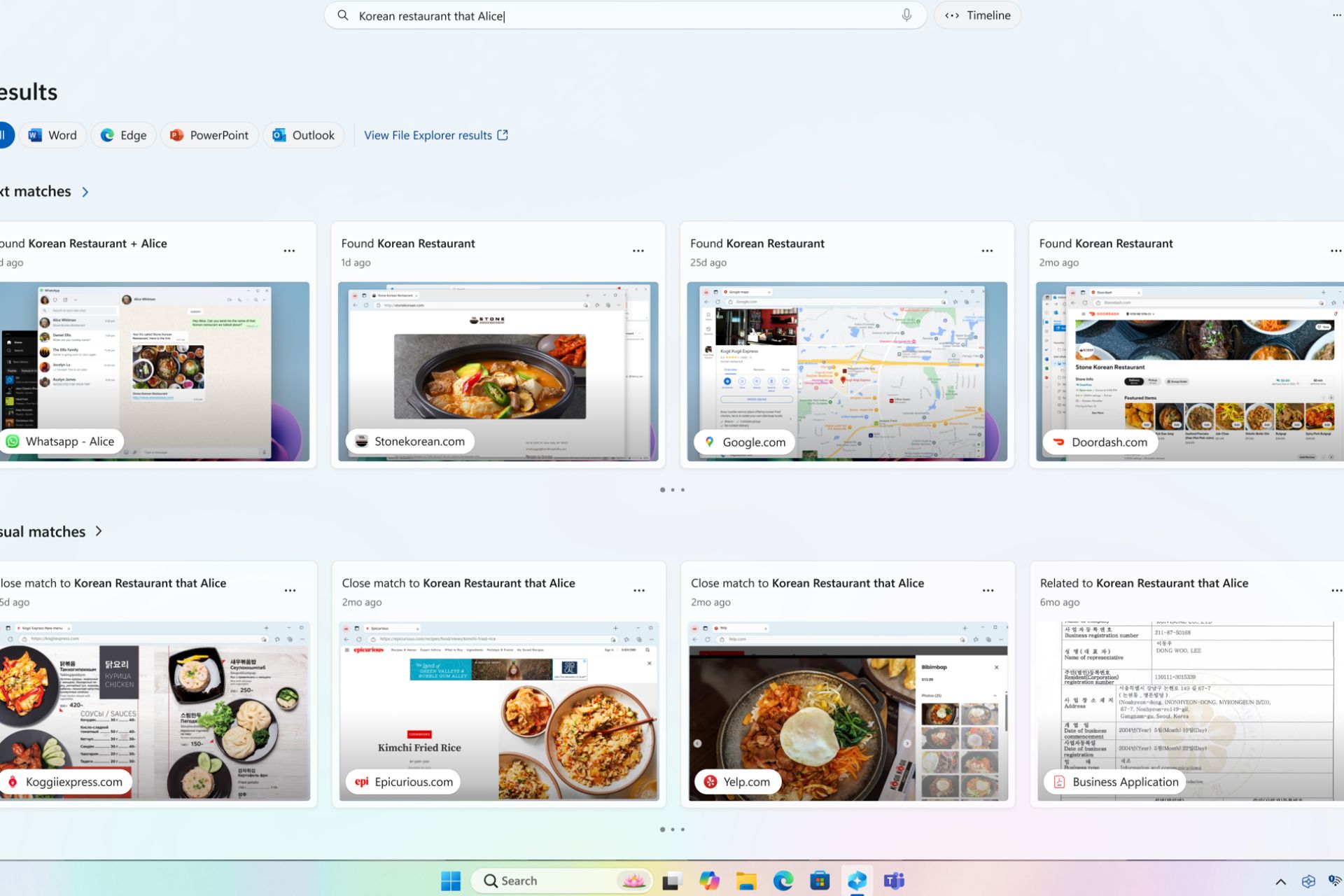
As you might know already, Microsoft announced the new Windows Recall capability coming to all Copilot + PC devices (this is the new official name for AI PCs), starting next month, in July. Now Windows Recall has been expected to be released, although it was teased under another name, AI Explorer.
The capability allows Windows users to navigate the operating system easier, and access forgotten information faster, as Recall will trace everything you visited or did on your Windows and show it back to you in snapshots.
And yes, that’s right. For it to trace everything, it means Windows Recall will also record everything you do, and so that means the tool can have some serious privacy issues. However, at the Build 2024, the Redmond-based tech giant assured us it’s not the case: Windows Recall privacy issues should not be an issue at all, as the tool works locally.
That means it will store all the recordings (aka snapshots) on your device, without uploading them to the cloud. It will then encrypt them using BitLocker. They are tied to one Microsoft account only, and the Redmond-based tech giant won’t use them to target you with ads. Even more, other people having access to your Copilot + PC device won’t be able to see these snapshots, unless they log in using your credentials.
So, as you can see, Windows Recall is quite safe. Aside from malware, and other bad actors threatening your device (assuming you leave it completely defenseless), bypassing its security, and accessing your snapshots, theoretically, you should be fine.
The Redmond-based tech giant has indeed released a blog post full of information regarding Windows Recall’s privacy issues. Here are the most important points you should remember:
It records everything you do on Windows.
You can limit the snapshots Recall collects: you can select specific apps or websites visited in a supported browser to filter out of your snapshots
You can pause Windows Recall from collecting snapshots, clear some of the snapshots, and even delete them all.
It won’t record browsing sessions done in Incognito Mode.
It will also not record content from streaming platforms, such as Netflix, Disney+, and such. In fact, Windows Recall won’t record any DRM (protected media) content.
Recall won’t record special text messages, such as one-time images/videos.
Important: Windows Recall won’t moderate content, and it won’t hide sensitive information, such as passwords, or account credentials.
However, there is one big problem with Windows Recall, and it has nothing to do with privacy. And that is the storage space.
Suddenly, privacy issues are not a worry anymore, as Windows Recall will occupy a lot of space on your already ill-equipped Copilot + PC devices. How? Well, most of these devices come with 256 or 512 GB SSD storage, and Recall will require a minimum of 25 GB to function properly, and at least 50 GB to work as intended. In a 256 GB Copilot + PC device, that’s 10%, and 20% respectively.
25 GB accounts for approximately 3 months of snapshots, Microsoft says.
Copilot+ PC storage size determines the number of snapshots that Recall can take and store. The minimum hard drive space needed to run Recall is 256 GB, and 50 GB of space must be available. The default allocation for Recall on a device with 256 GB will be 25 GB, which can store approximately 3 months of snapshots.
Microsoft
Here’s how much disk space Windows Recall needs:
Device storage capacity
Storage allocation options for Recall
256 GB
25 GB (default), 10 GB
512 GB
75 GB (default), 50 GB, 25 GB
1 TB, or more
150 GB (default), 100 GB, 75 GB, 50 GB, 25 GB
The price of SSDs is not exactly the best right now, and they’re expected to rise over the year. Microsoft releasing a capability that uses a lot of space is not exactly the best idea. Sure, you can highly customize your Snapshots, and you can clear and delete some of them, but if the whole idea of Windows helping you remember what you looked for a year ago is not standing up, is Recall really worth it, then?
Or it might suffer the same fate as Copilot, and that is a poor adoption rate? We’ll see. Time will tell.
In the recent Microsoft Build 2024 event, the Redmond-based tech giant made a series of Arm-related announcements, including the Azure Cobalt 100 processor powering Azure VMs (Virtual Machines). To preview the VMs, you just need to fill out a quick form!
The Cobalt 100 processor is based on the Neoverse N-series (N2) Arm CPU design, which is optimized for the performance of scale out cloud-based applications. The preview includes the general purpose (Dpsv6-series and Dplsv6-series) and memory optimized (Epsv6-series) VM series.
Coming to the performance of Azure Cobalt 100, it will deliver up to 2x on web servers, 1.5x on Java-based workloads, and 1.4x CPU. You also have different VMs to choose from depending on the CPU and memory needs, along with the option to go with or without a local disk. Deploying them is no hassle either!
Speaking about their use case, Microsoft says,
These VMs are ideal for small to medium open-source databases, application servers and web servers. These VMs also excel with containerized applications and can be leveraged by Arm developers in CI/CD pipelines, development and test scenarios. The new Dplsv6 and Dpldsv6 VMs are ideal for media encoding, small databases, gaming servers, microservices and any workloads that do not require higher RAM per vCPU.
When it comes to OS, you will find support for Insider Preview of Windows 11 Pro, Insider Preview of Windows 11 Enterprise, Canonical Ubuntu, CentOS, Debian, Red Hat Enterprise Linux, SUSE Enterprise Linux, Alma Linux, Azure Linux (via AKS), and Flatcar Linux.
As for their availability, the new Azure Cobalt 100-powered VMs will be free during the preview phase. You can access them in Central US, East US, East US 2, West US 2, Southeast Asia, North Europe, and West Europe, with support for other regions expanding in the coming months.
The release of Azure Cobalt 100 VMs is a testament to Microsoft’s increasing focus on the high-performance and power-efficient Arm architecture. It also unveiled a new class of devices, Copilot+ PCs. Powered by Arm processors, these are 20x more powerful and 100x more efficient for running AI workloads.
Have you tried the new Azure Cobalt 100 processor VMs in preview? If so, share your experience with our readers in the comments section.
Not so long ago, the U.S. Cyber Safety Review Board (CSRB) accused Microsoft of neglecting its security systems after the country was affected by multiple cyberattacks that could have been prevented. The recent CSRB report reaffirmed that Microsoft neglected enterprise security. Google saw this as an opportunity to pitch its security systems and new approaches to protect the public sector.
According to Google, the CSRB report shows that the lack of commitment to security can lead to preventable mistakes and serious breaches. Besides, the tech giant believes major platform providers should be responsible and develop capable security practices.
Google dealt with similar security issues before
One of the key arguments from Google was that it dealt with similar threat actors more than a decade ago. After the encounter, the company changed its infrastructure and found new ways to defend against cyber attacks. Now, Google develops products that are safe by design.
Google has three recommendations to fix the security issues mentioned in the CSRB report. The first one is that governments should focus on products secure by design instead of having the security feature added later. The second suggestion is to conduct regular security recertification for products with security issues. The last recommendation for governments is to avoid using the same vendor for multiple products and services. This practice increases the chances for a single breach to compromise various systems.
Microsoft’s CEO Satya Nadella has a plan to build back the trust, but it might take a while to do that, especially since the company is still dealing with ongoing breaches.
Ultimately, the U.S. government could continue using Microsoft. However, Google’s security pitch might lead to some changes, especially since the tech giant showcased the capabilities of Google Workspace. Additionally, Google might open the way for other companies to compete for government customers.
Do you think that Google’s security system can challenge Microsoft’s? Let us know in the comments.
AI has been a focal point of this year’s Build conference, and we saw various AI-related innovations from Microsoft.
It seems that the company has no plans of stopping since they have announced a new language model.
Microsoft announces Phi Silica, a new small language model
Microsoft has its small language model called Phi-3, and the Phi-3 Vision model was recently announced as the latest member of the Phi family.
The company has also revealed another small language model called Phi Silica as Neowin reports. This new model will join the Windows Copilot Library, and unlike other models, it only has 3.3 billion parameters.
Here’s what a Microsoft spokesperson had to say regarding the new model:
It is optimized to run on the NPUs in Copilot+ PCs, bringing local inferencing and achieving first-token latency performance. Developers can access the Phi Silica API and deliver user experiences across the Windows ecosystem.
Windows Copilot Library provides a rich set of functionalities that will enhance developers’ ability to take advantage of AI in Windows. Developers will be able to access Studio Effects, Live captions translations, Phi Silica, OCR and Recall User Activity APIs as part of the Windows App SDK release in June. More APIs like Text Summarization, Vector Embeddings and RAG API will be coming later.
As previously stated, Phi Silica will be a part of Copilot Library, and it has a set of APIs that is powered by more than 40 on-device models that will ship with Windows.
This is all part of the Copilot + PC brand, and if you want to get access to this feature, you’ll need a compatible device, such as one of the newly announced Snapdragon Surface laptops.
Microsoft is making it easier to understand Edge settings related to Copilot. In the Canary version, the company has renamed the “Use Compose (AI-writing on the web)” setting under Languages to a more descriptive name that uses the Copilot branding.
Copilot has been a revelation for Microsoft. It is included everywhere in the Edge browser and is available as separate platforms and in different Microsoft services and products. Copilot has become an integral part of Windows, keyboards as well as PCs. Going forward, you can’t expect to use a Microsoft product or service without Copilot being integrated into it.
The new description clarifies that it helps you write with AI to generate ideas for writing, elaborate, rewrite, change tone and format, and more, all while collaborating with Copilot as you write on the web.
The renamed setting uses simpler wording in its description to convey that it uses AI assistance to help you draft, rewrite text, and adjust styles.
Present Setting Name with Description:
“Use Compose (AI-writing) on the web : When this is on, you’ll get help writing on the web with AI that allows you to generate ideas for writing, elaborate, re-write, change tone, format and more.”
New Setting name with description:
“Collaborate with Copilot as you write on the web: Use AI writing assistance to help you draft, rewrite text, and adjust your style.”
Why the change?
The change makes sense. Regular users might not understand the “Compose” whereas the new setting reveals that they can utilize Copilot for writing, which they may find useful. This change highlights Copilot branding within Edge Settings.
The setting name has been changed, but the feature’s function and everything else remain the same. When you post something in a text box and select the option, “Rewrite with Copilot” will still appear to rewrite the content generated by AI.
In a big news for teachers and students, Microsoft and Khan Academy have joined forces to deliver more teaching-oriented AI tools. An outcome of the collaboration is that Khanmigo for Teacher is now available for free to K-12 educators across the US.
Khanmigo previously cost $4 per month, which translates into $48 of direct annual savings for educators.
Khan Academy is a non-profit education organization founded by Sal Khan and headquartered in the US. It’s used by students and teachers worldwide. The partnership between the two was announced during the ongoing Microsoft Build 2024 event.
According to Microsoft News, Khanmigo will now be hosted on the Azure AI service, making it the latest to switch to Microsoft’s native cloud and AI platform. Also, high-quality content from Khan Academy’s library will now be integrated into Copilot and Teams for Education to expand access to more educators and students.
As for Microsoft, the Redmond-based tech giant will benefit from access to math-related questions and answers to develop and fine-tune the AI-powered math tutoring capabilities of Phi-3, its new small language model.
The collaboration between Microsoft and Khan Academy offers a wide array of benefits to educators and students in the US. In my opinion, these benefits should be available across the globe, especially in countries where access to good education remains a privilege only a few can afford!
We saw all sorts of innovations regarding Windows during the Build conference, and while most of them were focused on ARM and Copilot, there was a segment dedicated to VR.
Microsoft announced its collaboration with Meta, and that they are planning to extend Windows apps into 3D space, so here’s what we know.
Microsoft will bring Windows volumetric apps to Meta Quest
As The Verge reports this was announced during the Build event, and Microsoft showcased a digital exploded 3D view of the Xbox controller viewed from Meta Quest 3.
Since this is a digital object, you can manipulate it as you like with your hands. The credit goes to Creo, one of Microsoft’s partners, for bringing this interactive visualization to Quest.
This looks impressive, and if you’re a developer, you can get access to a volumetric API and experiment further after signing in for a developer preview.
Chrome extensions are a double-edged sword. They can enhance your online experience and improve your browser speed but can also slow it down. Sometimes, extensions can affect the performance of your device because some of them use a lot of CPU, especially when combined with a sizeable cache. However, if you use them correctly, you can decrease the loading speeds of various sites.
In addition, DebugBear, a web page optimization service, analyzed 5000 Chrome extensions to find which ones could impact our performance the most.
How do Chrome extensions work?
Whether you are using Chrome or other browsers, extensions work similarly. They execute a code on the website you access, which should only run when needed. As a result, they increase your processing time. Some extensions do that, but they optimize pages and reduce load speeds.
For example, Monica AI, an extension that runs its code when a page starts loading, increases the processing time by 1.3 but reduces page load speed significantly.
Extensions can start working before, during, and after a page loads. According to DebugBear’s research, the extensions that process data before a page loads reduce the website loading times more than the others. On the other hand, the ones that run their code after a page finishes loading have a lesser impact on the loading times.
If you used a VPN extension, you might have noticed that pages take a while to load. This happens because they reroute the traffic through another server and run their code before a page starts loading. Also, Trancy AI Subtitles and Klarna Pay Later cause long load times.
Chrome extensions might now always affect the time it takes for a page to load. However, they can create slow page interactions. The Avira Password Manager adds a 160-millisecond delay when you select random elements from a page.
Ad-blockers reduce the CPU processing time
If you want to improve your browsing performance, get an ad-blocker. Ad-block extensions make pages load faster and improve the speed of your interactions, but having more than one or two could reduce the performance of your device. The research by DebugBear shows that without an ad-blocker, an ad-heavy page has a 57 CPU processing time. Yet, with an ad block, the number drops to 4.
According to the list of ad block extensions shared by DebugBear, uBlock Origin is one of the best ad blockers for Chrome, while AdBlock and AdBlock Plus are some of the worst. Also, if you want, check the Chrome Extension Performance Lookup tool.
Ultimately, you can use Chrome extensions like ad-blockers and optimizers to decrease the loading times and improve the speed of your interactions. If they don’t help, and you have a high CPU while browsing, consider removing some of your extensions or using two different browsers, one for work and one for your free time. Also, clear your cache.
Are you using an ad block extension for Chrome? Let us know in the comments.
As you might already know, Microsoft announced the new Copilot + PC devices (aka the AI PCs we’ve been hearing about all year). These new laptops are incredibly fast, and use a lot of AI everywhere to allow users to get work done easily and quickly. Plus, their battery life is quite impressive.
The new devices will use CPU, GPU, and NPU to streamline productivity, and there will be certain apps that will work best only for them. With this in mind, Qualcomm will be releasing the new Snapdragon Dev Kit for Windows to allow users to build such apps specifically for Copilot + PC devices.
The Snapdragon Dev Kit for Windows was officially announced at the Microsoft Build 2024 event, with the Redmond-based tech giant stating:
Featuring the NPU that powers the Copilot+ PCs, the Snapdragon Dev Kit for Windows has a form factor that is easily stackable and is designed specifically to be a developer’s everyday dev box, providing the maximum power and flexibility developers need. It is powered by a 3.8 GHz 12 Core Oryon CPU with dual core boost up to 4.4GHz, comes with 32 GB LPDDR5x memory, 512GB M2 storage, 80 Watt system architecture, support for up to 3 concurrent external displays and uses 20% ocean bound plastic.
Microsoft
However, the Snapdragon Dev Kit for Windows won’t be cheap. You’ll have to put $899 on the table, on June 18th, when Qualcomm will release. It will sport some impressive specs, though, including:
A 3.8 GHz 12 Core Oryon CPU
Dual-core boost up to 4.4GHz
32 GB LPDDR5x memory
512GB M2 storage
80 Watt system architecture
Wi-Fi 7, Bluetooth 5.4
USB4, USB 3.2, ethernet, 3.5mm audio, and HDMI ports
If you’re interested in a Copilot + PC device, just know you have plenty of options to choose from. Samsung, Lenovo, Acer, Asus, and even HP (which resurrected a 22 years old laptop series especially for AI) have announced such devices. However, you’ll have to spend some money: the cheapest one starts at $999.
Microsoft is making Visual Studio Code for Education free for all, and at the end of the month, it will be generally available to everyone who wants to learn how to code.
The program won’t need any kind of installation, as it includes a sandbox learning environment, which means everyone can hop in and just learn.
The Redmond-based tech giant intended to make the platform as simple and intuitive as possible, stating:
Visual Studio Code for Education will simplify the learning process with a streamlined code editing experience that’s optimized for education. It will feature a content window for learning materials, a simplified user interface and an intuitive layout, making it easier for students to master essential coding concepts. The platform’s one-click-to-code functionality removes any setup barriers, allowing students to start coding immediately.
Microsoft
Users will be able to start coding directly in the web browser, and it will be available across multiple and different devices, platforms, and browsers, with Microsoft ensuring that the platform will be available to as many people as possible.
The preview is available now for users to try, and can be accessed here. By the end of the month, Visual Studio Code for Education should be generally available to everyone.
In other news, the Redmond-based tech giant announced Copilot extensions, and speaking of coding, those learning how to do it in the platform can end up creating extensions and publishing them in app stores in Teams and Outlook.
At the Microsoft Build 2024, the Redmond-based tech giant made the event all about AI, specifically, Copilot. We have the Copilot + PC devices; the company also announced Team Copilot, a new assistant in Microsoft Teams meant to tackle the rise of Google’s AI Teammate; then, the Redmond-based tech giant also released new tools to Copilot Studio.
However, you’ll be delighted to know that some of these topics will be known as Copilot Extensions, moving forwards. Remember when Microsoft announced Copilot Plugins? Well, they’re extensions now.
Copilot extensions will enhance Microsoft Copilot by enabling new actions and customized knowledge for grounding within Copilot. With Copilot extensions, users will get a Copilot experience that is tailored with the data, systems and workflows they use every day — all in the flow of their work.
Microsoft
If you’re a developer and you made Copilot plugins, Microsoft will add them as Copilot extensions in the Teams Toolkit for Visual Studio Code. You’ll also have access to new features, and you’ll be able to build Copilot extensions for others.
If you’re not a developer, then you can already access some Copilot extensions from companies such as Mural, or Jira.
Speaking of Copilot, the Redmond-based tech giant will also allow companies that use SharePoint to let their employees build their own extensions, using the company’s data. This way, productivity can be greatly enhanced.
These copilots help individuals find the files they need and can even answer questions based on the contents of the SharePoint site. Easy to create in just a few clicks, with additional enhancements available using Microsoft Copilot Studio, these copilots can be easily shared within an organization.
Microsoft
The Redmond-based tech giant released the Early Access Program for this feature, and it will launch a public preview of the new Copilot development sometime in 2024.
At the Build 2024 conference, Microsoft announced the general availability of Visual Studio 2022 17.10. The latest release has many powerful features and enhancements, spotlighting the integration of GitHub Copilot, the advanced AI-powered coding assistant.
With the integration of GitHub Copilot with Visual Studio, you get a coding partner with better context, smart suggestions, and the ability to complete your codes, making you more productive.
GitHub Copilot is integrated as an extension in Visual Studio and is a combination of Copilot and Copilot Chat, but you can’t get it through the usual Visual Studio Marketplace or Extension Manager.
Instead, it is included in the Visual Studio installer as a recommended component, ensuring seamless activation. This means it will come pre-installed by default, but you can choose not to install it.
Let’s talk about Visual Studio’s latest enhancements with GitHub Copilot.
Speeds up coding experiences
GitHub Copilot helps you code faster by giving real-time suggestions and allowing you to complete code intelligently. The chat feature will enable sustained, threaded conversations to build context and background for the problem you are working on.
Furthermore, GitHub Copilot Chat offers slash commands and references for specific tasks, making sharing knowledge easy even with new team members. Slash commands like /doc or /explain quickly instruct Copilot about what you need, while references like #solution or #locals give more context.
Makes debugging faster
Debugging code becomes easier if you have GitHub Copilot in Visual Studio. For instance, developers are often forced to inspect bugs that come from exceptions, which is annoying and time-consuming.
However, now, when the error is identified, the AI-powered Exception Helper guides you through the troubleshooting process.
AI-powered Exception Helper uses exception type and call stacks combo to help you form context-rich questions from diagnostic data available to Visual Studio’s debugger.
Visual Studio now also supports rubber ducking, which lets you explain the problem in your natural written language while the debugger is paused. You can also include the local’s reference (#locals) to ask direct questions about the state of a variable.
Another useful debugging feature, deadlock detection helper can help you find blocking states in your application and suggest solutions for the underlying code. Microsoft has also integrated GitHub Copilot into breakpoint workflows, allowing you to set conditions for strategically pausing the debugger during investigations.
Streamlines unit testing and code maintenance
Generating and resolving unit tests are essential aspects of software development but are repetitive and time-consuming.
GitHub Copilot can assist you in creating and resolving these tests, helping teams preserve code coverage and overall code health, thereby streamlining the development process.
By offering smart PR and commit suggestions, GitHub Copilot simplifies code maintenance and enhances clarity and consistency across projects.
Other than this, Visual Studio 2022 17.10 has:
A JSON-based settings UI to simplify IDE customization
AI-powered code reviews and better debugging and diagnostics support.
New GitHub Copilot-powered Visual Studio brings an improved Attach to Process dialog
The Conditional Breakpoints feature allows developers to set conditions based on hit counts, expressions, or both.
The ability to pin Targets in CMake projects and updated Unreal Engine (UE) macros
Support for SQL Server Data Tools (SSDT).
To conclude, with the AI assistant at their beck and call, developers can code faster, debug smarter, and be more innovative and productive.
Do you think GitHub Copilot with Visual Studio will help you code faster and better? If so, share your views with our readers in the comments section below.
At the Microsoft Build 2024 conference, the Redmond-based tech giant announced that it will add tools to Copilot Studio to give developers the chance to build generative AI assistants for a variety of contexts. These generative AI assistants can be used to assist users in their businesses, for example.
These new capabilities will allow users to delegate authority to Copilot to automate long-running business processes, reason over actions and user inputs, leverage memory and knowledge for context, learn based on user feedback and exception requests and ask for help when it encounters situations that it doesn’t know how to handle.
Microsoft
Along with these tools, developers who build AI assistants for Microsoft 365 can also make them available to others through Copilot Studio.
Copilot extensions built with Copilot Studio will allow developers to customize copilots with instructions, knowledge from data sources and actions from plugins, Microsoft Power Automate flows and more. They will be simple to build and will enable extensibility and customization for specific domains or personas, such as expense reporting or employee onboarding, enabling a more relevant and personalized copilot experience.
Microsoft
The Redmond-based tech giant will help developers release their AI assistants, also called Copilot extensions, to a variety of app stores in Outlook, Teams, and more.
Copilot Studio will also introduce Copilot connectors that will allow developers to access other platforms, such Microsoft Graph, or Power Platform directly from there.
Copilot connectors in Copilot Studio, in preview, will bring together Microsoft Graph and Power Platform connectors, AI skills in Microsoft Fabric (in private preview) and Microsoft Dataverse to make the process of grounding copilots in first- and third-party line-of-business data a wizard-based experience configured through Copilot Studio. This will enable developers to quickly incorporate their organizational knowledge into copilots, enable new actions and add real-time intelligent Q&A over productivity, operational and analytical data.
Microsoft
Finally, Microsoft will add templates to Copilot Studio so that developers can quickly start to work on projects without having to waste time building them from scratch.
All these tools coming to Copilot Studio will be available soon, although no specific date has been given yet. Either way, developers will enjoy the new tools, as they will greatly enhance workflows and productivity all around.
Speaking of Copilot, the Redmond-based tech giant also announced Team Copilot, which as its name suggests, is an assistant on its own, and Microsoft’s take on Google’s AI Teammate.
When Microsoft is making all its products future-ready, we can’t imagine the company not touching PowerToys, a dynamic set of tools that can customize Windows beyond conventional settings.
With the latest version 0.81, the Redmond tech giant has proved that. With this new update, you will get Advanced Paste, a utility that can convert anything you copy into another format. For example, it can convert Python code to C# with comments.
Here is what the company said about Advanced Paste:
Advanced Paste is An Al powered tool to put your clipboard content into any format you need, focused towards developer workflows. Note: this will replace the formatted text in your clipboard with the selected format.
To use this feature, copy something and press Windows + Shift + V to open the tool’s interface. You can also paste the result using Windows + Ctrl + Alt + V.
Here is the list of changes introduced in the update
New utility: Advanced Paste, an AI powered tool to convert your clipboard content into another format.
Command Not Found now uses the PowerShell Gallery release and now supports ARM64.
Fixed most accessibility issues opened after the latest accessibility review.
Refactored, packaged and released the main Environment Variables Editor, Hosts File Editor and Registry Preview utilities functionality as controls to be integrated into DevHome.
General:
Fixed crashes on older CPUS by updating .NET to 8.0.4. (This was a hotfix for 0.80)
Advanced Paste
New utility: Advanced Paste, an AI powered tool to convert your clipboard content into another format.
Always On Top
Enable border anti-aliasing.
Color Picker
Improved accessibility by making the Settings and Copy to clipboard buttons focusable.
Improved accessibility by supporting picking a color using the keyboard.
Command Not Found
Upgraded the Command Not Found to use the new PowerShell Gallery release and support ARM64.
Environment Variables Editor
Refactored, packaged and released the main Environment Variables Editor functionality as a control to be integrated into DevHome.
FancyZones
Fixed window wrap around behavior when overriding Windows key and arrow shortcuts on single monitor scenarios.
Improved accessibility of the editor by listing the keyboard shortcuts in the Canvas Editor.
File Explorer add-ons
Updated Monaco to 0.47 and added the new sticky scroll setting for DevFiles viewer.
Added the new font size setting for DevFiles viewer.
Added support for .srt (subtitle) file previewing in DevFiles viewer.
Hosts File Editor
Refactored, packaged and released the main Hosts File Editor functionality as a control to be integrated into DevHome.
Image Resizer
Supported narrator announcing the checkboxes in the UI and the sizes combobox.
Improved accessibility by increasing contrast in the text color of combobox items.
Installer
Fixed some install failures when the folders the DSC module is to be installed in isn’t accessible by the WiX installer. (This was a hotfix for 0.80)
Detecting install location for DSC now uses registry instead of WMI to improve performance.
Fixed an error causing the machine scope installer to not install correctly in machines where the documents folder is in a UNC network path. We’re still working in a fix for the user scope installer.
Keyboard Manager
Fixed startup crashes in the editor when the Visual C++ Redistributable wasn’t installed. (This was a hotfix for 0.80)
Fixed an accessibility issue where the first button wasn’t focused after adding a new row in the editor.
Environment Variables are now expanded in arguments of programs started through a shortcut.
Paste as Plain Text
Paste as Plain Text was removed as a separate utility, since its functionality is now part of the Advanced Paste utility.
Peek
Updated icons, tweaked UI and refactored internal code.
Updated Monaco to 0.47 and added the new sticky scroll setting for DevFiles viewer.
Added the new font size setting for DevFiles viewer.
Upgrade the SharpCompress dependency to 0.37.2 and fixed archive parsing.
Fixed aliasing in the image viewer.
Added support for .srt (subtitle) file previewing in DevFiles viewer.
Power Rename
Fixed the descriptions that were mixed up in the regex helper (\S and \w).
PowerToys Run
Added support for UNC paths starting with // in the Folder plugin.
Fixed the plugin load failed message to list the failed plugins.
Icons for MSIX packages are now updated when a package update is detected.
Use Mica backdrop instead of Acrylic to fix random crashes caused by the Windows composition being momentarily turned off.
Improved accessibility in the results list action buttons by improving contrast of hovered/focused buttons.
Quick Accent
Added support for the Esperanto character set.
Added the ǽ and ϑ characters.
Registry Preview
Refactored, packaged and released the main Registry Preview functionality as a control to be integrated into DevHome. Thanks @dabhattimsft for validating and integrating into DevHome!
Text Extractor
Fixed an issue causing the Settings page to not be opened when clicking the Settings button in Text Extractor’s overlay. (This was a hotfix for 0.80)
Settings
Improved UI ordering of the File Explorer add-ons.
Applied fixes to theme overriding and cleaned up unneeded code.
Fixed misspells in references to the Hosts File Editor utility.
Improved accessibility of the Select Folder button in the Settings Backup UI.
Improved accessibility by improving focus and tab navigation in the ColorPicker page.
Added a description to the fallback encoder setting in the Image Resizer page.
Refactored and improved performance in the PowerToys Run plugins UI in the Settings page.
Fixed a crash when a user cleared the contents of a Number Box in the PowerToys Run plugins additional options.
Update the PATH environment variables with the user scope PATH when entering the Command Not Found page to improve PowerShell detection.
You can download the latest version of PowerToys from the Microsoft Store or GitHub. If you already have the app, head to Settings>General>Check for updates. Also, share your experience with our readers in the comments section below.
At the Microsoft Build 2024, the Redmond-based tech giant announced some big and exciting new features coming to its work-oriented platform, Teams, including the new Team Copilot, the company’s own approach to Google’s AI Teammate.
Team Copilot, while quite exciting, might not be enough to surpass the real excitement coming to Teams, which is the ability to create your own custom emojis. Yes, you’ve heard that right.
The platform will be updated to allow users to upload their emojis, and once there, they will be available to the whole tenancy. Here’s what Microsoft says:
Once uploaded, custom emojis will only be visible within the user’s tenant. IT admins will be able to decide who has permission to create custom emojis, delete custom emojis or turn off the capability altogether.
Microsoft
The capability will not be available right away, as Microsoft will release it in a preview in June. However, at the Build 2024 conference, the Redmond-based tech giant says another exciting feature is available immediately in the platform, and that’s the ability to find shared code faster:
When a developer shares code via a permalink in Teams chat, it now expands to provide a rich preview from Microsoft Azure DevOps, enabling the recipient to view the code in the source app.
Microsoft
Plus, aside from being able to come up with their own custom emojis in Teams, users will also be able to use the platform’s Intelligent Recap to transcribe a Teams meeting without the need to have the audio recording of it.
At the Build 2024 conference, the Redmond tech giant announced that Microsoft Edge will include real-time video translation and features promoting protection against data leaks.
If you often feel a language barrier is stopping you from watching your favorite content, Microsoft has solved that with the feature of real-time video translation for Edge. The feature will use artificial intelligence to process videos to dub and provide subtitles to help you understand the content you are watching.
This real-time video dubbing and subtitles will be available on several video-sharing platforms, including Bloomberg, Reuters, YouTube, Coursera, LinkedIn, and more. It can translate Spanish into English, English into German, Spanish, Italian, and even Hindi. This update will make video content more accessible for people with disabilities.
If your native language is not mentioned here, don’t sweat; Microsoft has promised to add more languages with the upcoming updates.
Microsoft Edge of Business also gets new security features to protect data while browsing. These will prevent data leaks and secure company data from vulnerabilities.
In June 2024, Microsoft will also get new policies to block screenshot-taking features to protect your sensitive data from being stolen. Here is what the announcement mentioned:
Data exfiltration in the browser is a major concern for organizations due to financial, reputational and operational impact. Edge for Business will support screenshot prevention policies set across Microsoft 365, Microsoft Defender for Cloud Apps, Microsoft Intune Mobile Application Management and Microsoft Purview.
This is another important update for IT admins that will ensure that the Edge is always up to date. This is critical as browser security vulnerability issues have been at an all-time peak.
Along with this, the update coming in weeks will ensure that admins will see outdated Edge instances and will be able to take proactive measures, like restarting the browser forcefully, installing updates, disabling specific features, or configuring automatic updates.
What do you think about these changes? Share your views with our readers in the comments section below.
Earlier this year, Microsoft released Phi-3 Mini, an AI model with 3.8 billion parameters, which can run locally, rather than on-cloud, and it’s quite impressive.
Today, at the Microsoft Build 2024, the Redmond-based tech giant announced the new Phi-3 Vision, which can accept images and videos as prompts, and it can generate answers based on them.
Microsoft made Phi-3 Vision bigger than its Mini version: it has 4.2 billion parameters, and it’s now available in a private preview.
However, there is no word when it will become generally available, but the Redmond-based tech giant will most likely release it later this year.
Speaking of AI, Microsoft Teams will also get a Team Copilot model, and similar to Google’s AI Teammate, this one will help users access information easily and faster.
Microsoft wasn’t joking when it said this year’s Build is all about AI.
At the Microsoft Build 2024, the Redmond-based tech giant introduced Team Copilot, an assistant that will be ever present in Teams chats to help all users access information easily, and faster.
As a valuable new team member, Team Copilot will work with teams to transform collaboration and workflows, and take on administrative tasks that are often time-consuming and costly for teams.
Team Copilot will be considered a Meeting facilitator, which will allow the AI to manage agenda for meetings, and do other tasks, such as taking notes, suggesting tasks, and summarising.
Microsoft has also developed Team Copilot to allow users from these meetings to co-author and edit these notes.
There is also a Group Moderator feature that Team Copilot is capable of. This one will bring it closer to Google AI Teammate, by responding to questions and helping users access information. Team Copilot will also work as a manager, and Microsoft developed it to supervise projects. It can use the Planner app in Teams to recommend tasks, and it can check up on deadlines. It can even send heads up to Teams members on their upcoming deadlines.
Microsoft will release Team Copilot sometime later this year.
In many ways, this new tool is Microsoft’s response to Google’s AI Teammate, which was previously announced by the tech company as a tool that can revolutionize workspaces. So, in many ways, the Redmond-based tech giant is seeking to catch up, and won’t let Google catch its breath.
It will be interesting to see how this new technology is adopted by users everywhere.
With the new builds released, we have seen that Microsoft is stressing the introduction of ads to promote its Office and AI products in Windows 11.
Some of the newest ones, like the one in the Settings app, cannot be removed, which is frustrating. However, there is a solution to this problem, Win11Debloat. It is a lightweight PowerShell script
What is Win11Debloat?
Here is what the description of this script on GitHub says:
Win11Debloat is a simple, easy to use and lightweight powershell script that can remove pre-installed Windows bloatware apps, disable telemetry and declutter the experience by disabling or removing intrusive interface elements, ads and more. No need to painstakingly go through all the settings yourself, or remove apps one by one. Win11Debloat makes the process quick and easy!
You can pick and choose exactly which modifications you want the script to make, or use the default settings. If you are unhappy with any of the changes you can easily revert them by using the registry files that are included in the ‘Regfiles’ folder. All of the apps that are removed can be reinstalled from the Microsoft store.
You can choose to customize the script to your needs or select the default mode to apply the changes
What can you do with Win11Debloat?
Remove apps – You can delete several bloatware apps and select which ones to keep or delete. You can also remove pinned apps from the start menu on your Windows 11 devices.
Bing & Copilot – Remove or disable Bing or Cortana in Windows search on Windows 10 and 11. You can also disable Windows Copilot on your Windows 11 computer.
Telemetry & suggested content – Disable diagnostic data, app-launch tracking & targeted ads. You can also disable tips, tricks, suggestions, and ads in Settings, Start, Notifications, Windows Explorer, and the lock screen.
Windows Explorer – Unhide the hidden files, drives, folders, and file extensions for known file types. You can also hide duplicate removable drive entries from the Windows Explorer navigation pane.
Context menu—You can get the Windows 10 context menu on your Windows 11 computer. You can hide many things in the Windows Explorer side panel, including 3D objects, music, and the OneDrive folder.
Taskbar – Allows you to align the Taskbar to the left and hide or change the search box or icon on the taskbar on Windows 11. You can also hide the taskview button from the Taskbar.
How can I use this script to debloat my Windows?
You can download and run the script automatically through Windows PowerShell. All you need to do is open PowerShell as an administrator, then copy & paste the following code in PowerShell and press Enter: & ([scriptblock]::Create((irm “https://raw.githubusercontent.com/Raphire/Win11Debloat/master/Get.ps1”)))
Once the script installs git and Win11Debloat, you will see the Win11Debloat menu. To continue, you can choose either the default or custom mode.
This method also supports parameters, so to use them, you need to add the parameters at the end with spaces in between. Here is the example presented on GitHub: & ([scriptblock]::Create((irm “https://raw.githubusercontent.com/Raphire/Win11Debloat/master/Get.ps1”))) -RunDefaults -Silent
However, if you don’t want to go through all this, you can download the latest version of the script, extract it from the Zip file, and go to the Win11Debloat folder. Locate and double-click the Run.bat file to execute the script.
You will now see the Win11Debloat menu in PowerShell; choose custom or default mode like before to continue.
Parameters
Here is the list of parameters given on GitHub that you can use to change the script according to your needs:
Parameter
Description
-Silent
Suppresses all interactive prompts, so the script will run without requiring any user input.
-RunDefaults
Run the script with the default settings.
-RemoveApps
Remove the default selection of bloatware apps.
-RemoveAppsCustom
Remove all apps from the ‘CustomAppsList’ file. IMPORTANT: Run the script with the -RunAppConfigurator parameter to create this file first. No apps will be removed if this file does not exist!
-RunAppConfigurator
Run the app configurator to create a ‘CustomAppsList’ file. Run the script with the -RemoveAppsCustom parameter to remove these apps.
-RemoveCommApps
Remove the Mail, Calender, and People apps.
-RemoveW11Outlook
Remove the new Outlook for Windows app.
-RemoveDevApps
Remove developer-related apps such as Remote Desktop, DevHome and Power Automate.
-RemoveGamingApps
Remove the Xbox App and Xbox Gamebar.
-ClearStart
Remove all pinned apps from the start menu. NOTE: This applies to all existing and new users. (Windows 11 update 22H2 or later only)
-DisableTelemetry
Disable telemetry, diagnostic data & targeted ads.
-DisableBing
Disable & remove bing search, bing AI & cortana in Windows search.
-DisableSuggestions
Disable tips, tricks, suggestions and ads in start, settings, notifications and Windows explorer.
-DisableLockscreenTips
Disable tips & tricks on the lockscreen.
-RevertContextMenu
Restore the old Windows 10 style context menu. (Windows 11 only)
-ShowHiddenFolders
Show hidden files, folders and drives.
-ShowKnownFileExt
Show file extensions for known file types.
-HideDupliDrive
Hide duplicate removable drive entries from the Windows explorer navigation pane, so only the entry under ‘This PC’ remains.
-TaskbarAlignLeft
Align taskbar icons to the left. (Windows 11 only)
-HideSearchTb
Hide search icon from the taskbar. (Windows 11 only)
-ShowSearchIconTb
Show search icon on the taskbar. (Windows 11 only)
-ShowSearchLabelTb
Show search icon with label on the taskbar. (Windows 11 only)
-ShowSearchBoxTb
Show search box on the taskbar. (Windows 11 only)
-HideTaskview
Hide the taskview button from the taskbar. (Windows 11 only)
-DisableCopilot
Disable Windows copilot. (Windows 11 only)
-DisableWidgets
Disable the widget service & hide the widget (news and interests) icon from the taskbar.
-HideChat
Hide the chat (meet now) icon from the taskbar.
-HideOnedrive
Hide the onedrive folder in the Windows explorer sidepanel. (Windows 10 only)
-Hide3dObjects
Hide the 3D objects folder under ‘This pc’ in Windows explorer. (Windows 10 only)
-HideMusic
Hide the music folder under ‘This pc’ in Windows explorer. (Windows 10 only)
-HideIncludeInLibrary
Hide the ‘Include in library’ option in the context menu. (Windows 10 only)
-HideGiveAccessTo
Hide the ‘Give access to’ option in the context menu. (Windows 10 only)
-HideShare
Hide the ‘Share’ option in the context menu. (Windows 10 only)
To conclude, by running the Win11Debloat. you can eliminate intrusive ads and other bloatware apps from your computer, allowing for a truly streamlined and optimized experience.
Have you tried the Win11Debloat script? If yes, share your experience with our readers in the comments section below.
The best Windows 11 boot repair tool can easily resolve start-up issues.
If you can’t enter your PC’s Desktop environment or if it loads the Startup Repair screen, there’s a problem with its boot record. Often, after a blue screen of death or other PC breakdowns, the Windows logo keeps appearing but it won’t start up. You’ll need a boot repair tool for situations like this.
Fortunately, I’ve tested more than 20 options, including both Windows 11 native and third-party tools.
Finally, I singled out the following 10 utilities for their reliability. I’ve also outlined their features, functionalities, and pricing so you can choose the one that suits you the best.
Ready?
10 Best Windows 11 Boot Repair Tools
Let’s start with the native Windows 11 OS tools you can access for free. Also, Windows will often prompt you to use these options first.
EaseUS Partition Master is one of the most popular tools to manage HDDs, SSDs, and NVMe SSDs. It enables you to get out of a Windows boot record error issue swiftly without running a single line of code. Also, if you can’t access the Desktop, you can still use its special features to migrate your Windows installation drive to another PC.
Firstly, if your PC is working fine or there are very few instances of startup issues, you should install the tool right now. Then, you can use it to create a clone of the existing Windows installation drive using the Clone OS Disk option.
You can use this backup later to migrate your whole Windows 11 installation to a new PC and keep all files, documents, software, etc.
Secondly, if you’re ready to migrate the Windows OS right now but you’re expecting that the PC might break down anytime, you can use the Migrate OS tool. Both the Clone OS Disk and Migrate OS options guide you through the whole process step-by-step.
EaseUS also offers a no-code approach to disk type conversion. You can access the Disk Converter feature to fix any of the following root causes behind startup issues:
Convert MBR to GPT: If you’re planning to use Windows 11, you must convert the old HDD or SSD partitions to GPT from MBR.
Convert Basic to Dynamic: By converting basic disks to dynamic, you can get more flexibility in Windows PC volume management.
Furthermore, its Bootable Media module allows you to set up the WinPE environment and fix startup issues with guidance from EaseUS. The software will also run synchronously with WinPE to guide you through the troubleshooting.
For this scenario, you can first create a WinPE-enabled bootable disk using the Create bootable media option. Then, use the Enable Partition Master PreOS feature to let WinPE run before Windows startup for fixing purposes.
Thirdly, you’ll find the Boot Repair tool in the Toolkit section of EaseUS Partition Master. This module lets you select a boot partition that requires troubleshooting.
Upon restarting, EaseUS attempts to fix the boot record file of the selected partition.
Other useful features include:
Burn ISO: Use it to create a bootable CD, DVD, or USB stick from Windows ISO files.
Rebuild MBR: If the startup error is due to the Windows 11 Master Boot Record (MBR) corruption, you can go to ToolKit > Rebuild MBR and choose the partition for MBR fixing.
UEFI Items: The Windows Boot Manager tool in the UEFI Items menu allows you to switch between multiple boot disks. If the current startup error is due to the wrong boot disk selection, you can fix that using this feature.
Pricing: Monthly subscription starts at $19.95 for one month. You can use the activation key on up to two PCs.
Pros
Cons
Limited boot repair and partition management features are available in the free edition.
Most features are behind the paywall.
Visual and automatic ways to fix startup issues.
It lets you migrate Windows 11 OS to a new HDD or SSD with minimal effort.
4DDiG Windows Boot Genius offers a sleek graphical user interface for boot repair in a Windows 11 startup repair environment. It lets you create a recovery disk in a few minutes on your primary or secondary PC. Then, you can use the recovery USB stick to boot in the problematic PC.
The Windows Rescue dialog shows up on the startup repair screen. You can choose from various automatic and manual methods to fix the booting issues. If you’re a beginner-level user, go with the Automated repair option.
The tool will automatically find and mount the problematic Windows 11 installation partition on the PC. It’ll usually rewrite the Bootcode on the boot partition and restart the PC to test if the existing Windows installation will load.
Other handy features include:
Software Key Recovery
Data Recovery
Partition Management
Internet Browser
Command Prompt
Copy Files from Windows Directory.
Pricing: You can get a license for one PC for $18.95/ month. If you need a license key to service multiple PCs, you must go for the 1-Year License plan.
Pros
Cons
The free trial lets you use limited features.
It can’t create an ISO Windows boot recovery image.
Excellent user interface, even on the startup repair screen.
The monthly plan only supports one PC. If you need to accommodate more than that, you must buy a 1-Year long subscription.
Automated boot repair with one click.
The subscription cost is a bit on the higher side.
It lets you recover data from the Windows installation directory.
It can extract the Windows installation key.
Offers Windows installation drive cloning and backup.
Outlines clear instructions to access the Boot Order menu from the UEFI BIOS for PCs from different brands.
Windows Recovery Environment (WinRE) – Best for DIY Troubleshooting
WinRE is the primary tool to fix various Windows 11 loading issues including boot-up errors. If your PC intermittently encounters startup issues, you can use this option from your Desktop. Simply press the Shift key and restart the device to force Windows to boot into WinRE.
If you’ve already created a backup drive in an external HDD, SSD, or USB stick, the Use a device dialog can start the recovery process straight away. You can also use cloned copies of your Windows 11 installation directory. Other system recovery options include Windows Recovery DVDs and network directories.
However, if you didn’t create a recovery or clone disk of your Windows 11 installation, you can go to the Troubleshoot menu.
Here, you get the following additional options to fix Windows boot problems:
Reset this PC: Use a Windows installation media to set up the operating system from scratch. However, you’ll keep your own files saved on the C: drive. The tool will move old Windows files to a separate directory on the C: drive. This method isn’t destructive because you keep your personal files. Still, you’ll lose the apps you’ve earlier installed on your PC.
DaRT Recovery Tools: This is a library of various Windows system tools that can run from the startup repair screen. For example, the Explorer tool allows you to browse the content of all the partitions and drives of the PC. So, you can use this feature to move personal data from C: drive to a different partition if you’re going to install a fresh copy of Windows 11. Other important tools are Locksmith, Crash Analyzer, File Restore, Disk Commander, Solution Wizard, etc.
Advanced options: Here, you’ll find the normal Startup Repair tool that often fails to fix booting issues. Besides this, you can access the Command Prompt to run the bootrec command to fix boot records and use the System Restore tool to revert back to the previous state.
All things considered, DaRT is your best bet to fix a range of boot issues. For example, you can run the Solution Wizard from DaRT and choose the System will not start correctly option for automatic detection of startup issues and attempt a permanent fix.
Sometimes, the boot issue you’re facing happens due to the corrupted header of the Guid Partition Table (GPT). In this case, you can use the Disk Commander tool of DaRT and choose Restore the header of the GPT.
Pros
Cons
Windows 11 built-in boot repair solution.
Using it can be time-consuming.
It’s a reliable and secure tool developed by Microsoft.
It involves a lot of manual effort.
Offers numerous ways to fix startup issues.
It’s easily accessible from Windows 11 Desktop and startup screen.
Bootrec.exe – Best for Severe Boot Record Issues
If you know how to operate the Windows Command Prompt tool and are okay with executing a few simple commands, you can try this option. However, you should execute the Startup Repair feature first. If this troubleshooter doesn’t generate any results, you can move on to Bootrec.exe.
The Command Prompt card is in Choose an option > Troubleshoot > Advanced options. Once you open the terminal, you can either run the bootrec.exe command and then execute subsequent commands with just a forward slash.
For example, if you’ve already run the bootrec.exe program, you can enter /fixmbr to rewrite the MBR code into the boot partition. Alternatively, you can execute the commands in this format bootrec /fixmbr too.
If you’ve chosen to use Bootrec.exe to fix Windows 11 startup issues, type in bootrec and then the following commands in the order:
/fixmbr: It’ll show a positive result instantly.
/fixboot: This command generates the Access is denied error.
/nt60 SYS: Updates NTFS filesystem boot code.
/fixboot: It’ll run this time.
/rebuildbcd: This command will detect your device’s OS. You must press Y so the system can rebuild the BCD library.
exit: Close Command Prompt.
Finally, you can reboot the PC from WinRE to startup. If you’ve executed the above-mentioned commands as instructed, you should be able to fix the Windows 11 boot-up issue.
Pros
Cons
This method addresses various boot issues, like corrupted boot records, missing BCD, and damaged MBR.
Requires familiarity with the command-line interface, which can be intimidating for non-technical users.
Accessible during boot failures.
Can’t fix hardware-related issues.
No need to download or install additional tools.
Incorrect use can lead to unintended changes or data loss.
Reset this PC – Best for Quick Fixes Right From Your Desktop
Reset this PC should be your go-to option to fix Windows 11 boot problems if you can enter the Desktop. You should be able to locate this feature in the System menu of the Windows 11 Settings app. Once you’re on the System screen, find the recovery option from the right-side menu to access Reset this PC.
Here, you get the following two options to proceed:
Keep my files: If you choose this, Windows will move the old Windows 11 files into a directory on the C: drive. Then, it’ll prompt you to insert the installation media to re-install the operating system. However, previous apps won’t work anymore. You’ll have to manually install and activate them.
Remove everything: This method will wipe off the entire C: drive and prepare the drive for a fresh Windows 11 setup. It’ll also require a bootable DVD or USB stick.
Pros
Cons
A user-friendly interface for restoring the Windows 11 OS.
It comes with the risk of data loss.
It also fixes PC performance and software issues.
It often doesn’t retain important hardware drivers, like GPUs, sound systems, etc.
You can choose to keep personal files or wipe off the entire partition.
Resetting Windows 11 is a time-consuming process.
It’s built into the Windows 11 OS, so additional installation isn’t needed.
You’ll need to reinstall third-party applications and reconfigure settings.
Automatic Repair – Best for Random Boot Issues
If your Windows 11 PC restarts itself and can’t go past the loading screen, the Automatic Repair tool will activate. Sometimes, it takes up to three abrupt restarts or loading errors for this mode to load.
On the dialog box, the system will ask you to either Restart or move to troubleshoot in the Advanced options dialog box.
If you think that the previous loading errors were temporary, you can hit the Restart button to apply basic troubleshooting. If your PC doesn’t enter the lock screen, the next time choose Advanced options.
The Advanced options features are the same as the WinRE tool, as explained earlier in this article.
Pros
Cons
You can use this tool even if you’ve got limited technical knowledge of Windows 11 boot partitions.
Its success rate is lower than other methods.
Quickly diagnoses and attempts to fix common startup problems.
The tool doesn’t show what action it’s taking even if it can successfully fix the boot partition.
No need to download and install tools as this is a built-in feature of Windows 11.
Sometimes, it can get stuck in a loop of repeated repairs without any progress.
Minimal data loss risk when compared to the alternative methods.
Windows Installation Media – Best for Fixing Boot Issues From the Root
You can boot your PC from a Windows 11 installation media to repair the existing setup. Windows bootable media comes in two forms. You can either use a bootable DVD or transform a USB stick into a bootable drive using Rufus. The latter option is much faster, though.
You can simply execute the Windows 11 setup file from the DVD or USB stick. Most of the setup process will happen on the Desktop. Moreover, you can choose whether you want to keep old files or perform a fresh installation by formatting the existing OS partition.
Once the bootable media has downloaded the necessary updates, your PC will restart and install the rest of the OS files.
You might need to enter an activation code if you didn’t get the previous Windows 11 copy with the PC or have bought it digitally.
This process is much faster than the rest of the built-in Windows 11 boot repair techniques. However, you’ll lose the previous apps installed on the old installation partition.
Pros
Cons
You can access a range of repair tools, including system restore, command prompt, and full reinstallation options.
You might need a second Windows PC to create the bootable media.
Often fixes boot, software, and hardware issues from the root.
The entire process could take up to an hour.
It can fix the boot partition even offline.
A clean Windows installation always comes with advanced data loss risks.
You’ll also install the latest updates.
So far, you’ve learned about the built-in utilities you can try out. You might have noticed that the above tools require considerable manual effort. If you’re a beginner or a nontechie and you’re okay with using a freeware or paid third-party Windows 11 boot repair tool, check out these options:
For this to work, you’ll need a bootable USB drive with the same edition of Windows 11 that’s installed on your PC. Rufus is the best freeware choice to create a bootable USB storage device from the Windows 11 ISO file.
This bootable media creation program is completely transparent. You can access its publicly available source code to explore if there’s any spyware or malware that might harm you.
All you need to do is download and run Rufus on your PC. There’s no need to install it. Also, there’s a portable version. You can use it on PCs with limited user account rights or you want to run it from a USB drive instead.
Besides creating a bootable media, you can use Rufus for the following purposes:
You want to work on a computer where the Windows OS isn’t installed yet.
You’d like to flash any hardware firmware or motherboard BIOS from the Disk Operating System (DOS).
There’s a low-level utility you need to run.
Moreover, it offers a simple user interface. It automatically detects a compatible USB storage device connected to the PC. It also clearly indicates from where you can browse and select the Windows 11 ISO file for removable media creation.
Pricing: It’s free for personal and commercial use. Its source code is also open. You can modify the source code to develop your own program.
Pros
Cons
Freeware and open-source.
It doesn’t directly fix the boot record. It helps you create a bootable drive.
No installation is needed.
It doesn’t support external HDDs and SSDs for bootable drive creation out of the box.
No-code approach for Windows bootable media configuration.
Securely formats the target USB drive with compatible Windows OS file systems.
Provides options for GPT and MBR-based bootable media creation.
It’s regularly updated for security and quality.
It can automatically download Windows 11 ISO from the Microsoft servers.
Easy Recovery Essentials for Windows is a software suite designed to get your PC back up and running when stuck in startup and boot issues. It’s packed with multiple PC troubleshooting features on the startup screen. You don’t need to access the Desktop or home screen to run troubleshooting scenarios.
The most useful feature is the Automated Repair function. It can automatically scan the entire system and find active or inactive Windows installations. Once you select the target Windows installation, it fixes file system corruptions, fixes the bootloader, recreates MBR, removes viruses and malware from boot files, and more.
You can also use this tool to perform a Windows 11 System Restore without accessing the home screen. You’ll find the System Restore tool in the Automated Repair dialog. It shows you all the available restore points.
You can choose one from the list to revert your system to one of the last known good configurations before the onset of boot issues.
However, sometimes you can’t resolve Windows 11 startup issues without a new OS installation. If you do that, you also lose all content on the Windows installation drive. For such scenarios, Easy Recovery offers the Browse/ Backup Files functionality.
You can use this module to visually copy and paste content from the C: drive to another partition of the HDD/SSD or a different device.
Pricing: Starts from $19.99 for the Home package for Windows 11 PCs. There are different pricing slabs for different Windows OSs. For Windows Server OS, you must buy the server-enabled version separately.
Pros
Cons
Completely automated boot repair functionalities.
No free trial is available.
Browse and backup personal files from C: drive from a PC that won’t boot.
The user interface is a bit outdated.
Doesn’t need Desktop access.
You need a second PC to run this tool from a USB or CD if the main PC isn’t booting up.
Works from a USB or CD.
You can perform a system restore on a PC that won’t start up.
You can use Lazesoft Recovery Suite to perform various recovery activities on a Windows 11 PC that won’t boot up to the Desktop. Here are some of the most useful modules:
Burn CD/ USB Disk: This module creates a WinPE recovery operating system. You can get the WinPE as an ISO image file, burn it onto a CD or DVD, and write it directly on a bootable USB stick.
Data Recovery: It lets you recover data from the Windows installation folder to different partitions of the same or different HDD or SSD. Also, this feature can recover accidentally deleted data from storage devices.
Password Recovery: If you forget the Windows PC user account password or Windows 11 activation key, use this feature.
Disk Image & Clone: You can create a recovery disk for the entire Windows 11 installation directory. If none of the modules work to fix the Windows OS boot-up issue, you might need to set up Windows from scratch. Instead of starting from the beginning, you can connect the recovery HDD or SSD and install the most recent backup of your existing Windows system.
Besides the above-mentioned features, Windows Recovery is one of the major attractions. It offers you more than five startup recovery options. The module also works on the Windows startup screen to help you fix boot-up issues.
Firstly, you’ll need the Burn CD/ USB Disk tool to create the Lazesoft Windows Recovery disk.
When you restart the malfunctioning PC, access the Boot order section in the UEFI BIOS and choose the Lazesoft disk.
The PC will boot into the Lazesoft Windows Recovery interface.
Here, you can choose any of the following depending on the severity of the issue:
One Click Fix: The best-suited Windows 11 boot repair tool for novice and beginner-level Windows users. Simply click on the One Click Fix button and wait for Lazesoft to try to fix the startup problems.
Boot Crash: This module lets you choose the cause of the system startup issue. For example, you can pick MBR Repair, Fix Boot Sector, Rebuild Boot Sector, Missing Windows File Repair, Chkdsk, and Final Solution.
Loading Crash: You can fix random crashes that keep rebooting the PC on the Windows logo screen.
Restore Disk: Use a backup disk created previously to repair the Windows 11 installation.
Pricing: You can buy a lifetime license for $17.95 for the Lazesoft Windows Recovery Professional Edition. If you want all the features, go for the $27.95 package.
Pros
Cons
Offers a free trial for home use only.
The Burn CD/ USB Disk tool occasionally fails to create the WinPE recovery disk on a USB stick.
Comes with 10+ system tools to fix issues like corrupted BCD, boot files, Windows Registry, etc.
Comes with a moderate-level learning curve.
You can recover files from the Win 11 installation directory and save them to a different drive.
You must know how to change the boot order to use the Lazesoft Live CD feature.
It lets you use the Windows System Restore tool on the startup repair screen.
It doesn’t automatically take over the boot order feature of the motherboard to boot to the Lazesoft recovery disk.
You can send a diagnosis file to Lazesoft support for severe system failures.
No need to invest a lot of time in understanding and operating the built-in Windows Recovery tools.
Find below the methodology I’ve devised to select the most reliable boot repair tools for Windows 11:
1. Windows 11 Built-In Options
I’ve explored all boot repair tools that are directly available on your Windows 11 OS. Moreover, I prioritized those that nontechies can use without any previous experience. I’ve also chosen a mix of built-in options that run from the Windows 11 Desktop and on the startup repair screen.
2. Device Data Priority
I emphasized non-destructive resolutions where you can keep existing device data, drives, and partitions, and still repair the boot issue. However, you can only fix some startup issues with a fresh Windows 11 installation.
3. Ease of Use
Most of the tools described above are fairly easy to understand and operate. Also, I’ve only chosen options that offer visual instructions, automated boot fix wizards, etc.
4. Graphical User Interface
I prioritized solutions that offer an intuitive graphical user interface to interact with the tool without writing any code or executing commands. However, for power users, I’ve included one command line-based tool as well.
5. Repair Success Rate
I’ve tested 20+ tools to repair Windows 11 boot problems. Then, I’ve only listed those that offered the best success rates.
6. Data Privacy and Security for Third-Party Apps
I’ve only listed third-party apps that value user privacy and security. I ensured they don’t inject malicious codes into the Windows 11 OS to steal your data, show in-app advertisements, or display Windows 11 ads.
7. Affordability for Third-Party Tools
I’ve excluded non-Microsoft boot repair tools that aim to siphon off money from its users for things that even default utilities can achieve.
8. User Reviews for Third-Party Apps
I’ve gone through many user reviews for all the test tools to understand user feedback. Then, I’ve excluded options that didn’t address user complaints.
9. Technical Documentation and Tutorials
All the tools and techniques mentioned above offer extensive tutorial and documentation resources. You can use those to learn more about Windows boot recovery functionalities.
10. Availability of Technical Support for Third-Party Tools
I’ve also ensured that all the third-party apps offer professional and accessible customer support.
Furthermore, all the non-Microsoft tools are regularly updated.
11. Additional Features
The third-party apps I’ve listed offer additional solutions apart from Windows boot recovery. For example, you can recover the Windows installation key, extract data from the Windows 11 installation partition, etc.
Conclusion
So, now you’re much closer to finding the ideal Windows 11 boot repair tool.
Did you try any of the above tools and experience any positive results? Do you know of a better option that’s suitable for everyone? Write your replies and share your thoughts in the comment box below.
Jake Armstrong, the product manager on the Excel team, announced that Microsoft 365 Insiders will be able to use three new functions: REGEXTEST, REGEXEXTRACT, and REGEXREPLACE, which employ Regular Expressions to help parse text.
With the announcement, Microsoft has added a warning, which says:
These are preview functions. Their signature and results may change substantially before being broadly released, based on your feedback. So, we do not recommend using these functions in important workbooks until they are generally available.
What are Regular expression (Regex) functions?
As mentioned in the official announcement, Regular expressions:
Regex are sequences of characters that define search patterns, commonly used for string searching and text parsing. They are incredibly versatile and are often used to check if a string contains a certain pattern, extract substrings that match the pattern, or replace substrings that match the pattern.
The new regex functions we are introducing are:
REGEXTEST: Checks if any part of the supplied text matches a regex pattern.
REGEXEXTRACT: Extracts one or more parts of the supplied text that match a regex pattern.
REGEXREPLACE: Searches for a regex pattern within the supplied text and replaces it with different text.
REGEXTEST
It checks if the pattern matches any part of the provided text, matches the pattern. If it matches, it says True, but if it fails, it returns with False.
The syntax of the function is: REGEXTEST(text, pattern, [case_sensitivity])
Argument
Description
text(required)
This parameter can either be the text string you want to match against or a reference to a cell that contains the text for comparison
pattern(required)
This parameter represents the regular expression (“regex”) that defines the pattern of text you wish to match.
case_sensitivity
It determines whether the match is case-sensitive. The match is case-sensitive by default. You can enter one of the following values 0 – Case sensitive 1 – Case insensitive
REGEXEXTRACT
REGEXEXTRACT lets you retrieve text from a string using a supplied regular expression. You can choose to extract the first match, all matches, or capture groups from the first match.
The syntax of the REGEXEXTRACT function is – REGEXEXTRACT(text, pattern, [return_mode], [case_sensitivity])
Argument
Description
text(required)
The parameter contains the text or the reference to a cell containing the text you want to retrieve strings from.
pattern(required)
The parameter represents a regular expression (“regex”) that defines the pattern of text you wish to extract.
return_mode
A number that describes what strings you want to retrieve. The return mode is 0 by default. The possible values areas listed: 0: Return the first string that matches the pattern 1: Return all strings that match the pattern as an array 2: Return capturing groups from the first match as an array
case_sensitivity
It determines whether the match is case-sensitive. The match is case-sensitive by default. You can enter one of the following: 0: Case sensitive 1: Case insensitive
REGEXREPLACE
This function allows you to replace text from a string with another string on the basis of supplied regular expression.
The full syntax of REGEXREPLACE is – REGEXEXTRACT(text, pattern, [return_mode], [case_sensitivity])
Argument
Description
text(required)
The parameter has text or the reference to a cell containing the text you wish to replace strings within.
pattern(required)
It is a regular expression (“regex”) that defines the pattern of text you want to replace.
replacement(required)
The text you wish to replace instances of pattern.
occurrence
This parameter defines which instance of the pattern you want to replace. The occurrence is 0 by default, which replaces all instances. A negative number replaces that instance, searching from the end.
case_sensitivity
It determines whether the match is case-sensitive. The match is case-sensitive by default. You can enter one of the following: 0: Case sensitive 1: Case insensitive
Tips & tricks offered to use Regex functions easily
You can use Symbols, also known as Tokens, in regex patterns that match with various characters. Microsoft has listed some useful tokens:
[0-9] – any numerical digit
[a-z] – a character in the range of a to z
“.” – any character
a – the a character
a* – zero or more a
a+ – one or more a
You can also ask Bing Copilot for regex patterns. Microsoft also announced that they would be adding functionality for match mode arguments to use regex within XLOOKUP and XMATCH in the near future. In this regex pattern, it will be available as the lookup value.
These functions are now available for Beta Channel users with either Windows Version 2406 (Build 17715.20000) or later and Mac Version 16.86 (Build 24051422) or later.
It seems like there’s no end to problems caused by Vanguard on a Windows PC, from the inability to load the Management Console to frequent boot errors. Now, another issue has emerged where you can’t run CHKDSK with Vanguard installed!
CHKDSK or Check Disk is a built-in Windows utility that allows you to quickly fix file system errors, eliminate bad sectors, and repair storage drives.
The issue was first highlighted in a post on Reddit by miba54. The Windows 10 user reports that when running CHKDSK with Vanguard installed, the scan either doesn’t start on reboot or fails within a few seconds. But that doesn’t happen after Vanguard is uninstalled.
Many were quick to verify and confirm the report, indicating that Vanguard indeed conflicts with Check Disk. A Windows user wrote,
Verified on my pc CHKDSK is not working with Vanguard installed.
Even when I tried to do so, the scan kept aborting within a few seconds.
Perhaps the problem is that when Vanguard’s anti-cheat system sees Check Disk making changes to the game files, the program automatically terminates the scan, even at the expense of breaking critical Windows functionality and built-in tools.
However, developers should be able to better identify where things go wrong!
It isn’t the first time Vanguard has conflicted with CHKDSK
I am as surprised as you are!
In 2020, there were reports of Vanguard automatically triggering CHKDSK on every reboot.
The problem was widespread at the time, affecting a large number of users. And back then, too, uninstalling Vanguard did the trick.
It seems that developers fixed the bug over time because there have been no major reports since then. But a similar problem has reappeared!
So, if you ever find that CHKDSK is not running or is automatically triggered on every boot, verify whether Vanguard is installed on the PC and uninstall the program.
Have you tried to recreate the problem? If so, let us know whether Check Disk runs with Vanguard installed.
It should be a no-brainer that investing in top-tier hardware should give you a pass when it comes to most game issues but even high-end PCs experience some stutter occasionally.
However, this doesn’t mean that your hardware is faulty, you just need to know the right buttons to push to achieve an immersive gaming experience that is stutter-free.
Why is my PC suddenly stuttering in games?
1. Storage bottlenecks
You may have the space requirements to install a game but as you play a game, your game file size also grows. This includes any addition of mods or supporting software to enhance your game.
It therefore becomes slow because of the time taken to access files because of their size. Slow load times can impact game performance and cause some stuttering as your system can’t fetch data quickly enough.
2. Limited graphics card
Although your PC may be a high-end one, most of them come with an integrated GPU. They’re not bad for everyday tasks but if you’re gaming, you’ll need a strong contender for this position. Most modern games have high graphic demands so an integrated GPU may struggle with performance.
Further, your integrated GPU is competing with your CPU for RAM so sharing of resources may leave your games with insufficient resources hence the stuttering.
3. Inadequate cooling
If you don’t have a proper cooling system, your GPU shifts its performance to stop your PC from overheating instead of rendering graphics. Without prioritizing its main tasks during gameplay, your games are bound to experience a lot of stuttering.
Launch the Run console, by pressing the Win + R keys together.
Type cmd in the search box and press the Ctrl + Shift + Enter keys simultaneously.
In the elevated Command Prompt window that opens, run the following command and press Enter: chkdsk /f C:
Replace C: with the drive, you are using.
9. Scan for viruses
Press the Windows key, search Windows Security, and click Open.
Select Virus & threat protection.
Next, press Quick scan under Current threats.
If you don’t find any threats, proceed to perform a full scan by clicking on Scan options just below Quick scan.
Click on Full scan, then Scan now to perform a deep scan of your PC.
Wait for the process to finish and restart your system.
10. Scan for System File errors
Hit the Start Menu icon, type cmd in the search bar, and click Run as administrator.
Type the following commands and press Enter after each one:DISM.exe /Online /Cleanup-Image /Restorehealthsfc /scannow
3. Game-related issues
11. Enable Game Mode
Click Start from the taskbar.
Choose Settings.
Then select the Gaming tab in Settings.
Click Game Mode on the Gaming tab.
Turn on the Game Mode option to enable it.
12. Enable the Steam Overlay
Left-click the Start button, type Steam in the search bar, and launch it.
Click the Steam tab and select Settings.
Hit on In-Game, then check the box next to Enable the Steam Overlay while in-game.
Click OK to save your changes.
Restart the game client and check if the issue persists.
13. Verify the integrity of the game files
Hit the Windows key, type Steam, then open the desktop client.
Click on Library.
Right-click on the problematic game and select Properties.
Under Properties, click on the Local Filestab.
Here, click on Verify integrity of game files.
14. Reinstall the problematic game in compatibility mode
Click on the Start Menu icon, type Control Panel on the search bar, and click Open.
Select Uninstall a Program under Programs.
Find the problematic app, click on it, and select Uninstall.
Confirm uninstallation in the next pop-up.
Install the app again from the official website.
Locate the .exe file of the problematic app usually in one of the following paths depending on your version of Windows: C:\Program Files (x86) or C:\Program Files
Scroll down until you find the program you’re looking for.
Right-click on the .exe file of the program and select Properties.
Navigate to the Compatibility tab, check the Run this program in Compatibility mode option, and select Windows 8 from the drop-down menu.
Allow the program to finish installing, then check whether the error persists.
Additional considerations to prevent stuttering
Your connection to the internet matters so where possible, always use an Ethernet cable for a more stable connection and minimize network congestion.
Always check that your game meets the system requirements and update it regularly. Also, update your OS to prevent compatibility issues.
Consider cloud gaming to offload the strain on your graphics card. Your game has a better fighting chance when rendering is not in the hands of an integrated GPU.
Incorporate gaming optimization software to stand in where your hardware won’t. Your games could use the extra push to perform better.
You may need to upgrade some components like your processor after some time especially if you want to maintain a good gaming speed. Still, as long as you’ve got a good gaming laptop, everything else usually falls into place.
Have you had the challenges of game stuttering on your high-end PC? What was the root cause of the issue and how did you handle it? We’d like to get your experience on this so leave your comments down below.
Xbox Game Pass is great if you want to play new games from Microsoft on day one or try some popular titles.
If you want to get Xbox Game Pass Ultimate, now might be a perfect time since it’s available at a massive discount.
Don’t miss your chance to save on Xbox Game Pass Ultimate with this deal
As GameSpot writes, there’s a new promotion available at Target and Stack Social that lets you get 30% off a three-month Xbox Game Pass Ultimate subscription.
Since Microsoft allows you to stack your subscriptions, you can get several subscriptions and combine them to get a yearly subscription with a discount.
That’s not the best part, as these types of discounts are available for both new and already existing users. You can get Game Pass Ultimate 3-month subscription for $35 at the following sellers: