Microsoft Updates Media Creation Tool With Windows 11 KB5083769 April 2026 Build

Microsoft has rolled out its April 2026 Patch Tuesday updates, alongside a quiet but notable improvement to its Media Creation Tool (MCT), giving users a more streamlined way to install the latest versions of Windows 11.

Media Creation Tool now includes latest Windows 11 builds

As Neowin writes, the updated Media Creation Tool now includes both Windows 11 25H2 and 24H2 builds with the latest April patches pre-integrated. This means users creating bootable USB drives or ISO files will install a fully updated system from the start, avoiding the need for large post-install updates.

According to reports, the tool currently delivers build 26200.8246 for Windows 11 25H2, bundled with update KB5083769. While the tool’s version number remains unchanged at 10.0.26100.7019, Microsoft has still introduced under-the-hood fixes and improvements.

The Media Creation Tool remains available through Microsoft’s official “Create Windows Installation Media” page. It also includes the latest Microsoft Defender definitions, ensuring systems start with updated security protections immediately after installation.

This update makes the tool a more reliable option for clean installs, especially for users setting up new devices or troubleshooting existing systems. By integrating the latest cumulative updates directly into installation media, Microsoft reduces setup time and minimizes potential update-related issues after deployment.

Server issues and update problems emerge

Meanwhile, not all recent updates have landed smoothly. The KB5082063 update continues to cause installation failures on some Windows Server 2025 systems, with users reporting error codes like 0x800F0983.

In addition, Microsoft has warned of potential boot loop issues affecting certain Server domain controllers, adding to ongoing concerns around enterprise stability following the April updates.

These 9 Games Will Leave Xbox Game Pass in Late April 2026

As Xbox announced this weekend’s Free Play Days lineup yesterday, it also seemingly confirmed the final set of games to leave Game Pass at the end of April. Over on its “leaving soon” page, Microsoft has listed nine titles that are set to bid goodbye to the gaming service (via PureXbox).

At the end of this month, popular shooter game Hunt: Showdown 1896 is leaving Xbox Game Pass along with Goat Simulator and its Remastered version. Besides these, there are seven other titles that are set to leave the gaming service soon.

Titles leaving Xbox Game Pass soon:

GamePlatform
Citizen SleeperConsole, PC, Cloud
Creatures of AvaConsole, PC, Cloud
Dragon Ball Xenoverse 2Console, PC, Cloud
Endless Legend 2PC
Goat SimulatorConsole, Cloud
Goat Simulator: RemasteredConsole, PC, Cloud
Hunt: Showdown 1896Console, PC, Cloud
Revenge of the Savage PlanetConsole, PC, Cloud
NHL 24Console

Besides NHL 24, which doesn’t have a leaving date set, all other titles listed above will leave Xbox Game Pass on April 30. As usual, Microsoft is offering 20% off on purchase of these titles until they leave the gaming service, as it always does.

Not to forget, Call of Duty: Modern Warfare joins Xbox Game Pass today. Meanwhile, some popular titles including Pragmata debut on Xbox today as well. Here’s a list, in case you are unaware:

  • Curious Copy Cats
  • Decollate Decoration
  • The Empty Desk
  • Inhuman Resources: A Literary Machination
  • Rail Rescue: Puzzle Lines
  • Void Blasters
  • Word Quest Fantasy

Which of the leaving games you wish could have stayed longer? Let us know in the comments below.

Microsoft Highlights Edge as Chrome Adds Vertical Tabs

Microsoft is leaning into a familiar narrative after Google introduced vertical tabs for Chrome on April 7. The feature quickly gained traction across the tech community, prompting Microsoft to highlight that Edge has offered the same functionality for years.

According to Windows Latest, Microsoft responded almost immediately by promoting vertical tabs on the social media platform X. Just days later, on April 10, the company reinforced the message by adding a dedicated feature spotlight page within Edge updates, clearly aiming to capitalize on Chrome’s announcement.

The move reflects a broader strategy. Microsoft appears eager to position Edge as the browser that already delivers features users are just now discovering in Chrome.

Edge had vertical tabs years before Chrome

Vertical tabs are not new to Microsoft’s browser. Edge introduced the feature around 2021, giving users the option to stack tabs on the side instead of the traditional horizontal layout.

The concept itself has existed even longer across other browsers, but Microsoft was among the first major Chromium-based browsers to push it as a core usability feature. Now, with Chrome finally adopting it, Microsoft is using the moment to reinforce its early adoption advantage.

Chrome follows with more familiar ideas

Vertical tabs are not the only area where Chrome appears to mirror existing Edge features. Google is also rolling out an immersive reading mode designed to remove distractions like ads and clutter.

That closely resembles Edge’s Immersive Reader, which has been available since around 2019. Microsoft has long positioned this feature as a productivity tool, particularly for users who prefer cleaner, distraction-free reading experiences.

Microsoft doubles down with promotions

This latest push comes alongside other aggressive promotion efforts. Microsoft recently launched a sweepstakes campaign tied to Edge usage, offering users a chance to win up to $1 million.

The campaign, combined with feature-focused messaging, signals a clear attempt to drive adoption by pairing incentives with product differentiation.

Chrome still moves forward with its own updates

Despite the comparisons, Chrome continues to expand its own ecosystem. Google recently introduced a new “Skills” feature that allows users to save and reuse prompts, targeting productivity and AI-assisted workflows.

At the same time, security concerns remain in focus. Reports have surfaced that more than 100 malicious extensions were discovered in the Chrome Web Store, highlighting ongoing risks tied to browser ecosystems.

The latest exchange shows how closely Chrome and Edge continue to track each other’s features. While Google brings new ideas to a massive user base, Microsoft moves quickly to remind users that many of those features already exist in Edge.

As both browsers evolve, the competition increasingly centers on who delivers the best experience first, and who tells the story better once features overlap.

Anthropic’s Claude Opus 4.7 is Now Available on Microsoft Foundry

Yesterday, Anthropic announced its latest model Claude Opus 4.7. Right after the announcement, Microsoft confirmed that the new model is now available on its AI platform.

Claude Opus 4.7 lands on Microsoft Foundry for enterprise use

Anthropic has rolled out Claude Opus 4.7 on Microsoft Foundry. The model is positioned as the company’s most capable generally available system so far, with a clear focus on enterprise-grade tasks. Teams building on Azure can now access Opus 4.7 directly through Foundry, without needing to rethink their existing setup.

That’s important, because most enterprises care less about raw model upgrades and more about how smoothly those upgrades fit into current workflows. In comparison to Claude Opus 4.6, the newer version improves instruction following, reasoning, and memory. It also pushes better performance in areas like coding, visual tasks, and long-running autonomous workflows, which are becoming more common in enterprise use. In fact, Claude Opus 4.7 beats GPT-5.4 on agentic coding benchmarks.

To catch you up, Microsoft Foundry acts as a unified platform for building and managing AI applications, keeping together model access, data, and security controls in one place. That means enterprises using Opus 4.7 get the benefits of Azure’s existing stack, including identity management, private networking, and audit logging. In other words, governance comes baked in.

Developers can call the model using standard APIs, so existing tools and pipelines should continue working with minimal changes. For teams already on Opus 4.6, this is being positioned as a direct upgrade rather than a migration.

Talking of AI models, let’s not forget that OpenAI also dropped a bunch of new models yesterday, including expansion of Codex with new features.

Microsoft Warns KB5082063 Triggers Boot Loops on Some Windows Server DCs

Microsoft has confirmed that April 2026 Windows security update, KB5082063, is causing trouble in enterprise environments. In its Windows release health dashboard, the company mentioned that a new issue is affecting domain controllers (via Bleeping Computer).

The problem apparently appears shortly after installing the update and restarting affected systems. In a separate issue, the same update has reportedly been failing to install on Windows Server 2025 systems with admins encountering 0x800F0983 and 800F0983 errors.

KB5082063 triggers repeated restarts on Windows Server domain controllers

As for the boot loop, Microsoft says that the issues specifically impact non-Global Catalog domain controllers in setups that use Privileged Access Management.

Microsoft, explaining the issue, notes, “After installing the April 2026 Windows security update (KB5082063) and rebooting, non‑Global Catalog (non‑GC) domain controllers (DCs) in environments that use Privileged Access Management (PAM), might experience LSASS crashes during startup. As a result, affected DCs may restart repeatedly, preventing authentication and directory services from functioning, and potentially rendering the domain unavailable. In some environments, this issue can also occur when setting up a new domain controller, or on existing DCs if authentication requests are processed very early during startup.”

The good news is that the issue does not affect consumer versions of Windows. It is limited to enterprise-managed environments running supported Windows Server versions, including Windows Server 2025, 2022, 2019, 2016, and version 23H2.

As of now, there is no permanent fix for this issue. However, Microsoft has confirmed that it is actively working on a resolution, which is expected to arrive in the coming days. Speaking of bugs, it’s worth latest Patch Tuesday updates for Windows 11, KB5083769 & KB5082052, has been confirmed to been incorrectly BitLocker Recovery prompts.

Roblox Studio Gets Planning Mode AI and Automated Playtesting Tools

Roblox is expanding its platform with new AI-driven tools designed to simplify game creation while also rolling out improved parental controls. The company is now focusing on multi-step AI collaboration to help developers build, test, and refine experiences more efficiently.

Planning Mode AI turns prompts into full game plans

At the center of the update is a new feature called Planning Mode, an agentic AI system integrated into Roblox Studio. It converts simple text prompts into detailed game design documents and breaks projects into structured, step-by-step development plans that creators can follow or adjust.

The system analyzes existing code and data models to improve accuracy and relevance. It also asks clarifying questions before generating output, allowing developers to refine ideas early and maintain control over how their projects evolve.

AI agents can execute tasks in parallel

Roblox is also introducing a system where multiple AI agents can work simultaneously on different parts of a project. These agents follow structured plans generated by Planning Mode and help speed up development by handling tasks in parallel rather than sequentially.

This marks a shift away from one-off AI prompts toward a more collaborative workflow, where developers and AI systems iterate together throughout the creation process.

Playtesting Agent automates quality assurance

Another major addition is the Playtesting Agent, currently available in beta. This tool acts as an automated QA tester by simulating player behavior and analyzing how a game performs under different scenarios.

It reads logs, evaluates systems, and identifies potential issues in gameplay or performance. Over time, it can support self-correcting development loops, helping creators refine their games without relying heavily on manual testing.

Roblox hints at procedural AI asset generation

Roblox has also outlined plans for future AI tools focused on procedural asset generation. These tools aim to create gameplay objects using AI and allow developers to scale or adjust them directly within the game world.

This direction suggests a broader effort to reduce manual asset creation while still giving creators flexibility over design and customization.

Focus on multi-step AI collaboration

Roblox emphasizes that its new AI features move beyond single-output generation. The platform now focuses on iterative development, continuous feedback, and better alignment with creator intent, making the tools useful for both beginners and experienced developers.

In related developments, physical editions of Red Dead Redemption for PlayStation 5 and the rumored Switch 2 have reportedly leaked. At the same time, a remake of Assassin’s Creed Black Flag was recently spotted in a launcher listing, pointing toward a possible announcement in the near future.

Via GameIndustry

Assassin’s Creed: Black Flag Resynced Release Date Leaks, It’s Coming in July

If you have been keeping tabs on leaks and rumors about Assassin’s Creed: Black Flag Resynced, the good news is that the game is much closer than expected. A new report from Insider Gaming now points to a release date, alongside a few early details about what Ubisoft has been working on behind the scenes.

Assassin’s Creed: Black Flag Resynced is launching on July 9

Per the news outlet, Assassin’s Creed: Black Flag Resynced is scheduled to release on July 9, 2026. The report further claims that Ubisoft had initially planned to reveal the game on April 16, which we corroborated in our report from earlier today. But, it seems the official reveal has now been pushed to sometime next week. At this point, the exact date for the reveal hasn’t been mentioned in the report.

Interestingly, media and content creators have already seen the game in a private session. The showcase reportedly ran for around 30 minutes, giving an early look at what’s coming. From what’s being reported, this isn’t just a basic remaster. The game has been “completely reworked,” with new content and updates layered on top of the original experience.

While full details are still under wraps, early impressions suggest a noticeable upgrade across the board. Ubisoft’s statement from the closed-door presentation suggests that Black Flag Resynced is not shifting into RPG territory. “This remains a solo adventure and character-driven experience. It is not an RPG,” noted Ubisoft.

As of now, Ubisoft hasn’t officially confirmed the release date nor the official reveal. However, with a reveal reportedly delayed by just a few days, it feels like a proper announcement is right around the corner.

Are you excited for Assassin’s Creed: Black Flag Resynced? Let us know in the comments below.

[UPDATED] Assassin’s Creed: Black Flag Resynced Official Reveal Reportedly Postponed to Next Week

[UPDATE: April 17, 16:00 IST] The official reveal previously rumored for this week has reportedly been postponed to sometime in the next week. That said, a fresh report has now leaked the release date of Assassin’s Creed: Black Flag Resynced.


[ORIGINAL STORY] Ubisoft may be preparing to reveal a remake of Assassin’s Creed IV: Black Flag, as new clues point to an imminent announcement. A brief listing on the Ubisoft launcher, later removed, has fueled speculation that the long-rumored project is close to being unveiled.

Launcher listing sparks new speculation

According to Insider Gaming, the remake, reportedly titled “Resynced”, appeared momentarily on Ubisoft’s platform before disappearing. The listing was first spotted by users on Reddit, specifically within the GamingLeaksAndRumours community.

A screenshot from the listing showed protagonist Edward Kenway wearing a redesigned black-and-gold outfit, alongside a short description encouraging players to “set sail for the Caribbean.”

The page also suggested that the game would be playable on day one through Ubisoft+ Premium, hinting at how Ubisoft may position the remake at launch.

Leaks point to mid-April reveal

Earlier reports claimed that Ubisoft could unveil the remake around mid-April, with some leaks pointing specifically to April 16. While that date has passed without an official announcement, the sudden appearance of the launcher listing suggests plans may still be underway.

Ubisoft has not confirmed the existence of the remake, nor provided details on release timing, platforms, or gameplay changes.

Signs of an imminent announcement

The brief listing adds to a growing list of hints that Ubisoft is revisiting one of the franchise’s most popular entries. Assassin’s Creed IV: Black Flag, originally released in 2013, remains a fan favorite thanks to its naval gameplay and open-world exploration.

While the company has stayed silent, the combination of leaks, timing rumors, and now a launcher appearance strongly suggests that an official reveal could happen soon.

For now, fans will need to wait for Ubisoft to confirm whether the “Resynced” version of Black Flag is real, or just another convincing leak.

Xbox COO Reveals Gears of War E-Day Direct Runtime, Hints at Deep Dive

It seems Gears of War: E-Day is finally getting its big moment. After months of silence since its cinematic reveal, last month Xbox confirmed a dedicated Direct showcase that should give fans their first proper look at the game. Now, Xbox COO has shared some more deatils Gears of War E-Day Direct runtime.

Gears of War E-Day Direct set for 30 minutes after Xbox Games Showcase

Speaking on the official Xbox podcast a day ago, Matt Booty confirmed that the upcoming Gears of War: E-Day Direct will run for ful 30 minutes. The presentation, as you may know, is scheduled for June 7, right after the main Xbox Games Showcase.

“I’ll say that we’ve got the Gears Direct coming, and after seeing that, we’ve probably got like a full 30 minutes, which is really great. And I don’t know. I just love everybody in that studio, the work they’re doing. I’m excited about the game, and we’re going to have a fantastic, full 30 minutes of stuff to see,” Booty said in the podcast.

That runtime alone suggests this won’t be just another teaser. It seems Microsoft is set to give a proper deep dive, likely covering gameplay, and story setup. To catch you up, E-Day is set before the original trilogy, which focuses on the early days of the Locust War. So, you can expect a closer look at younger versions of key characters and how everything began.

The fact that the game gets its own standalone Direct, separate from the main showcase, says a lot. It gives The Coalition room to fully break things down without rushing through details. The details have emerged at a time when rumors about possible games exclusivity was recently fueled by Xbox dashboard ad. Speaking of Xbox, let’s not forget that the latest update for Series X|S consoles rolled out globally with Quick Resume and UI improvements.

NVIDIA Rumored to Reuse RTX 3060 Amid RTX 5050 Uncertainty

NVIDIA may be rethinking its budget GPU strategy for 2026, as new reports suggest delays to the upcoming RTX 5050 could bring the older RTX 3060 back into production. The move points to potential supply or production challenges affecting newer architectures.

According to a leak from MEGAsizeGPU, the GeForce RTX 5050, including a rumored 9GB variant, no longer targets a launch around Computex. Its release window now remains unclear, with no confirmed timeline.

RTX 3060 could return to market

At the same time, NVIDIA could reintroduce the GeForce RTX 3060 with 12GB of GDDR6 memory. The card may return as early as June 2026, reportedly using Samsung’s 8nm process, the same node used during its original production cycle.

Why RTX 3060 still makes sense

The RTX 3060 still offers competitive specs for the entry-level segment. Its 12GB of VRAM and 192-bit memory bus give it an advantage over a potential RTX 5050 configuration, especially if newer cards rely on tighter memory setups or more expensive GDDR7 supply chains.

This shift suggests NVIDIA may use Ampere as a stopgap to stabilize the lower-end GPU market. Reusing existing designs could help avoid delays tied to newer architectures while maintaining availability in the budget segment.

NVIDIA remains silent

NVIDIA has not confirmed any of these details and declined to comment on the rumors. Still, the reports align with a broader trend of companies revisiting older, proven hardware to manage costs and supply constraints.

In other news, Pragmata is bundled with select RTX 50 series GPUs, adding extra value to upcoming high-end offerings.

Via VideoCardz

Red Dead Redemption’s PS5 & Switch 2 Physical Edition Leaks with Pricing & Release Date

We have been hearing a lot of rumors and leaks regarding Red Dead Redemption in the recent past, and this time it’s not just about a PS5 disc version. Just a day after a retailer listed a physical PS5 copy (now taken offline), a new report now hints at Rockstar’s broader plans involving multiple platforms.

Red Dead Redemption physical release for PS5 and Switch 2 scheduled for May 7th

According to well-known Dealabs leaker billbil-kun, Red Dead Redemption is reportedly set to launch physically on both PlayStation 5 and Nintendo Switch 2 in Europe on May 7, 2026. That said, there’s a catch, especially for Switch 2 users.

The so-called physical version on Switch 2 is expected to be a “code-in-a-box,” which means buyers will only get a download code rather than an actual cartridge. It’s a bit of a mixed move since the game itself isn’t unusually large.

For those who still prefer a proper cartridge, the original Switch version remains the better option. Notably, both physical and digital owners are said to receive a free upgrade when playing on Switch 2, as long as the game is updated to the latest version.

Pricing details surfaces

Speaking of pricing, the leaker says that both editions are reportedly set at €34.99, which is noticeably lower than the usual digital price. Much like previous releases, the package is expected to include the Undead Nightmare expansion along with Game of the Year content, though multiplayer remains absent.

As of now, Rockstar Games hasn’t officially shared any confirmation on this, however, given the tipster solid past track record, the announcement could be imminent.

OpenAI Expands Codex With New Features, Bringing Advanced Dev Workflows to Desktop

OpenAI is continuing to expand its Codex desktop experience, bringing a wave of new features to both Windows and Mac shortly after launching the app on Microsoft’s platform. The update marks a clear shift, turning Codex from a simple LLM-based interface into a more complete development companion.

Computer Use Expands Automation on macOS

One of the biggest additions is computer use, although it’s currently limited to macOS. With this feature, Codex can see, click, and type using its own cursor, allowing it to control apps even without dedicated APIs. On Mac, multiple agents can also run in parallel, opening the door for more complex and automated workflows.

In-App Browser Improves Feedback Workflows

OpenAI is also introducing an in-app browser that lets users comment directly on web pages and provide precise instructions to the agent. This should streamline feedback loops, with broader browser workflow support planned for future updates.

Native Image Generation Added

Image generation is now built directly into Codex as well. The app integrates the gpt-image-1.5 model, enabling users to create and refine images as part of their development workflow without leaving the environment.

Plugin Ecosystem Gets Major Expansion

The update also significantly expands plugin support, with 90 new plugins added. These include integrations such as Atlassian Rovo, CircleCI, GitLab Issues, Microsoft Suite, Neon (Databricks), and Render, further positioning Codex as a hub for development and productivity tools.

Workflow Tools Become More Advanced

Workflow improvements play a major role in this release. Codex now supports GitHub review comments, multiple terminal tabs, and SSH connections to remote devboxes in alpha. Users can also preview files like PDFs, spreadsheets, slides, and documents directly in the sidebar. A new summary pane provides visibility into agent plans, sources, and generated artifacts.

Productivity and Long-Running Tasks

On the productivity side, Codex introduces the ability to reuse conversation threads while retaining context, schedule tasks for later, and resume long-running work across days or even weeks.

Looking ahead, OpenAI plans to add a memory system that stores user preferences and corrections, along with context-aware suggestions that proactively recommend next steps.

Availability and Limitations

The update is rolling out now to Codex desktop users with a ChatGPT account. However, personalization features such as memory and suggestions will arrive later for Enterprise, Edu, EU, and UK users, while the computer-use capability remains macOS-only for now.

In other news, OpenAI has launched the GPT-5.4-Cyber model focused on cybersecurity. Meanwhile, reports suggest that Claude Opus 4.7 outperforms GPT-5.4 in agentic coding.

Via Neowin

OpenAI Reportedly Agrees to Spend Over $20 Billion on Cerebras Chips in a New Deal

OpenAI appears to be doubling down on its AI infrastructure strategy, with a new report suggesting a massive expansion of its partnership with Cerebras Systems. This comes at a time when demand for AI compute is only getting higher.

OpenAI’s Cerebras deal could scale up significantly

The news first reported by The Information (paywalled) suggests that OpenAI has agreed to spend more than $20 billion over the next three years to use servers powered by Cerebras chips (via Reuters). That’s a notable jump, especially considering the company had already committed to a deal worth over $10 billion earlier this year.

In fact, back in January, OpenAI signed an agreement to buy up to 750 megawatts of computing capacity from Cerebras. Now, the newer commitment appears to be roughly double that size, hinting at how aggressively OpenAI is scaling its infrastructure.

The deal is said to focus heavily on inference workloads, which is essentially the process where AI models generate responses. With usage growing across products like ChatGPT, it’s not surprising that OpenAI is locking in more compute capacity.

Equity stakes and IPO plans come into play

The report also goes on to talk about OpenAI receiving warrants in Cerebras, potentially translating into an equity stake of up to 10%, depending on how much it spends over time. On top of that, OpenAI has reportedly also agreed to invest around $1 billion to support the development of new data centers that will run these AI workloads. If the numbers hold, total spending could reach as high as $30 billion over the three-year period.

That being said, this partnership seems to be playing a key role in Cerebras’ broader plans. The company is reportedly targeting an IPO in the second quarter and is also said to be planning a $3 billion raise at a valuation of around $35 billion. It’s still unclear how much of this deal will be officially disclosed, but if accurate, it could mark one of the largest AI infrastructure commitments yet.

In another company news, OpenAI yesterday also announced a new biology-focused AI model: GPT-Rosalind and has also expanded Codex beyond coding, a move that comes as a response to Claude Opus 4.7’s launch.

Microsoft Warns of macOS Attack Using Fake Job Interviews and AppleScript Malware

Microsoft has revealed a highly targeted macOS attack campaign that used fake recruiter outreach and malicious interview lures to steal sensitive data from victims. The company says the operation, linked to threat actor Sapphire Sleet, relied more on social engineering than on software exploits, though Apple has since patched related security gaps.

According to Microsoft Threat Intelligence, the attackers approached targets through bogus recruiter profiles and invited them to supposed technical interviews. During that process, victims were persuaded to install a malicious AppleScript file named Zoom SDK Update.scpt, which looked harmless unless closely inspected.

Fake update flow used to steal credentials

Once executed through macOS Script Editor, the script downloaded additional malware payloads and moved the infection chain forward. Microsoft said the attackers also tracked progress using custom user-agent strings, which helped them monitor different stages of the campaign.

A key part of the attack involved launching a fake System Update app that used native macOS interface elements to appear legitimate. Victims were prompted to enter their password, which the malware validated locally before sending it out through the Telegram Bot API.

To avoid raising suspicion, the campaign also displayed a fake Software Update screen that suggested everything had installed successfully. Behind the scenes, the malware reportedly deployed several backdoors to maintain persistence on compromised systems.

Attackers went after highly sensitive data

Microsoft says the malware could harvest a wide range of information from infected Macs. That included system and host details, installed applications, browser data, extensions, Telegram session information, Keychain contents, crypto wallets, SSH keys, shell history, Apple Notes, and system logs.

The campaign appears to have focused on high-value individuals who use macOS devices and may hold sensitive corporate or financial information. Users with access to cryptocurrency assets seem to have been especially attractive targets.

Apple and Microsoft roll out protections

In response, Apple strengthened macOS and Safari protections, while Microsoft updated Microsoft Defender detections and published additional guidance for defenders. The company also released XDR hunting queries to help security teams identify related activity in enterprise environments.

Microsoft has not disclosed the full scale of the campaign, and the total number of victims remains unclear. Still, the findings show how effective well-crafted social engineering can be, especially when attackers combine fake job offers with convincing system-themed malware on macOS.

In other cybersecurity developments, Microsoft recently said its Zero Day Quest event uncovered more than 80 major vulnerabilities. CISA also warned about an actively exploited privilege escalation flaw affecting Windows 11 and Windows Server 2025, while Microsoft’s latest Patch Tuesday updates fixed 167 vulnerabilities.

Via Neowin

Xbox Series X|S Update Rolls Out Globally With Quick Resume and UI Improvements

As reported by Pure Xbox, Microsoft has officially released a new system update for Xbox Series X|S consoles, making it available to all users after testing it with Xbox Insiders. The update focuses on usability improvements and refining core features rather than introducing major changes.

Improvements to performance and navigation

The update enhances Quick Resume, making game switching more reliable and consistent across sessions. Microsoft also introduced new Guide customization options, allowing users to adjust how they access key features more easily. Profile badges now appear across the interface, adding a layer of identity, while additional Xbox Home groups help organize content more efficiently.

Cloud Gaming and library updates

Cloud Gaming receives a noticeable upgrade with the addition of a user-selected resolution indicator, giving players better control over streaming clarity. A new network quality indicator also provides real-time feedback on connection performance, which should help troubleshoot streaming issues. In the library, a new Play History tab inside My Games & Apps makes it easier to revisit recently played titles.

User experience changes

Microsoft added new color customization options, giving players more ways to personalize the dashboard. Early impressions suggest the update improves day-to-day usability, even if it doesn’t introduce major headline features.

What’s next for Xbox

Beyond this update, Xbox continues to explore changes to its exclusivity strategy, with ongoing discussions that could shape future game releases. At the same time, company leadership has hinted that Xbox Game Pass may be too expensive in its current form, suggesting pricing adjustments could be on the horizon.

Microsoft has also revealed a new Xbox Free Play Days lineup, giving subscribers more opportunities to try selected games for a limited time.

Valve Releases New Proton Beta With More Playable Games on Linux and Steam Deck

Valve has released Proton 11.0-beta1, bringing broader game compatibility and improved performance for Steam Deck and Linux users. The update focuses on making more titles playable out of the box while refining stability across the platform.

More Classic and Modern Games Now Playable

One of the biggest highlights of Proton 11.0-beta1 is expanded support for both classic and newer titles. Several games that previously required Proton Experimental now run officially, including:

  • Resident Evil (1996)
  • Resident Evil 2 (1998)
  • Dino Crisis
  • Dino Crisis 2
  • SHOGUN: Total War
  • Warhammer: Vermintide 2
  • METAL GEAR SURVIVE
  • DCS World Steam Edition

Valve has also added a new batch of playable titles:

  • Gothic 1 Classic
  • X-Plane 12
  • Breath of Fire IV
  • Deadly Premonition
  • Unknown Faces

These additions continue to expand the playable library for Linux gamers and Steam Deck users.

Stability Fixes and Compatibility Improvements

The update addresses multiple compatibility issues caused by recent updates from publishers like EA and Rockstar. These fixes aim to reduce crashes and improve consistency when launching or running affected games.

Valve continues refining Proton’s translation layer, improving performance across a wide range of systems.

Early Signs of ARM Support

Proton 11.0-beta1 introduces technical updates such as FEX-2604 and ARM64EC builds. These additions suggest Valve is moving toward broader ARM compatibility, potentially supporting future hardware beyond traditional x86 platforms.

Better Controller Support for Handheld Gaming

Valve has also improved the user experience for handheld players by updating Xalia. The changes enable better gamepad support within installers and launchers, allowing users to navigate without a keyboard or mouse.

This improvement directly benefits Steam Deck users and reinforces Valve’s focus on handheld-friendly gaming.

Proton 11.0-beta1 is available through Steam settings, where users can opt into the beta and test the latest improvements.

Wider Industry Context

The release comes as Steam continues to evolve, with recent reports showing Windows 11 as the most widely used operating system on the platform. At the same time, Disney has removed 15 titles from Steam, highlighting ongoing changes in digital distribution.

Meanwhile, handheld gaming support is expanding across the industry. Microsoft recently added 13 more titles to its Handheld Support Program, signaling a growing focus on portable gaming.

Via Neowin

Metro 2039 Releases This Winter on Xbox, PS5 & PC With Darker Story-Driven Experience

Xbox‘s special Metro 2039 showcase just wrapped up giving away what to expect from the new entry in the franchise. As noted by 4A Games, Metro 2039 will be one of the most atmospheric post-apocalyptic series in gaming. The announcement came alongside a lengthy first-look presentation from 4A Games.

Metro 2039 goes darker with a new story direction

The game is set deep inside the Moscow Metro once again, where survivors continue to struggle in a harsh, underground world shaped by fear, control, and limited resources. That being said, the tone this time looks significantly darker.

The game will feature a new protagonist called “The Stranger,” described as a recluse haunted by violent nightmares. From what’s been shown, the story will focus heavily into psychological tension, with players forced to navigate claustrophobic tunnels and morally difficult choices.

Speaking of changes, the game also introduces a unified faction known as the Novoreich, which appears to control much of the Metro. This setup seems to bring a more centralized, authoritarian narrative compared to earlier entries, potentially shifting how factions and conflicts play out.

Gameplay and tech focus on immersion and detail

Back in previous titles like Metro Exodus, the series already pushed visual fidelity and realism. Now, 4A Games says it is rebuilding its tech stack to go even further. The studio is once again relying on its in-house 4A Engine, with improved ray tracing and more detailed environments.

One standout concept is what the team calls “frozen stories,” small environmental details that tell what happened in a location without direct dialogue. Players can expect a fully single-player, story-driven campaign, with a heavy focus on immersion rather than open-world distractions. From the early footage, it appears the experience will be more “hand-crafted.”

Metro 2039 is coming this winter across all major gaming platforms, including Xbox Series X|S, Xbox on PC, Xbox Cloud, PS5, and PC via Steam. As of now, the game appears to be skipping Nintendo launch.

Battlefield 6 Goes Big in 2026 With Massive Maps, Server Browser, Naval Warfare & More

Battlefield 6 is shaping up to be a much bigger game that many of us may have expected, with developers today sharing a broader roadmap for 2026 and teasing new maps, modes, and a bunch of long-requested features. From the looks of it, the focus this year is clearly on scale, competitive play, and bringing back some classic Battlefield moments.

Battlefield 6 roadmap teases classic maps and bigger scale battles

Starting with Season 3, which arrives this May, Battlefield 6 is getting a reworked version of a fan-favorite map, Railway to Golmud from Battlefield 4. The studio says this will be the biggest map in the game so far, nearly four times larger than Mirak Valley, and set in Tajikistan after the campaign events.

The map is being rebuilt with modern gameplay in mind. Expect improved cover, bigger aerial combat spaces, and more room for long-range engagements. DICE has already been testing Golmud in Battlefield Labs, tweaking things like sightlines and vehicle balance ahead of release. Later in the same season, Cairo Bazaar will also return, inspired by Battlefield 3’s Grand Bazaar. This one will focus on tight spaces, close combat, and heavy destruction, which is pretty much what players expect from these kinds of maps.

Notably, Season 3 is also introducing Battle Royale Solo and kicking off ranked play in REDSEC, starting with Quads. The studio says ranked will evolve over time and eventually expand into the main multiplayer experience as well.

Naval combat returns as Battlefield expands into sea battles

Season 4 is where things get interesting. Battlefield is officially bringing back naval warfare, meaning land, air, and sea battles will all be part of the experience again. A new map called Tsuru Reefs is set to headline the season, and it’s reportedly even bigger than Golmud. It’s built around massive ocean spaces with large-scale air and naval combat, and testing is expected to begin soon.

On top of that, Wake Island is making a comeback as well. This version will include aircraft carriers with working flight decks, new naval vehicles, and even a dynamic wave system that affects combat. Alongside maps and modes, developers have confirmed a bunch of features players have been asking for. This includes server browser with persistent servers, custom lobbies, leaderboards, spectator mode, platoons, and proximity chat.

The studio is also reworking maps like New Sobek and Blackwell Fields based on player feedback, which suggests they are actively trying to fix existing issues while adding new content. Looking ahead, competitive play appears to be a major focus area with Open and Elite series planned after ranked stabilizes. Last but not least, the team also teased a third map coming in Season 5, though details are still under wraps.

Anthropic’s New Claude Opus 4.7 Model Edges Past GPT-5.4 in Agentic Coding Benchmarks

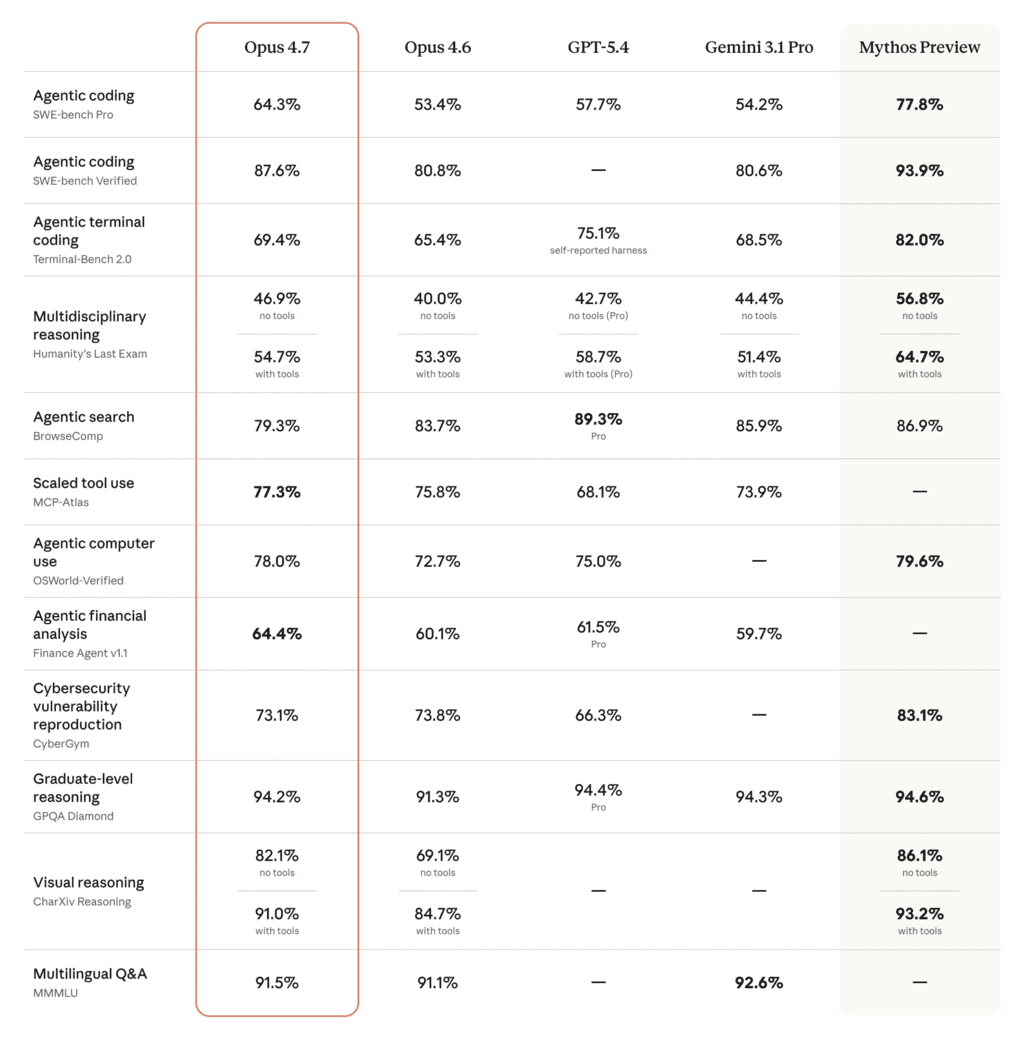
Anthropic‘s latest AI model, Claude Opus 4.7, is now generally available, and it comes with improved advanced reasoning, coding, and multimodal performance across professional workloads. The update arrives as an incremental upgrade over Opus 4.6 that stands out in complex software engineering tasks. Early feedback suggests that Opus 4.7 can now handle long, multi-step coding workflows with less supervision.

Claude Opus 4.7 boosts coding, vision, and instruction accuracy

The model is more precise in following instructions, which means it may behave more literally compared to earlier versions, sometimes changing how prompts need to be structured. Additionally, Opus 4.7 now supports higher-resolution image inputs, allowing it to process more detailed visuals such as dense screenshots, diagrams, and interface layouts. This makes it more useful for tasks involving design interpretation, document analysis, and visual debugging.

In real-world use cases, the model shows stronger performance in finance-related workflows, structured analysis, and professional document generation. It also improves multi-session memory handling through file-based context retention, helping it continues tasks with less repeated input from users. One thing to note here is that Claude Opus 4.7 beats OpenAI’s GPT-4 in agentic coding benchmarks. Here’s how the latest model stands against its rivals:

Image credit: Anthropic

Safety, cyber controls, and broader rollout changes

Alongside improvements, Anthropic has also detailed safety and cybersecurity controls. Opus 4.7 includes updated safeguards that detect and block high-risk cyber-related requests, especially in areas linked to offensive security use cases. The company says this is part of its broader testing strategy ahead of more capable future models.

A new Cyber Verification Program has also been introduced for professionals working in legitimate security roles, such as vulnerability research and red-teaming, giving controlled access under defined conditions.

The model is now available across Claude products, API access, and major cloud platforms including Amazon Bedrock, Google Cloud Vertex AI, and Microsoft Foundry. Pricing remains unchanged from Opus 4.6, keeping it at $5 per million input tokens and $25 per million output tokens.

Moving on, Anthropic is also rolling out additional platform features alongside Opus 4.7, including a new “xhigh” effort level that sits between high and max performance modes. This gives developers more room when balancing speed and reasoning depth in complex tasks. Moreover, in Claude Code, a new “ultrareview” feature allows automated code review sessions that scan for bugs and structural issues.

Xbox Free Play Days Lineup Shrinks to Just Two Games This Weekend (April 16-19)

It’s Thursday, which means we have yet another Xbox Free Play Days lineup, announced via Xbox Wired blog post. This weekend, from April 16 to 19, Xbox Game Pass Ultimate, Premium, and Essential subscribers will be able to play Football Manager Console 26 and South Park: Snow Day! for free.

As far as the game details are comncerned, Microsoft notes that Football Manager Console 26 lets you shape your football destiny by exploring the cutting edge of football tactics and feel closer to every match-defining moment with the series’ richest Match Day experience. You can choose from 148 playable leagues to manage in, including 14 Women’s Football competitions, and supercharge your squad in the transfer market with our unrivalled database.

Meanwhile, South Park: Snow Day! is all about chaotic co-op action. You can team up with friends or bots to fight through a snow-covered version of South Park, using upgraded abilities and weapons in fast-paced combat scenarios. It continues the franchise’s signature humor while shifting into a 3D action format.

As usual, Xbox is also offering limited-time discounts for players who want to continue after the trial ends. Progress, achievements, and Gamerscore earned during Free Play Days will carry over if users decide to purchase the full games. During this weekend’s Free Play Days window, you can buy Football Manager Console 26 at just $35.99 (originally $59.99). Meanwhile, South Park: Snow Day! is up for grab at 60% off, costing only $11.99.

Microsoft Pushes Edge With $1 Million Giveaway, Users Call It Intrusive

Microsoft is rolling out a new campaign to promote its browser, Microsoft Edge, offering users a chance to win up to $1 million or a luxury car. The move, first reported by Neowin, has already sparked criticism due to how aggressively the promotion appears inside the browser.

Sweepstakes appears directly inside Edge

The promotion shows up as a persistent banner while users browse in Edge. It includes a QR code that encourages downloading Edge on mobile devices.

Users can dismiss or snooze the banner, but it often reappears across tabs. There is no simple way to permanently disable all such recommendations, which adds to frustration.

Multiple ways to earn entries

Microsoft ties the sweepstakes to its broader ecosystem. Users can increase their chances of winning by completing various actions:

  • Visiting the sweepstakes page
  • Sharing referral links
  • Using Microsoft Rewards
  • Engaging with tools like Microsoft Copilot and Bing
  • Trying features like Bing Image Creator or Copilot Search

On Windows PCs, Microsoft pushes deeper integration. Users get more entries by setting Edge as the default browser, enabling OneDrive backups, or downloading apps from the Microsoft Store.

Campaign targets multiple regions

The sweepstakes is available in the United States, Canada, Mexico, and parts of Europe. Microsoft appears to target both desktop and mobile users, pushing cross-device adoption.

Growing criticism over aggressive tactics

Some users describe the campaign as disruptive. The persistent banner interrupts browsing and feels difficult to fully disable.

This is not an isolated case. Microsoft has recently tested features that automatically launch Edge at startup. These moves drew criticism from groups like Mozilla and Browser Choice Alliance, which have long opposed aggressive browser promotion practices.

Part of a broader push for Edge adoption

The campaign highlights Microsoft’s continued effort to grow Edge’s market share. By combining financial incentives with ecosystem engagement, the company aims to increase usage across services like Bing, Copilot, and OneDrive.

Still, the approach risks alienating users who prefer a cleaner browsing experience. As the rollout expands, reactions may shape how far Microsoft pushes these strategies in the future.

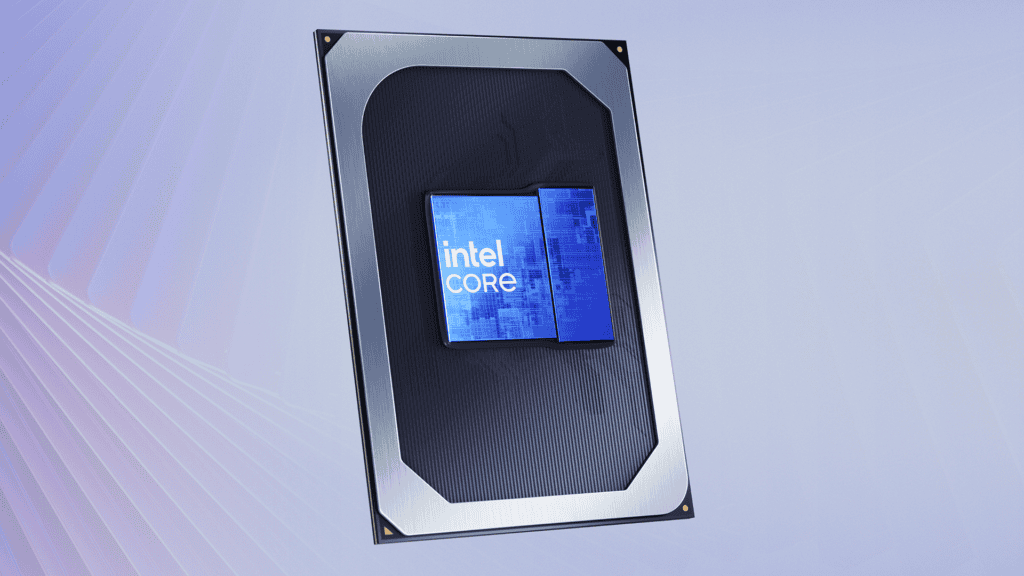
Intel Officially Announces Core Series 3 (Wildcat Lake) Processors

After introducing Core Series 2 and Panther Lake Core Ultra X9 chips last month, Intel today officially announced its new Intel Core Series 3 processors (codenamed Wildcat Lake). The company says that the new processor lineup brings value-focused computing across consumer laptops, commercial systems, and edge devices. Additionally, it notes that the new chips are designed to bring better performance, stronger battery life, and AI-ready capabilities to everyday users.

Intel Core Series 3 processors launch with AI-ready performance and improved efficiency for value PCs and edge systems

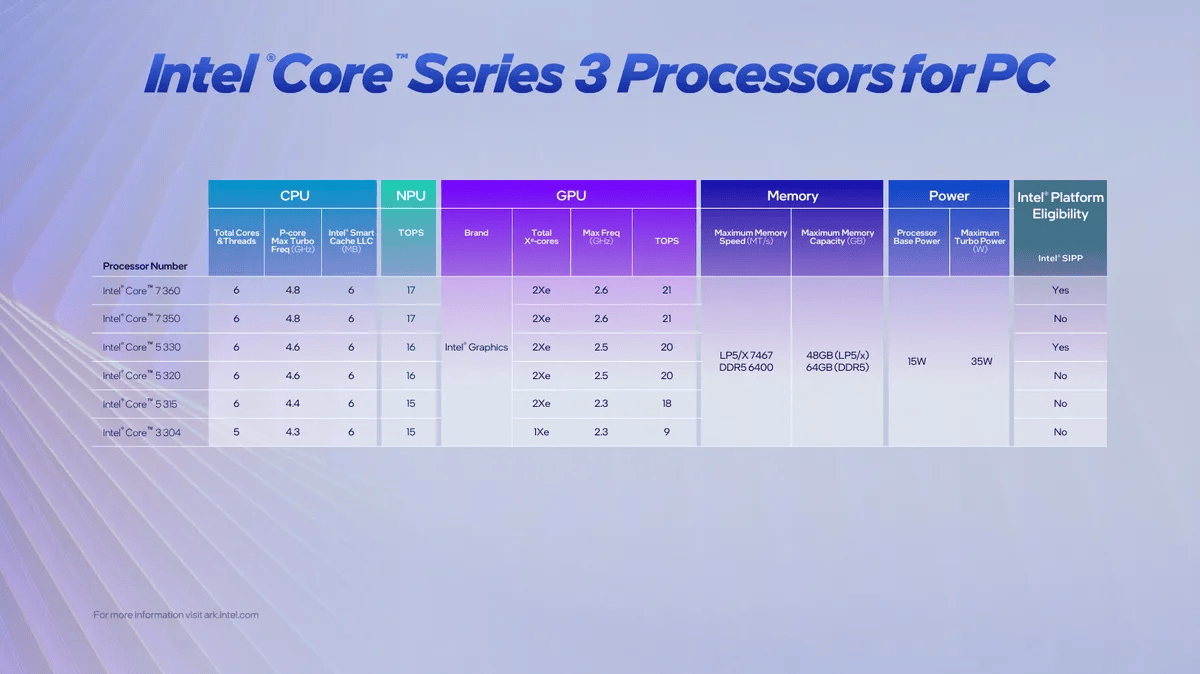
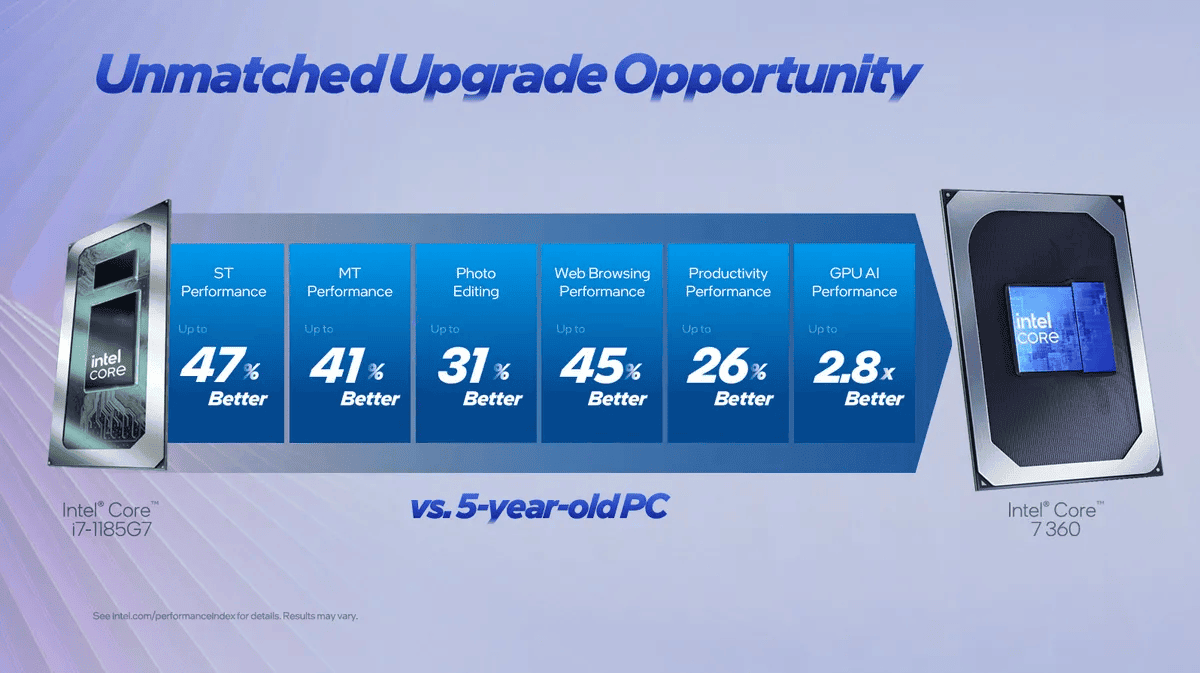
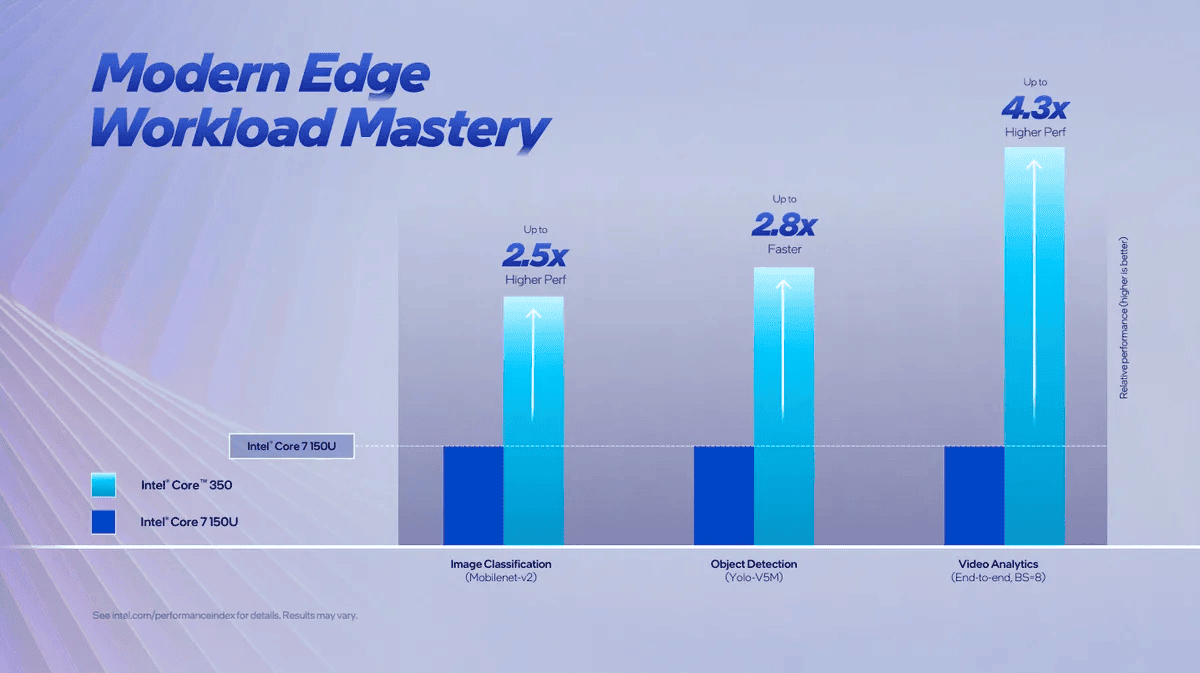
Speaking of specs, Intel Core Series 3 is built on the foundation of its Core Ultra Series 3 architecture, internally codenamed Panther Lake, and manufactured on Intel 18A process. The company is highlighting it as its most advanced US-developed logic node so far. Intel claims the new chips deliver up to 47% better single-thread performance and up to 41% better multi-thread performance compared to older 5-year-old systems.

The processors also introduce up to 40 platform TOPS for AI workloads, marking Intel’s push into AI-enabled mainstream computing. Other key features include support for Intel Wi-Fi 7, Bluetooth 6, and up to two Thunderbolt 4 ports. Intel also says the platform is optimized for all-day battery life, with improved power efficiency and faster creative workloads.

Image credit: Intel | via Windows Central

On the AI side, Intel is positioning Core Series 3 as its first hybrid AI-ready Core Series platform. The company claims up to 2.7x better AI GPU performance compared to previous generations, along with improved productivity gains across everyday tasks like browsing, creation, and light content editing.

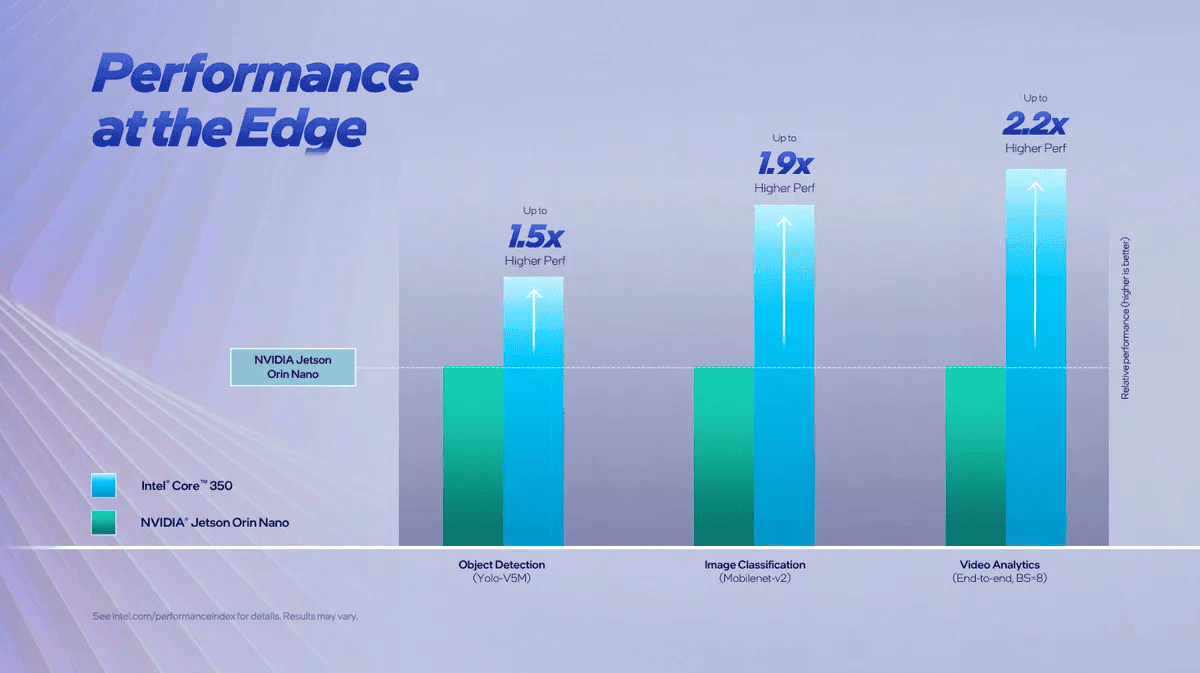
Besides laptops, Intel is also targeting edge deployments with this lineup. The chips are designed for use in areas like smart buildings, retail systems, robotics, and industrial edge computing, where power efficiency and reliability matter as much as raw performance.

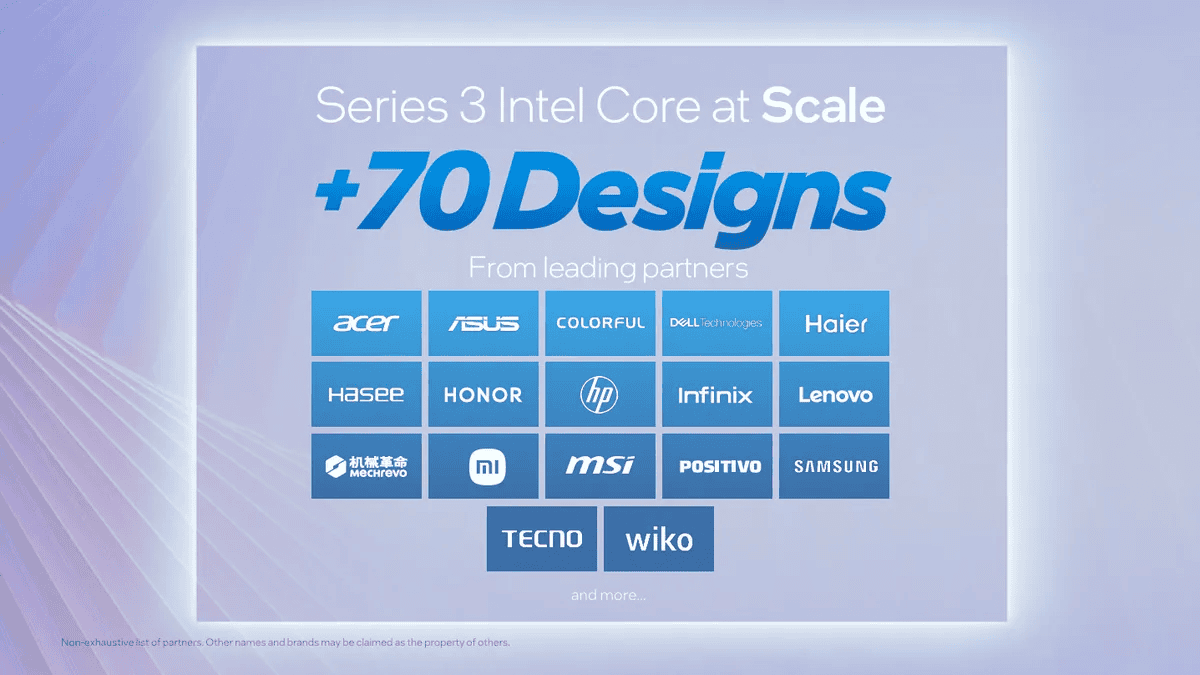
Intel says more than 70 devices from OEM partners, including Acer, ASUS, HP, Lenovo, Dell, and others, will launch over the coming months, i. Some models are expected to arrive starting today, while broader availability across edge systems is scheduled for Q2 2026.

Image credit: Intel

With this launch, Intel appears to be focusing heavily on the value segment, trying to balance performance upgrades with wider accessibility. The bigger question now is whether this push can help Intel strengthen its position in a market increasingly shaped by AI-first designs and ARM-based competition.

Microsoft 365 Services Back Up on Chrome After Brief Outage, Company Confirms

Earlier today, Microsoft confirmed an issue affecting web-based Microsoft 365 services specifically for users running the latest version of Google Chrome. The company took to X and noted that was actively investigating access problems across multiple services.

What issues were users experiencing?

As reported by Neowin, Microsoft, at the time noted on its Service Health Status page, that “Users may be unable to access Microsoft 365 web-based services correctly when using Google Chrome. Impacted users may experience Microsoft 365 web apps and portals not rendering as expected when accessed via the Google Chrome browsers. This may include, but is not limited to: – Microsoft 365 admin center failing to load or missing UI elements such as search bars or pages – An inability to open Excel or PowerPoint files through Microsoft 365 web pages – Issues accessing apps such as OneDrive and Planner through the browser Other browsers, including Microsoft Edge, appear to be unaffected.”

The issue has been resolved from Microsoft’s end

The company earlier advised using Edge browser as a workaround. At the time of writing this the Service Health Status page marks “All products are operational.”

The company has also shared an update on X via its Microsoft 365 Status account, noting, “We’ve taken the relevant actions and resolved the issue. User may need to refresh their browser pages to experience relief. Further details are provided under MO1281730 in the admin center.”

Are you still facing issues accessing Microsoft 365 services on Google Chrome? If yes, let us know in the comments below.

KB5082063 Causing Update Failures on Windows Server 2025, Microsoft Confirms

Microsoft has fixed one Windows Server issue, but another has already surfaced. The company is now investigating installation failures affecting Windows Server 2025 systems following recent updates.

Installation failures hit April 2026 update

The issue appears to be linked to the April 2026 cumulative and security updates, specifically update KB5082063. Affected servers fail to install the update, leaving systems without the latest fixes.

Administrators report encountering error codes 0x800F0983 and 800F0983 during installation. Microsoft notes that the problem impacts only a limited number of devices, but it still raises concerns for enterprise environments relying on stable patch cycles.

Microsoft confirms ongoing investigation

Microsoft has acknowledged the issue as a known problem and says it is actively analyzing diagnostic data from affected systems. The company has not yet provided a workaround or timeline for a fix.
For now, administrators must wait for further guidance as Microsoft continues its investigation. More details are expected in a future update.

A new issue follows a recent fix

The development comes shortly after Microsoft resolved a separate problem that caused some systems to upgrade to Windows Server 2025 automatically without administrator intent. While that issue has been addressed, the latest update failures suggest the platform is still facing early stability challenges.

Broader security and support updates

In parallel, Cybersecurity and Infrastructure Security Agency (CISA) has warned about a privilege escalation vulnerability affecting both Windows 11 and Windows Server 2025, urging organizations to apply patches quickly.

Microsoft has also expanded its Extended Security Updates program to cover enterprise products such as Skype for Business Server and Microsoft Exchange Server. The extended support is expected to run through October 2026, giving organizations more time to transition to newer platforms.

The combination of update issues and ongoing security concerns highlights the importance of careful patch management for businesses running Microsoft server environments.

Via Bleeping Computer

Xbox Surprises Fans with Free Gift Cards as It Kicks Off Spring 2026 Celebrations

If you are one of the lucky fans, you might get a free gift card from Xbox. Yes, you read that correct. The news first shared by u/sakattack360 on Xbox subreddit suggests that Xbox is handing out these free gift cards to celebrate Spring 2026 (via PureXbox).

The message from Xbox team shared by the user reads, “Spring is back with great savings! Here is a Gift Card that you can use to buy Games, Add-ons, and Apps on the Microsoft Store. Select below to view your Offers & Credits page where you can redeem your code. Redeem by 5/2/2026 and spend within 30 days of redemption. See full terms at Microsoft.com/CardTerms.”

Image credit: PureXbox

As reported by users who commented on the post, it seems Xbox fans in the UK are getting £4 worth of gift cards. Meanwhile, those in the US have got $5 gift cards. If you are wondering whether you are among the lucky ones, make sure to follow the instructions given below:

  • First, switch on your Xbox console
  • Next, press the guide button on your controller
  • Then, scroll through to “Parties & Chats”
  • Now, head to Chats
  • Finally, check whether there’s any message from Xbox that looks like the one shared in the screenshot above.

From what’s being reported, it seems not every user is getting this. Some longtime fans are seemingly not pleased by the fact that they haven’t received these gift cards. If you received any of these gift cards, let us know in the comments below.

Speaking of offers, let’s not forget that Microsoft yesterday announced an ultimate college bundle that offers over $500 freebies to students on purchase of eligible Windows 11 PCs. As part of that offer, the company is offering 1-year of Microsoft 365 Premium and Xbox Game Pass Ultimate and a custom Xbox controller.

Ryzen 7 5800X3D Returns as AMD Celebrates 10 Years of AM4

AMD appears to be bringing back one of its most popular processors, the Ryzen 7 5800X3D, as part of a special anniversary release. According to VideoCardz, leaker HXL shared a promotional image referencing a “10 YRS AM4 Anniversary Edition,” hinting at a limited reissue rather than a new product refresh.

The move comes as AMD celebrates a decade of the AM4 socket, a platform that played a major role in the company’s resurgence in the CPU market.

Same specs, different purpose

The anniversary edition does not introduce any technical changes. It keeps the same configuration that made the original chip stand out:

8 cores and 16 threads, boost clock up to 4.5 GHz, and a massive 100 MB cache powered by 3D V-Cache. The processor also retains its 105W TDP.

This confirms that AMD is not updating the silicon, but instead re-releasing the chip in its original form. The focus appears to be on availability and nostalgia rather than performance gains.

Why AMD is bringing it back

The Ryzen 7 5800X3D remains one of the most respected AM4 processors, especially among gamers. Its strong cache design allowed it to compete with newer CPUs long after launch.

However, the chip has become increasingly difficult to find. Major retailers like Micro Center no longer carry it, while listings on Newegg range between $471 and $510, well above its original price.

A re-release could help stabilize pricing and give late adopters or upgraders one last chance to invest in the AM4 platform.

Availability still unclear

The rumored launch window points to Q2 2026, but AMD has not confirmed global availability or pricing details. It remains uncertain whether the anniversary edition will reach all markets or stay limited to select regions.

For now, all signs suggest a commemorative reissue rather than a refreshed SKU with improved specs.

Broader AMD and gaming ecosystem updates

In related developments, Sony recently confirmed that PlayStation 5 Pro’s PSSR upscaling technology operates on similar principles to AMD’s FSR. At the same time, AMD is phasing out its Anti-Lag branding in favor of a new name, FSR Latency Reduction 2.0.

Separately, Radeon RX 9000 series graphics cards have seen price drops in Japan, reportedly due to softer demand.

Call of Duty: Vanguard Could Join Xbox Game Pass Soon, Available Now on Xbox PC

Call of Duty franchise has been making rounds lately on the internet, especially after a recent claim from an insider who suggested the franchise might not stay a guaranteed day one release on the Xbox Game Pass.

To catch you up, Call of Duty: Modern Warfare is scheduled to release on Xbox Game Pass later this week. But that’s not what we are looking at here, it’s rather about a new Call of Duty game likely coming to Xbox Game Pass soon. The news comes via PureXbox, which spotted a post by Reddit user u/Narrow_Leek2452 in Xbox subreddit mentioning that Call of Duty: Vanguard is now available on Xbox PC.

As you may know, Vanguard has been available until now only on Xbox consoles. So, what this means? The news outlet hints that the game’s availability on the Xbox PC means that the team is getting it ready for the Game Pass behind the scenes. However, it’s entirely possible that the game wouldn’t join Xbox Game Pass soon, at least not this year, given Xbox’s focus on Modern Warfare at the moment.

Speaking of Call of Duty: Modern Warfare, it’s launching on Xbox Game Pass on April 17. Here’s an excerpt of the game, in case you want to know what it is all about:

“Call of Duty: Modern Warfare pushes boundaries and breaks rules the way only Modern Warfare can. Players will engage in breathtaking covert operations alongside a diverse cast of international special forces throughout iconic European cities and volatile expanses of the Middle East. Players can experience the ultimate online playground with classic multiplayer or squad-up and play cooperatively in a collection of elite operations, accessible to all skill levels.”

Visual Studio Code Adds Built-In Copilot Chat and Agent Debug Logs

Microsoft has released Visual Studio Code version 1.116, introducing a set of AI-focused improvements that refine developer workflows and make Copilot available out of the box.

The update is now available through the app’s built-in update system as well as manual download, bringing notable changes across debugging, terminal interaction, and AI configuration.

Agent debug logs bring more transparency

One of the biggest additions is Agent Debug Logs. Developers can now view a full chronological history of agent interactions, including both current and previous sessions.

This feature helps track how prompts behave over time and makes it easier to troubleshoot unexpected AI responses. It also adds much-needed visibility into how coding assistants process requests behind the scenes.

Source: Microsoft

Copilot CLI gets smarter controls

Microsoft is expanding control over AI reasoning with improvements to the Copilot CLI. Users can now configure the “thinking effort” for supported reasoning models directly from the language model picker.

The available effort levels vary depending on the model, and the feature remains limited to reasoning-capable models. This change signals a more granular approach to balancing speed and accuracy in AI-assisted development.

Source: Microsoft

Terminal integration becomes more powerful

Terminal functionality receives a meaningful upgrade in this release. Agent tools now support foreground terminals, allowing developers to interact directly with active sessions.

This means developers can send input to visible terminals, such as REPL environments or running scripts, while also retrieving real-time output. The update strengthens the connection between AI assistance and live execution workflows.

Copilot now built directly into VS Code

Another major shift comes with GitHub Copilot Chat now integrated directly into Visual Studio Code. Users no longer need to install a separate extension to access AI features.

This simplifies setup and ensures immediate availability, especially for new users. Microsoft clearly aims to reduce friction and accelerate the adoption of Copilot across its developer ecosystem.

Broader push toward AI-first development

Version 1.116 reflects Microsoft’s ongoing strategy to embed AI deeper into development tools. The focus remains on improving control, visibility, and real-time interaction between developers and AI systems.

In other news, Claude Desktop continues to face performance issues on Windows, with some users reporting unusable WSL environments. At the same time, Microsoft is introducing a fast-track process to restore recently suspended developer accounts and is testing OpenClaw features as it moves toward turning Microsoft 365 Copilot into a full AI agent.

Via Neowin

PS6 Console & Handheld Backward Compatibility with PS4 Games Surfaces in a New Leak

Sony’s next-gen gaming console, PlayStation 6 (PS6 in short) is still far away. Recent rumors have pointed that Sony could launch it alongside rumored PlayStation handheld in 2027’s holiday season. To catch you up, next-gen Xbox, Project Helix, is also rumored to launch later in 2027. Now, a fresh leak served by YouTuber Moore’s Law Is Dead hints that Sony is reportedly planning full backward compatibility for both the PlayStation 6 and its rumored handheld.

New leak hints PS6 Console and Handheld to support backward compatibility with PS4 games

If the claims made by YouTuber are accurate, which mostly are, the upcoming PS6 and Handheld could support games from both the PS 4 and PS 5. That means players will have access to a massive existing library right from day one.

“The PlayStation 6, yes, it has backwards compatibility to [PlayStation 4] and [PlayStation 5] and they explicitly say it all over the place. And even the handheld, they explicitly say, it runs PlayStation 6, it runs PlayStation 5 and PlayStation 4 games.”

At a time when backward compatibility has become a hot topic in the gaming industry, Sony’s move doesn’t sound surprising. In fact, it is important. Not to forget, Microsoft also recently confirmed that its Xbox Backwards Compatibility Program would return in some form this year.

The leak regarding PS6 backward computability reportedly surfaced from an internal AMD slide referencing RDNA 5 architecture. The same material reportedly also mentions AI-powered features like Super Resolution upscaling, alongside ray tracing support that carries over compatibility with PS5 titles. There’s also talk of low-power media playback, which suggests Sony is optimizing heavily for the handheld experience, especially around battery life.

Speaking of the PlayStation Handheld, the leak suggests it won’t be a separate product in the traditional sense. Rather Sonny is reportedly aiming it to make a part of the same PS6 ecosystem, which means it will also be sharing core architecture and features.

All that said, Sony hasn’t officially confirmed anything yet. But it’s still reassuring coming from someone who has a good track record with leaks. As far as the pricing is concerned, some leaks point towards near $700 launch price for the upcoming console.

Microsoft Edge to Block Shadow AI and Redirect Users to Copilot

Microsoft is expanding its enterprise AI strategy by introducing new controls in Edge designed to limit “shadow AI” usage. The move comes as the company removes certain Copilot features from Notepad, while continuing to strengthen its enterprise-focused AI ecosystem.

New Edge feature aims to block unauthorized AI tools

According to the Microsoft 365 roadmap, IT administrators will soon gain access to a new interface in Microsoft Edge that allows them to restrict access to unapproved AI tools. The feature directly addresses the growing issue of “shadow AI,” where employees use external AI services without organizational approval.

This type of usage creates serious risks, including potential data leakage, lack of governance, and compliance challenges. With the new system in place, when a user attempts to access a blocked AI tool, Edge will automatically redirect them to a Microsoft 365 Copilot tab instead, keeping activity within a controlled environment.

Why Microsoft is pushing Copilot as the default

Microsoft continues to position Copilot as the secure alternative to public AI tools, especially for enterprise customers. The company highlights its ability to operate within strict compliance boundaries, offering tenant-level data isolation and ensuring that user data is not used for model training.

By redirecting users toward Copilot, Microsoft ensures that AI usage stays within approved systems while still allowing employees to benefit from AI-driven productivity tools.

Built on existing Purview DLP capabilities

The new feature builds on existing capabilities already available through Microsoft Purview Data Loss Prevention. Organizations can already enforce restrictions on prompts and prevent sensitive data from being shared with external AI tools.

The addition of browser-level controls in Edge makes these protections more direct and easier to manage, giving IT teams tighter control over how AI tools are accessed in real time.

Rollout and availability

Microsoft plans to roll out this feature next month. Availability will depend on Microsoft Purview Data Loss Prevention licensing, which confirms that the feature targets enterprise environments rather than general consumers.

A broader push toward controlled AI adoption

This update reflects Microsoft’s wider strategy of centralizing AI usage within its own ecosystem. While some Copilot features are being scaled back in consumer apps like Notepad, enterprise integrations continue to expand across Microsoft services.

At the same time, Microsoft has introduced Copilot into Edge’s Reader mode, further embedding AI into everyday workflows. The company’s aggressive push has drawn attention from competitors, with Mozilla recently criticizing the increasing presence of built-in AI tools in browsers.

Microsoft’s direction is clear. It wants organizations to adopt AI, but only within systems it can secure, monitor, and control.

Via Neowin

Microsoft Pays $2.3M as Zero Day Quest Exposes Dozens of Security Flaws

Microsoft has awarded $2.3 million to security researchers following its Zero Day Quest 2026 hacking contest, highlighting a major push to strengthen defenses across its cloud and AI ecosystem. The initiative drew nearly 700 vulnerability submissions, uncovering dozens of serious flaws.

Global researchers uncover high-impact flaws

The event took place at Microsoft’s Redmond campus and brought together participants from more than 20 countries. The group ranged from students to academic researchers and industry professionals, creating a diverse testing environment.

Microsoft confirmed that over 80 high-impact vulnerabilities were identified during the contest. These included issues affecting cloud infrastructure as well as emerging AI systems, both of which remain key targets for attackers.

Wide range of vulnerabilities discovered

Researchers reported several critical vulnerability types during the event. These included credential exposure risks, SSRF chains, and cross-tenant access issues that could potentially allow attackers to move between isolated environments.

The findings highlight ongoing concerns around complex cloud architectures, where misconfigurations or chained exploits can lead to broader system compromise.

Strict testing conditions ensured safety

All research activities took place in controlled and authorized environments. Participants had no access to real customer data or external tenant systems, ensuring that testing remained safe and compliant.

Microsoft enforced strict Rules of Engagement throughout the contest, allowing researchers to probe systems without risking real-world impact.

Expanded rewards and transparency efforts

Microsoft also announced an expansion of its vulnerability rewards program. Researchers can now receive payouts not only for Microsoft-owned code, but also for flaws discovered in third-party components used within its services.

The company plans to disclose validated vulnerabilities through the official CVE program, reinforcing transparency and collaboration with the wider security community.

Security remains in focus amid ongoing threats

Initiatives like Zero Day Quest come as Microsoft continues to address a growing number of security challenges. The company recently patched 167 vulnerabilities in its latest Patch Tuesday update, including multiple critical and zero-day flaws.

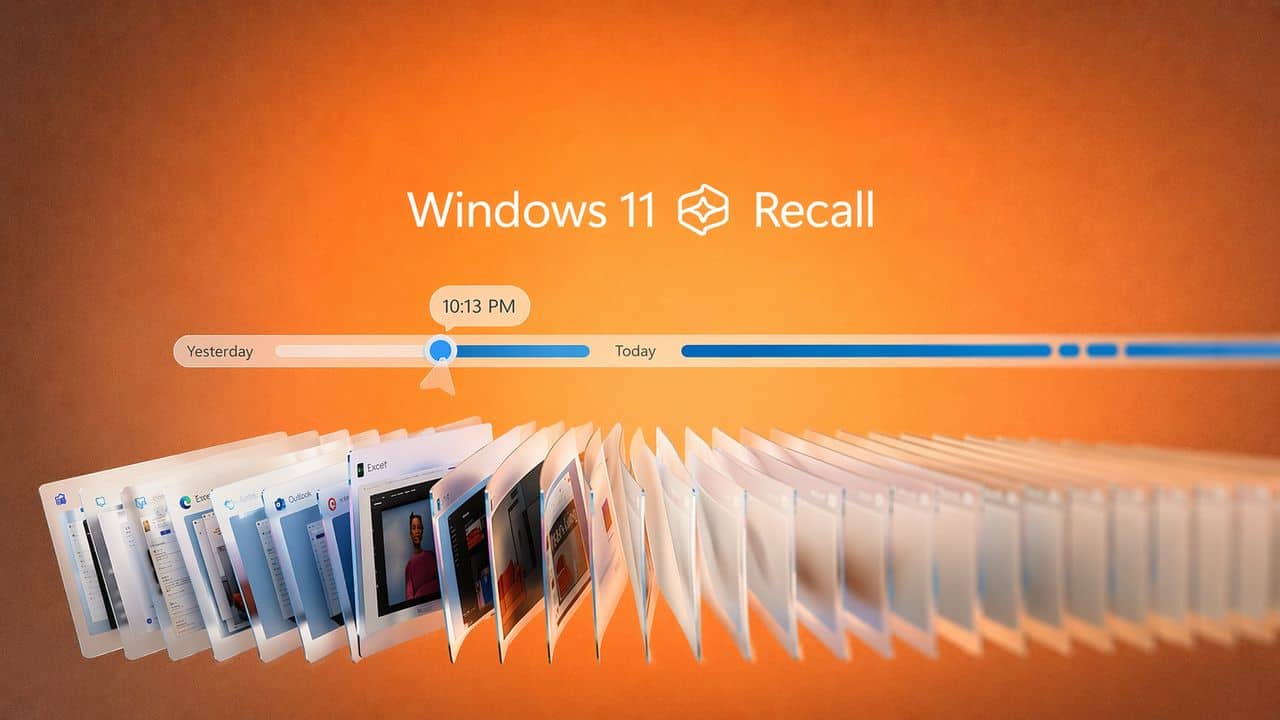
At the same time, external pressure continues to mount. Security agencies have warned about new privilege escalation risks in Windows 11 and Windows Server 2025, while researchers have raised concerns about weaknesses in the Windows Recall feature. Microsoft has so far declined to classify those Recall findings as critical issues.

The latest contest results show that proactive engagement with the security community remains a key strategy as threats evolve across cloud, AI, and enterprise platforms.

Via Bleeping Computer

YouTube Premium is Now 50% Off for Eligible Google One Subscribers

If you have been frustrated by ever-increasing price of YouTube Premium, Google now has an offer that’s worth considering. Yesterday, Google One lead, Shimrit Ben-Yairhe, posted on X, announcing a limited-time subscription bundle that offers a discounted YouTube Premium add-on for eligible users.

Google One 2TB+ subscribers can get YouTube Premium at 50% off for 12 months

Starting April 15 through April 29, 2026, eligible Google One users can get YouTube Premium at 50% off for 12 months. The offer is available to both new and existing members in the US, Brazil, Canada, Germany, France, and Japan.

So, who are eligible, you may ask, right? Well, those who are subscribed to Google One Premium and AI Pro plans with 2 TB or higher. The discounted add-on bundles YouTube Premium benefits like ad-free videos, offline downloads, and background playback into the same plan.

Image credit: Google

Google notes that during this promotional window, the usual 1-month free YouTube Premium add-on is not available. Do note that eligible users can redeem the offer via the Google One website. Once redeemed, the new bundled plan starts immediately, and any existing promotional discounts on the user’s current plan will end.

After the 12-month period, billing shifts to a monthly recurring charge at the discounted add-on rate. Google adds that users will receive a reminder via Google Play before the first post-promo charge is applied.

That being said, the offer runs for just two weeks, which means limited number of users may actually take advantage of it. As of now, it’s unclear whether Google plans to expand this offer to more regions or introduce similar bundles across other services down the line. Moreover, it’s worth noting that YouTube Premium has also recently started testing two experimental settings called On-the-go and Auto speed.

Microsoft’s Ultimate College Bundle Packs $500 Worth of Freebies to Take on MacBook Neo Hype

Earlier this year, Apple launched MacBook Neo targeting students. While Microsoft hasn’t launched any new device for students, it is now trying to catch up with MacBook Neo’s hype by offering an ultimate college bundle, which it says is “built for student life.” No wonder, college life these days involves assignments, side projects, random emails, with students somehow still trying to have a social life. To make students’ college life a bit easier, the Redmond giant is now stepping up.

Starting April 15th, eligible students in the U.S. can pick up select Windows 11 PCs with a bunch of extras included. The company is basically tying together productivity tools and entertainment in a single deal, which, honestly, feels like the direction things are going anyway.

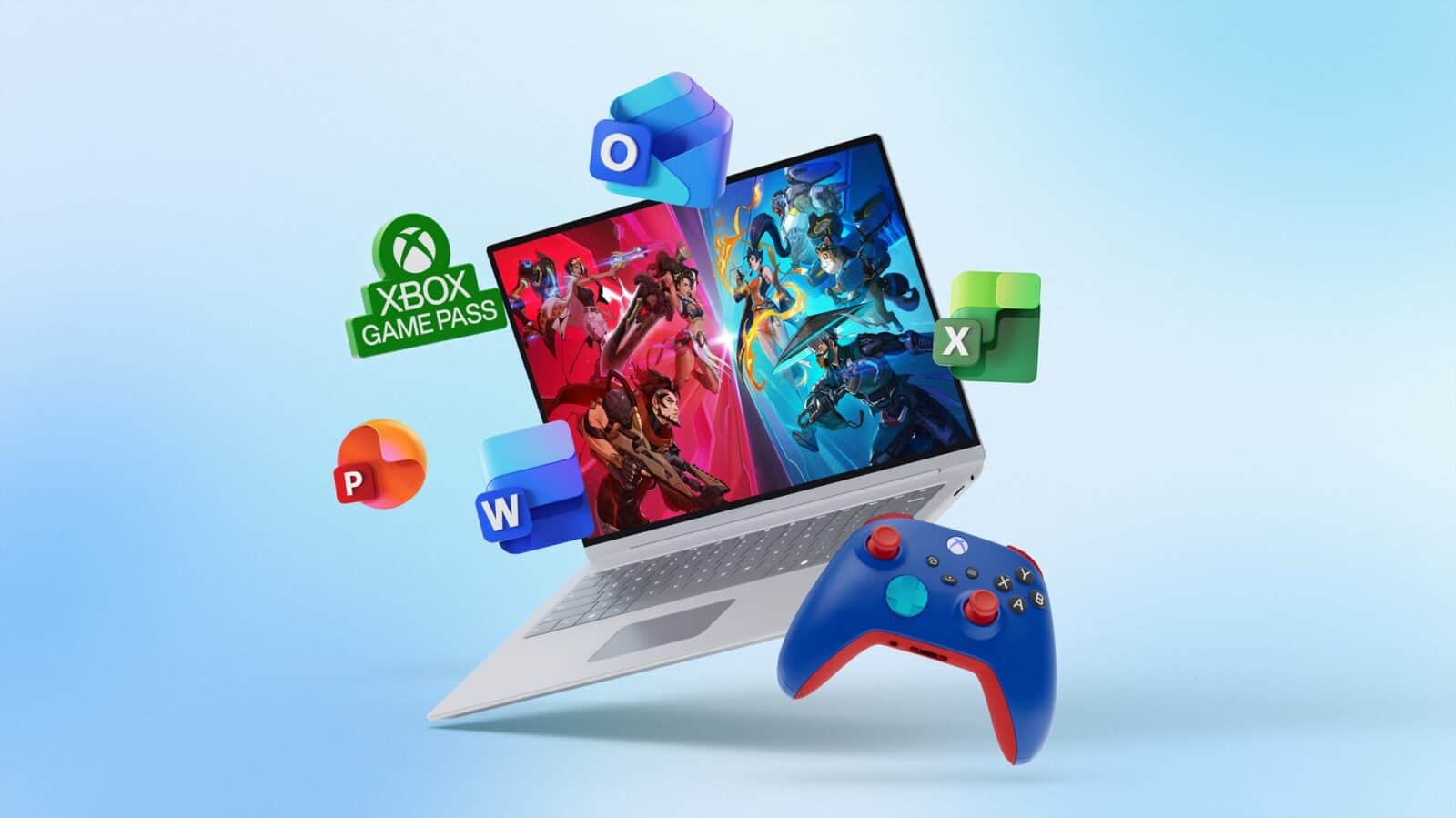
So, what do you actually get? Microsoft is bundling one year of Microsoft 365 Premium, which covers Word, Excel, PowerPoint, and Copilot features baked in. Alongside that, there’s also a year of Xbox Game Pass Ultimate, meaning access to a pretty large game library across PC, console, and cloud.

Image credit: Microsoft

There’s also a custom Xbox controller thrown in, which feels more like a lifestyle add-on than something essential. Speaking of devices, Microsoft is highlighting options like the Lenovo IdeaPad Slim 3x, HP OmniBook X Flip, and HP Victus, depending on whether you’re more into basic work, creative stuff, or gaming. This offer comes at a time when Microsoft has significantly bumped up the price of Surface laptops.

That being said, this college bundle isn’t just about hardware. Microsoft clearly wants to integrate AI as part of the student experience. The company claims a large number of students already rely on AI tools, and it’s positioning Copilot as something that fits naturally into everyday tasks, from drafting documents to analyzing data.

Image credit: Microsoft

All that said, the offer won’t run forever. It applies only to qualifying devices purchased via the Microsoft official website, including retailers like Amazon, Best Buy, and Walmart, as well as OEMs such as Dell, HP, and Lenovo. The window runs from April 15 through June 30, 2026, or until stock lasts. You can check the offer page here for additional details.

CISA Warns of Windows Privilege Escalation Flaw Affecting Windows 11 and Server 2025

CISA has issued a new alert about a Windows privilege escalation vulnerability, shortly after raising concerns over SharePoint flaws. The newly highlighted issue targets core Windows components and could allow attackers to gain full system control with minimal effort.

Vulnerability details and impact

The flaw, tracked as CVE-2025-60710, affects the Windows Task Host component and stems from improper link resolution. This type of vulnerability allows attackers to exploit how the system handles file paths and symbolic links.

Security researchers note that the issue enables local attackers with basic access to escalate privileges to the SYSTEM level. That effectively grants full control over the affected device, including access to sensitive data and critical system functions.

The attack complexity remains low, making it particularly dangerous in enterprise environments where attackers often start with limited access. Once exploited, the vulnerability can lead to complete system compromise.

Patch status and CISA directive

Microsoft addressed the issue in its November 2025 security updates, but concerns remain due to its inclusion in CISA’s Known Exploited Vulnerabilities catalog. This designation signals a high risk, even though Microsoft has not publicly confirmed active exploitation.

CISA has instructed federal agencies to secure affected systems within two weeks. The agency also strongly recommends that private organizations follow the same timeline to reduce exposure.

Recommended mitigation steps

Organizations should take immediate action to minimize risk:

  • Apply the latest Windows security updates without delay
  • Follow Microsoft’s official mitigation guidance
  • Review and secure any connected cloud environments
  • Discontinue use of vulnerable systems if patches cannot be applied

Experts emphasize that link-following vulnerabilities remain a common attack vector, especially in targeted intrusions.

Ongoing Windows security concerns

This warning comes as Microsoft continues to address broader security challenges. Recent Patch Tuesday updates resolved 167 vulnerabilities and introduced improved protections for Remote Desktop Protocol (RDP).

At the same time, updates KB5083769 and KB5082052 have triggered unexpected BitLocker recovery prompts on some systems, with Microsoft currently investigating the issue.

Via Bleeping Computer

Microsoft Extends ESU Support for Skype for Business and Exchange Servers

Microsoft is continuing to support legacy enterprise products through its Extended Security Updates (ESU) program, with renewed focus on Skype for Business Server and Exchange Server 2016/2019 deployments.

The move comes alongside ongoing ESU activity, including recent updates like KB5082200, with Microsoft also extending the program to Windows 10 Enterprise 2016 LTSB. This reflects a broader effort to keep critical business infrastructure secure while organizations transition to newer platforms.

ESU program expands support for Skype and Exchange

Microsoft confirmed that its ESU program covers key enterprise services, including Skype for Business Server and Exchange Server 2016 / Exchange Server 2019. These platforms remain widely used in corporate environments, making extended security coverage essential for organizations not ready to migrate.

These updates are limited in scope and include only critical security patches and important vulnerability fixes.

Each phase operates independently, meaning organizations must enroll separately. Purchasing access to Period 1 does not automatically grant access to Period 2.

How the ESU program works

Unlike standard updates, ESU patches are not publicly distributed. Microsoft delivers them directly to eligible organizations.

These updates are limited in scope and include only:

  • Critical security patches
  • Important vulnerability fixes

There is no guarantee of regular update frequency, and organizations may go extended periods without receiving new patches.

Limitations and eligibility

Microsoft positions ESU as a temporary bridge rather than a long-term solution. The program is designed to give businesses time to plan migrations without exposing systems to major security risks.

However, access is restricted. ESU is not available through Volume Licensing or Software Assurance. Only commercial customers with a Microsoft Enterprise Agreement (EA) can purchase it.

Exchange Server support timeline extended

In a separate update, Microsoft confirmed that Exchange Server will continue receiving support until 2035. This provides a significantly longer runway for enterprises still relying on on-premises email infrastructure.

Microsoft pushes for migration

Despite extending support, Microsoft continues to encourage organizations to move to newer solutions. ESU exists primarily to reduce risk during transition periods, not to replace long-term upgrades.

Companies relying on Skype for Business Server or older Exchange deployments will need to plan carefully, as ESU coverage remains limited in both scope and duration.

Via Neowin

Windows Recall Security Concerns Return After TotalRecall Tool Release

Windows Recall remains one of the most controversial Windows features, and new research suggests its problems are far from resolved. A recently updated tool shows that sensitive data can still be extracted, raising fresh concerns about user privacy.

According to The Verge, security researcher Alexander Hagenah released an updated version of the TotalRecall tool, claiming that Recall data remains vulnerable even after Microsoft’s previous changes. The tool is publicly available on GitHub and demonstrates how attackers could access stored snapshots.

TotalRecall reveals weaknesses in Recall’s architecture

The research focuses on a key Windows process called AIXHost.exe, which handles Recall data rendering. Hagenah found that this process lacks several critical protections, making it easier to exploit.

Unlike more secure system components, AIXHost.exe does not use Protected Process Light (PPL), AppContainer isolation, or strict code integrity enforcement. This combination allows attackers to inject code and extract data after user authentication.

Attack can happen after Windows Hello authentication

The attack method does not require constant access or advanced exploits. Malware can simply wait for the user to authenticate using Windows Hello and then silently extract Recall snapshots in the background.

The issue becomes more serious because AIXHost.exe cannot properly verify which components request access. It treats internal data as trusted, which opens the door for unauthorized extraction once access is gained.

Cached snapshots may be accessible without authentication

Another concern involves cached Recall data. The TotalRecall tool reportedly retrieves stored snapshots without always triggering Windows Hello prompts.

This suggests the main weakness does not lie in the encrypted vault itself, but in how data gets delivered and rendered to the system. Even if storage remains secure, the access layer introduces risk.

Researcher says core protection needs redesign

Hagenah clarified that the Recall vault uses strong security measures. However, the surrounding infrastructure, especially the rendering and delivery pipeline, requires stronger protection.

He recommends securing the rendering process and tightening access controls to prevent unauthorized data access. Without these improvements, Recall may continue to expose sensitive user activity.

Microsoft does not classify it as a vulnerability

Microsoft has responded to the findings but does not consider TotalRecall a security bypass or vulnerability. This position suggests the company views the behavior as expected within the current system design.

That stance may draw criticism, especially given Recall’s history of backlash from privacy advocates and security researchers.

In parallel developments, users reported that updates KB5083769 and KB5082052 may trigger unexpected BitLocker recovery prompts. Microsoft also recently addressed the Windows Server auto-upgrade issue and patched 167 vulnerabilities in its latest Patch Tuesday rollout.

Via Neowin