Pearl Abyss Stock Drops Nearly 30% as Crimson Desert’s Early Reviews Miss Expectations

Crimson Desert officially launches today, March 19, across Xbox Series X|S, PS5, PC, and Mac (Steam, Epic Games). However, the early reviews aren’t something the developer Pearl Abyss will cherish. As a result, the developer’s share price is taking a hit; it’s reportedly down by nearly 30%.

Crimson Desert’s early reviews hit the developer’s stock hard

Insider Gaming, citing a financial report from South Korea, reported that Pearl Abyss was trading at around 46,000 KRW, down 29.88% from the previous session. The share price reportedly went down after the release of early critic scores, which appear to have missed internal and investor expectations.

As of now, Crimson Desert is sitting at a Metacritic score of around 78, a score noticeably lower than the 90+ range that shareholders were reportedly anticipating. The noticeable difference between expected and actual scores seems to be driving the current market sentiment.

Looking at the reviews, the game appears to be fairly divisive. Early review scores are different across critics. Some even gave the game a perfect 10/10, while some scored the title as low as 4/10, which suggests an overall mixed reception. Some reports also indicate that investors have started selling off stock following what they view as disappointing early impressions.

All that said, this situation could still change in the coming days. Player feedback post-launch may change the narrative if reception improves. Speaking of players’ interest, let’s not forget that the title has reportedly already sold nearly 400,000 copies through Steam pre-orders alone. That said, it still appears that Crimson Desert is entering the market under pressure, with expectations proving difficult to meet.

If you are planning to try Crimson Desert on Xbox consoles and Xbox Ally handhelds, don’t forget to check the game’s system requirements.


Vivaldi Update Brings Auto-Hide UI, Better Multitasking, and Mail Enhancements

Vivaldi Technologies has released Vivaldi 7.9, bringing a set of usability-focused updates across desktop and mobile platforms. The latest version introduces improvements to full-screen browsing, multitasking, and the built-in Mail client.

The update is now available on Windows, macOS, Linux, iOS, and Android.

Customizable full-screen mode arrives

Vivaldi 7.9 introduces a new Auto-hide feature designed to improve immersion while browsing. The browser interface can now disappear automatically, giving users more screen space when needed.

Users can choose which elements to hide, including the address bar and tab bar. Moving the cursor near the edges of the screen reveals the interface again, allowing quick access without disrupting the experience.

Split view gets smarter with Follower Tabs

The browser also enhances its split view functionality with a new feature called Follower Tab. This addition makes multitasking more efficient by allowing users to keep their main tab unchanged while opening links in a secondary panel.

Source: Vivaldi

Once enabled, any subsequent links automatically open in the split view. Users can access this feature through right-click options, keyboard shortcuts, or mouse gestures, making it flexible for different workflows.

Mail client improvements focus on performance

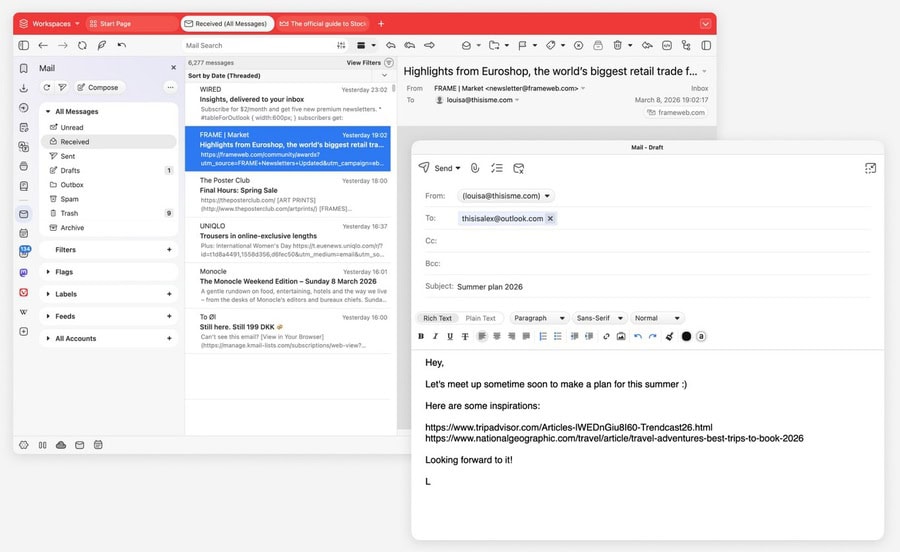
Vivaldi’s built-in Mail client also receives several updates aimed at usability and efficiency. The composer window is now movable, offering more flexibility when drafting messages.

Source: Vivaldi

The update also reduces memory usage, especially for users managing large inboxes. In addition, switching between rich text and plain text modes is now possible with a single click.

Vivaldi isn’t the only browser evolving its feature set. Opera 129 recently launched with its own updates, while Firefox is preparing to introduce split-view functionality and a built-in VPN in an upcoming release.

Meanwhile, Google has faced scrutiny after reportedly promoting a malicious Chrome extension by mistake, highlighting ongoing security concerns in the browser ecosystem.

Via Neowin

Microsoft Intune in Focus as CISA Warns of Endpoint Cyberattacks After Stryker Breach

CISA has issued a new warning about rising cyber threats targeting enterprise systems. Yesterday, the agency confirmed that malicious activity is impacting endpoint management systems used by U.S. organizations (via Bloomberg). This comes after the March 11, 2026, cyberattack on Stryker Corporation, which reportedly affected its Microsoft environment.

Stryker breach pushes US agency to warn companies about Microsoft tool security

The update comes directly from CISA, which says it is now working with federal partners, including the FBI, to investigate the incident and identify additional threats. As of now, the agency hasn’t shared technical details about the attack. However, it notes that attackers are misusing legitimate endpoint management software, making these threats harder to detect.

To counter this, CISA is urging organizations to adopt Microsoft’s newly released best practices for securing Microsoft Intune. The agency says these principles can also be applied more broadly to other endpoint management tools. One of the key recommendations is to follow the principle of least privilege when assigning administrative roles.

Organizations are also advised to use role-based access control in Microsoft Intune. This ensures users only get the minimum permissions required for their tasks. In addition, CISA highlights the importance of enforcing phishing-resistant multi-factor authentication and stronger privileged access hygiene using Microsoft Entra ID features like Conditional Access and risk signals.

Another major recommendation from CISA involves enabling Multi Admin Approval. This adds an extra layer of security by requiring a second admin to approve high-impact actions, such as device wipes or configuration changes.

Other tech giants are taking cybersecurity seriously, with Google donating $12.5 million to combat AI-related threats. Meanwhile, Microsoft has added new security recommendations for Defender for Endpoint.

PlayStation Network Branding to Be Phased Out by Sony in 2026

Sony Interactive Entertainment is preparing to retire one of its most recognizable labels, as the company plans to phase out the “PlayStation Network” (PSN) branding by September 2026.

According to Insider Gaming, the move will focus entirely on visual identity, meaning players will not experience any changes to functionality or services. Core features such as online multiplayer, friends lists, and trophies will continue to operate as usual.

No changes to core services

The decision reflects Sony’s effort to align its branding with the broader PlayStation ecosystem, which now extends beyond traditional online services into subscriptions, cloud gaming, and cross-platform experiences.

Despite the branding shift, the underlying infrastructure that powers PlayStation services will remain intact. For users, this means no disruption to accounts, purchases, or online interactions during or after the transition.

Developers must follow new branding rules

Sony plans to implement the change across all Sony Interactive Entertainment assets. This includes user-facing interfaces as well as backend and developer-facing materials tied to the PlayStation platform.

Developers will receive advance notice of the update through the Technical Requirements Checklist (TRC), with changes expected to roll out in fall 2026. Future game releases and platform integrations will need to follow updated branding rules that remove references to PSN.

Access to these updated requirements will be available through PS5 DevNet, where developers can review compliance guidelines and prepare their projects accordingly.

Replacement branding still unknown

Sony has not yet revealed what branding will replace PSN, leaving open questions about how the company plans to position its online ecosystem moving forward.

The change marks a significant shift for PlayStation, as PSN has been a central part of the brand identity since its introduction in 2006.

In other PlayStation developments, Sony recently released a new system update for PlayStation 4, while PlayStation 3 also received an unexpected firmware update. Meanwhile, the RPCS3 emulator continues to evolve, now offering Steam library integration for easier access to emulated titles.

Google Stitch Introduces Vibe Design for AI-Powered UI Creation

Google is expanding its experimental UI design platform Stitch with a major update that shifts how users create interfaces. The new release introduces “vibe design,” allowing users to generate UI concepts from abstract ideas and emotions rather than traditional wireframes.

Vibe design replaces traditional wireframes

The biggest addition in this update is vibe design, a feature that lets users start with loose concepts instead of structured layouts. Instead of building screens element by element, users can describe a feeling, style, or intent, and Stitch generates interface ideas accordingly.

Google positions this as a more intuitive way to design, especially for users who prefer creative exploration over rigid planning.

AI-native canvas and multimodal inputs

The updated Stitch introduces an AI-native infinite canvas designed for real-time ideation. Users can interact with the system using text, images, and even code, all within the same workspace.

Voice interaction also plays a key role. With Gemini Live support, users can speak directly to the AI, receive feedback, and adjust designs through natural conversation. The system can even “interview” users to refine ideas and improve outputs.

Design agents and workflow automation

Google is also adding deeper automation through a new design agent that can analyze projects across the entire lifecycle. This agent works alongside the Agent Manager, a feature designed to help users organize tasks, track progress, and manage multiple design directions at once.

The platform supports collaborative workflows by allowing users to assign tasks directly within the canvas, making it easier to handle complex projects.

From static mockups to interactive prototypes

Stitch now bridges the gap between static designs and interactive experiences. Users can convert mockups into working prototypes, while a new Play feature previews user flows and automatically generates follow-up screens.

Another notable addition is the ability to extract a full design system from any URL. Stitch can analyze existing websites and turn them into reusable components.

Google also introduced a new DESIGN.md format, which allows teams to sync design rules across tools and projects. This makes it easier to reuse and scale designs without starting from scratch.

Expanding integrations with external AI tools

The update expands Stitch’s ecosystem through MCP server and SDK support. This allows integration with external AI tools such as Cursor, Antigravity, and Gemini CLI, giving developers more flexibility when building and refining projects.

The move highlights Google’s broader push toward interconnected AI workflows across its tools and platforms.

In other news, Google recently removed its What People Suggest AI feature from Search and faced criticism after promoting a malicious extension. Reports also suggest that AI Overviews may have reduced traffic for smaller publishers by as much as 60%.

Via Neowin

Double Fine’s Pottery Party Brawler ‘Kiln’ Finally Gets a Release Date

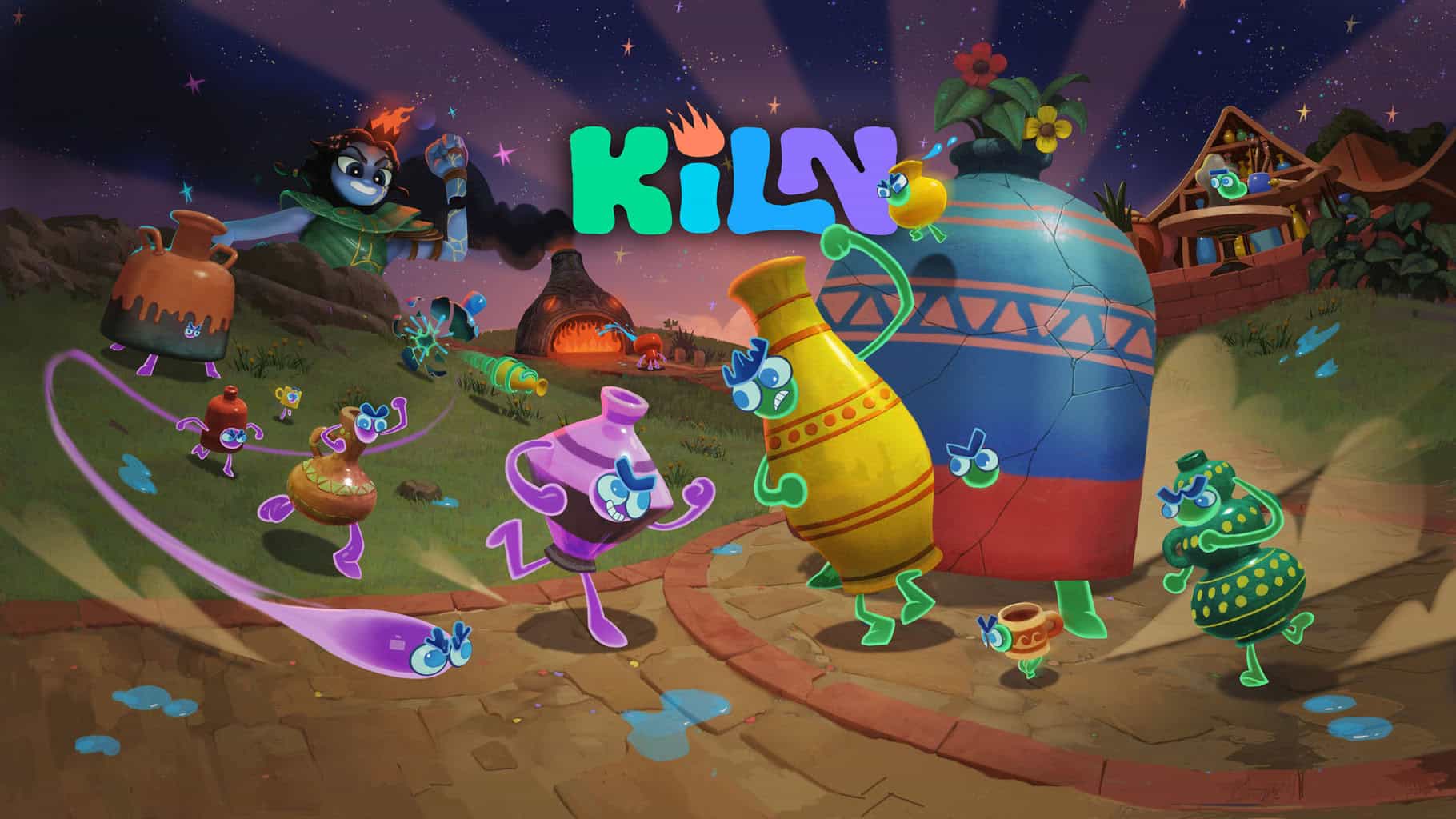
A new multiplayer title from Double Fine is finally locked in, and it’s bringing a pretty unusual twist to the genre. Kiln, described as a pottery-themed online party brawler, is now confirmed for April release.

Double Fine’s Kiln releases across all platforms on April 23

The game will be available on Xbox Series X|S, PC, Xbox Cloud, PlayStation 5, and Steam. It’s also launching day one on Xbox Game Pass Ultimate, with support for Xbox Play Anywhere and handheld optimization.

As for the gameplay, Kiln mixes creativity with combat. Players shape clay into different pot forms before entering 4v4 matches, where two teams compete to gather water and extinguish the enemy’s kiln. The shape and size of each pot directly impacts its abilities, stats, and role in battle, ranging from faster, attack-focused builds to heavier defensive ones.

Steam open beta goes live from April 9th through April 11

Double Fine is also opening things up ahead of launch. An open beta is scheduled on Steam from April 9 to April 11, giving players a chance to test gameplay and provide feedback. The studio says this phase will help shape future updates, including potential additions like more maps, customization options, and game modes.

Early play sessions suggest the game leans into accessible yet layered gameplay. While the pottery system is easy to pick up, it allows for deeper creativity, with players able to design custom builds that affect both visuals and performance. Matches themselves are described as chaotic, with map mechanics like moving hazards and environmental interactions influencing outcomes.

Let’s not forget that pre-orders will go live alongside the beta, with a standard edition priced at $19.99 and a premium “Fired Up” edition at $29.99. The higher tier includes cosmetic upgrades and in-game currency earned through gameplay. To catch you up, the title was first announced alongside Forza Horizon 6 and others, at Xbox January Developer Direct.

PS4 Gets New System Update With Messaging & Usability Tweaks

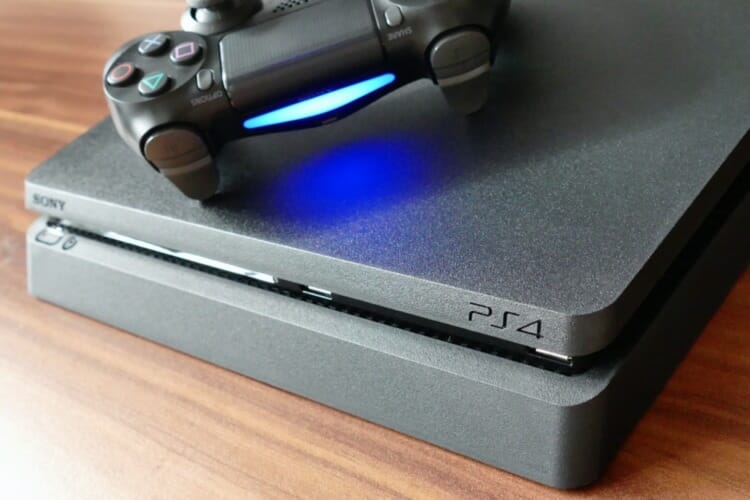
Sony has quietly released a new firmware update for the PlayStation 4, which bumps the system software to version 13.50. The release comes alongside recent updates for both older and newer consoles, including the PlayStation 3 and PlayStation 5 Pro that brought support for PSSR upscaling.

PS4 system update 13.50 focuses on small usability tweaks

According to Sony’s official release notes, the update only “improves the messages and usability on some screens.” There are no major features or visible changes highlighted this time, which may not come as a surprise given the console’s age.

To catch you up, PS4 first launched back in 2013, and at this stage, Sony appears to be focusing more on maintaining stability rather than introducing new features.

That being said, small tweaks like these still matter for users who continue to use the console for daily gaming purpose.

Let’s not forget that back in its prime, the PS4 played a crucial role in Sony’s comeback after a challenging PS3 era. The console went on to outsell its predecessor comfortably and introduced a mid-cycle refresh with the PS4 Pro.

Fortnite Servers Down for New Season Update: Expected Return Time Window

The Fortnite new season is about to begin, but players cannot log in right now because the servers are offline for scheduled maintenance. The previous season has officially ended, and Epic Games has taken the game down to prepare for the Chapter 7 Season 2 rollout, according to GameSpot.

Fortnite servers are down for the new season update

Fortnite entered downtime as part of its regular seasonal update cycle, allowing Epic Games to deploy new content and backend improvements. As expected with major updates, the company has not shared an exact time for when servers will return, leaving players waiting for the relaunch window.

Downtime for Fortnite typically lasts between four and seven hours, and current estimates suggest servers could return between 6 AM ET and 9 AM ET. However, this window is not guaranteed, especially since larger updates often require additional time to ensure stability.

Here’s the expected return time for different time zones:

  • Pacific (PT): 3:00 AM – 6:00 AM
  • Central (CT): 5:00 AM – 8:00 AM
  • Eastern (ET): 6:00 AM – 9:00 AM
  • GMT (UK): 10:00 AM – 1:00 PM
  • CET (Europe): 11:00 AM – 2:00 PM

This particular season launch comes after a two-week delay, which likely points to ongoing stability issues from previous updates. Epic Games appears to be using this extra time to address bugs and improve performance before bringing the new season online, which could also extend the maintenance period slightly.

Players who want to check when Fortnite is back online can monitor the official Fortnite server status page or try logging in periodically. Once maintenance ends, the new Fortnite update will go live globally across all supported platforms.

What happens after downtime ends

When servers return, players will gain immediate access to the Fortnite new season, including fresh content, gameplay changes, and a new Battle Pass. As with most seasonal launches, high player demand may lead to login queues or temporary connection issues shortly after servers go live.

In other gaming news, Death Stranding 2 for PC has reportedly leaked ahead of launch, while Crimson Desert has already surpassed 400,000 preorders on Steam.

Fortnite New Season Showdown Launches Today With New Map and Skins

According to Mirror, Fortnite Chapter 7 Season 2 “Showdown” launches today, March 19, bringing a fresh update across all platforms. The new season introduces map changes, a revamped Battle Pass, and several gameplay additions.

New Fortnite season brings map changes and Battle Pass content

The “Showdown” season refreshes the island with new points of interest, including the Ice King’s Palace. This new location ties directly into the return of the Ice King, who joins the latest Battle Pass lineup.

The Battle Pass also features new skins and rewards, including the return of Dwayne Johnson as The Foundation. A new version of Jules is also part of the unlockable content, giving players more customization options throughout the season.

New weapon and Rivalry system teased

Season 2 adds new gameplay elements, including the Super Shredder, a hybrid weapon that combines shotgun and sniper mechanics. This weapon aims to offer versatility in both close-range and long-distance encounters.

Epic Games also teased a new Rivalry system in the official trailer. While full details remain unclear, the system appears to introduce competitive dynamics between players during matches.

Release timing and platform availability

Fortnite Chapter 7 Season 2 is available on PlayStation, Xbox, PC, Nintendo Switch, and mobile devices. Players on PS5 and Xbox Series X|S were able to pre-load the update ahead of launch.

Servers went offline at 6am GMT (11pm PDT / 2am EDT / 7am CET), with maintenance expected to last around five hours. The estimated launch time for the new season is 11am GMT (4am PDT / 7am EDT / 12pm CET).

In other gaming updates, Highguard developers have begun issuing refunds as the game shuts down. Meanwhile, Crimson Desert reportedly reached 400,000 pre-orders on Steam.

Additionally, reports suggest that the PC version of Death Stranding 2 has leaked online ahead of release.

Google AI Overviews cause a 60% traffic drop for small publishers

Small web publishers are facing a massive decline in their search engine traffic as Google continues to prioritize its AI Overviews feature. A new report shows that websites with smaller daily audiences have lost more than half of their search referral numbers over the last two years.

The data highlights a growing divide between large media organizations and independent creators who rely on organic discovery.

Some websites have experienced a brutal 60 percent decrease in Google traffic

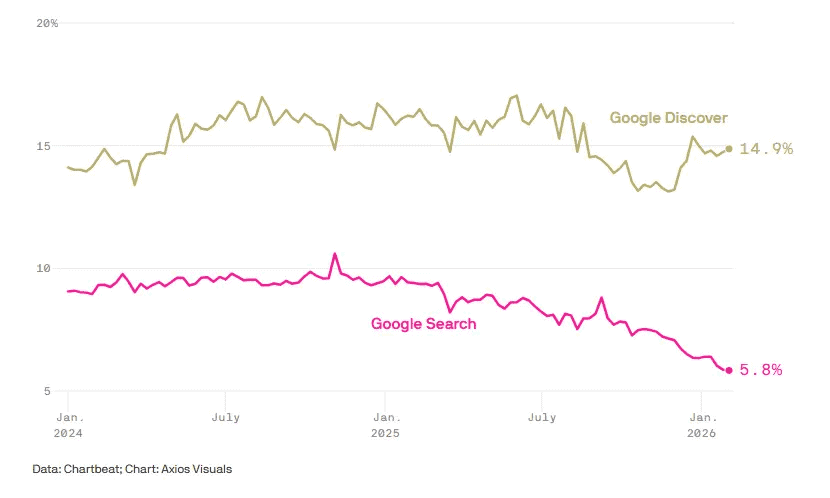
According to data from Chartbeat published by Axios, the drop in search traffic correlates directly with the size of the publication. Small sites generating between 1,000 and 10,000 daily page views experienced a brutal 60% decrease in Google referrals. Medium-sized outlets took a 47% hit, while large publishers with over 100,000 daily views saw a 22% reduction.

AI Overviews traffic drop

Taking a broader look at the industry, overall page views stemming from Google Search referrals dropped 34% between December 2024 and December 2025. Even Google Discover, which many publishers hoped would provide an alternative traffic source, delivered 15% fewer page views during the same period.

Small publishers are optimizing content for AI chatbots

Some website owners have attempted to adapt by optimizing their content for AI chatbots, hoping to capture clicks from platforms like ChatGPT or Gemini. The Chartbeat data reveals this strategy is largely failing to close the gap. Referrals from chatbots currently account for less than 1% of total publisher page views.

When users do click through from an AI platform, it is often just to fact-check an inaccurate summary rather than to genuinely engage with the article.

Publishers are finding new paths forward

Despite the grim search statistics, overall traffic across all global publishers has only fallen by 6%. This suggests that larger media companies are successfully pivoting their strategies. Many are shifting their focus away from search algorithms and pouring resources into direct traffic channels like email newsletters.

This diversion works well for established brands, but it creates a steep uphill battle for smaller creators. Building a dedicated audience from scratch is incredibly difficult without the initial visibility that traditional search engines used to provide.

As the web continues to evolve around AI-generated answers, independent publishers are finding themselves increasingly left behind.

Via Neowin

Highguard shuts down, issues refunds as developer closes doors

Less than a week after the free-to-play shooter Highguard permanently took its servers offline, players who spent money on the game are beginning to see automatic refunds. The hero shooter closed rapidly. Now, strong signs indicate its creator, Wildlight Entertainment, is shutting down entirely.

This potential closure follows mass layoffs that hit the studio shortly after the game launched.

PlayStation issues automatic refunds

Players on the PlayStation 5 subreddit began reporting on March 17 that Sony is automatically returning funds spent on the game’s battle pass and premium skins. Highguard was free to download, meaning these microtransactions were the only source of revenue during its brief lifespan.

It remains unclear if Microsoft and Valve will issue similar automatic refunds for players on Xbox and Steam.

The end of Wildlight Entertainment

The studio behind the game appears to be dissolving completely. Wildlight Entertainment recently took down its official website, and the company’s LinkedIn page now displays an error message. Co-founder Chad Grenier updated his profile to reflect that his time at the studio ends this month.

He posted a brief statement acknowledging the situation, noting that while the outcome was not what they hoped for, he remains proud of the team and what they built.

Reports indicate that the studio faced severe financial trouble when publisher funding was unexpectedly pulled after the game failed to find an audience at launch. This forced the developer to announce mass layoffs just weeks into the game’s lifecycle, eventually leading to the complete shutdown of the servers and the studio itself.

Via PureXbox

Opera 129 arrives with Chromium 145 and Gemini sidebar integration

Opera has pushed version 129 to the stable channel, bringing it up to Chromium 145 and adding deeper AI integration through Google’s Gemini. The update continues the company’s recent focus on building AI features directly into the browser, rather than treating them as add-ons.

Opera has pushed version 129 to its stable channel. The update brings the browser to Chromium version 145.0.7632.117.

Core upgrades and sidebar additions

The most notable change for regular users is the addition of Google’s Gemini directly into the sidebar. Google Translate is also now available as a sidebar panel for everyone. You no longer need to dig through experimental flags to enable these tools, as they are now turned on by default.

Security patches and stability

This release addresses two recent Chromium zero-day vulnerabilities, tracked as CVE-2026-3909 and CVE-2026-3910. Installing this update quickly is a smart move to keep your system secure.

Opera also focused heavily on crash fixes across Windows, Mac, and Linux. The developers resolved issues tied to session restoration, content rules, and general tab management to keep the browser running predictably.

Interface and split-screen tweaks

The development team cleaned up several interface bugs in this version. Bookmark folders now open with the correct tab order, and macOS users will notice display fixes across the tab, address, and top bars.

Split-screen mode received specific attention as well. The browser now prevents you from using split-screen with a detached Google Meet window, and it fixes a bug that caused crashes when closing the last tab in a split view.

Built-in sidebar apps like Instagram and Deezer also received minor fixes to improve panel behavior.

Via Neowin

NVIDIA H200 Chips Return To China As Import Restrictions Ease

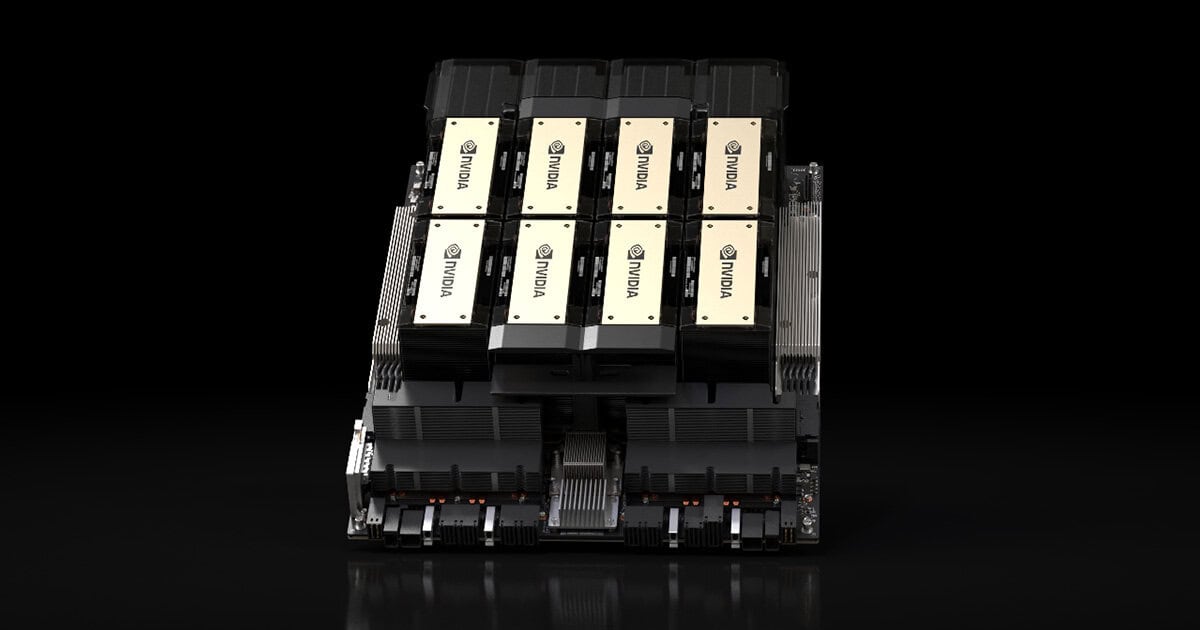
NVIDIA is officially making a return to the Chinese market following recent regulatory approvals for its H200 artificial intelligence chips. Chinese technology companies have already started placing purchase orders for the highly anticipated hardware. This development signals a significant shift in trade dynamics after months of strict export controls severely limited the flow of advanced computing components into the region.

The move allows domestic firms to resume building large-scale data centers without relying entirely on local alternatives.

The return of the H200 processor is a significant relief to Chinese technology firms

The approval of the H200 chip brings significant relief to Chinese technology firms heavily invested in artificial intelligence development. Authorities have given the green light for domestic companies to purchase the processors directly from suppliers.

This marks the end of a prolonged exile for NVIDIA in one of its largest historical markets. The company had to halt shipments of its most powerful silicon when international export restrictions initially took effect.

Now, manufacturing partners are ramping up production lines to meet the renewed demand. The H200 offers substantial memory capacity improvements over previous generations, making it highly desirable for training complex language models. The latest news has arrive after recent reports of NVIDIA B200 series chips powering ByteDance AI’s expansion outside China.

Groq-based hardware adds new market competition

While NVIDIA celebrates its return, the competitive landscape in China has actively shifted. Alternative computing solutions have quietly gained traction during the restriction period. A new Groq-based inference platform is simultaneously heading to the market. This specialized hardware focuses exclusively on running artificial intelligence models faster and more efficiently than standard graphics processors.

Chinese buyers now have more hardware options to consider for their server racks. Even though NVIDIA remains the dominant force globally, these emerging architectures provide vital backups if future trade tensions disrupt supply chains again.

Via Wcctech

Samsung And AMD Partner To Develop Next-Generation AI Memory Solutions

Samsung and AMD have officially expanded their strategic partnership to develop next-generation memory solutions specifically designed for artificial intelligence applications. The collaboration targets the growing memory bottleneck that currently limits the performance of advanced artificial intelligence models.

By combining hardware design and manufacturing capabilities, both companies aim to build systems capable of processing massive datasets much faster than current market standards allow.

The partnership targets the biggest hardware bottlenecks in artificial intelligence

Training and running large language models requires moving enormous amounts of data back and forth between storage components and processors. This constant data transfer creates a massive physical bottleneck that slows down overall system performance and increases power consumption. Samsung and AMD are working together to integrate high-bandwidth memory more closely with processing units to overcome this specific physical limitation.

The two hardware giants plan to co-develop custom memory modules that communicate efficiently with AMD accelerators. Industry reports also indicate this technical collaboration might eventually extend into a broader foundry partnership. If that happens, Samsung could manufacture new silicon designs directly for AMD.

This would deepen their reliance on each other for future product generations and provide an alternative to relying solely on existing fabrication plants.

The deal is shifting the competitive landscape against NVIDIA

This strategic move comes as both companies work to secure a stronger position in the highly profitable artificial intelligence hardware sector. NVIDIA currently holds a massive lead in providing the chips that power enterprise data centers globally. To compete effectively, AMD needs a reliable supply of high-performance memory to pair with its own processors.

Samsung benefits equally from the arrangement. The South Korean manufacturer faces intense pressure from rivals in the premium memory market. Securing a direct partnership with a major chip designer like AMD guarantees a dedicated buyer for its upcoming fabrication plants.

As artificial intelligence workloads grow in complexity, the required hardware becomes significantly more expensive. Data center operators in the USA are already spending billions of dollars on infrastructure upgrades.

Hardware partnerships like this will likely dictate which component configurations become the standard for the next wave of enterprise computing requirements.

Via Neowin

Crimson Desert Nears 400,000 Steam Pre-Orders Before Launch

Pearl Abyss is seeing strong early commercial interest for its upcoming open-world action game, Crimson Desert. According to recent market estimates, the title has already sold nearly 400,000 copies through Steam pre-orders alone. This early sales volume translates to roughly $20 million in revenue well before the official release date. The figures highlight significant player anticipation following years of development and multiple strategic delays.

Steam pre-orders account for a massive chunk of early sales

The reported 400,000 units represent only the Steam PC platform. This means total sales across PlayStation and Xbox consoles will eventually push these base numbers much higher.

Industry analysts attribute this initial surge in pre-orders to the extensive gameplay demonstrations Pearl Abyss showcased during recent global gaming conventions. The recent footage highlighted complex combat mechanics and highly detailed environments, generating widespread positive reactions.

Years ago, the studio shifted its focus from a massive multiplayer online format to a dedicated single-player campaign. This specific pivot appears to be resonating heavily with a core gaming audience that favors narrative experiences over live service models. Notably, the news has arrived a few days after Peral Abyss shared the game’s system requirements and performance specs.

Crimson Desert has already made $20 million in initial Steam sales

Securing approximately $20 million in initial Steam revenue provides the development team with substantial financial security during the crucial final optimization phases. Crimson Desert has been in active production for over five years.

Building a massive, highly detailed open world requires significant capital and technical resources. The game utilizes the studio’s proprietary custom engine to render its expansive environments. Players have shown a clear willingness to pay the standard $69.99 premium price tag in the USA, demonstrating high confidence in the quality of the final product.

The current sales suggest the title could become a massive commercial success for Pearl Abyss, potentially matching the long-term performance of their popular Black Desert franchise. Investors are now closely watching the upcoming launch window to see if the console release matches this strong PC demand.

Via Insider-Gaming

Microsoft Hires Team Behind Sequoia-Backed AI Startup Cove

Microsoft has hired the employees of Cove, a Silicon Valley startup focused on artificial intelligence collaboration tools. The deal brings specialized talent to Microsoft as it continues building its Copilot ecosystem and enterprise AI offerings. Cove will officially shut down its existing product on April 1, 2026, and current users must export their data before that date. Financial terms of the agreement were not disclosed.

What you need to know about Cove’s background and product vision

Cove CEO and co-founder Stephen Chau announced the transition on LinkedIn. He noted that the team is joining Microsoft to pursue a much larger vision for how people collaborate using AI models. Chau previously worked as head of product at Uber Eats. He launched Cove in 2023 alongside fellow Google Maps veterans Mike Chu and Andy Szybalski.

Before joining Microsoft, the Cove team focused on moving AI interactions beyond simple text windows. Their platform effectively turned standard chat threads with AI agents into shared visual workspaces.

It also provided tools for users to build custom AI applications tailored to their specific daily workflows. Investors saw real promise in the concept early on. Sequoia Capital led a $6 million seed funding round for the company in 2024.

Fitting into Microsoft’s broader strategy

This hiring push occurs amid structural changes within Microsoft’s artificial intelligence division. The company recently reorganized its Copilot group. This move unifies its consumer and commercial AI efforts to improve product clarity and boost overall user adoption.

Last week, Microsoft also introduced Copilot Cowork, a new assistant designed to run background tasks and generate documents across Microsoft 365 applications. Adding the entire Cove team gives Microsoft more engineering talent with direct experience in building shared AI environments.

Via TechCrunch

Now You Can Generate Richer Alt Text in Word and PowerPoint for Mac

Microsoft is updating how Word and PowerPoint for Mac handle image descriptions. The company is replacing its older image recognition system with a new generative AI model designed to produce detailed and highly accurate alt text. This feature is now available in over 80 languages.

The previous system relied on the Azure Vision model. While functional, it often returned basic descriptions. For example, a complex chart might simply be labeled as a bar chart of revenue. The new generative AI model can actually read the contents of the image.

Instead of a generic label, it can identify specific data points, read equations, and provide a contextual summary of what the visual represents. This update brings the Mac versions of Word and PowerPoint to parity with their Windows counterparts, which received the same upgrade late last year.

This is how the new functionality works

You can test the new system by inserting an image into a Word document or a PowerPoint slide. Select the image, navigate to Picture Format, and choose Alt Text. You can also access this through the Review tab by selecting Check Accessibility and then finding Missing Alt Text.

From there, click the option to generate alt text, and the system will analyze the image to provide a description. The new richer text features have arrived soon after Microsoft added faster file search to PowerPoint and related Microsoft 365 apps.

Availability and versions

This feature is currently rolling out to Mac users with an active Microsoft 365 subscription. You need to be running Version 16.107 or a newer build to see the changes. If you use a perpetual license version of Office, the old automatic alt text generation is now turned off by default. You can manually re-enable it in your accessibility settings if needed.

Microsoft plans to bring the new generative AI experience to future public releases, allowing those users to also access the richer descriptions on demand.

Xbox Insiders Receive New Features: More Home Groups and Quick Resume Settings

Microsoft is testing a fresh batch of quality-of-life updates for Xbox consoles. Starting today, a selection of Xbox Insiders can access new customization and system management tools. These features are slated for a wider public release later this spring, likely as part of the broader April 2026 console update.

The changes focus directly on user feedback, addressing requests for greater home screen control and specific game management options.

Expanding groups on the home screen

Xbox Insider Groups

Players who like to keep their digital libraries organized will notice a significant upgrade to the home dashboard. Microsoft has increased the limit on home screen groups from two to ten.

Managing these groups is also much simpler. You can now reorder them using the same interface you use to rearrange standard game tiles. Pinning groups directly from the My Games & Apps section is more intuitive, and the system now clearly indicates which groups you have already added to your home screen.

Personalizing with custom colors

3-Custom-User-Color-52638f108b175c8cb511-1900x1080

Xbox is moving away from its limited palette of preset system colors. This update introduces custom color sliders, allowing you to fine-tune the exact hue and shade for your console interface.

Your custom color will appear as a subtle accent within the Guide. If you prefer to keep the Guide neutral, you can disable this splash of color through the console settings under General, Personalization, and then Customize the guide. The system also remembers your previous custom selection if you ever decide to switch back to a standard preset.

Managing a quick resume per game

4-Quick-Resume-Settings-10594b5e0b693ea9524c-1900x1080

Quick Resume is a defining feature of the current Xbox generation, but it does not play nicely with every title. Games requiring persistent online connections often bug out or drop connection when suspended for long periods.

To fix this, players can now disable Quick Resume on a per-game basis. This forces specific games to boot up fresh every time you launch them. You can find this toggle by opening the More options menu on a game tile within the Quick Resume Group, or by navigating to Manage game and add-ons and selecting the Quick Resume settings.

Profile badges in the guide

The update also brings a small social tweak. When viewing your own profile or another player’s profile through the Guide, you will now see the five most recently unlocked profile badges. This makes it easier to spot milestones and achievements at a glance without having to dig deep into the profile menu.

Spotify Adds Exclusive Mode for Lossless, Bit-Perfect Playback on Windows

Spotify Exclusive Mode is rolling out to Windows users, introducing a major upgrade for audio quality enthusiasts. The new feature focuses on delivering bit-perfect playback by bypassing system-level audio processing.

What Spotify Exclusive Mode does

Spotify’s new Exclusive Mode allows the app to take full control of your audio device. This means it avoids Windows audio mixing, resampling, and volume adjustments entirely.

As a result, audio plays exactly as it was mastered, without any system interference. This makes a noticeable difference for users who rely on high-end audio setups.

The feature works alongside Spotify’s lossless settings, ensuring the highest possible fidelity during playback.

How Exclusive Mode works on Windows

Exclusive Mode is available starting with Spotify version 1.2.84 on Windows 11. Users need to manually select a dedicated audio device instead of using the system default output.

Once enabled, Spotify locks that device for its own use. Other apps cannot output sound through it at the same time.

Source: Spotify

This setup ensures uninterrupted, high-quality playback, but it also introduces limitations for multitasking.

Limitations and compatibility

Exclusive Mode only supports music playback. It does not apply to videos, podcasts, or audiobooks within Spotify.

Other applications, such as browsers or video players, may fail to play audio while the feature is active. This happens because Spotify maintains exclusive access to the selected audio device.

The feature targets a niche audience, particularly users with DACs or dedicated audio interfaces who want precise sound reproduction.

Availability and future plans

Spotify has released Exclusive Mode exclusively for Windows desktop users for now. macOS support is planned, though the company has not shared a release timeline.

The addition signals a stronger push toward high-fidelity audio features, especially for users with advanced hardware setups.

Other software updates

In related software news, Firefox is preparing to introduce built-in VPN functionality alongside a Split View feature. Meanwhile, Microsoft is reportedly transitioning the Copilot Windows app back into a web-based experience.

Spotify’s latest update highlights its growing focus on premium listening experiences, even if the feature caters to a more specialized audience.

Via Windows Central

Editing in Clipchamp Just Got Trickier with OneDrive Requirement

Microsoft, albeit being one of the most successful consumer tech companies, has a long history of nagging users with other nonsensical limitations. Although the company recently promised Windows 11 users that it would actively work on their feedback and fix the OS from scratch, it hasn’t delivered on that promise, and in fact, it has made a few things worse. This time, Microsoft is in the spotlight for adding an annoying limitation to its built-in Windows 11 video editor, Clipchamp.

You must save your Clipchamp projects to OneDrive to edit them later

As reported by folks at Windows Latest, Microsoft now requires all Clipchamp projects to be saved to OneDrive to remain editable. If you want to save projects locally, you can archive them on your PC. However, you’ll need to upload them to OneDrive if you want to edit them later.

Image credit: Windows Latest

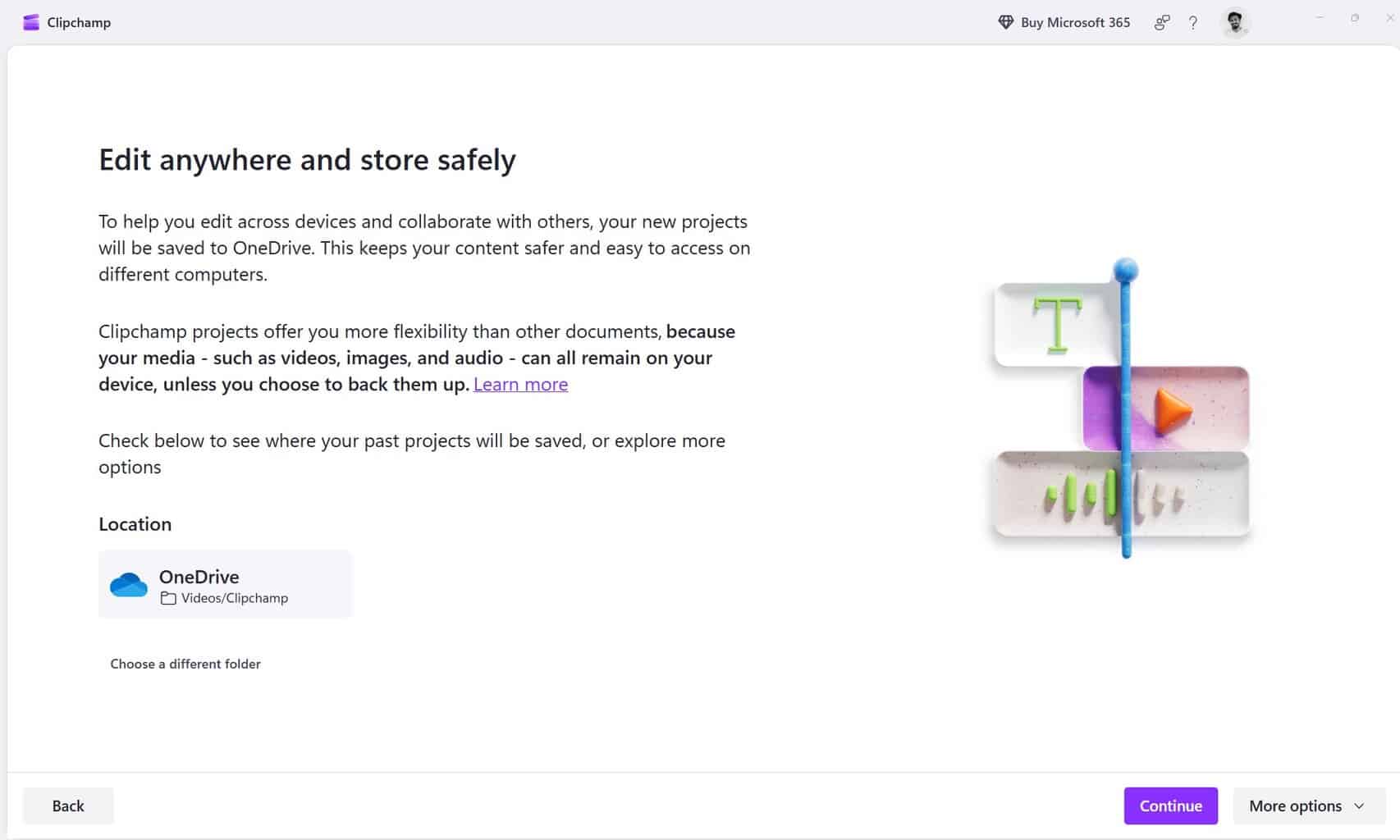
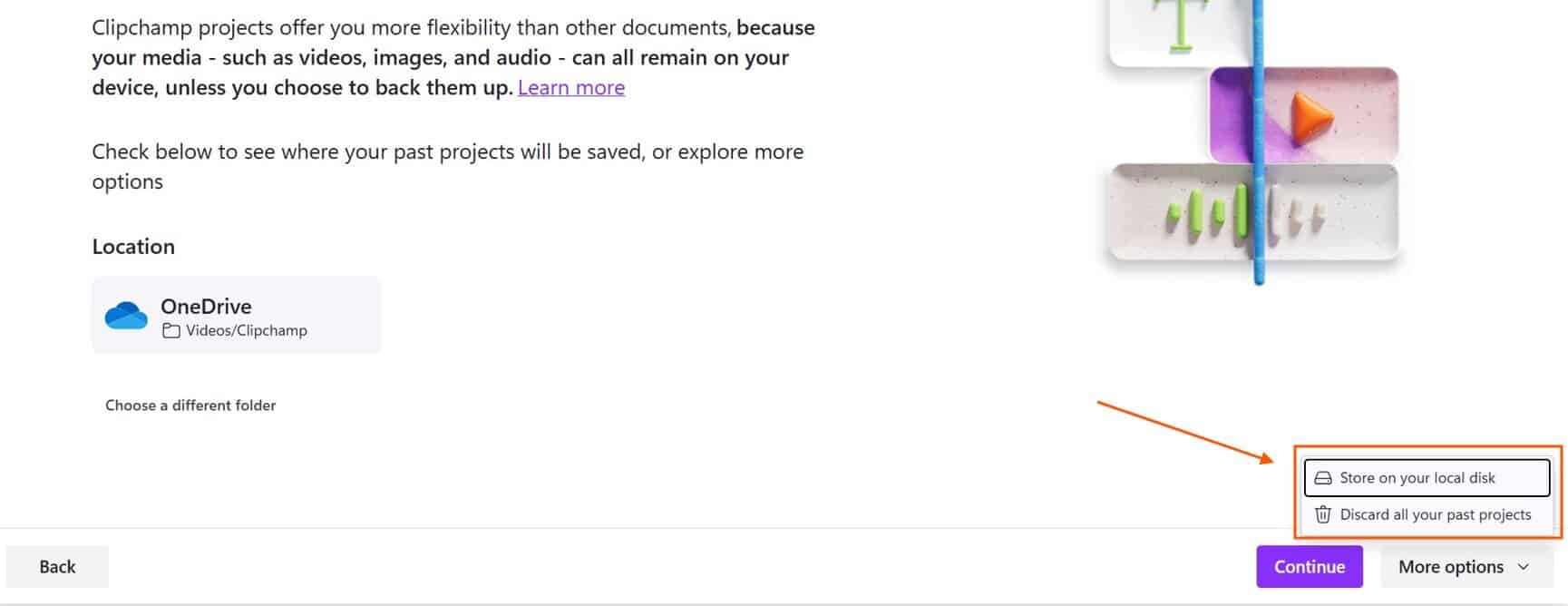
As seen in the pop-up shared below, Microsoft notes that media files themselves remain on the device unless backed up, but project files must be stored in the cloud for continued access. When clicking the “More Options” button, you are presented with two choices: “Store on your local disk” and “Discard all your past projects.”

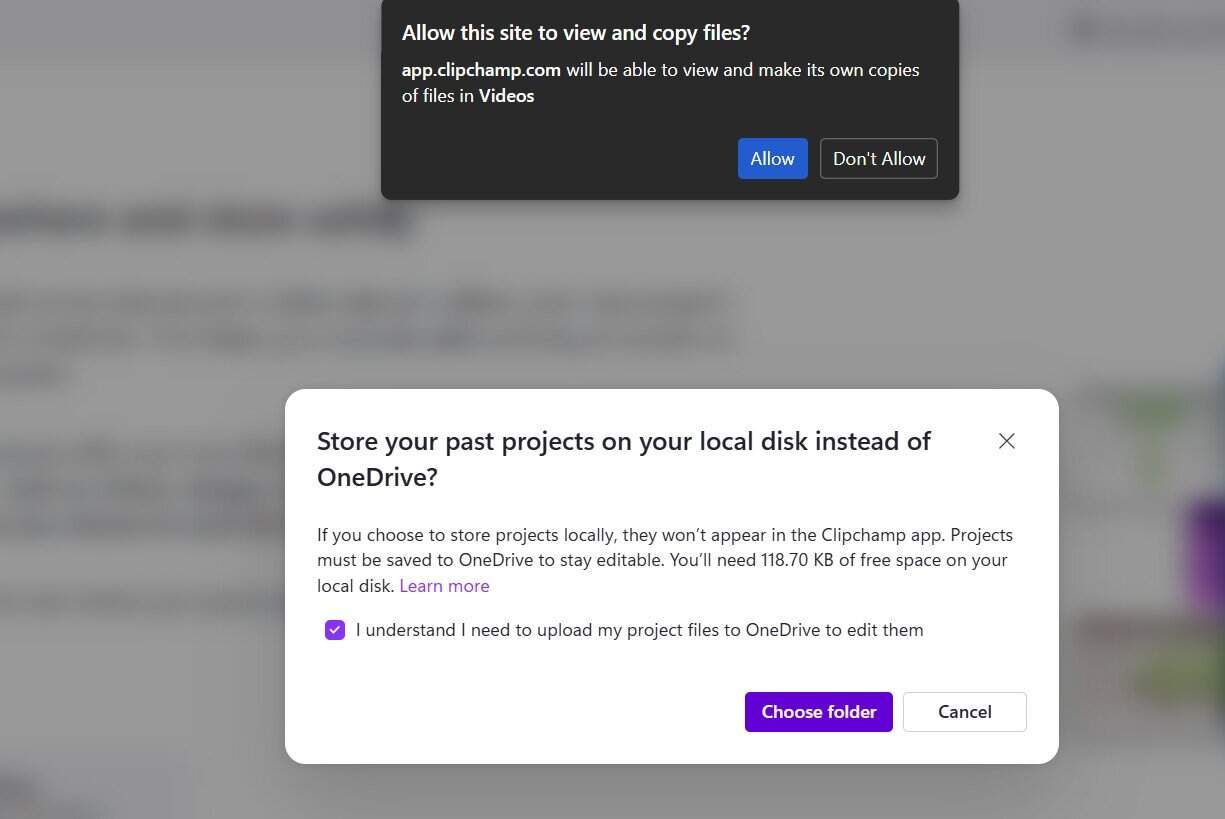
Neither option fully solves the problem. When you store media files on your disk, they are eventually removed from Clipchamp. You’ll be asked to “Choose folder” to archive them, and must check a disclaimer reading, “I understand I need to upload my project files to OneDrive to edit them.” The permissions requested by Clipchamp are also concerning, as the pop-up states: “app.clipchamp.com will be able to view and make its own copies of files in Videos.”

Image credit: Windows Latest

In an FAQ titled “What happens if I choose not to save my projects to OneDrive?” in Clipchamp’s Cloud Storage documentation, Microsoft notes: “If you don’t want to save your existing projects to OneDrive, you can archive them to your local disk. However, to edit again in the future, you’ll need to upload them to OneDrive.”

All that said, if you want to continue using Clipchamp to edit video files (which I personally won’t be doing), your only option is to back them up to OneDrive. If you’re looking for free alternatives that work as well as (or even better than) Clipchamp, be sure to check this guide. Speaking of Microsoft’s reliance on OneDrive, let’s not forget that, recently, the Microsoft 365 Copilot Mobile app also started uploading local files to OneDrive by default.

Death Stranding 2 PC Version Leaks Early After Steam Preload Mishap

Death Stranding 2: On the Beach is launching on PC on March 19, 2026, but the game has already appeared on piracy sites ahead of release.

According to Neowin, a leaked build surfaced online after an unencrypted pre-load version was uploaded to Steam. The files, reportedly exceeding 100GB, were quickly downloaded and redistributed before the issue was addressed.

Leak traced to unencrypted Steam pre-load

The leak appears to stem from a pre-load package that lacked proper encryption. Although Steam’s standard protections were in place, they were rapidly bypassed, allowing pirates to access and share the full game ahead of launch.

This situation once again raises concerns about pre-load security, especially for high-profile releases with large file sizes and global anticipation.

Sony’s typical approach to PC releases may have also played a role. The company generally avoids heavy DRM solutions like Denuvo, which can make early builds more vulnerable if safeguards fail.

Pirated version comes with major limitations and risks

Despite its availability, the leaked version carries significant drawbacks. There is no confirmation that the build is safe or unmodified, meaning it could expose users to malware or corrupted files.

Additionally, the pirated copy does not support online functionality. Players won’t be able to use the Social Strand system, a core gameplay feature that allows indirect collaboration through shared structures across player worlds.

These limitations reduce the overall experience and highlight the risks of engaging with unofficial copies.

Broader concerns around Steam security and piracy

The incident underscores ongoing challenges around digital distribution, preloading systems, and DRM strategies. As file sizes grow and launch hype increases, even small security gaps can lead to widespread leaks.

The timing also aligns with other recent Steam-related developments. Valve is currently pushing back against a lawsuit in New York, while reports indicate the FBI is investigating malware-infected games that were previously available on the platform.

At the same time, the ecosystem continues to evolve, with tools like the RPCS3 emulator now making it easier to integrate games directly into Steam libraries.

With Death Stranding 2: On the Beach set to officially launch within hours, attention now shifts to how publishers and platforms respond to prevent similar incidents in the future.

Chinese AI Stocks Surge as Jensen Huang Backs OpenClaw as “Next ChatGPT”

As CNBC writes, Chinese AI stocks rallied sharply after NVIDIA CEO Jensen Huang praised emerging AI agent platforms, calling OpenClaw “the next ChatGPT” and signaling a major shift toward agent-driven AI.

OpenClaw hype fuels China’s AI momentum

Huang’s comments, made around GTC 2026, highlighted OpenClaw as a transformative open-source AI agent framework. NVIDIA reinforced that vision by introducing NemoClaw, a platform designed to accelerate the development and deployment of agentic AI systems.

OpenClaw has quickly gained traction across China, where companies are integrating it into products and building their own agent-based systems. The technology focuses on autonomous AI agents capable of completing complex, multi-step tasks, positioning it as a major evolution beyond traditional chatbots.

Chinese “AI tigers” lead the rally

Investor sentiment surged following Huang’s remarks, pushing several Chinese AI companies higher:

MiniMax jumped 22% in Hong Kong trading, reflecting strong interest in its agent-based AI expansion.

Zhipu, also known as Knowledge Atlas Technology, rose 14% as it scales its own OpenClaw-inspired tools.

Both companies are increasingly seen as part of China’s emerging “AI tigers,” a group of fast-growing firms aiming to compete with global leaders like OpenAI and Anthropic.

SenseTime also gained 2.43% after integrating OpenClaw into its AI assistant ecosystem, while UCloud Technology climbed 13% in Shanghai.

AI demand outlook lifts broader tech sector

The rally extended beyond China, with Asian semiconductor and hardware companies also benefiting from NVIDIA’s optimistic outlook.

SK Hynix surged nearly 9%, while Samsung Electronics rose 7.53%, driven by expectations of continued demand for AI memory and infrastructure.

Huang projected that AI-related spending could reach $1 trillion by 2027, underscoring the scale of the opportunity. NVIDIA is positioning itself to capitalize on this growth with new hardware like the Vera CPU, designed specifically for AI workloads.

China strengthens position in global AI race

According to Moody’s, China is solidifying its role as a leading AI market, supported by the rapid adoption of new technologies like OpenClaw.

However, adoption remains uneven across industries. Large tech firms continue to lead advanced AI integration, while traditional sectors move more cautiously, depending on their digital maturity.

Still, the combination of open-source innovation and strong domestic competition is accelerating China’s AI ecosystem at a rapid pace.

AI agents emerge as the next battleground

Huang’s endorsement of OpenClaw signals a broader shift toward AI agents as the next frontier in artificial intelligence.

As companies race to build autonomous systems capable of executing real-world tasks, competition between global AI leaders and China’s rising “AI tigers” is expected to intensify.

With momentum building across both software and hardware ecosystems, AI agents may soon redefine how businesses and consumers interact with technology.

RPCS3 Simplifies Emulation With Auto Steam Library Integration

According to TechPowerUp, RPCS3 has introduced a small but impactful feature that improves how users launch emulated PlayStation 3 games. The latest update now allows games to be automatically added to your Steam library, removing the need for manual setup.

No More Manual Game Setup in Steam

Previously, users had to open Steam and manually add non-Steam games one by one, often pointing to emulator launchers. With this update, RPCS3 handles that process automatically, streamlining the entire workflow.

The feature also pulls in PS3 artwork directly from emulator files, giving each title a polished look inside the Steam interface. This makes emulated games feel more integrated alongside native Steam titles.

The improvement is especially useful for players who rely on controller-based setups. By launching games directly through Steam, users can take full advantage of Big Picture mode, creating a more console-like experience without needing a keyboard or mouse.

Linux and SteamOS users stand to benefit the most, as the update makes it easier to navigate and launch games in a living room setup. It effectively removes friction and brings emulation closer to a plug-and-play experience.

While the change may seem minor, it reflects RPCS3’s continued push toward better usability and accessibility. The emulator has already reached compatibility with roughly 70% of the PlayStation 3 library, and quality-of-life improvements like this help make that progress more meaningful for everyday users.

In related news, reports suggest Sony may scale back PC releases for its exclusives. At the same time, early expectations indicate the PlayStation 6 could deliver performance comparable to Project Helix. Meanwhile, the PlayStation Portal continues to improve, with recent updates bringing enhanced 1080p streaming quality.

As for PS3 users, you might be surprised to learn that the PS3 has just received a new firmware update.

PS3 Just Got Another Surprise Update After a Year

If you ever thought Sony had ended software support for its nearly 20-year-old PS3 console, think again. The company has quietly released a new system update, moving the PS3 to version 4.93.

The latest update, 4.93, improves PS3’s performance

For context, the last update, version 4.92, arrived on March 5 of last year. Now, over a year later, a new update is available. Sony’s release notes simply mention that the latest version “improves system performance,” a phrase the company has used repeatedly since version 4.90 dropped in late February 2023.

That said, the 4.93 update primarily focuses on security, making jailbreaking more difficult. It also renews the Blu-ray player encryption key, which is necessary to continue playing Blu-ray discs on the console. For longtime PS3 owners, installing version 4.93 ensures both system security and ongoing Blu-ray compatibility.

It’s worth noting that the PS3 nears its 20th anniversary this November. In other Sony news, the company recently released an update for the PS5 Pro that adds support for PSSR. According to Sony, PSSR provides “enhanced image stability, improved clarity in fine details, and more consistent performance across supported titles.”

Meanwhile, RPCS3 continues to improve the emulation experience, with its new auto Steam library integration simplifying how players access their PS3 games on PC.

Microsoft reportedly threatens to sue OpenAI and Amazon over $50 billion AWS deal

The partnership between Microsoft and OpenAI dates back to 2019, when the Redmond giant invested $1 billion into the Sam Altman-led AI company. The initial investment was made with the goal of supporting the development of artificial general intelligence (AGI). Now, in 2026, OpenAI is among the top AI companies in the world, which also means the business dynamics between the two AI juggernauts have changed massively. However, back in mid-2025, Satya Nadella said that the partnership is still strong.

Last month, when Amazon announced its plan to invest $50 billion in OpenAI, both Microsoft and OpenAI shared a joint statement about where the partnership is heading. At the time, the announcement mentioned, “Azure remains the exclusive cloud provider of stateless OpenAI APIs. Microsoft is the exclusive cloud provider for stateless APIs that provide access to OpenAI’s models and IP… Any stateless API calls to OpenAI models that result from a collaboration between OpenAI and any third party—including Amazon—would be hosted on Azure.”

While all seemed pretty good between Microsoft and OpenAI, a new report by Financial Times has made some bombshell revelations. Per the report, Microsoft is reportedly considering legal action against Amazon and OpenAI over a $50 billion cloud deal that may conflict with its Azure exclusivity agreement (via Reuters).

At the center of the dispute is whether AWS can host OpenAI’s “Frontier” product without breaching a clause that requires all API access to go through Microsoft’s cloud. The report, citing people familiar with discussions, notes that Microsoft executives have argued that the proposed workaround “would violate the spirit, if not the letter, of their agreement.”

A person familiar with Microsoft’s position stated, “We know our contract. We will sue them if they breach it. If Amazon and OpenAI want to take a bet on the creativity of their contractual lawyers, I would back us, not them.” Meanwhile, OpenAI and Amazon maintain that their approach complies with existing terms. Their plan involves a “Stateful Runtime Environment” on AWS, which is designed to add memory and context to AI systems without directly exposing core models via APIs.

Microsoft, however, remains unconvinced, with internal experts reportedly doubting the feasibility of avoiding Azure under current contractual limits. Despite the tension, immediate legal action appears unlikely, according to the report. Microsoft is already under scrutiny in multiple regions, so it might prefer to settle things behind closed doors rather than moving to the courtroom.

On the other hand, OpenAI, which is already dealing with multiple lawsuits, also wouldn’t want yet another lawsuit, that too from Microsoft. Another person close to the matter noted, “The last thing OpenAI needs is another court case right now.” Microsoft has also reinforced its stance publicly, saying, “We are confident that OpenAI understands and respects the importance of living up to [its] legal obligation.”

Intel Introduces Precompiled Shaders for Arc GPUs, Delivers Up to 3x Faster Load Times

According to Wccftech, Intel is pushing a new gaming optimization feature designed to dramatically reduce load times and eliminate first-launch stutter. The company is enabling precompiled shader distribution for its Arc GPUs, building on Microsoft’s Advanced Shader Delivery technology.

The feature arrives shortly after Intel introduced its Core Ultra 7 270K Plus and Core Ultra 5 250K Plus processors, signaling a broader push to improve real-world gaming performance beyond raw hardware.

Intel adopts Microsoft’s shader delivery system

Microsoft introduced Advanced Shader Delivery through the DirectX AgilitySDK to address one of PC gaming’s long-standing issues: shader compilation stutter. Intel is now bringing this capability to its Arc ecosystem with its own implementation.

Instead of compiling shaders locally during gameplay, Intel uses cloud infrastructure to precompile them in advance. The system then delivers optimized shader packages directly to users through Intel Graphics Software.

These shaders are tailored to each user’s hardware configuration and stored locally, allowing games to run smoothly from the first launch.

Faster load times and reduced stutter

The impact appears significant across supported hardware.

Intel reports that the Arc B580 delivers roughly twice as fast load times on average. In some cases, gains are far higher, with God of War Ragnarök reaching up to 21 times faster load times.

Integrated solutions such as Arc B390 and Arc 140V also benefit, showing two to three times faster loading in supported titles.

Beyond faster startup times, the feature also reduces shader-related stuttering, which often affects gameplay during the first run or after updates.

Automatic updates and user control

Intel’s system handles shader updates automatically. When a game, driver, or shader package changes, updated files are pushed to users without manual intervention.

Users can still toggle the feature on or off inside Intel Graphics Software under the 3D Rendering settings.

The process runs in the background, aiming to keep performance optimized without disrupting gameplay.

Supported games and requirements

At launch, the feature supports 13 games available on Steam, including major titles such as Cyberpunk 2077, Starfield, Black Myth: Wukong, Hogwarts Legacy, and S.T.A.L.K.E.R. 2: Heart of Chornobyl.

Other supported games include Gotham Knights, NBA 2K26, Borderlands 4, Call of Duty: Black Ops 6, Call of Duty: Black Ops 7, The Elder Scrolls IV: Oblivion Remastered, and God of War Ragnarök.

The feature currently requires an Intel Arc GPU, including Core Ultra 3/200V series or Arc B-Series hardware, along with driver version 32.0.101.8626 or newer.

For now, it only works with games installed via Steam, though Intel plans to expand compatibility in future updates.

Intel pushes ahead in GPU software optimization

With precompiled shader distribution, Intel positions itself among the first GPU vendors to bring cloud-assisted shader delivery to consumers.

The move highlights a growing trend where performance gains come not just from hardware, but from smarter software and infrastructure working behind the scenes.

Alongside this rollout, Intel continues to expand its portfolio, recently confirming that Xeon 6 SoCs power NVIDIA DGX Rubin NVL8 systems while also unveiling new Core Ultra 200HX Plus mobile processors.

Google Leads $12.5M Push to Secure Open Source Against AI Threats

Google has announced a new $12.5 million funding initiative to strengthen the security of open-source software, teaming up with Amazon, Anthropic, Microsoft through GitHub, and OpenAI.

The investment comes as AI-driven threats grow more sophisticated, pushing companies to protect what Google calls the “backbone of the modern web.” The funding aims to accelerate real-world fixes, not just detect vulnerabilities.

Funding targets faster fixes and stronger defenses

The funding will support the Alpha-Omega Project under the Linux Foundation, in collaboration with the Open Source Security Foundation (OpenSSF). The initiative focuses on helping maintainers respond quickly to emerging threats.

Instead of only identifying issues, the program prioritizes faster patch deployment and long-term resilience. Maintainers will gain access to advanced security tools designed to handle AI-generated vulnerability reports, which are increasing in both volume and complexity.

AI tools take center stage in security efforts

Google highlighted its growing use of AI in security, showcasing internal tools that already deliver results. One example is Big Sleep, an AI agent that identified a zero-day vulnerability in SQLite before attackers could exploit it.

The company also introduced CodeMender, an AI-powered system capable of automatically rewriting code to fix bugs. These tools demonstrate how AI can move beyond detection and actively secure software ecosystems.

Google argues that combining funding with AI-driven tooling creates a more scalable defense model for open-source projects, which often lack dedicated security resources.

Broader security landscape remains active

The announcement arrives alongside other notable developments in the security space. Google recently faced scrutiny for continuing to promote a malicious browser extension despite prior warnings.

Meanwhile, Microsoft has updated its security recommendations for Defender for Endpoint and released an emergency update for Windows 11 LTSC to address critical issues.

Together, these developments highlight how major tech companies are increasing their focus on security as threats evolve, particularly with AI accelerating both attacks and defenses.

A long-term investment in open-source resilience

With this $12.5 million commitment, Google and its partners are signaling a broader shift toward proactive security in open-source ecosystems.

As AI continues to reshape cybersecurity, initiatives like Alpha-Omega aim to ensure that the foundational software powering the internet remains secure, resilient, and ready to handle the next wave of threats.

In other security news, Google continued promoting a malicious extension despite Microsoft’s warnings. Meanwhile, Microsoft rolled out new Defender for Endpoint recommendations and released the KB5084597 emergency update for Windows 11 LTSC.

Via Neowin

The Seven Deadly Sins: Origin Early Access Release Sees “Mixed” Reception on Steam

If you have been waiting to try one of the most anticipated PS5 RPGs this month, the wait is already over. The Seven Deadly Sins: Origin launched in early access for PS5 and PC (via Steam) ahead of full mobile release. Just to be clear, early access releases like this often serve as a testing ground that allows developers to take feedback from players before the full game is released.

The Seven Deadly Sins Origin early access draws mixed Steam reviews

Well, it seems the title is getting a lukewarm reception on Steam. At the time of writing this, we can see a “Mixed” tag on Steam, with over 4000 reviews pouring in from around the globe (in multiple languages). Players have complained about a few things in the reviews. First up, the game largely depends on The Seven Deadly Sins IP and its early “new gacha” appeal, but struggles to stand out in gameplay. The gameplay experience is reportedly “unpolished”. Some even claimed the game’s performance is “garbage” and “horrible”.

Combat reportedly feels clunky, with animation lock-ins and less satisfying mechanics unless you obtain top-tier units. Another issue players have highlighted about the game is the unbalanced progression. On top of that, bugs and technical issues further drag down what already feels like a fairly average experience. One player even claimed that the game crashed twice. The worrying part, however, was that the system’s antivirus shut the game off during the first boot-up.

That said, there are plenty who believe the game still has some potential. “Yes, the game is and feels cheap. Yes, the game might get P2W. Yes, the game is a Genshin ‘clone’. But it’s not bad… at least not yet. They had minimal effort here; it wasn’t straight-up copy and paste and kill it like GOT Kingsroad,” one player noted on Steam reviews.

Should you try The Seven Deadly Sins: Origin?

Speaking of wider release, The Seven Deadly Sins: Origin is scheduled for a full launch on March 23, 2026. I know, after reading tidbits of Steam reviews we mentioned above, you might want to stay away from the title. However, do note that out of 4,941 reviews across multiple languages, there are 2,554 reviews that are “positive.” That’s why it’s always a good decision to experience it firsthand.

If you are looking to get a head start, a preorder bundle is also available. Priced at $9.99, it includes in-game items like gold, upgrade materials, and consumables designed to speed up early progression. Moreover, you also receive additional bonuses such as premium mastery experience and enhancement items.

In other gaming news, Starfield for PS5 has been announced and is set to launch on April 7. Meanwhile, in a recent interview, Todd Howard said that development on The Elder Scrolls 6 is going more smoothly than Starfield, largely thanks to a new engine.

The Elder Scrolls 6 Development Is Smoother Than Starfield, But Still Years Away

The Elder Scrolls 6 has been in the spotlight since its reveal eight years ago, raising concerns about a difficult development cycle. However, new insights suggest the situation is far more stable than many expected.

Development Progress More Stable Than Expected

According to information shared by Windows Central, Todd Howard revealed that development on The Elder Scrolls 6 has actually been smoother compared to Starfield. This contrasts with long-standing assumptions that the project faced major internal challenges.

Howard also admitted that announcing the game so early may have been a mistake. The original reveal served mainly to confirm that Bethesda planned to continue the Elder Scrolls series, rather than signal active development progress at the time.

Starfield Took Priority First

Bethesda initially focused its resources on completing Starfield, which pushed The Elder Scrolls 6 into a later production phase. Now that Starfield has launched, the studio has shifted most of its workforce toward the next Elder Scrolls entry.

The transition appears to have benefited development. Unlike Starfield, which relied on Creation Engine 2, the new project is being built with Creation Engine 3, improving workflows and overall efficiency.

Improved Technology and Coordination

One of the key differences this time is how Bethesda handles internal coordination. During Starfield’s development, the studio reportedly faced challenges aligning teams and systems.

With The Elder Scrolls 6, those issues seem reduced. The updated engine and refined processes allow teams to work more efficiently, helping avoid previous bottlenecks.

Still “A Long Ways Off”

Despite the smoother development, fans should not expect the game anytime soon. Todd Howard reiterated that The Elder Scrolls 6 is still “a long way off,” confirming earlier statements about its distant release window.

While progress continues steadily, Bethesda is taking a longer-term approach to ensure the final product meets expectations.

Starfield PS5 Release Also Confirmed

In related news, recent rumors about Starfield expanding beyond Xbox have proven accurate. The game is now confirmed to launch on PlayStation 5 in April, alongside a major content update.

This marks a significant shift for Bethesda, signaling a broader platform strategy while work continues on its next flagship RPG.

Overall, while The Elder Scrolls 6 may still be years away, current updates suggest a more controlled and efficient development process than initially feared.

Microsoft Copilot Abandons Native App Again, Returns to Web-Based Model

Microsoft Copilot is once again shifting direction, as the latest update moves the app back to a web-based experience despite earlier efforts to make it fully native. The change also aligns with Microsoft’s broader push toward web-powered AI apps, even as platforms such as Electron continue to face criticism over memory usage and system bloat.

According to findings from Windows Latest, Copilot version 146.0.3856.63 replaces its native WinUI interface with WebView-based components, effectively turning the app into a web-powered shell. This marks another reversal in Microsoft’s evolving approach to Copilot on Windows.

Copilot Returns to Web-Based Architecture

Testing of the updated app shows behavior similar to a web application rather than a traditional native Windows program. The app now runs using Edge-related processes, including Renderer, GPU Process, and Network Service, confirming its reliance on WebView infrastructure.

The version number of Copilot also closely aligns with Microsoft Edge, further suggesting shared underlying technology. While the app still launches as a desktop application, most of its content loads directly from the Copilot website.

Microsoft has experimented with multiple implementations of Copilot, alternating between native and web-based designs. In 2025, the company introduced a fully native version built with WinUI, which avoided heavy reliance on web components and received positive feedback from users.

Performance Gains Come With Trade-Offs

Despite concerns about WebView2 and Electron-style apps, early testing indicates that the new Copilot version launches faster than its native predecessor. This improvement suggests Microsoft may be prioritizing speed and flexibility over a fully native experience.

However, the shift back to web technologies is likely to reignite criticism. Many users have previously raised concerns about memory usage, performance overhead, and the broader trend of replacing native Windows apps with web-based alternatives.

Apps like WhatsApp have already faced backlash for adopting similar approaches, and Copilot’s transition may fuel further debate about the direction of the Windows ecosystem.

A Step Back From Native Progress

The return to a web-based model reverses what many saw as meaningful progress. The earlier native Copilot version offered tighter system integration and avoided constant reliance on online content.

While the new version still supports some on-device AI features, most of the experience now depends on web delivery. This hybrid approach may limit the advantages that native apps typically provide.

The update is currently available in the Windows Insider Program and is expected to roll out more broadly in the near future. Microsoft has not indicated any plans to revert back to a native-only implementation.

In parallel, the company is also adjusting its broader Copilot strategy. Microsoft recently paused the automatic rollout of Copilot for Microsoft 365 on Windows devices, and reports suggest that Copilot features in Office apps may require a separate license going forward.

Mozilla Confirms Firefox Will Get Built-in VPN, Split View, and Other Features Next Week

If you are waiting for Firefox version 149, the release date is finally here. Mozilla has announced that the upcoming version will be released on March 24th. Ahead of the release, the company has detailed a handful of new features that you may want to take note of.

Firefox 149 is landing on March 24 with built-in VPN

Among the new features coming with Firefox 149 is the built-in VPN. Last October, we reported on the “Browser Only” Firefox VPN. At the time, the company was testing the feature with a small group of Firefox users. Now, it’s coming for everyone. As Mozilla notes in the announcement, the built-in VPN will route browser traffic through a proxy to hide IP addresses and locations, which will offer added privacy without requiring extra downloads.

Image credit: Mozilla

The rollout will begin in select regions, including the U.S., France, Germany, and the U.K., with a monthly data limit of 50GB. Mozilla also highlights that this VPN is designed around its privacy principles, addressing concerns often linked to free VPN services. Speaking of security, Firefox will also introduce the Sanitizer API, a new web standard that blocks malicious content before it reaches users. It positions the browser as an early adopter of proactive web protection.

Some productivity features are also making their way to the browser

Besides built-in VPN and security features, Mozilla has also confirmed some productivity features to launch with Firefox 149. Among them is Smart Window, previously known as AI Window, which offers quick summaries, definitions, and comparisons directly within a webpage. The feature will be optional to use and will be opt-in. The company adds that those looking to use it can join the waitlist by visiting this webpage.

Other additions include Split View, which we saw in the leaked mockup of Firefox’s overhauled UI redesign, codenamed “Nova.” As the name suggests, it allows users to do side-by-side browsing. Meanwhile, Tab Notes is also dropping with the next version for quick in-tab note-taking. It will be available in Firefox Labs starting March 24. Moreover, Mozilla has further confirmed improvements to the Settings page for easier navigation and customization. You can expect those changes to be available in Firefox Nightly starting in April.

As a side note, let’s not forget that Mozilla has also introduced a new mascot for Firefox. The long-time Fox has now been replaced by Kit. You can learn more about it in the video embedded below.

GPT-5.4 Mini and Nano Announced: Faster AI Models With Near Flagship Performance

OpenAI has officially introduced GPT-5.4 Mini and GPT-5.4 Nano, expanding its latest AI model lineup with smaller, faster, and more cost-efficient options. The release follows the debut of GPT-5.4 and focuses on delivering strong performance while reducing compute requirements.

These new models aim to make advanced AI capabilities more accessible across apps, APIs, and developer tools.

GPT-5.4 Mini Focuses on Speed and Capability

GPT-5.4 Mini delivers major upgrades in coding, reasoning, multimodal understanding, and tool usage. Despite its smaller size, it achieves performance levels close to the full GPT-5.4 model in several benchmarks.

In tests like SWE-Bench Pro and OSWorld-Verified, GPT-5.4 Mini nearly matches GPT-5.4 while running more than twice as fast as GPT-5 Mini. This positions it as a strong option for developers who need both speed and reliability.

The model supports text and image inputs, along with advanced capabilities such as function calling, web search, file search, and computer use. It also includes a large 400,000-token context window, allowing it to process extensive data in a single session.

GPT-5.4 Mini is available across ChatGPT, Codex, and the API. Microsoft has already integrated both Mini and Nano models into its AI Foundry platform, signaling rapid enterprise adoption.

Pricing and Availability Adjust for Performance Gains

OpenAI has increased pricing compared to the previous Mini model, reflecting the performance improvements. GPT-5.4 Mini costs $0.75 per 1 million input tokens and $4.50 per 1 million output tokens, up from $0.25 and $2 respectively for GPT-5 Mini.

The model also introduces efficiency benefits in developer workflows. In Codex tools, GPT-5.4 Mini consumes only 30% of the GPT-5.4 quota, making it a more economical fallback option.

ChatGPT users can access GPT-5.4 Mini through the “Thinking” feature on Free and Go plans. For premium users, it serves as a fallback when GPT-5.4 Thinking reaches limits.

GPT-5.4 Nano Targets Lightweight AI Tasks

Alongside Mini, OpenAI launched GPT-5.4 Nano as its most affordable model in the series. The Nano variant focuses on lightweight, high-frequency tasks such as classification, data extraction, ranking, and coding subagents.

It delivers noticeable improvements over GPT-5 Nano while maintaining low operational costs. GPT-5.4 Nano is priced at $0.20 per 1 million input tokens and $1.25 per 1 million output tokens.

Unlike Mini, Nano is not available in ChatGPT or Codex. Developers can access it exclusively through the API, positioning it as a backend solution for scalable AI systems.

OpenAI Pushes Broader AI Strategy

The launch of GPT-5.4 Mini and Nano highlights OpenAI’s strategy to diversify its model ecosystem, offering options that balance performance, cost, and speed for different use cases.

In parallel, the company continues expanding its infrastructure footprint. In related developments, OpenAI has reportedly struck a deal with AWS to support AI workloads for U.S. defense and government applications.

Together, these moves signal a push toward wider enterprise adoption, while maintaining accessibility for everyday users and developers.

Via Neowin

Starfield PS5 Version Announced, Launching April 7 With Major Updates

Rumors about a PlayStation 5 version of Starfield have been circulating for months, with the latest reports pointing to an April 2026 release window. Those rumors have now proven accurate, as Bethesda has officially announced the PS5 version of its space RPG.

According to Complex, Starfield will launch on PlayStation 5 on April 7, 2026, ending nearly three years of Xbox exclusivity. The move marks a significant shift for the title, which originally launched as a flagship Xbox-exclusive experience.

Price drop and new content arrive alongside PS5 version

Bethesda is also repositioning the game with a lower entry price. Starfield will cost $49.99 across all platforms, down from its original $69.99 launch price.

The PS5 release will coincide with a new paid story expansion titled Terran Amada. The DLC will cost $10, though it will be included in the Premium Edition. It introduces new quests, characters, locations, enemies, and rewards, expanding the game’s universe further.

At the same time, all players will receive a major free update called Free Lanes. This update significantly changes how exploration works by enabling seamless space travel within star systems and removing loading screens between planets. It also adds new encounters, dungeons, characters, and a new upgrade resource known as X-Tech.

New features aim to refresh the experience for all players

Alongside the expansion and update, Bethesda is introducing several gameplay additions designed to enhance variety and replayability. These include a Moon Jumper land vehicle, a Milliewhale pet, and a new recruitable ship crew member.

The New Game+ mode is also getting improvements, allowing certain items to carry over between playthroughs, giving players more incentive to replay the game.

A second launch moment for Starfield

Bethesda’s Todd Howard confirmed that a PlayStation 5 version was always part of the long-term plan, describing the release as inevitable due to the studio’s history with the platform.

With a lower price, new content, and major gameplay improvements, the PS5 launch positions Starfield for what could become a second wave of success. The expanded platform reach and refreshed experience may attract both new players and those returning to explore the updated universe.

Microsoft Delays General Availability of Native Teams macOS Screen Sharing Until Mid-May

Microsoft has updated its rollout timeline for native screen sharing in Microsoft Teams on Mac, pushing full availability further into 2026. The feature, which uses macOS native APIs, is now expected to reach general availability by mid-May, rather than the earlier January window.

The rollout of native Teams screen sharing in macOS faces delay

The updated timeline shared in the Microsoft 365 Admin Center under Message ID MC1187801 suggests the company is taking more time to improve the experience (via Neowin).

“As part of our ongoing commitment to delivering a polished, platform-native experience for Mac users, Microsoft Teams is introducing native screen and window sharing capabilities tailored specifically for macOS. This opt-in experience leverages Apple’s macOS native screen sharing APIs, allowing users to share their screen or window directly from macOS during Teams meetings,” notes the company in the Admin Center message.

The company further notes that the rollout began with Targeted Release users in December 2025. However, the general availability phase has been delayed. Worldwide and GCC environments will now see completion by mid-May 2026, while GCC High and DoD environments may take until late May.

The update mainly affects Mac users within Microsoft 365 environments. The Redmond giant encourages admins to inform users and update internal documentation, although no admin action is strictly required.

In a previous announcement, Microsoft confirmed that the feature is disabled by default. Users can enable it by following the steps given below:

  • Open Teams on Mac
  • Select Settings and more > Settings, then select General.
  • Under Screen sharing, toggle on Use macOS content sharing.
  • Once in a meeting, select Share to start a screen share, and then Select a screen or window to begin using the Mac native experience.

The company further noted that users can’t give or take control when using the Mac native experience for screen sharing. Not to forget, Microsoft is also working on bringing a built-in Do Not Disturb setting to Teams on Windows, along with smarter meetings, video summaries, and more. You can read more about it in our separate article.

Resident Evil Requiem DLC Rumor Hints at Ada Wong Return

Resident Evil Requiem has already reached the milestone of 6 million copies sold, with Capcom claiming that it’s the fastest-selling title in the series. As far as DLC is concerned, earlier this month, the studio also confirmed that additional content is already in development. As you may know, characters like Leon and Ada have carried multiple storylines over the years, and fans continue to watch their dynamic closely. However, if you were expecting clarity around Leon’s personal life in Resident Evil Requiem, this latest leak may have just given us some hint about the upcoming DLC.


Resident Evil Requiem “very likely” to bring back Ada Wong

The latest rumor around the game’s DLC points to a possible return of Ada Wong. The claim comes from insider Dusk Golem, who goes by the username @AestheticGamer1 on X. In a post on X, Golem says that the information comes from an unintentional slip rather than a direct source (via TheGamer).

Here’s what Golem notes in the tweet:

Okay, so I sat on this for a bit, & thank you to @StiviwonderN for bringing it to my attention. There was a slight slip up somewhere (I won’t give context), this isn’t from my sources, unintentional leak. But Ada Wong is very likely in the Resident Evil Requiem’s DLC. That’s all the context, it’s not my claim. It’s from something that went public a bit accidentally, I think it was an honest mistake so don’t want to get anyone in trouble. But yeah, paints Ada being involved in RE9’s DLC in some way. So to see how that goes ultimately.

The timing of this leak is interesting, by the way. Rumors circulating online suggest that Leon Kennedy is married, but there is no confirmation about who his partner is. That detail has quickly become one of the biggest talking points around the game.

If Ada does return, her role could shape how that story unfolds. She has long been linked to Leon, though their relationship has never been fully defined. Her appearance might rule her out, or pull her back into the center of the narrative.

At the same time, other characters like Claire Redfield could still factor into the story. For now, Capcom has not confirmed any of this, and the DLC itself remains under wraps. With the game already hitting six million copies, expectations are clearly high. It remains to be seen how much of this leak holds up once the DLC is officially revealed.