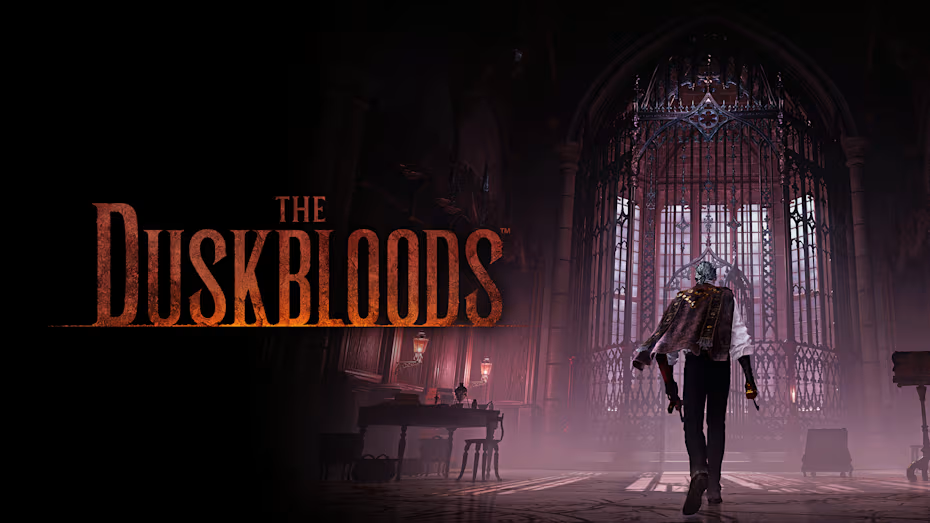
The Duskbloods finally stepped back into the spotlight during Nintendo’s latest Direct, giving Switch 2 owners a fresh reason to keep an eye on FromSoftware’s mysterious upcoming exclusive.
While the studio didn’t reveal a release date, it did confirm something many fans have been waiting for. A closed network test is officially happening later this summer, suggesting development is moving steadily toward the game’s planned 2026 launch window.
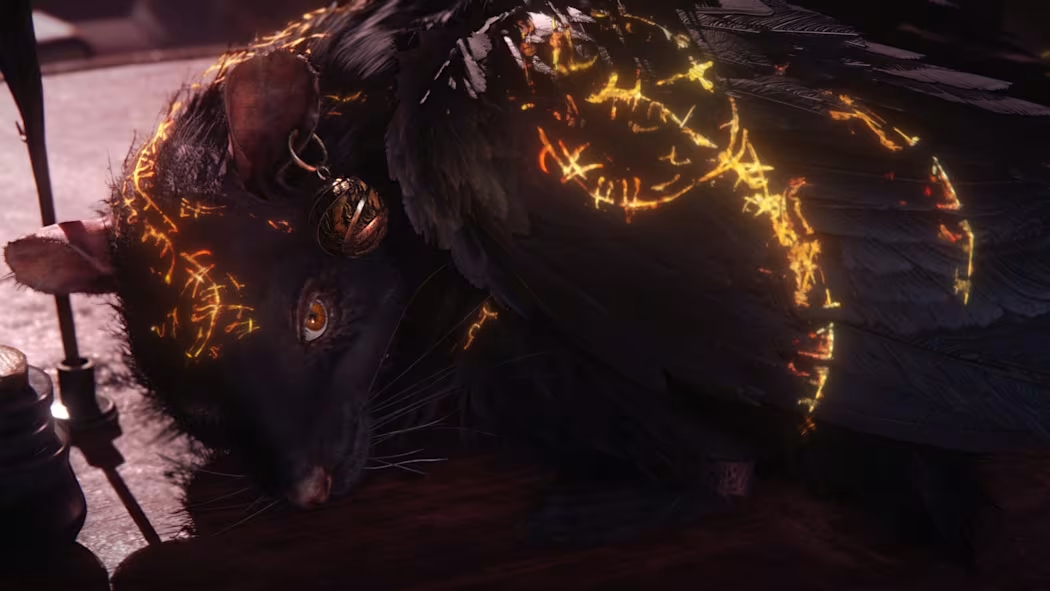
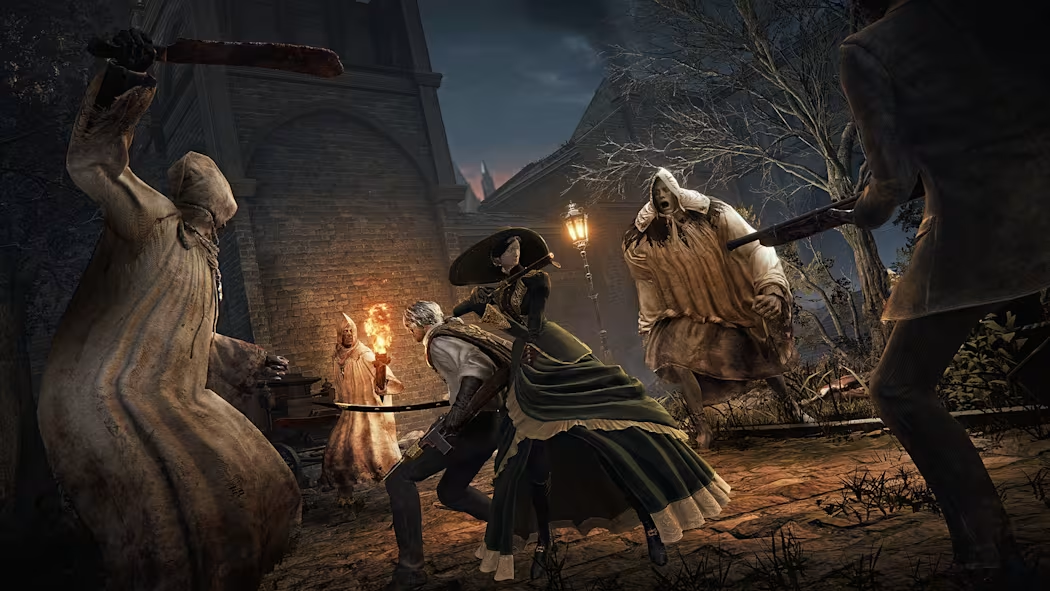
Nintendo accompanied the announcement with a brief new trailer that offered another glimpse at the game’s dark fantasy setting. The footage showcased eerie landscapes, towering structures, and several atmospheric scenes that continue to fuel comparisons to some of FromSoftware’s most beloved worlds.
The trailer wasn’t packed with gameplay details, but it did reinforce the game’s distinctive gothic and medieval-inspired direction.
Summer Closed Network Test could be a good sign for 2026 release
Network tests have become a familiar part of FromSoftware’s release strategy in recent years. The studio used similar tests for titles such as Elden Ring and other multiplayer-focused experiences to gather feedback and stress-test online systems before launch.
That makes this summer’s test particularly noteworthy. While neither company attached a specific date to the event, the announcement suggests The Duskbloods remains on course for its previously announced 2026 release target.
Nintendo also confirmed that registration details will be shared at a later date. In case you are wondering, here’s the official blurb of the game:
The moontears will flow for one and one alone
Become a Bloodsworn of Dusk, a supernatural being imbued with special abilities by the power of blood, and leap into online* battles of up to eight players. The Bloodsworn have been summoned to do battle at the Dusk of Humanity. Form transient alliances and bitter rivalries alike as you take on enemies and compete for the right to First Blood.
As of now, The Duskbloods remains one of the biggest Nintendo Switch 2 exclusives on the horizon. Moreover, players won’t have to wait much longer to see what FromSoftware has been cooking behind the scenes.
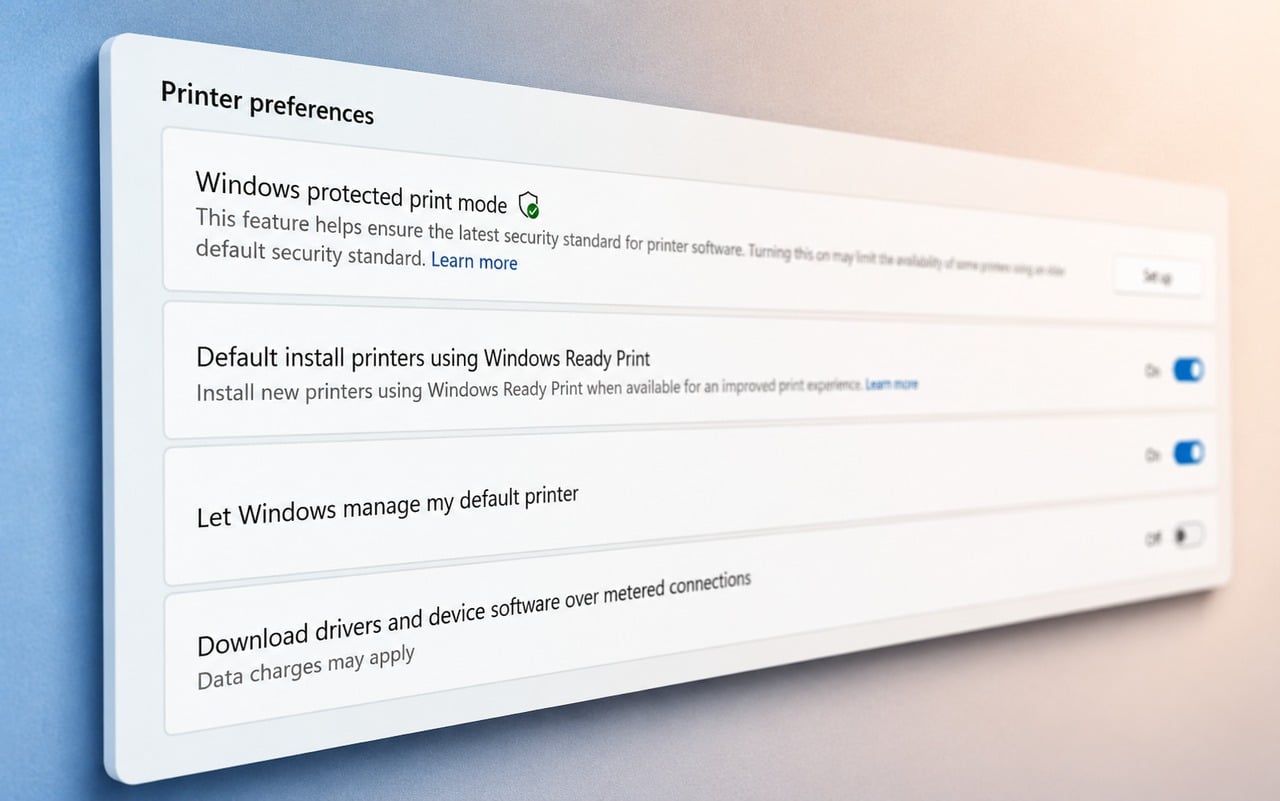
The biggest announcement is the rebranding of the Modern Print Platform to Windows Ready Print. According to Microsoft, the new name better reflects its goal of creating a printing ecosystem that is simpler, more secure, and easier to manage across Windows devices.
Microsoft Is Moving Away From Traditional Printer Drivers
As part of the transition, Microsoft plans to reduce reliance on OEM-specific printer drivers and move toward the Internet Printing Protocol (IPP) and the built-in Windows IPP printer driver.
Starting in July 2026, eligible Windows devices will automatically use Windows Ready Print as the default option for new printer installations. This marks a significant shift from the traditional model, where users often downloaded manufacturer-specific drivers through Windows Update or directly from printer vendors.
Microsoft believes the new approach will streamline printer setup while reducing complexity and potential security risks associated with third-party drivers.
Users Can Still Choose OEM Printer Drivers
Microsoft acknowledged that many organizations and users still depend on manufacturer-specific printing features. Because of this, Windows Ready Print will not completely replace traditional printer installations overnight.
Users will be able to choose between Windows Ready Print and the OEM printer installation process through the Printer preferences section in the Settings app.
The option only affects newly installed printers and does not change the behavior of existing printer configurations.
IT Admins Get Group Policy Controls
Enterprise administrators will also have control over how Windows Ready Print behaves within managed environments.
To configure the feature, admins can open the Group Policy Editor and navigate to:
Local Computer Policy > Administrative Templates > Printers
From there, the Configure Windows Ready Print driver ranking policy determines how Windows selects printer drivers.
Enabled: Allows Windows Ready Print driver selection.
Disabled: Prevents Windows Ready Print driver selection and favors traditional printer installation methods.
These controls should help organizations gradually transition to the new printing platform without disrupting existing workflows.
Windows Protected Print Mode Will Use Ready Print
Microsoft also confirmed that Windows Protected Print Mode will default to Windows Ready Print exclusively.
The company hopes this approach will strengthen security while eliminating many of the compatibility and maintenance challenges associated with legacy printer drivers.
Although Microsoft has outlined the transition plan, the company has not yet detailed all of the practical benefits users can expect from Windows Ready Print. More information about performance improvements, security enhancements, and compatibility support is expected in the coming months.
Meta signs deal with Reliance to set up its first major AI data center in India
The new facility will be located in Jamnagar, Gujarat, where Reliance is building what it describes as one of the world’s largest data center campuses. As part of the agreement, Meta will lease 168MW of capacity during the first phase, with room to scale further as demand grows.
The announcement comes as Meta continues investing heavily in the infrastructure needed to support its growing AI ambitions. From advanced AI models to future consumer products, the company has been racing to secure more computing capacity around the world.
Meta says the Jamnagar facility will be powered by renewable energy and cooled using desalinated seawater. The company will also cover the full cost of the energy and water required to operate the site.
“We’re proud to be working with Reliance to build our first AI-enabled data center in India,” said Meta CEO Mark Zuckerberg. “This world-class facility in Jamnagar will help us scale our AI infrastructure globally while deepening our long-term investment in India’s economy.”
The project also builds on an existing relationship between the two companies. Back in 2020, Meta invested $5.7 billion into Jio Platforms, helping expand digital connectivity and online commerce across India.
Clean energy plays a major role
Alongside the data center announcement, Meta revealed new renewable energy agreements totaling nearly 1GW across India. The company has signed deals with CleanMax for 837MW of new solar and wind projects across Rajasthan and Karnataka. Another agreement with Fourth Partner Energy adds 88MW of renewable capacity spanning Tamil Nadu, Karnataka, Maharashtra, and Uttar Pradesh.
Reliance Chairman Mukesh Ambani called the partnership “a transformative moment for India’s digital infrastructure” and said the project highlights India’s growing role in the global AI race.
XBOX to make radical changes to business models to keep Project Helix price in check amid memory crisis
Speaking during a Fortune event, Sharma pointed directly at rising memory and storage costs as one of the biggest challenges facing console makers today (via VGC).
“Look, on hardware, we are in a crisis right now. The entire industry is,” Sharma said. “There’s a shortage of memory and storage, and the costs are exponential. They are usually at this point in the generation about 50% of the cost, and we’re seeing they’re up 2.75x, they’re up 50% since they started, they’re going to be up effectively 7.5x.”
Rather than relying solely on hardware pricing, Sharma suggested Microsoft is exploring broader solutions.
“Pricing is a lever, of course, but we must think about other options as well. We must think about other ways to think about the cost construction of the console. We must think about how we create different plans so more people can participate in the console.”
She added, “We must think about partnerships that will allow us to have better distribution and reach, and we must think about the experiences that we’re creating outside of that as well to reach new audiences.”
“I think that we will continue to look at new business models. I think [that is] what is needed for console rather than just the most premium, high-performance console in the world,” she said.
“I think we’ve reached a point where it will be hard to imagine that mass audiences can afford thousands of dollars to spend on a console generation, and so I think we will start to see radically different business models that we never expected start to come into orbit later this year.”
One area XBOX may target is storage flexibility
Speaking of Helix itself, Sharma reiterated that the system is still being built around high-end capabilities and support for PC games.
“But there’s material work to do to make sure that it is available to the people that want to play. And so we’re working on that,” she said.
“For us, I think that we have to think very differently about storage and memory going forward,” Sharma explained. “We will have to apply new techniques so that we can compress that. We will have to empower customers to have very flexible storage offerings. We will have to empower new types of games so they can fit on device.”
“And so there’s gonna be a lot of innovation. This will take years, not days, not weeks, but we’ll go through it together with the community,” she further added.
OpenAI has confidentially filed for a U.S. initial public offering, putting the ChatGPT maker on a possible path to one of the largest tech listings in history.
The move comes shortly after rival Anthropic also filed confidentially for a U.S. IPO, setting up a major test of investor demand for artificial intelligence companies.
OpenAI IPO could target $1 trillion valuation
Reuters previously reported that OpenAI could seek a valuation of up to $1 trillion in its stock market debut. The IPO could reportedly happen as early as September, although OpenAI has suggested that a listing may still be some time away.
The company said some work remains easier to complete while it stays private, which suggests OpenAI wants flexibility before entering public markets.
If OpenAI reaches a $1 trillion valuation, it would become one of the most valuable companies ever to go public. It would also mark a major moment for the AI industry, which has become one of the biggest investment themes of the decade.
Anthropic is also moving toward a public listing
OpenAI’s filing follows Anthropic’s confidential U.S. IPO filing on June 1. Anthropic recently raised $65 billion in funding at a $965 billion valuation, putting it close to the trillion-dollar mark as well. The two filings show how quickly leading AI companies are moving from private funding rounds toward public markets.
Cerity Partners’ Michael Ashley Schulman said OpenAI appears to be keeping its options open after Anthropic moved ahead with its own filing.
ChatGPT growth could drive investor interest
OpenAI has reported rapid growth across revenue and users. Earlier this year, the company said it was raising $110 billion at an $840 billion valuation. It also disclosed that ChatGPT had more than 900 million weekly active users and more than 50 million consumer subscribers.
In March, OpenAI said it was generating $2 billion in monthly revenue. At the end of 2024, the company was generating about $1 billion in quarterly revenue.
OpenAI has also claimed that it is growing roughly four times faster than major internet and mobile-era companies such as Alphabet and Meta.
Microsoft deal gives OpenAI more flexibility
The IPO filing follows OpenAI’s renegotiated partnership with Microsoft. The revised deal gave OpenAI more room to form partnerships with other major cloud and technology companies, including Amazon and Google. As previously reported, the updated deal ended Microsoft exclusivity and expanded OpenAI beyond Azure. That could help the company expand infrastructure capacity as demand for AI tools continues to rise.
However, OpenAI still faces major financial questions. The company reportedly told investors in its latest funding round that it does not expect to become profitable until 2030.
Legal pressure from Elon Musk has eased
OpenAI’s IPO plans also follow a legal victory in its dispute with Elon Musk.
Musk sued OpenAI and accused the company of abandoning its original nonprofit mission. In May, a U.S. jury ruled against Musk and found OpenAI not liable. Analysts said the earlier verdict removed a major legal hurdle before a possible IPO.
For now, OpenAI has taken the first formal step toward Wall Street, but the company still has not committed to a final timeline. If the IPO moves forward this year, it could become a defining moment for both the AI sector and the broader tech market.
Yesterday, Microsoft released June 2026 Patch Tuesday updates for Windows 11 and Windows 10. While the company has confirmed that Windows 11 patch doesn’t trigger issue, it has warned the Window 10 ESU update KB5094127 may cause certain Windows devices to boot directly into a BitLocker recovery screen after installing a recent update.
In the changelog for the update, Microsoft confirms that the issue forces users to enter their recovery key before accessing Windows. The company says the issue is limited, but for affected organizations, it could create a frustrating support rush if administrators aren’t prepared. The good news? Most home users are unlikely to encounter the problem.
According to Microsoft, the issue only affects devices that meet a very specific combination of requirements. BitLocker must be enabled on the operating system drive, a particular Group Policy related to TPM validation must be configured to include PCR7, Secure Boot PCR7 binding must show as “Not Possible” in System Information, and the device must be eligible for Microsoft’s newer Windows UEFI CA 2023 boot certificate transition.
When those conditions line up, installing the update can cause Windows to request the BitLocker recovery key on the first reboot. That being said, Microsoft notes that the recovery prompt should only appear once. After the key is entered and the system boots successfully, future restarts should proceed normally unless the underlying policy configuration changes.
Microsoft shares temporary workaround for the issue
Microsoft recommends removing the Group Policy configuration before installing the update:
Open Group Policy Editor (gpedit.msc) or your Group Policy Management Console.
Navigate to: Computer Configuration > Administrative Templates > Windows Components > BitLocker Drive Encryption > Operating System Drives.
Set “Configure TPM platform validation profile for native UEFI firmware configurations” to “Not Configured“.
Run the following command on affected devices to propagate the policy change: gpupdate /force
Run the following command to suspend BitLocker (where BitLocker is enabled on the C: drive): manage-bde -protectors -disable C:
Run the following command to resume BitLocker (where BitLocker is enabled on the C: drive): manage-bde -protectors -enable C:
This updates the BitLocker bindings to use the Windows-selected default PCR profile.
Anthropic has announced the launch of Claude Fable 5, describing it as the most powerful artificial intelligence model the company has made widely available to users. The release marks a significant milestone for Anthropic, as Fable 5 becomes the first broadly accessible model from the company’s highly capable Mythos family of AI systems.
According to Anthropic, Claude Fable 5 delivers strong performance across a range of demanding tasks, including software engineering, knowledge work, and vision-related applications. The company said the model’s advantages become increasingly apparent as tasks grow longer, more complex, and require sustained reasoning.
First Broad Release From the Mythos Family
The launch is notable because Fable 5 is derived from Anthropic’s Mythos class of models, which the company had previously described as too capable in certain areas, particularly cybersecurity, to be released publicly without additional safeguards.
To address those concerns, Anthropic developed new safety mechanisms designed to restrict responses in specific high-risk domains. The company said these systems made it possible to release Fable 5 to a broader audience while maintaining tighter controls over sensitive capabilities.
When the model encounters requests that fall within restricted categories, Fable 5 automatically blocks the response and transfers the interaction to Claude Opus 4.8. Anthropic identified cybersecurity and biology as two areas where these safeguards may be activated.
Despite the restrictions, the company reported that the vast majority of interactions proceed without interruption. During testing, Anthropic said 95% of Fable 5 sessions were completed entirely using the model itself, without requiring a fallback to Opus 4.8.
Anthropic Introduces Claude Mythos 5
Alongside Fable 5, Anthropic is also releasing Claude Mythos 5. However, the company provided relatively few details about the new model.
Anthropic said Mythos 5 is built on the same underlying technology as Fable 5 but operates with some safeguards removed or relaxed in certain areas. As a result, access to Mythos 5 will remain limited initially.
The model is currently available only to organizations that already have access to Claude Mythos Preview, a program managed through Anthropic’s private Project Glasswing initiative. Existing Mythos Preview users will be able to upgrade directly to Mythos 5.
Anthropic said it intends to broaden availability over time through a more structured trusted-access program, though the company did not provide a timeline for wider deployment.
Premium Pricing for Advanced Models
The new models come with significantly higher pricing than Anthropic’s existing Claude Opus 4.8 offering.
Both Claude Fable 5 and Claude Mythos 5 are priced at:
$10 per million input tokens
$50 per million output tokens
Anthropic noted that these rates are double the cost of Claude Opus 4.8 but remain half the price of the earlier Mythos Preview offering.
Continued Focus on AI Safety
The release of Fable 5 and Mythos 5 reflects Anthropic’s ongoing effort to balance rapid advances in AI capabilities with safety considerations. The company has repeatedly emphasized the potential risks associated with increasingly powerful AI systems and has argued that stronger safeguards may be necessary as technology continues to evolve.
Anthropic has also stated that future AI development could eventually require a global pause if capabilities advance faster than society’s ability to manage associated risks.
For now, the company is moving forward with broader access to its most advanced models while maintaining restrictions around the capabilities it considers most sensitive.
Microsoft has released its June 2026 Patch Tuesday updates, fixing 200 security vulnerabilities across Windows and other products, according to BleepingComputer. The release includes three publicly disclosed zero-day vulnerabilities, although Microsoft says none of them have been actively exploited in attacks.
The June update is one of the largest Patch Tuesday releases in recent months and addresses 33 Critical vulnerabilities. According to Microsoft’s breakdown, 28 of the Critical flaws are remote code execution vulnerabilities, four are elevation of privilege bugs, and one is an information disclosure issue.
Windows Collaborative Translation Framework Zero-Day
One of the publicly disclosed zero-days is CVE-2026-45586, an elevation of privilege vulnerability in the Windows Collaborative Translation Framework.
Microsoft says the flaw stems from improper link resolution before file access. A local authenticated attacker could exploit the issue to elevate privileges and obtain SYSTEM-level access on a vulnerable machine.
The company credited an anonymous researcher with reporting the vulnerability.
Security researchers believe CVE-2026-45586 may be the patch for the “GreenPlasma” zero-day that security researcher Nightmare Eclipse previously disclosed publicly.
BitLocker Security Feature Bypass Vulnerability
Microsoft also patched CVE-2026-50507, a Windows BitLocker security feature bypass vulnerability.
Details about exploitation remain limited, but Microsoft credited an anonymous researcher for reporting the flaw. Security researchers speculate this vulnerability may correspond to the previously disclosed “YellowKey” bug, which Nightmare Eclipse claimed could bypass certain BitLocker protections.
The patch arrives shortly after Nightmare Eclipse published the proof-of-concept code for the RoguePlanet Microsoft Defender exploit, which recently attracted attention from security researchers and defenders.
HTTP/2 Bomb Denial of Service Vulnerability
The third publicly disclosed zero-day is CVE-2026-49160, an HTTP.sys denial of service vulnerability known as “HTTP/2 Bomb.”
According to Microsoft, the flaw results from uncontrolled resource consumption in HTTP/2 processing. An unauthenticated remote attacker could exploit the issue to cause denial of service conditions on affected systems.
The vulnerability was disclosed by researchers Quang Luong and Codex from offensive security firm Calif.
To help mitigate similar attacks, Microsoft introduced a new registry setting called MaxHeadersCount. The setting allows administrators to limit the number of headers accepted in HTTP/2 and HTTP/3 requests, reducing exposure to excessive resource consumption attacks.
Additional Windows Updates
Alongside the security fixes, Microsoft also released several non-security cumulative updates.
Windows 11 users received KB5094126 and KB5093998, while Windows 10 systems enrolled in the Extended Security Updates program received KB5094127.
Organizations are encouraged to test and deploy the June updates as soon as possible, particularly given the number of critical remote code execution vulnerabilities addressed in this month’s release.
A security researcher known as Nightmare Eclipse has released a new Microsoft Defender zero-day exploit called “RoguePlanet” shortly after Microsoft reportedly decided not to pursue legal action against him. The researcher claims the vulnerability affects fully patched Windows 10 and Windows 11 systems, according to Bleeping Computer.
According to Nightmare Eclipse, RoguePlanet exploits a race condition in Microsoft Defender that can allow an attacker to launch a Windows command prompt with SYSTEM privileges. The exploit was published on a self-hosted Git repository after the researcher was reportedly banned from GitHub.
The researcher acknowledged that RoguePlanet is inherently unreliable because it depends on a race condition. However, he claimed the exploit achieved a 100% success rate on some test systems.
RoguePlanet Reportedly Works on Fully Updated Systems
Nightmare Eclipse said RoguePlanet was tested against Windows 11 Official and Canary builds, as well as Windows 10 devices running the latest June 2026 security updates.
When the exploit succeeds, it reportedly spawns a command prompt running with SYSTEM-level privileges, giving an attacker extensive control over the affected machine.
Security company ThreatLocker independently tested the exploit and confirmed that it was able to reproduce the issue. According to ThreatLocker, RoguePlanet successfully worked on fully patched Windows 11 systems running update KB5094126.
ThreatLocker CEO Danny Jenkins noted that application allowlisting can help prevent the exploit from executing, providing organizations with an additional layer of protection even if the underlying vulnerability remains unpatched.
Exploit Originally Developed as Remote Code Execution Attack
Nightmare Eclipse revealed that RoguePlanet started as a remote code execution attack targeting the way Microsoft Defender handled files stored on remote SMB shares.
According to the researcher, the original attack required a victim to open a .vhd or .vhdx file hosted on a remote SMB server. Successful exploitation allegedly caused Microsoft Defender to overwrite its own files, resulting in remote code execution.
The researcher also described another potential attack path involving SMB shares with symlink evaluation settings enabled. Under those conditions, opening a malicious share could reportedly trigger remote code execution.
Microsoft Previously Hardened Defender
Nightmare Eclipse claimed Microsoft quietly introduced security hardening measures in mid-May by patching the mpengine!SysIO* API. The change reportedly blocked earlier junction-based attack techniques that the researcher had relied on.
Following those changes, the researcher said RoguePlanet had to be rewritten in order to remain functional against current versions of Microsoft Defender.
At this stage, it remains unclear whether RoguePlanet is limited to local privilege escalation or whether attackers can still adapt the technique into a practical remote code execution attack.
Microsoft has not publicly commented on the latest claims at the time of writing. If confirmed, the vulnerability could raise new questions about Microsoft Defender’s ability to resist advanced privilege escalation attacks on fully updated Windows systems.
Now, a new GitHub-related security incident has emerged, with Microsoft restoring 73 repositories after temporarily removing them over concerns that they may have contained potentially malicious content. The disruption affected developers and CI/CD pipelines while raising fresh concerns about software supply chain security.
The repositories were removed on June 5 across several Microsoft-owned GitHub organizations, including Azure, Microsoft, Azure-Samples, and MicrosoftDocs. According to reports, the incident was detected and contained within just 105 seconds.
Initially, the repositories were taken offline because of concerns that they could be distributing malicious content. Security researchers later linked the removals to the ongoing Miasma, also known as Shai-Hulud, supply chain attack campaign.
Azure Functions Deployments Were Impacted
The biggest disruption came from the temporary removal of the Azure/functions-action repository. This GitHub Action is widely used by developers to deploy Azure Functions directly from GitHub workflows.
As soon as the repository became unavailable, workflows that depended on the action started failing because GitHub could no longer resolve the required deployment component.
Developers quickly reported broken pipelines and deployment issues, creating confusion across the Azure development community.
Microsoft later restored all affected repositories and confirmed that they are now considered clean and safe to use.
Questions Raised About Previous Repository Compromise
Security researchers from OpenSourceMalware pointed to Microsoft’s durabletask repository, which had reportedly been compromised in May. The researchers suggested the June incident could indicate an incomplete cleanup from that earlier breach, although Microsoft has not confirmed this theory.
In a community discussion, a Microsoft representative stated that the repositories were disabled because of an “internal management issue” and said that the company was continuing its investigation.
Microsoft also confirmed that it had notified a small number of customers who may have downloaded content from the affected repositories. The company said it would continue monitoring the situation and contact customers through support channels if any additional action becomes necessary.
Miasma Campaign Continues to Expand
Researchers believe the incident may be connected to the broader Miasma or Shai-Hulud supply chain campaign that has targeted multiple software ecosystems in recent months.
Security engineer Adnan Khan said the June 5 GitHub incident appeared to align with the same campaign that previously infected 32 npm packages associated with Red Hat.
Cloudsmith researchers reached a similar conclusion, suggesting that Microsoft’s Azure GitHub environment and the durabletask repository may have been compromised through the Miasma attack chain.
According to investigators, the attackers targeted popular AI-assisted development tools, including Claude Code, Gemini CLI, Visual Studio Code, and Cursor. Researchers believe the threat actors expanded their operation from compromised Red Hat npm packages into Microsoft-owned GitHub resources.
The original attack reportedly began after a Red Hat employee’s GitHub account was compromised, giving attackers access to the @redhat-cloud-services npm namespace.
Malicious PyPI Packages Also Discovered
OpenSourceMalware also reported that the durabletask package on PyPI was compromised through three malicious releases:
durabletask 1.4.1
durabletask 1.4.2
durabletask 1.4.3
The malicious versions were reportedly published in May and formed part of the broader supply chain activity being investigated by security researchers.
While Microsoft says the affected GitHub repositories have been restored and verified as safe, the incident highlights how quickly software supply chain attacks can spread across development platforms and impact thousands of projects.
Microsoft AI CEO Mustafa Suleyman has clarified his recent comments about artificial intelligence potentially replacing office workers within the next 12 to 18 months.
Speaking on The Verge’s Decoder podcast, Suleyman explained that his earlier remarks were focused on individual tasks rather than entire jobs. According to him, AI is better understood as a tool that helps workers complete routine digital tasks instead of a direct replacement for human employees.
The clarification comes after Suleyman previously warned that AI could significantly impact many white-collar professions over the next year and a half. His comments sparked debate about the future of office work and the role of AI in the workplace.
Microsoft Sees AI as a Productivity Tool
During the podcast, Suleyman said that many smaller office tasks are already becoming digitized and automated as businesses continue shifting more work into digital environments.
He emphasized the distinction between tasks and jobs, arguing that while AI can handle specific responsibilities, that does not automatically eliminate the need for human workers. Instead, AI is expected to take over repetitive and administrative work, allowing employees to focus on higher-value activities.
Microsoft has already started moving in that direction with new AI-powered tools across its ecosystem. The company recently introduced Microsoft Scout, bringing additional automation capabilities to Microsoft 365 and expanding the role of AI in everyday workplace workflows.
AI Could Make Software Creation More Accessible
In a separate interview earlier this year, Suleyman discussed Microsoft’s long-term AI ambitions and the company’s efforts to become more self-sufficient in AI infrastructure. Microsoft is investing heavily in AI development and training advanced models as competition intensifies across the industry.
One of Suleyman’s more ambitious predictions is that creating custom AI models could eventually become as simple as producing a podcast or writing a blog post. If that vision becomes reality, businesses and individuals could build specialized AI systems without needing deep technical expertise.
Microsoft Leadership Continues to Push AI Vision
Suleyman’s comments come as Microsoft executives increasingly discuss how AI will reshape the workplace.
Recently, Microsoft CEO Satya Nadella argued that AI agents should be treated more like employees as they become integrated into business operations. Nadella said organizations will need policies, identities, and management frameworks for AI agents, similar to how companies manage human workers.
The broader AI industry is also debating the pace of development. While Microsoft continues to invest heavily in AI capabilities, other companies have raised concerns about the risks associated with increasingly powerful systems.
Anthropic recently suggested that future AI development could eventually require some form of global coordination or temporary pause if safety concerns become significant enough.
For now, Microsoft’s position appears focused on using AI to automate specific workplace tasks while keeping humans at the center of most professional roles. Whether that balance remains unchanged as AI capabilities improve over the coming years remains one of the biggest questions facing the technology industry.
Here’s the official changelog of the June 2026 Patch Tuesday update for Windows 10:
[File Explorer] This update improves File Explorer search, including support for Chinese text, and UTF 8–encoded files without a byte order mark (BOM). Text now displays more clearly and consistently across search results, Content view, and tooltips.
[Secure Boot]
This update enables dynamic status reporting for Secure Boot states in Windows Security App.
This update adds a new policy setting, LimitSecureBootRequiredServiceData, under Computer Configuration > Administrative Templates > Windows Components > Secure Boot. When this setting is enabled, Windows limits the Secure Boot service data it sends by suppressing the event normally sent to Microsoft. This policy is also included in the Windows Restricted Traffic Limited Functionality Baseline package.
With this update, Windows quality updates include additional high confidence device targeting data, increasing coverage of devices eligible to automatically receive new Secure Boot certificates. Devices receive the new certificates only after demonstrating sufficient successful update signals, maintaining a controlled and phased rollout.
Microsoft has confirmed a known issue in KB5094127. The company notes, “some devices with an unrecommended BitLocker Group Policy configuration might be required to enter their BitLocker recovery key on the first restart after installing this update. This issue only affects a limited number of systems in which ALL the following conditions are true. These conditions are unlikely to be found on personal devices not managed by IT departments.”
It’s second Tuesday of the month, which means it’s day for Patch Tuesday updates. Microsoft has officially released June 2026 Patch Tuesday update KB5094126 for Windows 11 24H2 and 25H2, which bumps your system to Build 26100.8655 and 26200.8655, respectively.
In case you are on Windows 11 version 23H2, KB5093998 patch is available for you to download now. It bumps your system to Build 22631.7219.
Here’s the changelog for the June 2026 Patch Tuesday update:
[Secure Boot] With this update, Windows quality updates include additional high confidence device targeting data, increasing coverage of devices eligible to automatically receive new Secure Boot certificates. Devices receive the new certificates only after demonstrating sufficient successful update signals, maintaining a controlled and phased rollout.
[Virtualization] Fixed: This update addresses an issue that could result in Stop errors HYPERVISOR_ERROR (0x20001) and KMODE_EXCEPTION_NOT_HANDLED (0x1E) after installing KB5089573 on some devices during system restarts, virtual machine operations, or while running some gaming applications
After years of rumors, insider reports, and endless wish from fans around the world, Nintendo has officially announced a full remake of The Legend of Zelda: Ocarina of Time for Nintendo Switch 2. The announcement was made during today’s Nintendo Direct, and it instantly became one of the showcase’s biggest highlights.
Originally released in 1998 for the Nintendo 64, Ocarina of Time helped define 3D action-adventure games and remains one of the highest-rated games of all time.
Nintendo’s new version appears to go far beyond a simple resolution upgrade. Early footage showcased a completely rebuilt visual presentation, hinting a proper remake rather than another remaster or re-release. While Nintendo stopped short of sharing a deep gameplay breakdown, the company confirmed the project is headed to Switch 2 in 2026.
Nintendo hasn’t announced a specific release date yet, nor has it revealed pricing details. Here is the announcement trailer in case you missed:
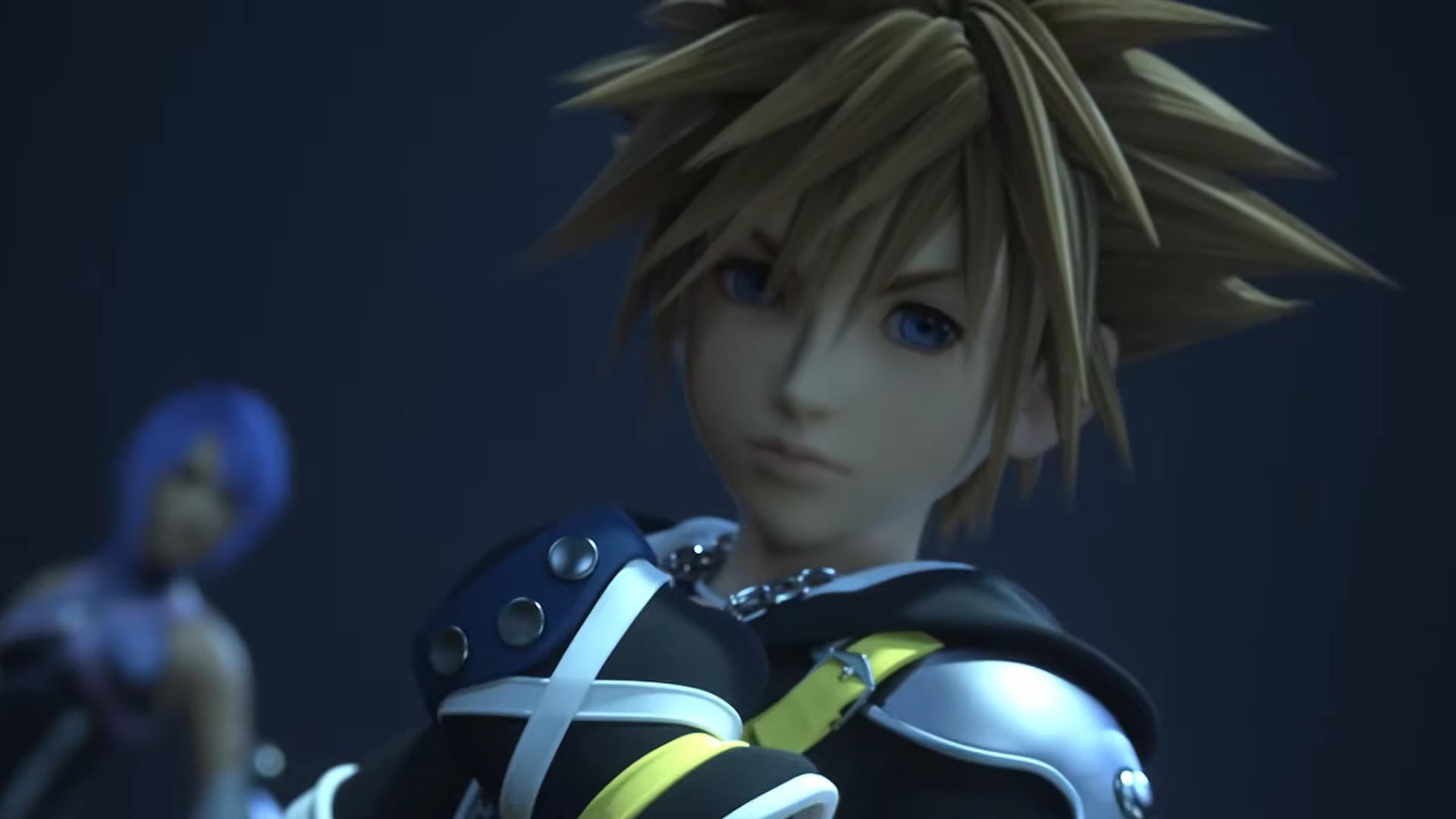
Square Enix has officially confirmed that Kingdom Hearts 4 will launch on Nintendo Switch 2, with the news revealed during today’s Nintendo Direct alongside a new trailer for the long-awaited sequel. The trailer offered the first updated look at the game in some time, showing a mix of in-engine cinematics and brief gameplay segments featuring Sora, Donald, and Goofy.
While the footage did not include a release date, it confirmed that the game is still in development and actively progressing under the “Lost Master Arc” storyline.
Kingdom Hearts 4 was originally announced in 2022 during the franchise’s 20th anniversary celebrations. Since then, Square Enix has shared very few updates, making today’s reveal one of the most significant looks at the project so far.
While no firm release window was provided, Square Enix confirmed that Kingdom Hearts 4 will release across multiple platforms, including PlayStation 5, Xbox Series X|S, PC via Steam and Epic Games Store, and Nintendo Switch 2.
More details on gameplay systems, story progression, and platform-specific performance are expected in future updates.
Square Enix has officially confirmed that the Kingdom Hearts series is heading to Nintendo Switch 2 in full native form with a new collection titled Kingdom Hearts Integrum Masterpiece. The bundle will launch on October 8, 2026, alongside individual releases of the included collections.
The package brings together the entire saga, starting with Kingdom Hearts HD 1.5 + 2.5 Remix, Kingdom Hearts HD 2.8 Final Chapter Prologue, and Kingdom Hearts III + Re Mind, all available on Nintendo’s next-generation console for the first time. Pre-orders are live now, and a free demo for Kingdom Hearts III and its Re Mind expansion is also available starting today.
Kingdom Hearts Integrum Masterpiece is designed as a complete story collection, covering Sora’s journey from the beginning through to the events of Kingdom Hearts III. The compilation includes a wide range of content across multiple entries, remasters, and cinematic retellings.
Kingdom Hearts HD 1.5 + 2.5 Remix includes:
Kingdom Hearts Final Mix
Kingdom Hearts Re of Memories
Kingdom Hearts II Final Mix
Kingdom Hearts Birth by Sleep Final Mix
HD cinematic versions of 358/2 Days and Re
Kingdom Hearts HD 2.8 Final Chapter Prologue includes:
Kingdom Hearts Dream Drop Distance HD
Kingdom Hearts 0.2: Birth by Sleep – A Fragmentary Passage
Kingdom Hearts χ Back Cover (cinematic story content)
The collection is completed with Kingdom Hearts III + Re Mind, which adds post-launch story content and additional boss battles that expand on the original ending of the game.
Square Enix also confirmed that save data from previous Switch cloud versions can be transferred into the new native release, allowing players to continue their progress seamlessly on Switch 2.
With this release, Nintendo players will finally have access to the complete Kingdom Hearts saga in one place, spanning Sora’s battles against the Heartless, his journey across Disney and Pixar-inspired worlds, and the long-running conflict against darkness that defines the series.
The full Kingdom Hearts Integrum Masterpiece launches October 8, 2026 on Nintendo Switch 2.
Capcom has officially announced a major update for Dragon’s Dogma 2 at the Nintendo Direct today. The company has confirmed a new expansion titled Dark Arisen alongside a Nintendo Switch 2 version of the game. Both are set to release on October 9, 2026.
Dragon’s Dogma 2: Dark Arisen launches October 9, 2026, across all platforms, while the base game is currently available on PlayStation 5, Xbox Series X|S, and PC. The Dark Arisen expansion will bring new content, including a fresh region and additional playable vocations. Capcom has also hinted at more features still to be revealed.
The expansion name carries extra weight for longtime fans of the series. The original Dragon’s Dogma also received a Dark Arisen expansion in 2013, which significantly expanded the game and became widely considered the definitive version. Its reuse here suggests Capcom is positioning this new content as a major, game-changing update rather than a minor DLC add-on.
One of the key additions shown so far is a new snow-covered region called Norgan, along with new classes that expand the game’s vocation system. Dragon’s Dogma has long been known for its flexible combat roles and replayability, and Capcom appears to be building on that foundation with new ways to approach combat and exploration.
Alongside the expansion, Dragon’s Dogma 2 is also heading to Nintendo Switch 2 for the first time. This marks the game’s debut on Nintendo hardware and brings the full open-world RPG experience to a portable platform. Performance will be closely watched, as the original release faced optimization challenges even on high-end systems.
The reveal was one of the biggest surprises from the presentation, with Nintendo and Monolith Soft also confirming that previous Xenoblade titles will be receiving additional content and improvements alongside the new game’s announcement. Details remain limited for now, but the reveal positions Xenoblade Genesis as the franchise’s next major RPG adventure.
The announcement comes as Nintendo continues to build out the Nintendo Switch 2 lineup. Xenoblade has become one of Nintendo’s most important RPG franchises over the past decade, and Genesis looks set to continue that legacy.
More information about the game’s story, gameplay systems, and release window is expected in the coming months.
RuneScape: Dragonwilds is releasing on Nintendo Switch 2 on September 15, 2026, alongside PS5 and Xbox Series X|S with cross play. Set in the RuneScape universe, Dragonwilds is a survival RPG that takes players to the continent of Ashenfall, where they battle dragons, level up skills, complete quests, and uncover the region’s mysteries.
The game features 13 skills that can be leveled to 99, along with magic-based abilities that help with exploration, combat, and resource gathering.
Since entering Early Access in April 2025, Dragonwilds has received several major updates. December’s Fellhollow update introduced a new realm tied to Death, a dragon boss named Imaru, magical farming, and Terrorbird mounts. This was followed by March’s Dowdun Reach update, which added a new fortress region, Fishing, skill cap increases to level 99, Runecrafting improvements, and dedicated server support.
The next major update, Umbral Sands, will launch later this month. The expansion adds the largest region in the game so far, new equipment tiers, Infinity Robes, Red Dragonhide gear, the Fight Caves, and the Nightmare Crucible challenge.
Additional updates are also planned throughout Early Access. Jagex will introduce the Agility skill, new quests, more building and decoration options, and various quality-of-life improvements based on community feedback. The journey will ultimately lead to the Scorned Wilderness raid, where players will face Kuldra, the Dragon Queen.
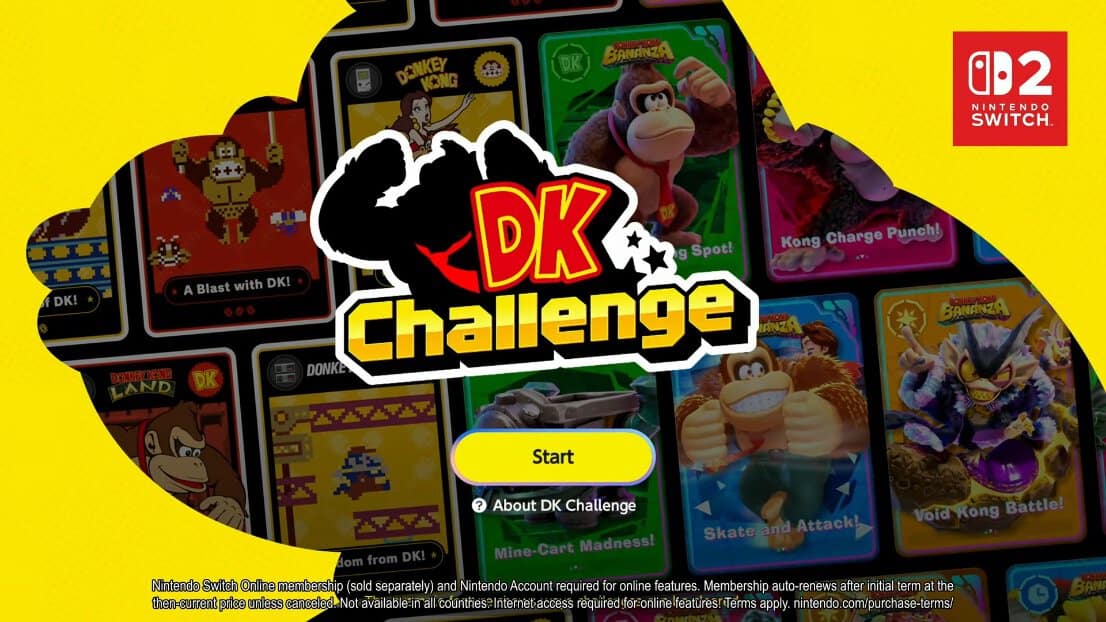
At the June 2026 Direct, Nintendo has officially unveiled a new Challenges feature for Nintendo Switch Online’s classic game library, which gives players a new reason to revisit retro favorites. While the feature shares some similarities with traditional achievements, Nintendo is putting its own spin on the concept.
Players will be able to complete specific in-game objectives and missions across select classic titles. Successfully finishing these challenges rewards collectible cards that can be added to a growing collection. The system appears to be inspired by the challenge-based gameplay seen in Nintendo’s NES Remix series rather than a standard achievement tracker.
The feature launches with a special DK Challenge, celebrating the history of Donkey Kong. Participating games include Donkey Kong Bananza, Donkey Kong Country, Donkey Kong Country 2, Donkey Kong, Donkey Kong Jr., Donkey Kong 3, Donkey Kong Jr. Math, Donkey Kong (Game Boy), Donkey Kong Land, Donkey Kong Land 2, and Donkey Kong Land 3.
The announcement follows recent reports and datamining discoveries that suggested Nintendo was preparing a challenge system for its retro game apps. Those leaks pointed to special objectives designed for specific games rather than a console-wide achievement system.
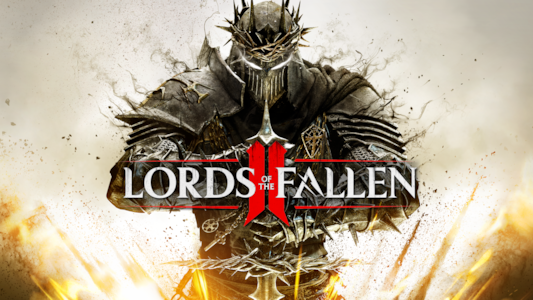
Lords of the Fallen 2 is coming to Nintendo Switch 2 this fall. For those unaware, the title stormed into Summer Game Fest 2026 with a fresh gameplay trailer and offered a closer look at several of the sequel’s biggest upgrades while also confirming something fans have been waiting to hear. By now, you must know that Lords of the Fallen 2 launches simultaneously across PC, PS5, and Xbox Series X|S in Fall 2026.
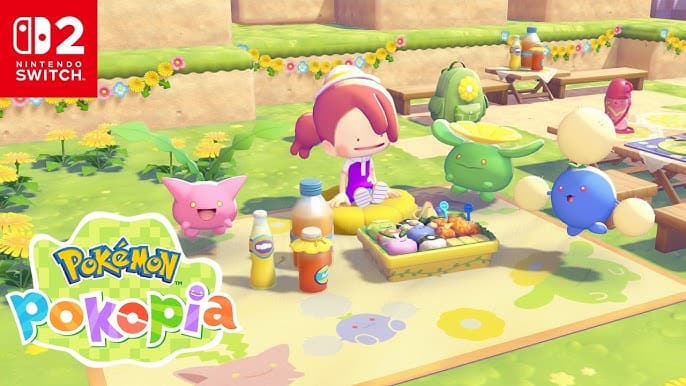
At the ongoing Nintendo Direct 2026, Pokemon Pokopia has officially got a brand-new update that will introduce underwater exploration to the game. Players will be able to dive beneath the sea and discover new areas, activities, and adventures when the update launches in August 2026.
Alongside the free update, the developers announced an Expansion Pass DLC. The first DLC pack is scheduled to release later this year, while Parts 2 and 3 will arrive in future updates. More details about the upcoming content are expected to be shared closer to launch.
The new additions aim to expand the Pokemon Pokopia experience with fresh locations, gameplay features, and post-launch content for players to enjoy.
Microsoft appears to be redefining its approach to Xbox exclusives, with Xbox Chief Strategy Officer Matthew Ball confirming that the company now has a clearer framework for deciding which games remain exclusive and which launch on competing platforms.
Speaking in a recent interview with The Game Business, Ball discussed Xbox’s long-term plans and addressed growing questions about the future of first-party exclusives. According to Ball, Microsoft will evaluate exclusivity on a case-by-case basis, using an internal strategy designed to determine which titles best serve the Xbox ecosystem.
Xbox Building a New Exclusivity Program
Ball pointed to the recent announcements of Gears of War: E-Day and Clockwork Revolution as Xbox console exclusives, saying the decision was intentional.
According to him, Microsoft wanted to send a clear message that exclusives are once again an important part of Xbox’s strategy and not simply isolated exceptions.
Ball described the announcements as the beginning of a broader exclusivity program for the platform. He said Xbox players should expect a reliable pipeline of exclusive games moving forward, suggesting that Microsoft intends to use exclusives as a key tool for strengthening its console business.
Why Xbox Still Believes in Exclusives
During the interview, Ball argued that exclusives remain important for platform growth and brand identity. He also said they help validate the investments players have already made in the Xbox ecosystem.
While acknowledging that some exclusive games may sell fewer copies than they would if released across multiple platforms, Ball characterized that outcome as a short-term sacrifice.
According to him, the long-term goal is to strengthen Xbox as a platform and create stronger reasons for players to remain within the ecosystem.
Previously Announced Multiplatform Games Unaffected
Despite the renewed focus on exclusives, Ball indicated that games already announced for multiple platforms are expected to remain multiplatform releases.
That means titles previously confirmed for PlayStation 5 are unlikely to become Xbox-only projects. Instead, Microsoft appears focused on making future exclusivity decisions individually rather than applying a single rule across its entire portfolio.
The comments suggest Xbox now has a more defined strategy than it has communicated publicly in recent years, following a period in which several first-party titles expanded beyond Microsoft’s own platforms.
The company recently acknowledged that it lost millions of Game Pass subscribers following a price increase, highlighting the risks associated with changes to its subscription service. Microsoft has also commented on challenges surrounding Project Helix, its next-generation Xbox hardware plans, as rising component and manufacturing costs continue to impact the gaming industry.
These issues add further pressure on Xbox to deliver compelling content that can attract and retain players.
Ball’s comments provide one of the clearest indications yet that Microsoft intends to make exclusives a meaningful part of Xbox’s future. However, whether the strategy succeeds will ultimately depend on execution.
For years, Xbox fans have heard promises about stronger first-party support and exclusive content. Delivering a consistent stream of high-quality exclusives will be the real test of Microsoft’s new approach.
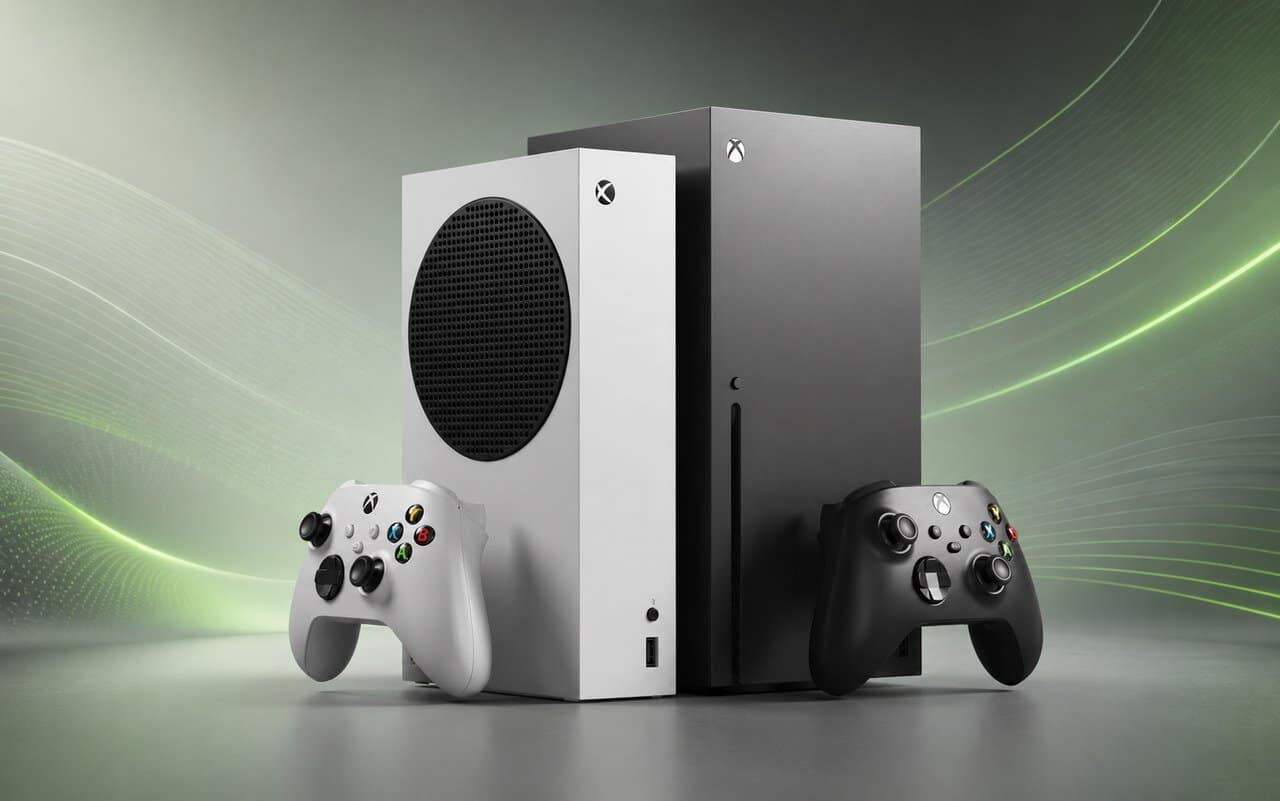
Microsoft is reevaluating aspects of its next-generation Xbox strategy as rising hardware costs continue to impact the gaming industry.
During Summer Game Fest 2026, Xbox Chief Strategy Officer Matthew Ball discussed the challenges facing the company and shared new details about the future of Xbox hardware, according to Wccftech.
One of the biggest concerns highlighted by Ball is the ongoing component crisis, which has significantly increased the cost of key parts such as RAM and storage. He explained that these market conditions are forcing Microsoft to rethink elements of its console strategy as it prepares for the next generation of Xbox hardware.
According to Ball, the effects of the component shortage and rising prices could continue to influence the gaming hardware market for another two to two and a half years.
Project Helix Remains in Development
Despite the challenges, Ball confirmed that Microsoft remains committed to launching its next-generation Xbox console, currently known as Project Helix.
The company is reportedly reassessing what the system should look like in light of increasing manufacturing costs. Previous industry predictions suggested that Project Helix could end up costing as much as a gaming PC if hardware prices continue to climb.
However, Ball emphasized that Microsoft’s goal is to keep the next Xbox affordable while maintaining flexibility for consumers.
“We’re not trying to make the console model more exclusionary,” Ball said, adding that Microsoft’s objective is to make the platform more additive rather than limiting access to gaming hardware.
Demand for Xbox Hardware Still Strong
Ball also addressed the current state of Xbox console demand, arguing that consumer interest remains strong despite broader industry concerns.
According to him, Microsoft continues to face supply constraints and is unable to fully meet demand for Xbox hardware.
He stated that the company is producing consoles as quickly as possible, but manufacturing and supply limitations remain a challenge. Ball stressed that the issue is not a lack of customer appetite for Xbox products but Microsoft’s ability to deliver enough units to the market.
Asha Sharma Asked Whether Xbox Was “Fixable”
During the interview, Ball shared an anecdote involving Xbox President Asha Sharma. He revealed that Sharma asked him early in her tenure whether Xbox’s situation was “fixable.”
Ball responded by describing himself as a “strategic optimist” and said he believes there is no situation that cannot be improved.
Microsoft’s hardware strategy comes at a time when the company is dealing with several other issues across its gaming business.
Recent reports indicate that Xbox has lost millions of Game Pass subscribers following a price increase for the subscription service. The company has also confirmed that future Xbox game exclusivity decisions will be evaluated on a case-by-case basis rather than following a blanket policy.
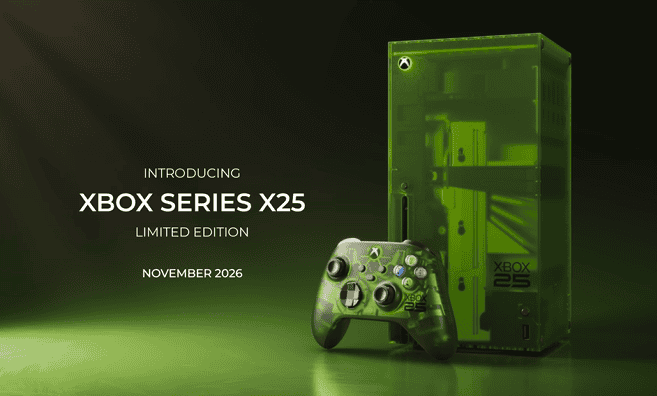
In addition, Microsoft is reportedly preparing anti-scalping measures for the upcoming Xbox Series X25 console in an effort to ensure more units reach genuine customers rather than resellers.
While Project Helix remains under development, Ball’s comments suggest Microsoft is actively adapting its plans to balance affordability, performance, and accessibility amid a challenging hardware market.
Microsoft has acknowledged that File Explorer in Windows 11 is slower than its predecessor and says it is actively working on improvements designed to boost performance across file management tasks.
The company revealed the plans during a recent Windows Insider meetup in the United States, according to a report from Windows Latest. Among the changes currently being tested is a significant speed increase for bulk file deletion, one of the areas where users have reported sluggish performance.
Microsoft Targets Faster Bulk File Deletion
Microsoft says it is internally testing optimizations that could make batch file deletion operations more than 30% faster on Windows 11.
The company described the 30% figure as a baseline improvement, meaning some users could experience even greater performance gains depending on their hardware configuration and workload.
The enhancement is expected to reach Windows Insiders in the coming weeks before eventually rolling out to the broader Windows 11 user base through future updates.
Why File Deletion Can Be Slow
Deleting files may seem like a simple task, but several factors influence how quickly Windows can complete the operation.
Storage hardware remains an important factor. SSDs and HDDs with faster random input/output performance generally handle large numbers of small files more efficiently. However, hardware is only part of the equation.
Windows itself introduces additional overhead during file deletion. When a file is removed, the operating system must update NTFS file system entries, permissions, indexes, thumbnails, metadata, and other related information. These background processes can slow down deletion tasks, particularly when dealing with hundreds or thousands of files.
Broader Improvements Planned for File Operations
The company is not limiting its efforts to file deletion alone.
Microsoft says it is also exploring ways to improve other common file operations, including file transfers and copying. The broader objective is to make Windows 11 feel smoother and more responsive throughout the operating system.
The initiative highlights Microsoft’s growing focus on deeper system-level performance enhancements rather than concentrating solely on user interface refinements.
Additional Windows 11 Changes on the Way
The performance improvements arrive alongside several other Windows 11 updates currently in development.
In addition, Microsoft plans to address WinUI 3 application resizing issues later this summer, a move aimed at improving the overall desktop experience and application responsiveness.
With faster file operations, context menu enhancements, and fixes for WinUI 3-related issues, Microsoft appears to be placing renewed emphasis on improving the everyday usability and performance of Windows 11.
Last month, Microsoft explained what would happen if PCs missed the June 2026 Secure Boot update deadline, and the company has now provided additional guidance for IT administrators preparing for the certificate transition, clarifying that devices will continue functioning even if they have not completed updates before the June 24, 2026 expiration of the original Secure Boot Key Exchange Key (KEK) certificate.
The company addressed the issue during its second live Ask Microsoft Anything (AMA) session focused on Secure Boot certificate expiration, expanding on information it first shared last month. According to details reported by Windows Latest, the session centered on questions from enterprise customers and IT administrators responsible for managing large Windows deployments.
June 2026 Is Not a Hard Deadline
One of the key takeaways from the session was Microsoft’s reassurance that June 24, 2026 is not a hard stop for Secure Boot functionality.
The company emphasized that devices will not suddenly stop booting when the original Microsoft Secure Boot KEK certificate expires. Existing update mechanisms, including registry-based deployment methods, scheduled tasks, and Secure Boot database (DB) updates, will continue to function after the expiration date.
However, Microsoft noted that the expiration will affect its ability to sign new DBX revocation payloads using the older certificate. As a result, devices that do not receive the newer KEK certificate may eventually miss future revocation updates, potentially leaving them less secure over time.
Microsoft also pointed out that the Secure Boot DB certificate remains valid until October 2026, providing additional time to sign and distribute updated boot managers.
More Devices Expected to Receive Automatic Updates
Microsoft said the June Patch Tuesday release should move most mainstream devices into what it calls the “high-confidence” deployment category.
The confidence rating is determined by several factors, including device model, firmware version, and firmware release date. Devices classified as high confidence can receive Secure Boot updates automatically through Intune.
For devices that remain outside the high-confidence category, administrators may need to manually enable deployment using registry settings or Intune policies.
Microsoft advised organizations not to delay deployment while waiting for every device to reach high-confidence status.
Recommended Deployment Steps
The company recommends that administrators:
Use Intune monitoring reports to verify Secure Boot update status.
Test one representative device from each hardware model or firmware variation.
Prioritize active and accessible devices during testing.
Review OEM firmware updates before forcing deployment.
Use live Intune reporting or Microsoft’s GitHub CSV data instead of outdated exported spreadsheets.
Firmware Compatibility Remains Critical
Devices marked as “temporarily paused” generally require firmware updates from their hardware manufacturers before Secure Boot updates can be safely applied.
Microsoft warned administrators against forcing updates on paused devices without first confirming that the necessary firmware fixes are available. Once firmware updates are installed, devices may move into a different deployment bucket and receive a new confidence rating.
The company stressed that firmware compatibility remains one of the most important factors in a successful Secure Boot migration.
Secure Boot Must Be Enabled During Updates
Microsoft also reminded administrators that Secure Boot certificates cannot be updated while Secure Boot is disabled.
Re-enabling Secure Boot after certificate updates have been applied can create compatibility issues if the firmware trust database does not match the installed boot manager.
For example, a device running a boot manager signed with the newer 2023 certificate may fail to boot if its firmware trusts only the older 2011 certificate.
Because of this risk, Microsoft recommends carefully planning update sequencing across managed environments.
Virtual Machines and PXE Boot Require Special Attention
The company provided additional guidance for virtualized environments.
Azure Generation 2 virtual machines configured with Secure Launch or Trusted Launch should already include the newer 2023 certificate configuration. Generation 1 virtual machines do not support Secure Boot and are therefore unaffected by the certificate transition.
PXE boot environments require additional planning. Microsoft advised organizations not to deploy PXE bootloaders signed with the 2023 certificate until all target devices trust the newer certificate.
The company also warned that some newer hardware may ship with only 2023 certificates installed, which could prevent those systems from booting older PXE media signed with the 2011 certificate.
Event Logs Can Help Troubleshoot Issues
For troubleshooting Secure Boot deployment problems, Microsoft recommends using TPM-WMI event logs alongside registry keys.
The company highlighted several important event IDs:
Event ID
Description
1801
Device requires the update, but Microsoft needs additional telemetry data.
1802
Typically indicates a firmware-related issue.
1803
May signal a failure while applying the KEK update.
Microsoft noted that Windows 10, Windows 11, and older Windows Server releases all use the same Secure Boot update mechanism. However, older server environments may require more manual intervention because Microsoft often has less telemetry data available for those systems.
Microsoft Urges Organizations to Begin Testing
Microsoft’s primary recommendation remains unchanged: organizations should thoroughly test Secure Boot certificate updates before deploying them across large fleets of devices.
Administrators are encouraged to validate firmware compatibility, monitor deployment progress through Intune, and ensure Secure Boot remains enabled throughout the migration process.
Documentation, deployment scripts, OEM firmware resources, and troubleshooting guidance are available through Microsoft’s Secure Boot migration portal at aka.ms/GetSecureBoot.
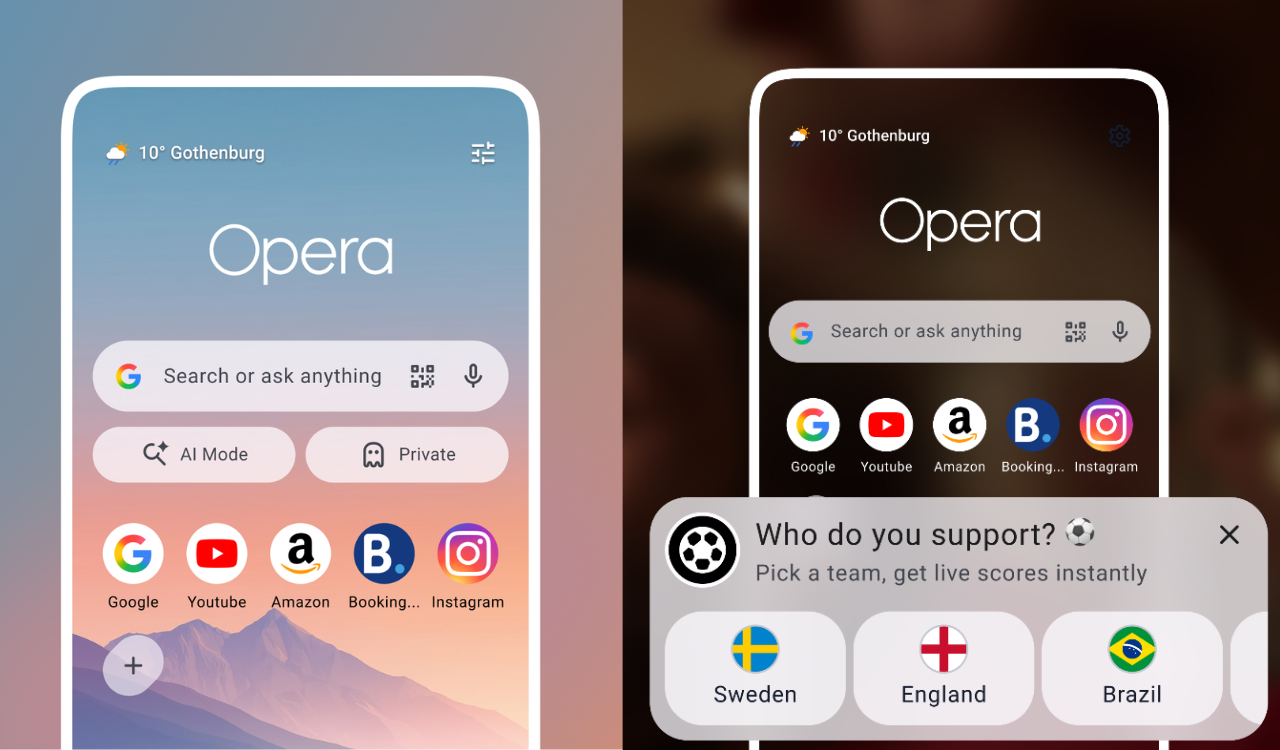
Opera is going all in to make the most out of the FIFA 2026 World Cup season. The company has launched a dedicated football hub in its mobile browser where you can check live scores, match stats, and notifications. Apart from the dedicated football hub, Opera on Android is also getting a redesigned start page and new customization features.
Opera goes all in on FIFA World Cup 2026 with new Football Hub
Speaking of the dedicated football hub, the update is result of a survey conducted by Opera, including 77,000 users across 190 countries. Apparently, 86% of the respondents revealed that they will follow the tournament, while 87% of those surveyed are expected to stay up past midnight for at least some matches. Since I am supporting Portugal and Brazil, I will be one of them.
The dedicated football hub will be available on Opera for Android, iOS, and Opera Mini. As noted by Opera, the dedicated football hub combines live statistics with an AI-powered news feed that helps fans stay updated at times when they can’t watch the live broadcast.
What can we expect out of Opera’s dedicated football hub features on Android? Well, the football hub will provide live scores across all ongoing matches alongside lineups, match events, and head-to-head stats. You can select your favorite teams and receive notifications for kickoffs, goals, red cards, and final results. Opera also notes that its AI-powered news feed adapts to your interests over time.
Image credit: Opera
Redesigned Start Page on Android
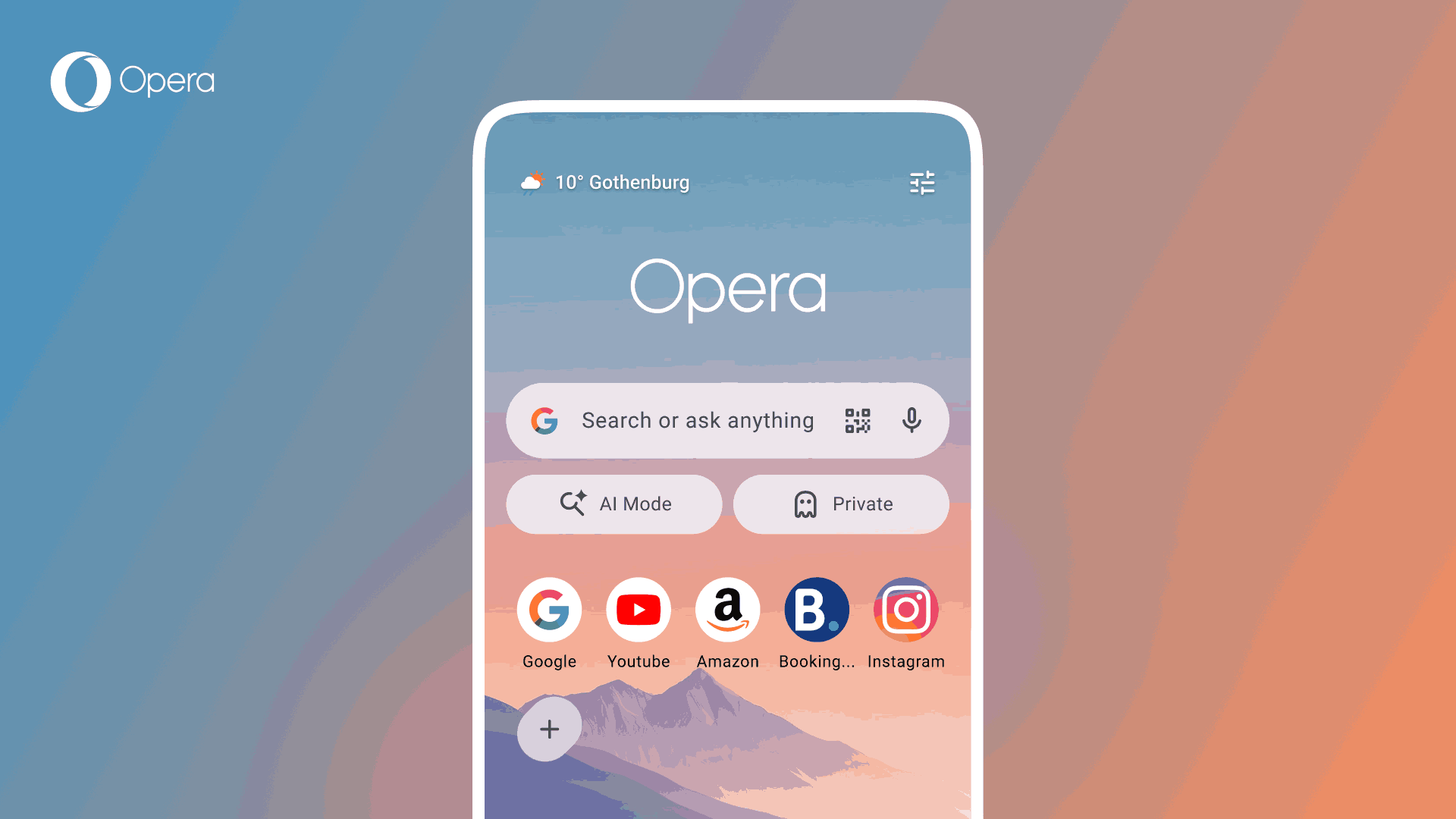
Moving on, Opera has also redesigned its start page to look sleeker and more personal. Following the recent AI-powered search update, the company has designed the new Android start page to help users find what they need instantly. As part of the redesign, Opera has updated Speed Dial icons with three different options: round, square, and squircle shapes. There’s also a new weather widget that displays real-time conditions.
As previously reported, Opera has embedded AI Mode into its browser. Now users can jump directly into that or a private session from the start page and take advantage of all the customization options that Opera currently offers.
Image credit: Opera
US-limited fan contest can get you tickets for major matches in Miami
Not to forget, Opera is also starting a US fan contest. If you are one of the lucky ones, you can win tickets to a major match in Miami. So, what exactly do you need to do to enter the Fandom Moments contest? Opera tells US football fans can share their favorite football memory, past or present, via photo or video and a short caption.
As mentioned earlier, the grand prize includes two tickets to a major match in Miami in July, travel within the US, and two nights’ accommodation. There are a bunch of other prizes, which include an Android smartphone, a PS5 console, smart TVs, and Amazon vouchers.
If you live in the US, you can register yourself for the Fandom Moments contest via the Opera website or by posting on Instagram, Facebook, or TikTok using the hashtag #OperaFandom starting June 12. Opera has confirmed that winners of the contest will be announced on July 3. You can download Opera for Android from Google Play Store.
Yesterday, Microsoft quietly announced a few new builds for Windows 11 Insiders, while also announcing that Insiders in the Experimental (26H1) channel will start receiving a new 28100 series build number. The company has confirmed a new Beta (26H1) channel based on the 28000 series builds.
Speaking of the regular Beta channel, Microsoft has released Build 26220.8575 for Insiders in Windows 11 version 25H2, with a few fixes and improvements which you can check below:
[Windows Update]
We’re adding the ability to extend update pauses as many times as you need
[Audio]
Fixed an issue resulting in audio not working for some Insiders after the latest flights.
[Settings]
Fixed an issue impacting the reliability of Settings > Apps > Installed Apps after the latest flights.
[General Reliability]
If you were experiencing freezes in the previous flight when interacting with search, Notepad, or certain other scenarios, that should be resolved now.
If you are in the Beta channel and haven’t received the updates, check for it by going to Settings > Windows Updates > Check for Updates.
NVIDIA has remained in the spotlight following the announcement of its RTX Spark platform, a premium AI-focused chip that industry analysts expect will power high-end devices with equally premium price tags. Alongside its hardware developments, the company has now released a new GeForce hotfix driver aimed at resolving several issues affecting gamers and display users.
The latest release, GeForce Hotfix Driver 610.52, focuses primarily on monitor compatibility, display behavior, and gaming stability improvements. NVIDIA says the update is optional and intended mainly for users experiencing the specific problems addressed by the hotfix. The company detailed the release in its official GeForce Hotfix Driver 610.52.
G-SYNC and Multi-Monitor Improvements
One of the key fixes in the new driver addresses a G-SYNC frame pacing issue that affected certain monitors when paired with Ada Lovelace-based GPUs. Users with GeForce RTX 4000 series graphics cards should experience smoother gameplay and more consistent frame delivery when using G-SYNC-enabled displays.
NVIDIA has also improved gaming stability for users running multi-monitor setups. The hotfix resolves issues that could occur when V-SYNC was used alongside DLSS Frame Generation, a combination that reportedly caused instability in some gaming scenarios.
Monitor Detection and Sleep Mode Fixes
The update includes several fixes related to monitor functionality and display detection.
NVIDIA resolved a bug that prevented some monitors from waking up properly after entering sleep mode. The company also fixed an issue that caused certain displays to be incorrectly identified as “NVIDIA NV-Failsafe.”
According to NVIDIA, this problem stemmed from the GPU incorrectly reading the monitor’s EDID, or Extended Display Identification Data, which contains information about a display’s capabilities and supported settings.
Smooth Motion and DirectX 11 Stability Enhancements
The hotfix also targets issues related to NVIDIA Smooth Motion technology. Users reported jittering and ghosting artifacts in some DirectX 11 games when Smooth Motion was enabled, and NVIDIA says these visual issues have now been corrected.
In addition, several game crashes linked to Smooth Motion have been resolved. The company also implemented broader stability improvements for situations where the system fails to create a new memory allocation.
World of Warcraft and General Stability Updates
World of Warcraft players may also benefit from the new driver, as NVIDIA has included specific stability improvements for Blizzard’s long-running MMORPG.
Beyond game-specific fixes, the update introduces general system stability enhancements designed to reduce crashes and improve overall reliability.
Interestingly, users participating in NVIDIA’s feedback thread have reported that the hotfix may also resolve a Blue Screen of Death issue affecting some systems. However, NVIDIA has not officially listed a BSOD fix in the release notes.
Optional Update for Affected Users
NVIDIA emphasizes that GeForce Hotfix Driver 610.52 is not a mandatory update. Users who are not experiencing any of the addressed issues can continue using the latest Game Ready Driver, version 610.47.
For those encountering G-SYNC problems, monitor wake issues, display detection bugs, or gaming instability, the hotfix may provide a worthwhile upgrade until the fixes are incorporated into a future WHQL-certified driver release.
In other NVIDIA-related news, recent rumors suggest that the company may be preparing an RTX 50 SUPER refresh, potentially expanding its next-generation graphics card lineup in the near future.
Windows Server is essential infrastructure for most IT departments – and one of the most expensive items in the budget. What many businesses overlook: they don’t always have to pay full retail. A legitimate, well-established market for used Windows Server licenses lets companies buy the identical software for a fraction of the price, often up to 70% less than new.
A used license is one originally bought by another organization – for example, a company that has migrated to the cloud, restructured, or downsized – and legally transferred to a new owner. Unlike a cracked key or shared account, it is the same perpetual license, passed on with the previous owner’s right of use extinguished.
The legal foundation is solid within the EU/EEA. It rests on the principle of exhaustion, confirmed for software by the European Court of Justice in its 2012 UsedSoft v. Oracle ruling. Two conditions are decisive: the original license must be perpetual, and the chain of provenance must be complete and verifiable.
Not every license qualifies. OEM licenses are tied to their original hardware, while volume licenses – the bulk of the market – are transferable with proper documentation. Buyers must also cover the correct number of core licenses and Client Access Licenses (CALs); a server license that leaves a company under-licensed is a compliance gap, not a saving.
The risks, Soft & Cloud emphasizes, lie almost entirely in execution: businesses should buy only from certified dealers that provide clear proof of origin, transparent terms, and a functionality guarantee. Handled that way, a used license stands up to a Microsoft audit exactly like a new one.
We aren’t done with game showcases just yet. This month alone, we have witnessed PlayStation State of Play, Summer Game Fest, and the recently wrapped-up Xbox Games Showcase. Now, it’s time for all the Nintendo fans to remain glued to their screens, as the company’s June 2026 Direct showcase will take place later today. The annual summer game showcase from Nintendo will likely run for around 50 minutes. But that’s not all; Nintendo also has a Treehouse showcase planned immediately after the Direct presentation concludes. It will run for 90 minutes.
In case you are wondering when exactly the Nintendo Direct June 2026 showcase starts, how to watch it, and what to expect from it, this is where you’ll find all the information. So, let’s start with the timings.
Nintendo Direct June 2026 Start Time
Time Zone
Start Time
Pacific Time (PT)
7:00 AM
Eastern Time (ET)
10:00 AM
British Summer Time (BST)
3:00 PM
Central European Summer Time (CEST)
4:00 PM
India Standard Time (IST)
7:30 PM
Japan Standard Time (JST)
11:00 PM
Australian Eastern Standard Time (AEST)
12:00 AM (June 10)
New Zealand Standard Time (NZST)
2:00 AM (June 10)
How to Watch Nintendo Direct June 2026 Today Live
As usual, you can watch the June 2026 Nintendo Direct live on YouTube and Twitch. Nintendo has already shared the official livestream link ahead of the showcase. Once the presentation wraps up, the company will also upload individual trailers and announcements from the event to its official YouTube channel. We’ve also embedded the livestream below for you to watch:
Nintendo Direct June 2026 Predictions and Expectations
Nintendo is keeping its cards close to its chest, but several rumors suggest the June 2026 Direct could be one of the company’s biggest showcases in years. The most talked-about rumor is a remake of The Legend of Zelda: Ocarina of Time, with multiple insiders claiming it could be one of the event’s biggest announcements.
We also expect fresh looks at Fire Emblem: Fortune’s Weave, The Duskbloods, and other upcoming Switch 2 titles. Nintendo has already confirmed that the presentation will focus on games coming to both Nintendo Switch and Nintendo Switch 2, while the Treehouse livestream will feature gameplay demos of select titles.
Besides first-party games, there’s plenty of speculation surrounding third-party reveals and surprise announcements. Whether it’s a newZelda remake, Star Fox update, or an entirely unexpected reveal, Nintendo could have a few major surprises saved for the end of the show.
What are you expecting from today’s Nintendo Direct? Let us know which games you’d like to see later today in the showcase.
Google has released emergency security updates for its Chrome browser to address a newly discovered zero-day vulnerability that is already being exploited in the wild. The flaw, tracked as CVE-2026-11645, is the fifth Chrome zero-day vulnerability patched by the company since the beginning of the year.
The update is being rolled out to Chrome users across Windows, macOS, and Linux, although Google cautioned that it may take several days or even weeks before the patch reaches all users globally. Details about the release are available in Google’s Stable Channel Update for Desktop.
Active Exploitation Confirmed
Google confirmed that an exploit for CVE-2026-11645 exists in the wild, prompting the company to issue an emergency fix. However, it has not disclosed details about the attacks, the threat actors involved, or any potential targets.
The company said technical information about the vulnerability and related exploits may remain restricted until a majority of users have installed the security update.
High-Severity Flaw in Chrome’s V8 Engine
CVE-2026-11645 is classified as a high-severity vulnerability affecting Chrome’s V8 JavaScript engine. According to Google, the issue stems from an out-of-bounds read and write weakness that can be triggered through specially crafted HTML pages.
If successfully exploited, the flaw could allow attackers to execute code within Chrome’s sandbox environment. It could also expose sensitive information, crash the browser, and potentially assist attackers in bypassing security protections such as Address Space Layout Randomization (ASLR).
The security fix is included in the following Chrome releases:
Chrome 149.0.7827.102 for Windows and Linux
Chrome 149.0.7827.103 for macOS
Users are encouraged to install the update as soon as it becomes available.
Chrome users can manually check for and install the latest update through the browser’s settings menu. The browser will also automatically download and install the update the next time it checks for updates and is restarted.
Given that the vulnerability is already being exploited in real-world attacks, security experts recommend updating immediately once the patched version becomes available.
Halo: Campaign Evolved was one of the biggest games showcased during the XBOX Games Showcase 2026, and now the upcoming remake has received another trailer that offers a closer look at Microsoft’s reimagining of the original Halo adventure.
The latest footage arrives as excitement around the game continues to grow. Halo: Campaign Evolved has already generated strong interest on Steam, while reports suggest that the game’s Collector’s Edition sold out within hours of becoming available.
New trailer highlights iconic Halo moments
The trailer recreates several memorable scenes from the original Halo: Combat Evolved. It opens with The Pillar of Autumn, bringing one of the franchise’s most recognizable introductions to modern hardware.
Fans also get a close-up look at Sgt. Avery Johnson, one of Halo’s most beloved characters, alongside narration from Jen Taylor, the longtime voice of Cortana.
The footage showcases updated visuals, lighting, environments, and character models, giving players a better idea of how the remake compares to the original release.
Captured on PS5 Pro
One detail that quickly caught the attention of fans was the small text displayed at the bottom of the trailer, which indicates that the footage was captured on a PS5 Pro.
According to reports, the trailer was originally prepared for Sony’s State of Play presentation before being released publicly. Showing the game on PS5 Pro is not particularly surprising, as the console offers performance levels that are relatively close to Microsoft’s Xbox Series X hardware.
The decision also reflects Microsoft’s broader multiplatform strategy, which has seen more Xbox franchises expand beyond Xbox consoles in recent years.
Meanwhile, Microsoft recently acknowledged that XBOX lost millions of Game Pass subscribers following a major price increase, highlighting some of the challenges facing the gaming division despite strong interest in upcoming releases such as Halo: Campaign Evolved.
Microsoft CEO Satya Nadella believes businesses will need to start treating AI agents more like employees as artificial intelligence becomes increasingly integrated into corporate operations.
According to comments reported by Business Insider, Nadella said organizations will need to provide AI agents with identities, sandboxes, and policies that govern how they operate. He argued that AI systems are evolving beyond simple assistants and are becoming active participants in workplace processes.
The remarks come as Microsoft continues to expand its focus on artificial intelligence, making security, quality, and AI transformation central priorities across the company.
AI Agents Becoming a New Workplace Reality
Nadella said the technology industry is undergoing a significant platform shift, moving away from traditional application-centric computing toward systems built around AI agents.
“We’re moving from building operating systems and devices for apps to agents,” Nadella said.
The Microsoft chief executive believes AI agents will increasingly perform tasks on behalf of users, requiring organizations to manage them in ways similar to human workers. This includes assigning identities, defining permissions, and establishing clear operational boundaries.
His comments echo concerns raised by Microsoft AI CEO Mustafa Suleyman, who recently warned that advances in artificial intelligence could affect many white-collar jobs within the next 18 months.
Project Solara Highlights Microsoft’s Vision
At the company’s Microsoft Build conference, Nadella unveiled Project Solara, a new operating system designed to function largely behind the scenes.
Unlike traditional operating systems that focus on launching and managing applications, Project Solara is intended to coordinate and support AI agents. A key component of the platform is the Agent Shell, which can load, customize, and manage multiple cloud-based AI agents.
The project reflects Microsoft’s broader vision of a future where AI agents become a major part of everyday business operations.
Security and Oversight Remain Essential
While expressing optimism about AI’s potential, Nadella emphasized that trust will be critical for widespread adoption.
He said organizations must prioritize security, containment, manageability, and observability when deploying AI agents. These safeguards would allow businesses to monitor agent activity, enforce policies, and ensure systems operate within approved limits.
As AI agents gain access to sensitive corporate data and workflows, Microsoft believes strong governance frameworks will be necessary to maintain reliability and accountability.
Managing AI Agents Can Be Challenging
Despite Microsoft’s enthusiasm for AI, Nadella acknowledged that managing large numbers of agents can be difficult.
He revealed that he currently uses around 100 AI coding agents. However, coordinating those agents through chat-based interfaces creates a significant cognitive burden.
The admission highlights one of the emerging challenges of AI adoption: while agents may improve productivity, organizations will also need effective tools to oversee and coordinate increasingly complex AI ecosystems.
Google Chrome is testing a new Split View layout in Canary that lets users arrange tabs in a “horizontal” split alongside the existing side-by-side view. The feature, called “Stacked Split Views”, adds a top-and-bottom layout alongside Chrome’s current Split View mode.
Split View allows two tabs to appear within the same browser window so users can view both pages at once. It can be useful for comparing webpages, referencing information while writing, or multitasking between different sites. Until now, Chrome only supported a side-by-side arrangement, with one tab on the left and the other on the right.
Image Credit: Windows Report.
Chrome Lets You View Split Tabs in Horizontal View, Not Just Side by Side
The new layout places one tab above the other, giving both tabs the full width of the browser window. Users can choose between the traditional side-by-side arrangement and the new stacked view.
The feature is hidden behind an experimental flag. Chrome appears to refer to it internally as “TopBottomSplits”, while the user-facing flag name is Stacked Split Views. The experiment includes “Direct Access” and “Indirect Access” variants.
Stacked Split views flag. Image Credit: Windows Report.
During testing, Windows Report found that with Direct Access enabled, right-clicking a tab shows a “New split view with current tab” option that offers both “Side by side” and “Stacked” layouts.
Image Credit: Venkat | Windows Report.
Once inside the split, tabs sitting outside the stacked view show a “Move tab into split view” option when right-clicked, with “Swap with top view” and “Swap with bottom view” controls to replace either the top or bottom tab in the split.
Image Credit: Windows Report.
To exit the stacked view and return to normal tabs, users can select “Close bottom view” from the “Arrange split view” menu.
Image Credit: Venkat | Windows Report.
The stacked layout works best when full page width matters more than height. Video content benefits most, as sports streams, YouTube, and live broadcasts are widescreen 16:9, and a horizontal split gives each stream room to breathe rather than squeezing two feeds side by side. It also suits portrait displays where side-by-side tabs can become too narrow.
Chrome’s existing Split View feature already provides a convenient way to work with two tabs at once. The addition of a stacked layout gives users another option, depending on their screen size and workflow. There is currently no indication of when, or if, the feature will reach the stable version of Chrome.
Vivaldi already offers a horizontal split view for tabs. Edge, Opera, Firefox, and Brave support split view, too, but only side-by-side. With Chrome testing horizontal split, it matches Vivaldi and gives mainstream users this option for the first time.
XBOX’s surprise reveal of the limited-edition XBOX Series X25 console during the XBOX Games Showcase generated immediate excitement among fans. The special edition console celebrates XBOX’s 25th anniversary and features a design inspired by the brand’s history.
The company also surprised attendees at XBOX FanFest by announcing that fans with qualifying badges would receive the XBOX Series X25 for free. While the giveaway created a memorable moment during the event, many fans are now wondering how difficult it will be to secure the console when it launches publicly in November.
Fans fear a sellout as Microsoft targets scalpers
Early reactions to the XBOX Series X25 have been overwhelmingly positive, leading to concerns that demand could far exceed supply. As with many limited-edition gaming products, there is growing concern that scalpers could buy large amounts of stock and resell consoles at inflated prices.
XBOX Director of Creative Marketing Josh Munsee responded to concerns about scalping by saying the issue is “top of mind and being worked on.” The comment suggests Microsoft is actively discussing ways to prevent resellers from dominating pre-orders and launch-day stock.
Microsoft has not yet announced an exact release date or pricing details for the XBOX Series X25. The company also has not revealed when pre-orders will begin, which has fueled speculation that it may still be finalizing its anti-scalping strategy before opening sales.
Possible measures could include purchase limits, account verification requirements, invitation-based pre-orders, or other systems designed to prioritize genuine XBOX fans over automated bots and resellers. Similar approaches have been used by other gaming companies in recent years to reduce scalping during high-demand hardware launches.
More changes happening at XBOX
The XBOX Series X25 reveal was not the only major talking point surrounding the showcase.
For now, fans interested in the XBOX Series X25 will need to wait for Microsoft to reveal pricing, pre-order details, and the anti-scalping measures that could determine how easy it will be to secure one of the most anticipated XBOX collectibles in years.