How to Watch Spain vs France World Cup 2026 Semifinals Online for Free Today

The FIFA World Cup 2026 is heading towards its end, with four nations locking horns in two separate semifinal matches scheduled for today and tomorrow. France, Spain, England, and Argentina have booked their tickets to the last four.

Today, it’s Kylian Mbappé’s France that will face off against Rodri Hernández’s Spain at Dallas Stadium, Dallas, TX, USA.

If you have been looking for all the streaming details and how to watch France vs Spain online for free from anywhere, you’ve landed in just the right place. Here, we will walk you through every piece of information you’ll need to watch the Spain vs France FIFA World Cup 2026 semifinal match today.

Where to watch France vs Spain World Cup 2026 Semifinals online

Country/RegionOfficial Streaming PlatformWatch Live
United StatesFOX Sports / FOX OneStream France vs Spain LIVE on FOX Sports
United KingdomITVXStream France vs Spain LIVE on ITVX
IndiaZEE5Stream France vs Spain LIVE on ZEE5
SpainRTVE PlayStream France vs Spain LIVE on RTVE Play
FranceTF1+Stream France vs Spain LIVE on TF1+
ArgentinaTelefe / MiTelefeStream France vs Spain LIVE on MiTelefe
BrazilGloboplay (SporTV) / YouTube/CazéTVStream France vs Spain LIVE on Globoplay

Stream France vs Spain LIVE on YouTube/@CazéTV
CanadaTSN+ Stream France vs Spain LIVE on TSN+

France vs Spain World Cup 2026 Semifinal kickoff times

The semifinal kicks off on Tuesday, July 14 at AT&T Stadium (Dallas Stadium), Arlington, Texas, with the winner advancing to the FIFA World Cup 2026 Final.

Country/RegionKickoff Time
United States (ET)
United States (PT)
3:00 PM
12:00 PM
United Kingdom8:00 PM BST
India12:30 AM IST (July 15)
Spain9:00 PM CEST
France9:00 PM CEST
Argentina4:00 PM ART
Brazil4:00 PM BRT

France vs Spain Starting XI Predicted lineups

France (4-3-3):

  • Maignan; Koundé, Saliba, Upamecano, Theo Hernández; Tchouaméni, Camavinga, Zaïre-Emery; Dembélé, Mbappé, Olise.

Spain (4-3-3):

  • Unai Simón; Carvajal, Cubarsí, Le Normand, Cucurella; Rodri, Pedri, Fabián Ruiz; Lamine Yamal, Nico Williams, Álvaro Morata.

Both nations are expected to have full squads available with no major injury or suspension concerns heading into the semifinal.

So, who are you rooting for today? My pick is France. What’s yours? Let us know in the comments below.

Spotify’s New AI Feature Lets You Talk to the App & Control Music Naturally

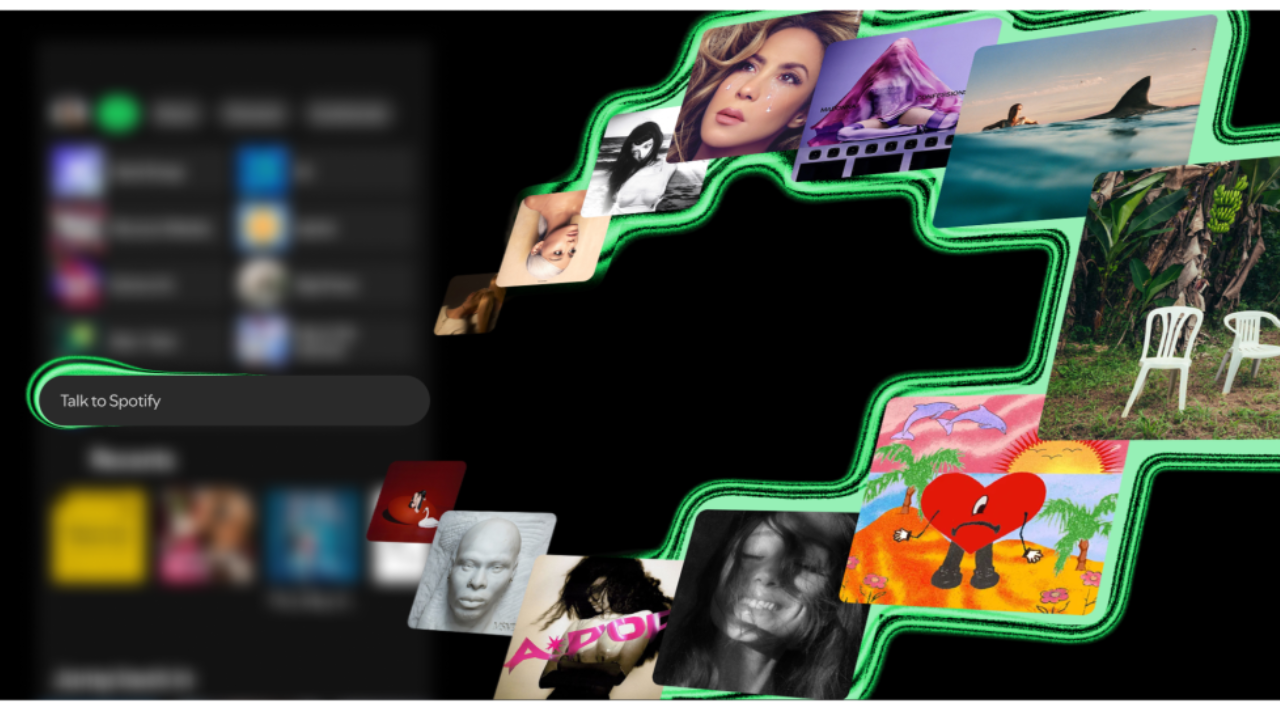
This year, Spotify has been quite aggressively pushing AI features, including several verification systems that prevent spamming on the platform. Well, continuing that push, today, Spotify has officially unveiled “Talk to Spotify,” a new conversational feature that allows Premium subscribers ask questions, discover music, manage playback, and even explore their own listening habits without leaving the app.

Instead of tapping through menus or typing keywords into the search bar, eligible Premium users can now simply speak or type naturally to Spotify. The new experience supports follow-up questions, making it feel more like chatting with an assistant than using a music streaming app.

Users can ask Spotify to play artists they’ve never heard before, add specific musicians to the current mix, make playlists more upbeat, or narrow recommendations to an artist’s latest releases. Once something catches your ear, Spotify also lets you save tracks, queue songs, or follow artists using conversational prompts.

The feature doesn’t stop with music recommendations. Spotify can also answer questions about the song, album, artist, or genre currently playing. Users can ask about album release dates, creative inspiration behind an artist’s work, or discover similar musicians without opening another app.

Podcast and audiobook listeners are getting the same treatment. Spotify says users can ask about authors, podcast guests, related books, or similar shows while listening, turning the player into an interactive discovery tool.

Only available in beta to Premium users aged18 or older in the US

Another notable addition is the ability to explore personal listening history. Users can ask when they first played a song, check which genres they’ve been listening to recently, or learn more about their overall music taste based on Spotify’s recommendations and playback history.

For now, Talk to Spotify is rolling out in beta for Premium users aged 18 and older in the United States, Ireland, and Sweden on Android and iOS devices in English.

Gears of War: E-Day to Get Day-One DLSS 4.5 & Ray Tracing Support, NVIDIA Confirms

At the XBOX Games Showcase 2026, Microsoft has finally locked in a release date for Gears of War: E-Day, and PC players are getting even more reasons to be excited. Today, NVIDIA confirmed the long-awaited prequel will launch on October 6 with a full suite of GeForce-exclusive technologies available from day one, giving RTX owners access to higher frame rates, lower latency, and upgraded visuals right out of the gate.

NVIDIA details the ultimate PC experience for Gears of War: E-Day

Rather than waiting until after launch, Gears of War: E-Day will debut with DLSS 4.5, Dynamic Multi Frame Generation, DLSS Super Resolution, NVIDIA Reflex, and full support for Unreal Engine 5.8’s ray-traced rendering technologies. The announcement comes as part of NVIDIA’s technical partnership with developer The Coalition, which has been working to optimize the game for GeForce RTX graphics cards.

Built using Unreal Engine 5 and DirectX 12, the upcoming title also leans heavily on newer rendering technologies. NVIDIA says MegaLights enables ray-traced shadows from up to 100 light sources, while Lumen powers ray-traced global illumination and ambient occlusion. Meanwhile, Nanite dramatically increases environmental detail, allowing assets with up to 100 times more geometric complexity than those seen in Gears 5.

The game itself takes players back 14 years before the original Gears of War, following Marcus Fenix and Dominic Santiago during Emergence Day, when the Locust Horde first erupts from beneath the planet. Alongside the story campaign, players can jump into a reimagined Horde Siege PvE mode or compete in refined Versus multiplayer.

qBeta arrives before launch

Players won’t have to wait until October to get their hands on the game. NVIDIA confirmed the Open Beta Early Access begins on August 6 for those who pre-order the game or subscribe to PC Game Pass. The beta will already include DLSS Super Resolution and NVIDIA Reflex, allowing RTX users to experience the performance improvements ahead of launch.

To celebrate the announcement, NVIDIA is also giving away a custom GeForce RTX 5080 Founders Edition featuring exclusive Gears of War: E-Day artwork through its Summer of RTX promotion. More details on beta timing and the GPU giveaway are expected in the coming weeks.

Gemini in Chrome Expands to UK Users With New AI Tools

Gemini in Chrome is expanding to desktop users in the United Kingdom, bringing Google’s browser-based AI tools beyond the United States.

Google introduced the broader Gemini in Chrome experience in January. Many features have remained limited to US users for several months, while an iOS release is scheduled for next month.

Gemini side panel arrives in Chrome

Gemini will appear inside a permanent side panel, allowing users to access the assistant without leaving their current webpage.

Users can ask Gemini to summarize lengthy or complex pages. The assistant can also compare product reviews, specifications, and prices across several open tabs.

This setup could reduce the need to copy information between websites or open a separate AI chatbot.

Nano Banana 2 adds image editing tools

The UK rollout also includes Google’s Nano Banana 2 image-generation and editing technology.

Users can enter text prompts to create, modify, or transform images directly through the Gemini side panel. The tools work without requiring a separate image editor or another browser tab.

Gemini connects with Google services

Gemini in Chrome can work with Gmail, Google Calendar, YouTube, Maps, Photos, Shopping, and Flights.

For example, users can ask Gemini to find information from an email, check upcoming calendar events, or locate directions through Google Maps. It can also draft confirmation emails without requiring users to open Gmail separately.

Chrome will show security prompts before Gemini performs sensitive actions. Users must approve certain requests before the assistant accesses protected information or completes transactions.

Google has also added protections designed to limit prompt injection attacks from malicious webpage content.

How to disable Gemini in Chrome

Users who do not want the new features can open Chrome’s settings and select the AI innovations section.

Turning off Gemini in Chrome disables the side panel. Users can also disable page-content sharing to prevent the assistant from analyzing open websites.

Disabling on-device AI in the system settings stops Chrome from running the Gemini Nano model in the background.

How to remove the Ask Gemini shortcut

Users can enter chrome://flags in the address bar and search for the AI mode Omnibox entrypoint option.

Setting the flag to Disabled removes the experimental entry point. Users may also need to open Chrome’s site-search settings and deactivate Gemini there.

The expansion follows other AI experiments inside the browser. Chrome is testing an Ask Gemini shortcut for selected text, while Chrome for Android’s AI Mode can now pull answers from recently opened tabs. We also previously reported that AI Mode is coming to the Chrome toolbar.

Stephen King’s Thriller The Long Walk Tops HBO Max Movie Chart

Stephen King’s The Long Walk has become the most-watched movie on HBO Max after joining the streaming service on July 10.

According to Screen Rant, the Stephen King thriller replaced Lee Cronin’s The Mummy at the top of HBO Max’s movie chart. The film previously streamed on Starz before moving to HBO Max, where this Stephen King thriller quickly gained traction with viewers.

What is The Long Walk about?

The Long Walk follows a group of young competitors forced to participate in a deadly endurance contest. They must maintain a required walking speed, with fatal consequences for anyone who falls behind.

Francis Lawrence directed the Stephen King adaptation. He previously directed several Hunger Games movies, giving him extensive experience with dystopian stories and survival-focused narratives.

The cast includes Cooper Hoffman, David Jonsson, Garrett Wareing, Tut Nyuot, Charlie Plummer, and Ben Wang.

The Stephen King adaptation took decades

King wrote The Long Walk in 1966, making it one of his earliest completed novels. It was published in 1979 under his Richard Bachman pseudonym.

Despite the book’s popularity, filmmakers struggled to bring this Stephen King thriller to cinemas. George A. Romero and Frank Darabont both attempted adaptations, but neither project moved forward.

The novel’s repetitive structure and focus on conversations between walking competitors made it difficult to adapt. The movie eventually reached theaters in September 2025.

Reviews and box office performance

The Long Walk received strong reviews for its performances, emotional impact, and loyalty to King’s original story.

The movie holds an 88% critics’ score and an 85% audience rating on Rotten Tomatoes. It earned approximately $63 million worldwide against a reported production budget of $20 million.

The Long Walk is now available to stream on HBO Max.

For more viewing options, check out our guide to the best movies to watch on streaming platforms. TV fans can also read about the Taylor Sheridan action series Lioness, which returns to streaming in August.

Fresh Off XBOX Exit, Compulsion Games is Already Looking for New Partners

Compulsion Games isn’t wasting any time after breaking away from Xbox. Just days after confirming its return to independent ownership, the award-winning South of Midnight developer has already begun searching for new partners, hinting that the studio is eager to jump into fresh collaborations across the games and entertainment industry.

Compulsion Games is already looking toward its next project

The announcement follows Xbox’s sweeping restructuring earlier this month, a move that saw thousands of jobs cut across Microsoft’s gaming business. While several studios were shut down or heavily impacted, Compulsion Games negotiated an agreement to separate from Xbox and continue operating independently while keeping ownership of its biggest franchises, including Contrast, We Happy Few, and South of Midnight.

As spotted by VGC, the Montreal-based studio has published a message on LinkedIn inviting developers, publishers, and entertainment companies to work alongside its team. In the post, Compulsion said, “With Compulsion Games returning to its roots as an independent developer, we are expanding opportunities to collaborate with studios across the games and entertainment industry.”

The developer also highlighted the pedigree of the team behind South of Midnight, noting that partners can “leverage the talent and creativity of the award-winning team” responsible for a title that earned recognition from BAFTA, the Peabody Awards, the Canadian Game Awards, and numerous Game of the Year lists. Compulsion added, “We are excited to support the development of memorable experiences that engage and entertain players around the world.”

The studio also reaffirmed its creative direction, saying, “As an independent studio, we’re excited to continue building the distinctive games that define Compulsion while taking the next steps in our journey.” With its independence secured and its award-winning IP intact, Compulsion now appears focused on turning that momentum into its next collaboration.

Taylor Sheridan Action Series Lioness Returns as Season 3 Starts Streaming in August

Lioness has returned to Paramount+’s most-watched TV rankings in the United States ahead of its Season 3 premiere on August 2.

The Taylor Sheridan action series currently ranks ninth among Paramount+ TV shows in the US, according to Screen Rant. The comeback suggests that viewers are revisiting earlier episodes or starting the series before the new season arrives.

Lioness returns to the US streaming chart

Lioness previously dropped out of Paramount+’s US Top 10 but has now reclaimed a place in the rankings.

The series follows Joe McNamara, a CIA officer played by Zoe Saldaña, who oversees the covert Lioness program. The agency recruits female operatives and sends them on dangerous undercover missions.

The show combines espionage, action, and morally complex decisions. Its ensemble cast also includes Nicole Kidman, Morgan Freeman, and Michael Kelly.

Viewers have 16 previous episodes to watch before Season 3 premieres. Interest in the series could continue growing as the August 2 release date approaches.

Taylor Sheridan dominates Paramount+ rankings

Lioness gives Taylor Sheridan four projects in Paramount+’s US Top 10, with his other ranked shows including Dutton Ranch, Landman, and Marshals.

Sheridan has become one of Paramount+’s most important creators. His other projects include Yellowstone, Tulsa King, Mayor of Kingstown, and the movie Tom Clancy’s Without Remorse.

His success now extends well beyond Western dramas, with several crime, action, and espionage productions attracting large audiences.

Lioness remains outside the global Top 10

Lioness has not yet returned to Paramount+’s worldwide Top 10 TV chart.

Dutton Ranch currently leads the platform’s global ranking, while Yellowstone sits in second place. Other internationally popular titles include The Agency, Tulsa King, and Criminal Minds.

The arrival of Lioness Season 3 could help the show climb both the US and global charts. The Taylor Sheridan action series now has strong momentum heading into its new season.

In other streaming news, Obsession has received its Peacock release date, while viewers can also find six notable movies to watch across major streaming platforms.

Activision Addresses Black Ops XP Hack in First PS4 & PS5 Patch

The return of the original Black Ops has been a huge win for Call of Duty fans, but the celebration didn’t last long. Within days of launch, reports of a game-breaking XP exploit started flooding social media, leaving some players unable to level up or even continue playing normally. Now, Activision has started rolling out its first fix.

Activision begins first phase of Black Ops XP hack fix

Activision and Iron Galaxy have rolled out the first phase of an update targeting the XP exploit affecting the recently released PS4 and PS5 versions of Call of Duty: Black Ops. The issue wasn’t a typical cheating tool like an aimbot or wallhack. Instead, it could leave affected players with negative XP progression, effectively preventing them from progressing through multiplayer.

Per Activision’s post on X, the company says the initial fix has now gone live through a server-side playlist update. As part of the rollout, the Domination playlist has returned with updated settings, while players who were stuck with negative XP have been reset to Level 20, allowing them to resume normal progression.

Activision also confirmed this is only the beginning. The studio says additional mitigations are already in development and will arrive in future updates to further reduce the impact of the exploit. It hasn’t confirmed whether those changes will require a downloadable patch or if they’ll continue rolling out through server-side updates.

Players should also keep in mind that cross-play between the PS4 and PS5 versions remains supported, despite some confusion within the community after launch.

Forza Horizon 6 July Update Wipes Rivals Leaderboards, Adds AI Improvements, Audio Upgrades & Car Fixes

Forza Horizon 6 players have been asking for one thing more than anything else over the past few weeks: a fix for the frustrating save loss bug. Playground Games has now rolled out another major update, and while the investigation isn’t over yet, the studio says new recovery improvements are now available alongside dozens of gameplay fixes and exploit patches.

Forza Horizon 6 update continues fight against save data loss

The latest July 13 update is now live across Xbox Series X|S, the Xbox app on PC, and Steam. While the patch addresses a long list of gameplay issues, Playground Games is putting renewed focus on the save corruption problems that have affected a portion of the player base since launch.

According to the release notes, the development team is continuing its investigation into lost save data while working with the Xbox team to improve reliability across Xbox consoles and Windows PCs. Following platform updates released on July 2, players experiencing save conflicts will now receive a recovery prompt the next time they launch the game. Selecting the Cloud Save option restores the most recent available save, giving affected players another way to recover lost progress.

The update also comes with bunch of fixes beyond save recovery. AI drivers have been adjusted to reduce excessive collisions when entering corners, multiple gameplay exploits have been closed, audio performance has been improved, and several vehicle-specific issues have been resolved. Playground Games also patched an exploit that allowed players to duplicate EventLab creations and fixed another bug that enabled unrealistic PR Stunt scores by removing locked tunes.

Cheater-filled Rivals leaderboards wiped clean

Perhaps the biggest competitive change is the complete reset of all Rivals leaderboards. Playground Games says the decision follows months of unrealistic lap times created through glitches and outdated drag tire physics before June’s handling changes. The studio acknowledged legitimate players would lose their leaderboard placements but confirmed Collection Journal rewards earned through clean runs will remain unlocked.

The team also revealed it is investigating similar exploits affecting PR Stunt leaderboards, with another full leaderboard reset expected after those fixes are ready.

Intel Unveils €5 Billion Investment Plan to Expand AI Chip Manufacturing in Europe

Intel has officially announced a €5 billion investment commitment for its manufacturing campus in Leixlip, Ireland. The company says that the investment will help it expand production capacity for Intel Xeon processors as demand for AI infrastructure continues to rapidly increase worldwide.

Intel doubles down on Europe with new AI manufacturing push

Rather than building a brand-new fabrication plant, Intel will modernize and expand its existing Leixlip campus by installing advanced manufacturing equipment and upgrading current fabrication facilities. The company said the project, which began earlier this year, will also expand its automated track system to connect different production modules into a faster, more efficient manufacturing environment.

Intel will focus on increasing output of Intel Xeon 6 processors and next-generation Xeon chips built on Intel’s Intel 3 process technology. Those processors are expected to power AI factories, enterprise servers, and high-performance computing workloads as businesses continue ramping up AI deployments.

Intel says the expansion will create additional permanent high-tech positions while generating work for specialised construction and equipment installation crews throughout the project. The company has invested more than €30 billion in Ireland since opening the Leixlip campus in 1989, with the facility now employing around 4,900 people and serving as one of Intel’s most advanced manufacturing sites.

Intel Foundry Chief Technology and Operations Officer Naga Chandrasekaran said the investment reflects the company’s commitment to maximizing manufacturing capacity for foundry customers while keeping Ireland at the forefront of advanced semiconductor production.

“This €5 billion investment represents a definitive commitment to maximize capacity at our Leixlip campus and increase what we can deliver to Intel Foundry customers. By investing in our existing fabs with state-of-the-art technology and installing cutting-edge tools, we are not just increasing output of critical products like Xeon 6 and next gen Intel Xeon processors built on Intel 3, we are ensuring that Ireland remains at the forefront of the world’s most advanced manufacturing ecosystems, while strengthening the region’s role in the global technology landscape.”

While construction is already underway, Intel noted that execution timelines, manufacturing output, and capacity expansion remain subject to market conditions, equipment availability, and broader economic factors.

Firefox Could Move to a Two-Week Release Cycle in September 2026

Firefox could move to a two-week release cycle as Mozilla considers delivering browser updates more frequently.

Mozilla currently releases major Firefox Desktop and Android updates every four weeks. Under the experimental schedule, new versions would arrive every two weeks starting in September 2026.

Firefox 155 could arrive earlier

Firefox 155 now has a target release date of September 1, 2026. Mozilla previously planned to release the browser update on September 15.

The change would bring Firefox closer to competing with other browsers. Google previously announced plans to move Chrome to a two-week release cycle, while Microsoft confirmed a similar schedule for Edge last month.

Mozilla has not presented the Firefox schedule change as permanent. The company currently describes it as an experiment that could change based on feedback and release performance.

Mozilla wants features to reach users faster

Mozilla says the shorter cycle would allow completed features, fixes, and improvements to reach Firefox users more quickly.

The company also expects the schedule to make releases more predictable. Developers could move completed work into the next available update without waiting four weeks.

A two-week cadence could reduce pressure to include unfinished features in an upcoming release. Teams would know that another release opportunity would arrive shortly.

Firefox quality will remain the priority

Mozilla says developers will not need to complete features twice as quickly.

Features that require more development or testing will remain in progress until they meet Firefox’s quality standards. Larger changes will still receive enough time for testing, refinement, and bug fixes.

The company says release speed will not take priority over browser stability and quality.

Mozilla has also recently resolved issues related to MP4 playback, along with several other media playback problems in Firefox, improving overall reliability and user experience when streaming or viewing video content.

Via Neowin

Anthropic Localizes Claude Pricing in India, but UPI Payment Options Are Still Missing

After months of relying on dollar-based subscriptions and foreign currency conversions, Anthropic has quietly begun rolling out local pricing for its AI chatbot, making India one of the company’s biggest strategic markets outside the United States.

Anthropic begins Claude rupee pricing rollout in India

The news comes via TechCrunch, which reports that Anthropic has started displaying Indian rupee pricing for Claude subscriptions across its website and mobile apps for some users, marking the first major localization step for its AI assistant in the country. The rollout comes as global AI companies continue competing for India’s rapidly growing community of developers, students, and enterprise customers.

The company now lists Claude Pro at ₹2,000 per month when billed annually, while the premium Claude Max plan starts at ₹11,999 per month. Businesses can also subscribe to Claude Team from ₹2,399 per seat each month. The local pricing already includes applicable Indian taxes, although subscription costs may vary slightly between the website and mobile app stores.

Despite introducing rupee pricing, Anthropic has not yet added support for Unified Payments Interface (UPI), India’s most popular digital payment system. Subscribers currently need to pay using credit or debit cards, or through Apple’s App Store and Google Play billing. Rival OpenAI introduced both Indian pricing and UPI payments for ChatGPT last year, making Claude’s payment experience comparatively more limited.

Anthropic says India accounts for 5.8% of Claude’s global usage, making it the company’s second-largest market after the United States. While local pricing removes one of the biggest barriers for Indian users, the lack of UPI integration suggests Anthropic’s localization efforts are still a work in progress. As competition in India’s AI market heats up, broader payment support could become the company’s next major step.

Discord Now Lets You Avoid Spoilers, Thanks to a New Channel Type

Dodging spoilers on Discord might finally become a lot easier. Whether it’s a blockbuster movie ending, a shocking anime twist, or the final boss in a newly released game, Discord is introducing a new way for communities to keep those conversations tucked away until members decide they’re ready to see them.

Discord introduces Spoiler Channels with opt-in viewing

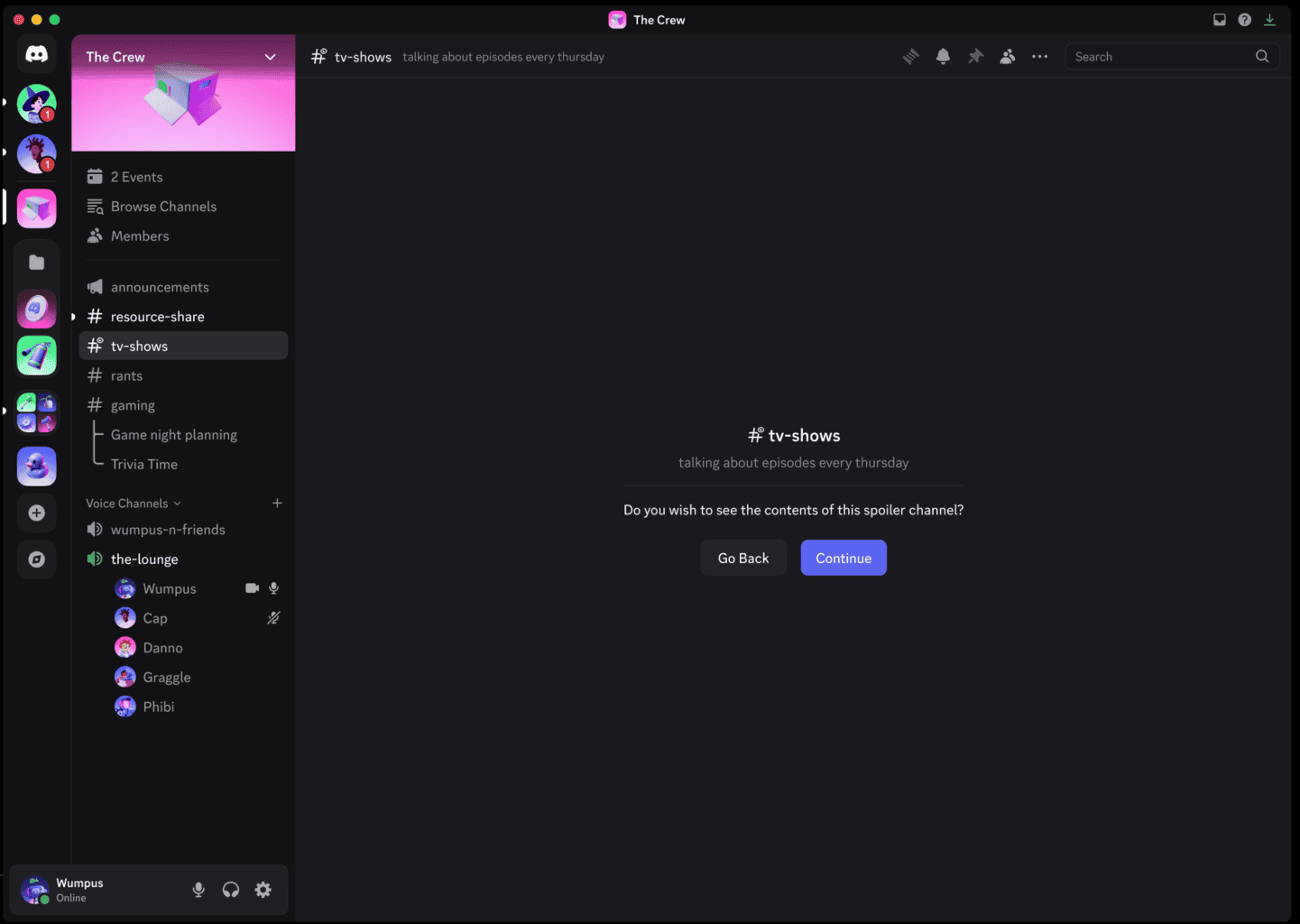
Discord has officially launched Spoiler Channels, a new server feature designed to hide sensitive discussions behind a consent screen. Instead of stumbling into spoiler-filled conversations, members will now see a notice explaining that the channel contains hidden content and can choose whether they want to enter.

Image credit: Discord

The feature works across text channels, voice channels, forum channels, and announcement channels. Once enabled, the channel remains hidden until a user explicitly chooses to reveal it. After opting in once, Discord remembers the choice and won’t show the warning again for that channel.

Unlike age-restricted channels, Spoiler Channels do not require age verification. They’re intended for discussions involving movie endings, game storylines, emotional topics, or other content that members may prefer to avoid without warning. Discord also reminds server owners that all content inside Spoiler Channels must still comply with the platform’s Community Guidelines.

Server owners can enable it in a few clicks

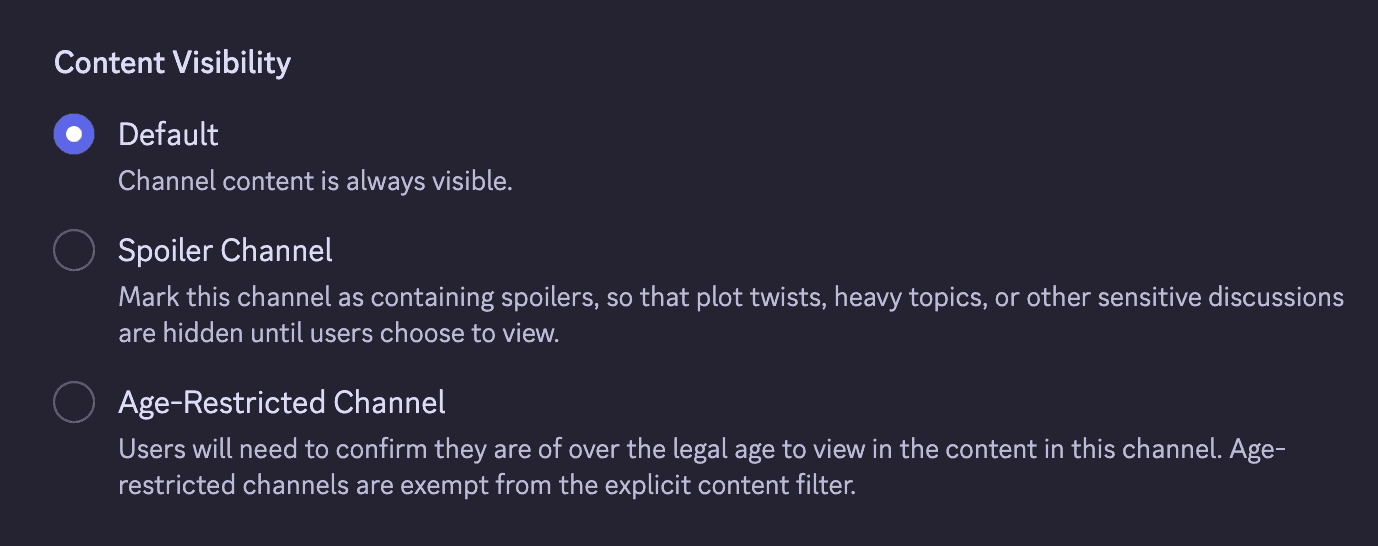
Admins can turn any supported channel into a Spoiler Channel by opening Edit Channel, navigating to the Overview section, enabling the new Spoiler Channel toggle under Content Visibility, and saving the changes.

Image credit: Discord

Discord also recommends adding a descriptive channel topic because it appears in the warning prompt before members enter, giving them enough context to decide whether to continue.

The company also clarified how the feature differs from age-restricted channels. Servers sharing sexually explicit content must continue using age-restricted channels, while Spoiler Channels are meant for content that isn’t adult but still benefits from an optional viewing experience.

Microsoft CEO Warns AI’s Biggest Cost Isn’t Money, It’s Your Company’s Knowledge

AI is becoming a core part of how companies write code, analyze data, and automate work. Microsoft CEO Satya Nadella believes that shift also introduces a new challenge that many businesses may be overlooking. In a new blog post, he argues organizations should think beyond protecting their data and start protecting how AI learns from them.

Satya Nadella highlights “Reverse Information Paradox” while warning businesses the risks of using AI

Writing on his personal Scratchpad blog, Nadella unveiled what he calls the “Reverse Information Paradox,” a concept describing how businesses may gradually expose valuable institutional knowledge while using AI models.

The Microsoft chief executive builds on Nobel Prize-winning economist Kenneth Arrow’s famous Information Paradox, which argued that sellers risk giving away valuable information while trying to sell it. Nadella says artificial intelligence flips that equation. Instead of the seller taking the risk, customers increasingly reveal proprietary knowledge to make AI systems more useful.

According to Nadella, prompts, workflow corrections, evaluation datasets, feedback, and decision-making patterns all represent valuable organizational knowledge. He argues that as employees interact with AI assistants, those signals can become part of what he describes as an organization’s “learning exhaust,” creating a new intellectual property challenge in the AI era.

Nadella says enterprises need stronger AI trust boundaries

Rather than focusing only on protecting company data, Nadella believes enterprises should also control how AI systems learn from their interactions. He argues businesses should retain ownership of internal evaluations, workflow memory, model outputs, feedback, and institutional context while building private environments where models can improve without exposing company knowledge.

Nadella also cites Palantir CEO Alex Karp, who has previously argued that enterprises increasingly want full control over their computing infrastructure, AI models, data stacks, and competitive advantages instead of relying entirely on third-party providers.

The Microsoft CEO says companies should avoid becoming dependent on a single AI model and instead build flexible AI systems that allow them to switch providers while keeping their own knowledge, evaluations, and learning processes intact.

As enterprises continue investing heavily in generative AI, Nadella is urging that businesses protecting business information alone may no longer be enough. They also need to protect the knowledge AI helps create inside their own organizations.

Apple Lawsuit Alleges OpenAI Hire Used Zero-Day Security Flaw to Access Secret Internal Data

Last Friday, Apple dropped a bombshell news, announcing that it has filed a lawsuit against OpenAI. Now, some fresh details reported by TechCrunch suggests that the Cupertino giant’s federal lawsuit allege that its former engineer continued accessing internal systems after leaving the company by exploiting what Apple describes as a previously unknown authentication vulnerability.

The allegations, if proven, could place one of the AI industry‘s biggest legal disputes at the center of an internal cybersecurity failure rather than just a hiring dispute.

Apple says a zero-day bug opened the door

According to Apple’s complaint filed in the U.S. District Court for the Northern District of California, former system electrical engineer Chang Liu allegedly exploited a rare authentication vulnerability that allowed him to keep accessing Apple’s internal network after accepting a position at OpenAI. Apple claims the flaw effectively functioned as a zero-day because the company was unaware of its existence until after the alleged access occurred.

Apple alleges Liu downloaded dozens of confidential hardware-related documents containing engineering presentations, technical specifications, unreleased product details, and proprietary project information. The lawsuit also claims Liu retained an Apple-issued laptop after leaving the company and later discovered he could still reach Apple’s cloud-based engineering repository through the authentication flaw. Apple says it has since fixed the vulnerability and terminated the remaining access.

The complaint further alleges Liu accessed Apple systems using the work laptop of another Apple employee, Yu-Ting Peng, who later joined OpenAI. Apple claims Liu informed Peng after discovering the continued access, allegedly writing, “LOL, I found out I can access the [network storage], so funny.” The tech giant also alleges Liu failed to report the vulnerability or delete the software that enabled the access, despite obligations under his employment agreement.

Apple has not publicly explained the technical nature of the authentication flaw beyond describing it as previously unknown. Authentication vulnerabilities can arise from weaknesses in login systems or failures to fully revoke employee credentials after departure, though Apple has not alleged which specific mechanism was involved. OpenAI has previously said it has “no interest in other companies’ trade secrets.”

The lawsuit remains in its early stages, and the allegations have not been proven in court. Apple has requested a jury trial in the Northern District of California, where the case is expected to proceed if it is not resolved beforehand.

Microsoft Redesigns WSL Resource Management to Prevent Crashes

Microsoft has redesigned WSL resource management by adding protective memory and CPU limits for Linux environments running on Windows.

The change aims to prevent demanding workloads from consuming resources required by the core Windows Subsystem for Linux processes. Microsoft recently confirmed that WSL 3 does not exist and launched WSL Containers in public preview.

WSL workloads previously caused memory failures

Resource-heavy operations, including software compilation, could previously trigger Out-of-Memory events inside WSL. These failures could crash active Linux applications and leave the wider WSL environment unresponsive.

The problem occurred when workloads consumed memory and processing capacity required by the WSL engine. In some cases, WSL remained frozen even after system resource usage returned to normal.

Microsoft adds new WSL memory and CPU limits

User-run Linux environments now operate inside a restricted control group called wsl-user.

Microsoft limits this group to 32 MiB less than the host system’s total memory. CPU usage also stops 0.01 cores below the host computer’s complete processing capacity.

The small reserved margin allows essential WSL background services and communication processes to continue running. When a workload exceeds the available resources, the affected process should fail without crashing the entire WSL environment.

WSL moves fully to cgroup v2

The redesigned architecture relies entirely on Linux control group version 2, also known as cgroup v2. This transition enables stronger resource isolation and more reliable workload management.

Some older Linux workloads that require cgroup v1 may encounter compatibility problems. Users can restore the previous behavior by adding the following setting to the .wslconfig file:

IsolateDistroCgroup = false

However, disabling distribution control group isolation also removes the new protective resource limits.

Multiple Linux distributions can boot independently

Microsoft has also improved support for running multiple Linux distributions at the same time.

Each systemd instance now runs inside a separate control group assigned to its distribution. This allows every Linux distribution to initialize independently and prevents one distribution from delaying or blocking another.

Microsoft has also confirmed that WSL Containers will support Windows 10, extending the new container capabilities beyond Windows 11.

Via Neowin

Microsoft Defender RoguePlanet Patch Has a New Disk Space Problem

Microsoft Defender’s RoguePlanet zero-day fix may introduce a separate issue that allows attackers to consume nearly all available disk space on affected Windows systems.

Microsoft acknowledged RoguePlanet, tracked as CVE-2026-50656, last month. The vulnerability affected the Microsoft Defender Malware Protection Engine file mpengine.dll and allowed attackers to elevate their privileges.

Microsoft fixed the flaw last week with Malware Protection Engine version 1.1.26060.3008. All earlier engine versions remain vulnerable, with version 1.1.26050.11 listed as the final affected release.

Researcher finds possible information leak

Security researcher Nightmare-Eclipse analyzed the updated Defender engine and identified a potential eight-byte information leak.

The issue appears connected to Microsoft’s new defense-in-depth protections. Researchers can currently observe the leak only through kernel drivers, not from user mode.

The leak does not appear immediately exploitable, although further research continues.

Defender update may fill the system drive

Nightmare-Eclipse also discovered a more disruptive issue that could cause the patched Defender engine to consume almost all available disk space.

Microsoft Defender normally limits the size of files it scans and quarantines. These restrictions help prevent large or malicious files from consuming excessive storage.

However, the limits reportedly do not apply to cached Zone.Identifier alternate data streams. An attacker could use this behavior to force Defender to create an extremely large ADS cache.

Proof of concept uses a malicious SMB server

The proof of concept relies on a custom SMB server hosting a file with an oversized and specially crafted Zone.Identifier alternate data stream.

The server deliberately delays certain read operations while keeping the SMB connection active. Defender reportedly keeps the cached files locked instead of removing them.

As the process continues, disk usage increases until the affected drive runs out of available space. This could cause applications to fail, interrupt services, or make Windows unstable.

Windows 11 and Windows Server affected

The researcher reproduced the disk exhaustion behavior on Windows 11 25H2 and Windows Server 2025.

Nightmare-Eclipse is also investigating whether attackers could use WebDAV instead of a malicious SMB server. A working WebDAV method could allow attackers to deliver the file over the Internet more easily.

Microsoft has not publicly addressed the reported disk exhaustion issue in its RoguePlanet security advisory.

Via Neowin

ChatGPT Starts Working on WhatsApp Again for Some Users

ChatGPT is reportedly working on WhatsApp again for some users after European regulators ordered Meta to provide rival AI chatbots with access to the platform.

OpenAI first brought ChatGPT to WhatsApp in 2024. The integration allowed users to interact with the chatbot through a standard WhatsApp conversation without installing another app.

Meta restricted rival AI chatbots

Meta later expanded its own AI assistant across WhatsApp, Facebook, Instagram, and other services.

In 2025, WhatsApp changed its Business API terms to prevent AI companies from distributing general-purpose chatbots through the platform. The policy effectively removed ChatGPT and other competing assistants from WhatsApp.

The European Union launched an antitrust investigation into Meta over the restrictions. Regulators argued that the company could be using WhatsApp’s dominant market position to limit competition in the AI assistant market.

The European Commission then ordered Meta to allow competing AI chatbots to access the WhatsApp Business API.

ChatGPT is working again for some WhatsApp users

Tweakers.net reports that the ChatGPT chatbot has started responding inside WhatsApp again. The return may follow the EU-enforced policy change, although Meta and OpenAI have not officially confirmed the connection.

Availability remains limited. Some users can add ChatGPT as a WhatsApp contact and receive responses, while others can add the contact but get no reply.

Users don’t need a premium ChatGPT subscription to access the chatbot. The inconsistent availability suggests that OpenAI may be restoring the integration gradually across selected regions.

An official announcement could follow if the rollout expands to more countries.

In other AI news, Meta has launched Muse Spark 1.1, while OpenAI has introduced GPT-5.6.

Via Neowin

PowerPoint Gets New Themes, Smart Layouts, and File Opening Experience

Microsoft has revealed several upcoming PowerPoint features, including a redesigned file-opening experience, new Smart Layouts, and 13 additional presentation themes.

Most improvements will become widely available on Windows and Mac by next month.

PowerPoint gets a redesigned file-opening experience

Microsoft has modernized how PowerPoint opens presentations.

Instead of showing several separate dialog boxes for authentication, loading, and other processes, PowerPoint will display a single progress window. The window will explain each step as the application opens the file.

The redesigned experience has already reached most PowerPoint users on Windows and Mac. Microsoft expects to complete the rollout next month.

Microsoft adds 13 new Smart Layouts

PowerPoint is also gaining 13 Smart Layouts designed to help users organize information more quickly.

The new layouts include timelines, lists, Meet the Team designs, and multi-image arrangements.

Image credit: Microsoft

Microsoft has reorganized the layout categories to make available options easier to find. The company has also improved multi-image insertion and added clearer placeholder text to unedited layout elements.

The new Smart Layouts are rolling out now, with full availability expected next month. Microsoft plans to add more layouts in future updates.

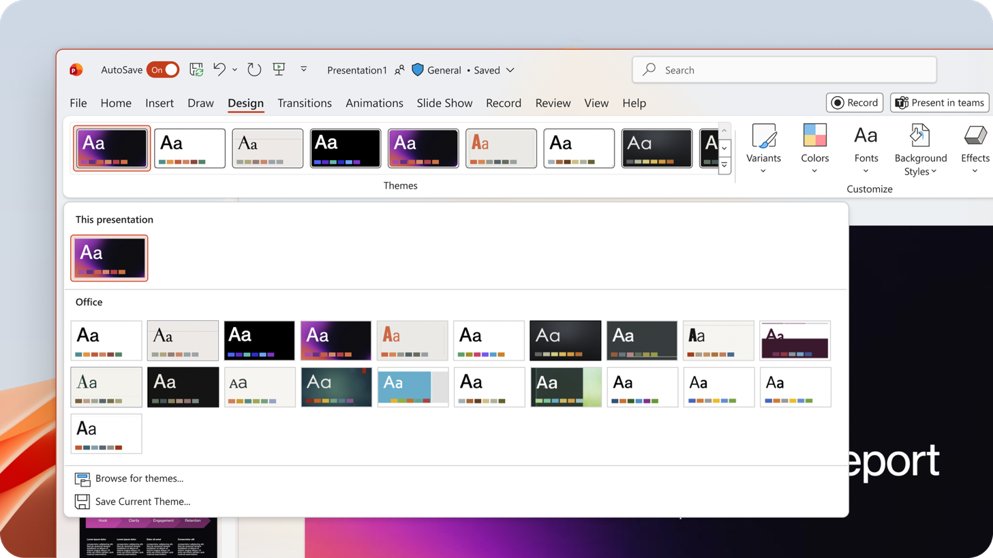
PowerPoint receives new themes and an updated Design tab

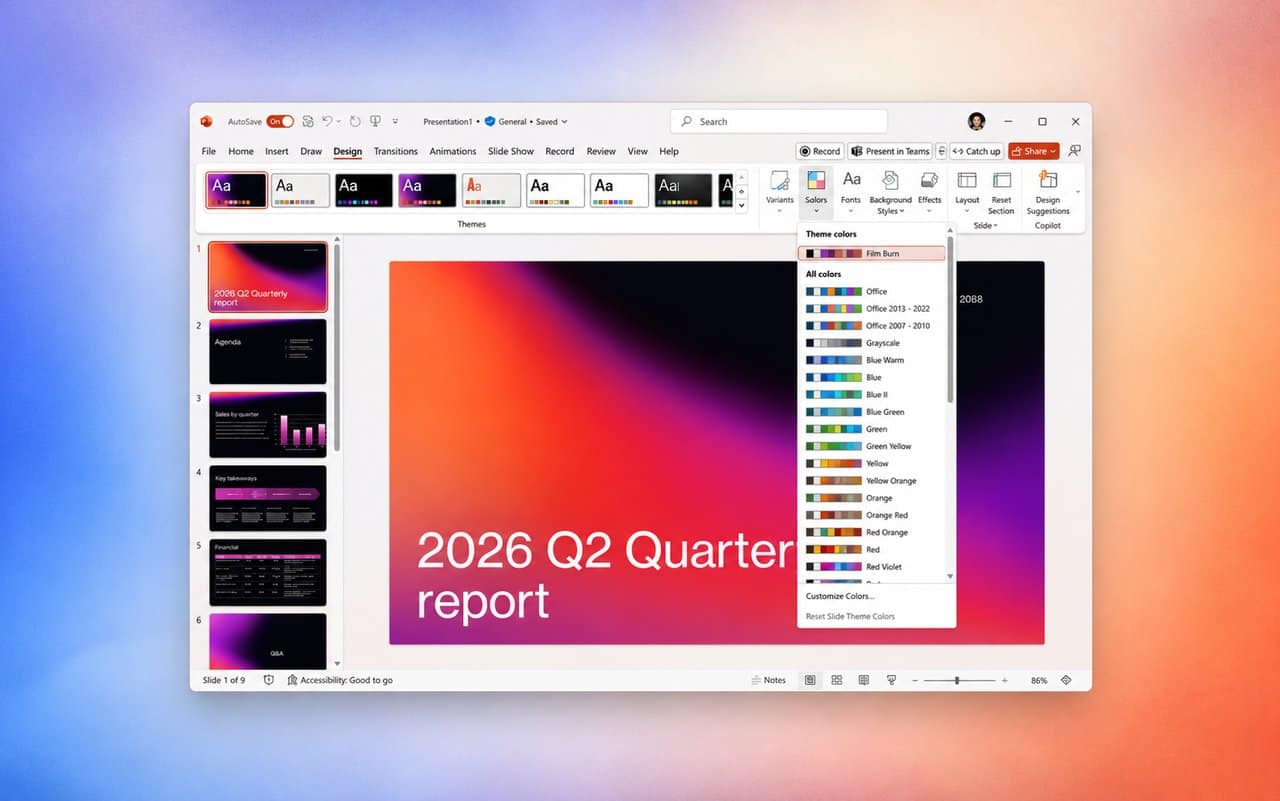
Microsoft has added 13 themes to PowerPoint’s Design tab while removing some older themes from the default selection.

Users can restore retired themes through PowerPoint’s Backstage menu. Presentations that already use those themes will continue to display normally.

Image credit: Microsoft

Microsoft has also redesigned the Design ribbon to make themes and visual tools easier to navigate.

The new themes and ribbon changes are currently available to Beta users on Windows and Mac. Microsoft plans to make them generally available next month.

The PowerPoint updates arrive as Microsoft continues expanding its productivity tools. Microsoft Planner Agent is now available to all Microsoft 365 Copilot users, while Excel on the web usage has reportedly increased tenfold.

Microsoft Entra ID Will Make Passkeys the Default in September 2026

Microsoft’s authentication changes will make passkeys the default sign-in method for Microsoft Entra ID users beginning September 1, 2026.

The company will introduce the change gradually across organizations. Eligible users will receive a prompt to create a passkey after completing their next multifactor authentication challenge.

Microsoft says administrators will not need to configure every account manually. Users who currently depend on SMS or voice verification will move to the new authentication experience automatically.

Why Microsoft is replacing passwords

Microsoft has expanded passkey support as phishing attacks, credential theft, and AI-powered social engineering become more sophisticated.

Recent voice phishing campaigns have targeted Microsoft 365 users by impersonating trusted support staff and attempting to capture Entra credentials or verification codes. These attacks can bypass traditional password protections when users share information with attackers.

Passkeys replace shared passwords with public-key cryptography. Users authenticate through a fingerprint, facial recognition, or a device PIN stored on a trusted device.

Because the private authentication key does not leave the device, attackers cannot steal it through a fake sign-in page. This makes passkeys resistant to many common phishing and credential theft techniques.

Passkey rollout begins in September

The Entra ID rollout will begin on September 1, 2026, and continue gradually.

After an eligible user completes an MFA request, Microsoft will prompt them to register a passkey. Organizations will not need to migrate every employee at the same time.

Microsoft plans to publish more information on September 18, 2026. The update will cover supported providers, deployment guidance, technical documentation, and pricing.

Organizations that still need SMS or voice authentication will have time to review their options before completing the transition.

SMS and voice authentication will end in 2027

Microsoft will not remove passwords and older authentication methods immediately. Organizations will have until 2027 to complete their migration.

SMS and voice authentication capabilities in Microsoft Entra ID will retire on February 1, 2027.

Microsoft is also tightening password reset security. Users will only be able to reset their passwords with authentication methods that they previously registered.

The changes form part of Microsoft’s wider effort to reduce password use and strengthen account protection across Windows, Microsoft 365, and Entra ID.

Windows 11 Search is Finally Getting Faster, Cleaner, and Way Less Annoying

Months after users repeatedly complained about cluttered search results and web-heavy suggestions, Microsoft has finally started rolling out a major improvement for Windows Search that make finding apps, files, and settings much easier.

Windows 11 Search is becoming cleaner and smarter

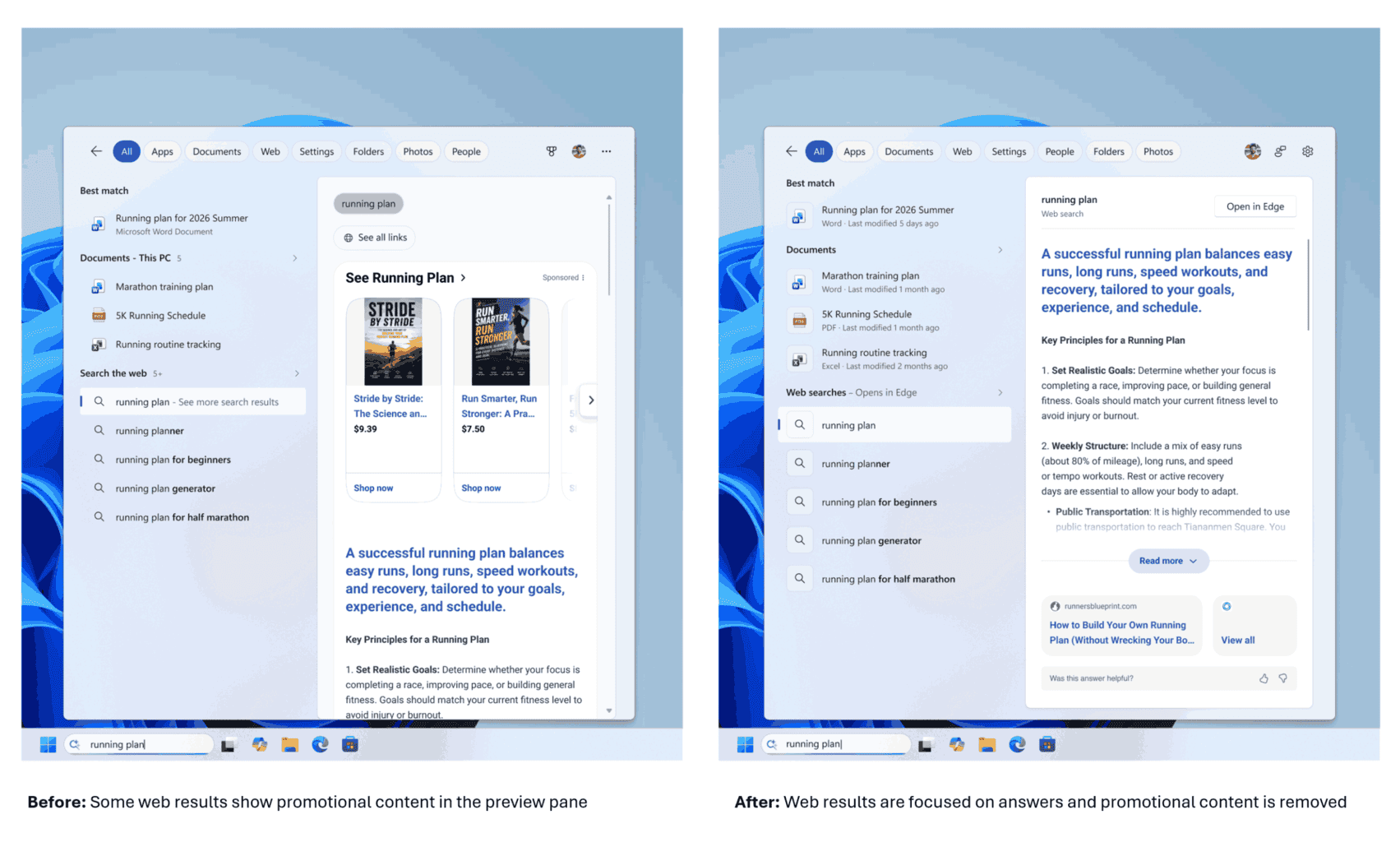
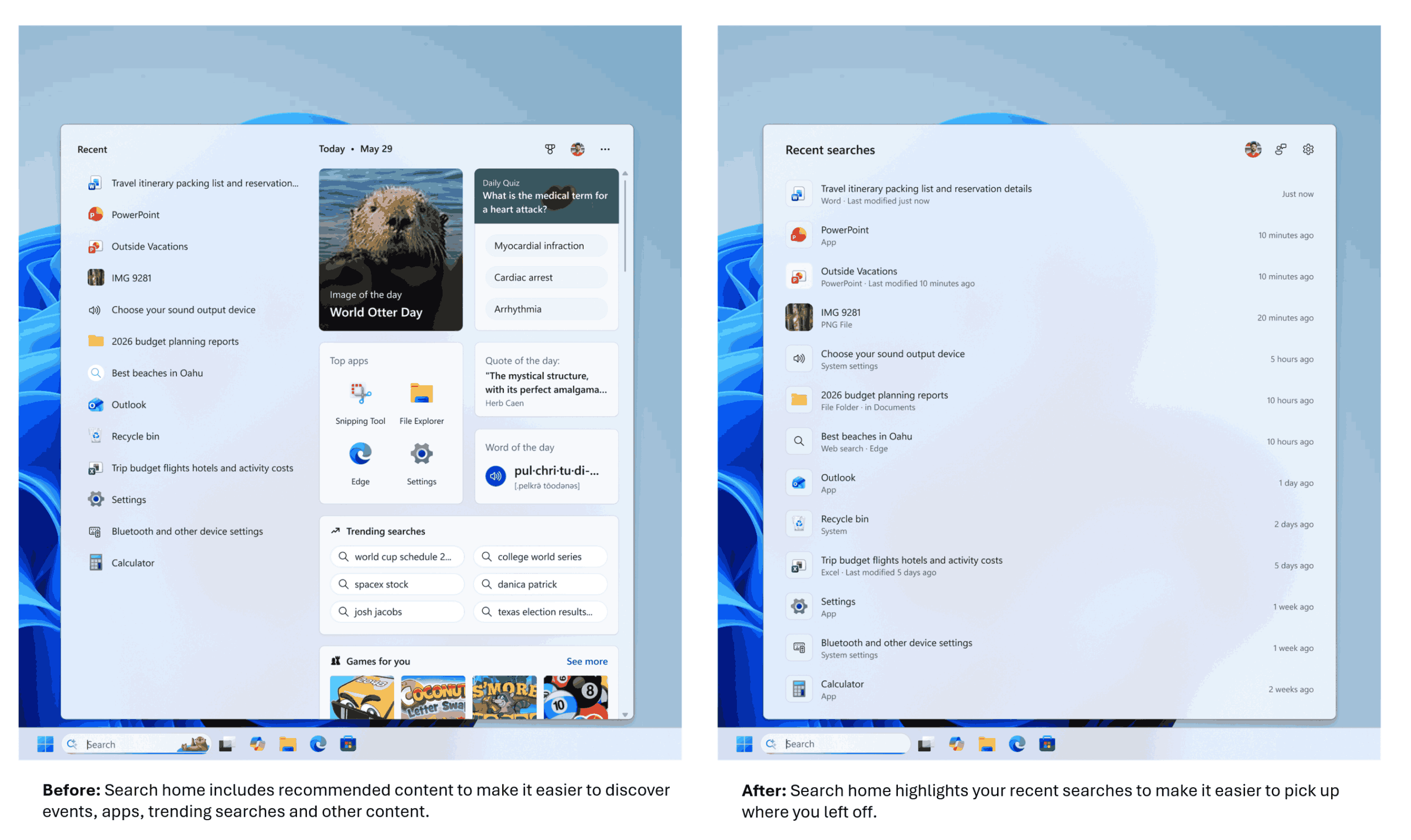
Rather than introducing another AI-powered feature, Microsoft is focusing on the basics this time, making Search faster to navigate, easier to understand, and less distracting. One of the biggest changes is a redesigned Search home page with a much cleaner layout.

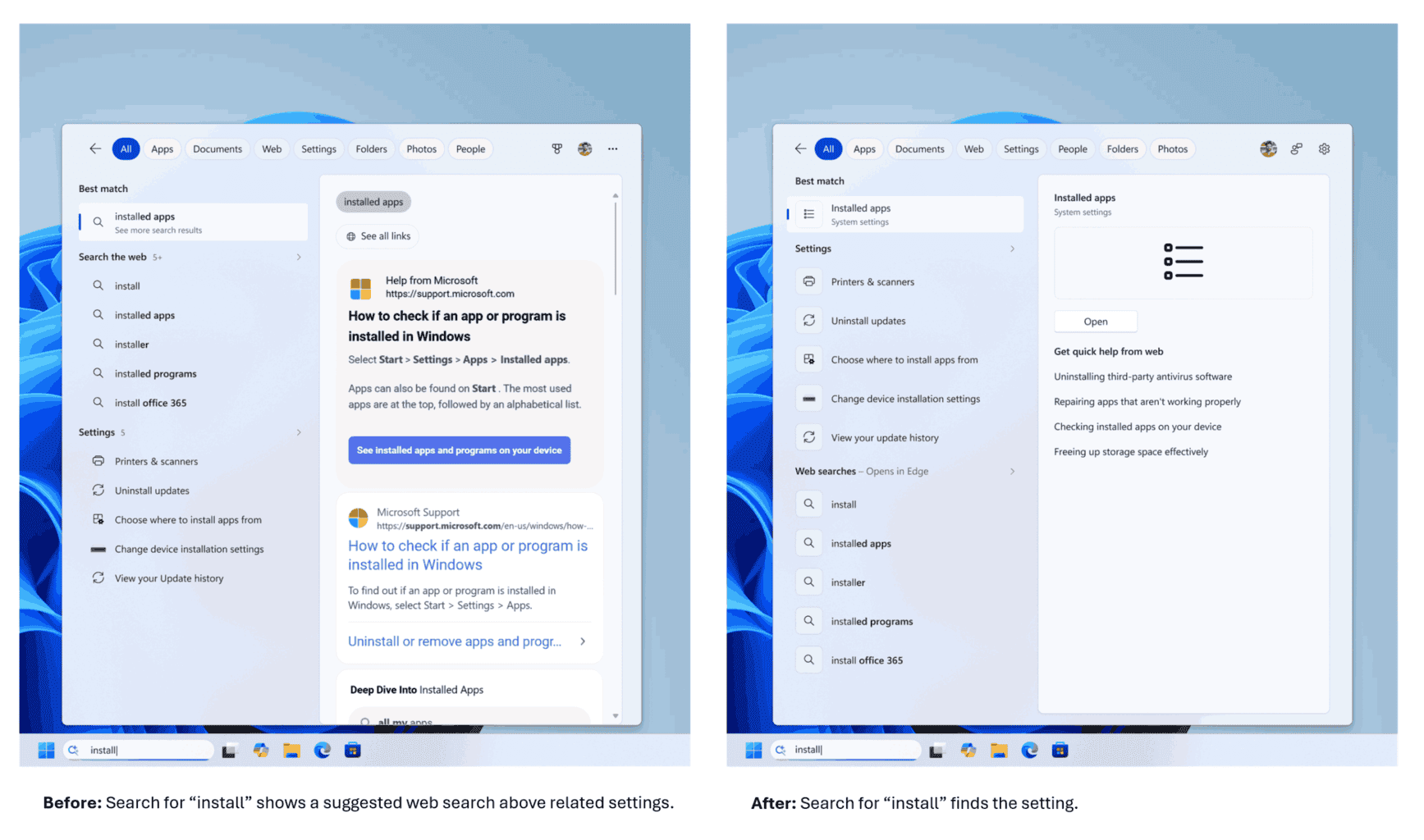
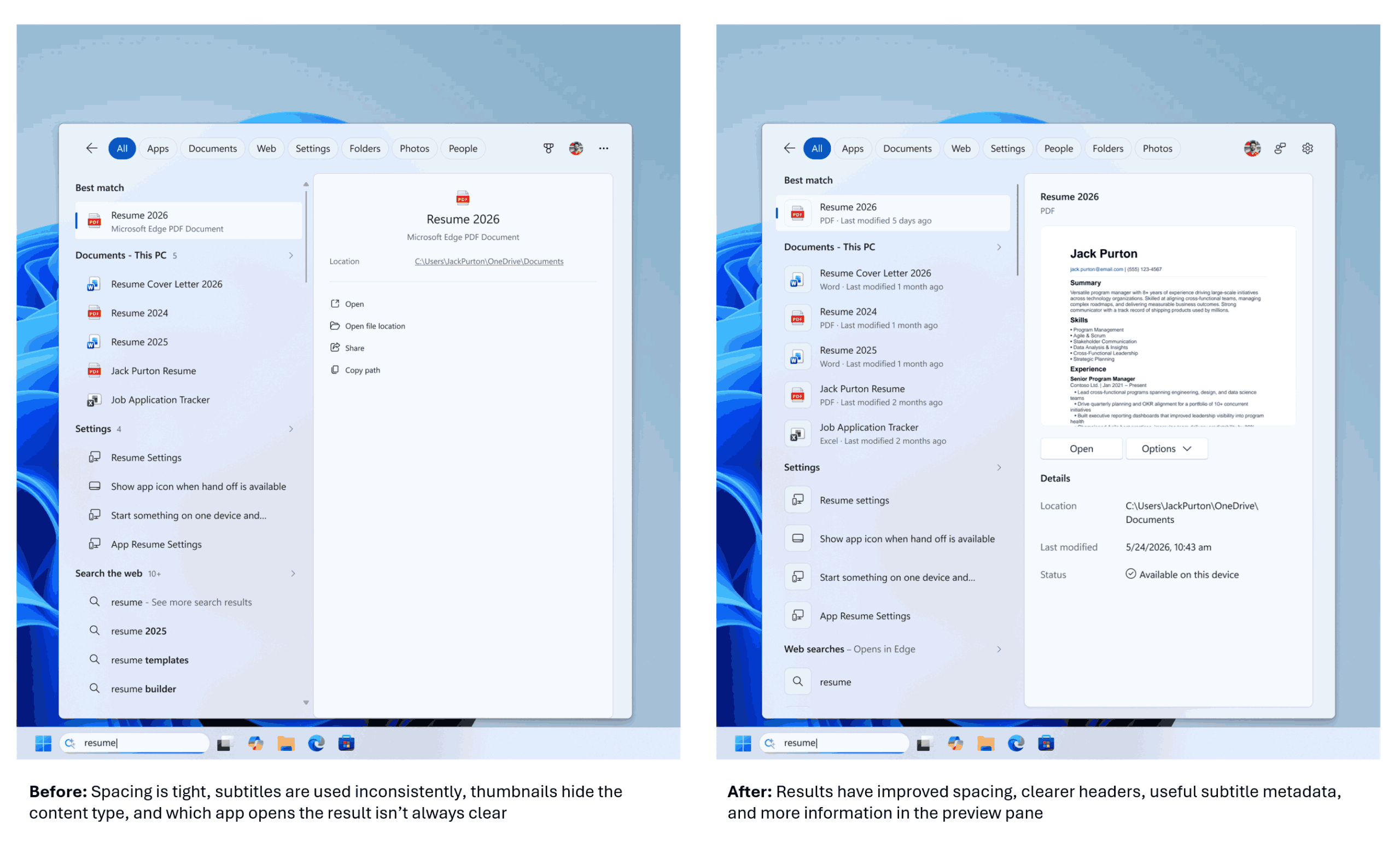
Microsoft has removed unnecessary visual clutter and made it easier to jump back into recent searches. Search results are also getting clearer labels, making it immediately obvious whether you’re opening an app, system setting, local file, web page, or Microsoft Store listing.

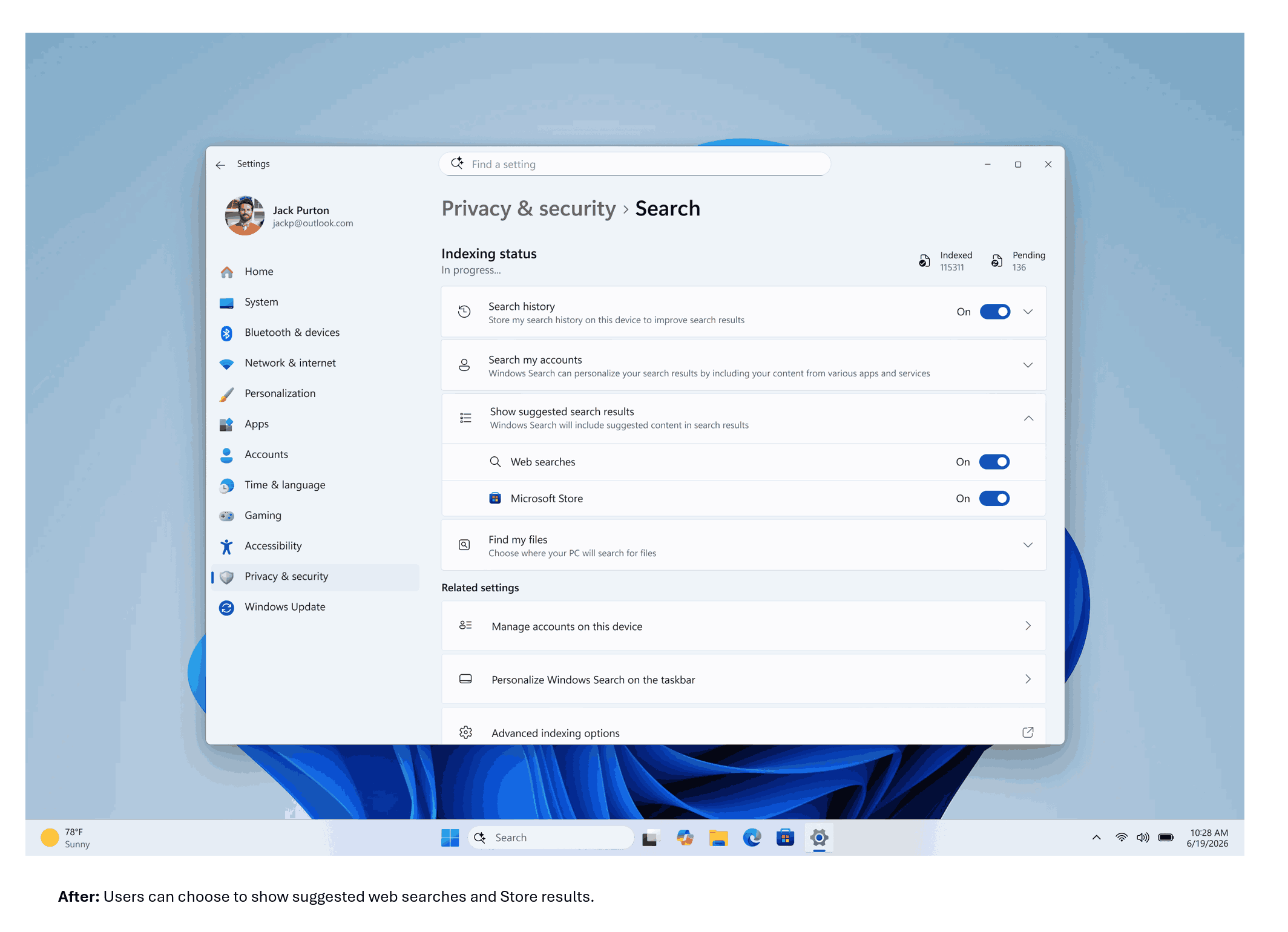
Perhaps the most welcome change is the removal of promotional content from web search results. Rather than pushing related products first, Windows Search now prioritizes the most relevant answer. Users can also decide whether web and Microsoft Store suggestions should appear at all through a new option in Settings > Privacy & Security > Search.

Image credit: Microsoft

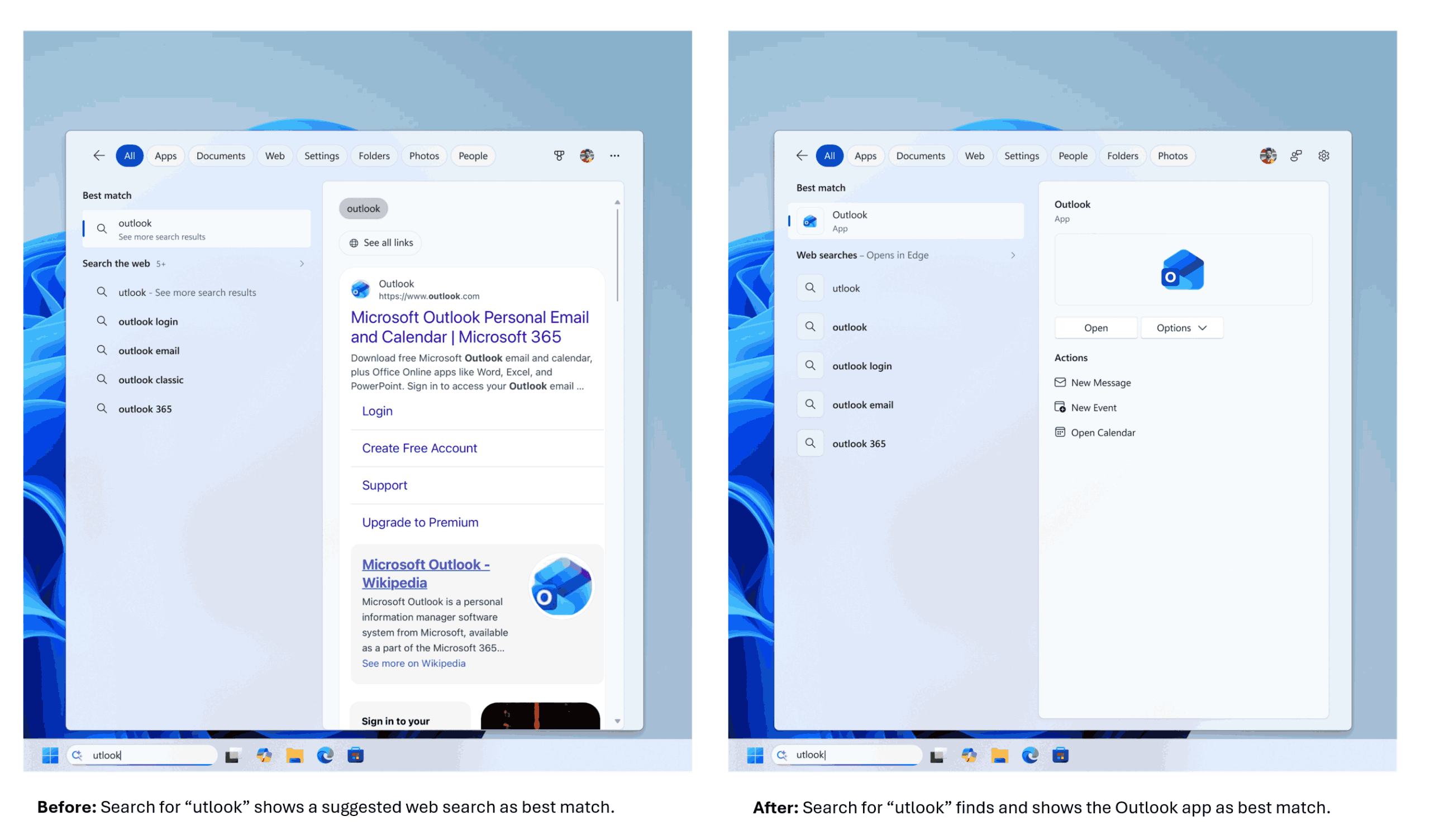
Microsoft is also improving the intelligence behind Search. Local apps, files, and settings are now ranked ahead of web results whenever they’re considered the better match. The search engine has become more forgiving of spelling mistakes too, meaning typing something like “utlook” can still surface Outlook without any issues.

The update also brings better file discovery, including support for two-character searches, improved cloud file matching, and higher-quality settings recommendations. Microsoft says reliability has also been improved, with fewer crashes and loading issues reported during testing.

For now, these Search improvements are only available to Windows Insiders in the Experimental Channel and are rolling out gradually through Controlled Feature Rollout. Microsoft says it will continue refining the experience based on Insider feedback before expanding availability to more users.

Nintendo Reportedly Exploring Switch 2 OLED Model for 2028 Launch

Nintendo may not be done evolving the Switch 2 just yet. While the company is still dealing with rising hardware costs and has announced price increases in several markets, a fresh report now suggests another version of the console is already being discussed behind closed doors, one that could finally bring OLED technology to the latest handheld.

Report says Nintendo is evaluating a Switch 2 OLED model

According to a report from ZDNet Korea, Nintendo is currently assessing whether launching a Nintendo Switch 2 OLED model would make financial sense (via X/@jukan05). The report claims no final decision has been made, with the company still weighing manufacturing costs against potential demand before committing to development.

If Nintendo gives the project the green light, development is reportedly expected to begin toward the end of this year. Mass production would then target late 2027, putting the handheld on track for a possible early 2028 release.

The report also claims Samsung Display is the likely supplier for the OLED panel if the project moves forward. However, the biggest hurdle isn’t the display technology itself. It’s the price. Unlike the original Switch, which jumped from a 720p LCD to a sharper OLED panel, the Switch 2 already ships with a 1080p LCD display. That means an OLED version would primarily improve contrast, black levels, and color reproduction rather than increasing resolution.

For now, Nintendo has not announced any OLED variant of the Switch 2. However, if the report proves accurate, the coming months could determine whether the company doubles down on a premium model or sticks with the existing LCD display for the foreseeable future.

Sony’s $457 Million Lawsuit Just Got More Serious After PlayStation Disc Decision

Sony’s move away from physical PlayStation discs is already sending shockwaves across the gaming world. Now, just days after confirming that new first-party PlayStation titles will stop shipping on discs from January 2028, the company finds itself under even greater pressure as a massive lawsuit continues to gather attention in Europe.

According to Insider Gaming, the latest development centers around an ongoing lawsuit filed by Dutch consumer organization Stichting Massaschade & Consument, which is seeking roughly €400 million ($457 million) in damages on behalf of approximately 1.7 million PlayStation users in the Netherlands.

According to the consumer group, Sony’s PlayStation Store pricing leaves players paying more than they should because of what it describes as limited competition within the digital marketplace. The organization argues that Sony’s control over digital game distribution has resulted in inflated prices for consumers.

While the lawsuit was originally initiated last year, the situation has taken on fresh significance following Sony’s recent announcement that it will no longer manufacture physical discs for newly released PlayStation games beginning in January 2028. That decision effectively pushes future first-party game purchases toward the PlayStation Store, making the lawsuit’s central argument even more relevant.

The consumer group continues encouraging eligible Dutch PlayStation users to join the case as proceedings move forward. That being said, Sony has not been found liable, and the lawsuit remains ongoing. Putting it simply, no final judgment has been issued by the Dutch courts.

Speaking of lawsuits, let’s not forget that a Brazilian court ruled in favor of an XBOX player under the country’s consumer protection laws. The court ordered Microsoft to fully restore the players’ hacked account, including the player’s digital Xbox game library, while also awarding him roughly $400 in damages.

Do you think Sony can defend its decision? Let us know what you think in the comments below.

XBOX Gamer Wins Lawsuit Against Microsoft After Losing Entire Digital Game Library

What if one day you woke up, tried signing into your Xbox account, and discovered your entire digital game library had vanished? No wonder, it’s a nightmare, even to think of. Well, that nightmare became reality for one Xbox player in Brazil, but months later, the story took a dramatic turn after a court ruled against Microsoft. The Xbox player in question is Reddit user Ordo_Liberal, whose story was reposted by IdleSloth on X and later reported by Windows Central.

Brazilian court orders Microsoft to restore Xbox account

So, what exactly happened? Well, earlier this year, the user revealed that hackers had taken over his Microsoft account by changing its security details. According to his posts, Microsoft later marked the account as “unrecoverable” under its internal policies, leaving him permanently locked out of not only his Xbox purchases but also his OneDrive files.

Rather than starting over, the player decided to take Microsoft to court. According to the Reddit update shared by the user, a Brazilian court ruled in his favor under the country’s consumer protection laws. The court ordered Microsoft to fully restore the account, including the player’s digital Xbox game library, while also awarding him roughly $400 in damages.

The case has since gotten a massive reception on Reddit, as gamers started pointing to it as a significant moment in the ongoing debate surrounding digital ownership and consumer rights. That being said, this decision doesn’t automatically apply worldwide. The ruling was based on Brazilian consumer law, meaning players in other countries may not receive the same legal protections if they face similar situations.

However, the case lands at a time when digital ownership is facing increased scrutiny across the gaming industry. With publishers moving away from physical media and more purchases linked to online accounts, questions about who truly owns digital games continue to grow.

Microsoft has not publicly announced any changes to its account recovery policies following the ruling. However, this court decision could become an important reference point for future disputes involving digital libraries, especially when players lose access through no fault of their own.

Report: Black Ops 1 & 2 Remasters Are Crushing Black Ops 7 in Surprise Player Count Upset

The return of Call of Duty: Black Ops and Black Ops 2 has sparked a nostalgia wave that few expected. Despite landing as straightforward PlayStation ports with minimal improvements and premium price tags, the two classics appear to have found a massive audience just weeks after launch. Now, a fresh report suggests that the older shooters may be attracting even more players than Activision’s latest mainline release.

OG Black Ops remasters may be winning the player count battle

According to CharlieIntel on X, citing unnamed sources, the PlayStation versions of Black Ops and Black Ops 2 currently have more players online than Black Ops 7 across all platforms combined. The claim has not been officially confirmed by Activision, so it should be treated as a report rather than verified player data.

If accurate, the numbers would mark a remarkable turnaround. Black Ops 7 is available across multiple platforms, while the recently released Black Ops and Black Ops 2 ports are limited to PlayStation consoles. That said, longtime fans appear to be returning to Treyarch’s classic entries in large numbers.

The report also comes shortly after Activision removed the live player counter from both legacy titles, a move that prompted plenty of discussion within the community. While the publisher never explained the decision, CharlieIntel’s latest report has only fueled more speculation about just how active those games have become.

Whether the momentum lasts is another question. Nostalgia often drives strong launch interest, but sustained engagement is much harder to predict. All that said, if CharlieIntel’s sources are correct, the classic Black Ops duo has delivered one of the biggest surprises of the Call of Duty year, even before Activision has shared any official player statistics.

Windows GDID Raises Privacy Concerns Over Persistent Device Tracking

Microsoft’s Global Device Identifier, or GDID, can identify the same Windows installation across different networks, IP addresses, and Microsoft services.

The persistent device identifier recently appeared in a US federal complaint involving an alleged hacker who used VPN and proxy connections. According to Windows Latest, investigators used Microsoft’s GDID records to connect activity from the same Windows device across several countries.

What is Microsoft’s GDID?

A GDID identifies a particular Windows installation on a physical computer or virtual machine.

The identifier survives regular Windows updates. However, a clean Windows installation generates a new GDID. A single Microsoft account can therefore collect multiple identifiers over time.

When someone connects Windows to a Microsoft account, Microsoft’s account service reportedly assigns the installation a server-generated identifier. Windows stores the value in the registry under the user’s identity settings.

The Connected Devices Platform can then register it with Microsoft’s device services. Delivery Optimization may also send the identifier to Microsoft through update-related diagnostic data.

As a result, Microsoft can recognize the same Windows installation even after its public IP address changes.

Investigators reportedly tracked a Windows device through its GDID

US investigators were examining a May 2025 data breach connected to an ngrok account created through a VPN address.

The VPN address did not directly reveal the suspect’s identity. However, Microsoft’s records allegedly showed that a Windows device carrying the same GDID visited both the ngrok registration page and the victim’s website during the relevant period.

Investigators then compared the GDID with other information, including IP addresses, travel locations, social media activity, Apple accounts, gaming logins, and hotel visits.

The identifier remained linked to the same Windows installation as the device moved between networks and countries. This gave investigators a more consistent data point than a VPN or proxy address, which can change frequently.

The allegations remain part of a criminal complaint and do not represent a conviction.

GDID raises transparency and privacy questions

Windows users do not receive a dedicated consent prompt that clearly explains when Microsoft creates or transmits a GDID.

Microsoft has also published little consumer-facing information about the identifier. Users have limited visibility into which services collect it and how Microsoft associates it with account activity.

Reinstalling Windows may generate a different GDID. However, signing back into the same Microsoft account could allow Microsoft to connect the new installation with previous devices and account records.

The identifier reportedly supports services connected to Windows activation, Microsoft Store access, account identity, cross-device features, and Delivery Optimization. Completely blocking it could interfere with some Windows services.

How Windows users can reduce data collection

Users can limit some optional data sharing by using a local Windows account where practical.

They can also disable optional diagnostic data through Settings > Privacy & security > Diagnostics & feedback. Turning off personalized advertising, app-launch tracking, and cloud-based Windows Search features may further reduce information sent to Microsoft.

These changes do not guarantee that Microsoft can no longer identify a Windows installation. Turning off optional telemetry does not necessarily remove the underlying GDID.

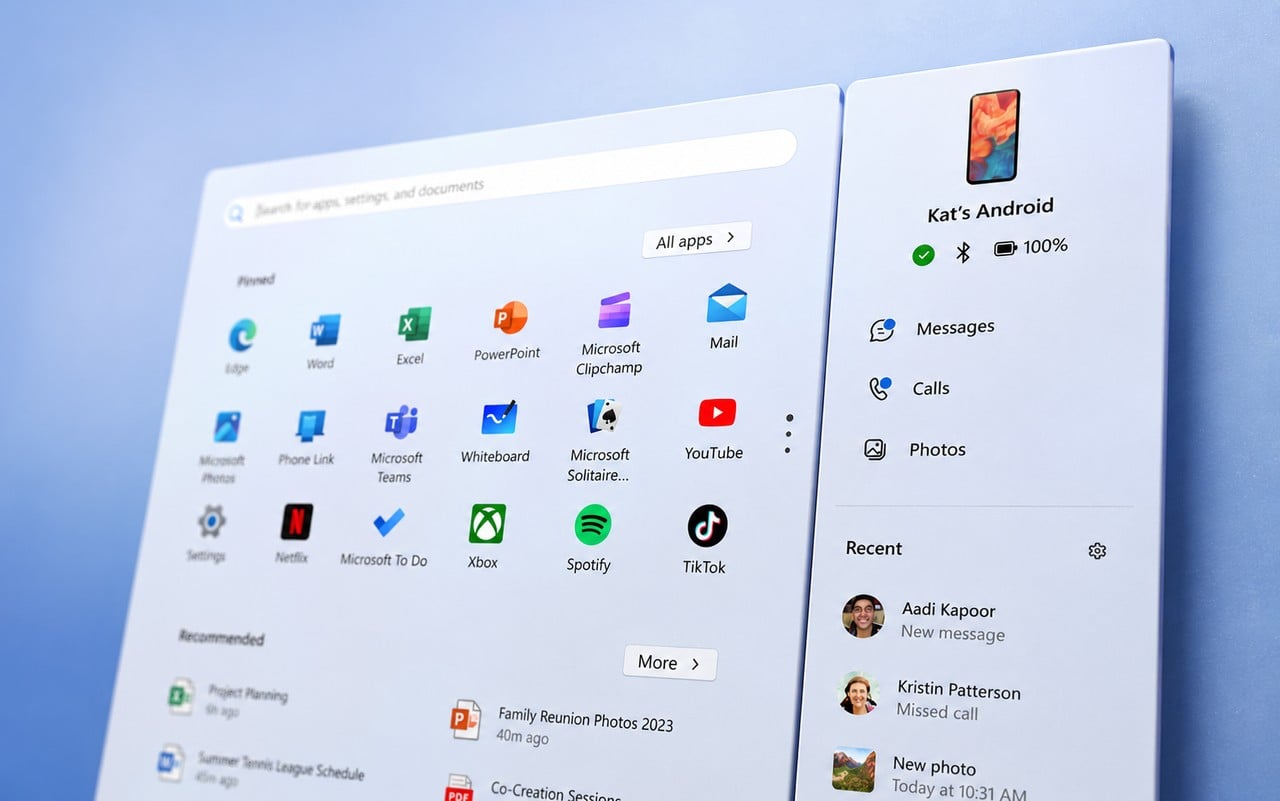
In other Windows news, Windows didn’t lose 28% of its desktop market share in two months despite earlier reports. Microsoft is also experimenting with deeper Phone Link integration throughout the Windows 11 interface, along with a new Copilot PC Insights feature.

Valve Expands Steam Verified with New Steam Machine & SteamOS Ratings

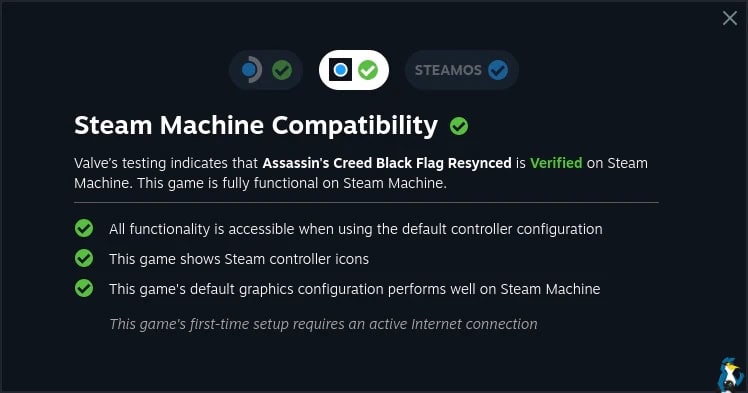
Valve has started displaying dedicated compatibility ratings on Steam Store for both Steam Machine and SteamOS. The new feature, first spotted by folks at GamingOnLinux, will give players a better idea of how games will perform before they hit the install button.

Steam Machine gets its own Verified experience

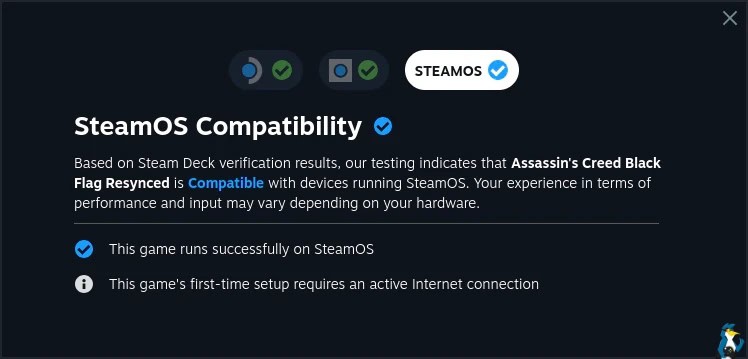
The new compatibility information is already appearing on the Steam Store and the Steam mobile app. To find it, players need to open a game’s Steam page, scroll to the Steam Deck Compatibility section, and select Learn more. Doing so opens a redesigned compatibility window with separate tabs for Steam Deck, Steam Machine, and SteamOS.

Image credit: GamiongOnLinux

The Steam Machine tab focuses on whether a game delivers a smooth experience using its default settings. It also checks controller compatibility, allowing players to know if a title is ready to play without additional tweaking.

SteamOS, meanwhile, provides a different set of information. Rather than measuring performance alone, it tells players whether a game runs through Proton, Valve’s Windows compatibility layer, and whether an internet connection is required for the initial setup or while playing. That should make it easier for Linux users to understand exactly what they’re getting before making a purchase.

Interestingly, the news outlet also noticed references to a Steam Frame Verified program attached to some games. Valve hasn’t enabled a dedicated interface for those ratings yet, but the discovery suggests the company is continuing to expand its compatibility ecosystem beyond Steam Deck as it prepares for the arrival of new hardware.

Speaking of Steam, let’s not forget that the Valve has confirmed that it’ll fix Steam Machine’s early red temperature warning with a new BIOS update.

Windows Did Not Lose 28% of Its Market Share in Two Months, Despite Previous Reports

A StatCounter reporting error briefly suggested that Windows desktop market share had fallen from around 79% in April 2026 to 56.55% in June.

The apparent decline represented a drop of roughly 28.4% in only two months. However, StatCounter later corrected the data, bringing Windows back to around 72%, according to Windows Latest.

The figure may continue moving closer to its previous level as StatCounter adjusts the dataset.

Windows devices likely moved into the Unknown category

Linux and macOS recorded some gains during the same period, but their increases could not explain the reported Windows decline.

Instead, StatCounter’s Unknown operating system category suddenly climbed to 21.45%. This category includes devices that cannot be identified because of missing, modified, or unclear browser user-agent information.

The data suggests that many Windows devices were incorrectly classified as Unknown rather than users suddenly switching to other operating systems.

StatCounter has reported similar errors before

StatCounter produced another unusual market-share change in 2025. Its data briefly showed Windows 7 rising from below 1% to more than 10%.

The company later corrected those figures, returning Windows 7 to below 1%.

How StatCounter measures market share

StatCounter collects analytics from more than 1.5 million websites and measures billions of page views.

It does not count unique users, active installations, or physical devices. Instead, it identifies operating systems mainly through browser user-agent data.

Bots, AI crawlers, web scrapers, modified user agents, and unusual browsing activity can distort the results. Devices can also move into the Unknown category when StatCounter cannot identify their operating system.

StatCounter data remains useful for tracking broad trends, but sudden and extreme changes require additional scrutiny. The June 2026 Windows decline resulted from a measurement problem, not a mass migration to Linux or macOS.

In other Microsoft news, the company is testing deeper Phone Link integration in Windows 11, despite unresolved reports about high Phone Link memory usage. It is also experimenting with Copilot PC Insights, a feature that allows Copilot to access live hardware and system information with user permission.

Valve to Fix Steam Machine’s Early Red Temperature Warning with a New BIOS Update

Just days after Valve cleared up the confusion surrounding the Steam Machine’s infamous “Red Line of Death,” another issue related to the console’s front LED system has surfaced. Well, we are talking about Steam Machine’s Red warning light due to throttling. Fortunately, Valve says it’s also working on a separate fix for the solid red temperature warning that has been catching some users off guard.

Steam Machine’s temperature warning is changing, a new BIOS update will bump red LED warning thresholds

The details come from a Steam Support response shared by a Steam Machine owner on Reddit (via VideoCardz). According to Valve, the current BIOS can illuminate the console’s solid red-light bar even when the system is still operating within normal temperature limits.

One user reported seeing the warning appear while gaming despite the CPU sitting at 81°C and the GPU at 75°C. Although the GPU junction temperature reached 91°C, Valve reportedly confirmed those readings were still within the console’s expected operating range and that the warning was simply being triggered earlier than intended.

To address this, Valve is preparing a BIOS update that raises the red warning threshold from 95°C to 100°C for the CPU and from 90°C to 100°C for the GPU. The company stressed that the update does not increase the hardware’s operating limits. Instead, it changes when the red warning light appears.

Valve also explained that the Steam Machine already begins thermal throttling once either processor reaches 100°C and will automatically shut down if temperatures continue climbing beyond safe limits. In other words, the upcoming BIOS update will make the red light align with the point where thermal protection actually starts instead of appearing beforehand.

Valve has not announced a release date for the BIOS update. Steam Support only said the fix is currently being prepared and will roll out in a future update.

Windows 11 Tests Copilot PC Insights for Live Hardware Information

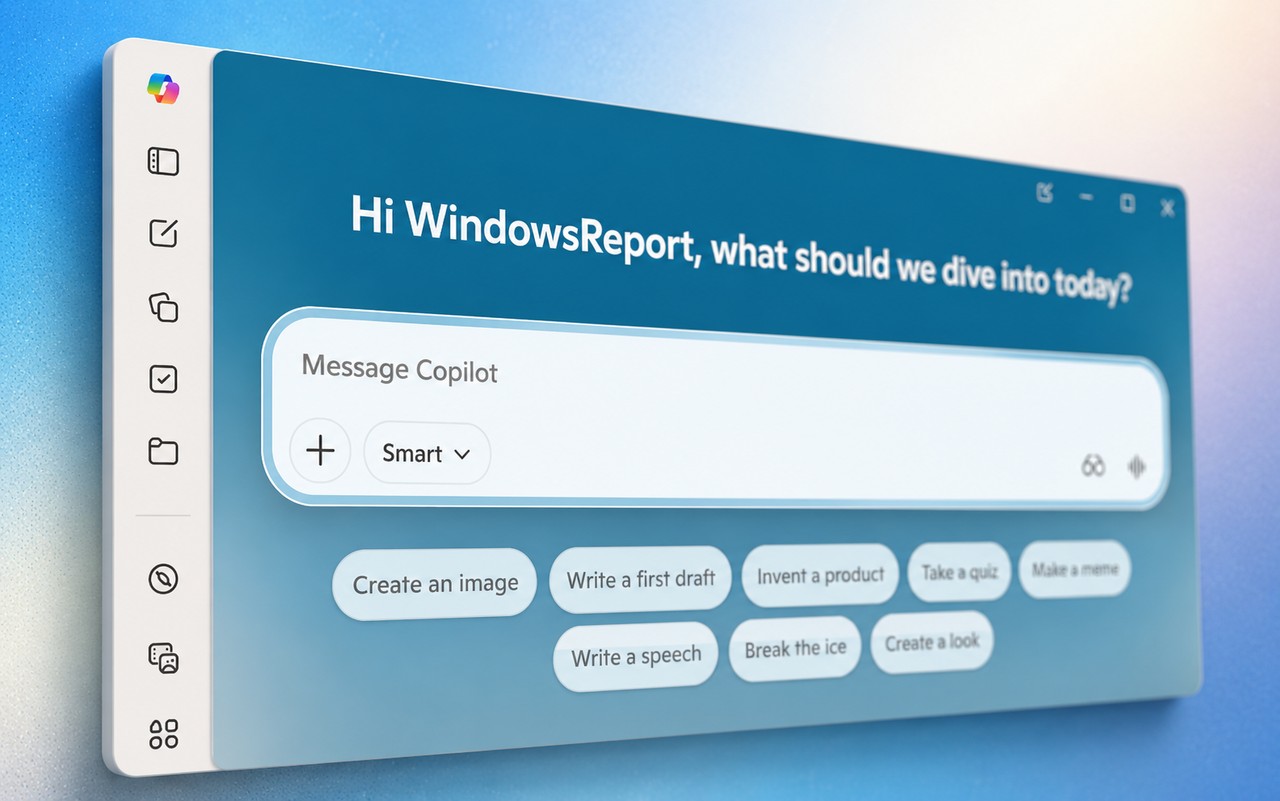
Copilot PC Insights could make it easier for Windows 11 users to check their computer’s performance, storage, hardware, and security status through simple questions.

Microsoft has started testing the feature inside the Copilot app, according to Windows Latest. PC Insights allows Copilot to use live system information instead of answering only with general troubleshooting advice.

Microsoft is gradually rolling out the feature in the United States, so many users will not see it yet.

Copilot can check the current state of a PC

PC Insights can access several types of system information after receiving permission from the user.

Copilot can check current CPU, RAM, and GPU usage, available and total storage space, file and folder sizes, including Downloads and Documents, connected USB devices and external drives, and connected printers and webcams.

Copilot can also check Wi-Fi and Bluetooth status, battery health information, antivirus status, hardware specifications, BIOS details, and general device health.

This access could help users identify performance problems without opening Task Manager, Settings, or several separate diagnostic tools.

For example, a user could ask why a PC feels slow. Copilot could then compare current memory or processor usage and explain which resource may be causing the slowdown.
Copilot can also combine PC data with information from the web. A user could ask whether a game will fit on the device, and Copilot could compare the game’s storage requirements with the space currently available.

Copilot cannot read personal files without permission

Microsoft says PC Insights cannot automatically read the contents of personal files.

The feature can calculate the size of files and folders, but it cannot open or analyze their contents unless the user specifically grants access.

Microsoft also says it does not store personal files or system information or use that information to train its AI models. However, prompts and Copilot responses may contribute to model improvement, depending on the user’s privacy settings.

Users control PC Insights permissions

Copilot must request permission before accessing relevant system and storage information.

Users can keep the permission setting on “Ask every time,” which requires Copilot to request access whenever it needs PC data. Users can also select “Always allow” to provide ongoing access.

Microsoft says Copilot will not scan the computer in the background without permission.

The optional permission model gives users more control over how much system information Copilot can access.

PC Insights currently offers read-only access

PC Insights can analyze system conditions and explain possible problems, but it cannot make changes to the computer.

Copilot cannot currently stop running processes, delete files, modify Windows settings, or take other corrective actions. Users must still apply any recommended fixes themselves.

Microsoft could expand these capabilities later, potentially allowing Copilot to perform approved troubleshooting actions. For now, the company appears focused on giving users a conversational way to understand their PC’s condition.

The PC Insights test comes as Microsoft continues expanding Copilot across its products. The company recently brought GPT-5.6 to Microsoft 365 Copilot and is testing a Web Remix feature in Microsoft Edge.

Microsoft continues to promote Microsoft 365 Copilot heavily, although paid adoption reportedly remains below 5%. Features such as PC Insights may help the company demonstrate more practical uses for Copilot directly inside Windows.

Microsoft Surprisingly Doesn’t Promote Windows 11 in Its Windows 10 ESU Extension Email

Microsoft officially ended support for Windows 10 on October 14, 2025, but the operating system clearly didn’t disappear overnight. Millions of users have either chosen to stick with their existing PCs or simply can’t upgrade because their hardware doesn’t meet Windows 11’s requirements. That’s exactly where Microsoft’s Extended Security Updates (ESU) program comes in.

Last month, Microsoft confirmed it was extending consumer ESU coverage by another year, pushing security updates through October 12, 2027. Now, the company has reportedly started emailing enrolled Windows 10 users about that extension. Interestingly enough, the biggest talking point isn’t the extra year itself. It’s what the email doesn’t say.

Microsoft’s latest reminder about Windows ESU skips the Windows 11 pitch

As reported by Windows Latest, the email carries a simple message: “Stay secure for another year.” It tells existing ESU users their protection has automatically been extended through October 2027 and that no additional action is required.

For a company that’s spent the past few years aggressively encouraging Windows 11 upgrades through pop-ups, full-screen prompts, Settings notifications, and marketing campaigns, the latest email feels noticeably different. There are no reminders about buying a new Copilot+ PC, no compatibility checker, and no obvious push toward Windows 11. Instead, Microsoft keeps the focus entirely on the ESU extension.

That doesn’t mean Microsoft’s Windows 11 strategy has changed. The company continues recommending newer hardware and has repeatedly described Windows 11 as the best place for new AI features. That said, this email takes a far more practical tone by acknowledging that many customers are staying on Windows 10 for now.
Microsoft introduced the personal Windows 10 ESU program to help users keep receiving critical security updates after support officially ends. With this latest reminder, Microsoft appears more interested in reassuring existing Windows 10 users than convincing them to upgrade immediately.

Windows 10 Users Receive Emails Confirming Another Year of ESU

The Windows 10 ESU extension now gives personal devices security update coverage through October 12, 2027. Microsoft has started emailing users who already joined the Extended Security Updates program, according to Windows Latest.

Existing participants receive the additional year automatically. They do not need to enroll again, change their settings, or make another payment.

Microsoft Emails Existing ESU Users

Microsoft is sending the notification only to users who have already enrolled in the Windows 10 ESU program.

Some recipients may find the message in Outlook’s Other inbox instead of the Focused inbox. Users who have not enrolled should not expect to receive the email.

The message confirms that Extended Security Updates will continue for another year on eligible personal devices.

Windows 10 ESU Enrollment Options

Windows 10 users who have not joined the program can enroll using one of three available methods: they can sign in with a Microsoft account to use the free option, redeem 1,000 Microsoft Rewards points, or pay a one-time fee of $30.

A computer does not need to meet Windows 11’s hardware requirements to receive Windows 10 ESU updates.

In Europe, users reportedly still need a Microsoft account. However, Microsoft no longer requires them to enable Windows settings backup as part of the enrollment process.

Microsoft Account Requirement Remains

Users who select the free enrollment option must continue using their Microsoft account.

If the account remains unused for 60 days, ESU updates may stop. Users can restore access by signing in again with the account connected to the program.

This requirement keeps free ESU enrollment tied to an active Microsoft account.

What Windows 10 Users Need to Do

Users who already enrolled do not need to take any action. Microsoft should continue delivering security updates automatically until October 12, 2027.

Users who have not enrolled can open Settings, then go to Update & Security, select Windows Update, and choose Enroll now.

They can then select the free Microsoft account option, redeem Microsoft Rewards points, or pay the one-time enrollment fee.

In related Windows 10 news, Microsoft has confirmed that the newly announced WSL Containers feature will continue working on the operating system.

6 Best Movies to Watch on Streaming Platforms Right Now

Grab your popcorn and kill the lights, because the mid-summer streaming slate is officially out of control. It’s not just the same old reality shows and filler content anymore. Streaming services are packed with must-watch movies, including big-budget blockbusters, highly anticipated sequels, and critically acclaimed favorites.

If you are staring down a blank search bar trying to figure out what’s actually worth your time, stop scrolling. We’ve combined the top 5 best movies on streaming that deserve a spot on your watchlist immediately.

6 best and top-rated movies to stream right now

1. Enola Holmes 3 (Netflix)

Millie Bobby Brown is officially back as Sherlock’s fiercely sharp younger sister, and she’s already sprinting to the top of the charts. This third installment takes a slightly darker, more mature turn as Enola heads on a high stakes rescue mission across Malta to find a kidnapped Sherlock (Henry Cavill). It’s got all the snappy fourth wall breaks you love but mixed with a surprisingly rich narrative. It easily locks down a spot among the best movies on Netflix right now.

2. The Wild Robot (Prime Video)

Released back in 2024 but freshly landed on Prime Video with a staggering 98% critical score on Rotten Tomatoes, this animated masterpiece is the definition of a cross-generational must-watch. Directed by Chris Sanders, it tells the breathtaking story of a shipwrecked robot adapting to a harsh island wildlife ecosystem. It’s gorgeous, emotionally devastating, and hands down one of the best movies on streaming right now.

3. Honey Don’t! (Netflix)

For anyone looking for a quirky, wildly unpredictable comedy, Ethan Coen’s solo venture is absolute gold. Starring Margaret Qualley as a small-town private eye investigating a bizarre murder alongside Chris Evans and Aubrey Plaza, this neo-noir comedy crackles with eccentric energy. It’s one of the most uniquely entertaining best movies to watch on USA Netflix if you want to skip the standard studio formulas.

4. Project Hail Mary (Prime Video)

After a massive $600 million-plus theatrical run and a brief exclusive stopover on MGM+ to drive up app sign-ups, Amazon MGM Studios finally dropped their crown jewel onto the main Prime Video catalog on July 3. Directed by the genius duo Phil Lord and Christopher Miller, this adaptation of Andy Weir’s sci-fi novel stars Ryan Gosling as a lone astronaut trying to save humanity alongside a deeply endearing alien sidekick named Rocky. It is a visually staggering, highly optimistic masterpiece that comfortably earns its place at the top of any list tracking the best movies on streaming right now.

5. A Quiet Place: Day One (Netflix)

If you missed the visceral, nerve-shredding theatrical release, the wait is over. The apocalyptic prequel showing the chaotic first day the blind alien predators hit the pavement in New York City has officially made its way to the small screen. Anchored by phenomenal, dialogue-light performances, it proves you don’t need a theater setup to feel the absolute tension of this universe.

6. Till (Prime Video)

If you want something deeply impactful that commands your full attention, this powerhouse civil rights drama has just arrived on Prime Video boasting a near-flawless 96% on Rotten Tomatoes. Telling the story of Mamie Till-Mobley’s relentless pursuit of justice for her son Emmett, it is an emotionally heavy but profoundly vital watch. A true masterpiece that stands tall on any list of the best movies on streaming platforms right now.

Pro-Tip for Film Buffs: If your algorithm is feeling a bit stale after binging these hits, try typing specific director names or niche sub-genres (like “Neo-Noir Comedy”) directly into the platform search bars rather than clicking through the standard genres page. It forces the UI to surface hidden licensed gems that the home page loves to hide!

In case you are waiting for horror blockbuster, Obsession, the good news is that it has finally got Peacock release date. In case you are willing to buy/rent and watch it now, check our related guide here.

Microsoft Tests Deeper Phone Link Integration in Windows 11

Native smartphone integration could become a much bigger part of Windows 11 as Microsoft tests new ways to bring connected phone features directly into the operating system.

According to Windows Central, Microsoft is prototyping several features that would make Phone Link tools feel like native parts of Windows instead of features limited to a separate app.

The ideas remain in internal development. Microsoft could change, delay, or cancel them before any public release.

Start menu could show recent phone activity

Microsoft is reportedly expanding the Phone Companion panel inside the Windows 11 Start menu.

The updated panel could let users scroll through recent messages, photos, and other phone activity without opening Phone Link.

Hovering over an item may show more information, including a complete message or a larger image preview.

Windows 11 may get a taskbar phone flyout

Microsoft is also testing a dedicated smartphone flyout in the Windows 11 system tray, according to the report.

A phone icon could appear when Windows detects a connected smartphone. Clicking the icon would open a panel containing device information and quick controls.

Possible options include enabling Do not disturb, switching on vibrate mode, locating the connected phone, and changing other device settings.

Microsoft may also let users send files by dragging them onto the taskbar phone icon.

Clipboard history could sync across devices

Windows and connected phones can already sync the most recently copied item in some configurations.

Microsoft is reportedly exploring a more complete clipboard-history synchronization system. It could provide a shared list of copied text and other supported content across Windows 11 and a connected phone.

This would let users access several previously copied items instead of only the latest one.

Standalone Messages app reportedly in development

Microsoft is also developing a dedicated Messages app for Windows 11, Windows Central reports.

The app would synchronize SMS conversations from a connected smartphone. Users could read messages, send replies, and start new conversations with their contacts.

It would use Phone Link’s existing messaging technology but work as an independent app that users could launch or pin from Start.

Microsoft has not announced when, or whether, these features will reach Windows 11 users.

The company may first test them through the Windows Insider Program before deciding which ideas to release publicly.

Microsoft is also testing an option that lets users remove a PC directly from the Link to Windows mobile app. Meanwhile, some users have reported a Phone Link bug that causes unusually high RAM usage on certain PCs.

Microsoft Adds XBOX Handheld Support to 40 More PC Games

Microsoft has expanded XBOX handheld support to 40 more PC games, including Call of Duty: Black Ops 6, Guilty Gear Strive, and Wuthering Waves, as TrueAchievements reports.

The update arrives during a busy week for XBOX, with more than 40 games scheduled to launch across the platform. Microsoft has also confirmed five games for the August XBOX Game Pass lineup.

35 games receive handheld-optimized status

Microsoft has marked 35 of the newly updated games as handheld-optimized. These titles should provide a suitable handheld experience without requiring players to make major graphics or control adjustments.

The full list of new handheld-optimized games includes:

Acorn AvengersBear Mage Honey Sage (Windows)Blast’N Bounty
Bone Marrow 2 (Windows)Book It! (Windows)Brave Escape
Buckshot RouletteCall of Duty: Black Ops 6Card Party Showdown
DispatchDual Bunnies (Windows)Farming Camp
Fear The TimeloopFixForceFogpiercer
Roll MadGet Them Out! (Windows)Golftacular!
Ground Zero HeroGuilty Gear StriveI Think I Saw a Kitten (Windows)
KristalaMate’MorphosisMavrix by Matt Jones (Game Preview)
Neon Depth (Windows)Sniper DanSunny Summer Splash (Windows)
Swamp TD 2Tiny WitchValor Mortis
Wake Up, Lia!Wall World 2Wreck Runners
Wuthering WavesZombie Graveyard Simulator

Five games receive handheld-compatible labels

Five additional games have received handheld-compatible status. These games can run on supported handheld devices, although players may need to adjust settings or controls.

The newly compatible games are:

  • Bobobby 3D: Stranded Rush (Windows)
  • ChainStaff
  • Drug Dealer Simulator 2
  • PGA Tour 2K25
  • Shy Dogs Hidden Orchestra 2

XBOX handheld catalog continues to grow

The latest update adds major releases and smaller indie games to the XBOX handheld catalog. Several of the optimized titles are also available through XBOX Game Pass, giving subscribers more games that should run on XBOX Ally devices without extensive configuration.

Anthropic Extends Claude Fable 5 Promotion Until July 19

Anthropic has extended access to Claude Fable 5 for eligible paid subscribers through July 19, 2026, at 11:59:59 PM PT.

The company recently restored Fable 5 following the government shutdown. The promotion originally had a July 7 end date before Anthropic extended it to July 12.

The latest change gives eligible users another week to access the model without paying separate usage fees.

Claude Code Usage Limits Also Extended

Anthropic has also extended Claude Code’s temporary 50% increase in weekly usage limits through July 19.

Users do not need to activate the promotion or submit a claim. Anthropic will automatically apply the additional access to eligible accounts.

How the Fable 5 Usage Allowance Works

Eligible subscribers can use up to 50% of their weekly subscription limit on Fable 5 without paying extra.

Fable 5 shares the same weekly usage pool as other Claude models. Anthropic warns that the model can consume the available allowance more quickly than less demanding models.

The promotion applies to Claude Pro, Claude Max, Claude Team, and premium seats on seat-based Enterprise plans when enabled by the organization.

What Happens After Users Reach the Limit

Users who consume their 50% weekly Fable 5 allowance can continue using the model through separately billed usage credits.

They can also switch to another Claude model and use any remaining limits included with their subscription.

Which Users Are Excluded

The temporary promotion does not cover Claude Free users, standard seats on seat-based Enterprise plans, usage-based Enterprise plans, or Claude API usage.

Anthropic Plans to Restore Broader Access

Anthropic says it does not plan to permanently remove Fable 5 from paid subscriptions.

The company intends to restore broader included access once it has enough compute capacity to support demand.

Via BleepingComputer