XBOX Executive Matthew Ball Says Ads Could Help Make Games More Affordable

Speaking in an interview with The Game Business, XBOX’s new Chief Strategy Officer (CSO) Matthew Ball, discussed several challenges facing the gaming industry, including rising development costs, increasing hardware expenses, and player resistance to higher prices.

He also reaffirmed his belief that consoles remain a key part of gaming’s future, pushing back against suggestions that the platform is becoming less relevant.

Ball also confirmed that additional XBOX exclusives are planned, reinforcing Microsoft’s continued commitment to the console market despite ongoing discussions about multi-platform releases.

Advertising Could Help Lower Costs for Players

During the interview, Ball also revisited a topic he has discussed in the past: the potential role of advertising in gaming.

Rather than suggesting advertisements should become a standard part of every game, Ball described them as a possible way to offer lower-cost access to players.

He compared the concept to ad-supported subscription tiers offered by streaming services. In those models, users can choose between paying a lower price and seeing advertisements or paying more for an ad-free experience.

Ball argued that similar options could help expand access to games without forcing all players into the same pricing structure.

“The goal isn’t to cram ads into everything,” Ball explained. Instead, he suggested that the industry should explore whether advertising could help more players access games and franchises that might otherwise be too expensive.

He added that the broader objective would be to maintain affordable gaming experiences while still generating enough revenue to support development teams and increasingly expensive game production cycles.

Ball also touched on the impact of rising hardware costs, noting that they continue to affect long-term planning, including future Project Helix discussions.

Ball Clarifies Comments After Interview

Following the interview, Ball issued a clarification on X to address how some of his remarks were being interpreted.

He noted that he was responding to comments he had made before joining XBOX and emphasized that he was only 10 days into his role when the interview took place.

Ball stressed that he was not outlining Microsoft’s plans or official company positions regarding advertising.

Instead, he said he was discussing advertising as one possible way to create lower-cost alternatives alongside existing premium and ad-free gaming experiences.

Using streaming platforms as an example, Ball pointed to ad-supported subscription tiers from companies such as Netflix and Disney+, where customers can access the same content at a lower monthly price.

He also clarified that he was not advocating for interruptive in-game advertisements. In fact, Ball said he personally believes gameplay interruptions caused by ads would be a negative experience for players.

Ball concluded his post by stating: “At no point do I even mention in-game ads”.

What It Could Mean for XBOX

While Ball made it clear that he was not speaking about any specific Microsoft initiatives, his comments highlight a broader discussion taking place across the gaming industry.

As game development budgets continue to rise and players push back against higher prices, publishers are exploring different business models that could help sustain growth while keeping games affordable.

For now, Ball’s clearest message was that any future discussions around advertising should focus on giving players more choices rather than reducing the quality of the gaming experience.

OpenAI’s Move to Acquire Ona Will Give Codex a Persistant Cloud Workspace

OpenAI, which recently filed for IPO confidentially, is making another major move in the AI race, and this one is all about giving its agents a place to keep working long after users close their laptops. The company has announced plans to acquire Ona, a cloud infrastructure startup focused on secure execution environments. While OpenAI has been rapidly improving Codex’s intelligence, this deal is more about where those agents work.

OpenAI wants Codex working around the clock

Codex has grown far beyond its original role as a coding assistant. According to OpenAI, more than 5 million people now use Codex every week to research information, automate tasks, analyze data, and build software. The company says that figure has increased by 400% since earlier this year.

The bigger challenge, however, is that many of those tasks are no longer finished in a few minutes. OpenAI believes the next generation of AI agents will handle projects that last hours or even days. Rather than being limited to a single device or browser session, those agents need a secure place to continue working independently.

That is where Ona comes in. The startup has spent years building cloud-based development environments and has helped more than two million developers work inside secure and reproducible cloud workspaces. OpenAI plans to use that technology to let Codex continue operating inside customer-controlled cloud environments even when users are offline.

The acquisition also highlights OpenAI’s growing focus on large organizations. Rather than forcing businesses to move sensitive workloads into OpenAI-controlled systems, Ona’s infrastructure allows agents to operate inside a customer’s own cloud environment. That means organizations can maintain control over data access, security policies, credentials, logging, and compliance requirements while still taking advantage of Codex.

OpenAI says the long-term goal is to help enterprises deploy AI agents across real production workflows, including software testing, application modernization, vulnerability management, issue resolution, and other complex tasks that require continuous execution over time.

The acquisition remains subject to regulatory approval. Once completed, the Ona team will join OpenAI and work directly with the Codex division as the company steps further into enterprise AI infrastructure. Not to forget, the company is reportedly also planning to slash prices of its AI services to compete with its rivals like Anthropic.

Microsoft Edge Will Follow Two-Week Update Release Cycle Starting This August

Microsoft is making one of the biggest changes to how soon Edge’s update releases. Rather than waiting roughly a month for the next batch of features, Edge users are about to receive updates at double the pace.

The company has confirmed that Microsoft Edge will transition to a new two-week release schedule later this summer, accelerating the delivery of both browser improvements and security enhancements. The change in strategy starts with Microsoft Edge 152.

Microsoft wants Edge updates to release faster

Starting August 27, when Edge 152 reaches the Stable channel, Microsoft will officially move away from its traditional four-week release cadence. Under the new approach, Stable users will receive updates every two weeks. Microsoft says it is to deliver smaller feature sets more frequently rather than bundling everything into larger monthly releases.

For everyday users, that means new features, browser improvements, bug fixes, and platform improvements should arrive faster than before. Microsoft also argues that smaller update packages could make testing and validation easier since each release contains fewer changes.

Enterprise customers get a different path

Businesses that prefer a slower and more predictable rollout schedule don’t need to panic. Microsoft confirmed that the Extended Stable channel will remain on its existing eight-week cycle. Rather than receiving updates every other release, Extended Stable will now be refreshed every fourth Stable release, keeping the overall timing unchanged.

Microsoft is also encouraging IT administrators to start testing upcoming releases through Beta channels and Enterprise Preview programs. The company believes earlier testing will help organizations adapt more easily to the quicker release rhythm.

Overall, Microsoft continues to improve Edge with useful features such as custom themes and wallpapers on Android, giving users more ways to personalize the browser. However, the latest criticism from the Browser Choice Alliance shows that Microsoft’s broader Edge strategy remains controversial, especially among rivals who argue the company still gives its browser an unfair advantage.

Microsoft Quietly Rolls Out Low Latency Profile to Windows 11 Users

Microsoft continues to add new features to Windows 11, and one of the latest hidden upgrades could improve how responsive the operating system feels during everyday use.

A new feature called Low Latency Profile is now available to Windows 11 users through the KB5089573 update, according to a report from Neowin. The feature is designed to make Windows react faster when users open apps or interact with key interface elements.

While Microsoft has not officially highlighted Low Latency Profile by name in its release notes, the company says the update “accelerates app launch and core shell experiences such as Start menu, Search, and Action Center.”

How Low Latency Profile works

Low Latency Profile temporarily pushes the processor to its maximum clock speed when Windows needs to render interface elements or launch applications.

The idea is simple. Instead of waiting for the CPU to gradually ramp up performance, Windows briefly boosts clock speeds immediately when a user clicks the Start menu, opens Search, launches an application, or performs similar actions.

According to Microsoft, this behavior should reduce delays and make the operating system feel more responsive.

The performance boost only lasts for a short period. After completing the task, the processor returns to its normal operating state to avoid unnecessary power consumption.

Some users may need to enable it manually

Like many recent Windows 11 features, Low Latency Profile appears to be rolling out gradually. This means not every eligible device may have access to it immediately.

Users who want to try the feature before it becomes widely enabled can activate it manually using ViVeTool.

The process involves downloading ViVeTool, opening Command Prompt inside the application’s folder, and running the following command:

vivetool /enable /id:58989092

After restarting the computer, users can monitor CPU behavior using Task Manager or third-party hardware monitoring tools.

When functioning correctly, the processor should briefly jump to its highest clock speed while opening the Start menu, Action Center, Search, or launching applications before quickly returning to lower frequencies.

Microsoft believes users will notice the difference

Not everyone is convinced that brief CPU frequency boosts will produce noticeable improvements during daily use, especially on modern systems that are already highly responsive.

However, Microsoft has defended the feature and included it as part of its ongoing effort to improve Windows 11 responsiveness. The company has spent the past year optimizing various parts of the operating system, including the Start menu, File Explorer, and search experience.

For users running older hardware or systems configured with aggressive power-saving settings, the Low Latency Profile could help make common Windows interactions feel smoother and more immediate.

LibreOffice Criticizes Euro-Office Over ODF Support and Microsoft Format Defaults

Euro-Office, a web-based collaborative office suite that markets itself as a European sovereign alternative to major U.S. technology providers, officially launched just a few days ago.

Before launch, Euro-Office became involved in a public dispute with Nextcloud over licensing and AGPL compliance concerns. The disagreement escalated into a broader controversy surrounding the project, as detailed in reports about the public dispute with Nextcloud over licensing and AGPL compliance concerns, and how the launch sparked a clash as ONLYOFFICE suspended its Nextcloud partnership.

Now, the project is facing criticism from another major open-source organization: The Document Foundation, the group behind LibreOffice.

LibreOffice Questions Euro-Office’s Sovereignty Claims

In a statement published after the launch, LibreOffice argued that Euro-Office cannot present itself as a genuinely European sovereign alternative while continuing to prioritize Microsoft-centric document formats.

According to The Document Foundation, digital sovereignty involves more than hosting software in Europe or operating under European ownership. It also requires embracing open standards that prevent dependence on proprietary technologies.

LibreOffice says that supporting the OpenDocument Format (ODF) as a secondary option falls short of that goal.

The organization argues that a sovereign office suite should use ODF as its primary and native document format rather than treating it as an optional feature behind Microsoft’s Office Open XML (OOXML) formats.

Concerns Over ODF Support

The criticism comes despite Euro-Office’s earlier commitment to improve ODF support. In April, the project promised enhancements aimed at strengthening compatibility with the open document standard.

LibreOffice claims the newly released version still contains significant ODF-related limitations.

Among the issues highlighted by The Document Foundation are the lack of an administrator option to enforce ODF as the default format and limitations in mobile editors that reportedly prevent users from saving documents in ODF. The organization also claims that certain workflows steer users toward Microsoft’s OOXML formats rather than open standards.

LibreOffice further points to configurations that can place documents into read-only mode, as well as potential formatting corruption when editing ODF files. In addition, it cites reports of data loss or missing content in certain editing scenarios, raising concerns about the reliability of ODF support in the platform.

LibreOffice argues that these limitations undermine Euro-Office’s position as a European alternative focused on open standards.

Open Standards Remain a Key Battleground

The debate reflects a broader disagreement that has existed for years within the office productivity market.

LibreOffice has long promoted ODF as the preferred open document standard and has repeatedly criticized Microsoft Office for encouraging the use of OOXML formats. The organization has also previously criticized Microsoft’s Ribbon interface, arguing that it contributes to vendor lock-in and makes migration between office suites more difficult.

From LibreOffice’s perspective, true digital sovereignty requires software that prioritizes open standards from the ground up. The group argues that organizations seeking independence from foreign technology providers should avoid solutions that continue to rely on proprietary document ecosystems.

Euro-Office has not yet publicly responded to LibreOffice’s latest criticism. However, the dispute highlights the growing scrutiny facing European technology projects that position themselves as sovereign alternatives to established U.S. platforms.

NVIDIA’s New GeForce NOW Deal Discounts Annual Plans by Up to $70

Cloud gaming subscriptions do not usually get cheaper. If anything, the trend over the past few years has been the exact opposite. That’s why NVIDIA’s latest GeForce NOW announcement stands out. The company has kicked off a new Summer Sale that discounts annual GeForce NOW memberships by up to 35%.

NVIDIA wants gamers locking in for a year

The promotion runs until July 8, 2026. Under the new offer, annual Performance memberships drop to $64.99, while the flagship Ultimate tier falls to $129.99. That’s a discount of $35 and $70 respectively compared to regular pricing.

Well, there is a catch, though. The discount is primarily targeted at new subscribers, free-tier users, and existing members willing to upgrade. NVIDIA says the deal applies to customers moving from monthly plans to annual memberships, Performance subscribers stepping up to Ultimate, or entirely new users joining the platform.

Eight more games join the service

Besides the sale, NVIDIA has confirmed another batch of games releasing on GeForce NOW this week.The latest additions include:

  • NBA THE RUN
  • Witchspire
  • SpaceCraft
  • Duet Night Abyss
  • DOOM Eternal (Epic Games Store)
  • The Elder Scrolls Online (Xbox/Game Pass)
  • Farever
  • World of Tanks: HEAT

For anyone already considering a cloud gaming subscription, the next few weeks could be the cheapest time to make the jump.

Additionally, NVIDIA is fixing current RTX issues with a new hotfix driver while reportedly preparing refreshed RTX 50 SUPER cards and a possible RTX 5060 12GB, giving gamers more to look forward to.

Copilot Notebooks Are Now Available to Copilot Chat Users

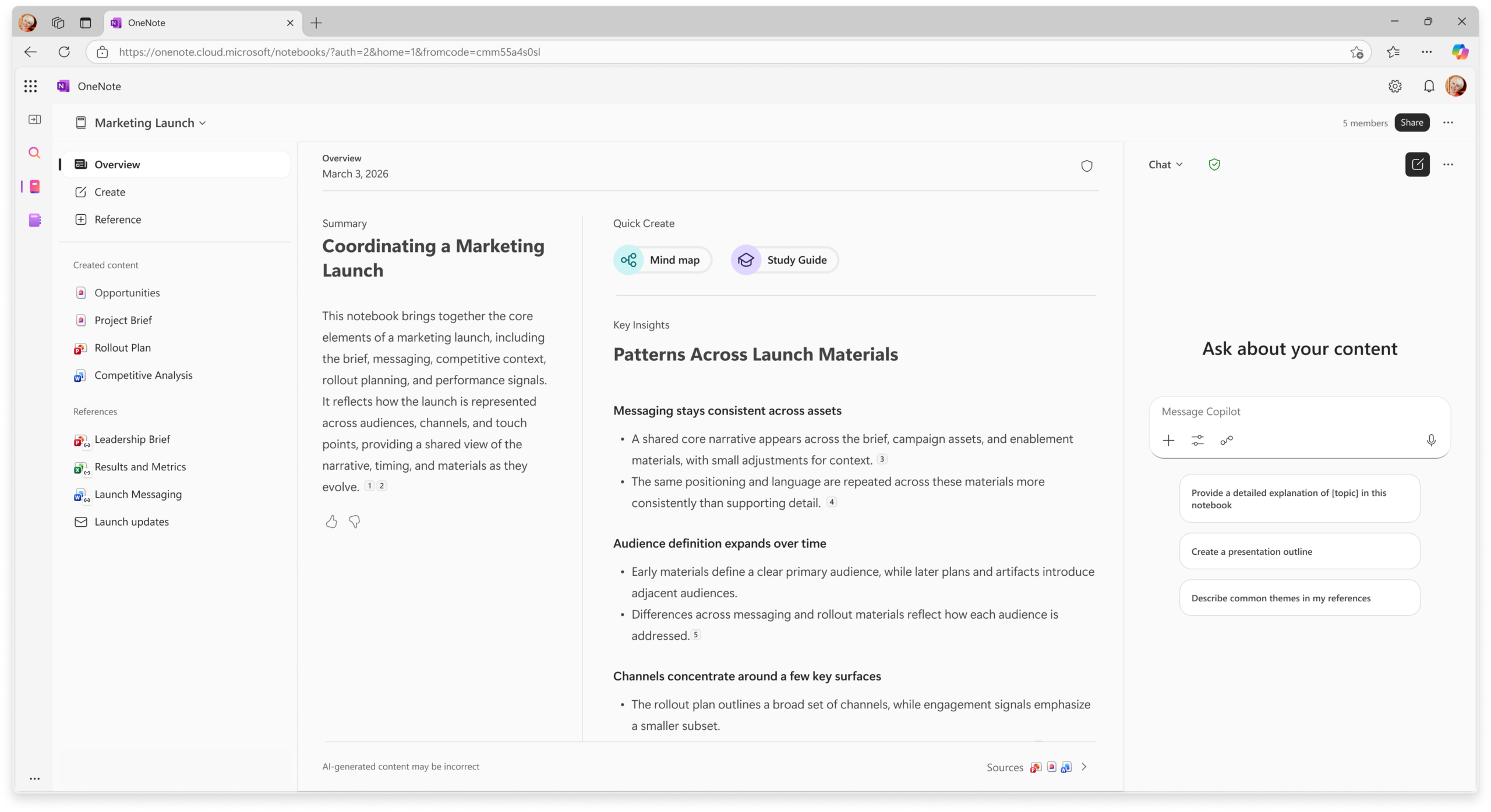
Microsoft has finally opened the doors to Copilot Notebooks for a far wider group of users. Until now, Copilot Notebooks largely lived behind the Microsoft 365 Copilot paywall. That restriction has finally been lifted by Microsoft.

In yesterday’s Tech Community blogpost, Microsoft confirmed that Copilot Notebooks are now rolling out to Copilot Chat commercial and education users, allowing significantly more people to access the AI-powered workspace through both the Microsoft 365 Copilot app and OneNote.

The expansion means users no longer need a full Microsoft 365 Copilot license to start building shared notebooks. Once available, Copilot Chat users can create collaborative notebooks, upload reference material, and ask questions across multiple files from a single workspace.

Supported content includes Word documents, PowerPoint presentations, Excel spreadsheets, and even Outlook emails. The idea is fairly straightforward. Rather than jumping between different files, chats, and apps, teams can gather project information in one place and let Copilot help make sense of it.

Microsoft is also highlighting AI-generated mind maps and study guide tools as part of the experience. These features are designed to help users visualize information, identify relationships between topics, and turn large amounts of content into something easier to digest.

That being said, Microsoft isn’t completely removing the distinction between free and paid users. In mixed-license organizations, everyone can collaborate inside the same notebook. However, Microsoft 365 Copilot subscribers will continue to receive access to premium AI capabilities and advanced content creation features.

Forza Horizon 6’s Save Wipe/Loss Bug Officially Acknowledged

After multiple teasers, leaks, and warnings from Playground Games, Forza Horizon 6 finally arrived and wasted no time making headlines. The open-world racer smashed Steam concurrent player records for an Xbox Game Studios title and quickly became one of the biggest launches of the year.

Well, not everyone is having a smooth ride across Japan. Over the past few days, reports have surfaced across social media, forums, and community channels claiming that Forza Horizon 6 progress had suddenly disappeared or been reset. In some cases, players reported losing hours of gameplay, while others claimed entire save profiles appeared to roll back unexpectedly.

Playground Games confirms save loss investigation

Following the growing concerns, Playground Games has now confirmed it is actively investigating the issue. According to the studio, some affected players may be able to recover their progress, but speed matters. The developer is urging impacted users to immediately submit a support ticket and avoid creating new saves until their case has been reviewed.

The studio said it can potentially restore accounts by reverting them to an earlier save state, though recovery is not guaranteed.

Playground Games also revealed it is working directly with the Xbox team on platform-side improvements for Xbox Series X|S and PC that could help reduce future progress-loss incidents.

Here’s how to reduce the risk of progress or save loss in Forza Horizon 6

For all Forza Horizon 6 players, Playground Games recommends the following:

  • Ensure your Gaming Services app on PC or XBOX Series X|S console is fully up to date.
  • On XBOX Series X|S consoles, disable Quick Resume for Forza Horizon 6.
  • Ensure you are online when quitting the game.
  • Give your save time to sync to the cloud before powering off or switching devices.
  • Do not force quit the game during save screens.
  • Do not power off the device during gameplay.
  • If you receive an “Out of space” crash, check storage and restart your console.

The studio also issued additional guidance for players regularly switching between Xbox consoles, PCs, Steam, and Cloud Gaming. Users are advised to fully quit the game after each session and allow several minutes for cloud synchronization before shutting down their device.

That being said, Playground Games has not yet shared what is specifically causing the issue. A permanent fix also remains without a release date. Until then, players may want to double-check that cloud sync icon before ending their next Horizon adventure.

XBOX CSO Defends Console Future, Says “We Have No Desire to Move Away”

XBOX’s new Chief Strategy Officer (CSO), Matthew Ball, says the company has no plans to abandon consoles as the market is still growing despite industry concerns. For years, the conversation has sounded almost identical. Every few months someone asks the same question: do dedicated gaming consoles still have a future?

Well, XBOX believes they absolutely do

Speaking during a recent interview with Christopher Dring of The Game Business, XBOX Chief Strategy Officer Matthew Ball pushed back against growing suggestions that consoles are becoming irrelevant (via Insider Gaming). His comments arrive at a particularly interesting moment for the company, just days after XBOX showcased a slate of major exclusives and as discussions continue around next-generation hardware.

While Ball acknowledged that mobile gaming commands the largest audience and revenue share globally, he made it clear that XBOX is not preparing to shift away from traditional hardware.

“We have no desire to move away from the console business. And dying? No. It’s not declining. It is growing. It’s going to have a great year this year. What is important is that we restore that business for us. Do we need to get better at PC? Yes. Do we need to get better at mobile? Yes. But we can’t ask publishers and players to bet on us on other platforms where we are behind, where our technology is inadequate, before we shore up the platform we have, the platform that many believe we’ve mistreated.”

The comments follow a busy week for XBOX. The company used its showcase to spotlight console exclusives such as Gears of War: E-Day and Clockwork Revolution, hinting a stronger focus on platform identity under the current leadership team.

Younger players remain part of the equation

One of the biggest questions surrounding the gaming industry is whether younger audiences raised on Roblox and Minecraft will embrace consoles the same way previous generations did.
Ball doesn’t appear overly concerned, as he says, “There are lots of young people adopting consoles. Do we see the same rate of young people adopting consoles that they did historically? I haven’t seen in mature markets evidence that has dramatically changed.”

That being said, the remarks arrive amid a complicated period for XBOX. A recent report from Bloomberg suggested the company is preparing for major layoffs, as Asha Sharma recently laid out XBOX’s next 100 days plan.

Crimson Desert Hits Massive 6 Million Sales Milestone in Under 3 Months

Less than three months after launch, the open-world action RPG from Pearl Abyss has crossed a major sales milestone that very few new IPs ever manage to achieve. Crimson Desert has now sold more than six million copies worldwide just 83 days after its March release. That figure alone is impressive, but the game has reportedly become the most successful Korean-developed single-player title ever in terms of sales performance.

Crimson Desert keeps climbing

According to Pearl Abyss, Crimson Desert moved two million copies on launch day before racing past five million sales within its first month. The latest update pushes that figure beyond six million copies sold, making it one of the biggest game launches of 2026 so far.

The success is also showing up outside of Korea. Recent industry data cited by Pearl Abyss indicates Crimson Desert currently ranks among the top-selling games in the United States this year, further strengthening its position as one of gaming’s standout releases.

Pearl Abyss CEO Jin-young Heo thanked players for supporting the new franchise and described the result as a meaningful achievement for the studio’s first major single-player blockbuster.

The sales milestone arrives as Pearl Abyss prepares another wave of post-launch content. The developer says updates planned between June and September will introduce story additions, new combat features, quality-of-life improvements, and cross-save support across PC, PlayStation, and Xbox platforms. That means players will eventually be able to continue their progress regardless of where they choose to play.

With six million copies already sold and fresh content still on the horizon, Crimson Desert’s impressive run appears far from over.

Valor Mortis Release Delayed to October 13; Original September Date Was Too Crowded

Thanks to GTA 6’s November 19 release, not one publisher is releasing a game that month. Their best bet? September 2026, which is also starting to look less like a release calendar and more like a battlefield. One of the most talked-about games from the Xbox Games Showcase has already decided it wants no part of the fight.

Valor Mortis, the dark fantasy action game from Ghostrunner developer One More Level, is officially moving out of its previously announced September 24 release slot. The game will now release on October 13, 2026. The confirmation came from the Valor Mortis official X account earlier today.

Image credit: One More Level | Lyrical Games

In an interview with Game File, the publishing head Blake Rochkind explained just how fast things shifted. Lyrical Games apparently locked in the September date weeks before major summer gaming events began. At the time, the release window appeared relatively open. However, that changed quickly.

Control Resonant, Silent Hill: Townfall, Hot Wheels: Infinite Rush, Onimusha: Way of the Sword, Minecraft Dungeons 2, and several other notable releases soon crowded the same period.

“When we picked September 24th, it looked like a very, very clear date. Very quickly it became not such a clear date,” said Rochkind. He further added, “There were so many unknowns. This was before Sony State of Play, before Xbox Showcase, before Nintendo Direct, before Summer Games Fest.”

The situation apparently became obvious once Remedy locked in its own date. “As soon as Control announced September 24th, we knew we were moving the date.”

The delay pushes Valor Mortis into October, though even that month isn’t completely empty. The game is now scheduled to release Planet Zoo 2 and just days before Castlevania: Belmont’s Curse. That being said, the move gives the game significantly more breathing room than its previous launch slot.

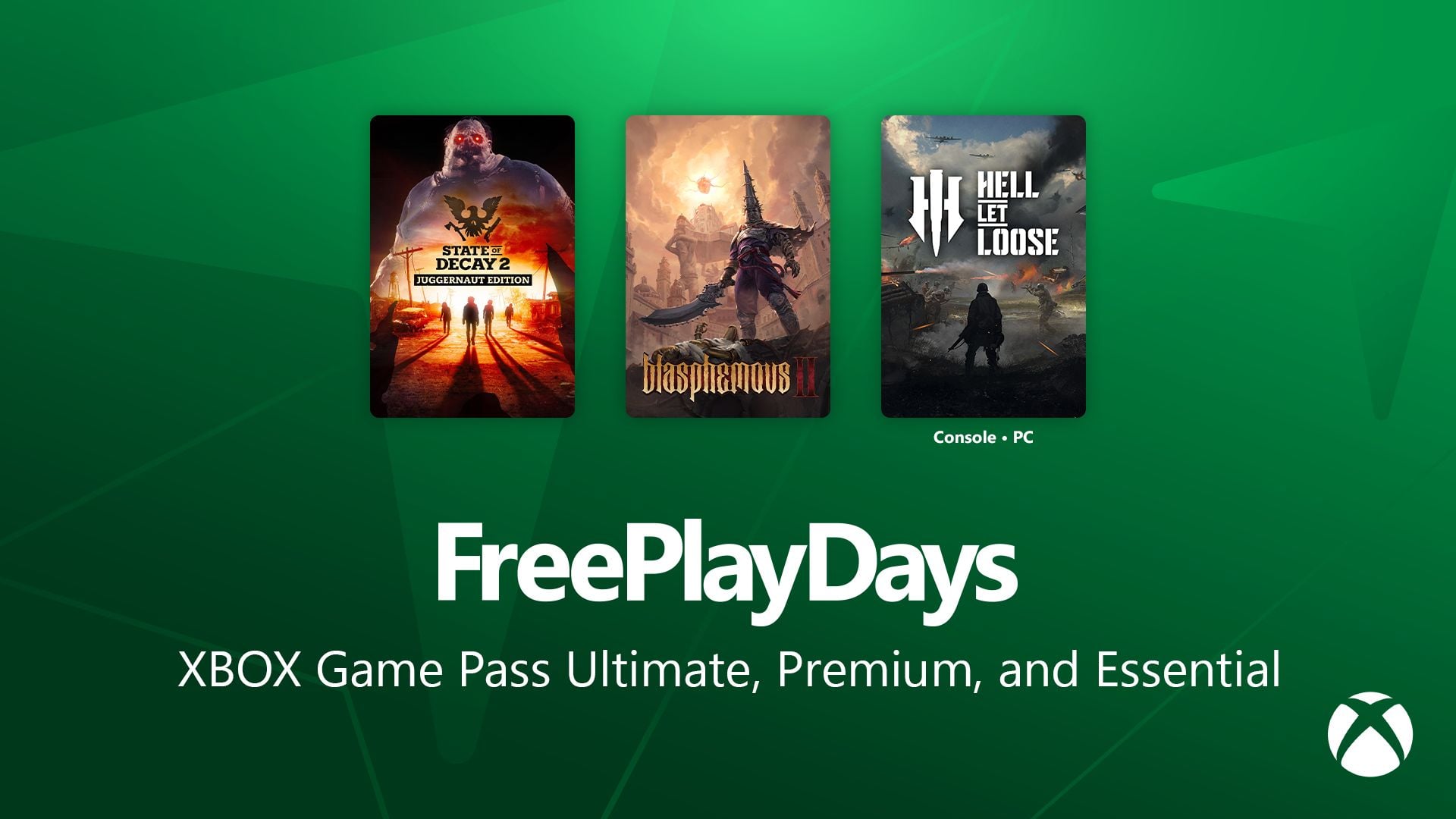
XBOX Free Play Days Brings Hell Let Loose & More This Weekend (June 11 – 14)

It’s Thursday, which means we are back with yet another XBOX Free Play Days lineup. And this weekend XBOX players have three games this weekend from June 11 through June 14.

First, you’ve Hell Let Loose, which is available to try this weekend for players with XBOX Game Pass Ultimate, Premium and Essential.

Meanwhile, State of Decay 2: Juggernaut Edition is free for all XBOX members this weekend. In other words, you won’t need XBOX Game Pass Game Pass Ultimate, Premium and Essential membership.

The third game in the lineup is Blasphemous 2, which is free for all XBOX members, too. It is worth noting that Hell Let Loose and State of Decay 2 are available at discounted price this Free Play Days weekend.

Miasma Malware Source Code Leaks on GitHub After Supply Chain Attacks

The source code for the Miasma credential-stealing framework briefly appeared on GitHub after being uploaded through multiple compromised developer accounts. Security researchers warn that the leak could help other threat actors adopt, modify, and improve the malware, potentially leading to more software supply-chain attacks.

Miasma has recently been linked to several attacks targeting open-source ecosystems and is considered an evolution of the earlier Shai-Hulud worm. The framework focuses on stealing developer, cloud, and build-system credentials before abusing them to compromise legitimate repositories and software packages.

According to SafeDep researchers, the leaked source code appeared in repositories named “Miasma-Open-Source-Release” across multiple compromised GitHub accounts. Researchers believe the publication was likely intentional rather than accidental, mirroring the previous public release of Shai-Hulud’s source code.

Miasma turns stolen credentials into supply-chain compromises

Miasma infects developer machines and harvests credentials from a wide range of services and platforms. Once attackers obtain those credentials, they can compromise legitimate repositories, publish malicious package updates, and spread malware to downstream developers and organizations.

The framework is capable of targeting:

  • Cloud provider credentials
  • CI/CD environments
  • Password managers
  • Kubernetes environments
  • Secret management systems
  • GitHub repositories and GitHub Actions workflows
  • JFrog Artifactory instances
  • npm, PyPI, and RubyGems packages

Researchers say Miasma has also been linked to the recent compromise that affected 73 Microsoft repositories hosted on GitHub. By abusing trusted software distribution channels, attackers can quickly transform a single compromised developer account into a much larger supply-chain incident.

GitHub serves as both control channel and data exfiltration platform

One of the more unusual aspects of Miasma is that it does not rely on traditional command-and-control infrastructure. Instead, the framework uses GitHub itself as both a control mechanism and an exfiltration channel.

This approach allows attackers to blend malicious activity into normal developer workflows while reducing the need for dedicated attacker-controlled infrastructure.

The malware can also move laterally through environments using SSH and AWS Systems Manager. Researchers found that Miasma is capable of poisoning configuration files used by several AI coding assistants, including Claude, Gemini, Cursor, Copilot, Kiro, and Cline.

Leaked code reveals destructive dead-man switch

One of the most concerning discoveries in the leaked source code is a built-in “dead-man switch.”

When attackers use a victim’s stolen GitHub token as an exfiltration channel, the malware continuously checks whether that token remains valid. The component verifies token status every minute.

If the token gets revoked, the malware executes destructive commands that delete files from the victim’s home directory and Documents folder.

The persistence mechanism varies by operating system. On Linux systems, the malware uses a systemd user service, while on macOS it relies on a LaunchAgent. Researchers also found that the monitoring component can remain active for up to 72 hours.

This feature appears designed to punish victims who revoke compromised credentials while simultaneously destroying potential forensic evidence.

Advanced build pipeline creates unique malware samples

SafeDep’s analysis also uncovered a sophisticated five-stage build pipeline used to generate unique malware payloads.

The process includes per-file AES-256-GCM encryption for embedded assets, randomized string obfuscation, source code transformations, JavaScript obfuscation, and a self-extracting loader.

Researchers said the final payload is wrapped in three separate layers of encryption. Random keys and randomized encoding ensure that each build differs from previous versions.

This makes signature-based detection significantly more difficult and complicates static malware analysis.

Open-source ecosystems remain under pressure

The public release of Miasma’s source code could increase risks across the open-source ecosystem as additional threat actors gain access to the framework’s techniques and capabilities.

The incident highlights the growing threat posed by software supply-chain attacks, which increasingly target developers and package maintainers rather than end users directly. Recent incidents include the TanStack supply-chain attack, which GitHub linked to an internal repository breach.

The growing wave of attacks is also one reason why GitHub is preparing major security changes in npm v12. The upcoming release will require explicit approval before installation scripts execute and will introduce stricter controls for non-registry dependencies in an effort to reduce supply-chain attack risks.

Via BleepingComputer

XBOX Game Pass Adds 3 New Day-One Games Today (June 11)

Are you wondering about new games that are available today on XBOX Game Pass? Well, there are three titles, all day-one, releasing on the Game Pass catalog today.

While June Wave 1 lineup has already added some big games, today’s drop brings something for almost every type of player, whether you’re into fantasy adventures, chaotic multiplayer sessions, or space exploration.

Beastro, Frog Sqwad, and Starseeker: Astroneer Expeditions join XBOX Game Pass today as day on releases

Leading the lineup is Beastro. It is a fantasy adventure that puts players in the shoes of Panko, a chef whose culinary skills are just as important as any sword or shield. The game mixes exploration, storytelling, and cooking mechanics into a lighthearted adventure where saving the world apparently starts with preparing a great meal.

Meanwhile, Frog Sqwad is a multiplayer title that supports up to eight players and combines extraction gameplay with puzzle-platforming mechanics. Players can swing, jump, launch teammates across levels, and consume enough food to transform into a giant Megafrog while chasing glory for the Swamp King.

The third addition is Starseeker: Astroneer Expeditions (Game Preview), a brand-new follow-up to Astroneer. This cooperative space adventure places players aboard the ESS Starseeker, where crews work together to tackle large-scale objectives across multiple star systems using advanced technology and exploration tools.

All three games are available now across XBOX Series X|S, PC, and Cloud Gaming through XBOX Game Pass Ultimate and PC Game Pass. Frog Sqwad and Starseeker: Astroneer Expeditions are also included for Game Pass Premium members. While new games are coming gradually, XBOX Game Pass is also losing five titles on June 15.

Resident Evil Veronica Is Fully Third-Person, Capcom Confirms

Capcom has finally clarified one of the biggest questions related to the recently unvieled Resident Evil Veronica. Despite its reveal trailer featuring an extended first-person sequence, the upcoming remake will be a fully third-person experience.

First-Person trailer was apparently a deliberate misdirect

The confusion started during Summer Game Fest 2026 when Capcom unveiled Resident Evil Veronica, the long-awaited remake of Resident Evil Code: Veronica. Several scenes in the trailer appeared to be presented entirely from a first-person perspective, leading many fans to wonder whether the series was once again moving away from its modern over-the-shoulder formula.

That speculation has now been put to rest. As reported by GamesRadar, speaking during a media Q&A session, producer Yoshiaki Hirabayashi confirmed that Resident Evil Veronica is a fully third-person game.

According to him, the first-person footage shown in the announcement trailer was intentionally used to create mystery and surprise around the reveal. He also suggested that the sequence may not even appear in the same form in the final release.

Resident Evil Veronica is scheduled to release in 2027 for PS5, Xbox Series X|S, and PC. Capcom has not yet announced a specific release date.

Valve to End Physical Steam Gift Cards at Retail Stores by End of 2026

Valve has announced that it will stop restocking physical Steam Gift Cards at retail stores, marking the end of a long-running program that allowed customers to purchase Steam Wallet credit in physical form. The company says the move is part of a broader effort to combat gift card scams that continue to affect users worldwide.

Retailers will continue selling their remaining inventory of Steam Gift Cards while supplies last. However, Valve confirmed that no new physical cards will be shipped once existing stock runs out, with most remaining inventory expected to disappear from store shelves by the end of 2026.

Existing physical Steam Gift Cards will remain valid and redeemable on Steam, subject to local laws and regulations. Customers who already own physical cards do not need to take any action.

Valve says scammers kept adapting

According to Valve, gift card scams remain a significant problem across multiple industries, with criminals frequently targeting victims by requesting payment through gift cards from well-known brands, including Steam.

The company said it has spent years trying to reduce abuse through a combination of technical restrictions, retailer partnerships, and law enforcement cooperation.

These measures included working with retailers and law enforcement. Valve also added prominent scam warnings to physical gift cards. The company limited gift card redemption to the currency of the user’s Steam Wallet. Valve also limited card availability and removed cards from sale when abnormal activity was detected.

Valve said scammers continued to adjust their tactics as new protections were introduced. Because fraud remained a persistent issue despite these efforts, the company decided to discontinue the retail gift card program entirely.

Digital Steam Gift Cards remain available

While physical cards are being phased out, Valve stressed that gifting Steam Wallet funds will still be possible through digital alternatives.

Steam Digital Gift Cards will remain available, allowing users to send wallet credit directly through Steam. Valve also highlighted its guest checkout feature, which was introduced last year and lets friends and family purchase digital gift cards without relying on physical retail cards.

The company says it plans to continue improving the digital gifting experience as it moves away from physical cards.

For now, customers who prefer buying Steam Gift Cards in stores still have time to do so. Retail inventory will remain available until stock is depleted, but once retailers sell their remaining cards, physical Steam Gift Cards will no longer return to store shelves.

In other Steam-related news, Valve recently confirmed plans to launch Steam Machine and Steam Frame this summer. The company has also increased Steam Deck OLED pricing in some regions, while reports continue to suggest that the Steam Machine could arrive at a higher price point than the current Steam Deck OLED lineup.

Via VideoCardz

GPT-5.6 Could Release This Month, Exact Date Unclear for Now

OpenAI, which confidentially filed for IPO very recently, may be rushing GPT-5.6 model. And if you have been wondering about GPT-5.6 release date, it will reportedly land sometime this month. That’s according to a report by The Information, which cites details shared by a source aware of GPT-5.6 rease date.

GPT-5.6 reportedly coming this month with meaningful improvement over its predescessor

The report further claims that chief scientist Jakub Pachocki told employees internally that the upcoming model, GPT-5.6, represents a “meaningful improvement” over GPT-5.5, although exact technical details remain under wraps.

GPT-5.5 launched with improvements in speed, reasoning, and understanding user intent. If the latest reports are accurate, GPT-5.6 could build on those strengths while introducing further gains in efficiency, reliability, and safety.

The move would also come as competition across the AI industry continues to intensify. Anthropic recently unveiled Claude Fable 5, Google keeps expanding Gemini, and several Chinese AI firms, including DeepSeek, are rapidly closing the gap with new foundation models of their own.

Speaking of competition, OpenAI is considering to slash AI pricing to compete with Anthropic and others. The Information’s report also points to another major development happening behind the scenes.

According to internal messages cited by The Information, CEO Sam Altman told employees the company could potentially go public within the next year, although no final timeline has been confirmed.

If GPT-5.6 does release in the coming weeks, it may mark the beginning of another busy chapter for OpenAI rather than the end of one.

Microsoft Fixes Windows Server 2025 BitLocker Recovery Issue in June 2026 Updates

Microsoft has released a fix for a known issue that caused some Windows Server 2025 systems to unexpectedly enter BitLocker recovery mode after installing the April 2026 security updates, according to reports from BleepingComputer.

The problem was first acknowledged following the April 2026 Patch Tuesday release, when administrators began reporting that affected devices were prompting users to enter their BitLocker recovery keys during the first reboot after the update was installed.

Issue Limited to Specific Configurations

Microsoft said the bug only affected devices configured with a particular combination of BitLocker, TPM, and Secure Boot settings.

To be impacted, a system needed to have BitLocker enabled on the operating system drive and the Group Policy setting “Configure TPM platform validation profile for native UEFI firmware configurations” enabled.

The issue could occur when PCR7 was included in the TPM validation profile or when the equivalent registry configuration had been manually applied.

Additionally, affected devices had to report “Secure Boot State PCR7 Binding” as “Not Possible” in the System Information utility.

Another requirement was the presence of the Windows UEFI CA 2023 certificate in the Secure Boot Signature Database. This certificate makes a device eligible to transition to the newer 2023-signed Windows Boot Manager. However, the issue only occurred if the system had not yet switched to that boot manager.

June 2026 Updates Deliver the Fix

Microsoft resolved the problem with the June 2026 Patch Tuesday updates, with the fix included in KB5094125 for Windows Server 2025 and KB5093998 for Windows 11 version 23H2.

According to Microsoft, the updates address BitLocker recovery prompts caused by boot file updates on systems using certain TPM validation settings.

To prevent future incidents, Microsoft has implemented safeguards that block devices with incompatible Group Policy configurations from automatically installing the 2023-signed Windows Boot Manager.

Administrators managing affected systems may also notice Event ID 1032 entries in the System event log during Windows Update installations.

Guidance for IT Administrators

Organizations that cannot immediately deploy the June updates have several mitigation options available.

Microsoft recommends removing the problematic Group Policy configuration before installing KB5082063 or any later updates. The company also advises ensuring that BitLocker bindings use the PCR7 profile whenever possible.

For environments where removing the Group Policy setting is not feasible before deployment, administrators can use a Known Issue Rollback (KIR).

The KIR prevents the automatic transition to the 2023-signed Windows Boot Manager, which is the change that triggers the unexpected BitLocker recovery prompt.

The June 2026 Patch Tuesday release included fixes for more than 200 security vulnerabilities across Windows.

However, some administrators have reported that KB5094127, a June update for Windows 10, may also be triggering BitLocker recovery prompts on certain systems. Microsoft has not yet confirmed whether these reports are related to the Windows Server 2025 issue or represent a separate bug.

Organizations experiencing BitLocker recovery prompts after installing recent updates are advised to review Microsoft’s guidance and deploy the latest patches where possible.

Canada Proposes Social Media Ban for Kids Under 16

Canada has proposed what could become one of its biggest internet regulations yet. A newly introduced bill is targeting everything from social media platforms and AI chatbots to deepfakes, harmful content, and underage users, potentially bringing major changes for tech companies operating in the country.

The proposed legislation, known as Bill C-34, introduces the Digital Safety Act and creates a new Digital Safety Commission of Canada to oversee enforcement. The government says the goal is to reduce online harms, particularly those affecting children, while increasing transparency from digital platforms.

Social media and AI chatbots could face new restrictions

Under the proposal, certain regulated social media services could be required to implement age-verification or age-estimation systems designed to prevent users under 16 from creating accounts. Platforms that host pornographic content may also need to introduce age checks to stop minors from accessing that material. The bill also extends beyond traditional social media.

AI chatbot services that can simulate long-term human-like relationships would fall under the legislation. Operators could be required to prevent harmful behavior, avoid deceptive interactions that make chatbots appear human, and intervene when users express suicidal thoughts or intentions of self-harm by directing them to crisis support services.

Deepfakes, harmful content, and transparency in focus

Regulated social media services may be required to label synthetic content when it could reasonably be mistaken for authentic audio or video. The bill also requires platforms to provide tools for users to report harmful content and block other users.

Speaking of harmful content, the legislation covers categories including child sexual exploitation material, non-consensual intimate imagery, content that encourages self-harm among children, hate-promoting content, violent content, and terrorism-related material. Platforms would be expected to implement measures that reduce user exposure to such content.

That being said, the proposal is still at the first reading stage in Canada’s Parliament. The bill faces committee reviews, debates, and potential amendments before any of these requirements become law.

Besides Canada, other countries are also taking action on online child safety. In the UK, regulator Ofcom has opened a probe into Telegram over child safety concerns and warned that TikTok and YouTube are still “not safe enough” for children, highlighting growing regulatory pressure on digital platforms to better protect young users.

YouTube Expands Direct Messages to the US & More Regions on Mobile

YouTube, which started testing direct messages in select European markets, has now expanded the feature to users in the United States and several other regions worldwide.

The move gives YouTube users a new way to share videos without jumping between apps. Whether it’s a viral Short, a music video, or a tutorial worth recommending, conversations can now happen where the content already lives.

YouTube wants sharing to stay inside the platform

According to YouTube, the goal is to make sharing easier and keep video discussions in one place. Eligible users will start seeing a new messaging icon inside the mobile app, allowing them to invite friends into private conversations centered around YouTube content. Recipients can choose to accept or decline those invitations before any messages are exchanged.

That being said, this isn’t a full-featured messaging platform. At launch, the feature is focused almost entirely on sharing YouTube videos and reacting to them. Users currently can’t send photos, documents, GIFs, or other types of media through conversations. The experience is designed more as a companion to video discovery than a replacement for traditional messaging apps.

Some limitations still apply

The feature is currently limited to users aged 18 and older who already have a YouTube channel. It’s also only available through the mobile app for now. Brand accounts are excluded from the rollout as well.

Another important detail is privacy. Unlike some competing messaging platforms, YouTube’s direct messages are not end-to-end encrypted. The company notes that conversations may be reviewed to ensure compliance with Community Guidelines.

Speaking of availability, rollout appears to be gradual. Some users are already seeing a dedicated Messages icon, while others may need to access conversations through the Notifications section until the update reaches their accounts.

YouTube says feedback from early markets has been positive, and the company plans to continue expanding the feature to additional regions in the coming months.

Ubisoft Shuts Down Two More Studios & Lays Off Staff Amid Internal Restructurings

Ubisoft has reportedly informed staff of a new round of organizational changes that will see two studios shut down completely while hundreds of employees across multiple locations face job cuts. According to a report from Insider Gaming, Ubisoft has announced the closure of its Winnipeg and Belgrade studios as part of a broader plan to streamline operations, reduce costs, and strengthen the business for the future.

Ubisoft’s restructuring push continues

Ubisoft Winnipeg, which opened in 2019 and contributed to projects including Assassin’s Creed Valhalla, Far Cry 6, and Rainbow Six Mobile, is reportedly being closed with around 65 employees affected. Meanwhile, Ubisoft Belgrade, a studio that has operated since 2016 and recently contributed to Assassin’s Creed Black Flag Resynced, is also shutting down. Reports suggest approximately 100 employees could be impacted.

The cuts don’t stop there. Ubisoft Barcelona is reportedly losing 51 positions as part of a restructuring effort that will see the studio focus more heavily on Rainbow Six projects. Insider Gaming also reports that Ubisoft San Francisco has been affected, with dozens of employees said to be impacted, although an exact figure has not been disclosed.

In total, up to 380 employees may be affected across the company, according to the internal message obtained by Insider Gaming.

A difficult chapter for Ubisoft

Over the past two years, the publisher has closed studios in Halifax and Leamington, reduced staff across several teams, canceled multiple projects, and reorganized major franchises under the recently formed Vantage Studios structure. That division now oversees key brands including Assassin’s Creed, Far Cry, and Rainbow Six.

Just days ago, Ubisoft used Summer Game Fest to spotlight future projects including Assassin’s Creed Black Flag Resynced and Rayman Legends Retold. However, with fresh layoffs now reportedly underway and several long-awaited projects still years away, questions remain about what Ubisoft’s development pipeline will ultimately look like once this restructuring phase comes to an end.

GitHub’s npm v12 Will Block Common Supply Chain Attack Techniques by Default

GitHub has announced that npm v12 is expected to arrive next month, bringing a series of security-focused changes designed to make software supply chain attacks significantly harder to pull off.

The update comes at a time when the software ecosystem continues to face a growing number of supply chain threats. Last month alone, GitHub disclosed a breach that exposed around 3,800 repositories, while the company also dealt with fallout from the TanStack supply chain attack. More recently, Microsoft restored 73 GitHub repositories that were temporarily disabled during investigations linked to the Miasma supply chain campaign.

The new npm protections focus on one of the most commonly abused parts of the JavaScript ecosystem: the npm install command. While developers use the command to download project dependencies, attackers often target it because it can automatically execute code during package installation.

Npm install will require explicit approval for code execution

The biggest change in npm v12 is the removal of automatic code execution during dependency installation.

Starting with the new release, npm install will no longer automatically run preinstall, install, or postinstall scripts from dependencies unless developers explicitly approve them.

This restriction also applies to native module builds triggered through node-gyp. It also applies to prepare scripts from Git, local file, and linked dependencies.

According to GitHub, requiring explicit approval for install-time code execution should eliminate a major attack vector frequently used in supply chain compromises.

Git and remote URL dependencies will be blocked by default

Npm v12 also changes how dependencies from non-registry sources are handled.

Git-based dependencies will no longer be trusted automatically. Instead, developers must explicitly permit them before npm resolves and installs them.

The restriction applies to both direct dependencies and transitive dependencies pulled in by other packages.

GitHub said this change closes a lesser-known attack path where a malicious package could use a Git dependency’s .npmrc configuration to alter which Git executable gets launched during installation. In some scenarios, this technique could lead to code execution even when install scripts were disabled.

Remote URL dependencies will receive similar treatment. Dependencies distributed through HTTPS tarballs and other remote URLs will also require explicit approval before npm installs them. Like Git dependencies, the restriction covers both direct and transitive packages.

Projects that legitimately depend on install scripts, Git repositories, or remote URL packages will still be able to use them, but developers will need to explicitly opt in before upgrading to npm v12.

Developers should prepare before npm v12 arrives

GitHub recommends upgrading to npm 11.16.0 or newer ahead of the npm v12 release.

Recent npm 11 builds already display warnings when a project uses behaviors that will no longer work automatically under the new defaults. These warnings can help teams identify workflows, dependencies, and build processes that require approval before the transition.

After upgrading to npm v12, only approved scripts and approved dependency sources will continue running automatically.

GitHub has also opened a community discussion to gather feedback from developers before the changes become permanent.

Exchange Server Security Update Fixes Exploited Outlook Web Access XSS Flaw

Microsoft has released security updates to fix an actively exploited Exchange Server vulnerability that could allow attackers to run malicious JavaScript code in users’ browsers through Outlook Web Access (OWA).

Tracked as CVE-2026-42897, the flaw is a cross-site scripting (XSS) vulnerability affecting Exchange Server 2016 and Exchange Server 2019, as well as Exchange Server Subscription Edition. Microsoft confirmed the vulnerability has been exploited in the wild and urged administrators to install the latest security updates as soon as possible.

According to Microsoft, attackers can exploit the issue remotely without authentication by sending a specially crafted email to a target user. If the victim opens the email through Outlook Web Access and certain interaction requirements are met, the attacker can execute arbitrary JavaScript code within the user’s browser session.

The vulnerability does not require the attacker to have privileges on the target Exchange Server. Instead, the attack relies on tricking users into interacting with a malicious email through the web-based Outlook interface.

Microsoft Already Deployed Temporary Mitigations

Before releasing the permanent fix, Microsoft rolled out automatic protections through the Exchange Emergency Mitigation Service in mid-May.

The temporary mitigation was designed to reduce the risk of exploitation while the company finalized and tested security updates for supported Exchange Server versions.

Microsoft says administrators should continue to keep the mitigation enabled even after installing the June 2026 security updates.

According to the company, the mitigation provides an additional layer of protection while Microsoft continues improving broader defenses against similar XSS-based attacks.

Organizations running any of these Exchange Server versions should deploy the latest June 2026 security updates immediately.

Microsoft Continues Security Push Across Windows and Exchange

The Exchange Server fix arrives as Microsoft continues addressing multiple security issues across its software ecosystem.

Earlier this week, the company released June 2026 Patch Tuesday updates that fixed more than 200 vulnerabilities, including several publicly disclosed zero-day flaws. Microsoft also recently addressed desktop.ini-related security concerns through KB5094126 and KB5093998.

Separately, security researchers have drawn attention to the RoguePlanet exploit, a Microsoft Defender race-condition vulnerability that reportedly allows attackers to obtain SYSTEM privileges on fully patched Windows systems under certain conditions.

Exchange administrators should prioritize deployment of the latest security updates and maintain Microsoft’s emergency mitigations to reduce exposure to ongoing attacks.

Via BleepingComputer

OpenAI May Slash AI Pricing to Compete With Anthropic, Report Says

OpenAI recently confirmed that it has confidentially filed for an initial public offering (IPO), but the company may also be preparing another major move as competition in the AI market heats up.

According to a report from The Wall Street Journal, OpenAI is considering significant price cuts for its AI services in an effort to compete more aggressively with Anthropic. The report says the company is evaluating lower token pricing, the usage-based billing system commonly used across the AI industry.

The potential pricing changes appear to be part of a broader strategy to attract customers as AI providers battle for market share. OpenAI reportedly expects Anthropic to lower its own prices and is exploring ways to stay competitive if that happens.

AI pricing competition is heating up

The AI industry has become increasingly competitive over the past year as companies race to attract both enterprise and consumer users.

Anthropic has gained significant momentum recently after reaching a reported $965 billion valuation and launching Claude Fable 5, which the company describes as its most capable publicly available model to date. The release has further intensified competition among leading AI developers.

OpenAI remains the market leader in consumer AI subscriptions, but rivals have continued to close the gap by introducing new models, enterprise features, and alternative pricing structures.

The Wall Street Journal report suggests OpenAI is closely monitoring Anthropic’s pricing strategy and may respond proactively rather than waiting for competitors to make the first move.

What OpenAI and Anthropic currently charge

At the moment, OpenAI offers several consumer subscription tiers.

Current OpenAI plans include a lower-cost entry plan priced at around $8 per month, ChatGPT Plus for $20 per month, and higher-end plans that cost $100 or more per month.

These subscriptions provide access to OpenAI’s flagship GPT-5.5 models, along with additional usage limits and premium features depending on the plan.

Anthropic currently offers Claude Pro, which costs $17 per month when billed annually, as well as Claude Max, which starts at more than $100 per month.

Both companies also generate significant revenue from API access, where developers are charged based on token usage rather than fixed monthly subscriptions.

No official pricing changes yet

Despite reports that OpenAI is evaluating price reductions, the company has not announced any new pricing plans.

The discussions appear to remain internal, and there is no confirmation that any proposed cuts will ultimately be implemented. However, the report highlights how rapidly competition is evolving among AI providers as OpenAI, Anthropic, and other companies seek to expand their customer bases.

Claude Desktop Bug Reportedly Leaves a 1.8GB Hyper-V VM Running on Windows

Anthropic has been making headlines recently following its reported 965 billion valuation and the launch of Claude Fable 5 and Mythos 5. However, a much smaller issue has started attracting attention among Windows users of Claude Desktop.

A GitHub issue originally opened in February has resurfaced after users reported that Claude Desktop on Windows may continue running a Hyper-V virtual machine even after agent-based features are no longer being used.

According to reports from users, the problem appears after Claude Cowork, also known as agent mode, is launched at least once. After that, a Hyper-V virtual machine reportedly starts every time Claude Code is opened through Claude Desktop, even when users only want to use standard chat features.

Users report a persistent Vmmem process and increased memory usage

Affected users say they can see a Vmmem process in Windows Task Manager after launching Claude Code.

While the process reportedly shows little or no CPU activity, it continues to reserve approximately 1.8GB of system memory. Some users argue that the virtual machine should only start when agent mode is actively required and should shut down automatically once those tasks are complete.

The issue appears limited to Windows desktop installations. Reports suggest that users running the Claude CLI directly, as well as users on other platforms, do not experience the same behavior.

Several comments on the GitHub thread also point to concerns about session cleanup. Users believe Claude should remove temporary resources associated with agent mode after a session ends rather than repeatedly launching VM infrastructure for normal chat interactions.

No official fix or workaround yet

At the moment, the exact cause of the behavior remains unclear. It is also unknown when the bug first appeared, although the GitHub report has reportedly remained open for several months.

Users have requested several improvements, including launching the Hyper-V environment only when agent mode is explicitly enabled, properly cleaning up session files after use, allowing Claude to work gracefully even when VM-based infrastructure is unavailable, and ensuring that the issue does not affect normal chat performance.

So far, there is no confirmed workaround for the issue. Anthropic has also not publicly indicated whether it plans to investigate or prioritize a fix.

Recently, Anthropic also drew attention after suggesting that future AI development could potentially require global coordination or even temporary pauses under certain circumstances.

For now, Windows users affected by the issue may need to wait for further clarification from Anthropic regarding the cause of the persistent Hyper-V virtual machine behavior.

Via Neowin

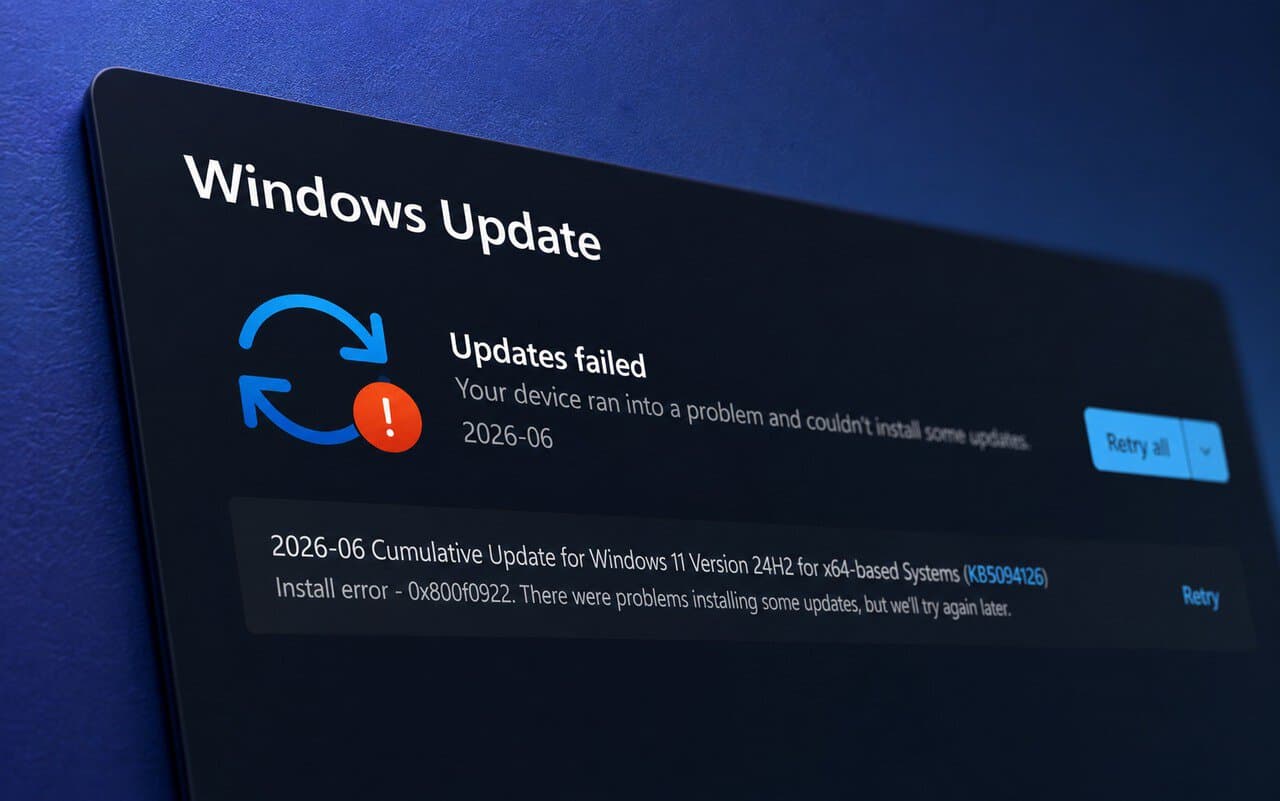
KB5094126 and KB5093998 Introduce New Desktop.ini Security Restrictions in Windows

Microsoft’s June 2026 Patch Tuesday updates fixed more than 200 security vulnerabilities across Windows, but the company also introduced a lesser-known change that could affect how customized folders appear on some systems.

Alongside the security fixes, Microsoft confirmed that some custom folder names, icons, and folder presentations defined through desktop.ini files may no longer appear after installing the June updates.

Windows now blocks some desktop.ini customizations from untrusted sources

According to Microsoft, the change is part of a security hardening effort designed to reduce risks associated with folder customization files.

Windows will now treat certain desktop.ini configurations as potentially unsafe when it cannot verify their origin or trust status. As a result, custom folder names and visual modifications may not load if the associated desktop.ini file comes from an untrusted location.

The new behavior affects several scenarios, including:

  • Files downloaded from the internet that contain Mark-of-the-Web (MOTW) metadata.
  • Files copied from some WebDAV or HTTP-based remote locations.
  • Network shares and remote paths that are not classified as intranet or trusted locations through Windows zone policies.

For many users, the change may go unnoticed. However, organizations that rely on customized network folders could see some folder labels, icons, or other visual customizations disappear after installing the updates.

Why Microsoft changed desktop.ini handling

Desktop.ini is a special Windows configuration file that allows administrators and users to customize how folders appear in File Explorer. The file can define folder names, icons, localized text, and other presentation settings.

Because Windows Shell automatically processes desktop.ini files, Microsoft considers them a potential attack surface. The company noted that attackers have historically abused folder customization mechanisms to trigger unexpected or unsafe behavior.

In some older attack scenarios, malicious or malformed attributes inside a desktop.ini file could contribute to vulnerabilities such as buffer overflows or other memory corruption issues. In the worst case, such flaws could potentially lead to arbitrary code execution under the permissions of the logged-in user.

How administrators can restore previous behavior

Microsoft recommends keeping the new protections enabled whenever possible. The preferred solution is to add known internal or managed sources to the Trusted Sites zone.

Once a source is trusted, Windows will continue processing desktop.ini customizations normally while maintaining protections for unknown locations.

Organizations that require broader compatibility can restore the previous behavior through Group Policy by enabling the “Allow the use of remote paths in file shortcut icons” setting.

Enabling this policy restores pre-June 2026 behavior for affected remote and untrusted folder customization scenarios.

However, Microsoft warns that broad opt-outs weaken the security improvements introduced in the June updates. The company recommends removing Mark-of-the-Web metadata only from trusted content and limiting trust settings to controlled internal sources whenever possible.

The June updates have already generated additional reports from users. Microsoft recently acknowledged that some systems may enter BitLocker recovery after installing KB5094127, while certain Windows 11 24H2 and 25H2 devices may encounter issues installing future cumulative updates.

Via Neowin

Microsoft Reveals Major Teams Performance Upgrades for Desktop, Web, and Mobile

Microsoft has revealed a series of backend performance upgrades for Teams implemented during the first half of 2026, highlighting significant gains in speed, stability, and responsiveness across desktop, web, macOS, and iOS platforms.

According to the company, switching between chats in Teams is now 20% faster on desktop and web clients. Microsoft says the improvement is particularly noticeable on lower-powered devices and networks with limited bandwidth, where delays have traditionally been more apparent.

Faster Chat Switching Across Teams

Microsoft measures chat-switching performance using two categories: warm switches and cold switches.

A warm switch occurs when a user returns to a recently opened conversation that is still likely stored in memory. A cold switch happens when a user opens a chat that has not been accessed recently and requires additional data retrieval.

After investigating the issue, Microsoft identified three primary causes behind the delays when using cold switching. First, the query responsible for retrieving conversation data was being triggered too late in the process. Second, multiple queries were executed sequentially, creating a waterfall effect that increased overall round-trip times. Third, response prioritization was not optimized, allowing non-essential responses to block the main thread.

To solve these problems, Microsoft redesigned parts of the chat-loading process. Data queries are now launched immediately when users switch conversations, while multiple requests are bundled together to reduce network overhead and eliminate unnecessary delays.

The company also improved frame painting performance, allowing the Teams interface to respond more quickly while data continues loading in the background.

As a result, warm and cold chat switches now deliver nearly identical latency. Microsoft says the remaining difference is largely tied to data-layer response times rather than application behavior.

Teams Hangs and Freezes Reduced by 35%

The company reports that hangs and freezes on macOS and iOS have been reduced by 35%.

On macOS, Teams relies on a background health-monitoring thread that continuously tracks application responsiveness. To better understand performance issues, Microsoft developed a dedicated internal tool called StackDecoder, which analyzes health-monitor output at scale.

Using insights gathered from StackDecoder, engineers identified several monitoring and error-reporting tasks that were consuming valuable resources on the main thread. Microsoft subsequently moved many of these operations into background processes and converted blocking tasks into asynchronous calls.

These changes helped prevent monitoring and reporting activities from interfering with the main Teams experience.
On iOS, Microsoft achieved similar improvements through computation optimizations, enhanced caching mechanisms, and by moving additional workloads away from the main thread. The company also refactored database access patterns and deferred non-critical tasks to improve responsiveness.

People Search Gets a Speed Boost on iOS

Microsoft also announced a 25% improvement in people search performance on iOS devices.

The enhancement was achieved by optimizing the search query pipeline and improving how database tasks are queued and scheduled. According to Microsoft, these changes allow search results to appear faster while reducing resource contention behind the scenes.

More Performance Improvements on the Way

The company is currently developing an Efficiency Mode designed to improve responsiveness and reduce resource consumption on lower-end hardware. Additional efforts are focused on accelerating Office file previews on mobile devices, allowing users to access documents more quickly.

Microsoft is also working on a new Meeting Recap feature that will help users review key information from meetings and ensure important details are not missed.

With Teams remaining a central part of Microsoft’s productivity ecosystem, the company says these ongoing improvements are intended to make online communication faster, smoother, and more reliable for users across all supported platforms.

XBOX Reportedly Planning Major Layoffs in July Amid Mounting Costs

Bloomberg reports Xbox may hold major layoffs in July as Asha Sharma pushes a business reset and reviews spending. Just days after Xbox delivered one of its most talked-about showcases in years, a very different story is starting to take shape behind the scenes.

According to a new report from Bloomberg’s Jason Schreier, Microsoft is preparing another round of layoffs within Xbox, with cuts reportedly expected sometime in July following the end of the company’s fiscal year. Bloomberg also reports that marketing budgets and other areas of the business could face significant reductions.

Asha Sharma says XBOX Must change course

The reported plans arrive as Xbox CEO Asha Sharma continues outlining her vision for the platform’s future. In an internal memo obtained by Bloomberg (now publicly available), Sharma reportedly revealed that Xbox’s “accountability margin” had fallen to just 3%, a metric used internally to reflect overall profitability.

The memo also included a stark assessment of Xbox’s recent performance.

“Excluding Activision Blizzard King, over the past five years, we have spent over $20 billion on ongoing investments in our content, platform and hardware subsidy, but our annual revenue has declined nearly half a billion during that time.”

According to Bloomberg, Sharma argued that the current trajectory is unsustainable and that Xbox needs to rethink how it operates moving forward.

Showcase success doesn’t erase bigger challenges

What’s particularly notable is the timing.
Xbox is coming off a Showcase packed with major announcements, including exclusive projects like Gears of War: E-Day and Clockwork Evolution. Those reveals were widely viewed as part of Xbox’s effort to strengthen the value of its own platform. Sharma reportedly addressed that balancing act directly in the memo:

“We expanded our studio system when we needed a pipeline of content to meet multiple strategies across subscription, streaming and devices.”

“In the process, we have found ourselves over extended as we executed on changing strategies in a landscape of more readily available content. We are the fortunate stewards of industry-defining franchises that have enormous potential and player demand, but we have not adequately funded them to compete and win. At the same time, as we saw this past weekend at Showcase, a reliable pipeline of first- and third-party exclusives and new IP are critical to our success. We need to reassess the balance between these and our investment priorities for the next 5 years.”

As of now, Microsoft has not publicly confirmed the scope of any potential layoffs. However, if Bloomberg’s reporting proves accurate, Xbox’s ongoing transformation may soon involve difficult decisions alongside its newly announced games.

PS Plus Extra June 2026 Lineup Includes Final Fantasy 14 & More

Sony has announced June 2026 PlayStation Plus Extra and Premium games lineup. Leading the lineup is none other than Final Fantasy XVI. Alongside, Sonic X Shadow Generations, Kingdom Come: Deliverance, Life is Strange: Double Exposure, Farming Simulator 25, Blades of Fire, Black Desert, and even a PlayStation 2 cult classic are all joining the service over the coming weeks.

Final Fantasy XVI takes center stage

Square Enix’s latest mainline RPG finally lands in the PS Plus Game Catalog on June 16, giving Extra and Premium subscribers access to Clive Rosfield’s action-heavy adventure across the war-torn world of Valisthea. That being said, Sony isn’t relying on a single blockbuster.

Sonic X Shadow Generations is available first in select regions, bringing both Shadow’s brand-new campaign and a remastered version of Sonic Generations into one package. For players who enjoy fast-paced platformers, this could easily become one of the most-played additions of the month.

Kingdom Come: Deliverance also joins later this month with its enhanced PS5 version. Meanwhile, Life is Strange: Double Exposure brings back Max Caulfield for another reality-bending mystery.

Image credit: Sony

RPGs, farming, MMOs and a PS2 classic also in the lineup

The second wave arrives at the end of June. Farming Simulator 25 joins the catalog alongside fantasy action title Blades of Fire and Pearl Abyss’s MMORPG Black Desert. Speaking of surprises, PlayStation Plus Premium members are also getting Gitaroo Man. The beloved PlayStation 2 rhythm game returns with modern platform support and becomes this month’s Premium classic offering.

Sony is experimenting with staggered release dates across certain regions this month, but by June 30 the catalog will feature Final Fantasy XVI, Sonic X Shadow Generations, Kingdom Come: Deliverance, Life is Strange: Double Exposure, Farming Simulator 25, Blades of Fire, Black Desert, and Gitaroo Man. Speaking of games, Playground Games has shared a 30-minute deep dive gameplay demo of Fable.

Fable’s 30-Minute Gameplay Demo Focuses on the Living Population

Following the release date reveal at the Xbox Games Showcase 2026, fans received a lengthy 30-minute gameplay deep dive of Fable from Playground Games today, which focuses almost entirely on the people of Albion. At the center of the showcase is what Playground calls the “Living Population” system. More than 1,000 NPCs inhabit Albion, and every single one has a name, home, job, schedule, personality traits, and fully voiced dialogue.

Albion’s citizens are the real stars of Fable

According to Playground Games, these characters continue living their lives whether you’re watching them or not. That means villagers wake up, go to work, visit pubs, socialize, and return home naturally. More importantly, they remember what you do.

A beggar you help may become loyal. A spouse you betray may never forgive you. Someone whose family member you kill will remember that as well. Playground says NPC memory is woven deeply into the experience, allowing Albion to react to your actions in ways that extend far beyond simple quest outcomes.

The gameplay deep dive also highlighted Fable’s reputation systems. Different settlements can view your Hero differently, and NPC reactions are influenced by those reputations. You can become a landlord, business owner, husband, wife, hero, villain, or some combination of all of them.

Speaking of choices, Playground confirmed that every adult NPC can be romanced, married, and even killed. If you wipe out an entire town, the settlement won’t stay empty forever, but the game will reflect those consequences through changing population levels, economies, and settlement descriptions.

Quest decisions appear to have wider consequences too. The studio once again referenced the giant Dave encounter, explaining how major story outcomes can reshape local economies, tourism, housing prices, and public opinion throughout Albion.

Fable releases February 23, 2027, for Xbox Series X|S, PC, cloud, and Game Pass, with Premium Edition owners getting early access on February 18.

Microsoft Warns Some Windows 11 24H2 and 25H2 PCs Can’t Install Future Updates

Microsoft has acknowledged a new issue affecting a small number of Windows devices that were upgraded to Windows 11 24H2 or Windows 11 25H2.

The problem can prevent affected systems from installing monthly cumulative updates, leaving users stuck with recurring Windows Update failures.

According to Microsoft, the issue primarily affects devices that originally ran Windows 10 21H2, Windows 10 22H2, or Windows 11 23H2 before upgrading to newer Windows 11 releases.

Error 0x80073712 and 0x800f0993 block Windows updates

Users experiencing the problem may see Windows Update fail with error codes 0x80073712 or 0x800f0993. Microsoft recommends checking Settings > Windows Update > Update history to see whether update installations are failing with either error.

The company says Windows Update logs may contain 0x800f0993, also known as PSFX_E_REBASE_HYDRATION_CANDIDATES_MISSING, or 0x80073712, also known as ERROR_SXS_COMPONENT_STORE_CORRUPT.

Once the issue appears, affected systems may no longer receive monthly Windows security and quality updates.

Microsoft has already deployed a fix for some devices

Microsoft says it has rolled out a service-side fix for unmanaged enterprise devices and Windows Home PCs. The resolution became effective on May 19, 2026, and should prevent newly affected systems from encountering the problem.

For devices that qualify for the automatic fix, restarting the PC may help apply the resolution sooner. Microsoft says no additional user action is required, and devices upgraded after the rollout should no longer be affected by the issue.

Microsoft notes that only a small percentage of upgraded systems experienced the issue.

June 2026 updates include protection against the bug

To prevent the problem during future upgrades, Microsoft included protections in the June 2026 Patch Tuesday updates.

Operating systemUpdate
Windows 10 21H2 / 22H2KB5094127
Windows 11 23H2KB5093998
Windows 11 24H2 / 25H2KB5094126

These updates help prevent the issue from occurring during the upgrade process.

Already affected PCs require manual action

Microsoft says the automatic fix does not repair systems that have already been upgraded and are currently experiencing update failures.

For those devices, administrators can try removing the problematic package through an elevated Command Prompt using the following DISM command:

dism /online /remove-package /packagename:Package_for_RollupFix~31bf3856ad364e35~amd64~~26100.1742.1.10

If removing the package does not restore Windows Update functionality, Microsoft recommends performing an in-place upgrade of Windows 11 to repair the installation while preserving files and applications.

This is not the only problem reported after the June 2026 updates. Some users have also reported unexpected BitLocker recovery prompts following installation of KB5094127.

While Microsoft says only a small number of devices are affected by the update installation issue, administrators managing Windows 11 upgrade deployments may want to verify update status and monitor systems for error codes 0x80073712 and 0x800f0993 after upgrading to Windows 11 24H2 or 25H2.

Via BleepingComputer

OneDrive Just Got 2x Faster on Mac, Thanks to Native Sync Engine

Mac users who rely on OneDrive may finally be getting the upgrade they’ve been asking for. Microsoft has unveiled a completely rebuilt sync experience for OneDrive on macOS, and the company claims it offers major jump in speed, reliability, and overall responsiveness.

The update is rolling out now to OneDrive Insiders through version 26.098, bringing what Microsoft calls the Native Sync Engine. While the change happens mostly behind the scenes, it could solve several frustrations that Mac users have been dealing with since OneDrive moved to Apple’s File Provider platform back in 2022.

Microsoft rebuilt OneDrive’s Mac sync experience

The biggest change is the removal of the hidden cache folder that has quietly powered OneDrive syncing on macOS for years. According to Microsoft, that folder became responsible for many of the reliability issues and performance complaints reported by users. Rather than patching the old system again, the company rebuilt large parts of OneDrive’s architecture to work more directly with Apple’s File Provider framework.

As a result, Microsoft says initial file syncing and local file changes can now process up to twice as fast. The company also claims the new system uses less CPU power, memory, and battery compared to previous versions.

Another highlight is noticeable improvement in file browsing. Previously, some folders would display loading messages while Finder waited for content to appear. Microsoft says files and folders are now always browsable on disk, making OneDrive behave much more like a native macOS folder.

More than just faster syncing

The update also improves support for external drives, simplifies how shared libraries appear inside Finder, and reduces the amount of data stored inside OneDrive’s hidden folders. Speaking of which, most hidden folders now contain metadata only, while actual file data remains inside the OneDrive directory users interact with every day.

Microsoft has started a gradual rollout to OneDrive Insiders and says rollout will continue over the next several weeks. Users enrolled in the Insider program will receive the upgrade automatically once it becomes available for their device.

Visual Studio Code Adds More Autonomous AI Workflows and Cross-Device Agent Sessions

Microsoft has released Visual Studio Code 1.124, bringing a range of improvements focused on AI-powered coding workflows. The update introduces smarter agent automation, a new Agents window, background agent requests, and several enhancements to the integrated browser experience.
The release builds on the changes introduced in Visual Studio Code 1.123 and continues Microsoft’s push toward more autonomous AI-assisted development.

Autopilot Gets Smarter

One of the biggest changes in VS Code 1.124 is that Autopilot is now enabled by default.

Autopilot is a chat permission level that allows AI agents to work more independently without requiring approval for every individual action. Microsoft says the feature now does a better job of recognizing when a task has been completed, reducing unnecessary follow-up actions and interruptions.

The company has also introduced Advanced Autopilot, a new capability designed to improve how agents determine whether they should continue working or stop.

Instead of relying solely on the primary model, Advanced Autopilot uses a smaller utility model that analyzes the conversation and evaluates whether the requested task is truly finished. Microsoft says this should help agents deliver more complete results while reducing the need for users to manually supervise long-running workflows.

New Agents Window Improves Session Management

VS Code 1.124 introduces a dedicated Agents window that makes it easier to manage AI agent activity.

The Agents window lets users explore, review, and continue agent sessions across projects and machines.

Microsoft has also improved navigation between agent sessions. Users can now search through sessions, quickly jump between conversations, and navigate using keyboard shortcuts.

Another quality-of-life improvement allows the Agents window to be reopened or refreshed without losing its layout, making it easier to pick up work where it was left off.

Background Agent Requests Arrive

Developers can now submit agent requests in the background.

Previously, users often had to wait for one agent session to finish loading before starting another request. With VS Code 1.124, multiple agent workflows can be queued and managed more efficiently, helping developers stay productive while AI tasks run in parallel.

Integrated Browser Receives Upgrades

Microsoft has also expanded the capabilities of the integrated browser.

The browser now maintains a history of visited pages and displays suggestions while users type URLs. History can be accessed and managed using the Ctrl+H shortcut directly inside browser tabs.

Customization options have also improved. Users can now right-click the toolbar area next to the URL field and tailor the browser interface to their preferences.

In addition, Microsoft says agent-driven text entry inside the browser has become faster and more responsive.

New Enterprise Controls for Copilot Plugins

For organizations using GitHub Copilot and AI-powered development tools, VS Code 1.124 introduces experimental enterprise-managed Copilot plugin policies.

These policies allow administrators to centrally manage available chat plugins, plugin marketplaces, and developer access to AI integrations, giving enterprises greater control over security, compliance, and governance when deploying AI-assisted coding tools at scale.

Update Availability

Visual Studio Code 1.124 is available now. Existing users should receive the update automatically or through the application’s built-in update mechanism.

The release comes as security concerns around the VS Code ecosystem continue to attract attention. Recently, a malicious VS Code extension reportedly exposed access to private GitHub repositories, while Microsoft also restored 73 GitHub repositories following disruptions linked to the Miasma supply-chain incident.

Latest PowerToys Update Adds New Shortcut Guide, Improves Command Palette & More

Microsoft has officially released PowerToys 0.100, and it introduces an entirely new Shortcut Guide, expands Command Palette with long-requested features, and brings meaningful upgrades across several popular utilities. The release also marks a milestone for the project itself, as PowerToys now runs on .NET 10 while receiving performance, reliability, and installer improvements behind the scenes.

PowerToys gets a smarter shortcut guide

One of the biggest additions in version 0.100 is the redesigned Shortcut Guide. Instead of simply displaying generic Windows shortcuts, the new tool now recognizes the active application and surfaces shortcuts that are actually relevant to what you’re doing at that moment.

Microsoft says the utility can also display Windows shortcuts alongside shortcuts from supported PowerToys modules, creating a more contextual experience than before.

Meanwhile, Command Palette continues getting improved. The standout addition is a new Extension Gallery that lets users browse, install, update, and remove extensions directly from within PowerToys. No extra downloads or manual hunting required.

The Dock experience is also becoming much more flexible. Users can now create separate Dock layouts for different monitors, making multi-display workflows easier to manage.

Image credit: Microsoft

More improvements across the entire suite

Microsoft says Power Display’s startup times are faster, monitor detection is more reliable, and compatibility has improved for displays that previously struggled with DDC communication. ZoomIt also picked up some useful features. Users can now include webcam overlays during recordings and stitch together multiple clips with transitions.

Image credit: Microsoft

Under the hood, PowerToys now occupies less space as well. Microsoft says installer size has been reduced by roughly 15%, while auto-updates have become more reliable thanks to better relaunch handling and configuration backups.

Moving on, Keyboard Manager’s new WinUI 3 editor is now enabled by default, Mouse Without Borders gains a Refresh Connections option, Image Resizer can detect settings changes without restarts, and Quick Accent improves support for high-DPI setups and Greek Polytonic characters.

Putting it simply, PowerToys 0.100 is one of the biggest updates released in quite some time. Check complete changelog for the update here.

XBOX Insiders Can Now Spot Mutual Friends & Customize Their Library Like Never Before

XBOX is rolling out a bunch of new features for Insiders, and this time the focus is purely on making the experience feel more personal, more social, and a little easier to navigate day-to-day. The latest Insider build introduces new ways to discover friends, customize game libraries, keep track of upcoming releases, and even reduce power consumption. While these features are currently limited to select testers, they offer a glimpse at what could soon arrive for all XBOX users.

XBOX makes social discovery more useful for Insiders

One of the biggest highlights is related to player profiles. XBOX is now testing a mutual friends feature that lets users see shared connections when viewing someone else’s profile. If you’re not already connected with a player, XBOX will also display the number of mutual friends you have in common, provided privacy settings allow it.

The feature appears designed to make friend discovery feel more natural, especially for players who frequently meet teammates through multiplayer games.

Image credit: Microsoft

XBOX is also expanding customization options across the console experience. Players can now enable richer poster-style artwork inside My Games & Apps, giving game libraries a more visual appearance. At the same time, XBOX is introducing additional controls that let users choose which status indicators remain visible, helping create a cleaner interface.
Image credit: Microsoft

More personalization and lower power usage

XBOX is also simplifying how players track upcoming releases. Users can now add unreleased games directly to their wishlist from a game’s card page without waiting for pre-orders to go live.
Image credit: Microsoft

Microsoft is also continuing its push towards its energy-saving initiatives. The company says some XBOX Series X|S and XBOX One consoles configured for Sleep mode are being updated to use the Shutdown (energy saving) option instead.
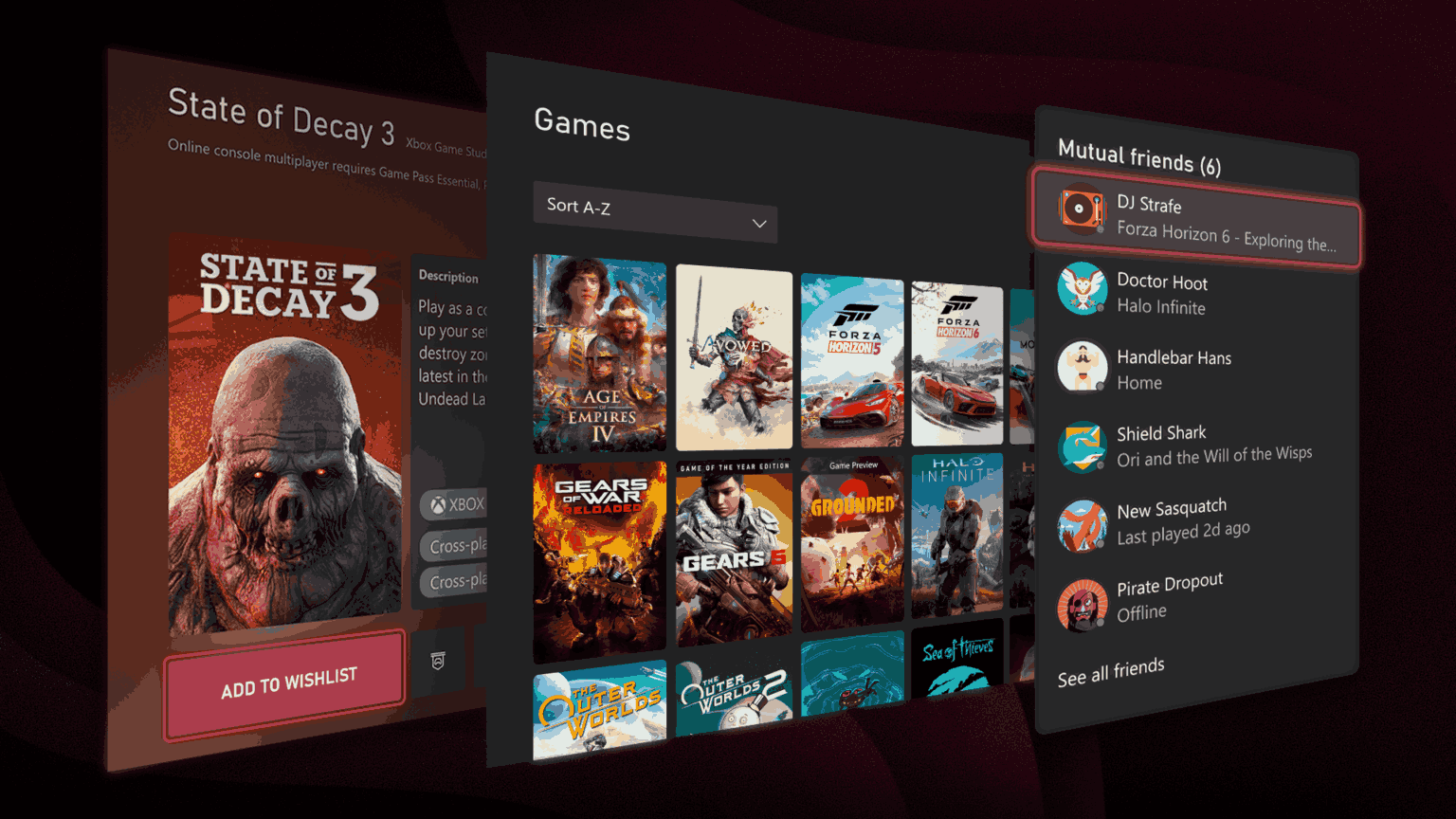
According to Microsoft, the feature can reduce power consumption by up to 20 times while the console is turned off, while still allowing overnight updates for games, apps, and system software.

Is Gemini Down Now? Users Report 1076 & 1099 Error Codes [Updated]

[UPDATE 3: 10 June 2026, 17:56 UTC] Although Google has updated its Workspace Status Dashboard confirming the issue with Gemini in Chrome, Web, MacOS, iOS, and Android, it hasn’t shared any workaround or fixes yet.

[UPDATE 2: 10 June 2026, 17:00 UTC] Gemini is still down for thousands of users, throwing similar error codes as noted. On the Android Gemini app, we are still getting errors, you can check the screenshot below:

Image credit: Rishaj | WindowsReport

[UPDATE 1: 10 June 2026, 14:00 UTC] Downdetector now shows elevated rates of errors, with over 1,200 users reporting the same issue we discussed earlier. In fact, when we tried accessing Gemini, we encountered the same error at least once before normally working again.

Image credit: Downdetector

[ORIGINAL STORY FOLLOWS]

Google’s AI assistant, Gemini, which has become a staple for millions around the globe, might be facing an outage as of now. Users on X (FKA Twitter) and Reddit have complained that Gemini is down and is throwing multiple error codes.

Many users have reported seeing “Something went wrong, please try again (1076).” Some users reported seeing the same error with a different code, 1099. Apparently, the issue has affected both Gemini website and app users.

Over on outage detection site Downdetector, we can see a huge spike, suggesting an elevated rate of errors reported by users. So yes, Gemini is having problems at the moment, but it doesn’t appear to be widespread or at least may have been resolved after a brief outage period.

Image credit: Downdetector

As of now, we haven’t heard anything from Google. If we come across an update, we’ll let you know.

This is a developing story…