Windows 10 build 16232 bugs: Install fails, apps won’t launch, and more

Microsoft continues the Fall Creators Update build series with build 16232. This release adds a series of new security features to the OS, but also brings issues of its own.

If you’re planning to install build 16232 on your computer, check out this article to learn what to expect in terms of bugs.

Windows 10 build 16232 reported issues

  • Install fails

Many Insiders still can’t install this build version on their PC. The install process often gets stuck or fails with various errors.

I’m stuck on bluid 16215, have not been able to install any other build so far, they all fail either with 0x80070643 or simply won’t install after reboot. I really want to get out of 16215 since it’s a very buggy build, specially not being able to write ´´ for an spanish speaking person is awfull…. any way, let’s go for the third try on build 16232.

If you can’t install this build, try running the Windows Update Troubleshooter.

  • System Reserved Partition is unavailable

If you can’t access the System Reserved Partition using Disk Management, you’re not the only one. Many Insiders report that error 0x80240034 prevent them from access the respective partition.

  •  Apps won’t launch

Build 16232 sometimes breaks various apps. More specifically, when users double-click an app to open it, an error message appears on the screen, informing them that the app can’t be launched.

After I updated my computer to Build 16232.100 , my MSN WEATHER APP is not working.      Every time I click on Microsoft Weather , I get this message : THIS APP CAN’T OPEN . CHECK THE WINDOWS STORE FOR MORE INFO ABOUT WEATHER.

As a quick workaround, try resetting the respective app. Go to Settings > Apps & Features > select the problematic app > click on Advanced options > reset it.

  • Windows can’t print

Insiders report that they can’t print due to an allegedly printer setup error.

I get the error “Windows can’t print due to a problem with the printer setup.” That was from Word. Notepad++ gives “Can not start printer document.” When I try to print a test page, I get the message “Operation could not be completed (error 0x0000003d). The printer queue is full.” […]  I currently have build 16232. Print fails from both Microsoft Office apps and other apps.

  •  ‘The extended attributes are inconsistent’ error

Many Insiders report getting ‘The extended attributes are inconsistent’ error when they try to launch an app or install updates on their PCs.

To fix this error, reboot your computer and then go to Settings > Update & Security > Troubleshoot > select Windows store apps. The built-in troubleshooter should fix this problem.

  • Chrome hangs on full screen

Insiders also report that Chrome freezes for about half a minute when they use the full screen option. This problem doesn’t occurs on other browsers.

I am using Windows 10 Build 16232. In this build in Chrome Browser Full screen playback issue. If i play from YouTube video on full screen my laptop will hang for 40-60 Seconds. But other browser this not happen.

These are the most common build 16232 bugs reported by Insiders. As you can see, this build release is pretty stable and doesn’t feature any bugs that may break your PC.

If you encountered any issues after installing build 16232 on your computer, tell us more about your experience in the comments below.

RELATED STORIES YOU NEED TO CHECK OUT:

FIX: The Code Segment Cannot Be Greater Than or Equal to 64

The ERROR_RING2SEG_MUST_BE_MOVABLE error is a system error and it’s often followed by The code segment cannot be greater than or equal to 64K message. Today we’re going to show you how to fix it.

How to fix ERROR_RING2SEG_MUST_BE_MOVABLE error?

1. Update Windows

  1. Press Windows Key + I to open the Settings app.
  2. Navigate to Update & security section. Select Windows Update from the menu on the left and click on Check for updates button.

  3. Windows will now check for updates and download them automatically in the background.

2. Scan your PC

Sometimes malware can interfere with Windows and cause this and many other errors to appear. If you suspect that your system is infected by malware, be sure to perform a full system scan as soon as you can. If your PC is malware-free, you should proceed to the next solution.

3. Temporarily disable your antivirus

The code segment cannot be greater than or equal to 64K can sometimes appear due to your antivirus application.

Some antivirus apps perform system-wide changes and enforce their security policies causing these types of errors to appear.

To check if your antivirus is the problem, you need to disable it temporarily. If the issue doesn’t occur with your antivirus turned off, you might want to check its configuration and disable the problematic options. Alternatively, you can uninstall your antivirus and switch to a different one.

4. Perform an SFC scan

  1. Press Windows Key + X to open Win + X menu and select Command Prompt (Admin) from the list.

  2. When Command Prompt starts, enter sfc /scannow and press Enter to run the command.
  3. Windows will start repairing your files. This process can take a while, so be sure not to interrupt it.

5. Boot into Safe Mode

Sometimes these errors can be caused by installed applications, but you should be able to fix them by entering Safe Mode. This is a special segment of Windows that runs with default applications and drivers, so you can use it to troubleshoot problems. To enter Safe Mode on Windows 10, do the following:

  1. Open Start Menu and click the Power button. Press and hold the Shift key on your keyboard and click on Restart option.

  2. You’ll see a list of options. Select Troubleshoot > Advanced options > Startup Settings and click the Restart button.
  3. Once your PC restarts, you’ll see a list of options. Press the appropriate keyboard key to select any version of Safe Mode.
  4. Once the Safe Mode starts, check if everything is working properly.

If the error doesn’t appear in Safe Mode, it’s most likely that the cause is a third-party application.

6. Uninstall recently installed applications

  1. Open the Settings app.
  2. Go to System section and click on Apps & features. Choose Sort by install date option, and search the list for recently installed application. Select the application you want to remove and click the Uninstall button.

  3. Follow the instructions in uninstall wizard to remove the application.

As previously mentioned, third-party applications can interfere with your system and they can cause The code segment cannot be greater than or equal to 64K error to appear. To fix the issue, you need to find and remove recently installed or updated applications by following these steps:

Alternatively, you can remove recently installed apps by doing the following:

  1. Press Windows Key + X and choose Programs and Features from the menu.

  2. Once Programs and Features window opens, click on Installed on to sort applications by install date. Now your applications are sorted and you can remove desired apps simply by double clicking them.

After removing recently installed applications, check if the problem still persists.

7. Perform a clean boot

  1. Press Windows Key + R and enter msconfig. Press Enter or click OK.

  2. Go to Services tab. Check Hide all Microsoft services checkbox and click on Disable all.

  3. Go to Startup tab and click on Open Task Manager.

  4. Once Task Manager opens, you’ll see a list of all startup applications. Select applications one by one and click the Disable button. Once you disable all startup apps, close Task Manager.

  5. Now go back to System Configuration window and click Apply and OK to save changes.

  6. Restart your PC.

8. Create a new user account

  1. Open the Settings app, go to Accounts section and choose Family & other people. Click on Add someone else to this PC in Other people section.

  2. Select I don’t have this person’s sign-in information.

  3. Click on Add a user without a Microsoft account.

  4. Enter the desired user name for the new account and click on Next.

9. Perform System Restore

  1. Press Windows Key + S, enter system restore and choose Create a restore point from the menu.

  2. System Properties window will now appear. Click on System Restore button.

  3. System Restore will now start. Select Choose a different restore point and click Next. Alternatively you can choose Recommended restore option to revert your PC quickly to a recent restore point.

  4. Check Show more restore points option and select the desired restore point. Now click the Next button.

  5. Follow the instructions on the screen to restore your PC to the previous state.

If the problem still persists, you might want to try restoring your PC using System Restore feature. This feature automatically creates restore points after driver or new software installation allowing you to easily restore your system if anything goes wrong. If you’re getting this error frequently, you might be able to fix it by following these steps:

After your PC is successfully restored the problem should be resolved completely.

ERROR_RING2SEG_MUST_BE_MOVABLE and The code segment cannot be greater than or equal to 64K errors can appear on any PC, but you should be able to fix them with ease by using one of our solutions.

READ ALSO:

Windows 10 now supports interdimensional travel

Several Reddit users have begun to notice a rather amusing Easter egg hidden in the latest Windows 10 Insider build for those on the Fast Ring. The quirky little discovery involves the text used in a popup error box that states after the usual “[program] has stopped working” text that “Windows is opening a portal to another dimension…”

Windows Insider image by mrzoops

Of course, the Windows 10 PCs with this build aren’t actually opening portals (as far as we know) but it’s fun nonetheless and could lessen the frustration of a program crashing for those Windows Insiders that are helping test builds of the Windows 10 operating system. It’s highly unlikely this will make its way to public copies of Windows 10 though so if you’re an Insider, enjoy it while you can.

Have you noticed this or any other Easter eggs on your Windows 10 PC? Share them with the On MSFT community in the comments below.

OG Xbox video games will not change aspect ratio on Xbox One, plus Achievements update

Microsoft’s Phil Spencer has confirmed in a tweet that original (OG) Xbox video games that gain backwards compatibility support on the Xbox One will not receive any aspect ratio changes from their original release version.

Basically, if an OG Xbox game had widescreen aspect ratio originally it will also have it on the Xbox One but if it didn’t on the OG Xbox, it won’t on the Xbox One. In the same Twitter thread, Spencer also communicated further with Xbox gamers about the possibility of adding Achievements to OG Xbox games. It had previously been stated that they would not receive any but this conversation seems to hint that the Xbox Team is still open to the idea and is looking at potential ways to enable them.

Spencer confirms that adding Xbox Achievements to OG Xbox titles would require them to patch each game individually and that that is something that would simply take too much time and resources. He also says they could potentially reward players with Achievements simply for playing games but that he’s not a fan of that approach. There’s also talk of one solution that would work by tracking the save file of a game however that’s something that hasn’t even been looked at yet as it might be too difficult to work out with the way the games and system are designed.

Is aspect ratio and Xbox Achievements important to you or would you just be happy to play OG Xbox games on your Xbox One? Let us know in the comments.

Windows 10 KB4022716 bugs: BSoD, black screen issues, and more

Windows 10 KB4022716 is a huge update, bringing more than 30 bug fixes to the table. Unfortunately, this patch also brings quite a few issues of its own, as users report.

Although most of these issues are minor ones, they are nevertheless annoying. Update KB4022716 also brings two severe issues that prevent users from using their computers: black screen issues and BSoD errors.

In this article, we’re going to list the most common KB4022716 bugs reported by users, so that you know what to expect in terms of bugs.

Windows 10 KB4022716 reported bugs

KB4022716 won’t install

Many users can’t install the latest update for Windows 10 Creators Update due to various issues: the download won’t start, the install won’t complete or ends with an error code, etc.

Am trying to install Windows 10 the latest update 28 June (KB4022716) for Outlook search/indexing issue, but unfortunately am not able to install and saying that, (Windows Update Standalone Installer, The update is not applicable to your computer.)

If you can’t install KB4022716, try running the Update Troubleshooter. Download the tool for free from Microsoft’s website, install it and then launch it.

READ ALSO: Windows Update issues after installing Windows 10 Creators Update [Fix]

Black screen issues

Users report that KB4022716 also causes black screen issues. The only solution to fix this problem is to uninstall the update.

Hi I just installed KB4022716 today. I have 4 Displaylink USB adapters. When the screen timeout happens moving the mouse results in a black screen and a flashing mouse cursor. If I uninstall KB4022716 the problem goes away.

KB4022716 kills your browser

If you can’t use your browser after installing KB4022716, you’re not the only one. Many users report that this update often prevents Chrome, Firefox and IE from launching. Apparently, Edge is the only browser that’s still functional after users install KB4022716.

Installed and restarted, then Google Chrome, Firefox and Internet Explorer all have trouble to start.
Google Chrome just starts and close without any error message. Firefox started and crashed. Internet Exporter shows problems to start. Edge appears to be working, didn’t try enough.
Using System Restore to go back before the update. Everything works normal. Tried again to install the update, and the problem came back.

Display doesn’t come back from sleep

Users report that their computers won’t come back from sleep after installing KB4022716. In the best case scenario, all users get is a black screen with a white mouse cursor. It appears that this problem is prevalent for Surface devices.

After installation of KB4022716 this morning, my previously stable Surface Book […] consistently fails to wake properly from sleep. If I get anything at all, it’s a blinking cursor on a black screen. Pressing and holding the power button eventually brings up a “slide to shut down” screen, and cancelling this gets me back to the Windows desktop.

It seems that this update introduced a huge bug in the lock screen. For the time being, the only solution is to simply uninstall it.

Blue Screen of Death issues

Update KB4022716 also freezes computers after a few minutes of usage, forcing users to perform a hard reset. Interestingly enough, after restarting their computers, users no longer experience BSoD issues.

After using my PC for a few minutes, it freezes […] Also, after restarting my PC, this does not happen, regardless of how long i use it. It only happends after I fully turn off the power in my room and then starting the PC “for the first time”.

These are the most frequent KB4022716 issues reported by users. If you’ve encountered other bugs after installing this update, tell us more about your experience in the comments below.

RELATED STORIES YOU NEED TO CHECK OUT:

Windows Task Manager can now track GPU performance

Every Windows user can recall at least one instance where they didn’t know what to do and Windows Task Manager saved the day. One thing that always bugged people out about it, however, is the fact that it didn’t have any GPU performance tracking features.

GPU tracking is finally coming

That’s no longer the case as now Microsoft has finally decided to implement such a feature. The new GPU performance tracking feature is a part of the new Fall Creators Update for Microsoft’s Windows 10 OS and the first glimpses of it can be seen in the Preview build. To be more specific, the feature is part of the Windows 10 Insider 16226 build that is currently being tested on Microsoft’s preview platform.

The integration will be seamless as the feature will be available under the Performance section, where users have been able so far to check out CPU performance related information. Microsoft must have wanted to make the wait worthwhile as it went the extra mile with the new GPU tracking capabilities.

Now, users are not only able to track GPU performance but also separately track individual parts of the GPU. For those that aren’t savvy enough to know the name of their own GPU, this new feature is extra helpful since it provides that information alongside info about the driver used by the GPU. This can be very useful information and if nothing else, it’s good to have it “just in case”.

Work in progress

As mentioned earlier, these new features are currently being tested on the Insiders Preview build for Windows 10, which means that they are still under development. Things can be added or subtracted until the build releases officially to the public, meaning that there is still plenty of time for the developers to work on and enhance these features.

Its Preview status also means that there might be slight errors here and there and obviously some bugs that the team hadn’t gotten a chance to fix yet. All these things are currently under review and part of the crew’s to-do list.

Even if it’s arriving with quite a bit of delay, the new GPU tracking function will be most welcomed by Windows 10 users old and new, since it’s such a useful feature to have. Being able to immediately read important information regarding the computer’s GPU and how it’s performing is an important enough feature that would make people wonder why Microsoft hadn’t implemented it earlier.

RELATED STORIES TO CHECK OUT:

Windows 10 build 16226 brings back File History Backup

For those that aren’t really familiar with the file history backup feature in Windows 10, it’s a very useful feature that backs up files automatically. In case something happens to the original files, the feature uses the backups stored on a different drive in order to restore them. It’s a great feature to have because it backs up files while also keeping them close by. That way, restoring files is very easy. Many people have gotten attached to this feature as it can prove useful in situations where very important files just disappear, get corrupted, deleted or anything else.

Short hiatus

Precisely because it’s such a loved feature, users took it hard when the feature disappeared altogether earlier this month. This happened with build 16212 which wasn’t supposed to be on the Insider platform to begin with. One week after that, Microsoft updated the Insider platform with build 16215 and fans really hoped that the disappearance from the previous iteration was just a mistake that was now corrected. Unfortunately, that wasn’t the case as file history backup was still missing when build 16215 dropped.

Return to glory

Windows users that really got into depending on the file history backup feature have reasons to celebrate as it would seem that the feature has made a return. It’s worth noting that Microsoft did not release any public statement regarding why the feature has returned or why it disappeared in the first place. However, users might be less preoccupied with that and more so with its presence in build 16226.

Coming back better than ever?

As previously mentioned, there has been no explanation given as to why the feature was suddenly removed, leaving users to speculate. While their guess is as good as anyone’s, a solid theory would be that Microsoft just wanted to modify the feature so that it’s bigger and better. Indeed, removing the feature temporarily would allow Microsoft to do what was needed in order to enhance the file history backup feature.

Support and integration with OneDrive’s On-Demand feature

One strong possibility that has been rumored is that Microsoft actually intended to provide the feature with support for their latest endeavor, On-Demand. For those that aren’t familiar with the latest addition to OneDrive, Microsoft added a new feature called On-Demand that allows users much more control over their files on the cloud platform and gives them more liberty as to what they can do with the files saved on the cloud at any given time.

Overall, it’s great that the feature is making a return after its small hiatus and hopefully, some answers will arrive with it as well. Most likely, Microsoft will let users know the reason for the removal as well as introduce some new functionalities or additions to file history backup as it was known.

RELATED STORIES TO CHECK OUT:

Microsoft to move 100 staff to Manchester city centre in the UK

Microsoft is moving 100 employees over to the Manchester city centre, a massive hub for business in the UK. The employees will be placed at a new development in the city centre by the name of Neo, an extraordinarily fancy place that’s equipped with an on-site gym, an open-air terrace, screening rooms, and more. While it hasn’t been made clear just what these employees are going to be working on in this building – if it’s anything specific at all – this is definitely a nice place for Microsoft to plant a flag in.

According to Bruntwood, the organization behind the Neo building, the facility “houses a number of bold and innovative features, including Bluetooth-enabled mobile door access, a customer steering group, an on-site community and engagement manager curating a year-round programme of social and business support events and a £250,000 interactive digital art space, launched with an inaugural installation by internationally-renowned artist Brendan Dawes.”

The employees selected to move into the Neo building will be taking residency very soon, with a vague time period of “July 2017” being given out.

Microsoft releases KB4032693 and KB4032695 to Windows 10 PC

Microsoft recently rolled out KB4032693 to Windows 10 Version 1511, and KB4032695 to Windows 10 Version 1507. These two updates feature exactly the same quality improvements. No new operating system features are being introduced in these updates.

Both updates fix the annoying issue where Internet Explorer prints blank pages.

KB4032693 & KB4032695 patch notes:

  • Addressed an issue introduced by KB4022727 where Internet Explorer and Microsoft Edge printing from a frame may result in 404 not found or blank page printed.
  • Fixed a reliability issue in Windows Search.
  • Addressed issue where CRM UI may hang when pressing the reply button in mail workflow.

Microsoft warns that KB4032693 and KB4032695 may sometimes crash Internet Explorer 11 when you visit some websites. The problem may occur if the website is complex and uses certain web API’s. Microsoft is working to fix this problem.

You can download KB4032693 and KB4032695 from Microsoft’s Update Catalog website.

Apart from the Internet Explorer issue mentioned above, users haven’t reported any other bugs after installing these updates. If you’ve encountered other issues after installing KB4032693 and KB4032695, use the comment section below to tell us more about your experience.

A quick reminder for Windows 10 Version 1507 users

As a quick reminder, Microsoft ended support for Windows 10 Version 1507 last month. If you haven’t updated to a newer OS version yet, you can continue using Windows 10, but you won’t receive updates anymore. To update to the latest version of Windows 10, go Microsoft’s software download page and click ” Update now”.

The Update Assistant will download on your computer and will help you upgrade to Windows 10 Creators Update for free.

RELATED STORIES YOU NEED TO CHECK OUT:

Microsoft is working with Token to bring a Windows Hello-compatible biometric identity ring

Microsoft is partnering with Token to bring Windows 10 users a new way to unlock their Windows 10 device. Starting in December 2017, Token will offer a ring that will enable you to unlock your Windows 10 PC, car lock, door lock, or anything else that requires a biometric password to unlock. Token will also be able to replace your transit pass, and any other access cards you may have.

Microsoft hopes that this new partnership with Token will provide Windows 10 users with a new way to stay secure and remove the need for creating and using passwords. According to the post on the Windows 10 blog, 80% of people use the same password across multiple accounts, unknowingly making it incredibly easy for hackers to steal your passwords and cost you a lot of money.

Using an extra step to enhance your security profile, including enabling multi-factor verification, can be a lifesaver for your passwords. Microsoft created Windows Hello as an alternative to using a password to unlock your Windows 10 device. Windows Hello is fast and reliable and has enterprise-level security to protect Windows Hello from malicious online threats.

Microsoft believes that its partnership with Token will provide an additional level of security. The use of a biometric ring will allow you to unlock all your Windows 10 devices without worrying about remembering a password for every little prompt.

Microsoft hopes Token will provide a new way to login to Windows Hello that is easier and more secure than ever. Stay tuned for more information from Microsoft on its partnership with Token.

Microsoft updates Arrow Launcher, brings ability to hide system status bar

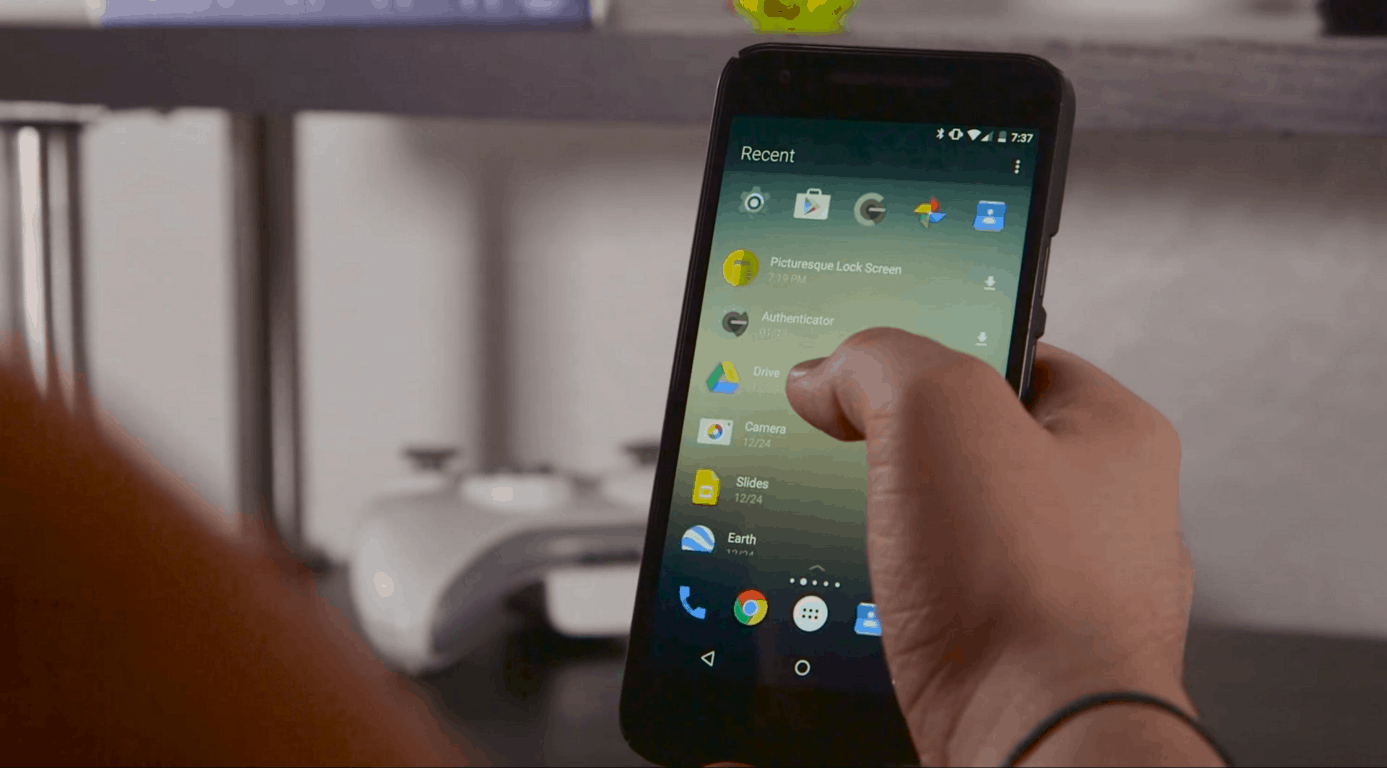
Microsoft recently dropped an update for Arrow Launcher on Android, and it’s packed with a couple of new features (via Windows Latest.). The update brings the most current version of the app to 3.6.0.34513, and you can read up on all the changes below.

WHAT’S NEW:

  • Option to hide/show system status bar
  • Show Outlook email in Recent page( only apply to Outlook app sign in user )
  • Support dragging apps from frequent apps card
  • Enable checkbox and image auto fit in Notes card/page;
  • UI adjustment
  • Bugs fix, stabilization/performance improvement

Arrow Launcher was previously updated for some last month, picking up the “Arrow Hub” card and the ability to sync files between Android phone and computer. Microsoft is clearly working on improving the app, so be sure to keep your feedback coming by submitting your feedback from inside the application.

As always, you can find the download link for Arrow Launcher below. And, be sure to drop us a comment to let us know how the experience is going for you!

Microsoft Launcher
Microsoft Launcher
Price:
Free

Call of Duty: Ghosts coming to Xbox One Backward Compatibility today

Call of Duty: Ghosts is joining Call of Duty: Black Ops II and four other Call of Duty games on the Xbox One Backward Compatibility list today. Xbox’s Major Nelson just announced the news on his Twitter account, and this follows the addition of five other games earlier this week.

Call of Duty: Ghosts pretty much has a special place in the popular shooter franchise, as it was the first episode to be released on both 7th gen and 8th gen consoles back in Fall 2013. While the Xbox One version of the game offers better graphics, the Xbox 360 version runs at 60 FPS and features the same game modes as the Xbox One version. Moreover, it’s also $20 cheaper on the Xbox Store, in case you’re wondering.

Here is the official game description:

Outnumbered and outgunned, but not outmatched. Welcome to Call of Duty®: Ghosts, an extraordinary step forward for one of the largest entertainment franchises of all-time. This new chapter in the Call of Duty® franchise features a fresh dynamic where players are on the side of a crippled nation fighting not for freedom, or liberty, but simply to survive. Fueling this all new Call of Duty universe, the franchise’s ambitious new next-gen engine delivers stunning levels of immersion and performance all while maintaining the speed and fluidity of 60 frames-per-second across all platforms.

Call of Duty: Ghosts is not the first Backward Compatible game to also have an Xbox One version (Rayman Legends, Saints Row IV, Halo Wars and others are in the same spot), but it’s always nice when publishers don’t force you to buy the same game twice to keep playing it on your Xbox One. Hopefully, Microsoft will take note and make Halo 3 and 4 backward compatible too!

How to snap your apps to your screen in Windows 10

Windows’ Snap lets you drag app windows to the sides of your display to “snap” them side-by-side. It cuts the pain out of trying to use two apps at once by turning the creation of a two-pane layout into a matter of clicking and dragging.

Screenshot of Windows 10 snapping a window

Microsoft debuted Snap with Windows 7. Since then, the window management feature has proved to be very popular, giving you a convenient way to multi-task on your PC. Snap was expanded in Windows 10 with several new options that can make you even more productive, reducing the time needed to set up a complex window layout of multiple apps.

Screenshot of Windows 10 2x2 Snap layout

In Windows 10, Snap was expanded to now offer a four-pane view. You can drag windows to the corners of your screen, giving you a layout where each app has a quarter of the total area. You can fine-tune the arrangement by dragging the window borders. The adjacent window will resize itself automatically to preserve the clean split.

Screenshot of Windows 10 Snap settings page

This behaviour can be changed using Snap’s new options in the Settings app. Open the app and head to the “System” category. Select the “Multi-tasking” page to customise how Snap works. To disable the automatic resizing of snapped windows, toggle the “When I resize a snapped window, simultaneously resize any adjacent snapped window” button to the off position.

Screenshot of Windows 10 Snap with automatic sizing

The settings page also lets you choose what happens when a window is snapped into an existing layout. This is controlled by the “When I snap a window, automatically size it to fill available space” toggle button.

Screenshot of Windows 10 Snap without automatic sizing

This option isn’t particularly well-known or well-labelled. To understand what it does, snap a window to one side of the display and then adjust its width. When you snap another window to the other side, you’ll see the new app takes up all the available space, if the setting is enabled. Otherwise, it will rigidly occupy its half of the display, potentially overlapping the first app or leaving a gap between the two.

Windows 10’s implementation of Snap also comes with suggestions for the apps you may want to use side-by-side. When you snap a window to one side of your screen, you’ll see thumbnails of all your other open apps appear in the remaining space. Clicking one will immediately snap it into the layout. You can disable this with the “When I snap a window, show what I can snap next to it” button in Snap’s settings.

Snap is one of the best Windows features that you might not find until you trigger it accidentally. It lets you jump into a powerful multitasking layout in a matter of seconds, boosting your productivity. If you decide that Snap isn’t for you, you can disable it entirely from within Settings. Head to the “Multi-tasking” page in the “System” category and turn off the “Arrange windows automatically by dragging them to the sides or corners of the screen” option.

Microsoft announces their acquisition of Cloudyn, will help Azure users manage cloud services

As the battle for cloud computing supremacy rages on, Microsoft and others are arming themselves with as many tools, services and partnerships as possible to remain competitive.

Microsoft recently acquired cloud management solution Cloudyn to add to its competitive edge.

This acquisition fits squarely into our commitment to empower customers with the tools they need to govern their cloud adoption and realize the strategic benefits of a global, trusted intelligent cloud. Cloudyn gives enterprise customers tools to identify, measure and analyze consumption, enable accountability and forecast future cloud spending.

Cloudyn has not only been a Microsoft partner for some years, the company has supported cost management for Azure for quite some time as well. We told you about reports of the acquisition two months ago, but now Microsoft has made it official.

Microsoft’s deal with Cloudyn isn’t just a strategic one but a realized opportunity for Azure customers. Cloudyn solutions have a proven track record for enabling its customer’s significant returns on investments in the cloud to the tune of 286 percent by establishing cloud efficiencies.

Even though the acquisition is as fresh as wet paint at the moment, Cloydyn integration for Azure users should be coming soon.

Windows AutoPilot will help IT manage Windows 10 deployments

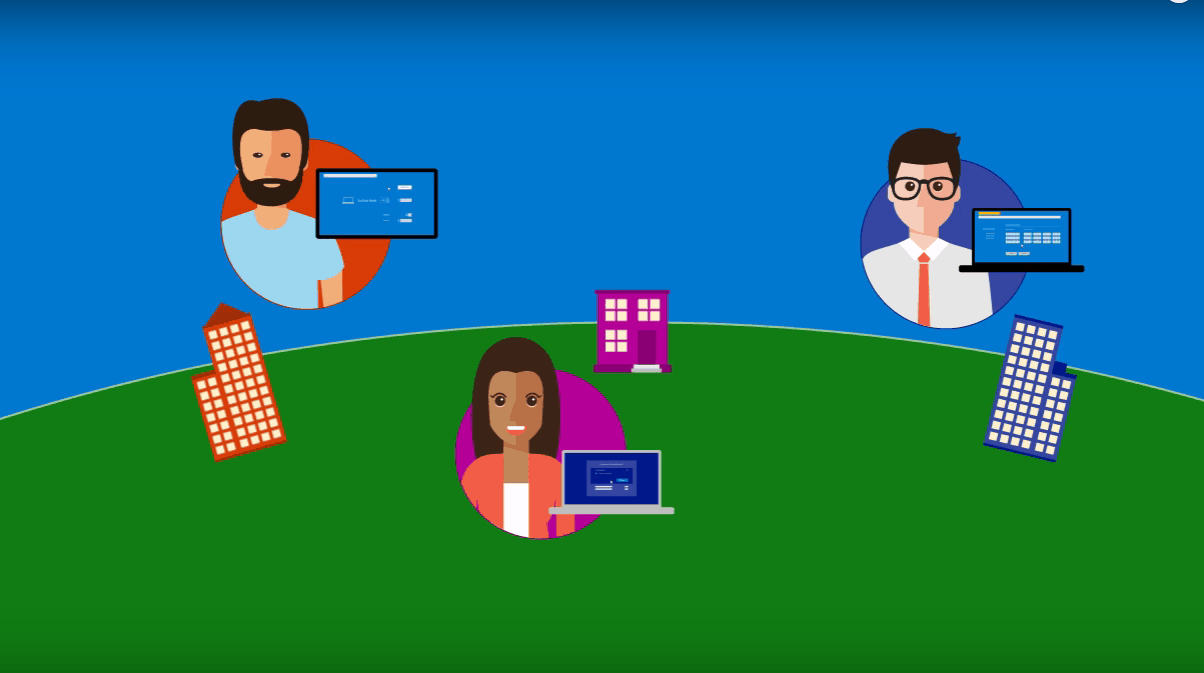
Microsoft today announced a new Windows 10 innovation which aims to help IT pros manage Windows 10 deployments. Called Windows AutoPilot, the suite of capabilities is powered by cloud-based services and joins several new enhancements to Mobile Device Management and new Device Health features in Windows Analytics, all with the ultimate goal of modernizing the way IT pros interact with Windows devices.

According to Microsoft, Windows AutoPilot Deployment is a new cloud service which will “allow IT to customize the Windows 10 out of box setup experience using a cloud configuration.” It works alongside existing Azure Active Directory and Intune mobile device management (MDM) services and will “enable a new PC to be easily transformed into a business-ready device.”

The Windows AutoPilot Deployment Program will be piloted by Surface this summer, and will also roll out to OEMs, distributors, and resellers to help them link devices to an organization. Microsoft Store for Business and the Microsoft Partner Center will also provide Windows AutoPilot capabilities, helping organizations and partners configure and link devices.

Several Windows AutoPilot features will also make their way into the Windows 10 Fall Creators Update, all of which can be seen below.

  • Windows AutoPilot Reset – a new reset mechanism to reset a fully configured device while maintaining MDM management and AAD connection state and automatically get the device back into a fully configured state.
  • Enhanced Personalization with Windows AutoPilot Deployment – ability to pre-assign a device to a specific employee in the organization via cloud-configuration.
  • Self Service Active Directory domain join – self-service deployment to get new Windows 10 devices into Active Directory domain joined state along with Microsoft Intune enrollment.

The company is also announcing new simplified management features for the Windows 10 Fall Creators Update. These features include the ability to deploy and configure Windows Defender Application Guard, configure security baseline settings, and the capability to configure Windows Firewall rules. Also new is the option to show progress during the device provisioning process. Information on the other new enhancements to Mobile Device Management and new Device Health features can be seen below.

  • A device joined to Active Directory domain can be automatically registered in Azure Active Directory and automatically enrolled in Microsoft Intune or another MDM service.
  • The Windows 10 Fall Creators Update will also add new kiosk configuration and management features, supporting new multi-app scenarios
  • Device Health functionality is designed to ensure employees have the best possible experience   with Windows 10. It helps identify issues that could affect a person’s experience, before they may even notice, while also identifying steps needed to resolve those issues proactively.

Microsoft previously detailed several new security features heading to the Windows 10 Fall Creators Update, so it is great to see that the company is committed to making Windows 10 secure, fast, and easy to manage. As always, let us know your thoughts on this latest news by dropping us a comment below.

Windows 10 Groove Music app will get a new Mini View

Starting with the Windows 10 Creators Update, developers can now implement a new Picture in Picture mode (aka Compact Overlay windows) in their apps, which is great for allowing apps to be shown above your web browser or other windows. Very few apps support this new compact overlay mode for now, including Microsoft’s own Skype and Movies & TV UWP apps, but it looks like Groove will be the next app to get it.

According to MSPoweruser, select Windows Insiders can now test a new Mini View for the Groove Music app, which when enabled creates a smaller player window that will stay above your other apps. The mini view features playback controls including a playback bar, and it also lets users watch music videos from the Groove Music service.

credit: MSPoweruser

It’s not clear when the new Mini View will roll out to everyone, and we don’t have it yet on our Fast Ring PCs. That’s not entirely surprising, as Microsoft announced yesterday that it would stop testing new versions of native Windows 10 apps with Windows Insiders. If you already have access to it, let us know in the comments if you think this new addition will make Groove a more versatile music player on Windows 10 PCs.

Showtime’s stand-alone streaming service is now available on the Xbox One

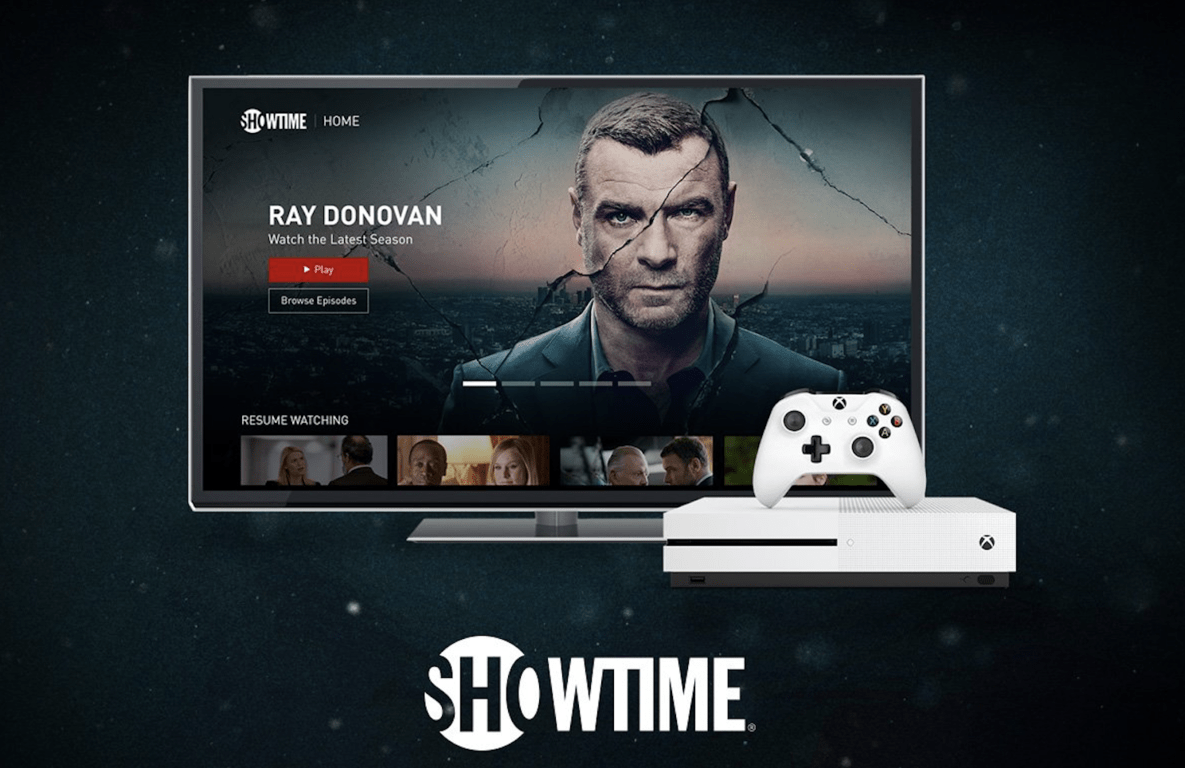
Showtime Networks has just announced that its standalone streaming service is now available on Microsoft’s Xbox One console (via The Verge). The OTT service for cord-cutters initially launched two years ago on a variety of other platforms from Apple, Sony and Roku, and it’s good to see it finally land on the Xbox One in addition to the pre-existing Showtime Anytime app (a similar offering for subscribers of the Showtime television service).

Xbox One owners can try the standalone OTT service for seven days before paying the $10.99 monthly subscription. The catalog includes entire seasons of Homeland, Billions, Ray Donovan, The Affair, Shameless, I’m Dying Up Here, the brand new season of the cult-classic TV show Twin Peaks, in addition to many other movies, TV shows and sports programming. You can download Showtime’s new Xbox One app over here, sound off in the comments if you think this is a very welcome addition on Microsoft’s gaming console.

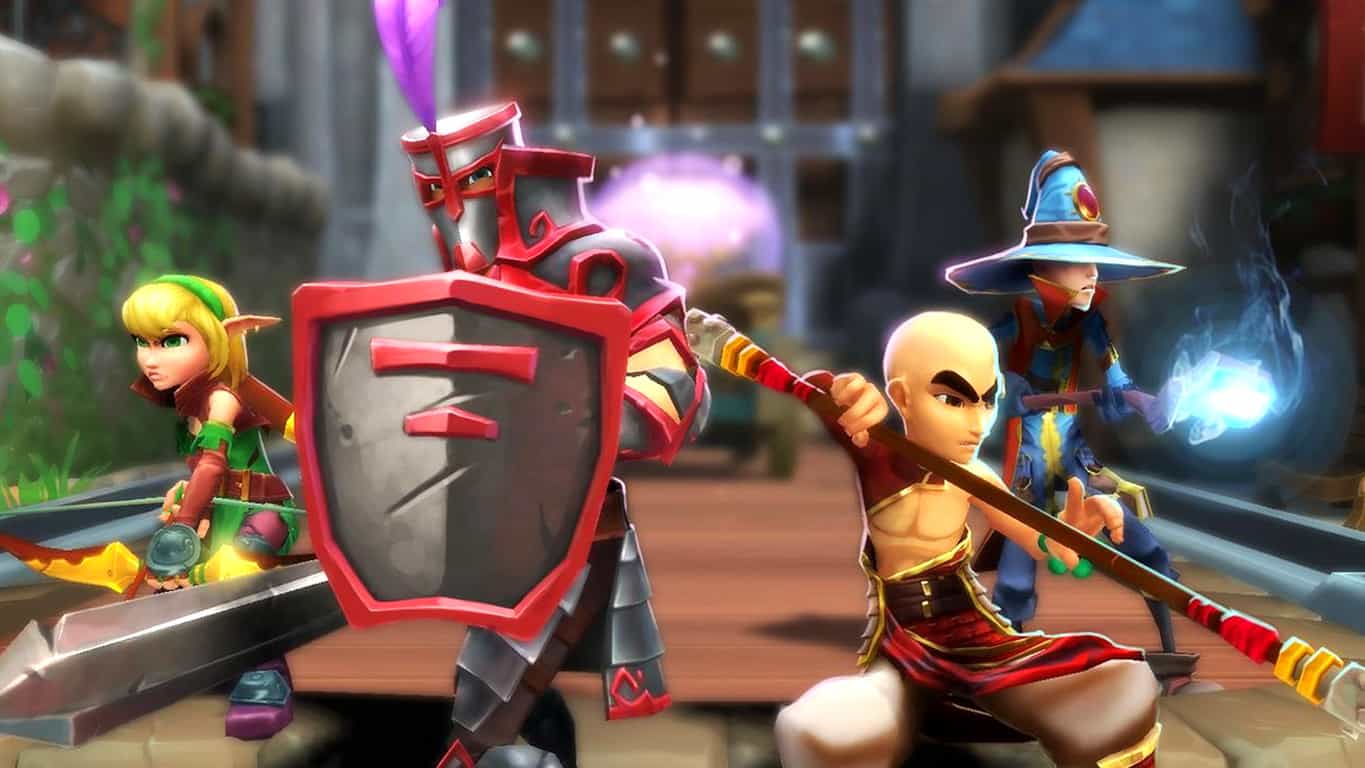
Dungeon Defenders 2 fix will be coming to Xbox One soon

Since its launch last week, Dungeon Defenders 2 on Xbox One has experienced a load of problems ranging from server issue to complete game crashes. The game developers have been attempting some temporary server fixes over the past few days but few seem to have fixed the problems entirely.

The official Twitter account announced today however that a proper game patch has been submitted to the Xbox Store and that it should go live once approved. No timeframe has been revealed for when this will get pushed out to users though.

Have you been playing Dungeon Defenders 2 on your Xbox One? Let us know if you’ve been having problems in the comments below.

Pinball FX3 announced for Xbox One and Windows 10

Zen Studios has just announced a sequel to their popular Pinball FX2 video game aptly titled, Pinball FX3 for Xbox One and Windows 10. “Pinball FX and Zen Pinball (as it’s called on PlayStation) have been serving players for years and years, and the time has come to go next-level and take a major step forward in the pinball evolution. Pinball FX3 will now be the Zen supported pinball platform on all console and PC platforms,” the official statement reads. “Pinball FX3 is a massive game packed full of new features designed to turn pinball into a true community experience. Built around multiplayer-matchups, user-generated tournaments and league play, Pinball FX3 is now so much more than just leaderboard rankings – it elevates the competitive pinball spirit that has thrived since the early days of pinball more than a century ago.”

Pinball FX3 is said to come with a new mode for single players that will help introduce them to pinball video games. One of the biggest criticisms of Pinball FX2 was how it hid a lot of the tables’ gameplay elements and goals from the casual player so this should be a welcome addition for many.

The new game is also expected to unlock the majority of the tables gamers had bought in previous versions for free. “We are happy to announce that you will be able to import the majority of your Pinball FX2 purchases to Pinball FX3 for FREE,” says the announcement. “We’re giving you all of the new features and upgrades at no cost – and there are a TON of them, giving you reasons to never stop playing your tables. We like to think that Pinball FX3 is an endless ocean of replayability!”

Pinball FX3 is due for release in summer 2017. A specific release date will likely get announced soon. Are you excited for Pinball FX3? Let us know in the comments below.

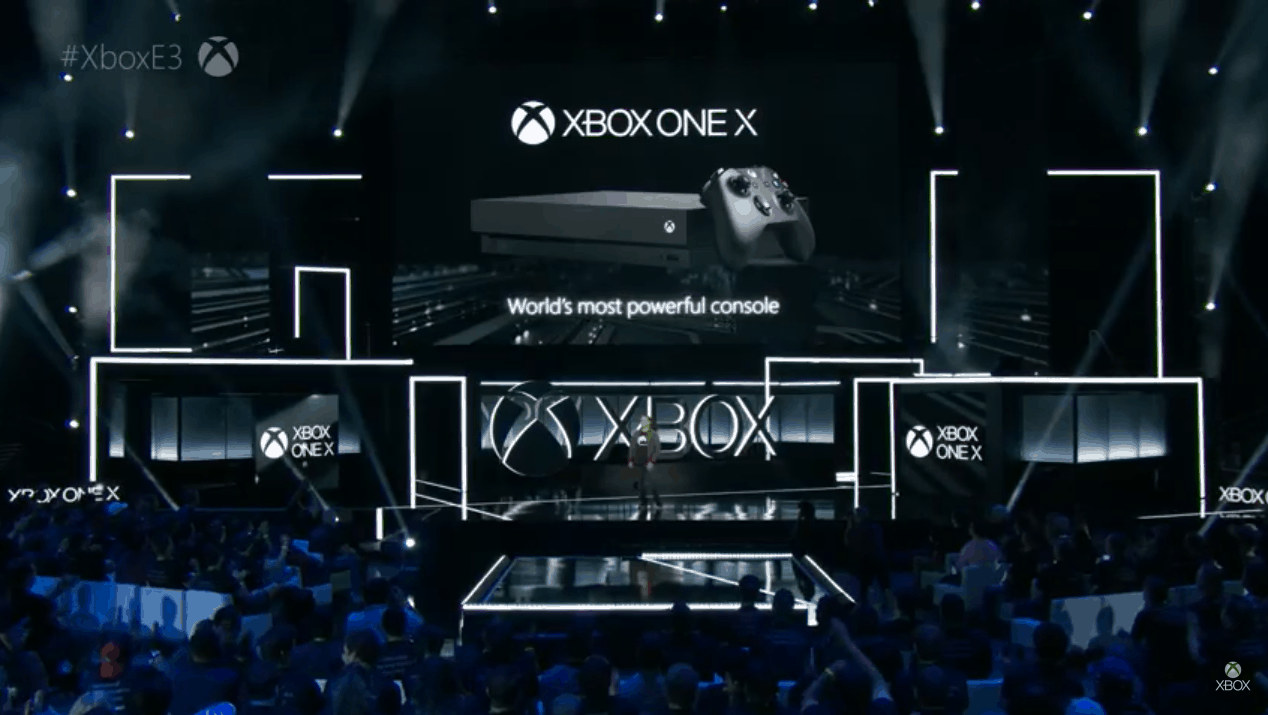
Microsoft wins three Game Critics Awards for E3 2017

This year, Microsoft had one of the biggest conferences – being the only company that came out with a big piece of hardware, they had plenty to talk about – and a ton of games to make nice and shiny for the cameras. To reflect on some of the big announcements, the Game Critics Awards – run by a collection of several gaming media outlets – has granted Microsoft (and/or its platform) a few accolades on what they brought out to the show floor earlier this month.

Best Hardware/Peripheral
Xbox One X
(Microsoft)

Best Racing Game
Forza Motorsport 7
(Turn 10/Microsoft Studios for PC, Xbox One)

Best Independent Game
The Artful Escape
(Beethoven & Dinosaur/Annapurna Interactive for PC, Xbox One)

Microsoft was directly related with the Xbox One X (obviously) and the creation of their iconic Forza Motorsport series, although the Artful Escape is an indie game that’s launching exclusively with Microsoft platforms. While Sony and Nintendo are both going into a great year as well, Microsoft had some great showings to get us all excited for 2017’s gaming prospects. While these awards don’t mean much until we all go out and play the game for ourselves, it’s a nice window into what the critics think of their potential.

Microsoft and Accenture team up to get 400,000 employees on Windows 10

Microsoft has been touting its Windows 10 upgrade numbers claiming that over 500 million people have taken the operating system for a spin. The fact that 500 million people have upgraded to Windows 10 is, in context, rather impressive because it’s primarily not taking into consideration Microsoft’s core user base.

Over the next couple of years, Microsoft should see its Windows 10 upgrade numbers increase as its core user base of enterprise workers begin to roll out the operating system to offices.

Helping Microsoft’s push of Windows 10 into the enterprise sector is Accenture, the global management consulting and professional services firm.

Announced today, Accenture and Microsoft are teaming up to deliver Window 10 to 400,000 of its employees over the next couple of years.

For Accenture, the transition will probably smoother than most as the company has been a relatively long time customer of Microsoft services including the use of Office 365 and hosting “the biggest OneDrive in the world with over 6 Peta-bites.” Accenture, perhaps like many, has also been testing Windows deployment over some time dating back to September 2015 where the business first began running application compatibility of Windows 10.

As we noted yesterday, Microsoft is trying out a new upgrade targeting framework for Windows 10 for Insiders. However, for businesses, upgrade methods are a bit more robust and both Microsoft and Accenture have found them to be integral in helping the company move to Windows 10.

The In-Place Upgrade Tool played a key part in supporting deployments at pace and scale. The best part is the tool eliminated the need to come into an Accenture office to have an IT person perform the upgrade. Employees could make the upgrade wherever and whenever.

Going forward, the stories tied to Microsoft’s increasing market share numbers for Windows 10 may not be as headline-grabbing as the leaps and bounds found when consumers upgraded for free, but they’ll be just as if not more important when the OS starts showing up in offices.

Popular platformers Inside and Limbo double disk pack set for September release

Playdead’s Inside and Limbo are set to be released as a special double on Xbox One and PS4 in September 2017. The double pack deal will be $29.99 and will include both Inside and Limbo. Get it now on Xbox One for $26.99 for a limited time.

In related news, Playdead co-founder and former CEO, Dino Patti, revealed he’s working on a new game with a newly created studio, Jumpship. Somerville is “sci-fi action adventure” game. Here’s a video sneak peek at Somerville.

Buy Inside and Limbo for Xbox One for $26.99 (regular price $29.99)

How to customise your tablet mode experience on Windows 10 convertibles

Windows 10’s tablet mode feature lets you use the operating system with a full screen Start experience. It’s similar to the Start screen of Windows 8, putting everything within reach when you’re using touch as your primary input method. Windows can automatically disable tablet mode when you connect a keyboard, letting you seamlessly switch between the Start screen and complete desktop.

Screenshot of Windows 10 tablet mode settings screen

If you’re using a touch-enabled device, tablet mode will probably be enabled by default. If it’s not, you can activate it manually using the “Tablet mode” quick toggle in Action Center. On convertible PCs like Microsoft’s Surface Pro, tablet mode should be setup to revert to the desktop when a keyboard is connected. To change this behaviour, open the Settings app to the “System” category and “Tablet mode” page.

On this screen, you’ll see all the settings related to tablet mode. The first dropdown option, “When I sign in,” lets you choose whether tablet mode should be enabled by default when you start your device. The options are “Use tablet mode,” “Use desktop mode” and “Use the appropriate mode for my hardware.” The latter will let Windows choose whether to use tablet mode, based on whether desktop input methods such as a mouse and keyboard are connected.

Screenshot of Windows 10 tablet mode setting to change Continuum behaviour

You can change what happens when you attach or remove a keyboard or dock with the “When this device automatically switches tablet mode on or off” dropdown. The “Don’t ask me and don’t switch” option will ignore the change to your device’s configuration, keeping your device in the mode you were previously using. “Don’t ask me and always switch” will do the opposite, always switching the mode without first prompting you. If you’re looking to control the switch yourself, use the “Always ask me before switching” option to get a notification each time that lets you decide whether to toggle tablet mode’s state.

The two buttons at the bottom of the page let you customise tablet mode itself. You can hide the taskbar in tablet mode apps with “Automatically hide the taskbar in tablet mode.” This gives you an experience reminiscent of Windows 8, allowing the running app to utilise the entirety of your display. You can still swipe up from the bottom of the screen to view the taskbar.

Screenshot of Windows 10 tablet interface with taskbar app icons disabled

The other toggle, “Hide app icons on the taskbar in tablet mode,” will strip the taskbar of running app icons. You’re left with just the system tray and Cortana and Task View buttons. This gives you a less cluttered taskbar on smaller tablet sizes. It also leads to a more unified and minimal look by removing the disparate shapes and colours of app icons.

Tablet mode doesn’t have many settings you can change. What is available allows you to create a Windows tablet experience that better suits your own usage. By combining the settings, you can create an experience close to that of Windows 8 when using your device with touch. It can then automatically pivot to a full desktop PC when you dock it to a desktop, offering a better representation of the “2-in-1” concept. Microsoft hasn’t changed tablet mode since the launch of Windows 10 so it’s possible more features could arrive in the coming months, with or beyond the Fall Creators Update.

Poll: is your Windows machine fully patched, are you Petya protected?

The big news of the week is the latest computer virus outbreak, known generally as “Petya,” although technically Petya was an older virus and this latest outbreak is a more sophisticated variant. Hundreds of thousands of machines have been infected, the majority in Eastern Europe, and the majority running Windows 7.

Microsoft’s Windows Security Blog goes into quite a bit of detail about the new threat, including what the company has done and is doing to mitigate the threat:

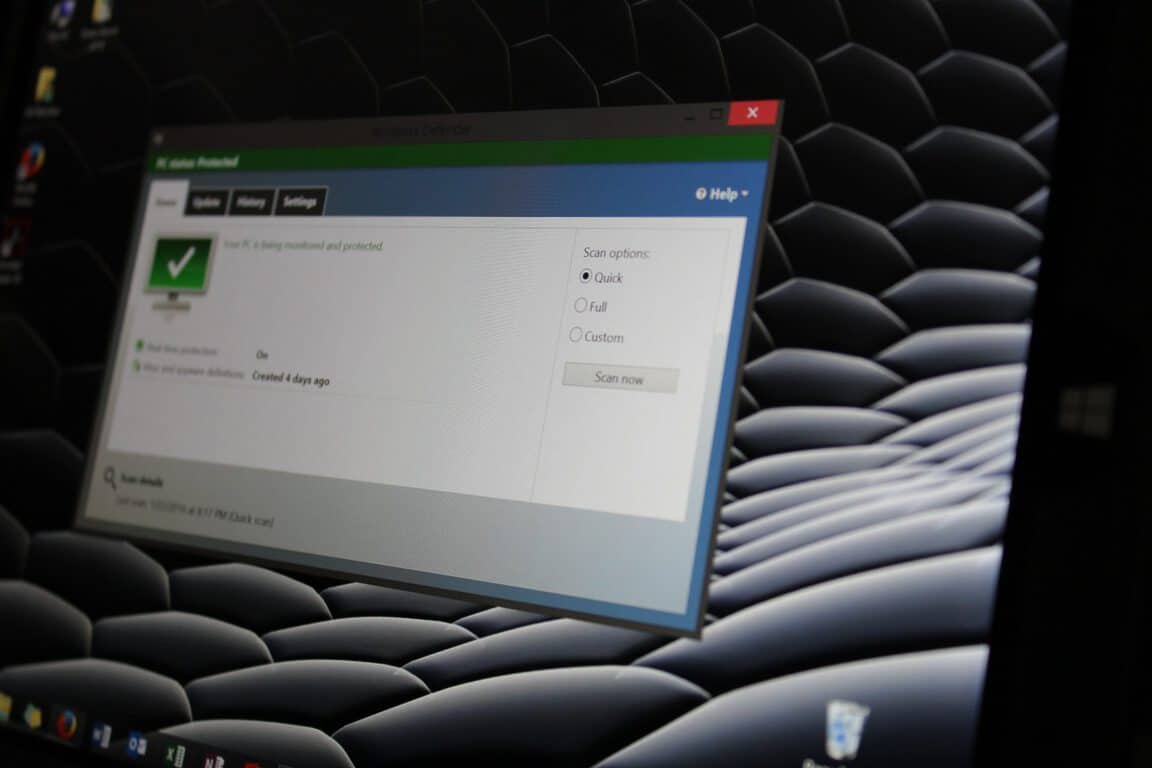
To protect our customers, we released cloud-delivered protection updates and made updates to our signature definition packages shortly after. These updates were automatically delivered to all Microsoft free antimalware products, including Windows Defender Antivirus and Microsoft Security Essentials. You can download the latest version of these files manually at the Malware Protection Center.

Windows Defender Advanced Threat Protection (Windows Defender ATP) automatically detects behaviors used by this new ransomware variant without any updates.

If you’re fully patched, and using Windows Defender AntiVirus, you should be protected, although Microsoft has been recommending since last month’s WannaCry virus outbreak that you take the additional step of disabling SMBv1, which will be deprecated in the Windows 10 Fall Creators Update.

Still, lots of users out there aren’t protected as much as they could be, does this include you? Take our poll below and let us know where you stand on keeping your system up to date:


Do you know anyone affected by this latest attack? Has news of these new threats made you think differently about keeping your systems up to date? Or are you one of those “it only happens to the other guy” types? Let us know what you think about Petya and keeping your system up to date in the comments below.

NASCAR gets up to speed with modern technology with Microsoft’s race management app

This past weekend at the Toyota/Save Mart 350 at Sonoma Raceway in California, Microsoft sponsored Kasey Kahne’s #5 Hendrick Motorsports Chevrolet SS. The Redmond giant’s involvement in the sport, though, goes beyond Hendrick Motorsports, as the Seattle-based tech company is helping NASCAR get up to speed with modern technology thanks to an updated race management app built for Windows 10.

The app is part of a three-year tech integration partnership between Microsoft and NASCAR, with the goal of helping the sport in the process of the digital transformation. According to Microsoft, the updated race management app, which is built by NASCAR and Microsoft on Windows 10, helps race officials click a car number to see a driver’s position on the track, or even see when the car last pitted for fresh tires and fuel. And, though it was initially launched in 2016, the updated version of the app launched on Sunday during the Toyota/Save Mart 350 at Sonoma Raceway.

Data and video from the Race fueling the race management app is stored on Microsoft’s Azure cloud platform, helping combine six NASCAR scoring categories (historical data, timing and scoring, pit road officiating, video replay and car positioning) into one single screen. The folks at NASCAR also use Surface Dial with the app, specifically for examining “infraction videos” within the app. Likewise, other Microsoft technologies such as Microsoft Office 365 and SharePoint Online are used by NASCAR officials to stay connected with each other throughout the race weekend.

Hendrick Motorsports, one of NASCAR’s top-tier teams, has a similar technology deal with NASCAR. As we previously detailed in our interview with Matthew Cochran, the 12 time Monster Energy Cup championship winning NASCAR team uses Microsoft technologies, such as Microsoft Teams, Windows 10, and more throughout the elite racing organization.

No plans to launch Marvel Heroes Omega on Xbox One in Australia and other regions

While Marvel Heroes Omega is due to make its Xbox One debut on June 30th in just a few days’ time, unfortunately it appears as if it won’t be released in as many regions as previously thought.

Earlier this week, the game’s community manager shared a forum post which detailed all of the information regarding the Xbox One version and within that post was a list of regions where Marvel Heroes Omega was expected to launch in, a list that was a bit shorter than many were expecting.

While the exclusion of some countries like Japan and China are understandable due to the relatively low number of Xbox One consoles sold in each country and the need to localize the game’s content, Australia and New Zealand not making the list is a big surprise due to the fact that the Xbox One console is very popular in both countries and each of them use the same language for their games as the United Kingdom (which is on the list).

I reached out and asked for confirmation on these exclusions and was simply told, “Currently, we do not have plans to bring it to Australia on Xbox One. Sorry!” No reason has been given for this decision.

Are you disappointed by the lack of support for some countries? Sign off in the comments below.

Windows 10 Twitter app adds support for Periscopes and Live Events

The official Twitter app for Windows 10 has updated with new support for Periscope live streams, which were previously unusable on the app, and additional support for Periscope feeds filmed in 360 degrees video. The Twitter app has also been given new notifications for when live events go, well, live, and a new prominent link to current live events at the top of the Home timeline.

Do you ever use Twitter to watch live video? Let us know in the comments below.

Twitter
Twitter
Developer:
Twitter Inc.
Price:
Free

Microsoft announces customized analytics Sports Performance Platform based on Azure/Power BI

Data is an absolutely massive deal when it comes to anything – whether it be engineering, architecture, or – as Microsoft’s reminding us – even sports. Microsoft has launched the Sports Performance Platform, a new platform of software that’s giving players and coaches an opportunity to numerically analyze the performance of players and teams as a whole to turn coaching into a science.

The best way to see the Sports Performance Platform at work is through this video, made by the Seattle Reign FC – a football club that’s one of the first to take this technology to its limits and see just what kind of applications it has. The team at the Seattle Reign FC use the video to show off the program, an talk a bit about why it’s so important for the future of sports for teams to start integrating this kind of data.

A look at the SPP’s data

Head coach of the team, Laura Harvey, says that this kind of technology is giving precise answers to questions about the fitness of players – something that was very much up to interpretation in many cases beforehand. The Sports Performance Platform gives teams those kinds of answers by plugging in data to a system built on Power BI and Azure, and crunching those numbers in a way that can be easily interpreted and used.

This is just the beginning, as many sports teams haven’t quite gotten their hands on this yet – but you can rest assured that it’ll catch on. With Microsoft already deeply embedded as a partner of the NFL, it wouldn’t be surprising at all to see American football teams getting their hands on tools like this going into the next season.

SharePoint communication sites begin rollout for Office 365 First Release customers

While talking SharePoint won’t endear you to your flagship phone-toting or smart watch bearing friends, it might get you a seat at the table of professionals who appreciate enterprise communications.

Last month the Office team talked about all things SharPoint during its SharePoint Virtual Summit. During the summit, details about SharePoint communication sites, dynamic sites, mobile apps, and cross-platform development for the Mac. Adding to the recent cacophony of SharePoint noise, the Office team announced communication sites will be available for Office 365 First Release customers.

Create a beautiful communication site in seconds

Communication sites are perfect for internal cross-company campaigns, weekly and monthly reports or status updates, product launches, events and more. To help you jumpstart getting your message out fast, communication sites provide configurable templates for the sites and pages within. When you click Create site from the SharePoint home in Office 365, you have a choice of three initial site designs:

  • Topic—Select the Topic design when you have a lot of information to share, such as news, events and other content.
  • Showcase—Use the Showcase design to feature a product, team or event using photos or images.
  • Blank—Start with a blank site and make your design come to life quickly and easily.

Users also get more customization options with Communication Sites to continue refining and enhancing news. The ability to create full-width layouts and enhanced title regions with custom header images should make office communication a bit more fun and personal.

Communication Sites also brings comments to pages where each new article and page can be loaded with comments for references during meetings or collaboration sessions. Finally, share options in Communication Sites include email as users can now see thumbnails, title, descriptions and additional messages from senders.

There are web improvements coming in today’s update such as:

  • Power BI and Microsoft Stream—Bring in interactive reports using the Power BI web part, and embed single videos or full channels from Microsoft Stream—the single destination within Office 365 for your cross-company video management. Both Power BI and Microsoft Stream are now generally available.
  • GIF support—When you add an Image web part into a news article or page, you can now include animated GIFs in your layout.
  • New “See all” pages—When there is more content than can be shown within the first view the Highlighted content and Site activity web parts, you can click See all to go to a full-page experience to see all the content and activity.
  • Updated News web part—Showcase your news using multiple layouts to highlight what’s important with greater flexibility. You can use the default Top story layout, view news as a list or side-by-side.

There is a lot more to cover regarding SharePoint and the Office team is sharing its calendar of information and feature releases. Dates and times can be found via @SharePoint Twitter handle or the Office blogs.

Microsoft announces four week Family Caregiver leave benefit

Microsoft is always saying how it invests in its employees by encouraging higher education and hiring new employees that better diversify its resources. But today, the tech giant has taken a step back to show how much it truly values those in the company by offering employees a new benefit.

The four week family caregiver leave is designed to cater to employees that need to take fully paid time off to take care of a family member. The benefit, now available for U.S. branches as well as 22 other countries already, applies to those with family that are undertaking ‘serious health conditions’.

Microsoft Human Resources vice president Kathleen Hogan, and cancer survivor, explained in her own words:

In all these scenarios, the birth of a child, one’s own health needs, or the needs of a close family member, one thing is certain: employees need flexibility and support to make a decision that’s best for them.

There are still some countries that have yet to have the family caregiver leave established. However, Microsoft is promising all of its hundreds of thousands employees the benefit within the upcoming months.

Petya ransomware running rampant: how to turn off SMBv1 in Windows to make sure you’re safe

Last month it was the “WannaCry” virus wreaking havoc over the internet, and now this week another ransomware exploit is rapidly expanding across Europe and the Ukraine especially. The new variant, dubbed “Petya,” uses the same SMBv1 exploit that WannaCry uses to rapidly replicate throughout network systems, but holds infected computers hostage in a significantly different way.

According to a post in Hacker News, the Petya ransomware, also known as “Petwrap,” is spreading rapidly, “shutting down computers at corporates, power supplies, and banks across Russia, Ukraine, Spain, France, UK, India, and Europe and demanding demands $300 in bitcoins,” and has affected over 300,000 computers in only 72 hours.

Petya does not encrypt files one by one in its attempt to elicit those Bitcoin payments, but uses an even more nefarious method:

Instead, Petya reboots victims computers and encrypts the hard drive’s master file table (MFT) and rendering the master boot record (MBR) inoperable, restricting access to the full system by seizing information about file names, sizes, and location on the physical disk. Petya replaces the computer’s MBR with its own malicious code that displays the ransom note and leaves computers unable to boot.

Microsoft issued a series of patches for this type of exploit back in April, including taking the unusual step of patching the unsupported Windows XP operating system, so if you’re current on updates you should be ok. However the company also recommends removing the unused but vulnerable SMBv1 file sharing protocol from your systems.

It’s pretty easy to do, and well worth it for the peace of mind it could bring as yet another ransomware exploit powered by leaked NSA hacking tools runs amuck. Our colleague over at ZDNet, Ed Bott, runs through the procedure for Windows 10 machines:

  • Open the Control Panel (search for it from the Start Menu)
  • Click Programs and Features, and then on the left hand column
  • Click Turn Windows Features on or off
  • Scroll down to SMB 1.0/CIFS File Sharing support,
  • Uncheck it, and reboot

This works for Windows 10 and Windows 8.1, Ed has further instructions if you’re still on Windows 7. As he says, there’s simply no reason for you to be running SMBv1, and Microsoft is planning to remove it entirely in the Windows 10 Fall Creators Update.

For now, governments and industries are grappling to fight the ransomware and perhaps looking at their penchant for running older unpatched systems, as the dirty tricks of the NSA continue to come back to haunt us.

Stay safe out there!


You can now enable Remote Desktop from the Windows 10 Settings page

The Windows 10 Fall Creators Update will be a practical operating system. Microsoft is working at full speed to perfect this OS version and get it ready for its the official release scheduled to take place in September.

The latest Windows 10 builds have been very rich in new features, revealing many upcoming improvements. The Redmond giant is planning to revamp Windows 10 completely, adding a new smoother UI and better organizing menus. This will include the overhaul of the Settings page for a more intuitive and practical manner. One such practical change is the presence of the Remote Desktop feature on the Settings page.

Enable Remote Desktop from the Settings page

To access and customize this feature, go to Settings > System > Remote Desktop. Microsoft added Remote Desktop to Settings so that users can establish a remote connection much quicker.

As part of our ongoing effort to converge Settings and Control Panel, you can now enable Remote Desktop and configure related settings from Settings > System > Remote Desktop!  We’ve improved this page from its counterpart in Control Panel to help you more easily establish a remote connection to your PC from a Remote Desktop client application.

On the new Remote Desktop settings page, you can find associated settings like sleep (“Keep my PC awake for connections when it is plugged in”) and PC discoverability to detect if your PC is remotely accessible.

Hopefully, the Remote Desktop feature won’t be affected by any issues in the Fall Creators Update. As a quick reminder, many Creators Update users reported that the OS sometimes disables remote desktop connections.

RELATED STORIES YOU NEED TO CHECK OUT:

US Justice Department wants to take Microsoft to Supreme Court in offshore email case

Microsoft values privacy, even while facing the wrath of the Department of Justice. Recently, the DoJ has been pushing on the tech giant, claiming that the recent rulings in its favor are severely misinterpreting the law. Now, CNN reports that the Department of Justice will be approaching the Supreme Court about Microsoft’s refusal to provide private information from other jurisdictions.

The case that brought the legislative debate about originated when the federal government wanted information about a potential drug trafficking case. Law enforcement sought Microsoft out for private emails and information stored on its database servers in Ireland. The courts first found that Microsoft should hand over the information, but after appealing to the Second Circuit, it was reversed. After all, if Microsoft gave the U.S. government information stored in Ireland, what was stopping other governments from requesting U.S. information?

The Department of Justice didn’t take too kindly to the ruling, now appealing to the Supreme Court for clarification. It believes that if information can be accessed “domestically with the click of a computer mouse”, then the information is fair game for the U.S. government.

Brad Smith countered the DoJ claiming that it seemed ‘backward’ to continue the debate in courts. “The DOJ’s position would put businesses in impossible conflict-of-law situations and hurt the security, jobs, and personal rights of Americans,” he explained in Friday’s blog post.

In less than one year, a new European data protection law will go into effect. Under that law – called the General Data Protection Regulation – it would be illegal for a company to bring customer data from Europe into the U.S. in response to a unilateral U.S. search warrant.

This isn’t the first time Microsoft’s integrity was called into question regarding transnational information. An employee was criminally charged and the company fined for not complying with a request between the differing laws Brazil and the U.S. Smith believes that no matter who ‘wins’ the case with the Supreme Court, that the new legislation is still a much needed addition.


How to customise the folder shortcuts in the Windows 10 Start Menu

Windows 10’s Start Menu lets you quickly access your apps with its rotating Live Tiles and scrolling “All Apps” list. You can also use Start to jump straight to the core areas of File Explorer, either through pinned Tiles or with the persistent shortcuts on the left side of the menu.

Screenshot of Windows 10's Start Menu shortcuts

By default, Windows 10 includes Start Menu links to important folders such as Documents, Pictures and Music. You’ll see them displayed as icons above the Power, Settings and File Explorer buttons to the left of Start’s All Apps list. Clicking one of the shortcuts will open the folder in File Explorer.

Screenshot of Windows 10 Start menu settings

You can change the folders that appear in this list, letting you add other frequently-used File Explorer views to Start. To customise the links that are displayed, open the Settings app to the “Personalisation” category and navigate to the “Start” page. At the bottom of the screen, click or tap the “Choose which folders appear on Start” link.

Screenshot of Windows 10 choose Start folders screen

The “Choose which folders appear on Start” settings page will open. You can use the toggle buttons to enable or disable any of the main File Explorer folders that are listed. It’s also possible to turn off the File Explorer and Settings app shortcuts, allowing you to remove everything except the Power button.

Screenshot of Windows 10 Start menu with no folder shortcuts

When you’ve done changing the folders that appear, close the Settings app and open the Start menu. You’ll see your customised icons appear on the left side of the menu.

Screenshot of Window 10 File Explorer Live TIle Jump List

The feature is quite basic as you can’t change the order of the folders or add ones you’ve created yourself. You’re restricted to the options available in the menu and the automated arrangement that Windows creates. If you’re looking for more flexibility, you can try pinning folders to your Start menu by right-clicking them and choosing “Pin to Start.” You could also use File Explorer’s jump list on the Start menu or taskbar by right-clicking the app’s icon and pinning recently-accessed locations.

Microsoft Story Labs explores tomorrow’s technology today with .future podcast

Earlier this year, the Windows Insider team launched a new monthly podcast which has since become a great source of information for Windows enthusiasts. If you enjoy listening to technology podcasts but still looking for something less Windows-focused, Microsoft also got you covered with a brand new podcast called .future.

This latest creation is the result of a partnership between Microsoft Story Labs, technology reporter Cristina Quinn and Gimlet Creative, and according to the first teaser .future will be all about questioning how we all make the future happen. Here is the official description:

The future isn’t random; it’s the result of the choices we make now. Choices about how we think, work, communicate and learn.
Join Microsoft Story Labs and Gimlet Creative for .future, a new podcast that explores tomorrow’s technology today and how it will affect generations to come. Hosted by science and technology reporter Cristina Quinn, the show will feature conversations on the most transformational technologies of our time, from artificial intelligence to Minecraft to cybersecurity.

It’s interesting to see Microsoft experimenting more with podcasts this year, even though podcasts support on Windows 10 still leaves much to be desired. If you’re interested, the first episode of .future will drop on Wednesday, June 28, and you can already subscribe to the podcast via RSS or iTunes.

Microsoft won’t deliver Guest Access for Teams this month, says it remains a “top priority”

Last week, Microsoft released a significant update for its Teams collaboration app, rolling out new classroom experiences for Office 365 Education customers. In addition, several popular cloud storage services such as Dropbox, Google Drive and Box are now supported in Teams, which is great for companies that don’t put all their eggs in the Office 365/OneDrive basket.

Overall, Teams is slowly but surely becoming a solid Slack competitor, even though Slack still has at least one killer feature that Teams has yet support, and this is Guest Access support: for those unfamiliar, Guest Access allows companies to give freelancers or vendors access to teams and channels. To make it even clearer, it’s a key feature to make Teams a viable option for communicating with people outside of your organization.

When Teams became generally available in March, Microsoft announced that external access support would be available in June, though it seems that Microsoft is still working on the much-anticipated feature. As spotted by ZDNet’s Mary Jo Foley, Suphatra Rufo, the Microsoft employee managing the Teams uservoice website posted the following update last week:

We were aiming for June, as we had stated in our GA blog post, but we’re facing some issues so it’s looking like it will be just a tad bit longer (not too long). This is a top priority, so trust me when I say you will have it soon!

Foley is guessing that the Redmond giant could finally announce Guest Access support next month at the Inspire conference in Washington D.C., and it would make sense to announce the feature at the partner-focused event. Let us know in the comments if you think Guest Access support could bring more companies to adopt Microsoft Teams.