Assassin’s Creed Black Flag Resynced Key Art Leaks Ahead of Reveal, May Skip Switch 2 Release

After months of leaks and rumors, Ubisoft is all set to officially reveal Assassin’s Creed Black Flag Resynced today. We expect the event to feature gameplay footage, an extended trailer, and the release date for the game, though it has already been leaked last week. However, if you are looking forward to the official reveal, it will kick off today at 9 AM PT.

Key art of the game leaks ahead of official reveal

While we are still a few hours away from the official reveal, popular leaker Billbil_kun has shared the official key art of Assassin’s Creed Black Flag Resynced. As the tipster always does with key art leaks, this one is also blurry. From the looks of it, we can see the protagonist of the game in the main frame, in what appears to be a combat scene. Just above, we have the name of the game in its signature style.

Image credit: X/@Billbil_kun

Besides leaking the key art for the game, the leaker has also said to have seen nothing about a Nintendo Switch 2 release. Well, we’ll know whether that claim turns out to be true in a few hours. To catch you up, a few clips made rounds on the internet lately, which many believed to be the leaked trailer of Assassin’s Creed Black Flag Resynced. Turns out it wasn’t.

Ubisoft officially stepped in to debunk those rumors, saying that all leaked materials originated from an outdated internal build. The company further added that the official reveal will showcase a more improved and updated version of the game.

You can watch the official reveal live from the YouTube livestream link embedded below.

Microsoft Launches Hosted Agents in Foundry Agent Service Public Preview

Microsoft has introduced hosted agents in Microsoft Foundry Agent Service, now available in public preview. The goal is to simplify how developers build and run production-grade AI agents without managing infrastructure.

Fully managed AI agents with stronger isolation

Hosted agents run inside dedicated VM-level environments rather than standard containers. Each session operates in its own sandbox with persistent storage and identity, delivering stronger isolation through hypervisor-level security.

Microsoft takes care of hosting, scaling, identity, and security. This removes the need for developers to configure or maintain backend systems.

Persistent sessions and efficient scaling

Each agent session keeps its full state, including files, disk data, and identity. Developers can resume work without losing context, which makes long-running or stateful agents easier to manage.

The system also ensures predictable startup times and automatically scales to zero when idle. This improves efficiency while keeping costs under control.

Broad framework and model support

Hosted agents integrate with multiple frameworks, including LangGraph, Microsoft Agent Framework, OpenAI Agents SDK, Claude Agent SDK, and GitHub Copilot SDK. Developers can use familiar tools without changing their workflow.

The platform remains model-agnostic, supporting providers such as OpenAI, Anthropic, Meta, and Mistral AI. This flexibility allows teams to choose models based on performance, cost, or specific use cases.

Built-in memory and enterprise controls

Microsoft has added a built-in memory service that allows agents to retain long-term context across sessions. This removes the need for external databases and simplifies architecture.

Additional features include unified tool management, OAuth passthrough, private networking through VNet, and versioned deployments. These controls help organizations manage updates safely while maintaining security standards.

Why this matters

Hosted agents represent a shift from experimental AI projects to production-ready systems. Developers can now deploy reliable, stateful agents without dealing with infrastructure complexity.

Microsoft is positioning Foundry as a central hub for enterprise AI development, combining security, persistence, and scalability into a single platform.

With hosted agents, Microsoft moves AI development toward real-world deployment at scale. The platform focuses on making agents reliable, secure, and easy to run in enterprise environments.

In other news, GPT-image-2 is now available in Foundry, and Claude Opus 4.7 was added recently.

Via Neowin

Copilot Agent Mode is now generally available in Word, Excel, and PowerPoint

Microsoft has started rolling out Agent Mode as a default experience in Word, Excel, and PowerPoint. To catch you up, the company first announced the feature last year. Now it’s generally available. With Agent Mode now live, Copilot will help you with multi-step, app-native actions directly in your documents, worksheets, and presentations, all from the sidebar.

Copilot now does the work inside Word, Excel, and PowerPoint from the sidebar

Microsoft has also highlighted what makes Agent Mode useful in day-to-day work. The company adds that Copilot now goes beyond suggestions to real execution (via The Verge). Rather than just guiding you, Copilot now handles tasks like formatting documents, restructuring content, creating visuals, and converting data directly inside apps.

The company isn’t compromising on the control part, either. You can review every change, keep what works, and adjust outputs to match your preferred structure, style, and branding. With Work IQ in place, Copilot can understand your files, workflows, and intent faster, which leads to better quality results across documents, spreadsheets, and presentations. The idea is simple; the more context AI has, the less back-and-forth you need.

Notably, different AI models power different tasks behind the scenes, allowing Copilot to pick what works best depending on the job. Finally, consistency across apps plays a big role. Whether you’re in Word, Excel, or PowerPoint, the Agent Mode is designed to feel familiar, while still adapting to what makes each app unique.

Giving a few examples, Microsoft notes that with Copilot in the sidebar, your Word document can “go from a blank page to a polished document faster, drafting, rewriting, restructuring, and applying the right tone for your audience.” Similarly, in Excel, Copilot helps you explore data, build and explain analysis, and make changes directly in your workbook. Meanwhile, in PowerPoint, Copilot helps you create presentations with ease, while maintaining your company’s template.

Availability

All the aforementioned features are now generally available for users with Microsoft 365 Copilot and Microsoft 365 Premium subscriptions. Moreover, the company also confirms that the new features are also available on Microsoft 365 Personal and Family plans. You can check the default Copilot experience in Word, Excel, and PowerPoint in the videos embedded below.

Microsoft Restores Fallout 1st for Xbox Players in Japan

Japanese Xbox users previously reported that Fallout 1st disappeared without warning, effectively canceling active subscriptions, as Windows Central writes. Microsoft had not provided a clear explanation at the time, which led to frustration among affected players.

The company earlier stated the service would return in 2026. Now, availability has resumed, with a broader rollout expected to continue over the coming months.

Issue limited to Xbox in Japan

The disruption showed unusual platform inconsistency. Fallout 1st remained accessible on Steam and PlayStation throughout the outage, while only Xbox users in Japan lost access.

This uneven availability raised concerns about platform reliability, especially in a market where Xbox already faces strong competition.

No official cause confirmed

Microsoft has not disclosed why the service was removed. Some reports suggest possible compliance challenges with Japanese payment regulations, but the company has not confirmed this.

The lack of transparency continues to stand out, even as service access returns.

Why it matters for Xbox in Japan

Restoring Fallout 1st marks a positive step, but the situation highlights ongoing challenges for Microsoft in the region. Sudden service disruptions without communication can damage user trust and reinforce competitive disadvantages.

With future initiatives like Project Helix targeting broader appeal, consistent service delivery, and clearer communication will likely play a key role in improving Xbox’s position in Japan.

In related developments, Microsoft is exploring a “pick your plan” model for Game Pass, while also addressing speculation around Project Helix hardware and its positioning against high-end gaming PCs.

Copilot Checkout Now Supports 500K Merchants as Microsoft Pushes AI Shopping

Microsoft is expanding Copilot Checkout, bringing in support for over 500,000 merchants and moving closer to fully automated, AI-driven shopping experiences. The feature now works with major retailers like Urban Outfitters, Anthropologie, Ashley Furniture, and Etsy.

Currently, Copilot Checkout is available inside the Microsoft Copilot mobile app in the United States.

Shopping without leaving Copilot

Copilot Checkout allows users to discover products, compare options, and complete purchases directly within the AI assistant. Unlike traditional online shopping flows, users no longer need to jump between websites.

Previously, Copilot would redirect users to external retailer pages to finalize purchases. Now, the entire transaction happens inside the assistant, reducing friction and speeding up the process.

Powered by major payment platforms

The system integrates with leading commerce infrastructure providers, including PayPal, Shopify, and Stripe.

Microsoft has also added loyalty features such as discounts, free shipping, and exclusive offers. Early adoption includes brands like Target, which are already testing these integrations.

Microsoft’s “agentic commerce” vision

Microsoft positions this move as part of a broader shift toward what it calls “agentic commerce.”

The company outlines three stages:

  • “Help me find it” — traditional browsing
  • “Help me choose” — AI-assisted decision-making
  • “Do it for me” — AI completes the purchase

Copilot Checkout represents a major step toward the final stage, where AI handles the entire transaction flow on behalf of the user.

Why this shift matters

This update signals a fundamental change in how users shop online. Instead of browsing multiple sites, users can rely on AI to handle discovery, comparison, and checkout in one place.

For consumers, this means faster decisions and less friction. For merchants, it could lead to higher conversion rates and more direct engagement inside AI platforms.

Copilot Checkout transforms conversations into transactions, positioning Copilot as more than just an assistant. Microsoft is clearly aiming to turn it into a full-scale commerce platform.

In related developments, Microsoft has also outlined its OneDrive 2026 roadmap with heavy Copilot integration, while GitHub recently limited Copilot access due to surging demand.

Via Windows Central

GTA 6 Reportedly Won’t Be Delayed Further, Third Trailer Could Release in Early May

GTA 6 is undoubtedly one of the most anticipated games of this year. Rockstar has confirmed that the game will release on November 19, 2026. While that date is still far away from us, the rumor mill has been doing its job, constantly leaking some information about the game.

Now, fresh comments from a well-known industry voice suggest the long wait may not stretch any further. Yes, you heard that right, GTA 6 won’t be delayed further (third time), as Rockstar seems to have locked in the November release.

GTA 6 delay fears ease as insider confidence grows

Former GamesRadar Editor-in-Chief Dan Dawkins says he’s increasingly confident that GTA 6 will hit its planned release. The comments came from Dawkins on the GTAVIoclock podcast, where he noted that “there’s no delay incoming,” pointing to conversations with sources across the gaming media space (via Notebookcheck).

“I’m pretty confident from the things that we’ve been hearing that there’s no delay incoming.”

The comment from Dawkins is line with come ts made by Kotaku reporter Zack Zwiezen, who recently called GTA 6 delay rumors “nonsense.” He further clarified that his view is not based on hype, but on consistent hints from industry contacts. That being said, no official confirmation has come from Rockstar Games or Take-Two Interactive yet. As previously rumored, a summer marketing push is reportedly in the works, which would leave little room for another delay announcement.

In the past, Take-Two has revealed schedule shifts around earnings calls, often in mid-May. So far, no such update has surfaced, which some see as a positive sign.

GTA 6’s third trailer

That’s not all; rumors around a third trailer have also been picking up hype. Well, we may finally have some details about the third trailer of GTA 6, thanks to Dawkins. He suggests that the GTA 6 third trailer could arrive just days before an expected earnings call, possibly around mid-May.

The uncertainty around the release of GTA 6 has made other studios worried for some time now. For example, last month, the Fable reboot was said to be internally delayed, though that rumor has been debunked by Microsoft as it confirmed it is still confident about a Fall release. While things are uncertain around the GTA 6 release, some positive news coming through is good, as it can ease fans’ worries who have been anxiously waiting for the game.

Ubisoft Responds to Black Flag Resynced Leaks, Says Footage Is Outdated

Ubisoft is preparing to officially reveal Assassin’s Creed Black Flag Resynced, but early leaks have already shaped first impressions. A short trailer clip and screenshots surfaced online (via The Gamer), triggering mixed reactions from the community. Ubisoft now says those visuals come from an older internal build and do not reflect the final game.

What leaked so far

Two main assets appeared online ahead of the reveal. One screenshot received criticism for its visual quality, while a separate trailer image generated a more positive response. A short trailer clip also circulated, giving players an early look at the project.

Community feedback remains divided. Some players raised concerns about graphics and polish, while others believe the final version will look significantly better.

Ubisoft responds to control the narrative

Ubisoft moved quickly to address the situation. The company confirmed that all leaked materials originate from an outdated internal build. It emphasized that the official reveal will showcase a more polished and updated version of the game.

This type of direct response remains relatively rare. Ubisoft aims to prevent early, unfinished footage from shaping public perception before the official gameplay reveal.

Why early leaks can be misleading

Game builds shown internally often lack final lighting, textures, and performance optimizations. These early versions rarely represent the finished product.

Leaked content can create negative hype if players assume it reflects the final release. Ubisoft’s clarification suggests the studio wants to reset expectations before the official showcase.

What we know about Black Flag Resynced

Previous leaks suggest the game will introduce new characters and expanded storylines while revisiting the original Black Flag experience. Reports also point to a potential July release window, though Ubisoft has not confirmed a date.

More details are expected during the official reveal event, where Ubisoft plans to present the final version of Assassin’s Creed Black Flag Resynced.

The situation highlights a familiar pattern in modern game development. Early leaks generate attention, but they rarely tell the full story.

Ubisoft now positions the upcoming reveal as the definitive look at Black Flag Resynced. Whether the final version meets expectations will depend entirely on what the studio shows next.

Xbox Mobile Store Hits Major Roadblocks as Microsoft Reassesses Strategy

Microsoft’s Xbox Mobile Store project appears to be on hold (via Windows Central) after repeated delays and mounting challenges, though the company insists it has not fully abandoned the idea.

Planned Rival to App Store and Play Store Hits Roadblocks

Microsoft originally aimed to launch the Xbox Mobile Store in 2024 as a direct competitor to the Google Play Store and Apple App Store. The platform would have offered a web-based alternative designed to bypass strict mobile ecosystem rules.

That plan never materialized. The store faced multiple delays, and recent reports indicate that its web URLs now return 404 errors, suggesting development has stalled.

Closed Ecosystems Prove Hard to Break

The project struggled mainly due to restrictions imposed by Apple and Google. Both companies tightly control app distribution, making it difficult for third-party stores to gain traction.

Microsoft’s workaround relied on a browser-based experience. However, that approach introduced friction, requiring extra steps for users. Most mobile users prefer default app stores, limiting adoption potential.

Microsoft Signals the Project Isn’t Fully Dead

Despite setbacks, Microsoft has not officially canceled the Xbox Mobile Store. Asha Sharma, a company executive, confirmed that Microsoft continues to support broader mobile competition through legal efforts.

She stated that the Xbox mobile store is “not dead,” indicating the project may be paused or undergoing a strategic pivot rather than being scrapped entirely.

What Could Come Next

Instead of a standalone store, Microsoft may shift toward a web-based Xbox ecosystem integrated within existing apps or services. Partnerships with established platforms could also replace direct competition.

The challenges highlight how difficult it remains to disrupt mobile app distribution. Even major players like Microsoft face barriers when trying to compete with entrenched ecosystems.

In other Xbox-related developments, rumors suggest Project Helix could rival high-end gaming PCs at a higher price point. At the same time, reports indicate Microsoft may bring back classic Call of Duty titles to Xbox Game Pass in the near future.

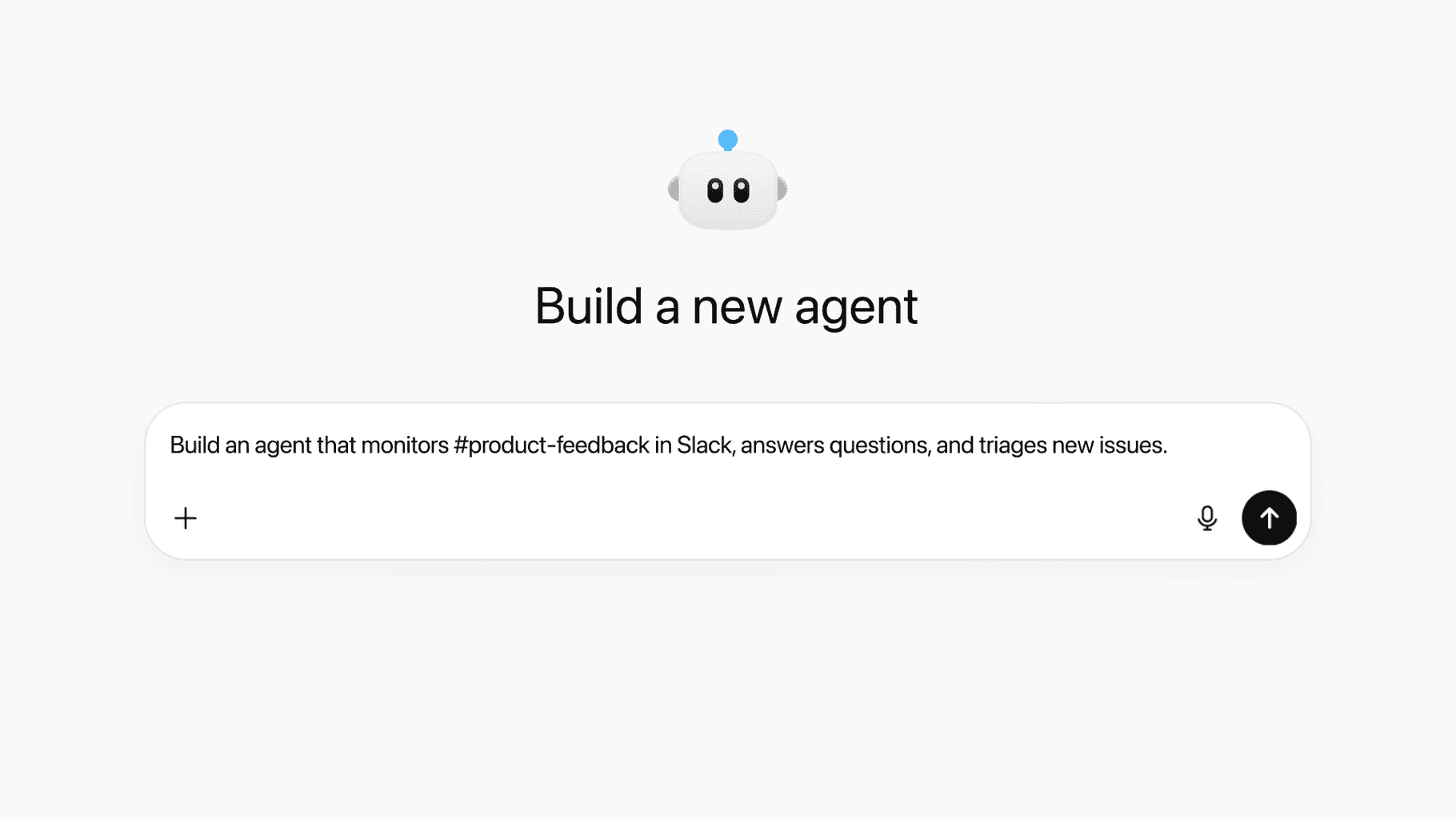
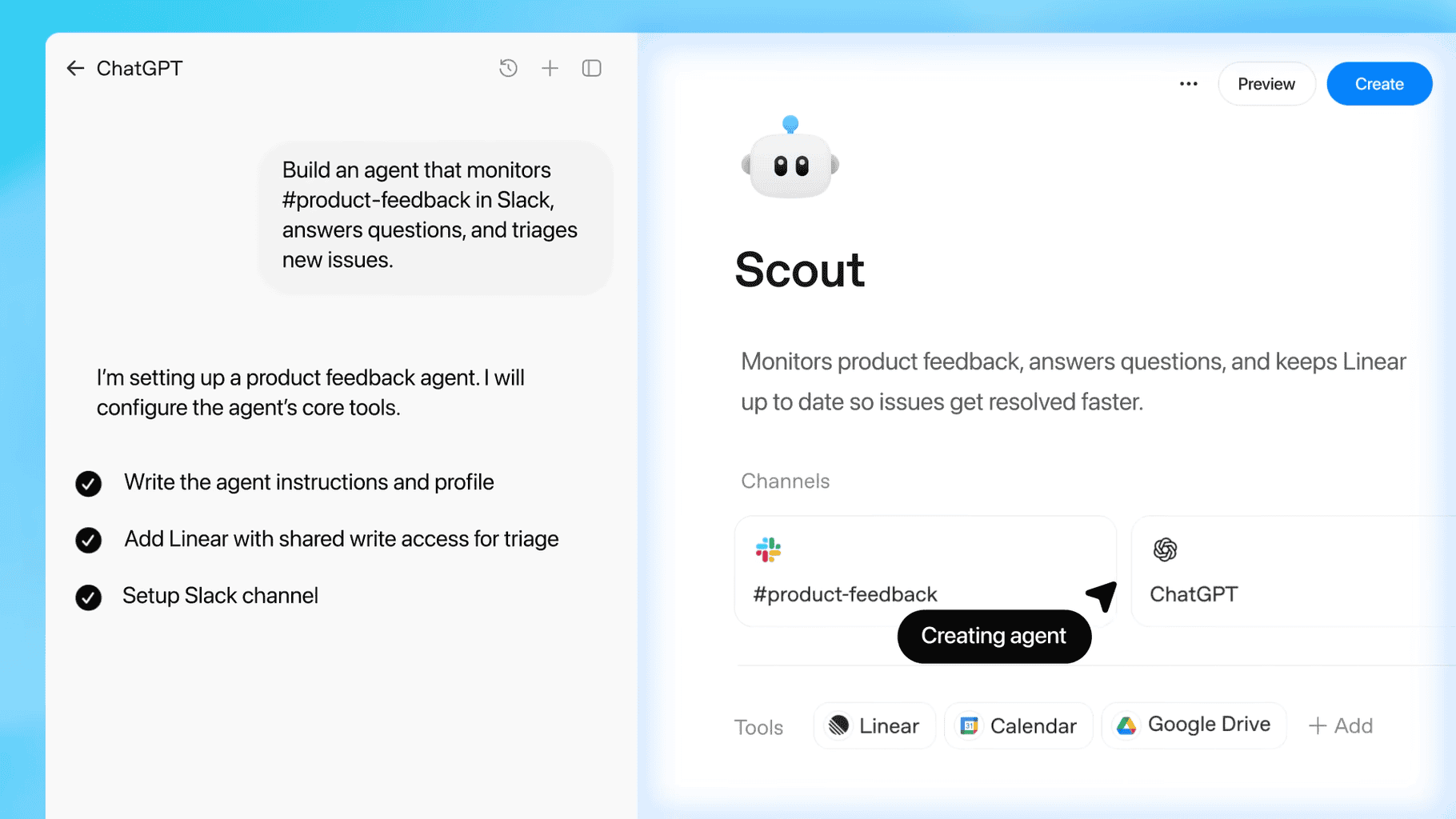
OpenAI launches ChatGPT workspace agents in preview, free until May 6

OpenAI has rolled out a new way for teams to actually put AI to work, not just chat with it. The company has launched workspace agents inside ChatGPT, which is focused on shared workflows, pricing, and how these fits into real enterprise use. This comes after recent release of ChatGPT Images 2.0 and Privacy Filter model.

Workspace agents arrive with preview access and clear pricing plans

Workspace agents are now live in research preview across Business, Enterprise, Edu, and Teachers tiers. Teams can build shared agents that handle tasks like reports, coding, or follow-ups, all inside existing workflows. Unlike earlier GPT-style tools, these agents run in the cloud and keep working even when users step away.

At a time when companies are trying to reduce manual coordination, this feels like a shift toward persistent AI workflows. These agents can pull data from connected tools, follow internal processes, and even ask for approval before taking sensitive actions. That being said, availability is still limited, and it appears OpenAI is testing real-world usage before a broader rollout.

As for the pricing, OpenAI is keeping things simple for now. Workspace agents will remain free until May 6, 2026. After that, the company plans to switch to a credit-based pricing model. It’s unclear how aggressive that pricing will be, but the move suggests OpenAI is positioning this as a scalable enterprise feature rather than a casual add-on.

The agents also come with built-in controls. Admins can manage access, monitor usage, and restrict what tools or data agents can use. OpenAI says analytics and compliance tools are included, which may matter for larger organizations handling sensitive data.

A bigger push toward AI that actually “does” work

Speaking of competition, this puts OpenAI closer to what enterprise players like Microsoft and Google have been pushing with agent-based workflows. The difference here is the tight integration inside ChatGPT and tools like Slack.

It appears OpenAI is betting that shared, persistent agents will become the next layer of productivity software. But whether teams adopt them widely may depend on pricing and how reliable these agents feel in day-to-day work. In a related company news, OpenAI is highly likely to release GPT-5.5 today.

Microsoft’s Xbox Project Helix Could Rival High-End Gaming PCs

New rumors (via TechPowerUp) about Xbox Project Helix suggest a major strategic shift, pointing to a console that looks far more like a high-end gaming PC than a traditional system. Reports indicate Microsoft could move away from fully custom silicon and instead rely on a powerful off-the-shelf AMD APU.

Rumored specs hint at a massive performance leap

Leaks suggest Project Helix could feature RDNA 5 graphics with around 68 compute units and a chiplet-based design. The system may also include up to 48GB of GDDR7 memory, placing it well above current console hardware.

If accurate, this would position Helix in the same performance bracket as “70–80 class” GPUs typically found in mid-to-high-end gaming PCs.

Potentially stronger than PlayStation 6

Early comparisons indicate Helix could surpass the PlayStation 6 in raw power. While Sony’s next console reportedly targets around 52 to 54 compute units with a monolithic design, Helix’s larger die and higher CU count could give Microsoft the edge.

Both systems are still expected to deliver a significant generational jump over current consoles.

Higher price reflects a new direction

The rumored price for Project Helix sits between $1,000 and $1,200, a noticeable increase over traditional console pricing. Microsoft appears to justify this with performance claims that rival gaming PCs costing $2,000 to $3,000.

This shift suggests Microsoft may prioritize power and flexibility over affordability in its next-generation strategy.

A broader Xbox ecosystem play

Moving to more standardized hardware could simplify game development and better align Xbox with Windows. It may also open the door to shared architecture across devices, although Microsoft has pushed back on claims that Helix chips will appear in third-party hardware.

Project Helix could blur the line between console and PC gaming. If these rumors prove accurate, Microsoft may deliver its most powerful system yet, while redefining what players expect from a console in both performance and price.

In other news, Microsoft is reportedly exploring bringing classic Call of Duty titles back to Game Pass following recent pricing changes.

GPT-5.5 Release Date Looks Set for Today

OpenAI has been on a spree in this week with its AI model releases. On Tuesday, the company announced its advanced AI image model, ChatGPT Images 2.0, followed by the Privacy Filter model yesterday. Now, it seems OpenAI’s GPT-5.5 model is on the way to compete with Anthropic’s Claude Opus 4.7.

That’s because GPT-5.5 has reportedly surfaced inside the company’s Codex platform, giving developers an unexpected early glimpse of an unreleased model. The leak appears to have come from an internal model picker that briefly went live for some Pro users.

As spotted by folks at PiunikaWeb, many Codex users on X reported seeing a dropdown listing multiple unreleased models, including GPT-5.5, oai-2.1, “arcanine,” and several glacier-alpha checkpoints. While the access was short-lived, many developers managed to experiment with the models before they disappeared.

No wonder, early impressions were also shared. Some claimed that GPT-5.5 resolved a coding issue in minutes that had previously taken hours. Others described noticeable improvements in speed and token efficiency, esoecially for front-end tasks like HTML and Tailwind-based layouts.

Altman’s response fuels Thursday reveal speculation

The GPT-5.5 leak is drawing even more attention because of Sam Altman’s recent public comments. Around the same time, he has been actively engaging on X with developers frustrated by competing AI platforms.

In one exchange, Altman told users to “Come to the light side.” When another user said they would switch immediately if GPT-5.5 or GPT-6 launched this week, Altman responded with a salute emoji, further intensifying speculation around a Thursday reveal.

Given the previous pattern of Thursday release and Altman’s activity on X, we are speculating that GPT-5.5 might release today, April 23, 2026.

Microsoft Teams to Get New Anti-Phishing Tools Amid Rising Enterprise Attacks

Microsoft has issued a warning about ongoing abuse of Microsoft Teams targeting enterprise users, while also announcing new protections designed to counter phishing and impersonation attacks. The updates are listed under Microsoft 365 Roadmap ID 560547 and are expected to begin rolling out in June 2026.

New protections focused on social engineering threats

The upcoming features focus on limiting common attack vectors such as phishing, impersonation, and social engineering. Microsoft aims to strengthen how organizations detect and respond to suspicious activity within Teams conversations, especially those involving external contacts.

Built-in reporting for suspicious users

One of the key additions is a new user reporting tool that allows employees to flag suspicious external contacts directly inside Teams. This feature introduces human-driven signals into Microsoft’s existing automated detection systems, helping security teams identify threats faster and with greater accuracy.

Centralized security detection dashboard

Microsoft is also introducing a new Security Detection Report within the admin center. This dashboard gives administrators a centralized view of messaging-related threats across the organization.

It highlights incidents such as impersonation attempts, malicious links, and potentially dangerous file types. Admins can monitor activity in real time and export detailed logs to support investigations and incident response workflows.

Strengthening Teams as an enterprise security layer

With these updates, Microsoft is positioning Teams as a more secure communication platform for businesses. The focus remains on improving visibility, accelerating response times, and reducing the risk posed by increasingly sophisticated social engineering attacks.

The rollout is expected to begin in June 2026, though timelines may evolve as features move closer to release.

In other security news, Microsoft recently released a .NET patch to address an emerging issue, while researchers also reported a Linux variant of the GoGra backdoor abusing Outlook via Microsoft Graph API for data harvesting.

Via BleepingComputer

8BitDo Launches Xbox-Themed Retro Mechanical Numpad for PC Users

8BitDo is expanding its Xbox-inspired desktop lineup with a new accessory designed for PC users who want both function and nostalgia. The company has introduced the Retro 18 Mechanical Numpad Xbox Edition, following recent Xbox-themed peripherals like the Forza Horizon 6 controller and headset.

A retro Xbox design with modern hardware

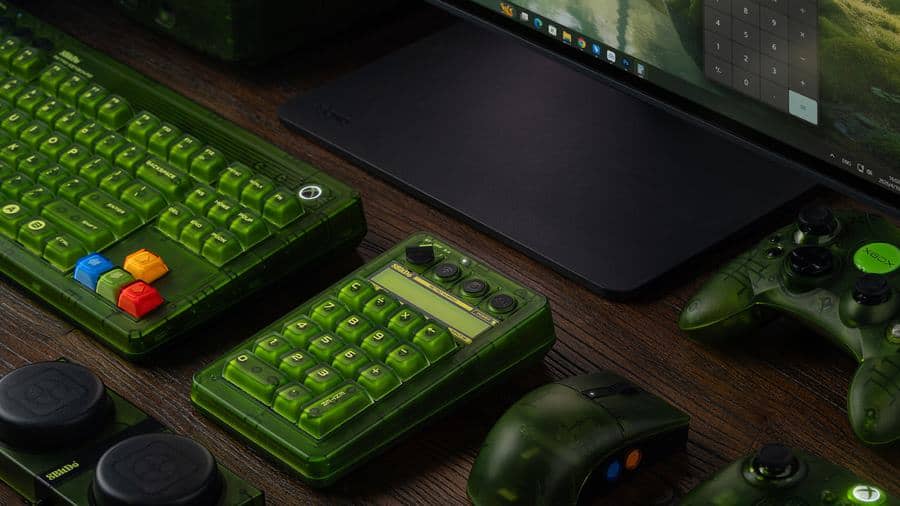
The new numpad leans heavily into the original Xbox aesthetic. It features a transparent green casing that mirrors the iconic console design, making it a natural match for the Retro 87 keyboard and Retro R8 mouse from the same lineup.

Despite the retro look, the hardware focuses on performance. The device includes 18 mechanical keys powered by Kailh Jellyfish X switches, paired with an aluminum plate and a hot-swappable PCB. Users also get double-layer ABS keycaps with a matte UV coating, along with full N-key rollover support for accurate input.

Multiple connectivity options and long battery life

8BitDo offers flexible connectivity across three modes. Users can connect via Bluetooth, use a 2.4GHz wireless dongle, or switch to a wired USB-C connection when needed.

Battery life stands out as a key highlight. The built-in 1,000mAh battery can last up to 160 hours on a single charge, making it suitable for long sessions without frequent recharging.

More than just a numpad

The Retro 18 does more than standard input tasks. It can function as a standalone calculator, thanks to its built-in LED display. A dedicated shortcut also lets users quickly launch the Windows calculator app.

Customization comes through support for 8BitDo Ultimate Software V2, which allows firmware updates and key remapping.

Image source: 8BitDo

Pricing and availability

The 8BitDo Retro 18 Mechanical Numpad Xbox Edition is priced at $44.96. It launches on May 6, with pre-orders already live on Amazon and availability through the official 8BitDo store.

This release targets Xbox fans and retro design enthusiasts looking to complete a themed desktop setup. It also strengthens 8BitDo’s growing Xbox-inspired ecosystem of PC accessories.

In other news, Microsoft may bring older Call of Duty titles back to Game Pass, while a potential Xbox and Discord collaboration is also being explored.

Via NotebookCheck

Xbox Game Pass Could Get Classic Call of Duty Titles Back in 2026

Microsoft has reduced the price of Xbox Game Pass Ultimate while reportedly preparing a more flexible subscription model. The move aims to balance affordability with long-term sustainability, especially around major franchises like Call of Duty.

The new price drops to $22.99 per month, down from $29.99. In exchange, new Call of Duty titles will no longer launch on the service day one, instead arriving roughly a year after release.

Lower price, but with a key trade-off

The price cut marks a significant shift in Microsoft’s subscription strategy. While users benefit from a cheaper monthly fee, the removal of day-one Call of Duty access stands out as the biggest compromise.

Microsoft appears focused on preventing revenue loss from full-price game sales. Call of Duty remains one of the industry’s strongest standalone sellers, and including it immediately on Game Pass likely impacted direct purchases.

Community reaction remains mixed

Early reactions highlight a clear divide. Many users welcome the lower price, calling it a more accessible entry point. Others criticize the delayed access to new Call of Duty releases, especially given the franchise’s importance to the platform.

At the same time, several major Call of Duty titles are still missing from Game Pass, including entries like Call of Duty: Vanguard, which continues to frustrate long-time fans.

More Call of Duty titles may arrive in 2026

According to Windows Central, Microsoft is working to expand the Game Pass library with older Call of Duty games. Internal information indicates that up to 15 previously unavailable titles could be added in 2026, although this remains unconfirmed.

If this happens, it could significantly boost the value of the subscription, especially since many classic entries still sell at relatively high prices.

Microsoft’s strategy reflects a clear balancing act. The lower Game Pass Ultimate price makes the service more appealing, but the delayed release of new Call of Duty titles signals a shift toward protecting premium game revenue.

If the company follows through with adding classic titles and introducing flexible plans, Game Pass could become both cheaper and more customizable, strengthening its position in the evolving subscription market.

Twitch Game Lift Lets Viewers Try Games Without Leaving Streams

Twitch is testing a new feature called Game Lift, aiming to transform the platform from a passive viewing experience into an interactive gaming hub, as GameSpot writes. The experiment introduces playable demos directly inside streams, marking a shift toward deeper user engagement.

Play games directly inside Twitch

Game Lift allows users to launch and play game demos without leaving Twitch. The current test includes a demo for Reanimal, which runs for about 20 minutes and is available only in the United States and Canada.

The feature removes the need to download demos separately, giving viewers instant access while watching content.

Cloud-powered gameplay experience

The system likely relies on Amazon’s cloud streaming technology to deliver gameplay instantly. This approach lets users jump into a game with minimal friction, directly from a stream interface.

Once the demo ends, Twitch redirects users to the game’s Steam page, encouraging them to purchase the full version.

A new advertising and monetization model

Game Lift positions itself as more than a feature, it acts as a built-in advertising tool for developers. By letting viewers try games immediately, Twitch creates a direct path from discovery to purchase.

This model could increase engagement while opening a new revenue stream tied to game promotion and conversions.

Early limitations and future potential

For now, the test remains limited. Only one game is available, and access is restricted to select regions. Twitch has not shared how long the experiment will run or when more titles will be added.

If the feature expands, it could reshape how players discover games, making demos a seamless part of the streaming experience and potentially challenging traditional demo platforms and cloud gaming services.

In other news, a recent Opera update adds YouTube and Twitch directly into the browser sidebar, while changes to Xbox Game Pass pricing fuel speculation about a future “pick your plan” subscription model.

[UPDATE] Nintendo Faces Fresh Lawsuit by Gamers Over Possible Double Gain From Tariff Refund Fight

[UPDATE: April 23, 2026 | 01:00 AM EEST] In a follow-up shared by Games File, former The Pokémon Company chief legal officer Don McGowan, was reportedly sympathetic to the plantiffs but said that “they don’t have a case.” In a statement given to the news outlet, McGowan said, “I have exceptional difficulty seeing how this is a valid lawsuit. There’s nothing distinct between raising prices because of tariffs and raising prices because you just want to make more money. There’s no legal obligation to keep your margins low. Nintendo didn’t receive tariff funds as a fiduciary or with any legal obligation to return them to the consumer.”


[ORIGINAL STORY] Nintendo is now being legally challenged with a class-action lawsuit by two US-based gamers who, in the lawsuit, argue that the company could end up collecting money twice over the same tariffs. The case comes as Nintendo itself is already involved in a separate legal battle with the US government over tarrifs.

Nintendo’s tariff battle takes a new turn

The new lawsuit, filed by Gregory Hoffert and Prashant Sharan, claims that Nintendo may be positioned to benefit from tariff refunds while also having already passed those costs onto consumers through higher prices. It targets purchases made between February 1 and February 24, 2026, across Nintendo products affected by tarrifs imposed by Trump administration.

According to the filing seen by Game File, players’ concern is that Nintendo could potentially recover tariff costs from the government while still retaining revenue gained from earlier price increases (via GamesIndustry.biz). The plaintiffs argue this would amount to “unjust enrichment” and violate Washington state consumer protection laws.

At the center of that broader dispute is Nintendo of America’s argument that tariffs imposed by US agencies were unlawful, with the company seeking repayment of funds “with interest.” That case is still working its way through the US Court of International Trade.

What makes this new lawsuit more complicated is how pricing moved during the tariff period. While Nintendo did not officially increase the Switch 2’s launch price, several Switch consoles and accessories reportedly saw increases related to import costs. That gap between legal claims and consumer pricing is now what this new lawsuit is challenging.

For now, everything hinges on whether Nintendo actually wins tariff refunds in the first place. If it does, the next question becomes who is legally entitled to that money, the company, or the customers who already paid higher prices. As of now, Nintendo hasn’t publicly commented on the fresh lawsuit. If it does, we’ll update it here for you.

Microsoft Teams to Add Efficiency Mode to Improve Performance on Low-End Devices

Microsoft has been pumping bunch of new features, like Video Recaps, to Teams lately, and has plans to add a few more down the line. Speaking of which, Teams will reportedly get a new Efficiency Mode that will help improve performance on devices with limited CPU and memory.

It should be noted that the new feature will focus on making the app more responsive while also adjusting how resources are used during meetings. The news comes via Bleeping Computer, which spotted a message center update (MC1287373) from yesterday where the company detailed how the feature will work across desktop devices.

When enabled, Teams will automatically adjust video quality during meetings based on device capabilities. It will also change how the app launches, removing the default chat selection and replacing it with a static image in the message pane to reduce system load. Here’s what Microsoft notes about Efficiency Mode in Teams:

“Microsoft Teams will roll out Efficiency Mode in May 2026 for hardware-constrained devices, improving responsiveness by adjusting video resolution and app behavior.”

It’s worth noting that Efficiency Mode in Teams will be enabled by default on eligible Windows and Mac devices. However, users will still have control over it and can disable it through Settings > General by selecting the “Never use efficiency mode” option. The rollout, as you read in the quoted text above, is expected to start in early May 2026 and finish by mid-May.

Speaking of Microsoft apps, let’s not forget that the company will also deprecate Clipchamp’s iOS app on June 9, 2026.

Microsoft 365 Gets Watermarking Controls to Clearly Label AI-Generated Content

As AI models continue to become more capable, Microsoft is stepping up to enure transparency around AI-generated content. Today, Microsoft has announced that it is rolling out new watermarking controls across Microsoft 365. The update adds both “visible and audible signals” to clearly indicate when content has been created or modified using AI.

Microsoft 365 gets AI watermarking options

According to Microsoft, the idea is to improve trust and clarity as users increasingly depend on tools like Copilot and other AI features. Watermarks are designed to help distinguish AI-generated content while still keeping workflows flexible for both individuals and organizations.

The company notes that even when visible marks are not applied, Microsoft 365 will still attach AI-related metadata in the background. This adds an extra layer of context about how a piece of content was created or modified. Google has something simiar, which it calls Sythentic ID.

How watermarking works across Microsoft 365

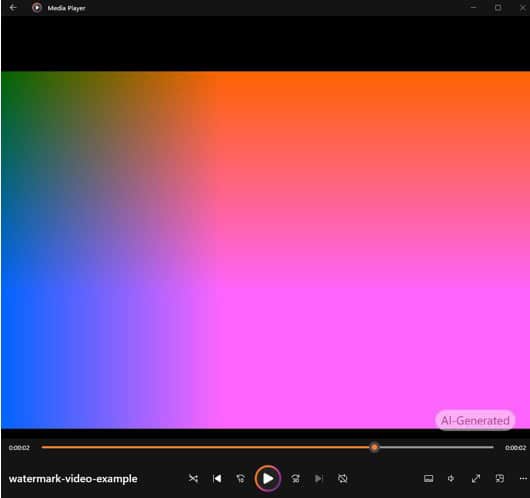
For enterprise users, watermarking behavior is partly controlled by IT admins. Videos and audio generated or edited using AI can include visible or audible watermarks, depending on policy settings. This includes tools like Clipchamp for video creation and Copilot-generated audio features.

Image credit: Microsoft

Images, however, follow a different approach. You can enable watermarking through a “Show watermark” toggle in Settings and Privacy. Once enabled, new AI-generated images or edited visuals will carry a watermark automatically.

For home users, Microsoft also offers a simpler opt-in system. Watermarks and metadata can be enabled through the Microsoft privacy dashboard under Copilot settings, where users can toggle AI content labeling on or off.

Microsoft is Deprecating Clipchamp iOS App, Sets June 9 Deadline

Microsoft has announced deprecation of the Clipchamp iOS app, with the shutdown set now set for June 9, 2026. The news comes via Windows Central, which spotted a document outlining Clipchamp’s iOS app deprecation. Once the deadline arrives, iOS app users will no longer be able to use the Clipchamp iOS app for video editing, as the company shifts focus to its web and desktop platforms.

Clipchamp iOS app is being discontinued

According to Microsoft, the decision comes after observing user behavior, with most people preferring to edit video projects on the web and desktop versions of Clipchamp. “In order to deliver high-value features and improvements, we are focusing our efforts on these applications to benefit users,” notes the company.

Just to be clear the deprecation only affects the iOS app. The web and desktop versions of Clipchamp will continue to work normally, with no changes planned for those platforms.

What Clipchamp iOS app users need to do before June 9

Microsoft has confirmed that after June 9, 2026, any video projects that are not exported to a mobile device will be deleted. This makes it important for users to export their work in MP4 format before the cutoff date.

After the deadline, the Clipchamp iOS app will no longer be supported. Microsoft also encourages users to uninstall the app, as it will no longer receive updates or functionality.

This isn’t the first time Microsoft has delivered bad news related to Clipchamp. If you are unaware, Microsoft now requires all Clipchamp projects to be saved to OneDrive to remain editable. If you want to save projects locally, you can archive them on your PC. However, you’ll need to upload them to OneDrive if you want to edit them later.

Xbox CEO Teases New Game Pass Collaboration With Discord

The new Xbox CEO, Asha Sharma, has been on a spree with Game Pass-related changes. Yesterday, the company announced price cuts for Xbox Game Pass subscriptions. The confirmation came a couple of days after reports came in about Sharma being unhappy with Game Pass price hikes.

Well, yesterday’s price cuts came alongside the official news of future Call of Duty games skipping day one Game Pass launch. That’s not all; following that announcement Jez Corden from Windows Central also hinted that Game Pass could introduce “pick your plan” subscription model. While we wait and watch whether that claim turns out to be true, we have yet another Game Pass-related announcement, courtesy of the new Xbox CEO.

Over on X, Asha Sharma just teased a new phase of its partnership with Discord. According to Sharma, both Xbox and Discord are “teaming up again” to make Game Pass more flexible for players. She also hinted that early code related to the feature may already be appearing “in the wild,” although Microsoft has not confirmed what form the integration will take.

A full breakdown is expected soon, but for now, the company is keeping specifics under wraps.

To catch you up, Xbox and Discord already share a long-standing connection. Discord voice chat first arrived on Xbox in 2022, and since then, the integration has gradually expanded to improve cross-device communication and social features.

All that said, nothing is confirmed yet, and Microsoft’s wording leaves room for interpretation. However, the mention of hidden code suggests that initial testing of whatever the two companies are cooking will soon be underway.

OpenAI Launches Privacy Filter, a New Model That Auto-Redacts Sensitive Data in Text

In just under twenty-four hours, OpenAI has dropped another AI model. To catch you up, the company yesterday launched its advanced ChatGPT Images 2.0 model. Well, today’s announcement is more about privacy. The company has released OpenAI Privacy Filter, which it says is a lightweight but highly capable model designed to detect and remove personally identifiable information from text. The latest model is dedicated to developers building privacy-first AI systems, with a focus on making data protection easier to integrate across workflows.

OpenAI Privacy Filter model brings on-device PII masking

At its core, Privacy Filter is built to identify sensitive information like names, emails, phone numbers, addresses, account details, and even secrets such as API keys. It works in a single pass, which allows high-speed processing of long text inputs while still maintaining context awareness.

Unlike traditional rule-based tools, the model uses language understanding to decide what should be masked or preserved. This allows it to handle unstructured text more effectively, especially where context determines whether information is private or not. More importantly, it can run locally, meaning sensitive data does not need to be sent to external servers for processing.

OpenAI says it already uses a “fine-tuned version” internally, and the released model is optimized for real-world privacy pipelines such as training data cleanup, logging systems, and review workflows. The model supports up to 128,000 tokens of context and is designed for scalability in production environments.

How the model works and what it detects

Privacy Filter uses a token-classification approach with a fixed set of privacy labels. It processes text in one pass and then reconstructs spans using constrained decoding to ensure clean outputs. The system is designed for efficiency, with around 1.5 billion total parameters but only 50 million active at runtime.

It identifies eight categories including private_person, private_address, private_email, private_phone, private_date, private_url, account_number, and secret. These allow it to catch everything from credit card numbers to passwords and API keys, depending on context.

OpenAI reports strong benchmark results, with performance reaching over 97 percent F1 score on corrected evaluation sets. The model also improves quickly when fine-tuned on domain-specific data, making it adaptable for enterprise use cases.

Availability

OpenAI has released Privacy Filter as an open-weight model under the Apache 2.0 license via Hugging Face and GitHub. Developers can run it locally, fine-tune it, and integrate it into custom privacy systems. While OpenAI highlights strong performance, it also notes that the model is not a complete compliance solution and may still require human oversight in sensitive environments.

Central Banks in Australia and New Zealand Raise Concerns Over Mythos AI Risks

Global regulators are starting to react to Anthropic’s Mythos AI model, with central banks now stepping in to assess potential risks. Authorities in Australia and New Zealand have confirmed they are monitoring the situation closely, hinting at an unease around how advanced cybersecurity AI could reshape existing systems.

Central banks are reportedly concerned about Mythos rollout

According to a report by Reuters, the Reserve Bank of Australia is actively engaging with regulators, government bodies, and industry players as Mythos gains attention. Meanwhile, the Reserve Bank of New Zealand noted it is coordinating with both domestic and Australian counterparts over what it describes as a “developing risk.”

The concern stems from Mythos’ core capabilities. While designed for defensive cybersecurity tasks, Anthropic has already indicated that early testing uncovered thousands of major vulnerabilities across operating systems and web browsers. That alone appears to be raising concerns, especially as such tools could expose weaknesses faster than companies can respond.

Security experts have pointed out that Mythos may be capable of identifying and exploiting unknown vulnerabilities at a pace that outstrips traditional patching cycles. That could pressurize industries that depend on older or highly interconnected systems.

Banking is one area being closely watched. Many institutions still operate on legacy infrastructure, which could make them more vulnerable if tools like Mythos are used offensively. German central bank president Joachim Nagel described the model as a “double-edged sword,” highlighting its potential to strengthen security while also exposing systems to misuse.

Anthropic has released Mythos under a restricted program called Project Glasswing, granting access to select partners including major tech companies such as Amazon, Microsoft, Nvidia, and Apple. That said, a new Bloomberg report has claimed that Mythos AI has been access by unauthorized groups. Anthropic has confirmed that it is “investigating a report claiming unauthorized access to Claude Mythos Preview through one of our third-party vendor environments.”

Windows 11 Gets Built-In Internet Speed Test Powered by Ookla in KB5083769

Microsoft has started rolling out a built-in internet speed test in Windows 11, giving users a faster way to check connection performance without opening a browser. The feature arrives with the April 2026 update (KB5083769) and integrates directly into the operating system.

Built-in speed test powered by Ookla

The new feature relies on Ookla Speedtest, one of the most widely used internet performance testing platforms. Instead of visiting a website or installing a separate app, users can now access the tool directly from Windows. Microsoft placed entry points inside the taskbar network icon and Quick Settings, including Wi-Fi and cellular controls, so the test feels like a native part of the system.

What the feature measures

The built-in tool allows users to check download and upload speeds along with latency and jitter. This makes it useful for identifying slow connections, unstable performance, or general network issues without leaving the desktop environment.

How the feature works

Even though the experience feels integrated, it still runs through a web-based interface powered by Bing. Microsoft uses the Speedtest Web SDK and connects to Ookla’s global testing infrastructure. The key difference lies in speed and convenience, as users no longer need to search for a speed test manually.

Rollout timeline

Microsoft first introduced the feature to Insider builds in September 2025, then expanded availability through the optional February 2026 update (KB5077241). With the April 2026 Patch Tuesday update (KB5083769), the company has now pushed the feature to a much wider group of users.

Why this matters

This addition highlights Microsoft’s broader push to make Windows more self-contained. By embedding commonly used tools directly into the operating system, the company reduces reliance on third-party apps and simplifies everyday troubleshooting. Users can now quickly verify network performance without interrupting their workflow.

Despite the tighter integration, the speed test still launches a web instance rather than a fully native Windows component. This suggests Microsoft may refine the feature further in future updates and eventually replace the web-based layer with a native experience.

Via Neowin

Microsoft Confirms Universal Print Bug Causing “Sharing Print Failed” Error

Microsoft has confirmed a critical issue affecting Universal Print, tracked under incident ID UP1287359. The problem prevents users from creating certain printer shares and triggers a “Sharing Print Failed” error.

Graph API change triggered the issue

The issue stems from a recent code change in the Microsoft Graph API, which introduced increased replication latency in Microsoft Entra ID. This delay exposed a previously hidden race condition, causing the share creation process to fail before completion.

Who is affected

According to Microsoft, the bug impacts scenarios where users attempt to share printers either with all users in an organization or with specific users and groups during the initial setup. While the full scope remains unclear, the company has classified the incident as having critical impact.

Why the error happens

The failure occurs because the retry logic does not handle the delayed identity replication correctly. As a result, the system attempts to complete the sharing process before the required permissions propagate, leading to repeated failures.

Temporary workaround available

As a temporary workaround, Microsoft advises creating the printer share without assigning any users or groups initially. After waiting around 30 seconds, users can manually add access permissions from the Printer Shares section. For broader access, adding a security group such as “All Company” may help, although retries might still be required after short delays.

Microsoft is currently deploying a fix targeting the underlying API behavior, but it has not provided a clear timeline for full resolution.

In other news, researchers recently discovered a Linux variant of the GoGra backdoor abusing Microsoft Graph API, while over 1,300 SharePoint servers remain exposed to an actively exploited vulnerability. Microsoft has also issued an emergency .NET update addressing a critical security flaw.

Via BleepingComputer

X Finally Launches Custom Timelines for Topic-Based Feeds

X (formerly Twitter) is rolling out a new feature called Custom Timelines. The feature, announced by Nikita Bier, X’s head of product, allows users to pin specific topics to their home tab and between them on demand.

If you ever felt the need to filter your timeline more precisely instead of relying on a single algorithmic feed, this update pushes X in that direction. Custom Timelines allow users to curate their home experience around specific interests like food, movies, business, photography, and more.

The feature includes support for over 75 topics. Once pinned, each topic opens its own dedicated timeline, letting users jump between different streams of posts without losing context. According to Bier, the system is powered by Grok’s understanding of posts combined with X’s personalization algorithm. This feature is now limited to Premium users on iOS and web, with support for Android coming soon.

Premium-only rollout with early access limits

As of now, Custom Timelines is still in early access. It is only available to Premium subscribers on iOS, with Android support expected soon. The experience is designed to improve over time, especially as users interact more with specific topics.

Besides Custom Timelines, X is also launching a snooze feature for topics on the For You tab. It allows users to temporarily hide subjects like politics or sports for 24 hours.

Image credit: X

Moreover, the new feature is also rolling out for Premium users on iOS and Web.

Article feature image source: Unsplash

AMD Launches Ryzen 9 9950X3D2 With Dual 3D V-Cache and 192MB Cache

As VideoCardz writes, AMD has introduced the Ryzen 9 9950X3D2, its first desktop processor featuring dual 3D V-Cache, pushing performance further in high-end gaming and workloads.

Dual 3D V-Cache arrives on desktop

The Ryzen 9 9950X3D2 brings a major architectural shift with dual-stacked 3D V-Cache. It features 16 Zen 5 cores and 32 threads, with a base clock of 4.3 GHz and boost speeds reaching up to 5.6 GHz.

Cache is the headline feature. The chip includes a massive 192 MB of L3 cache alongside 16 MB of L2 cache, significantly increasing data access speeds for cache-sensitive applications.

AMD rates the processor at a 200W default TDP and recommends liquid cooling to maintain peak performance under sustained loads.

Positioned above the standard 9950X3D

The new model sits at the top of AMD’s AM5 desktop lineup, above the Ryzen 9 9950X3D.

While both CPUs share the same 16-core, 32-thread configuration, the standard 9950X3D offers a slightly higher 5.7 GHz boost clock but comes with less cache at 128 MB of L3 and a lower 170W TDP.

The 9950X3D2 trades a small amount of peak frequency for a significantly larger cache pool, targeting workloads where memory latency and cache size matter more than raw clock speed.

Pricing and availability

The Ryzen 9 9950X3D2 is now available at major retailers. Pricing currently sits at $899 on Newegg and B&H Photo, while Amazon listings show a higher price of $999.

Alongside this launch, reports suggest AMD may bring back the Ryzen 7 5800X3D. The company is also exploring multi-frame generation technology for its FSR upscaling solution, signaling continued focus on gaming performance.

Microsoft Edge Will Bring Work Search Banner to Google Results

Microsoft is preparing a new productivity-focused feature for Edge that integrates internal company data directly into search results. According to Microsoft 365 Roadmap ID 560823, the upcoming “Work search banner” will appear when users search on both Bing and Google.

Edge Work Search Banner Expands Beyond Bing

The feature targets users signed into a work profile within Microsoft Edge. When enabled, the browser detects relevant organizational content and displays a banner with a direct link to internal company results.

Previously, this capability only worked with Bing. Microsoft is now extending support to Google Search, removing a major limitation for enterprise users who rely on different search engines.

Rollout Timeline and Availability

The feature remains in development and is expected to roll out in June 2026. As with all roadmap entries, Microsoft notes that the timeline is tentative and may change before release.

Enterprise Controls and Policy Management

The Work search banner is designed specifically for Microsoft 365 environments. IT administrators can manage the feature using policy controls, including the EdgeWorkSearchBannerEnabled setting, which allows enabling or disabling it across organizations.

Why This Change Matters

This update signals a shift in Microsoft’s approach. Instead of pushing Bing as the default, the company is focusing on improving productivity regardless of the search engine used.

Users will gain faster access to internal documents and organizational resources without switching platforms. This creates a smoother workflow, especially in environments where Google Search remains dominant.

A More Flexible Edge Experience

The addition of Google support makes Edge less restrictive and more adaptable to real-world enterprise setups. It aligns with broader efforts to improve usability rather than enforce ecosystem lock-in.

At the same time, Microsoft continues to experiment with aggressive Edge promotion strategies, including auto-launch behavior on Windows 11 and incentive campaigns. Meanwhile, Google is expanding its own AI features across Chrome, particularly in the Asia-Pacific region.

For enterprise users, however, this update stands out as a practical improvement that prioritizes efficiency over platform preference.

Via Neowin

Opera’s New Volume Booster Increases Tab Audio by 500%, YouTube & Twitch Now Live in Sidebar

If you ever felt the need of bumping up volume past 100% while watching a YouTube video, Opera browser’s latest update has you covered. Today, Opera announced a bunch of updates for its web browser, including deeper integrations for video platforms, native volume boost controls, and more.

Opera adds YouTube and Twitch to sidebar and adds a 500% volume boost slider

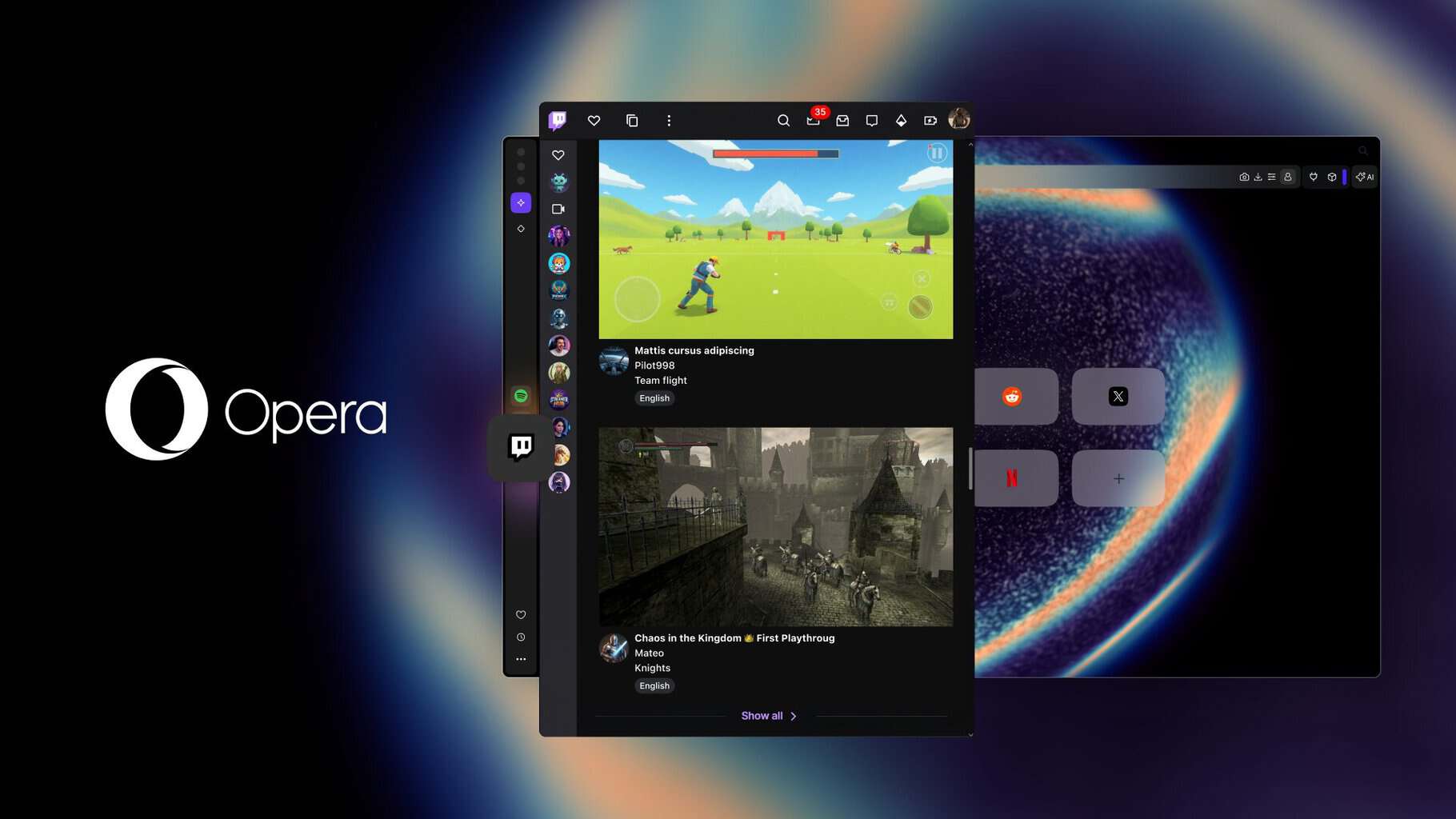
One of the highlights of this update is the direct access to YouTube and Twitch from the sidebar. You can now open both platforms with a single click and keep them pinned next to your main tab. This cuts the extra step of switching back and forth between tabs. Notably, there is also support for the existing Video Popout feature, which allows you to move the video into a floating window.

Image credit: Opera

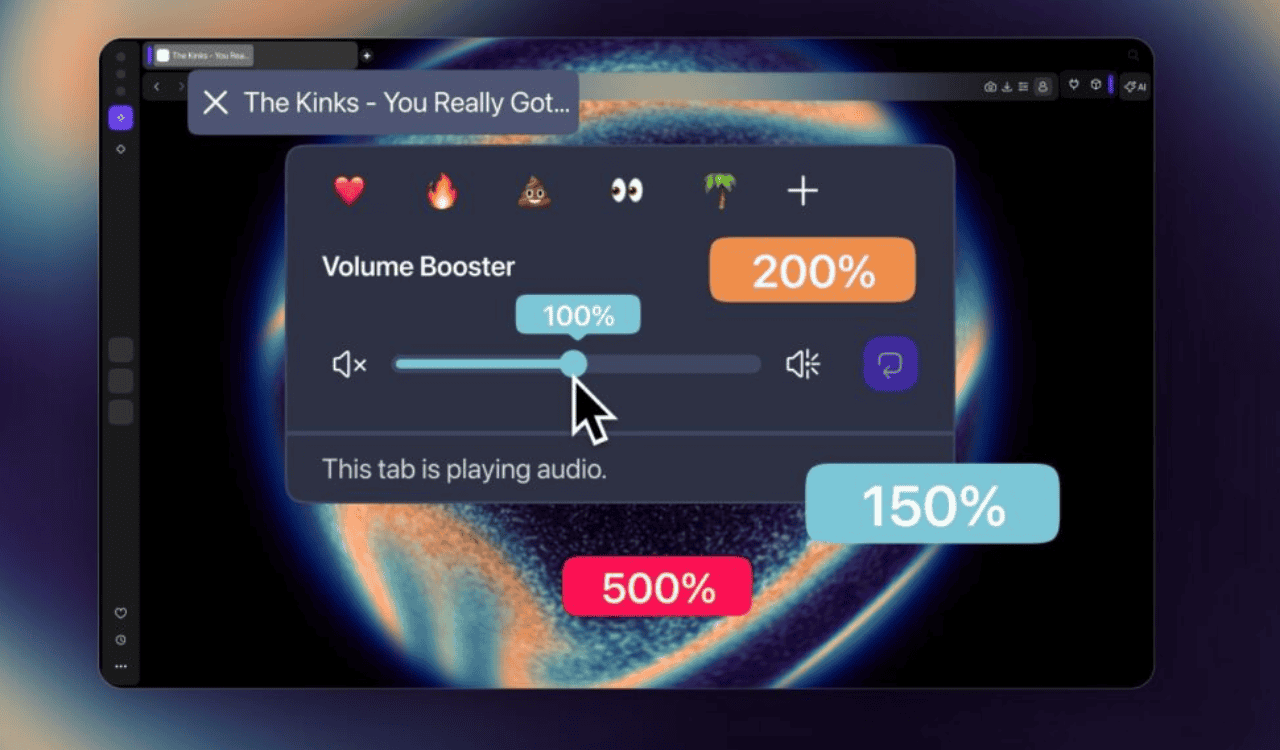
Among the major additions in this update is the native Volume Booster. As the name suggests, it allows you to increase audio levels up to 500 percent per tab. If a video is too quiet, you can push it beyond standard system limits without relying on third-party extensions.

Image credit: Opera

Since the new volume booster is built into the browser, it avoids common issues like broken full-screen playback or security warnings. You also get per-tab control, meaning one tab can stay quiet while another runs at full boost.

Video Popout gets smarter with more control

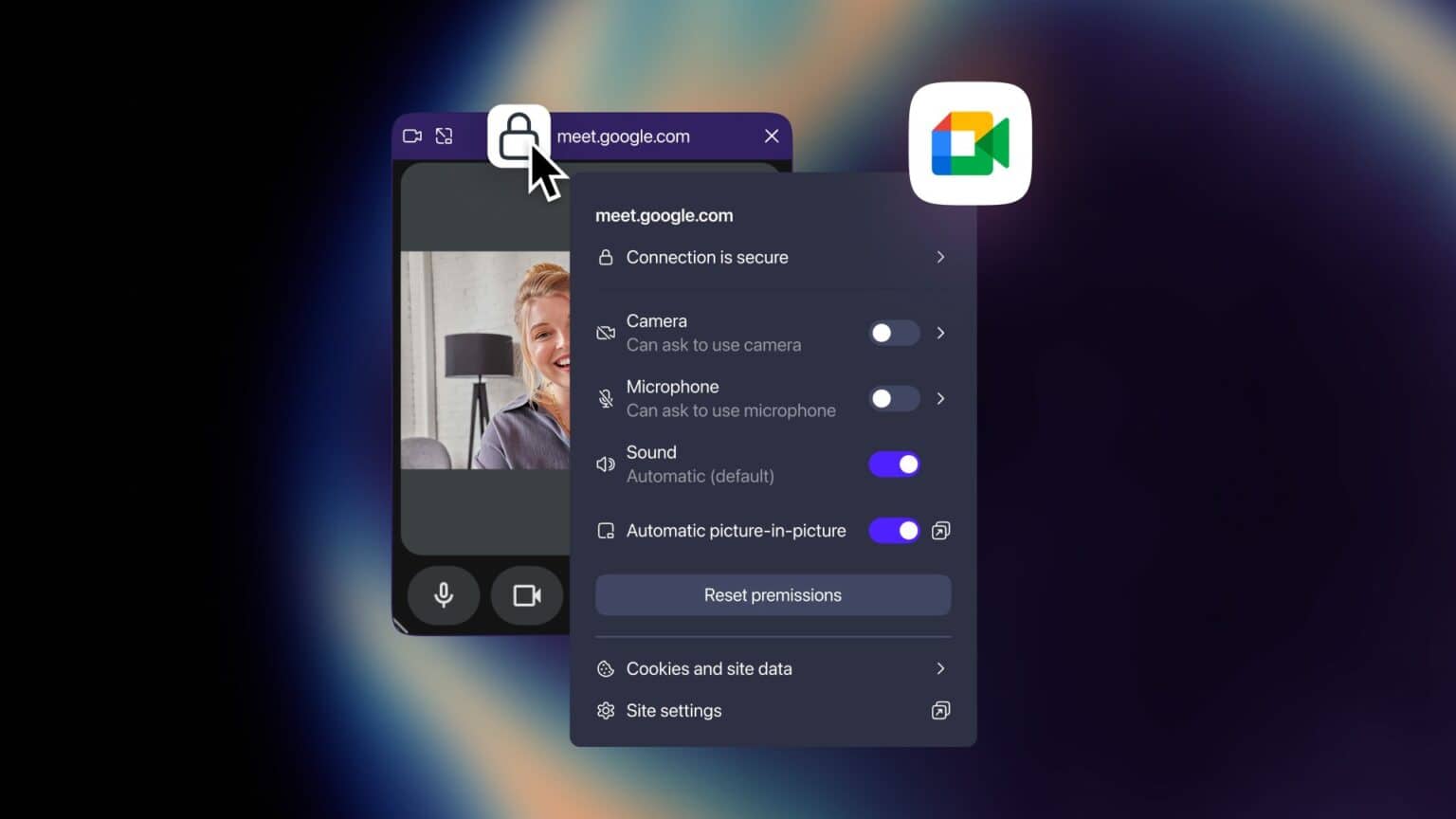
Opera is also updating its Video Popout feature with expanded support and better controls. It now works across more video conferencing platforms, including Zoom, making it easier to keep calls visible while switching tabs. The popout window itself has also been refreshed to match the browser’s theme, which keeps things visually consistent.

Image credit: Opera

Moving on, there are also new per-site settings, which allow you to choose which sites can use automatic picture-in-picture. That’s not all; settings are easier to access as well, with controls available directly from the address bar.

The latest update is rolling out to everyone today. If you use Opera, make sure to update the browser. In case you don’t use it but are interested in testing new features, download it from here. Worth noting that Opera has been on a spree with updates. Last month, the company integrated Gemini and Google Translate into the browser’s sidebar and added MCP connector to Opera Neon.

Linux GoGra Backdoor Uses Outlook via Graph API for Stealthy Espionage

A new Linux variant of the GoGra backdoor has been uncovered, marking a significant evolution in a cyber-espionage campaign linked to the state-backed Harvester group. The malware stands out for its unusual command-and-control method, relying on Microsoft Outlook through the Microsoft Graph API to blend malicious traffic with legitimate cloud activity.

Infection Method Disguised as a PDF

The infection begins with a deceptive tactic. Victims receive what appears to be a harmless PDF file, but it is actually a malicious ELF binary. Once executed, the payload deploys and establishes persistence on the system using systemd services and XDG autostart entries, ensuring it survives reboots and remains active without raising suspicion.

Outlook Mailbox Used as Command-and-Control

What makes this variant particularly stealthy is how it communicates. Instead of using traditional command-and-control servers, the malware leverages hardcoded Azure Active Directory credentials to obtain OAuth2 tokens. It then connects directly to an Outlook mailbox, effectively turning it into a hidden control channel.

How the Malware Executes Commands

The backdoor checks the mailbox every two seconds, scanning for incoming emails with subjects that begin with “Input.” These messages, stored in a folder labeled “Zomato Pizza” to avoid detection, contain encrypted instructions. The malware decrypts the payload using a combination of Base64 encoding and AES-CBC encryption, executes the commands locally, and sends the results back via reply emails marked with the subject “Output.”

Evasion and Anti-Detection Techniques

To further evade detection, the malware deletes command emails after processing them. By using legitimate Microsoft infrastructure, the activity blends into normal enterprise traffic, making it far harder for traditional security tools to flag. It also disguises itself as Conky, a common Linux system monitoring tool, adding another layer of obfuscation.

Links to Windows Variant and Target Scope

Researchers noted that this Linux variant shares a nearly identical codebase with its Windows counterpart, strongly suggesting the same developer or group is behind both versions. The campaign primarily targets organizations in telecommunications, government, and IT sectors, with a focus on South Asia.

Security Implications and Recommendations

The discovery highlights a growing trend where threat actors abuse trusted cloud services to operate under the radar. Organizations are urged to closely monitor unusual Microsoft Graph API activity, restrict unnecessary OAuth application permissions, and avoid executing unknown files, especially those disguised as common document formats.

In related developments, Microsoft has also warned about ongoing social engineering attacks targeting enterprises through Microsoft Teams, while issuing an emergency update to address a critical .NET security flaw. At the same time, more than 1,300 SharePoint servers remain exposed to a known vulnerability due to delayed patching, underscoring the persistent risks of unaddressed security updates.

Via Bleeping Computer

$2.8 Billion Lawsuit Against Microsoft Over Windows Server Pricing Moves to Trial in the UK

Microsoft has found itself in hot water once again in the UK. This time, it is facing a major legal challenge in the region for overcharging businesses using Windows Server on rival cloud platforms. For those unaware, the case has been brought by competition lawyer Maria Luisa Stasi on behalf of nearly 60,000 businesses who used Windows Server on platforms like Amazon AWS, Google Cloud, and Alibaba Cloud.

Microsoft faces lawsuit over cloud pricing

The lawsuit argues that Microsoft charged higher wholesale prices for Windows Server when used outside its own Azure platform. Those added costs were then passed on to customers, making Azure a cheaper option compared to its competitors.

According to earlier filings, the total claim could reach up to £2.1 billion (approx. $2.8 billion), which puts serious financial weight behind the case. To catch you up, Microsoft had pushed back against the lawsuit late last year, arguing that the case does not clearly define how losses should be calculated. The company also said the claim should be dismissed.

Now, Reuters reports that the UK’s Competition Appeal Tribunal has now allowed the case to proceed toward trial. This does not mean a final ruling yet, but it is a key step that keeps the lawsuit alive. Stasi, in a statement to Reuters, said it is “an important moment for the thousands of organizations impacted by Microsoft’s conduct.”

Licensing practices under wider scrutiny

The aforementioned is not the only case. Regulators in the UK, Europe, and the US are already looking into Microsoft’s cloud practices. For those unaware, the UK’s Competition and Markets Authority (CMA) will officially launch an investigation into Microsoft’s business software ecosystem and its influence across cloud and AI-powered tools. That probe is set to begin sometime in the next month.

Windows File History Bug Confirmed by Microsoft With Fixes Available

Microsoft has acknowledged a Windows backup issue affecting File History on both Windows 10 and Windows 11, after users reported persistent warnings and failed backups.

File History bug triggers false reconnect warning

According to reports highlighted by Neowin, the issue causes a repeated “Reconnect your File History drive” warning, even when the backup drive remains properly connected.

Users say backups stop unexpectedly, while the system continues to display the alert regardless of the drive’s actual status. In some cases, the warning appears even if the drive was never disconnected. While only dozens of reports have been confirmed publicly, the actual number of affected users is likely higher.

What causes the File History issue

Microsoft explained that the system mistakenly assumes the backup location has been disconnected for too long. This behavior affects both external USB drives and network-based backup locations, which can lead to backups stopping without a clear indication beyond the warning.

How to fix the problem

Microsoft says the issue can usually be resolved with simple actions. For external drives, ensuring the device is properly connected and allowing the system to resume backups often resolves the warning, although users can also manually trigger a backup if needed.

For network locations, the fix involves reselecting the backup location within File History settings and running a manual backup to restore normal operation.

Why this issue matters

The bug does not delete files or corrupt existing backups, but it can interrupt the backup process silently. This makes it a reliability issue rather than a critical failure, though it still poses a risk if users assume their data remains protected.

In related developments, Microsoft recently revealed its plans for OneDrive in 2026, released an emergency .NET security update, and continues to face exposure concerns as more than 1,300 SharePoint servers remain vulnerable to a newly disclosed flaw.

[UPDATE] Windows 11 KB5083769 & KB5082052 Incorrectly Trigger BitLocker Recovery Prompts

[UPDATE: April 22, 2026 | 15:45 IST] Microsoft has reportedly removed the second workaround of applying a Known Issue Rollback (KIR) before installation to fix the issue. As of now, there’s no explanation for why the workaround has been removed. However, it’s possible that the workaround wasn’t effective in addressing the problem. The company has previously confirmed that it is working on a fix, which should be released in a future update.


[ORIGINAL STORY] Yesterday, Microsoft released April 2026 Patch Tuesday updates for Windows 11 version 23H2 and 24H2/25H2 under KB5082052 and KB5083769, respectively. While the update brings a mix of security improvements across Secure Boot and networking, and fixes Reset this PC issues, it also introduces a BitLocker-related complication for a limited set of Windows 11 devices. Do note that Windows 10 systems with KB5082200 installed, Windows Server 2022 and 2025 are also affected by this issue.

Microsoft confirms BitLocker recovery trigger in select Windows 11 systems after latest Patch Tuesday update

The company says some devices may unexpectedly prompt users to enter their BitLocker recovery key after the first restart following installation. However, Microsoft confirms that this only affects systems with a very specific configuration, mostly seen in enterprise-managed environments rather than personal PCs.

The issue occurs when BitLocker is enabled on the OS drive and a particular Group Policy setting is active, specifically the “Configure TPM platform validation profile for native UEFI firmware configurations” option with PCR7 included. The problem becomes more likely when Secure Boot reports PCR7 Binding as “Not Possible,” and when the device is eligible for the Windows UEFI CA 2023 certificate but is not yet using the 2023-signed Windows Boot Manager.

In these cases, users may be asked to enter their recovery key once, after which normal restarts continue without further prompts, as long as system policies remain unchanged.

Microsoft recommends that IT administrators audit BitLocker Group Policy configurations before deploying the update. Specifically, systems using explicit PCR7 validation profiles should be reviewed using tools like msinfo32 to check Secure Boot status.

The company shares two workarounds, while also promising a permanent fix in a future update

The company has further suggested two workarounds. The first involves removing the conflicting Group Policy setting, forcing a policy update using gpupdate /force, and temporarily suspending and re-enabling BitLocker protection on the system drive. Here are the steps shared by the company:

  1. Open Group Policy Editor (gpedit.msc) or your Group Policy Management Console.
  2. Navigate to: Computer Configuration > Administrative Templates > Windows Components > BitLocker Drive Encryption > Operating System Drives.
  3. Set “Configure TPM platform validation profile for native UEFI firmware configurations” to “Not Configured“.
  4. Run the following command on affected devices to propagate the policy change: gpupdate /force
  5. Run the following command to suspend BitLocker (where BitLocker is enabled on the C: drive): manage-bde -protectors -disable C: 
  6. Run the following command to resume BitLocker (where BitLocker is enabled on the C: drive): manage-bde -protectors -enable C: 
  7. ​​​​​​​This updates the BitLocker bindings to use the Windows-selected default PCR profile.

The second option is applying a Known Issue Rollback (KIR) before installation, which prevents the trigger condition entirely for affected systems. The company notes, “A Known Issue Rollback (KIR) is available for customers who cannot remove the PCR7 group policy before deploying this update. The KIR prevents the automatic switch to the 2023 Boot Manager, avoiding the BitLocker recovery trigger. The KIR should be deployed before installing the update on affected devices. Contact Microsoft’s Support for business to obtain this KIR.”

Microsoft says a permanent fix is already in development and will be included in a future Windows update.

OpenAI’s New GPT-image-2 Model Is Now Available in Microsoft Foundry

Yesterday, OpenAI launched ChatGPT Images 2.0, it’s new image generation model. Now, Microsoft has started rolling out OpenAI’s GPT-image-2 inside its Foundry platform, marking the model’s general availability for enterprise use.

GPT-image-2 now available in Microsoft Foundry

The rollout means businesses can start using GPT-image-2 for image generation tasks. Microsoft positions it as a production-ready model, aimed at teams building design assets at scale. For those unaware, the new image AI model now supports multiple output sizes, including 4K resolution, with a defined pixel budget cap of 8,294,400 pixels.

However, if requests exceed that limit, the system automatically resizes them to fit within constraints. Supported formats include 1024×1024, 1536×1024, and 1024×1536, with dimension rules requiring values to be multiples of 16.

Microsoft is also releasing an intelligent routing layer with two modes. One sticks to legacy size tiers like small, standard, and large outputs, while the other uses token-based buckets for more flexible generation. The idea is to let the system handle optimization without requiring manual input.

Pricing structure targets enterprise usage

On the pricing side, GPT-image-2 follows a token-based model. For image generation, input tokens are priced at $8 per million, cached inputs at $2, and output tokens at $30. For text-related usage within the same model, input tokens cost $5 per million, cached inputs $1.25, and output tokens $10.

These rates place GPT-image-2 firmly in the enterprise tier, especially for teams generating large volumes of visual content. Just in case you are wondering what the new AI image model can pull off, here are a few examples:

Have you already tried ChatGPT Images 2.0? If yes, let us know what you think about the new image model.

Latest Actively Exploited Flaw Leaves Over 1,300 SharePoint Servers Vulnerable

More than 1,300 unpatched Microsoft SharePoint servers remain exposed online despite a critical security update. The flaw, tracked as CVE-2026-32201, is already being exploited in the wild and poses a serious risk to enterprise environments.

Critical SharePoint vulnerability requires no authentication

The vulnerability affects Microsoft SharePoint Server 2016, 2019, and Subscription Edition. It is classified as a spoofing flaw caused by improper input validation.

Attackers can exploit the issue without authentication, user interaction, or complex techniques. This makes it especially dangerous in real-world scenarios where exposed servers are easy targets.

Successful exploitation allows attackers to access sensitive data and modify content within SharePoint environments. While it does not directly impact system availability, the confidentiality and integrity risks remain significant.

Patch adoption remains slow despite active exploitation

Microsoft released a fix as part of its April 2026 Patch Tuesday rollout, which addressed a total of 167 vulnerabilities. However, patch adoption has been slow.

Fewer than 200 systems have been updated since the patch became available. This leaves over 1,300 servers still vulnerable, highlighting a major gap in enterprise patch management.

Security experts warn that this delay increases exposure, especially as attackers actively scan for unpatched systems.

CISA issues urgent directive to federal agencies

The Cybersecurity and Infrastructure Security Agency added CVE-2026-32201 to its Known Exploited Vulnerabilities catalog. This move confirms active exploitation and raises the urgency level.

U.S. federal agencies must apply the patch within two weeks, with a deadline set for April 28. The directive reflects the severity of the threat and the potential impact on critical systems.

High-risk threat enables data access and lateral movement

This vulnerability presents a high risk for organizations running affected SharePoint versions. Threat actors can gain unauthorized access, tamper with stored data, and potentially move laterally across internal networks.

The lack of authentication requirements further lowers the barrier for exploitation, making widespread attacks more likely.

Microsoft has not disclosed details about the attack methods or the threat actors involved, leaving defenders with limited visibility into ongoing campaigns.

Immediate mitigation steps recommended

Organizations should apply the latest SharePoint security updates without delay. Following Microsoft’s mitigation guidance and CISA recommendations is critical to reduce exposure.

If immediate patching is not possible, administrators should restrict external access to SharePoint servers or temporarily disable affected systems to prevent exploitation.

Broader security concerns continue to grow

This incident comes amid a wave of security issues across the Microsoft ecosystem. The RedSun exploit recently demonstrated the ability to bypass Microsoft Defender protections, raising concerns about built-in security effectiveness.

At the same time, Microsoft released an emergency .NET update to address another critical vulnerability, signaling increased pressure on organizations to stay current with security patches.

With multiple active threats emerging simultaneously, delayed patching continues to be one of the biggest risks facing enterprise IT environments today.

Via Bleeping Computer

Splatoon Raiders Gets Switch 2 Release Date, Will Be Single-Player-Focused Game

Nintendo has confirmed that Splatoon Raiders is coming to the Switch 2 on July 23. Just to be clear, the upcoming title is the first spinoff in the series, which shifts focus towards a single-player experience. The company has also confirmed that the game will include a multiplayer mode alongside its core gameplay.

Splatoon Raiders gets release date, focuses on single player with multiplayer support

Nintendo suggest that Splatoon Raiders is primarily a single-player game. Players take on the role of a mechanic and explore the Spirhalite Islands while searching for treasure. The game also features Deep Cut, the fictional band introduced in Splatoon 3, which joins players during their journey.

The gameplay includes upgrading weapons and taking on enemy sea creatures across different areas. From what’s been shown, the game centers around colorful environments and fast-paced action, hinting that it will keep the core style of the series intact.

Notably, the game is heavily focused into solo play, but the good news is that multiplayer is still part of the experience. You’ll be able to team up with up to three friends for raid-style missions. The mode supports both local wireless and online multiplayer.

Nintendo also confirms Amiibo support alongside launch

Alongside the game, Nintendo is also planning to release a new Amiibo pack. The pack will feature the three members of Deep Cut, aligning with the game’s theme and characters.

The announcement builds on earlier reveals, with Nintendo now locking in a release date and sharing more gameplay details. Splatoon Raiders is set to expand the series in a slightly different direction while keeping familiar elements in place. Last but not least, you can pre-order the game for $49.99 now.

NVIDIA DLSS 4.5 Streamline SDK Brings Next-Gen AI Rendering Tools for Developers


NVIDIA has rolled out its DLSS 4.5 update alongside a new Streamline SDK, after a DLSS 4.5 OTA update was spotted recently, signaling a major push toward next-gen AI rendering. The technology already supports 20 games and focuses on boosting performance without sacrificing visual quality.
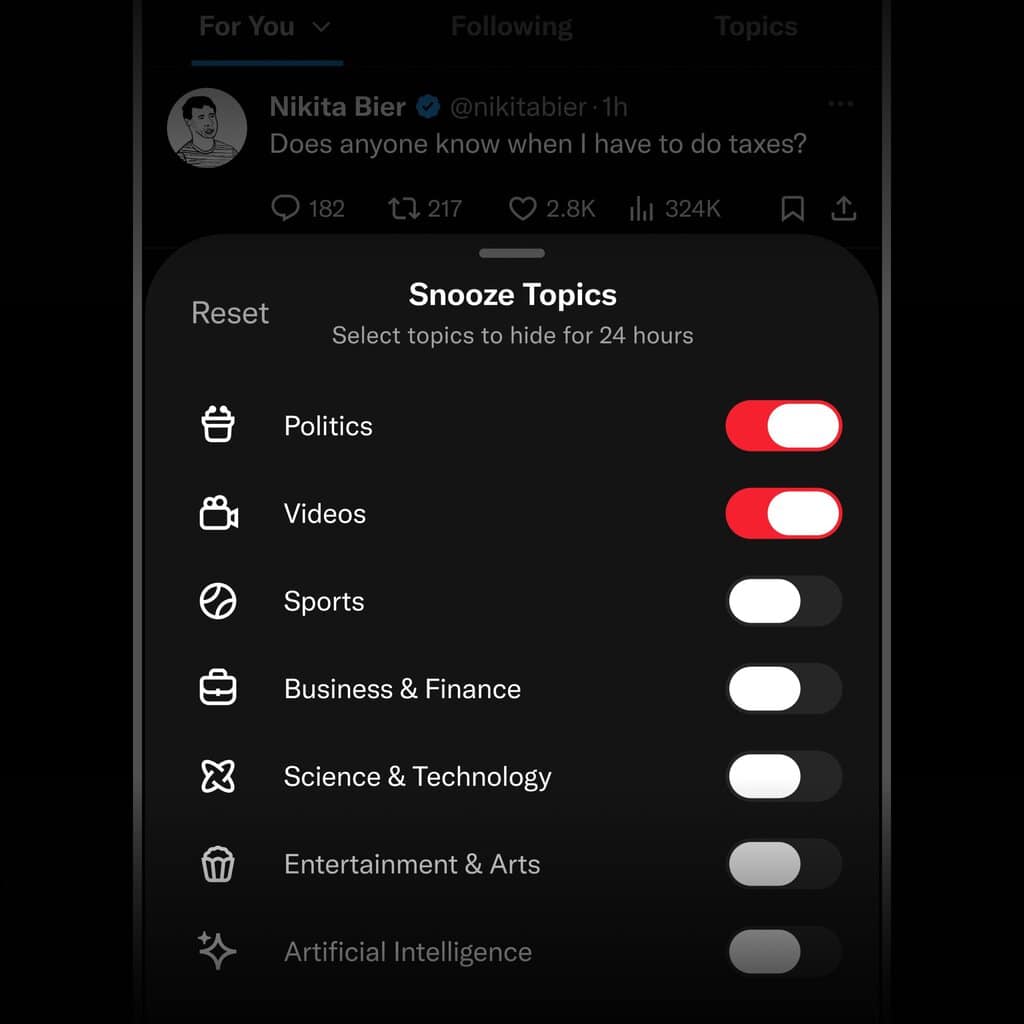
DLSS 4.5 focuses on AI-driven rendering

With DLSS 4.5, NVIDIA introduces a new generation of transformer-based AI models designed to improve how frames are generated and reconstructed. The update enhances key technologies like ray reconstruction and super resolution, aiming to deliver sharper visuals and smoother gameplay.

The new SDK package includes APIs, documentation, and sample code, making it easier for developers to integrate these features early in the development cycle rather than after launch.

New multi-frame generation modes boost FPS

A major highlight of DLSS 4.5 is the expansion of frame generation capabilities. The update introduces new 5x and 6x frame generation modes, significantly increasing the number of AI-generated frames between real ones.

The 6x multi-frame generation mode can generate up to five AI frames per rendered frame, which can dramatically improve frame rates in demanding scenes. At the same time, the system dynamically adjusts based on workload, reducing overhead when full performance is not needed.

Built for smoother gameplay and high refresh displays

The update targets smoother gameplay across high refresh rate monitors, where consistent frame pacing is critical. By combining AI upscaling with advanced frame generation, DLSS 4.5 aims to balance performance gains with responsiveness.

However, latency remains a key challenge, especially as more frames are generated artificially. NVIDIA continues to refine this balance to avoid input lag while maximizing performance.

Streamline SDK simplifies developer integration

DLSS 4.5 builds on NVIDIA’s Streamline framework, which acts as a unified integration layer for multiple upscaling technologies. This approach allows developers to optimize rendering features during development instead of relying on post-launch updates.

The update also adds UI recomposition support through a new preset, improving how interface elements interact with generated frames.

While NVIDIA continues to push ahead in neural rendering and multi-frame generation, competitors are catching up. AMD is reportedly working on similar capabilities for its FSR technology, including potential multi-frame generation features.

DLSS 4.5 strengthens NVIDIA’s position in AI-powered graphics, but the race for better performance and lower latency is far from over.

Via Neowin