Turkey’s New Draft Law Could Cripple Steam and Epic Games With 90% Traffic Throttling

Turkey is reportedly on the verge of deciding how global gaming platforms operate inside the country. A newly drafted proposal from the Ministry of Family and Social Services may soon force companies like Steam and Epic Games to either establish a local presence or risk being effectively shut out of the market.

Proposed Enforcement, Age Ratings, and Expanded Oversight

As reported by a Turkish technology news outlet, Türkiye Today, the draft legislation would require big gaming platforms that cross a daily user threshold to open official offices in Turkey and appoint local representatives (via Windows Central). If companies fail to comply, the country’s Information and Communication Technologies Authority (BTK) would be allowed to throttle platform bandwidth by up to 90%.

For those unaware, at those speeds, even downloading a single modern AAA title could take months. That’s not all; under the draft rules, all games sold to Turkish users must include recognized age ratings such as PEGI or ESRB. Titles without proper ratings would be blocked at the IP level. This could disproportionately affect independent developers, many of whom lack the resources to pay for formal classification.

Industry estimates suggest that unrated indie titles make up a majority of Steam’s overall catalog. The proposal also expands on BTK’s authority, as it would now have the power to demand content changes, remove games entirely, and request user data or technical logs when citing public interest or child safety concerns.

Why Turkey is pushing the rules and what it could mean for gamers in the country

Officials have reportedly hinted that the decision is largely driven by the concerns around exposure to violence, obscenity, and culturally sensitive material, as well as difficulties enforcing laws on companies without a legal presence in the country. Not to mention, there’s also a financial angle to this. By requiring local offices, Turkey could increase tax oversight and revenue from global gaming firms.

However, the move may come at a cost for players. Companies could abandon regional pricing or even exit the market entirely, similar to what PayPal did a decade ago. All that said, the stakes remain high for Turkish gamers. Thousands of dollars’ worth of digital libraries could suddenly become inaccessible, even if no formal ban is announced. For now, the legislation remains in draft form, with no confirmed timeline for parliamentary approval.

OpenClaw Emerges as a Breakout Open-Source AI Agent

As OpenAI faces a projected $14 billion loss this year and NVIDIA takes a cautious stance on future OpenAI investments, interest is shifting toward open-source AI agents that operate outside big tech control.

According to CNBC, OpenClaw has rapidly become one of the most discussed AI tools of the year, despite launching only weeks ago.

From a renamed project to a viral AI agent

OpenClaw launched under earlier names, including Clawdbot and Moltbot. Austrian developer Peter Steinberger created the project, which quickly gained attention within developer communities.

The agent reflects rising demand for AI systems that can act autonomously, complete tasks, and make decisions with minimal human oversight. Industry observers compare its breakout moment to how ChatGPT brought large language models into the mainstream.

What makes OpenClaw different

OpenClaw promotes itself as “the AI that actually does things.” It runs directly on a user’s operating system rather than inside a browser.

The agent can:

  • Manage emails and calendars
  • Browse the web and interact with services
  • Execute multi-step workflows across applications and more

Persistent memory allows OpenClaw to remember past interactions and adapt to individual user habits over time.

Unlike closed competitors, OpenClaw remains fully open-source. Developers can inspect, modify, and extend the code, paying only for language model usage costs.

The project has already surpassed 145,000 GitHub stars and 20,000 forks, signaling strong interest even as real-world usage data remains unclear. Adoption reportedly started in Silicon Valley and expanded rapidly.

OpenClaw has also gained traction in China, where companies such as Alibaba, Tencent, and ByteDance are exploring agent-based automation using local language models.

Security concerns and industry reactions

Cybersecurity firms warn that OpenClaw introduces new risks. Palo Alto Networks highlighted a combination of system access, external communication, and long-term memory as a serious concern. Cisco echoed those warnings.

Steinberger acknowledged the risks, noting that OpenClaw remains a hobbyist open-source project requiring careful configuration and technical expertise.

Discussion intensified after Moltbook, a social network where AI agents post, comment, and vote without human input. Former Tesla AI director Andrej Karpathy described the activity as one of the most striking sci-fi-adjacent developments he has seen.

Analysts say the attention around OpenClaw and Moltbook suggests the industry is moving closer to a future where personal AI agents become commonplace.

In other news, OpenAI Sora is reportedly losing momentum after its initial wave of adoption.

NVIDIA CEO Says TSMC May Need to Double Chip Capacity as AI Demand Skyrockets

NVIDIA’s CEO Jensen Huang has been everywhere in the headlines over the past few days. First came a Wall Street Journal report suggesting internal doubts at NVIDIA over a potential $100 billion investment in OpenAI.

Later, Huang clarified that the figure was never a binding commitment, but rather an open-ended invitation to participate in OpenAI’s fundraising round. That clarification set the tone for a busy weekend, as Huang continued meetings across Taiwan and addressed far bigger issues facing the AI industry.

During his Taiwan visit, Huang turned attention to a growing pressure point that goes well beyond any single deal: chip supply. Speaking with reporters after a private dinner with key supply-chain partners, including TSMC CEO C.C. Wei and Foxconn chairman Young Liu, Huang warned that NVIDIA’s demand for advanced wafers is accelerating at a pace that could fundamentally reshape manufacturing capacity over the next decade.

According to comments reported by the South China Morning Post, Huang said NVIDIA alone may require TSMC to more than double its output over the next ten years. He stressed that AI demand this year is already intense, noting that NVIDIA “needs a lot of wafers,” even as he praised TSMC for executing under extraordinary pressure. The message was blunt: keeping up will not be easy.

Those remarks are similar what TSMC itself has been saying. While the company has acknowledged concerns about a potential AI bubble, it has also repeatedly stated that demand remains overwhelming. Last year, Wei admitted advanced-node capacity was still falling well short of AI needs, estimating supply lagged demand by roughly three times.

Huang also addressed speculation around shifting chip production to the United States. He emphasized that Taiwan’s role remains central, explaining that any overseas expansion would come from new fabs rather than relocating existing capacity. TSMC produced the equivalent of 17 million 12-inch wafers in 2024 and is investing heavily to expand further.

That includes $42 billion in planned spending this year and an accelerated timeline for its Arizona Fab 21 site, now targeting mass production in 2027. Taken together, Huang’s comments paint a clear picture: AI demand isn’t cooling, and supply constraints may define the next phase of the industry.

Article feature image source: NVIDIA

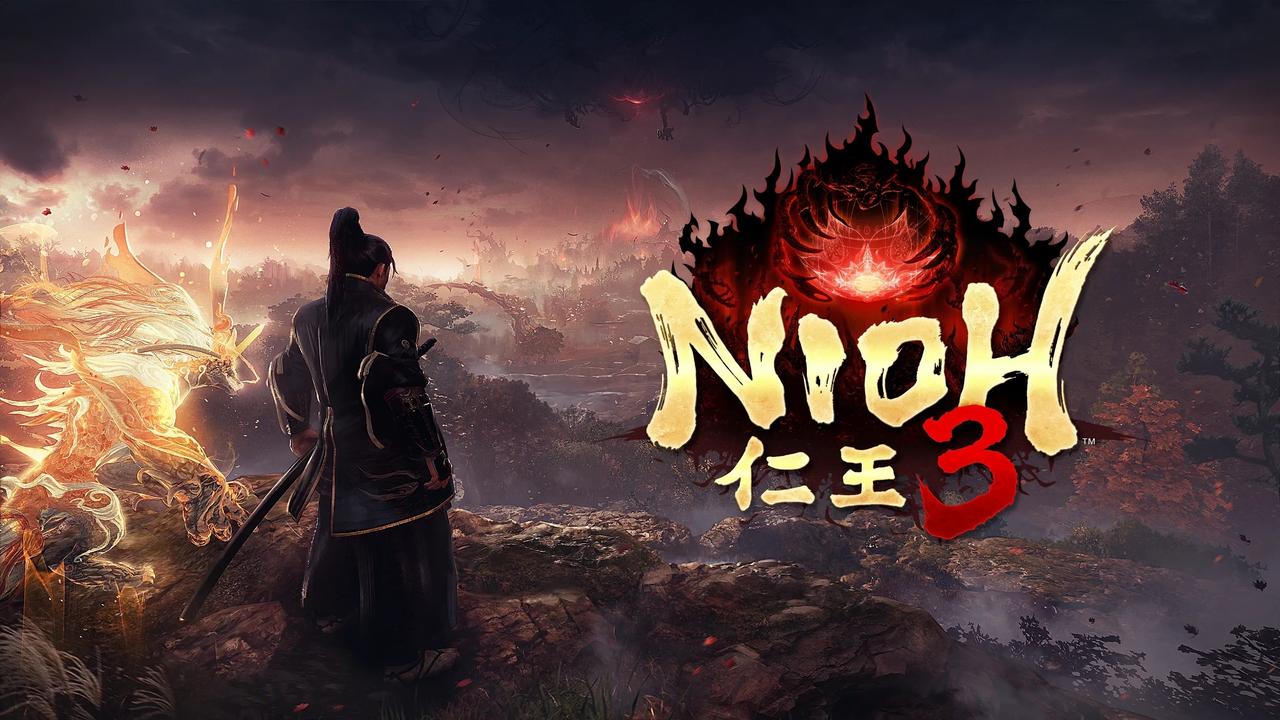
Nioh 3 Arrives on PS5 and PC First, Six-Month Console Exclusivity Confirmed

Nioh 3 appeared with a playable demo on Steam not long ago, and its full release is now right around the corner. Alongside launch timing, new information sheds light on how long console players on other platforms may need to wait.

According to reporting from The Gamer, Nioh 3 launches on PlayStation 5 and PC on February 6, 2026. Promotional material includes a small-print disclaimer confirming that the game carries PlayStation 5 console exclusivity for at least six months.

Nioh 3 console exclusivity window explained

The disclaimer states that Nioh 3 will not be available on other consoles until at least six months after the February 6 launch date. Based on that wording, availability on additional platforms could begin around August 2026.

After the exclusivity period ends, the game could potentially arrive on platforms such as Xbox Series X/S or Nintendo Switch 2. No official announcements confirm which consoles may receive a port.

This would mark a shift for the Nioh franchise. Previous entries launched as PlayStation exclusives, with PC versions following later, but never expanded to other console ecosystems.

The six-month restriction applies only to consoles. The PC version launches on the same day as PlayStation 5 and remains unaffected by the exclusivity agreement.

For now, it remains unclear whether the exclusivity window guarantees future console ports or simply allows them if developers choose to move forward.

In other gaming news, the ASUS ROG Xbox Ally is currently available at a discount, while the Final Fantasy 7 Remake demo on Switch 2 received a recent update.

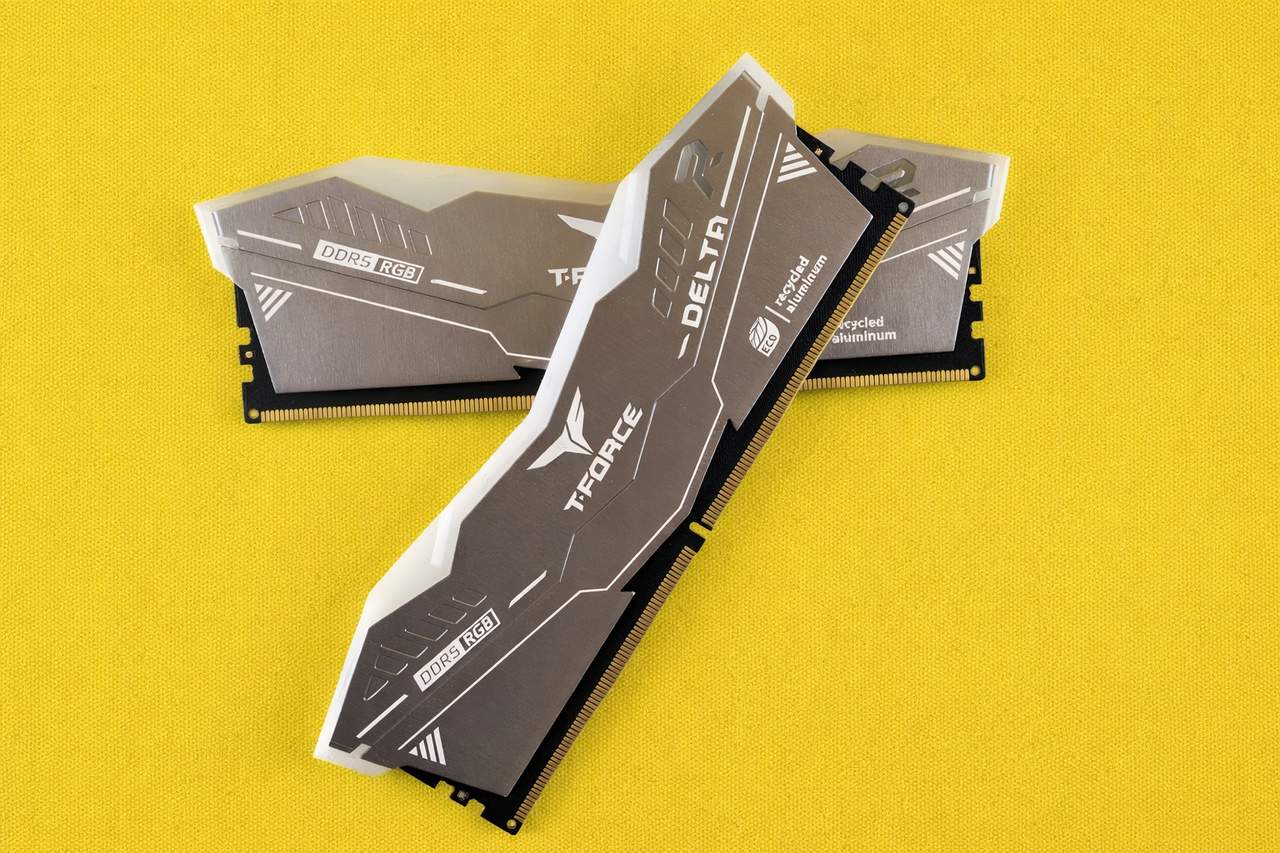
AI Memory Shortage Sends DRAM and SSD Prices to Record Highs

The rapid expansion of AI workloads continues to strain the global memory market, raising fresh concerns about hardware pricing across PCs, servers, and mobile devices. While Microsoft has moved to secure long-term memory supply through a deal with SK Hynix, new industry data suggests that prices will keep climbing throughout early 2026.

According to reporting from TechPowerUp, market research firm TrendForce says AI and data center demand in Q1 2026 will further worsen the global memory supply–demand imbalance. That shift strengthens suppliers’ pricing power and forces buyers into increasingly aggressive competition for limited capacity.

DRAM prices set to shatter records

TrendForce now expects conventional DRAM contract prices to rise by 90–95% quarter-over-quarter in Q1 2026, a sharp jump from earlier forecasts of 55–60%. PC DRAM faces the most severe pressure, driven by stronger-than-expected PC shipments in Q4 2025.

Even tier-1 PC OEMs with secured allocations now report shrinking DRAM inventories. In a seller-dominated market, PC DRAM prices could jump more than 100% quarter-over-quarter in Q1 2026, setting a new all-time quarterly record.

Server DRAM follows a similar path. Cloud service providers and server OEMs in North America and China continue to negotiate long-term agreements, but intense competition for supply could push server DRAM prices up around 90% QoQ, the largest increase ever recorded.

LPDDR4X and LPDDR5X also face historic hikes. TrendForce expects both mobile memory standards to surge by roughly 90% QoQ in Q1 2026, driven by tight supply and delayed contract negotiations with Chinese smartphone vendors.

NAND Flash and SSDs caught in the squeeze

The pressure extends beyond DRAM. NAND Flash order volumes in Q1 2026 already exceed production capacity, yet memory makers prioritize DRAM because of higher profitability. Many manufacturers now reallocate production lines from NAND to DRAM, further constraining Flash supply growth.

Short-term relief looks unlikely, as any NAND output gains rely mainly on incremental process upgrades rather than new capacity. At the same time, AI inference workloads have pushed demand for high-performance storage far beyond expectations.

Since late 2025, major North American cloud providers have sharply increased procurement, triggering a surge in enterprise SSD orders. With buyers stockpiling inventory and the supply gap widening, TrendForce expects enterprise SSD prices to rise 53–58% QoQ in Q1 2026, another record-setting increase.

The ripple effects already reach older standards, with DDR4 prices climbing alongside newer memory types. Speaking of AI technology, it seems that Microsoft is moving away from the AI Everywhere strategy due to the criticism from its users.

As AI investment accelerates and capacity remains tight, consumers and enterprises alike should brace for higher prices across PCs, servers, and storage hardware. For now, the memory market shows no signs of cooling, and relief may not arrive until new capacity finally comes online.

Apex Legends Is Leaving the Original Nintendo Switch Later This Year

Apex Legends is one of the most demanding live-service shooters still active today. The game’s demanding nature has reportedly left little room for previous-gen hardware. In a blog post, Respawn Entertainment has confirmed that Apex Legends will be discontinued on Switch 1 at the end of Season 29, following the launch of the Nintendo Switch 2 version.

Notably, future updates will continue only on Nintendo Switch 2. Season 29 is scheduled to end on August 3, giving players a few more months before the shutdown.

Respawn has also clarified that all player progress is tied to EA accounts. Players who move to Switch 2 will be able to continue with their existing unlocks, stats, and purchases.

The Switch 2 edition recently launched with 60fps support, bringing performance closer to other console versions. The original Switch version launched in 2021 and was widely considered the weakest way to play Apex Legends. Performance limitations were apparent even at release.

Now that the Switch 2 is available, ending support for the older version was inevitable. The decision also raises questions about how long last-generation versions on PS4 and Xbox One will continue to be supported as Apex Legends evolves.

ASUS ROG Xbox Ally Gets First US Discount in Months

The ASUS ROG Xbox Ally has stayed in the spotlight recently, largely due to ongoing issues involving Windows Smart App Control and Armory Crate. While ASUS has yet to roll out a fix, there’s at least some good news for buyers looking to jump in now.

ROG Xbox Ally price drop spotted on Amazon

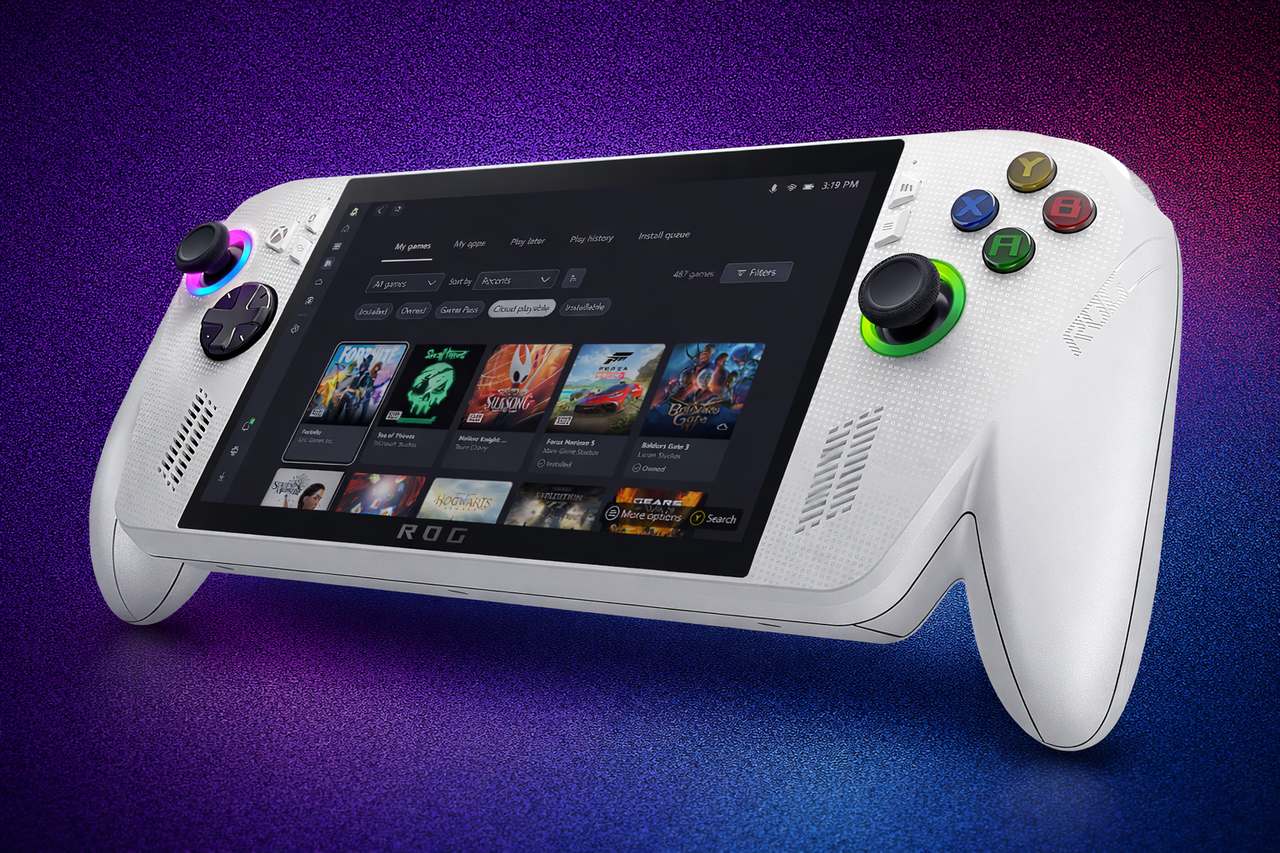
As spotted by VideoCardz, the base model of the ROG Xbox Ally has dropped in price in the US after nearly two months without any discounts. The handheld is currently available on Amazon for $489.99, marking a noticeable price cut for the entry-level configuration.

For those unfamiliar, the ROG Xbox Ally is a Windows-based gaming handheld designed around the Xbox PC app experience. Users can keep the Xbox Full Screen Experience enabled for a console-like interface or disable it entirely and use the device as a full Windows PC.

The handheld features a 7-inch IPS touchscreen running at 1920×1080 resolution with a 120 Hz refresh rate. ASUS pairs the display with Xbox-style grips and controls, aiming to balance portability with a familiar console feel.

The standard ROG Xbox Ally runs on AMD’s Ryzen Z2 A processor, a 4-core / 8-thread Zen 2 APU equipped with 8 RDNA 2 compute units. The chip supports LPDDR5-6400 memory and closely matches the APU found in the Steam Deck, albeit under a different name.

ASUS targets a configurable power envelope ranging from 6 W to 20 W, allowing users to trade performance for battery life depending on the workload.

Base model specifications include:

  • 16 GB LPDDR5 RAM
  • 512 GB PCIe 4.0 M.2 2280 SSD (user-replaceable)
  • 60 Wh battery

At the moment, ASUS has not applied any discounts to the higher-end Ally X variant. However, that model recently made headlines after modders successfully upgraded it to 64 GB of memory.

Alongside the price drop, Xbox players have another reason to pay attention. Microsoft recently expanded the Stream Your Own Game library with 40 additional titles, giving ROG Xbox Ally owners even more games to enjoy on the handheld.

For now, the discounted price makes the base ROG Xbox Ally a more attractive entry point, even as ASUS continues to work through its current software issues.

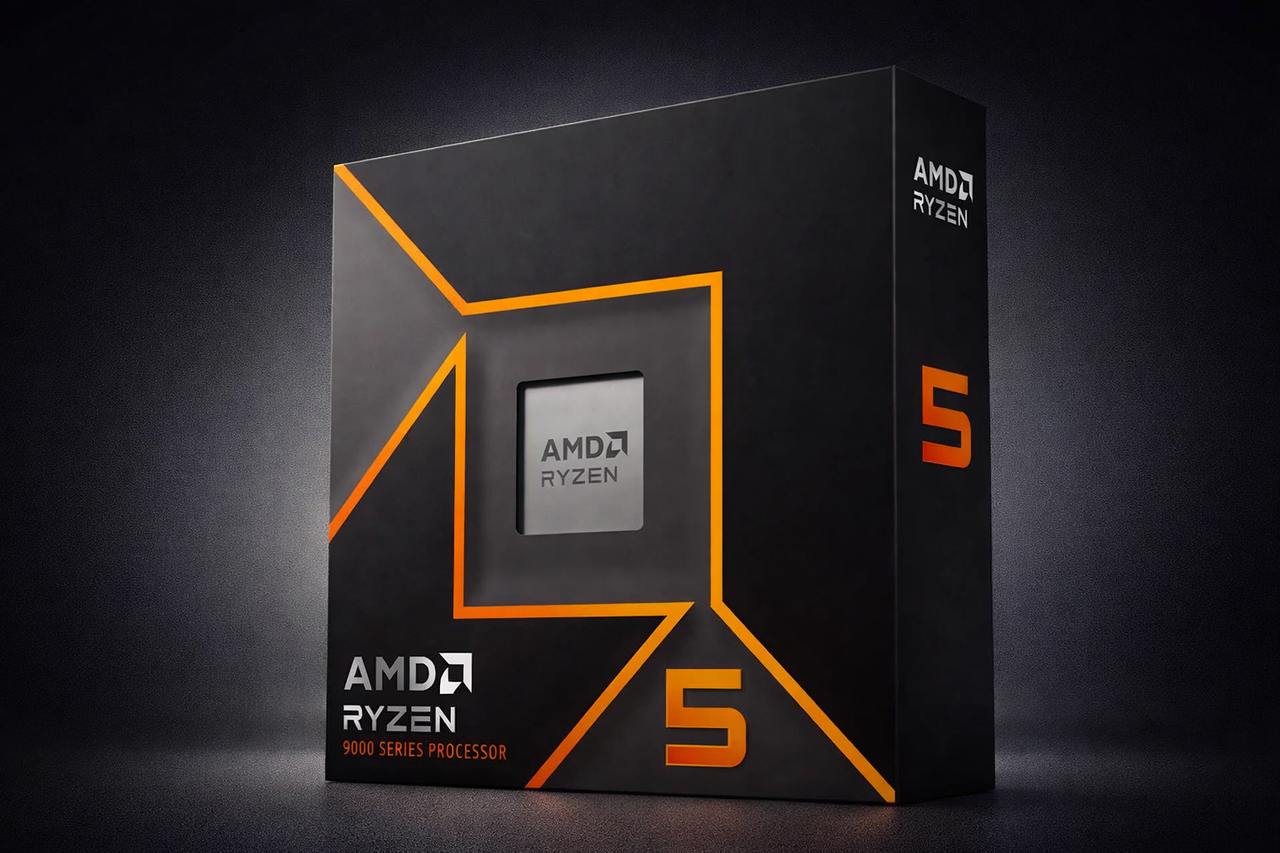
Growing Reports Link Ryzen 5 9600X Failures to ASRock Platforms

After the recent launch of AMD’s Ryzen 7 9850X3D and early signs that a Ryzen 9 9950X3D V2 could be in development, attention has shifted to a more troubling issue affecting some AMD users.

Multiple reports point to Ryzen 5 9600X failures on ASRock boards

As reported by VideoCardz, several new posts on Reddit describe dead Ryzen 5 9600X CPUs paired with ASRock motherboards. At least four recent reports outline nearly identical failure patterns.

In each case, systems worked normally at first and then suddenly stopped posting without warning. Users consistently report CPU or DRAM debug LEDs remaining lit, which points to a hardware-level failure during system initialization.

Affected users attempted common fixes without success. Reports mention reseating memory modules, clearing the CMOS, swapping RAM and other components, and testing different BIOS configurations, but none of these steps restored system functionality.

In one confirmed case, the Ryzen 5 9600X required an RMA after the system completely failed to boot. Another user reported two consecutive Ryzen 5 9600X failures on the same ASRock platform, with the second CPU dying while running BIOS version 3.50.

These new reports follow earlier community concerns involving Ryzen 7 9800X3D failures on ASRock boards. Users continue to track incidents through community-maintained “CPU failures/deaths” megathreads.

A December snapshot from one such thread lists reported failures by CPU model. Ryzen 7 9800X3D leads with 183 reports, followed by Ryzen 7 9700X with 50 reports, Ryzen 5 9600X with 29 reports, and Ryzen 9 9950X3D with 22 reports. These figures exclude newer January reports, suggesting the real totals are now higher.

Failure reports span multiple BIOS releases, with no single version standing out as safe. Systems running BIOS versions older than 3.25 or 3.26 account for 31 percent of cases, while BIOS 3.25 and 3.26 represent 22 percent. BIOS 3.30 also accounts for 22 percent, BIOS 3.40 for 14 percent, and BIOS 3.50 for 11 percent of reported failures.

The data suggests that newer ASRock BIOS updates have not eliminated the issue.

Despite the growing number of reports, ASRock has not publicly acknowledged the problem. The company continues to release new firmware updates and expand its AMD 800-series motherboard lineup.

Because the data relies entirely on user-submitted reports, the documented cases likely represent only a fraction of actual failures.

In related news, AMD Ryzen 7 9800X3D prices have dropped, which may make the chip a more appealing upgrade or replacement option for affected users.

Xbox’s Stream Your Own Game Library Reportedly Expands With 40 More Titles

As part of its February 2026 update, Microsoft has expanded the Stream Your Own Game feature with 40 additional titles, giving players more flexibility over how and where they play. If you already own any of the games mentioned below and have an Xbox Game Pass Ultimate, Premium, or Essential subscription, you can now stream them instantly through Xbox Cloud Gaming.

For the uninitiated, Stream Your Own Game allows players access select owned titles via the cloud, even if those games aren’t part of the main Game Pass catalog. It works across Xbox consoles, PCs, phones, TVs, and handhelds like the Xbox Ally, making it one of Microsoft’s most practical cloud features so far.

While some of the newly added titles already exist on Game Pass, many do not. Games like Biomutant, Company of Heroes 3, Ancestors: The Humankind Odyssey, and Killing Floor 2 now work seamlessly through cloud streaming, as long as you own them.

There are also some bigger-name inclusions this time around. Final Fantasy VII Remake Intergrade, Resident Evil Village Z Version, Divinity: Original Sin 2, and RimWorld Console Edition stand out as notable additions that benefit from instant access. Well, we have included all the games in the table below, courtesy of TrueAchievements.

Xbox Stream Your Own Game Updated List (February 2026)

TitlesTitlesTitlesTitles
Age of Wonders 4Company of Heroes 3Gears of WarPathfinder: Wrath of the Righteous
Ancestors: The Humankind OdysseyDawn of ManGold Mining SimulatorPoppy Playtime: Chapter 3
Bendy and the Ink MachineDead Island Definitive EditionHomefront: The RevolutionResident Evil Village: Z Version
BiomutantDivinity: Original Sin 2 – Definitive EditionJurassic World EvolutionRIDE 4
Black DesertDrop Duchy – Complete EditionKerbal Space Program Enhanced EditionRimWorld Console Edition
BlasphemousFinal Fantasy VII Remake IntergradeKilling Floor 2Rounds
Boomerang FuFive Nights at Freddy’s: Security BreachKingdoms of Amalur: Re-ReckoningSession: Skate Sim
Cars 3: Driven to WinGas Station SimulatorLego The IncrediblesSledders
Little Nightmares IIIMilano’s Odd Job CollectionTransport Fever 2: Console EditionVampyr
MIO: Memories in OrbitMLB The Show 25World of Outlaws: Dirt Racing 24MXGP 2021 – The Official Motocross Videogame

Which games are you most excited for? Let us know in the comments below.

Square Enix Quietly Updates Final Fantasy 7 Remake Demo on Switch 2

Final Fantasy 7 Remake on Switch 2 continues to post strong momentum, but Square Enix has also made a quieter move behind the scenes. The company has updated the playable demo currently available on the Nintendo eShop, suggesting additional polish as interest in the title grows.

Final Fantasy 7 Remake demo updated, but no patch notes available

As spotted by My Nintendo News, the demo update went live without any accompanying patch notes. Square Enix did not outline specific fixes or improvements, leaving players to notice changes on their own. That silence strongly points toward minor optimizations rather than new content additions.

With Final Fantasy 7 Remake attracting a fresh audience on Switch 2, Square Enix likely wants the demo experience to feel as refined as possible. Demo builds often serve as the final sales pitch, and even small technical tweaks can influence purchasing decisions.

At this stage, speculation remains the only option. The update likely includes stability fixes, performance adjustments, or small bug corrections rather than new gameplay sections or story elements.

The franchise momentum does not stop with Remake. Reports indicate that Final Fantasy 7 Rebirth is also heading to Switch 2, expanding Square Enix’s multi-platform push for the series.

Xbox players appear set to benefit as well. According to insiders, a Final Fantasy 7 Rebirth remains in development for Xbox consoles, signaling a broader rollout strategy beyond PlayStation and Nintendo.

Between demo updates, strong Switch 2 sales, and expanding platform support, Square Enix continues to position Final Fantasy 7 Remake as a long-term cornerstone of its modern portfolio.

Intel May Restrict Arc iGPU Branding Based on Memory Configuration

Intel recently expanded Intel XeSS 3 support to Arc GPUs, and users quickly found workarounds to enable it on non-Panther Lake devices. Alongside that push, Intel now appears to be preparing a notable branding shift for its next-generation integrated graphics.

Panther Lake Arc branding may depend on memory speed

According to VideoCardz, Intel plans to link Panther Lake iGPU branding directly to system memory configuration rather than changing the hardware itself.

A report from Golden Pig Upgrade claims Intel introduced a detection rule that ties Arc branding to LPDDR5X speed. Systems using memory below 7467 MT/s may lose the Arc iGPU name in Windows and appear simply as “Intel Graphics.”

Under this rule, the silicon remains the same, but Windows changes how it reports the GPU.

Arc B390 and B370 require faster memory

The leak suggests that Arc B390 and Arc B370 integrated GPUs need memory speeds above 7467 MT/s to show up as “Arc” in Windows Task Manager.

If a laptop ships with slower memory, Windows will not display the Arc model name, even when the hardware fully supports it. Intel effectively blocks OEMs from pairing slower memory with higher-tier Arc branding. Here are some examples of the branding conventions:

Core Ultra X7 and X9 models

  • Arc B390 / Arc B370 iGPU
  • Memory support up to LPDDR5X-9600

Core Ultra 7 356H, 366H and Core Ultra 9 386H

  • Labeled as “Intel Graphics”
  • Up to LPDDR5X-8533 or DDR5-7200

Core Ultra 7 355 and 365 (no H suffix)

  • “Intel Graphics” branding
  • Up to LPDDR5X-7467 or DDR5-6400

This change affects naming and reporting only. It does not reduce performance or alter Panther Lake’s architecture. Integrated GPU performance still scales heavily with memory bandwidth, since the iGPU relies on system RAM.

The rule helps Intel prevent OEMs from marketing low-bandwidth systems as equivalent to higher-end Arc configurations. It also avoids situations where reviewers criticize Arc B390 or B370 performance on memory-constrained laptops that never should have carried Arc branding.

Separately, Intel continues work on a gaming handheld, while new Intel Core Ultra 7 356H benchmark leaks point to stronger multicore performance. Together, these developments suggest Intel is tightening both its branding strategy and platform positioning ahead of Panther Lake’s broader rollout.

Popular US Retailer Drops Nintendo Switch 2’s Price to $399.99, With a Catch

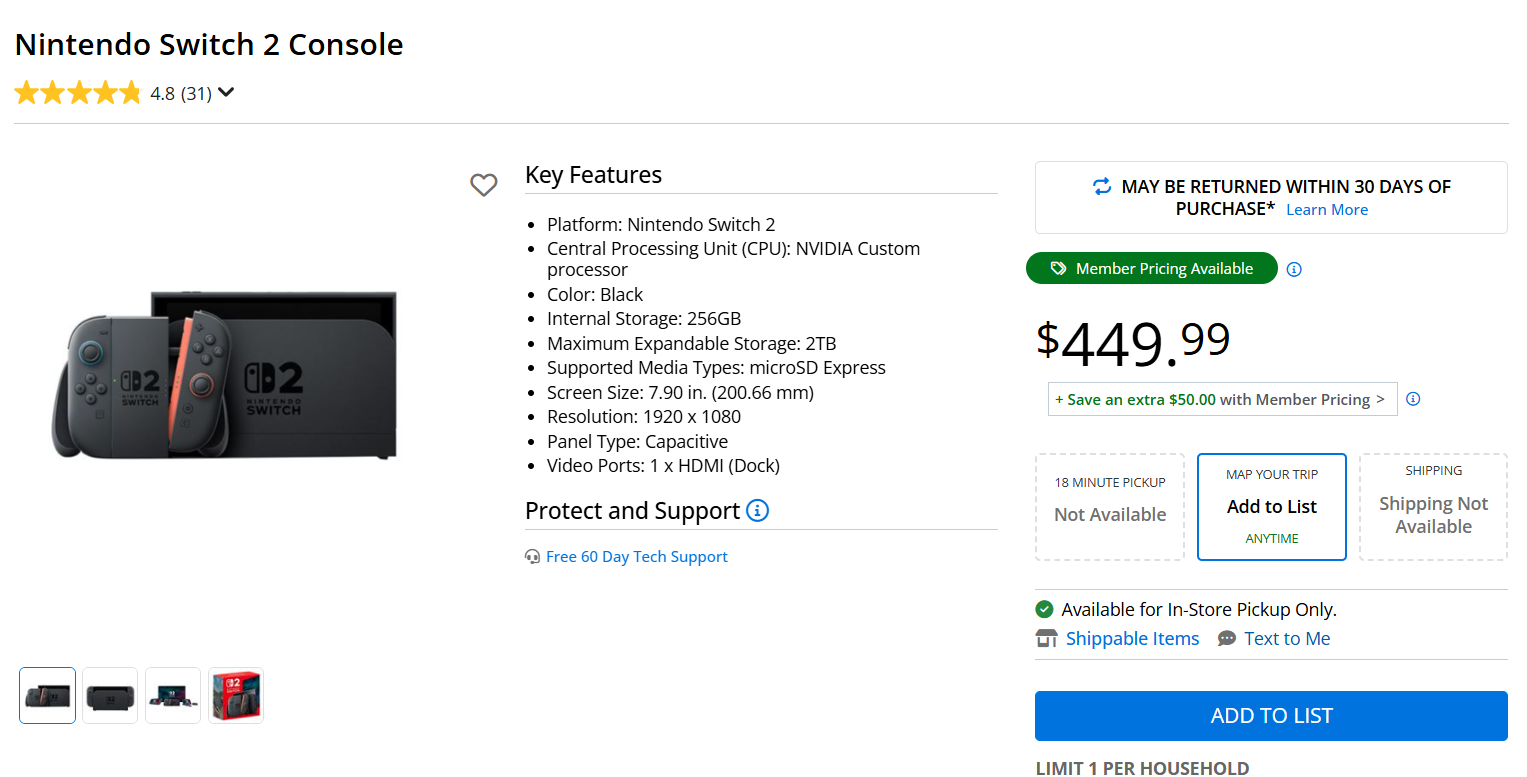
The Nintendo Switch 2 isn’t officially cheaper. But in at least one place, it effectively is. Micro Center has quietly dropped the price of Nintendo’s latest console below the $400 mark, offering the Switch 2 for $399.99 through its Member Pricing program. All you have to do is create a Micro Center account. For anyone looking to grab Nintendo Switch 2, this is the best deal.

Image credit: Micro Center

The console still lists at its original $449.99 MSRP, but signing up for a free account unlocks an instant $50 discount. But, there’s one catch: this deal is in-store pickup only. That’s not all; even if you order online, you’ll need to visit a physical Micro Center location to complete the purchase. Shipping isn’t available for the console under this promotion.

The deal comes at a time when the gaming industry is facing the heat of a global memory crunch, which reportedly has also hit Nintendo. So, before the pricing of Nintendo’s latest handhelds shoots up, which is highly likely, it’s best to grab them now.

For the uninitiated, the Switch 2 launched last June at $449.99, landing $150 higher than the original Switch at launch. Since then, pricing has largely held firm across major retailers. While it doesn’t change Nintendo’s official pricing, it hints at how retailers may start moving inventory as competition heats up and supply stabilizes. If you’re looking for specs, do check out our Nintendo Switch 2 launch article.

via: PC Guide

Modders Just Gave ROG Xbox Ally X a Wild 64GB RAM Upgrade

The PC modding community keeps pushing hardware far beyond factory limits, and the latest project targets the ROG Xbox Ally X. After vBIOS mods on RTX 5090 cards and revived RTX 5070 Ti boards, modders have now pulled off a 64GB RAM upgrade on ASUS’s Windows gaming handheld.

According to reporting from VideoCardz, the modification requires a complete teardown of the device, including full motherboard removal. The modder flips the board and removes the factory RAM packages hidden beneath the heat spreader tape.
Hardware mod gives ROG Xbox Ally X 64GB RAM

The stock Xbox Ally X configuration uses 6GB Micron LPDDR5X modules rated at 8533 MT/s. The mod replaces them with 16GB SK hynix LPDDR5X packages, pushing total system memory to 64GB.

The memory bus stays unchanged, so the upgrade increases density rather than widening bandwidth. Even so, this change dramatically expands available memory for demanding workloads and experimentation.

After completing the soldering work, the modder moves to firmware modification. Using a CH341A USB programmer, the BIOS gets dumped, edited at the APCB data level, and flashed back onto the system.

The process also requires changing the strap resistors on the board. Without this step, memory training can cause speeds to drop to around 7500 MT/s. With the straps adjusted, the system stabilizes at higher clocks.

Following a longer-than-usual memory training cycle, the device boots into Windows successfully. Windows Task Manager confirms the full 64GB capacity running at 8000 MT/s.

For typical gaming workloads, 64GB of RAM offers little real-world benefit. The ROG Xbox Ally X already ships with 24GB of LPDDR5X memory, and memory-related bottlenecks at that capacity remain rare in modern games.

Still, the project highlights how far handheld PC hardware can stretch in expert hands. This remains an extremely high-risk modification that voids warranties and can permanently destroy the motherboard if anything goes wrong. No one should attempt to replicate this without professional tools and experience.

Separately, reports suggest Smart App Control currently causes issues with Armory Crate on the ROG Xbox Ally line, though a fix may arrive in a future update.

Intel Arc Users Find Clever Way to Enable XeSS 3 Ahead of Official Support

Intel recently released new graphics drivers that introduced XeSS 3, but the rollout left many users frustrated. Intel officially limits XeSS 3 multi-frame generation to Xe3 graphics, meaning only Panther Lake laptops currently expose the feature through the control panel.

That limitation has now sparked an unofficial workaround, allowing Intel Arc GPU owners to enable XeSS 3 ahead of schedule.

XeSS 3 is officially restricted to Panther Lake

As VideoCardz reports, XeSS 3 multi-frame generation appears in Intel’s control panel as an “XeSS Override” toggle, but only on Xe3-based GPUs such as Panther Lake iGPUs.

Because Intel temporarily restricts this toggle to Xe3, Arc GPU owners see mixed and confusing messaging around XeSS 3 availability, even though the necessary files already ship with the latest drivers.

Community finds a workaround in Intel’s driver files

Users on the IntelArc subreddit, including onehoon and Aggressive-Camel8166, discovered that Intel’s driver package already contains the required XeSS 3 components.

By manually moving specific DLL files between driver folders, users can force-enable XeSS 3 features on Arc GPUs.

  1. Download the latest Intel graphics driver package.
  2. Extract the driver package.
  3. Open the 8362 folder.
  4. Locate igxell.dll and igxess_fg.dll.
  5. Copy both DLLs into the 8452 folder and overwrite when prompted.
  6. Use DDU to remove the current graphics driver and Intel Graphics Software (IGS).
  7. Install the driver from the extracted folder and ignore the warning during installation.

Some users report better results with an additional per-game step:

  1. Rename the DLLs from ig* to lib*
    • Example: igxell.dll → libxell.dll
    • Example: igxess_fg.dll → libxess_fg.dll
  2. Place the renamed files into the game’s installation folder, replacing existing files if necessary

By doing so, you’ll force XeSS 3 behavior on a per-title basis.

XeSS 3 does not introduce a new upscaling model. It relies on the same image reconstruction algorithms used in XeSS 2, so users should not expect noticeable image quality improvements.

The real advantage comes from XeSS Multi-Frame Generation, which can deliver substantial frame rate gains in supported games.

Intel has already confirmed that official XeSS 3 support for Alchemist and Battlemage GPUs will arrive later this month. That makes the current workaround a temporary and unofficial solution for users who want early access.

Beyond XeSS, Intel reportedly continues work on a dedicated handheld gaming platform. At the same time, leaked Intel Core Ultra 7 356H benchmarks suggest improved multicore performance, pointing to broader momentum across Intel’s mobile lineup.

Samsung Brings NVIDIA G-SYNC Support to Its 2026 OLED TVs and New Odyssey Monitors

Gone are the days when TV sets were used for entertainment purposes. By entertainment, here we mean watching movies, series, sports, and more. Modern TVs also come with better specs and features that make them handy for gaming. To be honest, there are thousands of examples and many brands out there with which you can relate to this example. Speaking of which, Samsung is among such brands. Well, Samsung is taking gaming one notch up, with its new OLED TVs and Odyssey monitors.

Samsung dedicates 2026 OLED TVs and Odyssey monitors for gamers out there

The company has confirmed that its upcoming OLED TV lineup and next-generation Odyssey gaming monitors are now NVIDIA G-SYNC Compatible. This is great news for any gamers who care about smooth motion and low latency. Notably, G-SYNC allows the display’s refresh rate to match the frame rate coming from an NVIDIA GeForce GPU. The result is fewer visual hiccups like screen tearing and stuttering. Thanks to the feature, you get a consistent experience across fast-moving scenes.

That support spans across multiple products. As far as TVs are concerned, Samsung’s OLED S95H, S90H, and S85H all carry the G-SYNC Compatible badge now. Speaking of monitors, the new Odyssey G6 series, including the G60H and G61SH, joins the list.

Samsung is taking different approaches within the Odyssey G6 lineup, depending on what players value most. The 27-inch Odyssey G6 G60H is dedicated to competitive gaming. It becomes the first monitor to hit a 1,040 Hz refresh rate, thanks to Samsung’s Dual Mode feature. That mode allows players to switch between ultra-high frame rates at HD resolution or push up to 600 Hz at native QHD, depending on the game and setup.

For players who want visual depth along with performance, Samsung offers the Odyssey G6 G61SH. This model uses a QD-OLED panel with QHD resolution and a 240 Hz refresh rate. It also brings a 0.03 ms GTG response time and HDR10+ GAMING, catering to gamers who don’t want to trade image quality for speed. Both monitors support G-SYNC, keeping gameplay smooth whether the focus is on raw frame rate or cinematic visuals.

New OLED TV lineup also brings in AMD FreeSync Premium Pro

As mentioned earlier, Samsung’s 2026 OLED TVs are also getting more serious about gaming. The S95H and S90H support refresh rates up to 165 Hz, while the S85H tops out at 120 Hz. All three models look to reduce input lag and maintain fluid motion during fast gameplay.

G-SYNC isn’t the only option here, as the new OLED lineup also supports AMD FreeSync Premium Pro, making these TVs a flexible choice across PC and console platforms.

Moving on, Samsung is also rolling out HDR10+ ADVANCED, a next-generation HDR format designed to improve brightness, contrast, motion handling, and color accuracy. On the higher-end models, glare-free technology is included to cut down reflections without dulling OLED’s strengths.

Modders Revive Dead RTX 5070 Ti and Push It to World-Record Performance

Even as an NVIDIA GPU shortage looms and RTX 5070 Ti prices continue to climb, hardware modders are already pushing this graphics card far beyond normal limits.

As VideoCardz reports, modder Paulo Gomes and his team managed to revive a GeForce RTX 5070 Ti that appeared permanently dead after suffering catastrophic physical damage. The graphics card had a literal hole in its PCB, which ruled out any standard repair or component swap.

Extreme repair brings a dead RTX 5070 Ti back to life

Instead of abandoning the card, the team rebuilt the entire power delivery system by mounting the RTX 5070 Ti core onto an ASUS GeForce RTX 2080 Ti PCB. This unconventional approach required manual signal routing and power reinforcement to make the hybrid design operational.

Early results exposed major limitations. The card initially output only low resolutions, suffered a voltage drop of around 400 mV under load, and delivered performance closer to an RTX 3070. The system also detected the GPU at PCIe 4.0 x4, which severely restricted bandwidth and capped performance potential.

Benchmark tuning ends with a new world record

During a seven-hour live session, the team gradually stabilized the card by fixing display signal issues, resolving Windows driver conflicts that caused black screens, and reinforcing NVVDD, MSVDD, and ground paths to reduce resistance. A platform switch from Intel to AMD doubled available bandwidth, unlocking additional headroom.

Thermal stress quickly emerged as the biggest challenge. GPU temperatures jumped from 50°C to 80°C in about one second, while a 12V power wire reportedly approached 100°C. With onboard telemetry unavailable due to earlier damage, the team relied on external power measurement tools to monitor consumption.

Using Unigine Superposition, benchmark scores climbed steadily throughout the session. The modded RTX 5070 Ti eventually reached a peak score of just over 11,100 points, briefly losing and then reclaiming the top global position on HWBOT.

Final testing showed the GPU running at roughly 3.23 GHz, memory speeds at 34 Gbps, and voltage drop reduced to around 30 mV. The session ended with a final score of nearly 11,150 points, setting a new world record achieved by a heavily modified and resurrected RTX 5070 Ti.

In related news, NVIDIA’s upcoming RTX 50 series strategy may focus primarily on midrange GPUs, even as extreme modding continues to reveal how far current hardware can go.

Jensen Huang Says NVIDIA Has No Obligation to Invest $100B in OpenAI

OpenAI was projected to lose up to $14 billion this year, a reality that helps explain why the company sought funding from major tech players. Recent speculation centered on NVIDIA, but the company’s CEO has now publicly clarified its position.

As reported by Bloomberg, Jensen Huang said NVIDIA never made a formal or binding commitment to invest $100 billion in OpenAI. He stressed that NVIDIA holds no obligation to move forward with such an investment.

The $100 billion figure was never guaranteed, NVIDIA CEO claims

The widely cited $100 billion number came from a nonbinding letter of intent announced in September 2025. That document stated NVIDIA could invest up to that amount, but only under specific conditions.

Huang explained that OpenAI invited NVIDIA to invest incrementally, not as a single lump sum. He said NVIDIA prefers to make funding decisions “one step at a time,” rather than committing to the full figure upfront.

At the time, OpenAI described the plan as a gradual investment tied to each gigawatt of deployed AI infrastructure capacity.

Despite early optimism, the proposed partnership now appears uncertain. Industry reports suggest some NVIDIA insiders have expressed doubts, with discussions failing to move beyond early stages.

More recent talks reportedly involve a far smaller equity investment, possibly in the tens of billions of dollars, as part of OpenAI’s current funding round. The same reporting claims Huang criticized what he described as a lack of discipline in OpenAI’s business strategy.

NVIDIA leadership has also raised concerns about OpenAI’s growing competition from rivals such as Google and Anthropic. Some OpenAI products have struggled to maintain momentum, including signs of reduced attention around its Sora AI video tool, reinforcing investor caution.

In parallel, OpenAI has announced plans to retire several older GPT models and focus development on its latest systems, signaling a strategic reset as it navigates funding challenges.

Via Neowin

Microsoft KB5074105 Quietly Restricts Access to Storage Settings

Microsoft released KB5074105 with several visible improvements, including File Explorer stability fixes and Smart App Control changes that allow users to toggle the feature without reinstalling Windows. However, the update also introduces an important security-related change that Microsoft did not mention in the original changelog.

Microsoft locks down Storage settings in KB5074105

As Neowin reports, KB5074105 adds a new protection layer around system files by restricting access to Storage settings. When a non-admin user opens the Storage section in the Settings app, Windows now displays a User Account Control (UAC) prompt before allowing access.

The Storage section plays a critical role in how Windows manages system data. It gives users direct access to tools that can delete temporary files such as Recycle Bin contents, Delivery Optimization data, thumbnails, and other temporary files. It also controls disk cleanup operations, Storage Sense automation, Storage Spaces management, drive optimization, and where new apps, documents, and media files are saved by default.

Because these options can directly affect system files and overall stability, Microsoft says the new restriction ensures that only authorized users can make changes at this level. The added UAC prompt reduces the risk of accidental or unauthorized modifications on shared or managed PCs.

While this security hardening is a welcome improvement, KB5074105 still ships with known problems. Users continue to report lock screen and camera issues, and Microsoft has yet to address shutdown failures affecting Secure Launch and VSM-enabled PCs that originated in a previous update.

Windows 11 KB5074105 Removes Major Limitation From Smart App Control

The Windows 11 KB5074105 update already stood out for fixing a long-standing File Explorer freeze that could leave systems without a taskbar at first login. However, Microsoft also used this release to quietly improve one of Windows 11’s built-in security features.

Windows 11 includes Smart App Control (SAC), a protection mechanism designed to block untrusted or potentially malicious applications before they can run. Instead of detecting threats after execution, SAC evaluates an app at launch and allows it to run only if it meets Microsoft’s trust criteria.

While effective, Smart App Control has drawn criticism for false positives. In some cases, legitimate software was blocked, forcing users to disable the feature entirely. One reported example involved the ASUS Armory Crate on the Xbox Ally, where the only available workaround required turning off SAC.

Smart App Control is no longer a one-way switch in KB5074105

Until recently, disabling Smart App Control came with a major drawback. Once turned off, users could not re-enable it without reinstalling Windows 11, based on Microsoft’s assumption that the system could no longer be fully trusted.

As Neowin reports, Microsoft has now changed this behavior in recent Windows 11 updates for versions 24H2 and 25H2. With KB5074105, users can re-enable Smart App Control without reinstalling the operating system, a capability Microsoft began testing back in December.

Smart App Control can now be toggled directly from Windows Security > App & Browser Control > Smart App Control, giving users far more flexibility than before.

Microsoft still advises keeping Smart App Control enabled in most situations, as it provides an extra layer of protection against untrusted applications. However, the ability to turn it back on after disabling it makes the feature far more practical for users who occasionally need to run trusted software that Windows may incorrectly flag.

Overall, this change makes Smart App Control less restrictive while preserving its security benefits, adding another meaningful improvement to the KB5074105 update.

Despite the improvements, some issues still remain, and Microsoft confirmed that shutdown bugs still affect Secure Launch and VSM PCs, but the fix is on the way.

Windows 11 KB5074105 Resolves Explorer Freeze at Startup

Microsoft released KB5074105, a non-security Windows 11 update that introduces several new features alongside a long list of fixes.

KB5074105 is an optional update, so users can safely skip it. However, Microsoft points to multiple practical reasons to install it, especially if your system experienced stability problems. We previously covered the broader list of fixes, but Neowin highlighted one of the most important improvements included in this release.

File Explorer freezes at first login finally resolved in KB5074105

One of the most impactful fixes in KB5074105 targets a Windows shell bug where explorer.exe could hang during the first login after startup.

On affected systems, Windows would load without a taskbar, and the entire shell became unresponsive. Users often found themselves unable to open apps, access settings, or interact with the desktop at all.

Microsoft confirms that the update resolves a scenario where certain startup applications caused Explorer.exe to stop responding during the initial sign-in process. Once the fix applies, the desktop and taskbar now load correctly instead of locking users out of basic system functions.

This change directly improves usability, as impacted users previously had no practical way to use their PCs immediately after logging in.

Despite the welcome fix, KB5074105 does not come without problems. Users continue to report camera malfunctions and lock screen issues after installing the update.

In addition, shutdown-related problems persist on systems that use Secure Launch and Virtualization-Based Security (VBS). These issues originate from a previous update and remain unresolved, even after installing KB5074105.

As a result, while the update delivers an important quality-of-life improvement, users should weigh the benefits against the known risks before installing it, especially on systems where stability and secure boot features matter most.

For now, KB5074105 stands as a mixed release: a critical fix for a frustrating login bug, paired with unresolved issues that may still affect certain Windows 11 configurations.

Microsoft Warns Secure Launch and VSM PCs Still Face Shutdown Issues

January 2026 turned into a serious problem period for Microsoft, with multiple Windows updates leaving some PCs unable to boot, while others failed to shut down or enter hibernation.

Although Microsoft already released an emergency update to address shutdown issues on some systems, the scope of the problem now appears broader than initially expected.

Microsoft expands the issue scope on Windows Health Dashboard

Microsoft has updated the Windows Health Dashboard to confirm that shutdown and hibernation problems also affect systems running Secure Launch and Virtual Secure Mode (VSM).

Virtual Secure Mode relies on virtualization-based security to isolate sensitive data. When enabled, affected devices may fail to shut down or hibernate properly after installing recent Windows updates.

Enterprise-focused configurations are primarily affected

Microsoft says the issue does not impact typical consumer PCs. Instead, it targets advanced or enterprise-style configurations where security features like Secure Launch and VSM are commonly enabled.

The affected Windows versions include Windows 11 version 23H2, Windows 10 version 22H2, Windows 10 Enterprise LTSC 2021, and Windows 10 Enterprise LTSC 2019.

Microsoft clarified that systems using Secure Launch only already have a fix available. However, PCs with Virtual Secure Mode enabled still lack a resolution.

According to the official status update, Microsoft plans to deliver a fix for VSM-related shutdown and hibernation failures in a future Windows update. The company has not shared an exact release timeline.

Microsoft hopes to avoid a repeat of the January 2026 update issues. Recent non-security updates for Windows 11 have already resolved a large number of bugs, suggesting some improvement in update quality and internal testing.

At the same time, new concerns continue to surface. Reports indicate that the update KB5074105 is causing camera malfunctions and lock screen issues for some users, highlighting that update reliability remains a work in progress.

Via Neowin

Acer Refreshes Its Nitro RX 9070 Line With a Clean White Look

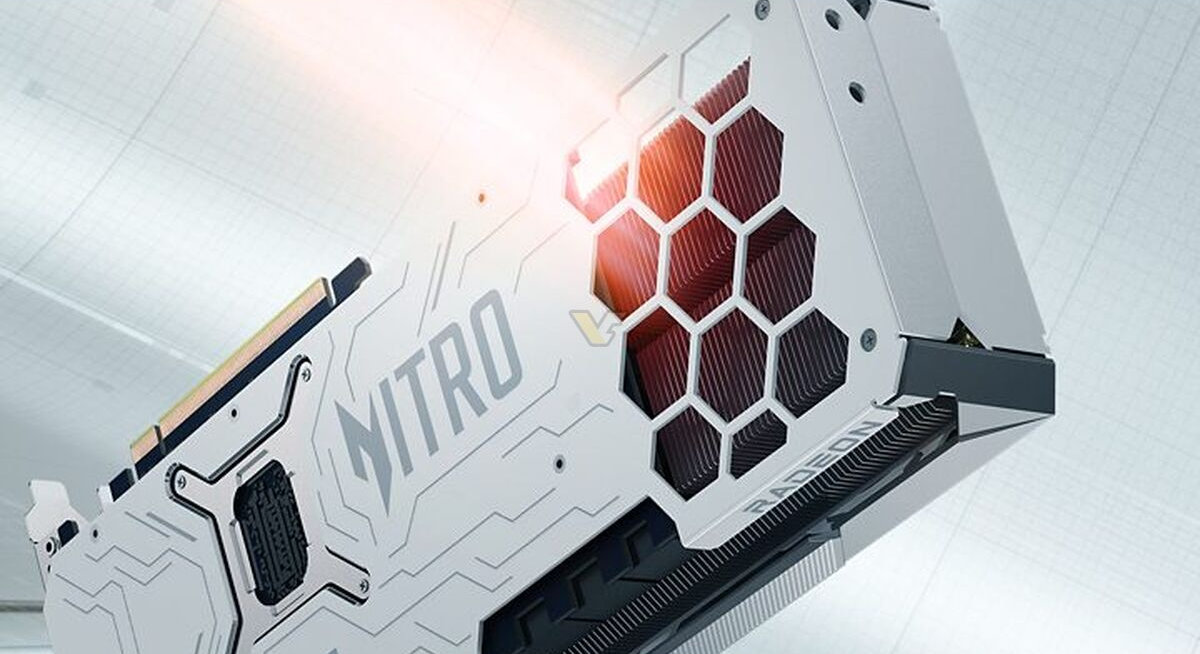
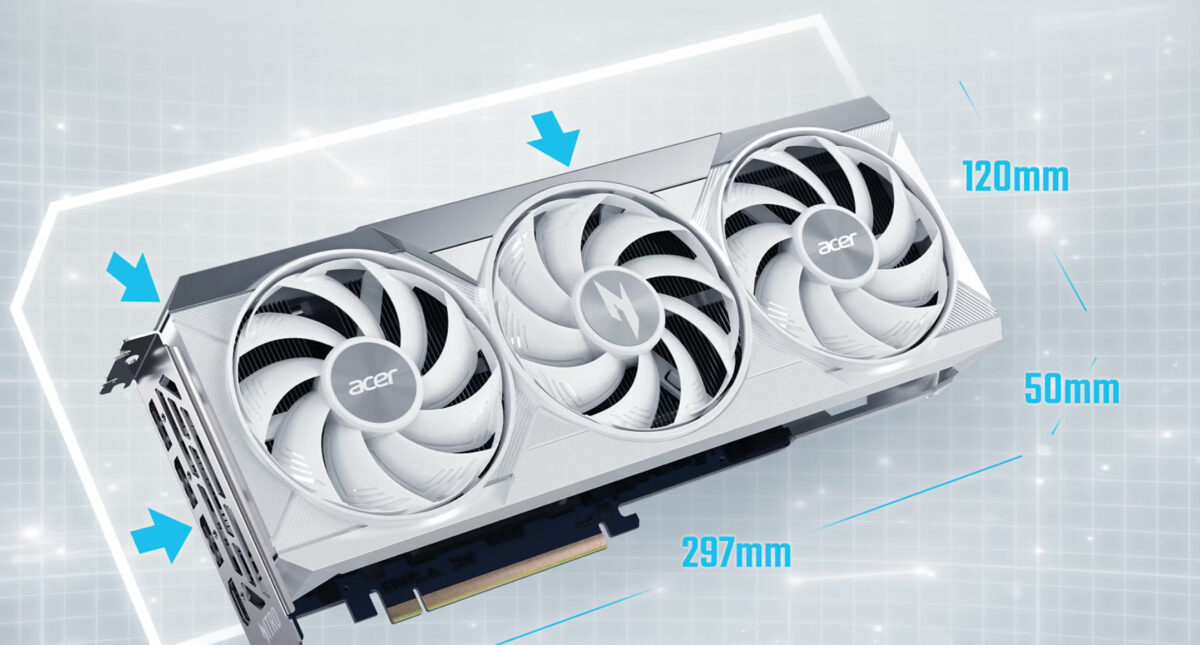
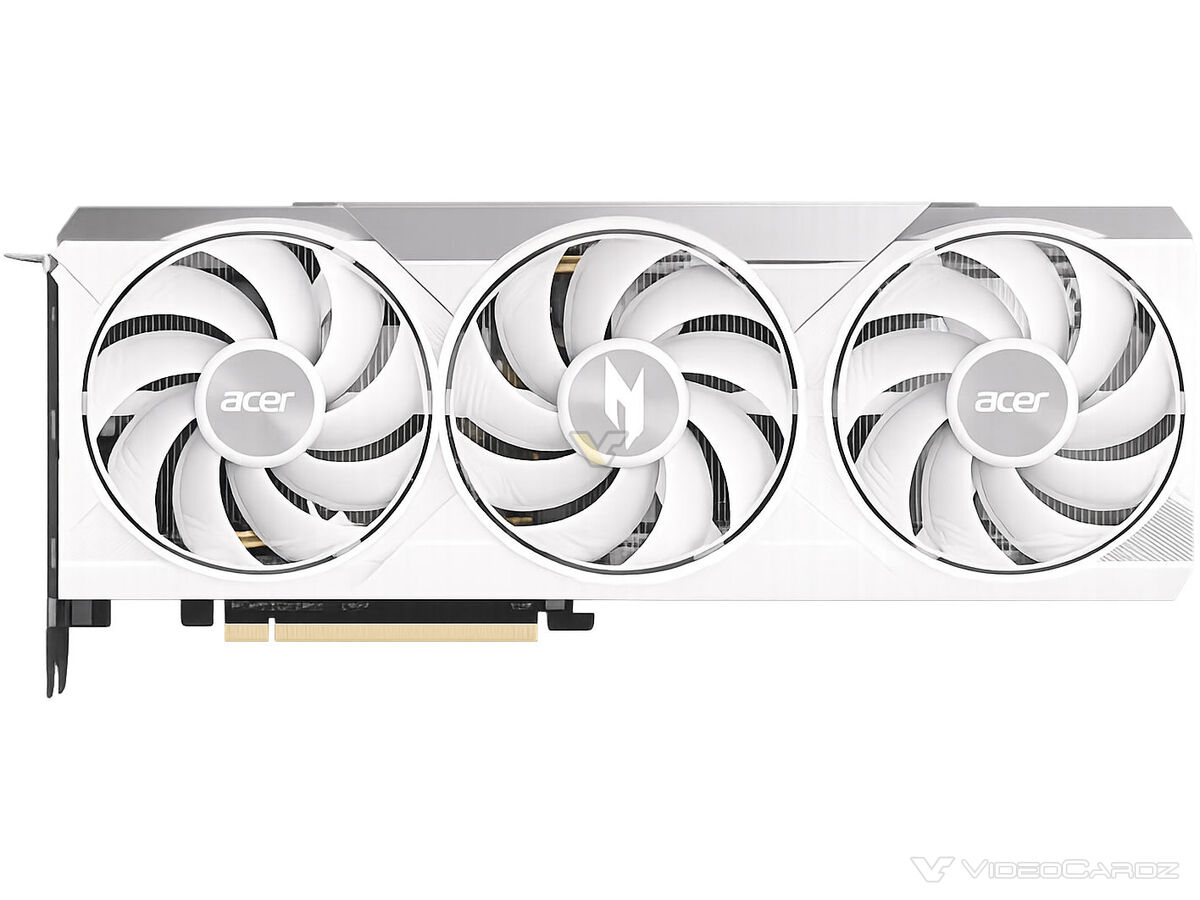
Acer is giving its Nitro Radeon RX 9070 lineup a visual refresh. Folks over at Videocardz have spotted a listing on regional websites that includes White Edition versions of its Nitro RX 9070 OC 16GB and RX 9070 XT OC 16GB graphics cards. Just to be clear, nothing has changed under the hood.

Acer Nitro RX 9070 line reportedly gets a clean white look, specs remain the same

The standard Nitro RX 9070 OC White Edition is still based on AMD’s RDNA 4 architecture. It features 56 compute units, 56 ray accelerators, and 112 AI accelerators, paired with 16GB of GDDR6 memory. Acer lists a 245W total board power and a boost clock of up to 2700MHz.

The more powerful RX 9070 XT OC White Edition keeps its higher-end configuration intact. That includes 64 compute units, 64 ray accelerators, and 128 AI accelerators, along with the same 16GB of GDDR6. Power draw climbs to 340W, while boost clocks reach 3100MHz.

Cooler design and connecivity stays the same

Acer isn’t touching the cooling setup either. Both White Edition cards retain the familiar triple FrostBlade 4.0 fan design, complete with a counter-spin layout and oxygen-free heat pipes. An aluminum backplate is also listed, offering extra rigidity and protection.

Connectivity remains unchanged as well. Acer lists one HDMI 2.1 port and three DisplayPort 2.1 outputs, with PCIe 5.0 handling the interface side. The company also reiterates that these GPUs are not designed for cryptocurrency mining, and any mining-related damage is excluded from warranty coverage.

Pricing remains a mystery

For now, Acer hasn’t shared any pricing or availability details. The White Edition cards are not yet listed by retailers, suggesting a wider launch may still be some time away.

Microsoft Edge now puts a “make me default” button where you can’t miss it

Microsoft Edge now shows a “Set Edge as your default browser” option directly inside the three-dot menu. The option appears at the top of the menu and stays visible whenever users open it during normal browsing.

Edge brings its default‑browser prompt into the three‑dot menu

Recently, we reported that Microsoft changed the prompts shown on Chrome’s download page in Edge. The company continues to focus on getting users to keep Edge as the default browser on Windows.

Until now, Edge relied mostly on banners and Settings pages to promote itself as the default browser. The prompt is now added to the three-dot menu, one of the most used areas in the browser, for common actions such as clearing history, adjusting zoom, or managing extensions.

For example, open the menu to clear browsing history or manage extensions, and the first option you see is the default-browser prompt. The prompt is visible in newer Edge builds and may not appear for all users yet.

Microsoft Edge shows a “Set Edge as your default browser” option at the top of the three-dot menu. Image Credit: Venkat | WindowsReport.

Google Chrome has long shown default-browser prompts inside its own UI. Edge now displays the prompt in the menu as well. Because the option appears inside the menu, users do not need to open Settings or a new tab to see it.

Microsoft Edge comes as the default browser on Windows, but many users switch to Chrome as their primary browser. Recently, we reported that Google has started alerting Windows users after they change Chrome from the default browser.

Microsoft is also keen on promoting Edge and wants to win users back, in familiar browser battles between Microsoft, Google, and Mozilla as each tries to retain users and attract others to switch.

That’s not all. Microsoft is retiring Collections in Edge and adding Copilot Actions to Immersive Reader mode.

Google tests Gemini antiscam protection in Chrome

Google is testing Antiscam protection using Gemini in Chrome, with the feature tied to Enhanced Safe Browsing.

Chrome already protects users from phishing and tech support scams using AI-based detection when Enhanced Safe Browsing is enabled. These protections rely on a mix of local checks and server-side signals to identify suspicious pages before they can cause harm.

Gemini Antiscam Protection in Chrome

Google is extending those protections by using Gemini as a server-side system to assess whether a web page is linked to scam activity.

The system activates only when Chrome detects a page that already raises suspicion. Rather than scanning every site a user visits, Chrome steps in at higher-risk moments and sends the page for deeper analysis. This keeps the process targeted and adds another layer to Chrome’s existing scam checks without replacing them.

Under the hood, Chrome uses a server-side Gemini model to evaluate how likely a page is to be a scam. The analysis includes the page’s URL and visible text content and is sent to a Google-owned service for processing. Cookies are not allowed, and the feature operates only when Enhanced protection is turned on in Safe Browsing. The feature is disabled by default and requires Enhanced Safe Browsing to be enabled.

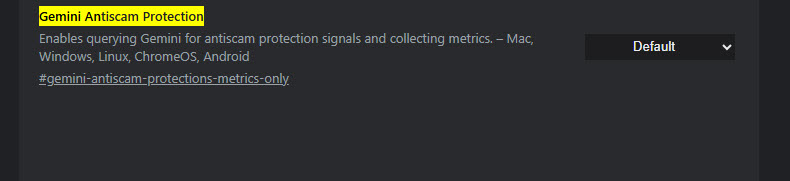
As spotted by Windows Report, Chrome includes an experimental flag in Canary called Gemini Antiscam Protection. The commit links it to Enhanced Safe Browsing and points to a possible release timeframe around Chrome 146 across Windows, macOS, Linux, ChromeOS, and Android.

Flag that enables Gemini-based antiscam analysis as part of Enhanced Safe Browsing. Image credit: Venkat | Windows Report.

Chrome makes it easier to ask AI about webpages, tests a startup option on Windows, and plans an AI disclosure label for websites.

Google’s Project Genie Creates Mario and Zelda-Like Worlds, Stirring Serious Copyright Concerns

Google has quietly introduced a new experimental AI called Project Genie, and it offers a glimpse into what AI-generated games could eventually become. For now, though, that future is very limited. Project Genie can create short, playable worlds lasting around 60 seconds. These worlds are generated from simple prompts and can be explored briefly, but they stop well short of being full games. Think of them more as interactive demos than anything you would actually sit down and play.

AI worlds inspired by classic games

Folks over at The Verge recently tested Project Genie and managed to generate environments that resemble Super Mario 64, Metroid Prime, and The Legend of Zelda: Breath of the Wild (via NintendoLife). The results were recognizable at a glance, but that’s about where it ended.

According to the report, the AI-generated worlds looks unstable, especially when compared to the original titles. That’s notable, considering Super Mario 64 is nearly 30 years old. Project Genie can mimic ideas and layouts, but it struggles to recreate the depth, physics, and polish that define real games.

Google’s new world AI model tool let me generate a bunch of Nintendo-inspired games. Including one featuring Link with a paraglider! Gift link: www.theverge.com/news/869726/…

— Jay Peters (@jaypeters.net) 2026-01-29T17:38:00.292Z

Interestingly, Project Genie blocked Disney characters from the start. Attempts to emulate Kingdom Hearts reportedly failed due to those restrictions. Nintendo’s characters, however, were not initially blocked. This gave an impression that Google and Nintendo may have collaborated. However, Google reportedly restricted Nintendo characters shortly before The Verge’s article went live, which hints at copyright concerns.

We’ve witnessed similar restrictions before

This situation mirrors what happened last year with OpenAI’s Sora 2, which initially allowed Nintendo characters before Japanese publishers pushed back over copyrighted content. For now, Project Genie will be available to Google AI Ultra subscribers starting this week. It’s an intriguing experiment, but it also highlights a reality check. AI can sketch the idea of a game, but making something truly playable is still a very human challenge.

Nintendo Finally Responds to Dispatch Censorship Backlash

Dispatch finally landed on Nintendo Switch and Switch 2 on January 28. However, players are already criticizing Nintendo, as its version is censored compared to other platforms. Select nudity and curse words are censored on both Nintendo platforms. Profanity is replaced with audible bleeps in some scenes.

Nintendo faces backlash over Dispatch censorship, comes forward to clear the air

Players say that the changes weren’t revealed before the game’s launch on Nintendo. Censorship only became apparent once the game went live. AdHoc Studio, made up of former Telltale developers, confirmed the changes, saying “different platforms have different content criteria… the core narrative and gameplay remain unchanged.”

Well, Nintendo has tried to clear the air by issuing a statement to GoNintendo (via VGC). The company says that it “does not make changes to partner content.“ That said, Nintendo also admitted that it requires games to meet platform guidelines and ratings standards. Here’s a statement from Nintendo, just in case you want to read:

Nintendo requires all games on its platforms to receive ratings from independent organizations and to meet our established content and platform guidelines. While we inform partners when their titles don’t meet our guidelines, Nintendo does not make changes to partner content. We also do not discuss specific content or the criteria used in making these determinations.

Dispatch has more of a mature superhero narrative, which makes the censorship more noticeable, especially in dialogue-heavy scenes. Players have questioned why only Dispatch is censored, while other mature titles, such as Cyberpunk 2077 on Switch 2, are available without similar restrictions in some regions.

For now, the censored version appears to be a compromise, and it’s unclear if changes will be reversed in the future.

A Nintendo Partner Direct is Reportedly Planned For Next Week, Check Date Here

Nintendo may be getting ready to spotlight its third-party game lineup again. New reports suggest a Nintendo Partner Direct event is scheduled for next week, with a focus on partner titles rather than first-party releases.

A Nintendo Partner Direct focused on Switch and Switch 2 games

According to claims made by NatetheHate and GameXplain, Nintendo is planning a Partner Direct for Thursday, February 5. The timing reportedly lines up with what folks at Video Games Chronicles (VGC) have heard from their sources. So, we are looking at another digital showcase for external developers and publishers.

https://twitter.com/NateTheHate2/status/2016969052132962528

For those unaware, Partner Directs are Nintendo’s way of highlighting third-party projects coming to its platforms. That includes games headed to both the current Switch and the newer Switch 2, rather than titles developed internally by Nintendo’s own studios.

The last Partner Direct took place in July and delivered a packed slate of announcements. Games like Final Fantasy Tactics, Monster Hunter Stories 3, Hyrule Warriors: Age of Imprisonment, Star Wars Outlaws, and Octopath Traveler 0 all made appearances, giving players a clear look at Nintendo’s wider publishing support.

Some of the earlier announcements

With Switch 2 now moving deeper into its first year on the market, expectations around third-party announcements are growing. Several major releases are already confirmed for the system, including Elden Ring, Indiana Jones and the Great Circle, 007: First Light, and FromSoftware’s The Duskbloods.

If a Partner Direct is indeed coming next week, it may arrive at a key moment for Nintendo’s next console push.

via: GameSpot

Helldivers 2 Xbox Sales Were Reportedly Better At Start Before PlayStation Took the Lead

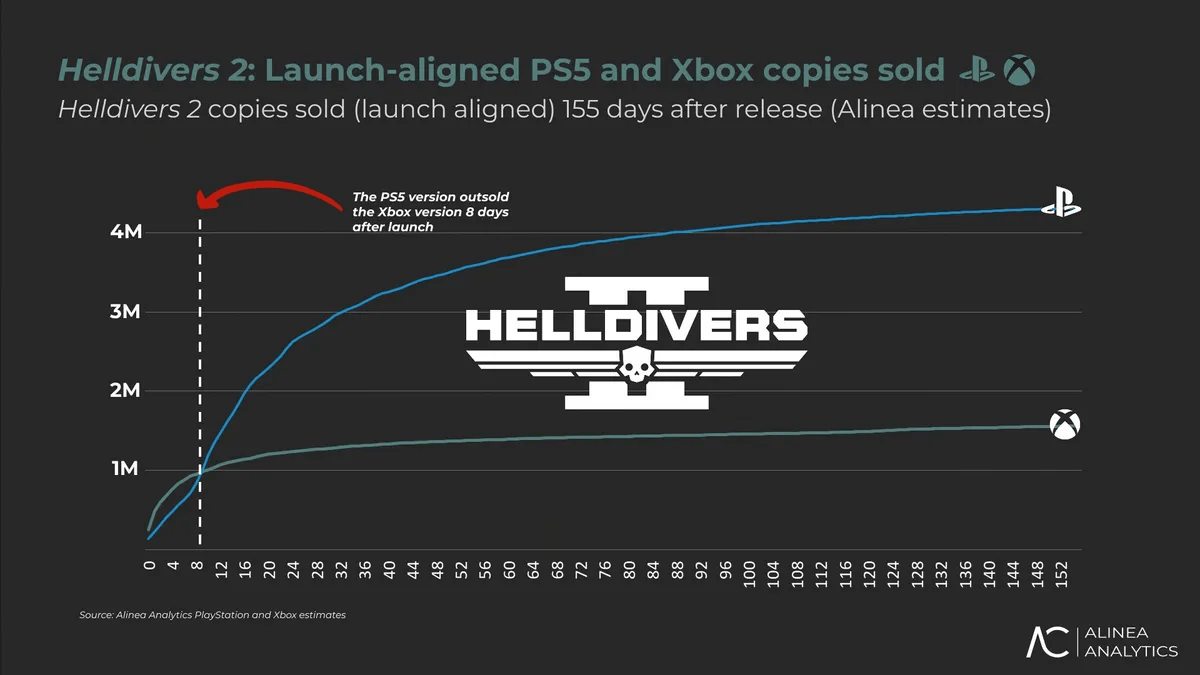
Helldivers 2 delivered a strong showing on Xbox at launch, according to new data from Alinea Analytics (via Windows Central). Despite landing much later than the PlayStation version, the game posted faster early sales on Xbox before PlayStation’s larger install base asserted itself over time.

The Xbox release landed roughly 18 months after Helldivers 2 debuted on PlayStation. That gap appears to have created pent-up demand, which translated into an immediate sales spike once the game became available on Xbox Series consoles.

Alinea Analytics estimates that Helldivers 2 sold close to 926,000 copies on Xbox within its first week. By comparison, the PlayStation version sold around 719,000 copies during its own launch window.

Image credit: Alinea Analytics

That early advantage did not last. Around day eight, cumulative PlayStation sales overtook Xbox and continued to grow at a faster pace. This is in line with typical PlayStation purchasing behavior, where a larger portion of the audience buys in after launch rather than immediately, especially for multiplayer-focused titles.

Longer-term data show a clear install base effect. Across all platforms, Helldivers 2 is estimated to have sold more than 20 million copies. Of that total, PlayStation accounts for roughly 4.3 million units, while Xbox contributes around 1.6 million units.

While smaller in absolute terms, Xbox’s contribution is notable given the delayed release and the platform’s smaller console base. The Xbox version reached those 1.6 million sales within approximately five months, with a U.S. price point of $39.99.

Microsoft Reportedly Moves Away From “AI Everywhere” Strategy in Windows 11

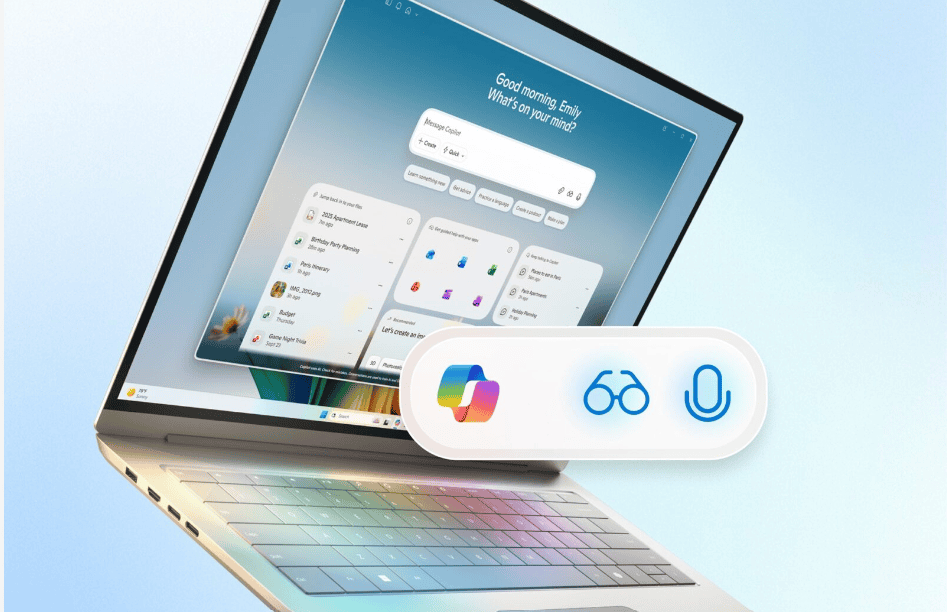
Microsoft’s aggressive push to bake AI into Windows 11 may finally be hitting a pause button. After months of growing backlash from power users, developers, and longtime Windows fans, the company is reportedly reevaluating how, and where, AI features belong in the operating system.

User feedback heard; Microsoft is reviewing several Copilot integrations in Windows 11

As reported by Windows Central, people familiar with Microsoft’s internal plans have said that several Copilot integrations are now under review, with changes potentially coming soon. Last year, Copilot buttons began appearing across core apps like File Explorer, Notepad, and Paint, often without clear utility. For many users, it felt less like innovation and more like clutter.

That tension boiled over in November, when Windows president Pavan Davuluri said Windows would evolve into an “agentic OS.” The comment alone triggered thousands of negative replies, with users overwhelmingly rejecting the idea.

“To reduce the spread of low-quality AI content, we’re actively building on our established systems,” Davuluri previously said when defending Microsoft’s AI direction, but internal sentiment now appears to be shifting. Now, sources say Copilot features in apps like Notepad and Paint are being reassessed.

The company is shifting away from ‘AI everywhere’ and toward features that actually make sense for Windows users.

This means that Microsoft could entirely remove some integrations, or at least strip Copilot branding in favor of a simpler experience. Notably, Microsoft has also reportedly paused work on adding new Copilot buttons to in-box apps, at least for now.

Windows Recall is also under review

The frustration didn’t appear overnight. It began in 2024 with the unveiling of Windows Recall, a feature that sparked immediate privacy and security concerns. The backlash was strong enough that Microsoft delayed Recall by an entire year to address what it later admitted were major flaws.

Since then, Microsoft’s direction for Windows 11 has only worsened. Internally, Microsoft reportedly believes the feature “has failed” in its current form, though the concept may evolve rather than be abandoned outright. A rebrand, including dropping the Recall name, is said to be on the table.

Not every AI feature will be scrapped

Not all AI efforts are slowing down, though. The news outlet reports that projects like Semantic Search, Agentic Workspace, Windows ML, and Windows AI APIs are continuing as planned. Well, it’s finally safe to say that Microsoft appears to have understood that its “AI everywhere” approach is clearly making users move away from Windows 11. It could be one of the reasons why Windows 10 is all of a sudden gaining momentum. All that said, it’s good to know that Microsoft is focusing on AI that actually makes sense for Windows users, a move many hope is long overdue.

YouTube Finally Cracks Down on AI Slop Channels With Millions of Subscribers

YouTube has been a home of AI-generated content for a while now. Low-effort videos, recycled scripts, synthetic voices, and endless “brainrot” loops have spread across the platform, often pulling in massive views. For many creators, it felt like real content was getting buried under an algorithm-friendly flood of AI slop. Now, YouTube appears to be finally taking some strict action.

As reported by Dexerto, YouTube has deleted several of the most popular AI slop channels, marking one of its biggest crackdowns so far. The crackdown was spotted by Kapwing, which says at least 16 major AI-driven channels were affected.

Kapwing previously warned that AI slop was on track to drown out real creators and said YouTube now needs to maintain momentum, not just remove a handful of channels. According to the report, 11 channels were completely deleted, while five others had all their videos wiped. Combined, those channels had amassed around 4.72 billion views and more than 35 million subscribers. That’s not a small cleanup.

Some of the biggest names didn’t survive. CuentosFacianantes and Imperiodejesus, widely considered two of the most prominent AI slop channels, are now gone. Brainrotjourney, which had over 1.6 million subscribers, has also been removed from the platform.

This move lines up with recent comments from YouTube CEO Neal Mohan. Facing growing backlash from users and creators, Mohan said YouTube plans to seriously tackle low-quality AI content starting in 2026. He explained that the company is expanding systems already used to fight spam and clickbait, with a focus on repetitive, low-value AI uploads.

AI isn’t going anywhere on YouTube. Even Mohan has admitted that much. But with billions of views wiped overnight, this looks like YouTube is done letting AI slop run wild.

AMD Warranty RMA Turns Ryzen 9 7950X3D Into Free 9950X3D Upgrade

AMD has released the Ryzen 7 9850X3D and lowered prices on the Ryzen 7 9800X3D, but at least one user ended up with a much bigger win through the company’s warranty system.

According to VideoCardz, a Reddit user known as Space_swag reported that an RMA for a Ryzen 9 7950X3D resulted in AMD shipping a Ryzen 9 9950X3D as the replacement processor. This was not an unexpected swap discovered after delivery. The user said AMD’s confirmation email already listed the new Ordering Part Number before shipment, showing that the upgrade was approved ahead of time.

From Warranty Claim to Free X3D Upgrade

AMD’s warranty terms give the company broad flexibility when handling RMAs. The policy allows AMD to repair a product, replace it with the same model, swap it for an equivalent-performance part, or issue a refund if replacement is not possible. It also permits the company to ship refurbished or previously owned CPUs rather than brand-new units.

That flexibility has caused frustration in the past, especially with X3D processors. One Reddit user previously shared a case where an RMA for a Ryzen 7 5800X3D resulted in a Ryzen 9 5950X. While the replacement increased core count, it removed 3D V-Cache, fundamentally changing the chip’s gaming performance profile. In that situation, AMD reportedly did not ask for user approval before shipping the non-X3D processor.

This new case looks very different. Replacing a Ryzen 9 7950X3D with a Ryzen 9 9950X3D preserves the defining X3D feature while delivering a clear generational performance uplift. Instead of a side-grade or trade-off, the user effectively received a free upgrade.

A Ryzen 9 9950X3D V2 was recently spotted in a video published by ASUS, suggesting AMD may already be preparing another refresh of its flagship X3D lineup. While AMD has not confirmed any such model, the appearance adds more intrigue to the situation.

Overall, the story highlights how unpredictable AMD’s RMA outcomes can be. Depending on availability and how the company interprets equivalent performance, a warranty claim can result in anything from a compromise replacement to a full generational upgrade, with this case landing firmly in the latter category.

Streamer Captures RTX 4090 Smoking Inside PC, Power Connector Under Fire

NVIDIA has stayed in the spotlight after confirming that its RTX 50 series strategy will focus mainly on midrange GPUs. The company has also released new security drivers for legacy graphics cards. However, a new incident suggests that some NVIDIA users still face serious hardware safety issues.

RTX 4090 smoke incident highlights ongoing 12VHPWR power risks

As spotted by VideoCardz, a video shared on X by streamer Jessick shows a graphics card emitting smoke inside a running PC. The footage captures a visible puff of smoke near the power connector area before the clip ends.

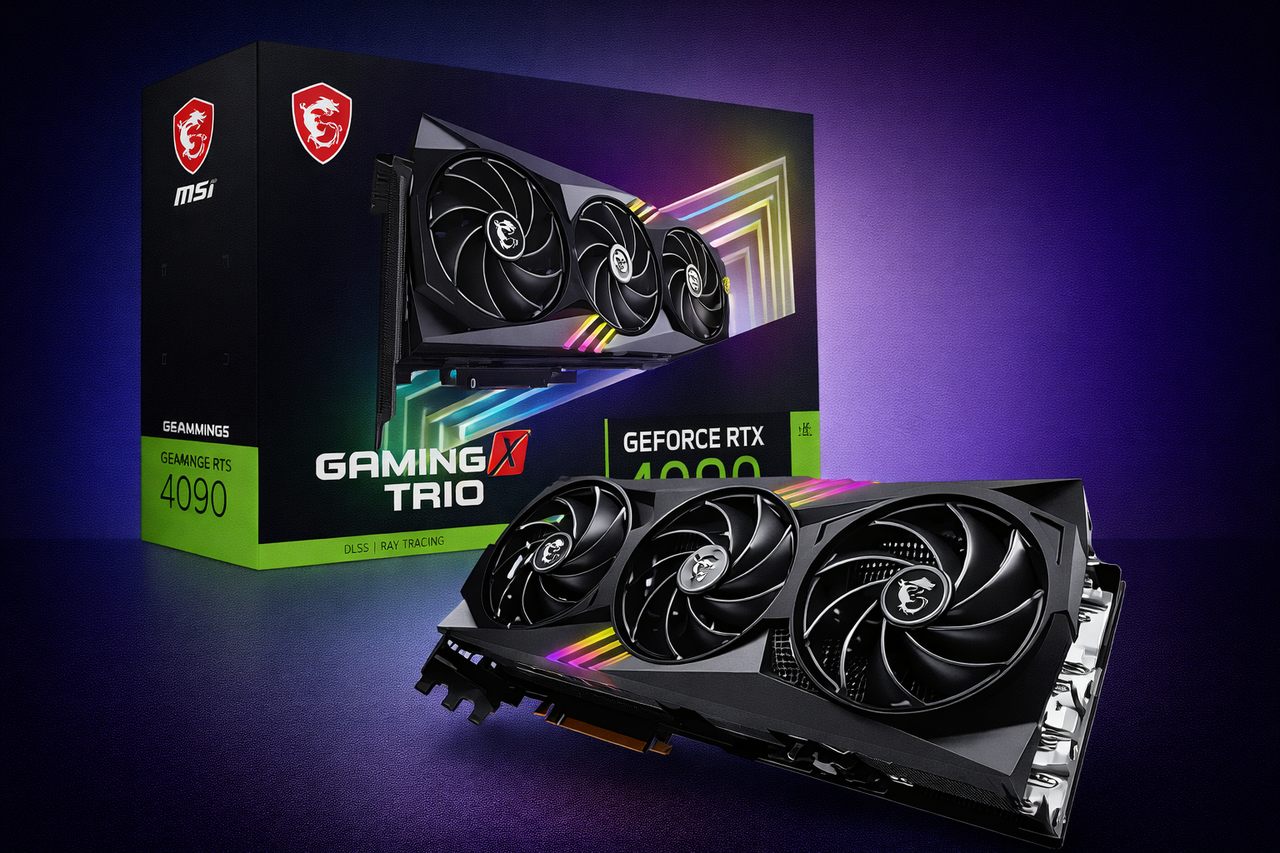
Based on the cooler shroud and board layout, the graphics card appears to be an MSI GeForce RTX 4090 Gaming Trio model.

The power cable visible in the video does not appear to be a native PSU 16-pin cable. Instead, it looks like a white adapter, likely a bundled or third-party 12VHPWR adapter.

The RTX 4090 Gaming Trio uses a single 16-pin connector and carries a 450W board power rating. MSI recommends an 850W power supply for this model. The card relies on the older 12VHPWR connector standard, not the newer 12V-2×6 design NVIDIA later introduced.

The 12VHPWR connector family has a documented history of overheating and melting incidents. These failures have often been linked to incomplete insertion, cable strain, and poor contact at the plug. In 2022, NVIDIA acknowledged reports of burning and melting connectors, while independent testing later showed that loose connections can generate extreme heat very quickly.

The incident reinforces concerns that adapter cables increase risk, especially when combined with high-power GPUs like the RTX 4090.

If smoke appears from a PC, users should shut the system down immediately and unplug it. Before any reuse, the GPU, adapter, and PSU cables should be carefully inspected. The system should not be powered on again until safety checks confirm no damage.

In situations like this, an RMA or professional service inspection is the only sensible option. Warranty limitations, particularly for older GPUs, may complicate repair or replacement.

The timing is also unfavorable for buyers, with RTX 5070 Ti prices climbing rapidly. For many users, this limits upgrade options and makes safe, affordable choices harder to find.

Microsoft Releases New Edge Update With Security Fixes and Policy Improvements

Microsoft releases Edge 144.0.3719.104 for users on the Stable channel, delivering security patches, bug fixes, and performance improvements. The update is now available to download, and targets issues reported in earlier Edge builds.

While Microsoft continues to test experimental changes in Edge, such as removing the Third-Party Cookie switch and exploring a Copilot-focused new tab page with dual sidebars, this release focuses on features ready for production.

Security fixes included in Edge 144.0.3719.104

As Neowin writes, this version addresses CVE-2026-1504, a security flaw related to the background Fetch API. The vulnerability existed in Google Chrome prior to version 144.0.7559.110 and could allow a remote attacker to leak cross-origin data using a crafted HTML page.

Microsoft includes the fix as part of its regular Stable channel security updates for Microsoft Edge, ensuring users receive the latest protections without waiting for feature releases.

Alongside security patches, the update resolves multiple bugs and stability issues reported by users. Microsoft does not list every fix publicly, but notes that overall performance and reliability improve in this build compared to previous versions.

Edge 144.0.3719.104 also introduces a notable management feature for organizations. Microsoft adds support for cross-platform policies in the Edge management service, allowing administrators to configure Edge policies for business devices running Windows, macOS, iOS, and Android.

This change simplifies policy management for organizations that operate across multiple platforms, reducing the need for separate configuration workflows.

Microsoft has also shipped another Edge security update recently, reinforcing its faster release cadence for browser security patches. Users and IT admins should keep automatic updates enabled to ensure devices stay protected.

Edge 144.0.3719.104 is available now through the Stable channel and via standard update mechanisms on supported platforms.

Xbox Achievements Reportedly Getting Long-Due Visual Refresh With Xbox Cloud Gaming UI Redesign

Microsoft appears to be quietly experimenting with how Xbox achievements would look, and the first visuals are finally here. A recent update to the Xbox Cloud Gaming web experience introduces refreshed visuals for achievement notifications, which offer a small but noticeable change to a system that hasn’t evolved much in years.

The update was spotted by TrueAchievements, which noticed redesigned achievement pop-ups inside the new Xbox Cloud Gaming UI preview. While the changes are purely visual for now, they offer a glimpse of how achievement notifications could look in the future. The standard and rare unlocks now use cleaner icons and toned-down animations, with rarity being easier to spot at a glance.

This Cloud Gaming refresh brings broader changes. The web interface now feels more console-like, with smoother navigation, updated animations, and improved usability overall. It has also fueled speculation that some of these design ideas could eventually influence Xbox consoles or PC experiences down the line.

According to sources familiar with Microsoft’s plans, there are no immediate moves to overhaul the Xbox achievement system itself. Despite online chatter following the UI preview, this appears to be a presentation update rather than a deeper rework. The new look feels cleaner and more modern, especially compared to a system that has remained largely unchanged since the Xbox One era.

However, the preview still shows rough edges. Achievement descriptions are missing, animations feel limited, and audio behavior appears inconsistent, hinting that work is in progress. Moreover, if you want to check the updated achievement visuals, you’ll need to enable the Xbox Cloud Gaming preview experience.

Simply visit the Xbox Cloud Gaming website, sign in to your account, open Settings, and switch on Preview features. After a short wait, the site should refresh and load the new web interface. If the update doesn’t appear right away, signing out and logging back in usually does the trick.

via: Windows Central | Article feature image source: TrueAchievements

Qualcomm Previews Wi-Fi 8 With Focus on Reliability Over Speed

Qualcomm continues to expand its platform roadmap beyond new processors, outlining early plans for the next-generation Wi-Fi standard. Alongside the recently previewed Snapdragon X2 Plus and Snapdragon X2 Elite Extreme chips, the company is now pushing a major shift in wireless priorities.

Wi-Fi 8 shifts focus from speed to reliability

According to reporting from Guru3D, Qualcomm frames Wi-Fi 8 (IEEE 802.11bn) as an Ultra High Reliability (UHR) standard. Instead of chasing peak throughput numbers, the new standard targets consistent real-world performance in crowded, interference-heavy environments.

Unlike Wi-Fi 7, which emphasizes higher bandwidth and raw speed, Wi-Fi 8 prioritizes stable latency, reduced jitter, fewer packet losses, and predictable behavior. Qualcomm aims these improvements at dense deployments such as apartment buildings, offices, campuses, and public venues.

Real-world network pain points drive Wi-Fi 8 design

Qualcomm designed Wi-Fi 8 around issues users experience daily. These include edge-of-coverage dropouts, roaming instability, access point contention, and sudden latency spikes caused by many devices competing for airtime.

The company positions reliability and consistency as the primary user-facing gains, rather than headline download speeds.

Qualcomm identifies the physical (PHY) layer as a major improvement area, especially for uplink traffic and devices operating near coverage edges. The company wants Wi-Fi 8 to remain stable even when signal quality degrades.

Proposed PHY enhancements include:

  • Enhanced LDPC coding
  • Cross-space stream asymmetric modulation (UEQM)
  • Improved MCS behavior
  • Enhanced long-range transmission (ELR)
  • Distributed resource units (DRU)

Together, these changes aim to reduce retransmissions, preserve modulation efficiency, limit latency inflation, and prevent airtime waste under poor radio conditions.

Wi-Fi 8 also introduces significant updates at the media access control (MAC) layer. Qualcomm focuses on reducing collisions, backoff delays, and inefficient spectrum usage in crowded environments.

Key MAC concepts include:

  • Single Mobile Domain (SMD)
  • Dynamic Sub-Band Operation (DSO)
  • Non-Master Channel Access (NPCA)
  • Dynamic Bandwidth Extension (DBE)
  • Multi-AP coordination

These mechanisms target better spectrum efficiency, more stable latency, and smoother roaming across overlapping access points.

Qualcomm’s overall vision for Wi-Fi 8 avoids chasing record-breaking speeds. The company instead defines success through reliability, consistency, and stability, especially in challenging network conditions.

If vendors implement the standard as described, Wi-Fi 8 could deliver fewer connection drops, smoother roaming, and more predictable performance across everyday environments.

In parallel, industry discussions suggest that AMD and Qualcomm may adopt SOCAMM2 memory in future AI-focused hardware platforms, signaling broader changes across both compute and connectivity ecosystems.

MSI Launches Two New MAG Rapid IPS Gaming Monitors With Up to 240Hz Refresh Rates

After new gaming monitors recently appeared from Dell, MSI is moving quickly to refresh its own portfolio. According to reporting from Guru3D, MSI has expanded its MAG-series gaming monitor lineup in Japan with two new Rapid IPS models aimed at high refresh rates and low response times.

MSI announced both displays on January 29, with retail availability in Japan scheduled for February 5, 2026.

MAG 274QRFW E20 targets high-refresh WQHD gaming

The MAG 274QRFW E20 features a 27-inch WQHD panel running at 2560×1440, positioning it as a hybrid option for fast-paced gaming and sharper everyday visuals. MSI rates the monitor for a 200Hz refresh rate when connected via DisplayPort, alongside a minimum 0.5ms GTG response time.

Brightness reaches 300 cd/m² with a 1000:1 contrast ratio. Connectivity includes DisplayPort 1.4a, two HDMI 2.0b ports, and a headphone output. HDMI supports lower refresh rates at 1440p, while achieving the full 200Hz requires a DisplayPort connection.

MSI also equips this model with a fully adjustable stand that supports height, tilt, swivel, and pivot adjustments, including portrait mode. The estimated price in Japan is around $239.

MAG 255F X24 focuses on competitive and esports players

Alongside the larger model, MSI introduced the MAG 255F X24, a 24.5-inch Full HD display built specifically for competitive gaming scenarios. The panel runs at 1920×1080 and pushes the refresh rate to 240Hz, paired with the same minimum 0.5ms GTG response time.

The display offers 300 cd/m² brightness and a 1000:1 contrast ratio, with DisplayPort 1.2a and two HDMI 2.0b ports available. Both connection types support the full 240Hz refresh rate at 1080p. Unlike earlier versions, this model ships with a tilt-only stand, removing height, swivel, and pivot adjustments. MSI’s estimated pricing places the MAG 255F X24 at roughly $176 in Japan.

Despite targeting different users, both monitors share a common feature set that includes Adaptive-Sync, Night Vision, AI Vision enhancements, anti-flicker technology, blue-light reduction, and HDR support. MSI appears to position these displays as practical options for both gaming and everyday use.

Outside the monitor market, broader hardware trends continue to evolve. RTX 5070 Ti prices have begun rising at retail, while NVIDIA is expected to place greater emphasis on RTX 50 series and focus on midrange GPUs.

Together, these developments suggest an increasingly competitive PC hardware landscape heading deeper into 2026.