Pinball FX3 launches on Windows 10 & Xbox One, supports all old tables

Pinball FX 3, the latest pinball simulator video game from Zen Studios, is now available on Windows 10 and Xbox One, and the free-to-play game supports Xbox Play Anywhere. Even better, the game lets you unlock all previous Pinball FX2 / Zen Pinball 2 purchases for free: to do so, you’ll have to select the “Import Tables” button on the main Pinball FX3 dashboard (the process works on both the Windows 10 and Xbox One versions, and you can get more details on this FAQ).

For those unfamiliar with the series, here is the game’s official description and launch trailer:

Pinball FX3 is home to the most exciting pinball library, with tables based on the biggest brands in entertainment including Star Wars, Marvel, Aliens, Bethesda, Family Guy, TellTale’s The Walking Dead, Portal and more! All tables feature challenging new game modes, table upgrades and power-ups, unlockable bonus items and more.

Pinball FX 3 looks to be a cool casual game and a nice addition to the Xbox Play Anywhere catalog. If you’re interested, you can get it for free from the download link below.

Pinball FX3
Pinball FX3
Developer:
Zen Studios
Price:
Free

Attempt to release mutex not owned by caller [Fix]

Attempt to release mutex not owned by caller is a system error and it can occur on almost any PC. This error comes with ERROR_NOT_OWNER code, and today we’re going to show you how to fix this problem on your Windows 10 PC.

How to fix ERROR_NOT_OWNER error?

Fix – ERROR_NOT_OWNER

Solution 1 – Install the latest updates

The simplest way to fix this problem is to install the latest Windows updates. Windows 10 usually installs important updates automatically, but sometimes you can miss an important update due to certain bugs. If that’s the case, it’s highly advised to check for updates manually. To do that, follow these steps:

  1. Press Windows Key + I to open the Settings app.
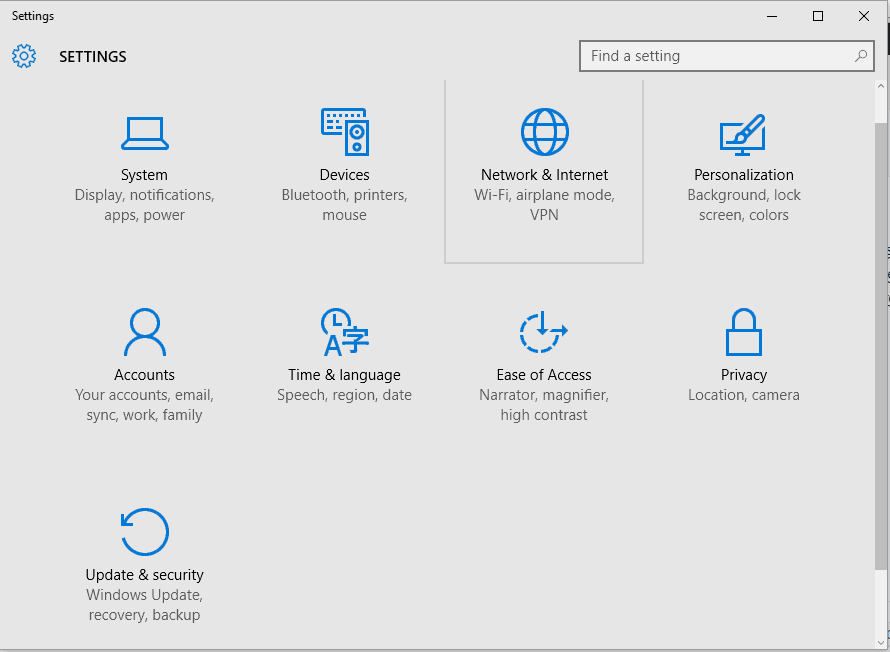
  2. Once you do that, navigate to Update & security section. Now click on Check for updates button. Windows 10 will now automatically search for updates and download them in the background.

After downloading and installing the latest updates, check if the problem is resolved. Windows 10 might have couple of bugs and compatibility issues, but Microsoft is working hard to fix them through Windows updates. To ensure that your PC is bug-free, we strongly recommend to keep your PC up to date.

Solution 2 – Use the correct IP address

Several users reported Attempt to release mutex not owned by caller message while trying to use a printer. According to users, they were unable to access the printer over the web. As a potential solution users are suggesting to use the printer’s IP address to access it instead of its name. After doing that, you should be able to access your printer without any problems.

Solution 3 – Install the latest drivers

This error can occur with various devices, and if you’re having this problem you might want to try updating your drivers. To do that, simply visit the manufacturer’s website and locate your model on the list. Download the latest drivers for your device and install them. After installing the latest drivers check if the problem still persists.

If you’re using an USB device, it’s also a good idea to update your motherboard drivers. Simply go to your motherboard manufacturer’s website and download the latest drivers. After installing the latest drivers, check if the problem still appears.

Solution 4 – Reinstall your drivers

As previously mentioned, sometimes drivers can cause this problem to appear. If that’s the case, you need to find and reinstall the problematic drivers. To do that, follow these steps:

  1. Press Windows Key + X to open Win + X menu. Choose Device Manager from the list.
  2. Locate the problematic device on the list, right click it and choose Uninstall device.
  3. Confirmation dialog will now appear. Click on Uninstall.
  4. After doing that, you need to install your drivers again. You can follow the instructions from previous solution and install the latest drivers from the manufacturer. Alternatively, you can click Scan for hardware changes button and let Windows install the missing drivers automatically.

After reinstalling the drivers, check if the issue still appears.

Solution 5 – Check your antivirus software

Even though antivirus software is necessary, sometimes it can cause this and other errors to appear. Many antivirus tools tend to enforce certain security policies, and that can prevent devices and applications from running properly. To fix this problem, you need to check your antivirus configuration and try disabling certain features. If you’re not familiar with antivirus and computer security you might have issues finding the problematic feature.

Alternatively, you can try disabling your antivirus entirely. Even if you choose to disable your antivirus your PC won’t be completely vulnerable. Windows 10 comes with Windows Defender that works as a default antivirus software, so even if you disable your antivirus you’ll remain protected. After disabling the antivirus check if the problem still persists. In most cases you can disable your antivirus as a temporary workaround.

Lastly, you can also try to uninstall your antivirus software. Keep in mind that antivirus tools can leave certain files and registry entries behind even after you uninstall them. Those files can also cause this problem, so we advise you to use a dedicated removal tool for your antivirus to remove it. Many antivirus companies offer these tools for their software, so be sure to download and use one for your antivirus.

After removing the antivirus software entirely, check if the problem still appears. If removing the antivirus fixes the issue, you need to switch to a different antivirus software or update your antivirus to the latest version.

Solution 6 – Enter Safe Mode

If this problem appears frequently, it might be caused by third-party applications. To check if that’s the problem, you can navigate to Safe Mode. Safe Mode is a special segment of Windows that runs with default drivers and apps, so it’s perfect for troubleshooting. To enter Safe Mode, do the following:

  1. Open the Start Menu and click on Power button. Press and hold the Shift key and choose Restart from the menu.
  2. Choose Troubleshoot > Advanced options > Startup Settings and click the Restart button.
  3. Once your PC restarts you’ll see a list of options. Select any version of Safe Mode by pressing the appropriate keyboard key.
  4. Once you enter Safe Mode, check if the problem appears.

If the problem doesn’t appear in Safe Mode it’s possible that one of your applications is causing this issue. In order to fix the problem you need to remove any recently installed or updated applications.

Solution 7 – Perform a Clean boot

Third-party applications can sometimes cause this error to appear, and in order to prevent it you need to find and disable the problematic application. Many applications and services start automatically with Windows causing this problem to appear. To find the problematic application, you need to disable all startup applications and services. This is relatively simple and you can do it by following these steps:

  1. Press Windows Key + R and enter msconfig. Click OK or press Enter.
  2. Go to Services tab and check Hide all Microsoft services. Now click on Disable all button.
  3. Go to Startup tab and click on Open Task Manager.
  4. Once Task Manager opens, you’ll see a list of all startup applications. Select any application on the list and choose Disable from the menu. Repeat this step for all entries on the list.
  5. After disabling all startup applications, close Task Manager and go to System Configuration window. Click Apply and OK to save changes.

After disabling all startup applications and services you need to restart your PC to apply changes. Once your PC restarts check if the problem still appears. If not, it means that one of the disabled applications or services was causing the problem. To find the problematic application you need to repeat the same steps and enable services and applications one by one or in groups. Keep in mind that you need to restart your PC for every set of services or applications that you enable.

After finding the problematic application, you can keep it disabled, uninstall it or update it to the latest version in order to fix the problem.

Solution 8 – Restore Windows

If this error started appearing recently, you might be able to fix it by restoring your system. To do that, you need to use System Restore feature. This is a useful tool and it allows you to restore your system to the previous state. To use this tool, you need to do the following:

  1. Press Windows Key + S and enter system restore. Choose Create a restore point from the menu.
  2. System Properties window will now appear. Click on System Restore button.
  3. When System Restore window opens, select Choose a different restore point and click on Next.
  4. Check Show more restore points option and select the desired restore point. Click Next to proceed.
  5. Follow the instructions on the screen to complete the restoration process.

Once the restore process is finished, the error should be resolved completely. Keep in mind that this method can cause you to lose any recently saved files, so you might want to back them up before restoring your system.

Solution 9 – Reset Windows 10

If the problem still appears, you might want to consider resetting Windows 10. We have to warn you that this process is similar to clean install, so it will remove all applications and files from your system drive. To avoid file loss we strongly advise you to create a backup before resetting Windows 10. In addition to backup, you might also have to create a Windows 10 installation media. You can do that with ease using Media Creation Tool. After backing up your files, you can reset Windows 10 by following these steps:

  1. Open Start Menu, click the Power button, press and hold the Shift key and choose Restart from the menu.
  2. Choose Troubleshoot > Reset this PC > Remove everything.
  3. If prompted to insert installation media, be sure to do so.
  4. Select your version of Windows and choose Only the drive where Windows is installed > Just remove my files.
  5. Review the changes that reset will make. Click on Reset button to start.
  6. Follow the instructions on the screen to complete the reset.

After resetting your PC, check if the problem still appears. If not, install all your applications again and move your files from the backup. This is a drastic solution since it will remove all your files from the system drive, so use it only if other solutions can’t fix the problem.

Attempt to release mutex not owned by caller message and ERROR_NOT_OWNER error are system errors and they can cause certain problems on your PC. Fortunately for you, these errors are relatively simple to fix and you should be able to fix them by using one of our solutions.

READ ALSO:

FIX: Windows 10/11 ESRV.EXE application error (0xc0000142)

Windows 10 updates are there to improve your overall Windows experience. These updates address recently reported bugs, add new security patches and bring new features and apps that can optimize and customize the way you are using your desktop or notebook. But, along with the regular bug fixes, the same updates can also bring issue of their own, which will eventually cause system malfunctions. Well, that’s the same case when discussing about the esrv.exe application error (0xc0000142).

This Windows 10 error code is related with the latest Windows 10 update – the Windows Creators Update. It seems that when the system was updated, the Creators firmware messed up the Intel Driver Update Utility. So, chances are, after installing the mentioned software you start receiving the esrv.exe application error (0xc0000142) issue.

While it’s not a major problem, it’s still quite annoying, so let’s see how we can fix this new Windows 10 Creators Update error code.

How to solve Windows 10 esrv.exe application error (0xc0000142)

Because the Windows 10 esrv.exe application error (0xc0000142) is associated with the Intel Driver Update Utility, we need to find a fix for this particular software. So, the first thing you should try to apply is an update for this program:

  1. Go to your system settings: press the Win+I keyboard hotkeys.
  2. Then, click on Devices (Bluetooth, printers, mouse).devices from windows settings 10
  3. From the page that opens, scroll down and look for Device Manager.device manager windows 10
  4. Click on that entry and then look for the Intel Driver Update Utility program.
  5. Try to update this software, if that’s possible.

If updating Intel Driver Update Utility isn’t fixing the esrv.exe application error (0xc0000142) Windows 10 bug just uninstall the same feature. You can uninstall Intel Driver Update Utility easily by following:

  1. Go to Control Panel – press Win+R hotkeys and in the RUN box enter control panel; in the end press Enter.
  2. In Control Panel switch to Category.
  3. Next, under Programs click on Uninstall.control panel remove Intel Driver Update Utility
  4. Find the Intel Driver Update Utility software within the programs that are currently installed on your Windows 10 system.
  5. Select that entry and then choose ‘uninstall’.
  6. Follow on-screen prompts and complete the uninstall process.
  7. Restart your Windows 10 device when you are done.

There you have it; that’s how you can fix the esrv.exe application error (0xc0000142) bug that’s associated with the Windows 10 Creators Update.

If you are still getting “The application was unable to start correctly (0xc0000142) error after applying the steps from this tutorial, click OK to close the application” message error.

Use the comments field from down below and give us more details about the error log page. Of course, based on the details you offer, we will try to find the best fix for you.

RELATED STORIES TO CHECK OUT:

Error 0x80070456 – 0xa001b in Media Creation Tool [Fix]

Error 0x80070456 – 0xa001b can appear while using Media Creation Tool on your PC. If this happens, you won’t be able to create Windows installation media.

This can be a big problem in case of emergency, but there are ways to fix this problem, and in today’s guide, we’re going to show you have to do it.

Why does Media Creation Tool keep failing?

  • Your USB drive doesn’t meet the requirements.
  • Cache files are interfering with the processes.

In case you have further problems, our Media Creation Tool not working guide should be able to help you fix them.

How can I fix error 0x80070456 – 0xa001b?

1. Make sure you are using the right USB device

  1. Make sure the flash drive has at least 8 GB of free space.
  2. Properly format the drive before using it.
  3. It suggested using FAT32 or exFAT.

2. Reset the Media Creation Tool

  1. Make sure you are logged in with administrative privileges.
  2. Open Control Panel on your computer: press Win+R hotkeys and type Control Panel in the Run box.
  3. Switch to Large Icons and click on File Explorer Options.file explorer options
  4. Then, choose View.
  5. Under Hidden files and folders check the Show hidden files, folders and drives field.show hidden files and folders
  6. Close this window.
  7. Access This PC from My Computer.
  8. Go to the root drive of your Windows system (it’s usually the C partition).
  9. From there delete the $windows.~WS and $windows.~BT folders.
  10. Close this window.
  11. Click on the Search icon located near the Windows start button.
  12. Type Disc Cleanup and run this process.
  13. When done, go ahead and reinstall the Windows 10 Media Creation Tool from Microsoft and repeat the Windows 10 creation process.

As you can see, it’s pretty simple to fix this error message, since it’s usually caused by your cache.

This isn’t the only problem you can encounter, and many reported This tool can’t update your PC while using Media Creation Tool.

Did you find a solution to this problem on your own? If so, share your findings with us in the comments below.

How to cast your entire laptop to Chromecast using Chrome Browser

Exactly after a year of purchasing a Google Chromecast, I have now realised that I can’t live without it. While buying the Chromecast I intended to use it along with my TV (bought a unsmart TV for this purpose), however, later I came to stumble upon the other benefits of having a Chromecast.

The best part, however, was that I could get a respite from my small laptop display and instead cast the Chrome browser to my TV, which needless to say is much larger.

How to Cast the Chrome Browser?

Casting the Chrome browser to a TV or a much larger display is pretty straightforward, however, there are a few things that one should take care of. In this segment, we will walk you through the steps to configure and use the Cast function on Chrome browser.Ensure that your Chrome browser is updated to the latest version,


  • Ensure that your Chrome browser is updated to the latest version, it’s always better to check the same by heading over to Chrome>Hamburger Menu>Update.
  • Make sure that both your laptop and the Chromecast device is connected to the same Wi-Fi network.

The content from the Chrome browser can be cast to the Chromecast through several ways. I prefer pinning the Cast button to the toolbar and then choose the device I would like to cast to.

However, if you have not pinned the Cast Button simply go to Chrome Settings>Cast. If you want to cast the videos from Chrome enabled sites like YouTube simply click on the Cast Button as shown below.

Want to stop the cast? Easy just click on the Cast Button and now press the “X” mark against the device. Now the above steps mention how to cast a single web page from a Chrome Browser, this is ideal if you want to Cast a video from say Amazon Prime or YouTube but if you want to cast your entire laptop there are other ways to do so.

How to cast your Entire Laptop/Desktop using Chrome Browser

Well, I have been using this very feature to cast my work laptop on a much larger screen. The Cast option is compatible with Windows, Mac and also Chrome OS. However, the Windows has an advantage as one could also cast the audio channel. With this feature, your entire laptop screen will be mirrored. In order to Cast your laptop follow the steps below,

  • If you have pinned the Cast Button simply click on it, if not head over to the Settings menu and click on Cast. The Cast button will glow blue when your Chrome is ready for Casting.
  • In the next step, you will see a small drop-down that lets you choose the source. Select “Cast Desktop” in this option.
  • Now choose the Chromecast device you want to Cast your laptop on.

I have been able to Cast a major chunk of websites however plugins like Quicktime and VLC are not yet supported. In some cases its quite possible that the image will be displayed on the TV, however, the sound will continue playing on the laptop, this is mostly due to an incompatible website.

If you want to switch to a single tab mode just select “Cast this Tab.” One will be able to use their laptop to control the content and navigate through the websites. However, it’s always advisable to use at least a mid-range laptop since I have noticed a discernable lag in the low-end basic Windows Notebooks.

For more information on how to display content from your PC to another device, the articles below may interest you:

Microsoft Store is set to reach Windows 10 Mobile

On September 22, Microsoft rebranded the Windows Store to the Microsoft Store. The rebrand comes with a revamped logo which replaced the original. Microsoft is currently rolling out the new Store update to Windows 10 testers on the Release Preview Ring, even if the new store will not significantly change apart from its name and logo. Still, Windows 10 users might notice that the taskbar icon for the store now also has a shopping bag and a company logo.

Microsoft Store is available on all devices running Windows 10

The update was already released for Windows 10 Mobile but only a few users received it. Then, Microsoft terminated the rollout process. On the other hand, almost all Windows 10 PCs from the Release Preview Ring have received this update. For now, it looks like you can’t update the Windows Store on Windows 10 Mobile because you cannot update some first-party apps on PCs.

But don’t worry, because Microsoft is aware of the issue and is currently working on finding a fix for the bug.

The issue turned out to be a backend bug that caused a problem for the Release Preview Ring Insiders, preventing them from updating the apps on the Windows Store. As Microsoft is working intensively on this matter, the bug will probably get fixed pretty soon and the company will be able to go on as planned with the rebranding of Windows Store on Windows Phones as well.

Ss soon as the update becomes public, all of our Windows 10 smartphones will receive it and we’ll be able to check it out!

RELATED STORIES TO CHECK OUT:

Surface Phone and other third-party Windows phones to arrive next year

Brace yourselves: next year will be a productive one for Microsoft as it looks towards its next mobile device, the Surface Phone. What’s even more exciting are the many rumored third-party Windows phones that may also arrive in 2018 as well.

The Surface Phone will be the ultimate mobile device

Rumors surrounding the Surface Phone originated in 2012 and various features were reported even back then. Even the Executive Vice President and Chief Marketing Officer at Microsoft confirmed plans of a new premium Windows phones for both consumers and businesses.

Past rumors said the Surface Phone would be unveiled by the end of the year, but it turns out that Microsoft has delayed its launch until 2018 or 2019.

The latest rumors detail a Surface Phone running an Andromeda operating system will be revealed in the second half on 2018. We already know the company has been working on developing the new operating system.

OEMs will launch their Windows Phones as well

According to sources, Microsoft partners including HP, Lenovo, and Dell will launch their own Windows Mobile devices running Andromeda, so all this will be very interesting. Both the Surface Phone and third-party Windows Phones running Andromeda will probably arrive if everything goes as planned.

We still don’t know anything about Andromeda but despite that, it really looks like 2018 will be an exciting year for both Microsoft and the company’s fans — and we’re looking forward to all these releases.

RELATED STORIES TO CHECK OUT:

Preview Alpha Xbox Insiders can now transfer games and apps across their networks

A big change has finally arrived for Xbox Insiders, as announced by Brad Rossetti on Twitter. Users are now be able to transfer their games and apps across networks, cutting out the middle man and making it so that you don’t need to re-download items from the Store. It’s a nice feature that’s meant to make things convenient for people who have multiple Xbox’s in their home.

As explained by Brad, this feature is meant to “Save on bandwidth” by letting you transfer games between consoles. The idea here is that you won’t need to spend 30 or more gigs trying to download something that you already have on another console. While not every home has more than one Xbox, this still helps out a selection of people quite a bit.

Preview Alpha members should now be seeing this feature on their consoles as it went live last night at 6PM PST. Let us know if you’re finding this feature useful by dropping us a comment below.

Halo Wars 2: Awakening the Nightmare expansion now available on Xbox One, Windows 10

Halo Wars 2 came out months ago to a decent amount of praise, becoming a well-liked entry into a cult classic series, and helping to keep Halo fans interested while we wait for the next entry in the main series. For those of you who wanted to head back into the world of Halo Wars 2, there’s a brand new expansion out that can help you satisfy that need. Halo Wars 2: Awakening the Nightmare, is now available on Xbox One and Windows 10.

The new expansion will feature the introduction of The Flood back into Halo Wars, alongside of some new games modes. Beyond this, you’ll get the opportunity to get into some new campaign missions from the perspective of the Banished. If this sounds like the kind of thing you’d be interested in, you can pick it up right now for $19.99.


The Copy Functions Cannot be Used: 5 Ways to Fix

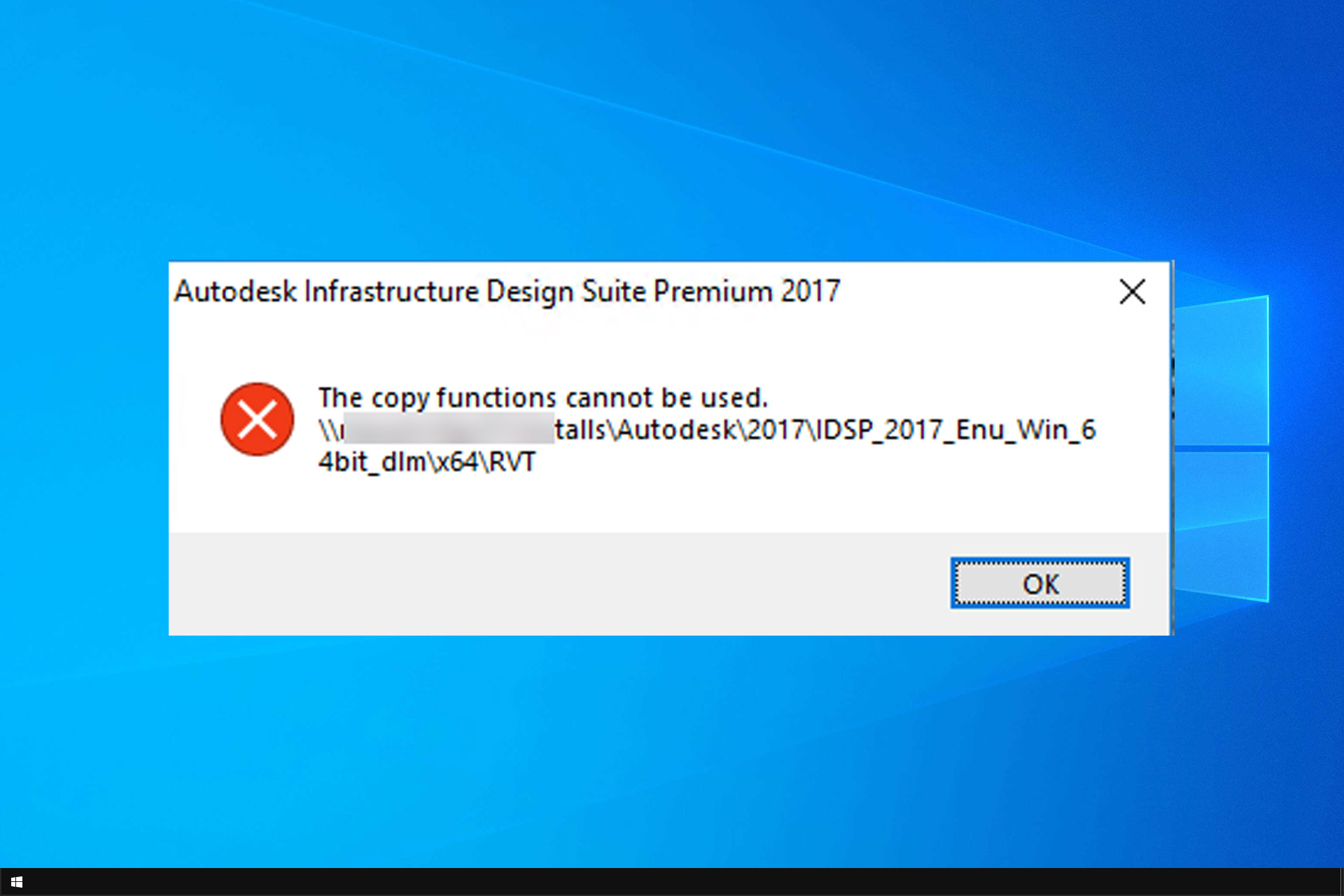
The copy functions cannot be used error message appears when installing certain applications on your PC. Unlike Another installation is in progress error, this one will block the files from copying to your system.

This can be a serious issue since it will prevent you from installing certain software completely, so it’s important to fix it.

Join us while we take a closer look at this guide and show you the best methods you can use to fix this problem.

What causes The copy functions cannot be used error?

  • Your antivirus might be interfering with the installation process.
  • If you’re using an optical drive, it might not be working properly or the disc might be dirty.
  • Antivirus can sometimes interfere with the setup process on your PC.
  • The setup.ini file isn’t properly configured.
  • Permission issues on your PC can prevent the setup from running properly.

How do I fix The copy functions cannot be used error?

Before we start fixing the issue, here are a few quick workarounds that might work if you’re using an optical drive:

  • Insert your disc into a different optical drive if you have it and check if that helps.
  • Clean the disc carefully with a soft cloth and try to run the setup file again.

1. Temporarily disable your antivirus

  1. Open Windows Security.
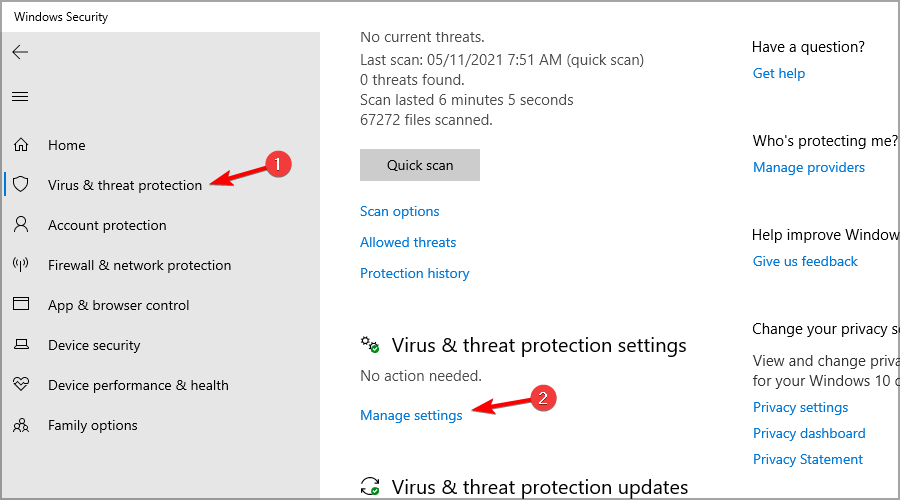
  2. Go to Virus and threat protection. In there, click on Manage settings.
  3. Turn off Real-time protection.
  4. Try to install the software again.

Disabling real-time protection isn’t advised, so be sure to use this as a temporary solution for The copy functions cannot be used error.

2. Copy the installation files to the root directory

  1. Locate the setup file.
  2. Move it to the root directory. In case you don’t know what it is, it’s C:\
  3. Try to run the setup again.

Some users also recommend disabling your antivirus before starting the setup, so be sure to do that as well.

3. Change setup.ini file

  1. Copy all installation files to your hard drive.
  2. After doing that, you need to locate setup.ini file and edit it.
  3. You need to edit EXTRA_FILES line and depending on the software you’re trying to install you need to change it as follows:
    For Autodesk Fabrication CADmep 2014: EXTRA_FILES=CADmepDBX;*.exe:*.pit:*.xml:*.mc3:*.mlm:3rdParty:CER:%lang%:EULA:NLSDL:Setup:SetupRes:Third-Party Component Open Source EULAs
    For Autodesk Fabrication CADmep 2016: EXTRA_FILES=CADmep;*.exe:*.pit:*.xml:*.mc3:*.mlm:3rdParty:CER:Content:%lang%:EULA:NLSDL:Setup:SetupRes:Third-Party Component Open Source EULAs
    For Autodesk Fabrication ESTmep 2016: EXTRA_FILES=ESTmep;*.exe:*.pit:*.xml:*.mc3:*.mlm:3rdParty:CER:Content:%lang%:EULA:NLSDL:Setup:SetupRes:Third-Party Component Open Source EULAs
    For Autodesk Fabrication CAMduct: 2016:EXTRA_FILES=CAMduct;*.exe:*.pit:*.xml:*.mc3:*.mlm:3rdParty:CER:Content:%lang%:EULA:NLSDL:Setup:SetupRes:Third-Party Component Open Source EULAs

After making the changes to the setup.ini file, save them and check if The copy function cannot be used error is gone.

4. Give Everyone access to the setup folder

  1. Locate the setup directory, right-click it and choose Properties from the menu.
  2. When Properties window opens, go to Security tab and click on Edit.
  3. Click on Add button.
  4. In Enter the object names to select field enter Everyone and click on Check Names button. Now click OK.
  5. Now select Everyone from the Group or user names section and check Full control in Allow column. Click Apply and OK to save changes.

After doing that, all users will have full access to that directory and you should be able to install the application without any errors. Even though this solution is related to AutoCAD, you can also try it with other problematic apps.

5. Perform Clean boot

  1. Press Windows key + R and enter msconfig. Click OK.
  2. Go to Services tab and check Hide all Microsoft services option. Now click on Disable all button.
  3. Navigate to Startup tab and click on Open Task Manager.
  4. When Task Manager opens, you’ll see a list of all startup applications. Select each application on the list and click the Disable button.
  5. Once you disable all startup applications, close Task Manager. Go back to System Configuration window and click on Apply and OK.

After making these changes, restart your PC or log out and log back in to your Windows 10 account. After doing that, try to install the problematic application again.

If you manage to install the app, repeat the same steps and enable all startup apps and services.

ERROR_CANNOT_COPY and The copy functions cannot be used errors can appear on almost any PC and prevent you from installing certain applications.

This isn’t the only issue you can encounter, and many reported You do not have sufficient privileges to install error. However, we already fixed it one of our other guides.

This can be a problematic error, but you should be able to fix it by using one of our solutions.

Satya Nadella talks transformation at Microsoft and beyond in his book ‘Hit Refresh’

The first ‘business’ book I read was ‘The Road Ahead’ by Bill Gates. I was in school, and happy with fiction, encyclopedias, and an occasional biography. But Windows and Microsoft fascinated me during those days (still do!), and I picked up the book to read about Bill Gates’ vision of a personal computer on every desk and in every home.

Published in November 1995, and written in a personal tone with no technical jargon, the book talked about the personal computing revolution that was brewing at the time and envisaged an ‘information superhighway’ for the future.

While Bill’s vision for personal computing became a reality, the world of technology – both for consumers and businesses – has changed since Bill Gates moved on from Microsoft. Satya Nadella’s book, which released today, talks about Microsoft’s transformation, and how the tech industry at large is changing to disrupt the status quo.

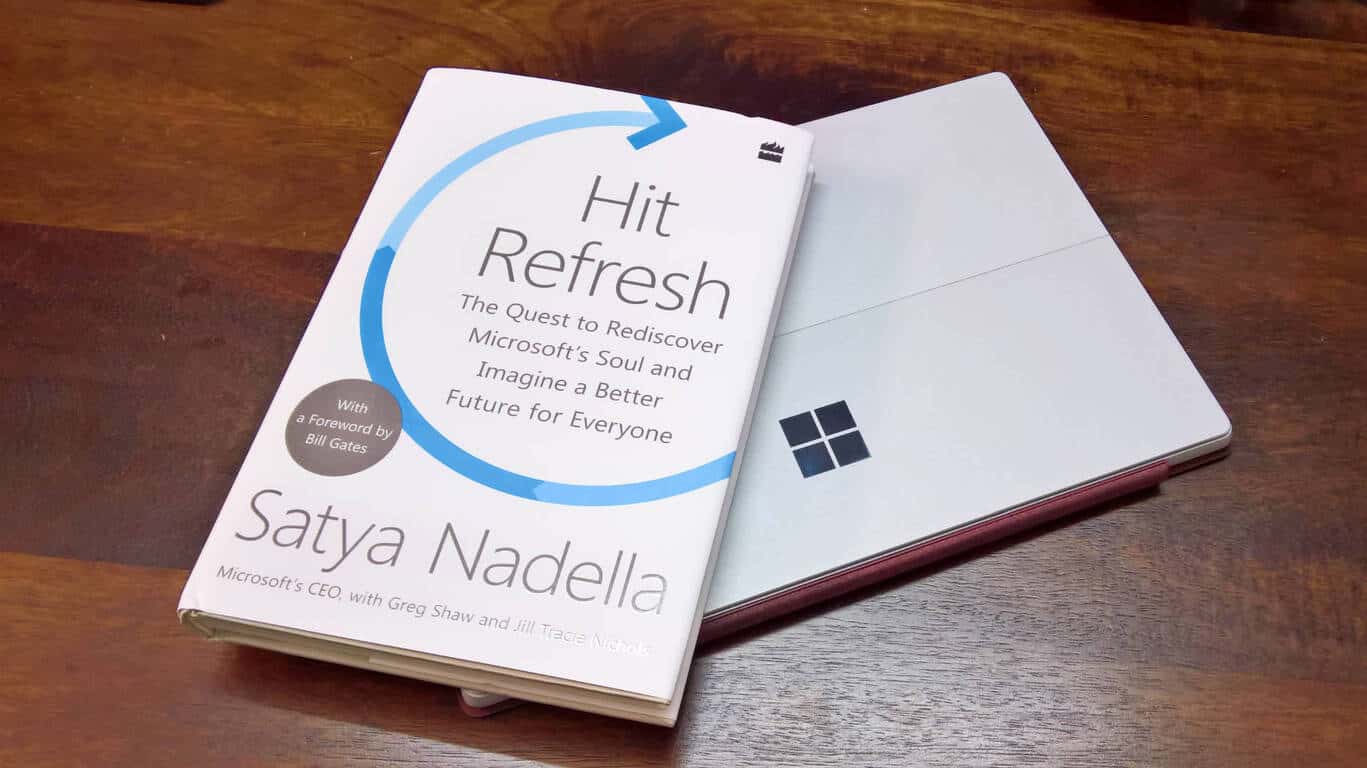
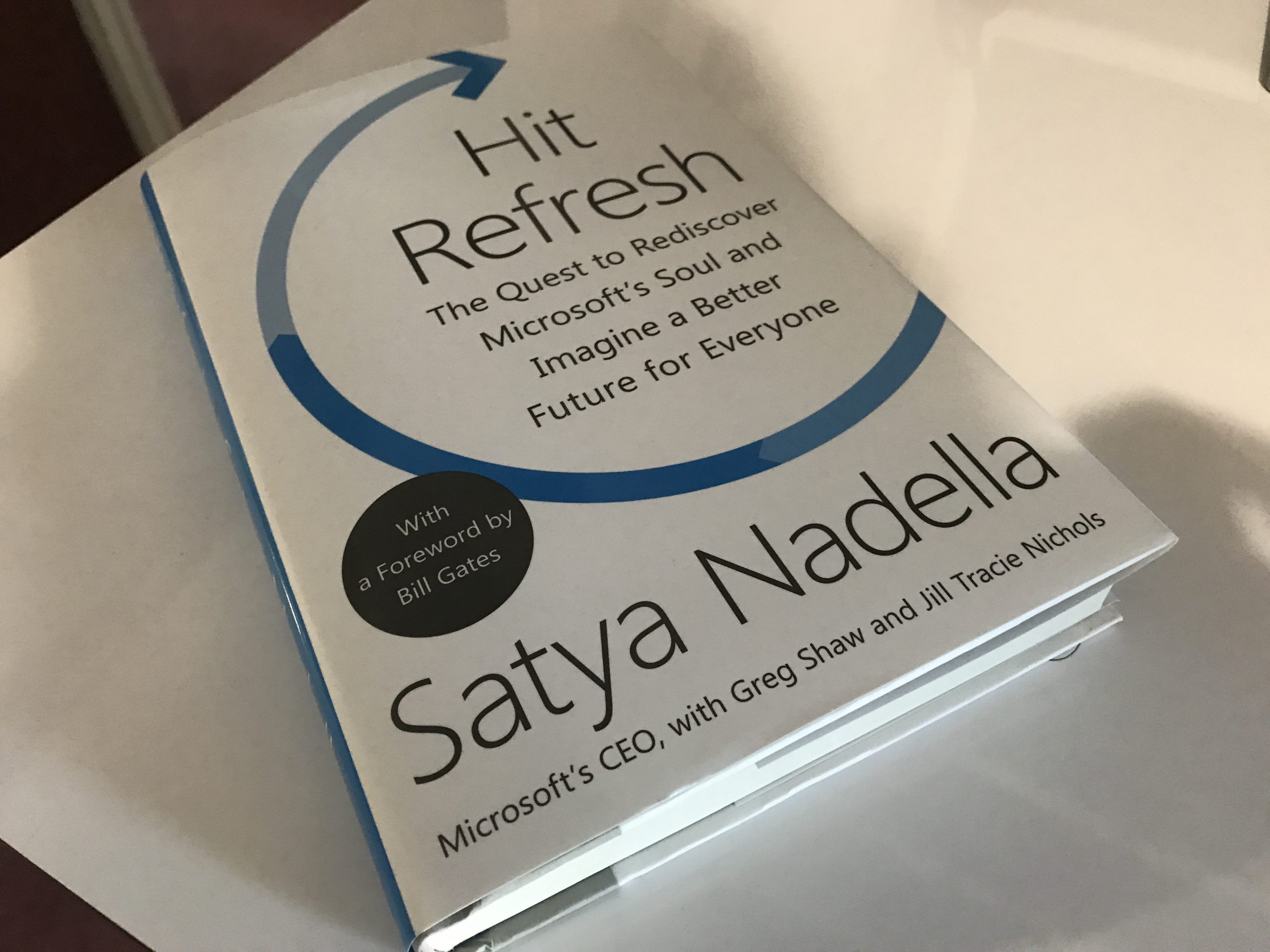
Hit Refresh: The Quest to Rediscover Microsoft’s Soul and Imagine a Better Future for Everyone, published by HarperCollins Publishers, is about individual change, about the transformation happening inside of Microsoft, and the technology that will soon impact all of our lives.

Satya traces his journey from India to the US, tells the inside story of Microsoft’s revival, and shares his vision of the most exciting and disruptive wave of technology – artificial intelligence, mixed reality, and quantum computing. Satya also explores the potential impact of the technology to society and delivers a call to action for world leaders.

At the core, Hit Refresh, is about us humans and the unique quality we call empathy, which will become ever more valuable in a world where the torrent of technology will disrupt the status quo like never before.

– Satya Nadella from Hit Refresh

According to Satya, Hit Refresh isn’t a victory lap or a how-to manual, since that would be premature. It’s a set of reflections, ideas, and principles on transformation.

The book has a foreword by none other than Bill Gates himself. In his blog post about Hit Refresh, Bill notes that he has benefitted from Satya’s insights for decades, and he’s glad everyone else will now have the same opportunity to learn from him.

Here’s the complete text of the foreword by Bill Gates.

Satya has charted a course for making the most of the opportunities created by technology while also facing up to the hard questions.

– Bill Gates

It has been shared that Satya Nadella will donate all of his proceeds from Hit Refresh to Microsoft Philanthropies.

Interestingly, there’s also special Employee Edition of Hit Refresh for Microsoft employees. It comes with annotations by Satya himself.

Here’s some suggested reading around Hit Refresh:

Satya wants the book to inspire people to discover more empathy in their own lives. He hopes that it’ll start important conversations and spark new ideas, and that others will share their own hit refresh moments.

Ignite 2017: Excel to get new data types to make it “smarter”

In a story via TechCrunch, Microsoft is adding new data types to Excel in an effort to make Excel “smarter.” Microsoft will be able to achieve making Excel smarter with help from machine learning.

Jared Spataro, Microsoft’s Office general manager, and Rob Howard, marketing director of Office 365, gave TechCrunch a demonstration of this new Excel functionality at Ignite 2017. Spataro explained how the new data types would work in Excel.

“We’re pleased to introduce new data types. That doesn’t sound all that interesting and we had this interesting discussion about what we’d name these things, but at the end of the day we realized that if you’re really an Excel wonk, the thing that you’re going to get is that there’s new data types.”

Another cool aspect of the Excel data types is that you can utilize Microsoft’s Bing API in Excel to tag a list of names; in Spataro’s demonstration, he used company names. However, Excel would be able to use more than just company names, Excel could use Bing API to tag stock information from the company, what city the company’s headquarters are located, and more and populate the information in an Excel spreadsheet.

The Office 365 team is also looking to create a built-in tool for Excel that will be able to recognize the most important information from an Excel spreadsheet and visualize it using a tool comparable to Microsoft’s Power BI, which the Office 365 team is calling the “Insights.”

Spataro added that the new Excel features were created to enhance data collection and visualization:

“It is meant to take any list of data and then start to generate insights. It will look at combinations, charts, pivot tables and it will recognize those that are most interesting by looking at outliers, looking at trends in the data, looking at things that represent changes. Services breathe new life into these applications. We think these apps still have a lot of life in them for just working on your content, but we do believe that these connections just makes it magical.”

Insights will be coming first to Office Insiders in the Fast Ring in the coming months, and data types will be available early next year, according to a Microsoft spokesperson.

“This is Star Wars Battlefront 2” – EA releases new trailer

Earlier today, EA released a new Star Wars Battlefront 2 trailer on YouTube. In the new trailer, John Boyega, who played Finn in the Star Wars The Last Jedi film, explains the features that will be available in Star Wars Battlefront 2, coming November 17th to Windows 10 PC, Xbox One, and the PS4. Check out the trailer on YouTube below:

In addition to the features explained in the YouTube trailer, there are other bonuses available in Battlefront 2, including:

  • Access to play Star Wars Battlefront II on November 14, 2017, a 3-day head start
  • Upgraded versions of all 4 trooper classes (Officer, Assault, Heavy, and Specialist)
  • 4 epic ability upgrades—one for each trooper class (Officer, Assault, Heavy, and Specialist)
  • Instant weapon unlocks and weapon modifications for each trooper class
  • Exclusive Kylo Ren and Rey in-game outfits and gear, inspired by Star Wars: The Last Jedi
  • Epic ability modifiers for Kylo Ren and Rey
  • Epic ability modifier for the Millennium Falcon

Those who pre-order Star Wars Battlefront 2 Deluxe Edition also get special extras, including Instant access to Yoda’s epic Lightsaber Mastery and six hero and starfighter epic Star Cards. EA Access and Origin Access members save an additional 10% off the pre-order retail price.

Pre-order Star Wars Battlefront 2 Deluxe Edition on Xbox One.
Pre-order Star Wars Battlefront 2 Standard Edition on Xbox One.
Pre-order Star Wars Battlefront 2 on Windows PCs on Origin Access.

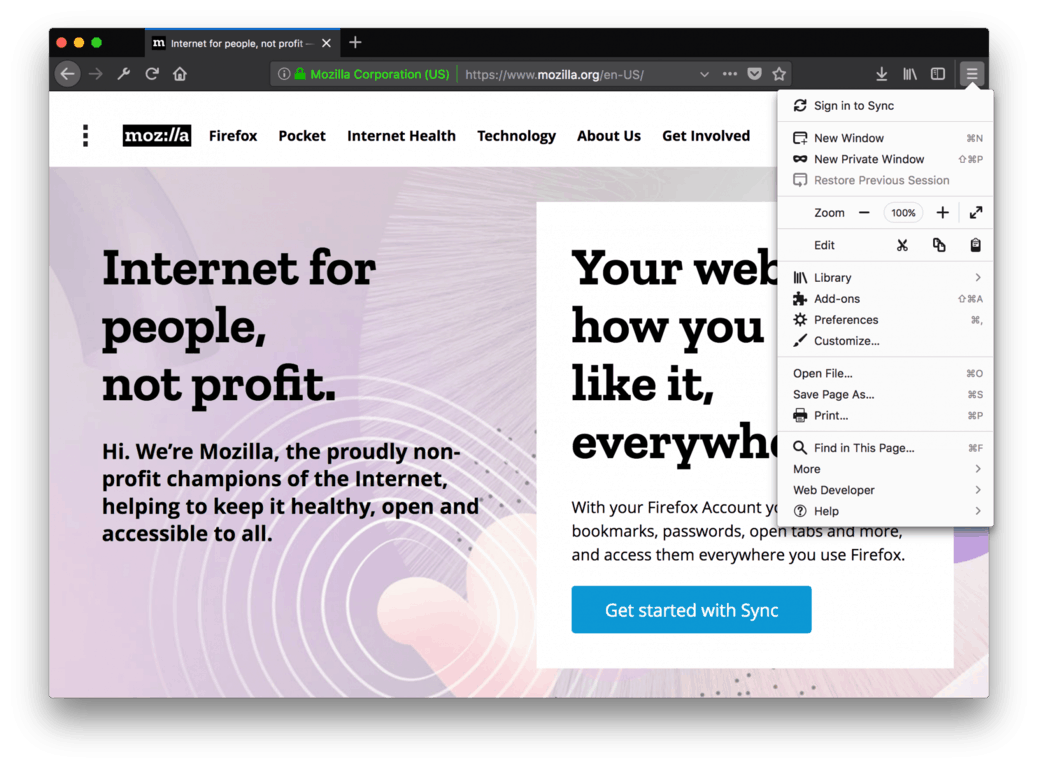
Firefox Quantum Developer Edition released: the fastest Firefox ever

Mozilla today released FireFox Quantum Developer Edition. The company is calling this the fastest Firefox ever and is highlighting the new features making Firefox feel like a newer, faster, and better browser.

Firefox Quantum is powered by Quantum CSS, which is a new CSS engine written in Rust and based on the Servo parallel browser engine product. As part of development, the Firefox team also fixed over 360 performance bugs and focused on improving responsiveness and user interface interactions. Of course, they also made it 64 bit and multi-process by default, helping take advantage of newer processors, and reducing RAM consumption and crashes caused by graphics drivers.

Here is a bit more on what has changed for the end user, in the words of Firefox developer Dan Callahan.

  • To complement Quantum, the Photon team rebuilt Firefox’s interface to be faster and more modern. You’ll hear more about Photon in November, but highlights include redesigned menus, square tabs, and a new “Library” button that acts as a single place for your bookmarks, downloads, history, etc.
  • The “Activity Stream” project redesigned the New Tab Page to feature highlights from your recent history and bookmarks, as well as recommendations from Pocket. Of course, each of these content blocks are optional, and add-ons can completely replace the new tab page.
  • We also refreshed form handling in Firefox, adding a brand new autofill feature and implementing built-in widgets.
  • Lastly, Firefox’s preferences were completely redesigned and are now searchable.

You can sign up to get notified when Firefox Quantum has been released to the mainstream public. Or, you can click this link here to download, and submit feedback to Mozilla.

Ignite 2017: Microsoft Azure gets new logo, tagline

Azure is definitely one of Microsoft’s fastest growing business these days, and it was apparently time for the company to update its visual identity with something more modern. The ongoing Ignite conference was a good opportunity for Microsoft to unveil a new logo for Azure as well as a new tagline: “Azure. Cloud for all.”

“The new Microsoft Azure logo is a bit more abstract, and it doesn’t include a cloud in it anymore,” explained Microsoft MVP Chris Pietschmann. “If you’re familiar with the Microsoft Office icons / logos, then you may recognize a similar style theme. It also forms a letter “A” that obviously represents the name ‘Azure’.”
The Redmond giant also released today a new “Azure Manifesto” video featuring CVP Julia White, EVP Scott Guthrie and more. “The Azure Manifesto is sort of a mission statement for us to follow,” shared Pietschmann. “Microsoft says that we are all “Change Agents” that need to work to unlock the cloud.”
The new Azure logo and tagline can already be seen on the official Azure website, and you can also see the updated visual identity on all the official Azure social media accounts. Do you like this new logo, or do you think the old one was better? Let us know below.

Microsoft working to resolve issue where some stock Windows 10 apps won’t update

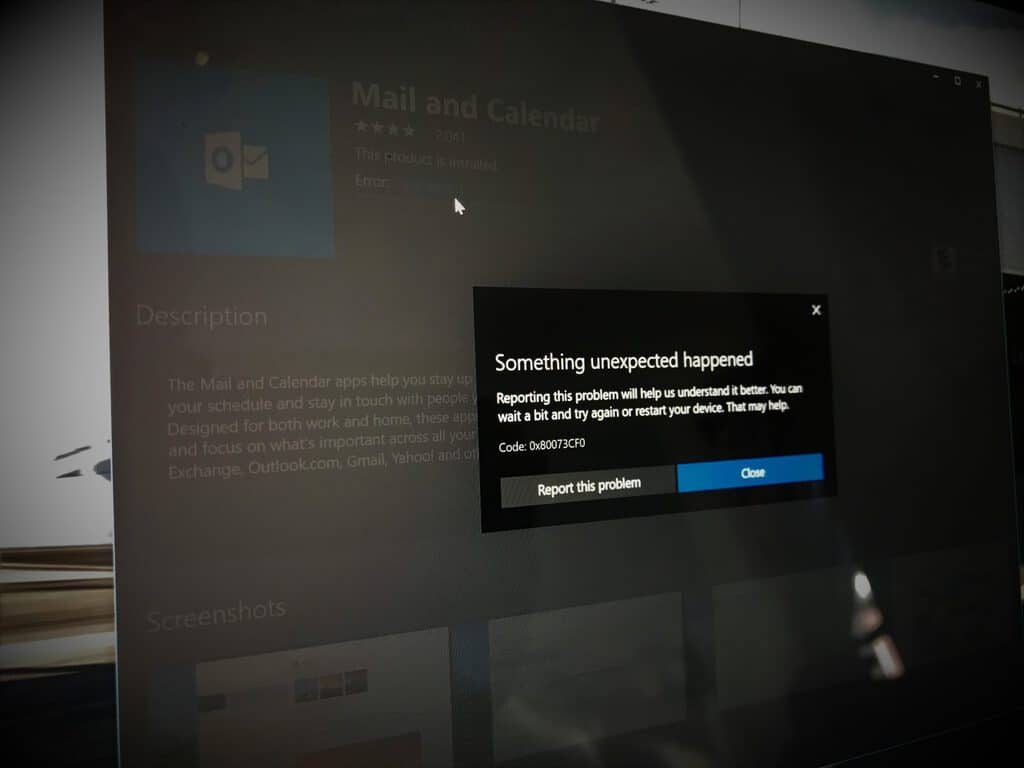
If you’re the kind of person who likes to stay on top of app updates in the Windows Store you may have noticed an error code when attempting to download new versions of stock Windows 10 apps. Well, senior program manager at Microsoft, Brandon LeBlanc, has come out to say that Microsoft is aware of this issue and is working to republish the apps soon.

Specifically, the store throws a 0x80073CF0 error code when it attempts to download updates for some stock apps like Mail and Calendar. It’s still not exactly certain what causes this issue, or when a fix will be released for this issue, but it is great to see that Microsoft is aware of the problem and is working to resolve it.

In other news, Microsoft recently rebranded the Windows Store app on Windows 10 to the Microsoft Store. For now, this change is only for those in the Release Preview Ring so it’s apparent that Microsoft may be testing name changes and gather feedback before rolling it out to a wider audience.

We will be keeping an eye on this situation and will update this post accordingly when a fix has been released. Until then let us know if you have been affected by this issue by dropping us a comment below!

Enpass to bring its desktop app to Windows Store, along with the new Edge Extension

Enpass is my password manager of choice, especially because of their first-rate support for Windows 10 (I use it on my Android smartphone as well). The Enpass app for Windows 10 Mobile is one of the best designed UWP apps on the Windows Store, and because of that, Enpass is quite popular amongst Windows users.

Except that the company’s browser extension for Microsoft Edge browser has been in the works since quite a while. Enpass already has browser extensions for all major browsers that users can use for quick autofilling of login details, credit card information, and more – all from within the browser.

Few months ago, the company had shared that it was working with the Edge team at Microsoft to enable that, and the Edge team confirmed the same. Due to the limitations of Edge APIs, it was difficult for the offline password manager to work with the browser. That is last what we heard from them.

However, that is changing now, and looks like the Edge extension is ready, and would be coming to the Windows Store in a couple of days. I did get a sneak peek of the same, and it works as expected.

To enable the Edge extension and to chart their new way forward, Enpass is also making a few changes to its Windows apps, and we’ve got all the inside information about it.

As of now, Enpass has two apps – a traditional Win32 desktop app as well as a UWP app available on Windows Store. While the latter, also available on Windows 10 Mobile, offers native Windows 10 experience with Cortana and Windows Hello integration, the browser extensions (and other advanced features) only work with the former because of limited capability of UWP.

Enpass is now bringing the desktop app to Windows Store via Microsoft’s Desktop Bridge technology. The Win32 app is now ported to the Windows Store, and will be available as a free download. The app will work with Windows 10 Creators Update and later versions.

While the existing UWP app on the store will stay in its current form, it is likely to be orphaned or rolled back at a later time once the desktop app upgrades to modern design and integrates signature Windows 10 experiences like Cortana or dark mode, for example. The company’s next major release will establish the new Enpass Password Manger app as the primary app. While the UWP app in its current form will go away, it will be available in its refreshed form for Windows 10 Mobile users. Pretty awesome of Enpass folks to continue support for Windows 10 Mobile!

Essentially, from now – when the new bridged app is available – to the next major release, there would a transition phase for Enpass users, but looks like it would be better for us in the long run since it would mean a unified, feature-complete free app for PCs with a handy app on the mobile.

Vin Diesel shows off custom Xbox One S console

Using the late Paul Walker’s charity organization, Reach Out Worldwide (ROWW), Vin Diesel will be giving away a custom Xbox One S (via Reddit) to help Hurricane Harvey, Maria, and Irma victims. Paul Walker died in 2013 in a car accident. The custom Xbox One S console is modeled after the 1995 Mitsubishi Eclipse that Walker drove in the original The Fast and Furious movie in 2001.

Walker’s brother Cody is helping ROWW continue its charitable efforts by raising money for the victims of Hurricane Harvey in Texas, Irma in Florida, and Maria in Puerto Rico. Cody is using his late brother’s celebrity friends, including Vin Diesel, to host a special Xbox event at the Microsoft Lounge in California. Here is a look at ROWW’s recent efforts and a look at more information on Game4Paul, a partnership with Microsoft and Xbox.

Although a lot of people would probably like to see a custom Xbox One X being given away, all proceeds raised from the event will be put towards reconstruction efforts caused by Hurricane Harvey and Irma. Here, Vin Diesel gives you a closer look at the custom Xbox One S. The custom Xbox One S will be autographed by Vin Diesel, Tyrese, and other Fast and Furious stars.

The Xbox One S charity event will start at 11 AM PST on October 1, 2017, at the Microsoft Lounge in Los Angeles, California. Help the victims of Hurricane Harvey and Irma in the 3rd annual Game4Paul event, donate and watch the event live on Facebook, Twitch Xbox channel, and Mixer Xbox channel.

Samsung’s upcoming Windows Mixed Reality headset has leaked

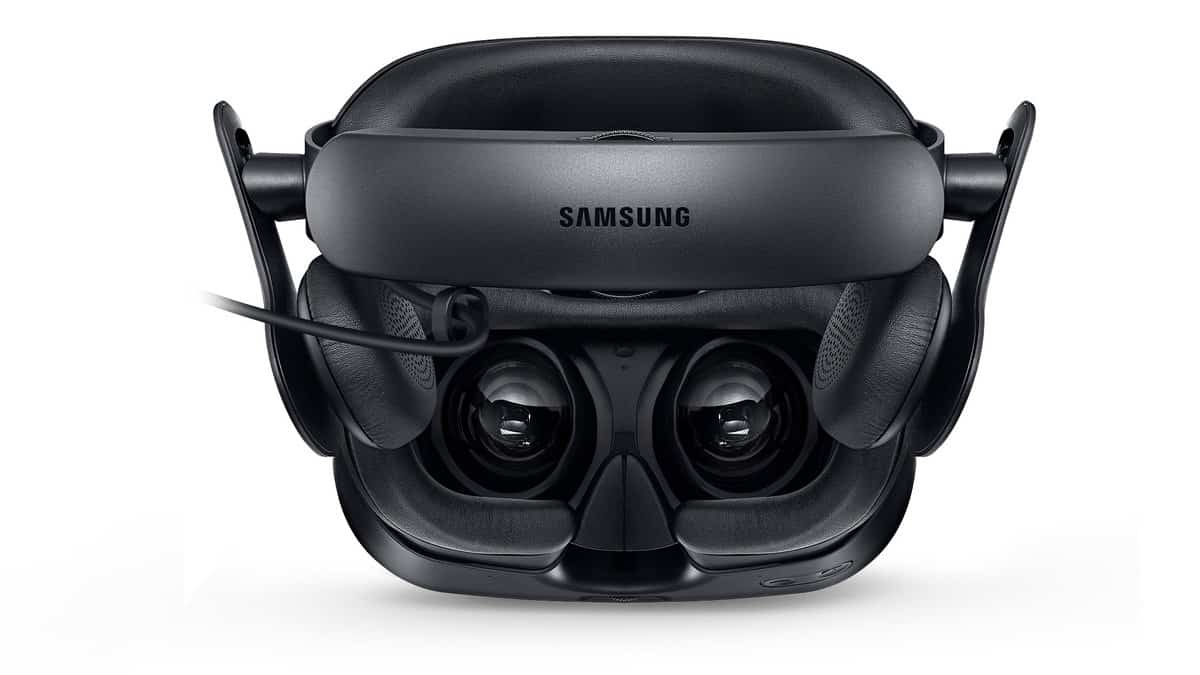
Windows Mixed Reality is the next big thing for Microsoft, and plenty of Microsoft partners are planning to release headsets just in time for the holiday season. Well, thanks to the latest round of leaks from Microsoft watcher WalkingCat, it turns out that Samsung also wants in on the Windows Mixed Reality game (via The Verge.)

https://twitter.com/h0x0d/status/912486390834671616

Although WalkingCat provides no source for this leak, the anonymous Twitter user has had a great track record of being right in the past. The photos of the headset reveal the same standard design seen on other Windows Mixed Reality headsets, but with some curious-looking built-in headphones, similar to the ones seen on the Oculus Rift. It also looks as though Samsung could be bundling in the Windows Mixed Reality Motion controllers, or selling them as a separate addition.

Microsoft is holding a Windows Mixed Reality event on October 3rd in San Francisco, and Alex Kipman is expected to speak. We might as well learn more about the Samsung headset then, but for now, consumers interested in Windows Mixed Reality will need to check out the other options releasing later in October. As highlighted at IFA 2017, confirmed headsets range in price from $299 to $450, and include the Dell Visor, Lenovo Explorer, and headsets from both Acer, and HP.

Microsoft releases Windows Server version 1709; its first semi-annual release

Microsoft announced the release of Windows Server version 1709 yesterday, which is the first version of the server operating system to ship in the company’s new Semi-Annual Channel. “With releases every six months, the Semi-Annual Channel is designed to deliver continuous innovation for customers who want to take advantage of new operating system capabilities at a faster pace,” explained the company.

Following the release of Windows Server 2016 last year, this faster release cycle will allow Microsoft to bring new features to IT admins twice a year. “While our work continues to span investments across the application platform and virtualization infrastructure, for this specific release you’ll see a majority of investments accruing to applications, particularly those built on containers and microservices,” the Windows Server team noted.

Here are the main new features in the first semi-annual release of Windows Server:

  • The new version ships with optimized Server Core and Nano Server container images that should bring many improvements for containers and microservices.
  • The Windows Subsystem for Linux(aka Bash on Windows) is now included, as well as native support for Linux containers.
  • Project Honolulu, Microsoft’s new browser-based graphical management experience for Windows Server is also available in technical preview.

Windows Server version 1709 will be available on Azure in early October. For customers with Software Assurance on their Windows Server licenses or MSDN licenses, the new server operating system will be available to download from the Volume Licensing Service Center portal in mid-October.

Fallout 4: Game Of The Year Edition launches on Xbox One

Fallout 4: Game of the Year Edition launched today on Microsoft’s Xbox One family of consoles. This new release of Fallout 4 contains the base game and all of the add-ons that was released post-launch. Here’s the official game description and teaser:

Get the complete post-nuclear adventure from Bethesda Game Studios and winner of more than 200 ‘Best Of’ awards, including the DICE and BAFTA Game of the Year. Fallout 4 G.O.T.Y. includes the critically acclaimed core game and all six official add-ons including Automatron, Wasteland Workshop, Far Harbor, Contraptions Workshop, Vault-Tec Workshop, and Nuka-World.

As the sole survivor of Vault 111, you enter a world destroyed by nuclear war. Every second is a fight for survival, and every choice is yours. Only you can rebuild and determine the fate of the Wasteland. Welcome home.

Buy Fallout 4: Game of the Year Edition on Xbox One

Are you a Fallout 4 fan? Let us know if you’d recommend it and why in the comments below.

Friends can now be grouped by game with new update for Xbox Insiders

Xbox Insiders on the Alpha ring will be happy to find out that Microsoft added yet another simple way to customize their friends list. Today, Larry Hryb (a.k.a. Major Nelson) tweeted that as of today, users will be able to sort their friends by game titles.

Xbox Live friends that are currently in games will be visible via the People tab under ‘Friends in games’. Selecting this will open up all of your online friends and which games they are playing.

If Hryb’s comment is any indication, then this looks to be a result of feedback from Insiders. This is just one of many features planned for the upcoming months as we make way to the big Xbox One fall update.

3 Best Free Alt Tab Alternatives for Windows

The Alt + Tab function on Windows allows users to conveniently switch between running applications at a rapid pace. This is great for individuals to multitask, but it does have some limitations. And that’s where an Alt Tab alternative comes into the picture.

An alt tab alternative can both enhance the feature by making it more attractive and convenient or replace it entirely, depending on how you configure things. These are some of the many Windows customizations software available to users.

Below, we have the best programs out there that will help you easily switch between the programs. Choose one that best suits your requirements.

What are the best Alt-Tab alternatives for Windows?

FastWindowSwitcher – Lightweight and portable

While Alt Tab is easy to use, it is not convenient if you want quick access to numerous programs simultaneously. However, with FastWindowSwitcher, users can easily access numerous programs with the simple touch of a button.

Not only is this Alt-Tab alternative highly functional, it is also portable. No installation is required to use this application. This means you can put the program on a flash disk or portable drive and use it on any computer you want.

Since the application is about convenience and ease of use, it does not open in a separate window. Instead, users can press the default key combo, Windows + Y, to access the program.

Pressing these two keys together will display letters on your screen that hover over each application you have open. This way, you only have to press one of the corresponding letters on your keyboard to access your desired program.

Users can change the default keys by accessing the application’s icon in the taskbar. Right-click on the icon and click Settings, then you will have the ability to change your shortcut.

Users looking for a lightweight program that makes it easier to handle a wide variety of programs will be interested in FastWindowSwitcher. While it does not come with numerous features, FastWindowSwitcher is still a great program for multitasking.

⇒ Get FastWindowSwitcher

Switcheroo – For seamless multitasking

Switcheroo is perhaps not the fastest Alt-Tab alternative on the block, but it is certainly the most convenient if you have over 10 applications open simultaneously.

The program works like a search engine. Users only have to type in the first letters of an open program, and it will appear on a list.

Open the program by pressing Alt + Space. Users who want to change the hotkey for opening Switcheroo can access the Options menu found on Switcheroo.

It works great even on Windows 10 and is a fantastic tool for all users. Both amateur and expert Windows users can utilize Switcheroo to simplify multitasking.

Switcheroo does not use any special features or graphics to entice users. Instead, it offers users a simple and highly effective tool.

⇒ Get Switcheroo

Winaero Tweaker – Offers a plethora of customizations

With Winaero Tweaker, as the name suggests, users can tweak a wide variety of things about their PC.

You can add bookmarks, view system information, tweak appearances, add custom accents, add schemes, tweak icons, tweak menus, tweak Windows, slow down animations on the PC, and much more.

The features mentioned here are only a quick glimpse of what Winaero Tweaker offers. Of course, this option also allows users to tweak the Alt-Tab function.

In Winaero Tweaker, users can change the appearance of the Alt-Tab dialog. They can use the program to increase the transparency. Furthermore, you can dim the background desktop when using the function, which will help you focus on switching apps.

Alternatively, you can use the Hide opened windows option. When you Alt-Tab with this option on, it opens another window without a background to distract you.

Users can tweak the size of the margins of the thumbnails. You can also customize the vertical spacing as well as horizontal spacing between your thumbnails.

All in all, if you are looking for an alternative that allows tweaking your Alt Tab as well as other functions on Windows, then Winaero Tweaker will be the perfect tool.

⇒ Get Winaero Tweaker

There you have it, the best alternatives for Windows if you don’t want to disable Alt-Tab. Each of these applications has its unique disadvantages and advantages, and it is up to you to decide what works best.

If Alt Tab is not working on your PC, then these software alternatives might be just what you need.

Before you leave, check the best customization software for Windows 11, in case you have upgraded.

Tell us your choice from the list in the comments section below.

Satya Nadella addresses Nokia acquisition in “Hit Refresh,” says it was “too late to regain ground we had lost”

We just received a copy of Satya Nadella’s book “Hit Refresh,” and of course we wanted to know if Microsoft CEO addressed the elephant in the room. That is, Microsoft’s confusing mobile strategy that led to Windows Phone dropping to 1% of smartphone market share worldwide. Fortunately, Nadella doesn’t shy away from the subject in his book, and he specifically mentions the story behind Microsoft’s acquisition of Nokia. The CEO details how he voted no on the deal, and that once it went through, it was happening at a time when it was too late for Microsoft to regain the ground they had already lost.

To introduce the topic (on pages 71-73 of the hard cover print version of the book,) the CEO mentions the way that Android undercut Windows. “Google, with its free Android operating system found a way to undercut Windows, something we did not react quickly enough,” writes Nadella. He later continues with the painfully hard truth. “Looking back, the Nokia deal announced in September 2013, five months before I became CEO, became another painful example of this loss.”

Interestingly, Nadella does praise the Nokia deal a small bit, writing about it helping Microsoft in achieving “double-digit market share in some European markets.” He even reasons with why Microsoft was interested in Nokia in the first place, highlighting it could have been the move that Windows needed to catch up with iOS and Android in Mobile. “The hope behind the [Nokia] acquisition was that combining the engineering and design teams at Nokia with software development at Microsoft would accelerate our growth with Windows Phone,” he explained.

Lumia 950
The Lumia 950 and 950XL didn’t exactly scream Nokia quality.

Even with this small bit of praise, Nadella revealed that he voted no when Steve Ballmer asked members on his leadership team to vote thumbs-up or thumbs-down on the deal. “I voted no. While I respected Steve and understood the logic of growing our market share to build a credible third ecosystem, I did not get why the world needed the third ecosystem in phones, unless we changed the rule,” writes Nadella. “A few months after I became CEO, the Nokia deal closed, and our teams worked hard to relaunch Windows  Phone. But it was too late to regain the ground we had lost. We were chasing our competitor’s taillights,” he added.

As we all know, this saga came to an end when Microsoft wrote off its Nokia acquisition, cutting 18,000 jobs and ultimately causing the company to exit the smartphone business. This hit Nadella specifically hard. “It was heartbreaking to know that so many talented people who have so much of themselves to their would work lose their jobs,” the exec shared.

Overall, the failed Nokia acquisition helped Nadella learn some very important and painful lessons. As the CEO remarked, Windows Phone wasn’t differentiated enough from iOS and Android, even with its Live Tiles and other cool ideas. “What we needed most was a fresh and distinctive approach to mobile computing,” wrote Nadella. “Where we went wrong was failing to recognize our great strengths were already part of the soul of our company, inventing new hardware for Windows, making computing more personal, and making out cloud services work across any device and platform. We should only be in the phone business when we have something that is really differentiated,” he explained.

If one can put the puzzle pieces together, these above quotes, and the entire way Nadella tells the story of Microsoft and Nokia, there could possibly be a small hint at the long rumored “Surface Phone.” For now though, Windows Phone fans will need to keep reading between the lines and keep hopes high for Microsoft hitting refresh on its mobile division. Otherwise, Microsoft seems to be fine with selling Microsoft versions or popular Android phones such as the Samsung Galaxy S8. Microsoft co-founder Bill Gates seems to already have moved on, and is now using an Android phone with “lots of Microsoft software.“

Microsoft details how Microsoft Teams will become the core communication client in Office 365

Earlier today, Microsoft announced at Ignite 2017 that their collaboration software Teams would soon include Skype for Business features in it. Their new Office blog shares more details about the upcoming integration, and it’s now clear that Microsoft Teams is set on the course to replace Skype for Business in due time.

Until then, the tech giant is continuing to build up its business collaboration tool with a list of upcoming communication features. Today, a public preview released Dial-In Conferencing with more to come such as PSTN calling, call hold, call transfer and voicemail. etc.

Microsoft’s vision of business meetings are aimed to be streamlined through one tool, and that looks to be Teams. As stated in the blog post:

  • Before a meeting, Teams will surface relevant documents and rich information about the participants to help you prepare.
  • During the meeting, the conversation can be captured, transcribed, and time-coded, with closed captioning and voice recognition for attributing remarks to specific individuals.
  • After the meeting, the cloud recording and transcript can be automatically added to the relevant channel, so conversations, documents, notes, and action items can be reviewed, indexed, and searched by the entire team.

As we noted earlier today, Skype for Business isn’t on the chopping block just yet. The press release notes that it will still remain available for customers not yet ready for Microsoft Teams and that a new version is to be released in mid to late 2018.

Windows 10 build 16291 bugs in Slow Ring: install fails, black screen issues, and more

Microsoft will roll out the Windows 10 Fall Creators Update in just three weeks’ time. As a result, the company is working at full speed to add the finishing touches to the OS.

The Redmond giant recently pushed out Windows 10 build 16291 to Slow Ring Insiders, but it seems that this version of the OS  is quite unstable. Insiders reported that Microsoft failed to fix some of the bugs that affected the build when it was first released to Fast Ring Insiders.

If you’re planning to install build 16291 on your PC, read this article to learn what its most frequent issues are.

Windows 10 build 16291 reported bugs

Build 12691 install fails

If you can’t install build 12691 on your PC, you’re not the only one: many users reported that the install process often crashes during the reboot phase.

I cannot install RS3 16291 install ’cause it crash at 6% during the “reboot” phase.
I’ll try to clean Windows update/software distribution and try again. !

Other Insiders reported that error 0x80070057 prevents them from installing the latest builds. The only way to fix this error it to clean install Windows and then download and install the build again.

EVERY insider release since 14.x on my Surface pro4 I get this bleeding bip error…. ( Error 0x80070057 )It ends up with me having ALWAYS to fresh install windows and delete all apps and more.. then it will install.. It is VERY frustrating to say the least!!!
And I have tried every troubleshooting on the internet… WHY can’t MS fix this!!!

Touch keyboard language settings issues

Full XAML touch keyboard support for all languages is still unavailable. Also, the swipe feature works smoothly with US English keyboards only.

When can we expect the full XAML touch keyboards for all languages with a keyboard? There is still after all this time no full keyboard for Myanmar script.
When can we expect swipe to work for keyboards other than US English? It still fails to work for English (Australian) and isn’t even available for English (International), let alone other languages

Builds resets Windows user settings

Many users complain that the build resets user settings:

After the update to build 16288 and 16291 all user settings have been reset to default. It is as if the user logs in for the first time after a fresh windows install. This also occurred after the update to build 16291 (from 16288). This never occurred in past insider builds. Anyone else had the same experience?
Update: I installed build 16291 on 2 PC’s and on one PC the user settings were saved, while on the other PC the user settings got reset.

Black screen issues

The latest Windows 10 builds causes black screen issues for many users, and build 16291 is no exception.

The last three builds, when I’ve tried to update, have booted to a black screen with cursor, after the first update reboot. […]  I quickly see a window pop up and disappear before no further progress is made. Then I have to hard reboot. In the upgrade version, it gives me a Safe_OS installation phase failure error.

These four issues are the most frequent build 16291 bugs reported by Slow Ring Insiders. If you’ve encountered other issues, let us know in the comments below.

RELATED STORIES TO CHECK OUT:

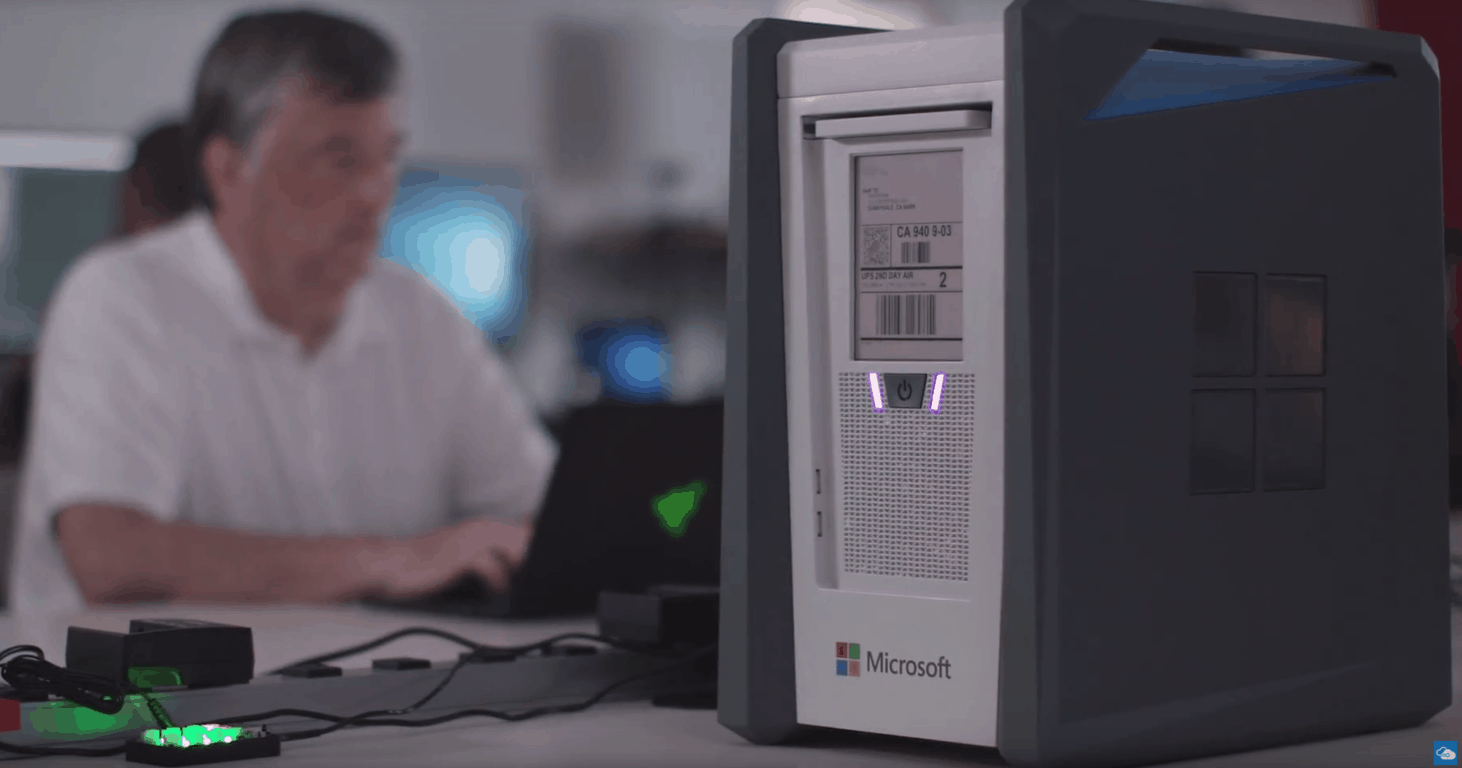
Move 100TB of data to Azure with this ruggedized 45 lb Data Box from Microsoft

At Ignite 2017 today, Microsoft showcased a slew of new products and technologies powered by the Microsoft Cloud. Now, Microsoft provides a new way to transfer a ridiculous amount of data (100TB) with a rugged 45-pound Data Box to Azure. In this video, Oceaneering International describes how the Azure Data Box helps their business data needs and the data needs of their clients.

While the ability to store data in the cloud with Azure continuously is Microsoft’s ultimate goal, internet connectivity is not always available, or even with a good connection, moving lots of data can be a problem. In the future, Microsoft hopes to provide the perfect Azure Cloud solution, without requiring any physical storage drives on-site.

Other features of the Data Box include the ability to plug right into the datacenter network, as well as supporting standard protocols, including SMB and CIFS. The Azure Data Box also use a 256-bit AWS encryption to secure the data. The Data Box can also be shipped anywhere, no boxing required, using its own e-paper display. Whether enterprises need to upload the data to the Azure cloud or ship the data to a customer, the Data Box provides a very helpful and mobile data storage solution.

Ignite 2017: Lenovo unveils ThinkSmart Hub 500, aimed at tackling conference room complexities

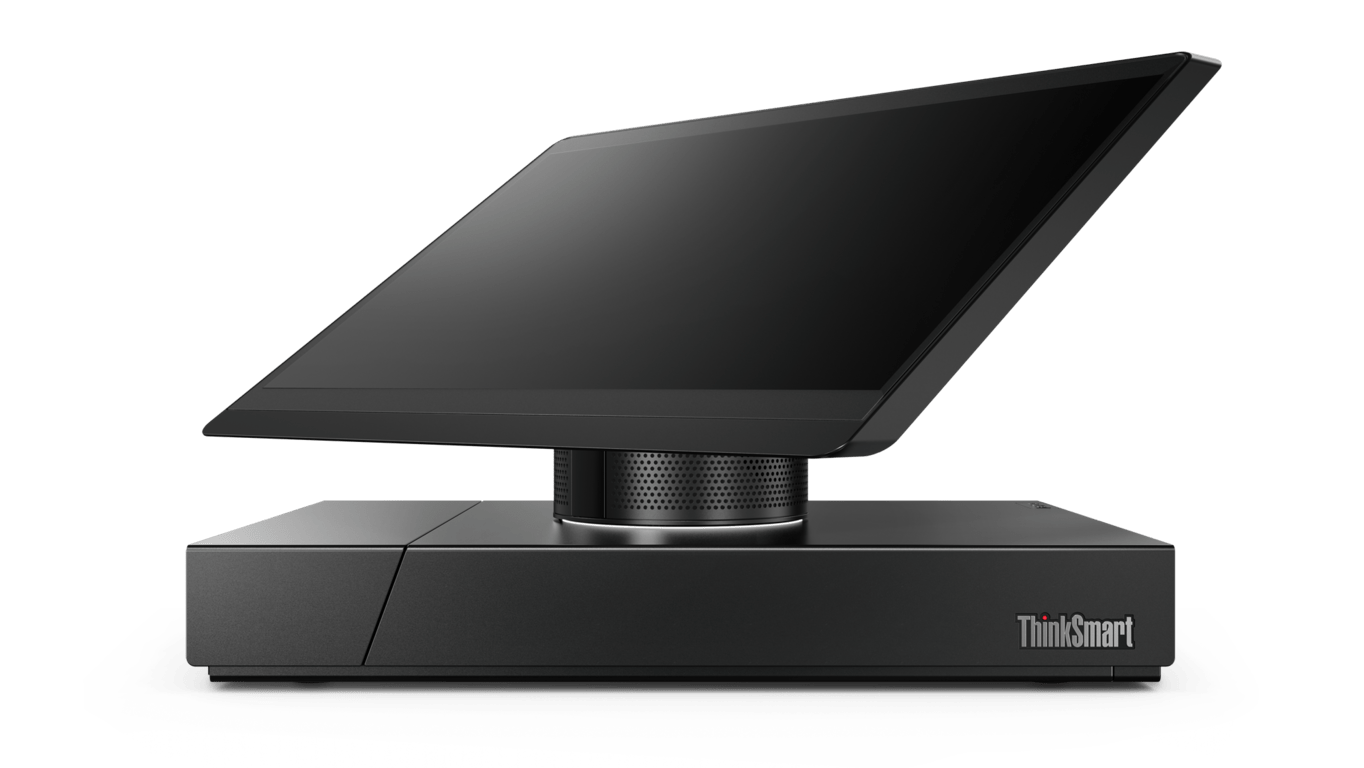
Today at Microsoft Ignite 2017, Lenovo unveiled the ThinkSmart Hub 500. The device is Lenovo’s first Smart Office product offering, aimed at tackling conference room complexities.

Lenovo’s ThinkSmart Hub 500 is able to manage collaboration within modern meeting rooms, and has the ability to connect remote and local participants to Skype for Business meetings and shared content. This device was developed in cooperation with Microsoft, and helps eliminates the need of sharing laptop screens. It features a 360-degree rotatable 11.6 inch display, and runs on Windows 10 IoT Enterprise. Other features include Dolby Audio Premium sound experience, 360-degree array microphones and a touch display to control the meeting and large external displays.

Peter Han, Vice President, Partner Devices and Solutions, Microsoft remarked on the ThinkSmart Hub 500.

“Lenovo consistently delivers innovative devices and solutions that meet the unique needs of business customers, and the ThinkSmart Hub 500 is no exception…“This second-generation Skype Room Systems solution from Lenovo will transform meeting rooms, and enable rich collaborative Skype for Business experiences.”

Lenovo is launching pilot programs with the ThinkSmart Hub 500 later this year, and it will becoming available in the first quarter of 2018. You can visit this webpage to sign up and get updated for more information when the ThinkSmart Hub 500 ships.

Ignite 2017: LinkedIn gains direct integration into Office 365

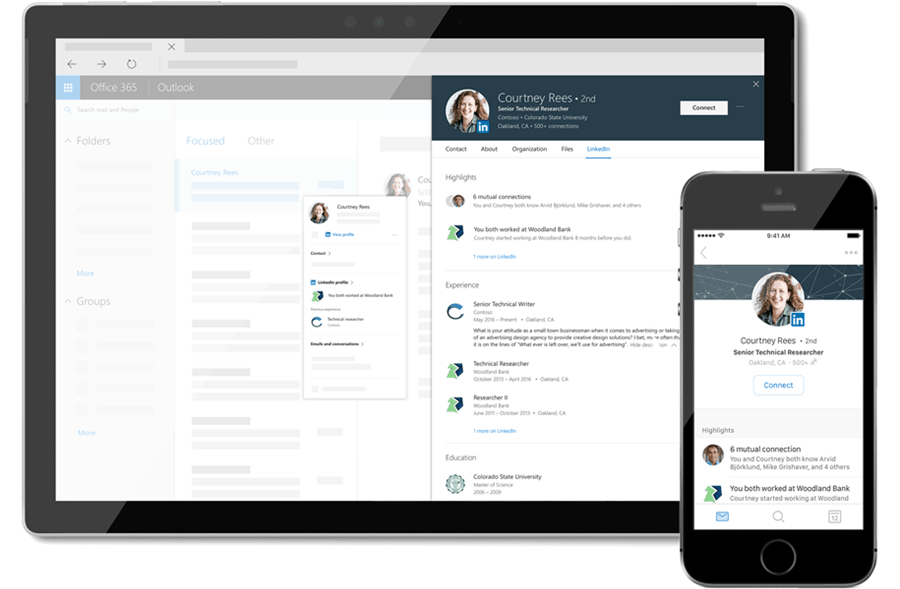
Microsoft announced today at its Ignite conference that it’s integrating LInkedIn’s data into Office 365 apps and services. After connecting your LinkedIn account to your Office 365 account, you’ll be able to get personalised LinkedIn insights in Outlook and other Office 365 apps and services.

“Whether it’s a colleague, customer or partner, these details help you better understand who that person is so you can start off on the right foot and collaborate efficiently, even when outside your organization,” a LinkedIn blog post notes. “But our vision is to help you deepen existing relationships as well — surprising you with what you may not know about the people you work with every day.”

LinkedIn’s integration in the Profile Card will start rolling out next month to Office 365 first release customers, and it will be available first in the Outlook web app, SharePoint and OneDrive for Business (the integration will come in the coming months on Outlook desktop, Outlook iOS and other Office products). Last but not least, this new LinkedIn integration will be available “soon” on personal Outlook.com accounts, and it should be more advanced that the now deprecated feature that let you sync various social media accounts (including LinkedIn and Facebook) to your Microsoft account.

Ignite 2017: Microsoft announces new low cost Windows 10 S laptops from HP, Lenovo, and Fujitsu

This morning at Microsoft Ignite 2017, Microsoft announced a series of new low cost Windows 10 S laptops from HP, Lenovo, and Fujitsu. The announcement is in conjunction with the news of Microsoft 365 expanding to Education and F1 offerings, and is also part of Microsoft’s efforts to empower Firstline workers to achieve more.

According to Microsoft, these devices are powered by Microsoft 365, and will offer up self-service deployment, and simplified management. The devices are designed for businesses and educators, and are meant to always stay up to date, helping lower management costs for owning these devices.

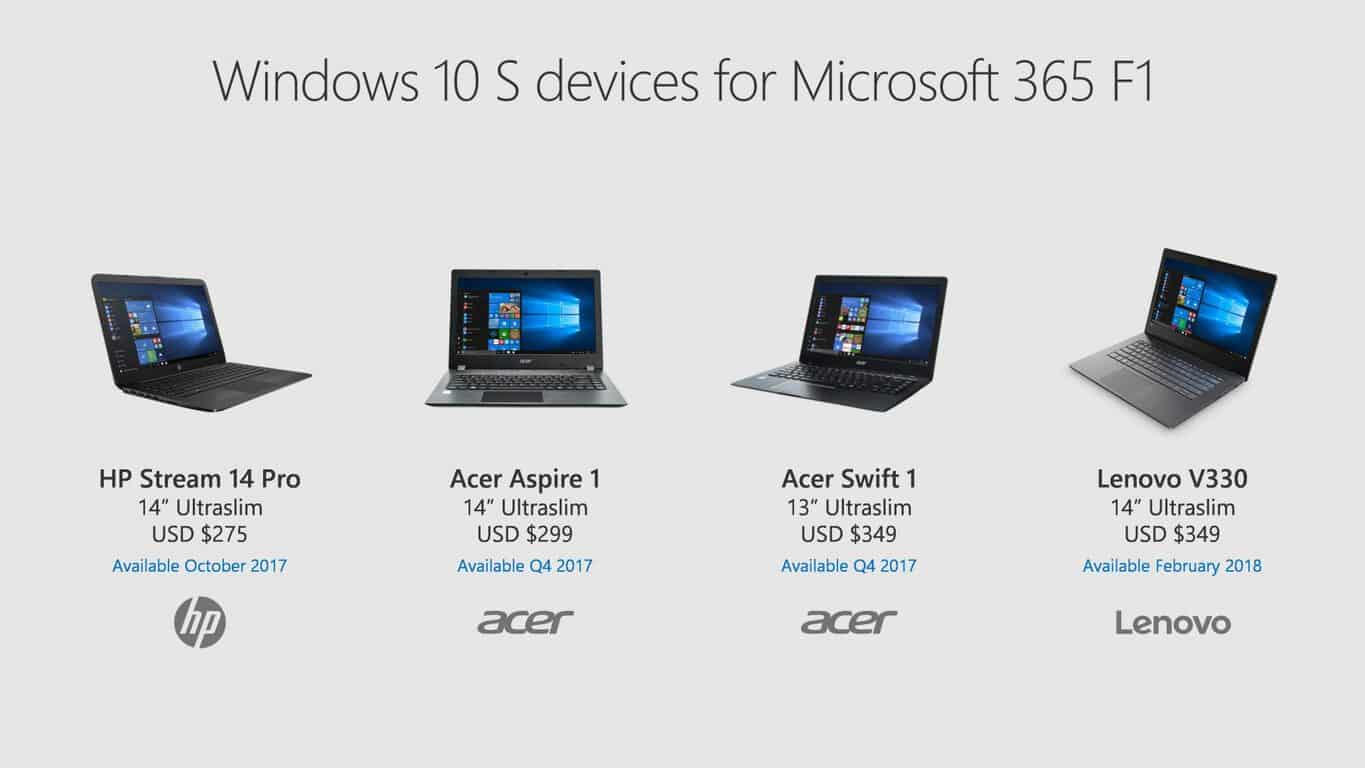
These devices will be available later this year, and prices will start at $275. Prices on the devices can be seen below.

  • HP Stream 14 Pro: 14 inch Ultraslim: Available October 2017 for $275
  • Acer Aspire 1: 14 inch Ultraslim: Available Q4 2017 for $299
  • Acer Swift 1: 13 inch Ultraslim: Available Q4 2017 for $349
  • Lenovo V330: 14 inch Ultraslim: Available February 2018 for $349

The devices are simple to use, and deliver a familiar Windows 10 experiences, but with the added benefits of streamlined security and ease of management. It’s really great to see Microsoft selling Windows 10 S, as this will be a great advantage for the company over the popularity of Google’s Chromebooks.

HP, Lenovo to support Windows AutoPilot to allow IT pros manage Windows 10 deployments

On the sidelines of Microsoft Ignite 2017 conference, Microsoft announced that HP and Lenovo will support Windows AutoPilot starting January 2018.

Announced in June this year, Windows AutoPilot is a collection of technologies used to set up and pre-configure new devices, making them business-ready. IT professionals can also use Windows AutoPilot to reset, repurpose, and recover devices.

The cloud service allows IT pros and administrators to customize the Windows 10 out of box setup experience using a cloud configuration. After the launch, the program was rolled out to OEMs, distributors, and resellers to help them link devices to an organization.

The Windows AutoPilot Deployment Program was piloted by Surface, and HP and Lenovo now will join the program by providing device IDs to companies on select orders.

Users will be able to set up a new device complete with the company configuration and apps ready to go without the need for IT to touch the device or manage updates in person.

Ignite 2017: Microsoft goes big on Quantum Computing

Today at Ignite 2017, CEO Satya Nadella laid out Microsoft’s big plans for quantum computing. Here’s a short video by Microsoft to give you an introduction to the world of quantum computing, where Microsoft blends quantum physics with computer science.

In the last year, Microsoft hired two new leaders of quantum computing and created a new Microsoft AI and Research Group that reports directly to Nadella. Quantum computing hardware and software are speculated to be able to handle some of the biggest hurdles that we face today, like climate change and finding new ways of treating and curing diseases, at a much faster pace than current technology.

Today, Microsoft unveiled a new website, and a new video showing everything the company is working on and quantum computing services available for enterprise customers. Check out the new video below.

“Quantum computing takes a giant leap forward from today’s technology—one that will forever alter our economic, industrial, academic, and societal landscape. In just hours or days, a quantum computer can solve complex problems that would otherwise take billions of years for classical computing to solve. This has massive implications for research in healthcare, energy, environmental systems, smart materials, and more. The quantum economy is coming. And Microsoft envisions a future where customers use Azure for both classical and quantum computing.”

According to Microsoft, quantum computing will change the way we think about the world around us and solve some of the most complex problems that we face as a global community.

Ignite 2017: Microsoft formally announces Bing for Business preview, improved Office 365 search

It’s shaping up to be a busy morning at Microsoft Ignite 2017 in Orlando, Florida, and the announcements just keep rolling in. On stage today, Microsoft revealed the launch of a private preview of Bing for Business, and also improved Office 365 search.

The new Office 365 search is powered by the Microsoft Graph, and will help deliver more relevant search results across Microsoft 365. Microsoft believes the new Office 365 search will help users find the right versions of a document, find presentations, learn more about topics, and help employees harness the power of an organization’s collective knowledge.

The Bing for Business private preview, meanwhile, will provide a unified view of personalized, contextual search results from both inside and outside an organization. Here is a bit more on the features of Bing for Business.

  • Enterprise Bookmarks – Bookmarks provide the fastest way for you to find sites, tools, and other information within the enterprise. Bookmarks can range from timely topics with a short life span like a company event to more permanent bookmarks, such as linking to the internal time and reporting tool.
  • People Search – With Bing for business, people search is a quick way to help you search and find a person and understand their role within the company, who they work for, see what they are working on, find out where they are located and get directions through integrated building and office floor maps.
  • Organizational Chart – Quick access to the organizational chart to understand a person’s place within the company and further browse their peers, management, and direct reports.
  • Building and Floor Plans – Buildings and floor plans help you quickly find your way or locate where a colleague is sitting or to learn your way around a new building.
  • Document Search – Allows you to search and find contextual and relevant documents saved on SharePoint and other sources within the Microsoft Graph.
  • Office 365 Groups – You will be able to explore the Groups a person belongs to as part of people search and browse their contents. Additionally, they will be able to search for groups by their name.
  • Bing for business Industry News – Bing works with your company to understand your job and tasks. Over time, Bing learns which business news matters to you – such as news about your company, competitors, and industry.  This feature is a personalized newsfeed on Bing.com, helping you make timely, informed decisions.
  • Management and Analytics – IT admins can quickly configure, create bookmarks, and define the search triggers, words or phrases. IT admins will also have a better understanding on how people within the organization are searching the web

Bing for business is available for private preview starting today and will be set to expand to Office 365 Enterprise E1, E3, E5, F1, Business Essentials, Business Premium, and Education E5 subscriptions in the future. Keep it locked into OnMSFT, as more is sure to develop as Ignite 2017 rolls on throughout this week.

Ignite 2017: Microsoft want to own the hybrid cloud with Azure Stack

At Ignite 2017, Microsoft announced the expansion of Azure Stack, Microsoft’s play to combine the cloud with on-premises computing.  In particular, Azure Stack will be the new standard for providing a consistent hybrid cloud experience for Microsoft’s enterprise customers.

Today, Microsoft’s Scott Guthrie talked a lot about how Microsoft wants to mobilize some recent Azure advancements to remove cloud barriers for enterprise customers. Guthrie pointed out four key areas that Microsoft focused on to ensure Azure’s success:

  1. Enabling IT and developer productivity
  2. Providing a consistent hybrid cloud
  3. Unlocking AI solutions
  4. Ensuring trust through security, privacy and cost controls

Guthrie points out how Azure Stack will help Microsoft provide a consistent hybrid cloud experience for enterprise customers. Azure Stack is Microsoft’s hybrid cloud platform that allows enterprise customers to use Azure cloud services from on-premises datacenters. Azure Stack is designed to help enterprise customers meet security and compliance requirements, or to access Azure resources without internet connectivity.

Microsoft will continue to use Azure Stack as a hybrid cloud platform, but now Azure Stack will be able to access more Azure resources. Guthrie notes that in order to enable consistent hybrid development across cloud and on-premises, certain things must be done.

At Ignite 2017, Microsoft revealed that Azure Stack integrated systems are available for purchase with Microsoft partners, including Dell, Lenovo, HPE, and others. Now, developers can build one application and have it run in Azure or run locally on Azure Stack, allowing the app to be used in either case, while still meeting regulatory requirements.

Guthrie also pointed out that the cost of moving enterprise operations from one cloud service can be expensive. Guthrie uses the example of a recent enterprise customer that wanted to migrate their 1000+ SQL Server applications to AWS (Amazon Web Services). The cost to the customer would be over $10 million to modify each of their SQL Server applications in order to be compatible and used within Amazon’s cloud services.

Guthrie sees that an amount like this to convert cloud applications is a bit ridiculous. Microsoft built Azure SQL Database service, which boasts 100% SQL Server compatibility, requiring no code changes (per Managed Instance). Microsoft will also be introducing a new Azure Database Migration Service that has an almost seamless downtime migration. That same customer would be able to save their $10 million cost (and downtime) to move their applications to AWS, by migrating their application data to Azure instead.

Microsoft, Azure, Stack
Guthrie also announced the general availability of SQL Server 2017. SQL Server 2017 is the first version of the Microsoft database solution that can run on Windows Server, Linux and Docker without any problem. So far, Guthrie states that there have been 2 million pulls of the SQL Server on Linux image on Docker Hub. SQL Server 2017 offers other great features, including in-database advanced machine Learning with support for scalable Python and R-based analytics.

The addition of machine learning to SQL Server 2017 means that developers can now create and train advanced models with data within SQL Server without the need to move any data. Microsoft has built SQL Server 2017 to be the most robust yet, with built-in security, performance, and AI on whatever platform you choose.

Microsoft wants to be the company that customers go to when they need company critical analytic applications to perform on demand. Another important announcement is that SQL Data Warehouse will be offered as a preview release of the new “optimized for compute” performance tier. According to Guthrie, this new performance tier is able to scale up to 30,000 compute Data Warehouse Units, more than ever before. Microsoft is going to sweeten the deal even further by making it cost effective for customers to run SQL Server and Windows Server on Azure.

By using Azure Hybrid Benefits, customers could see up to a 50% reduction in licensing costs. Guthrie makes it clear that Azure is the most cost-effective and best performing hybrid cloud solution to run Windows Server and SQL Server. Microsoft offers customers the most comprehensive and consistent hybrid cloud solution to handle whatever enterprise customers need and could possibly ever want.

Microsoft kicks off Ignite 2017 with Windows 10 S, Skype and Bing for Business, Microsoft 365 news and more

Day one of Microsoft’s annual Ignite conference is officially underway in Orlando, and the company is kicking things off with a bang. Over 25,000 attendees were greeted with news about Windows 10 S devices, Skype, Bing for Business, Microsoft 365, and more. Here is a wide angle look at the day’s biggest stories as they unfold at today’s keynote address

Expanded Microsoft 365:

Microsoft is expanding Microsoft 365, which is a service that the company originally announced a few months ago. As part of the expansion, Microsoft announced new Microsoft 365 F1 and Microsoft 365 Education plans, with the hopes of empowering people to succeed, and foster a new culture of work and school. Microsoft 365 F1 is designed for first line workers, and brings together Office 365, Windows 10, and Enterprise Mobility and Security. Microsoft 365 Education, meanwhile, includes Office 365 for Education, Windows 10, Enterprise Mobility and Security, and Minecraft: Education Edition.

New Microsoft 365 Windows 10 S powered devices:

The Redmond giant unveiled new Microsoft 365 Windows 10 S powered devices from HP, Lenovo, and Fujitsu. The devices are designed for cloud based management, start in price at $275 and will offer customers simplified management, helping them stay up to date, and save money.

Microsoft goes big on Quantum Computing:

Microsoft talked a lot about Quantum Computing, and how the company is working to build the world’s first truly scalable quantum computer. Microsoft is envisioning a future where customers can use Azure for both classical and quantum computing, and solve complex problems that would otherwise take billions of years for classical computing to solve.

Skype for Business becomes a part of Microsoft Teams:

As long rumored, Skype for Business will become part of Microsoft Teams. This is part of Microsoft’s new vision for intelligent communications in Office 365, making Microsoft Teams the central hub for team communication and collaboration. Upcoming features slated for release as part of the integration into Teams include inbound and outbound calls to PSTN numbers, hold, call transfer and voicemail, audio conferencing preview, and interoperability between Team and Skype for Business. The company also reminded users that Skype for Business is not dead, announcing that Skype For Business server will be released in the second half of 2018.

Bing for Business Private Preview & Intelligent Search Experiences:

In order to help businesses deliver more relevant search results within Microsoft 365, Microsoft announced Bing for business private preview. This will provide businesses with a personalized and contextual search results from inside and outside an organization.

The Cloud and AI:

Microsoft is expanding Dynamics 365, and detailed new AI solutions which will help businesses transform critical enterprise scenarios, and apps and services that are used everyday within organizations. These solutions include an intelligent virtual agent for customer care, and an intelligent assistant for customer service staff, as well as conversation management tools. Also included are modular apps (Abstract and Onboard) for Dynamics 365, helping transform high-impact processes, and deeper integration between PowerApps, Microsoft Flow, Office 365, and Dynamics 365.

Expanded Azure Stack:

Microsoft is announcing the expansion of Azure Track, saying it will be the “new standard for providing a consistent hybrid cloud experience for Microsoft’s enterprise customers.” Also announced was Azure Tack shipping through IOEM partners, SQL Server on Linux, Windows and Docker availability with SQL server 2017 GA, Database Migration Services, Azure Cost Management services by Coludyn.

The final set of Azure related announcements include: integrated security capabilities in Azure Security Center, preview of Azure Machine Learning, Azure CosmosDB and Azure Functions integration.

Microsoft is also updating Microsoft Cognitive Services, including the availability of text analytics, and how Bing Custom Search, and Bing Search v7 will be providing more relevant results in the coming months.

Ignite 2017

It’s obviously a very busy first day of Ignite 2017, but there will be more to come in the week ahead. Keep it locked in to OnMSFT for all your Microsoft news and information! And be sure to follow us on Twitter or like us on Facebook, to ensure you won’t miss a single minute of all the Microsoft news and information.

Ignite 2017: Microsoft introduces two new Microsoft 365 offerings, as well as new capabilities

At the Microsoft Ignite 2017 conference, Microsoft announced the expansion of Microsoft 365. Announced at Microsoft Inspire few months ago, Microsoft 365 brings together Office 365, Windows 10, and Enterprise Mobility + Security to provide a complete, intelligent solution for organizations.

The two new Microsoft 365 offerings are:

  • Microsoft 365 Education: It includes Office 365 for Education, Windows 10, Enterprise Mobility + Security, and Minecraft: Education Edition and gives students, faculty, and staff everything they need to create and collaborate securely.
  • Microsoft 365 F1: It includes Office 365 F1, Windows 10, and Enterprise Mobility + Security and is designed to maximize the impact of the Firstline Worker. Firstline Workers are those employees who are first to engage customers, represent a company’s brand, and see products and services in action.

Firstline workers include sales associates, factory workers, customer service agents, medical staff, etc. and comprise of 80% of global workforce. Microsoft 365 F1 aims to provide purpose-built capabilities that help foster firstline culture and community, train and upskill employees, digitize business process, deliver real-time expertise, and minimize risk and cost.

Microsoft also announced the upcoming Microsoft 365–powered devices, including new commercial Windows 10 S devices from HP, Lenovo, Fujitsu, starting at $275 and available starting later this year. These devices will enable self-service deployment, simplified management, and a reduced total cost of ownership for businesses.

Microsoft also announced new Microsoft 365 capabilities to unlock employees’ creativity, fuel teamwork, and to provide IT a simpler way to manage users, devices, applications, and data.