Windows 10 March Patch Tuesday KB5078885 Brings File History Improvements & More

Microsoft has rolled out the Windows 10 March Patch Tuesday update, KB5078885, bumping systems to builds 19045.7058 and 19044.7058 for those enrolled in the Extended Security Updates (ESU) program. The update comes alongside the Windows 11 March Patch Tuesday update, KB5079473, which improves File Explorer and more.

As part of this month’s Patch Tuesday update, the Windows System Image Manager now includes a warning dialog, which helps users confirm that selected catalog files come from trusted sources. As mentioned earlier, Microsoft has also improved File History in the Control Panel. It now allows backing up new files with names containing certain Chinese and Private Use Area characters.

Moving on, graphics stability has also been enhanced to address issues affecting specific GPU configurations. As with Windows 11, Microsoft is carefully continuing to roll out Secure Boot certificates. Windows quality updates now include high-confidence device targeting data, expanding coverage of devices eligible to receive new certificates.

Just to be clear, devices only receive these certificates after demonstrating successful update signals, ensuring a controlled, phased rollout. Servers are unlikely to qualify due to limited data, though they are not explicitly excluded. All that said, the good news is that Microsoft reports no known bugs or issues with this security patch.

League of Legends Was Down for Thousands, Server Connection Issue Now Resolved

If you had problems connecting to League of Legends earlier today, it wasn’t just you. Thousands of players reported issues with the game on Tuesday, according to Downdetector.com. As reported by GV Wire, at around 4:30 PM PT, over 7,000 users reported issues with server connection, hinting that the outage was widespread.

Riot Games confirmed League of Legends players were having server connection issues, but it’s now fixed

Riot Games, the studio behind the title, didn’t acknowledge the issue initially, but reports from Redditors also kept pouring in. The studio reportedly took to the League of Legends subreddit to confirm it. Per the news outlet, Riot Games noted, “Hey everyone! We’re aware of an outage right now, and the team is working on a fix!”

In a statement to the news outlet, Riot confirmed no additional details were available at the time. That said, user reports started slowing afterward. At the time of writing, the issue appears to have been fixed by Riot Games. The screenshot from Downdetector reflects the same thing.

Image credit: DownDetector | Time Zone shown above: IST

Not the first outage of 2026

This isn’t the first time League of Legends players have faced widespread issues. Earlier this year, in January, over 7,700 user reports were recorded, with most claiming login problems and frozen clients. Users from North America, Europe, and parts of Asia were affected by that outage at the time.

Microsoft to Stop Sending Teams Recording Expiration Emails Starting This June

Microsoft has announced an upcoming change for Microsoft Teams users. Starting June 1st, the company will stop sending email notifications for expired Teams meeting recordings. The update comes after feedback from users who said the previous notifications were too frequent and offered little value.

That being said, recording expiration and deletion policies are not changing. Any expired recordings will still be deleted as scheduled, even if email alerts are no longer sent. Microsoft says this change is designed to respect user preferences while keeping important communications intact.

For organizations that still want notifications, a new per-tenant setting will be introduced before June 1st. Microsoft plans to share another message center post once the option is live, and documentation will be updated on the support page to guide admins through the change.

After the June 1st deadline, notifications can still be re-enabled at any time using a PowerShell command. This ensures organizations retain control, even if the default behavior changes.

The company further noted that an earlier message center post contained errors. It mistakenly asked recipients to fill out a survey, but didn’t include the link. Microsoft encourages customers to share feedback through this link and join the ongoing discussion to ensure their preferences are considered.

Speaking of Teams, let’s not forget that, after massive backlash, Microsoft has made the controversial work location feature opt-in.

via: Neowin

Windows 11 KB5079473 March Patch Tuesday Update Out With File Explorer Improvements & More

Microsoft has released March 2026 Patch Tuesday updates for Windows 11. The new update, KB5079473, covers versions 25H2 and 24H2, with respective build numbers 26200.8037 and 26100.8037.

As usual, these updates are mandatory, bringing security fixes and improvements that aim to make daily Windows 11 use smoother. In addition to following changes, these Patch Tuesday updates includes all improvements from February’s non-security update.

This update includes several improvements. First up, Secure Boot now uses smarter device targeting, which delivers new certificates only after confirming reliable update signals. Meanwhile, File Explorer gets more stable search results, especially when scanning multiple drives or “This PC.”

Moving on, Windows Defender Application Control improves COM object allowlisting, fixing cases where objects were wrongly blocked. Last but not least, Windows System Image Manager also adds a warning dialog to confirm trusted catalog files, helping prevent accidental errors.

Not to forget, Windows 10 users, who enrolled in Extended Security Updates (ESU) program, also received an security update, KB5078885, yesterday.

Teams users in North America face audio and video quality issues, Microsoft confirms

Microsoft has confirmed that some Teams users in North America may experience poor audio and video quality, following reports of degraded performance across the platform. The company says it is actively investigating the issue and has assigned it the tracking ID TM1248186 in the Microsoft 365 admin center.

According to latest update on X, Microsoft confirmed that the issue appears to have stem from a portion of the network infrastructure not handling traffic as expected. The company says corrective measures have been implemented and the service is being closely monitored to ensure a full recovery.

The company did not provide an exact timeline for when normal service would be fully restored, but reassured users that the issue is isolated to certain North American regions and does not affect the global Teams network.

This is a developing story…

YouTube Moves to Protect Journalists and Leaders from AI Deepfakes

YouTube is taking another step toward tackling AI impersonation on its platform. The company has announced that it is expanding its likeness detection tool to a pilot group of journalists, government officials, and political candidates.

The feature was first introduced last year for creators in the YouTube Partner Program. Now, as AI-generated content becomes more common online, the platform appears to be widening access to those who often find themselves at the center of public discourse.

The system works in a way similar to YouTube’s long-running Content ID technology. However, instead of identifying copyrighted audio or video, the tool scans for a person’s likeness inside AI-generated content. If the system detects a potential match, the affected individual can review the content and request its removal if it violates YouTube’s privacy policies.

This comes at a time when every online platform is doing its best by labeling AI-generated content to address the growing problem of deepfakes, where someone’s face or voice may be used without consent. That being said, YouTube says detection alone does not automatically result in removal. The company notes that it still evaluates requests carefully to balance privacy protections with freedom of expression.

That includes protecting forms of content such as satire, parody, or commentary that may involve public figures. As of now, the feature is being rolled out to a limited group to ensure it works effectively for people in high-visibility roles. Participants must verify their identity before enrolling.

YouTube says the information used for verification is only used to power the feature and confirm identities. The company also clarified that the data will not be used to train Google’s generative AI models.

Article feature image source: Unsplash/Zulfugar Karimov

NVIDIA May Launch RTX 5050 With 9GB GDDR7 Memory, Leak Suggests

Rumors about NVIDIA revisiting older or lower-end GPUs continue to circulate, and a new leak now suggests a revised GeForce RTX 5050 could be on the way. The rumored refresh reportedly focuses mainly on memory changes rather than core performance improvements.

According to Guru3D, the information comes from well-known hardware leaker kopite7kimi on X, who claims NVIDIA may prepare an updated version of the RTX 5050 featuring a redesigned memory configuration.

The revised card reportedly keeps the same GB206 GPU and retains the existing 2,560 CUDA cores. Board power is also said to remain unchanged at 130 W, suggesting that the core architecture and overall performance profile will stay largely the same.

Memory configuration may see the biggest change

The rumored refresh focuses on upgrading the memory subsystem rather than altering the GPU itself. The updated model is said to feature a new configuration built around GDDR7 memory.

The leak suggests the card could include 9 GB of GDDR7 VRAM using three 3 GB modules. The memory would run on a 96-bit bus at 28 Gbps, resulting in around 336 GB/s of total bandwidth.

While the bus width would technically shrink from the original 128-bit design, the faster GDDR7 memory could slightly increase overall bandwidth. The upgrade would also provide 1 GB more VRAM compared to the typical 8 GB configuration.

That additional memory could help newer games that exceed 8 GB at higher texture settings, although the GPU’s core specifications remain unchanged.

Performance gains expected to be modest

Because the refresh reportedly keeps the same GPU architecture, shader count, and power limits, any performance improvements would likely remain relatively small.

The rumored revision appears to be more of a product optimization than a new performance tier in NVIDIA’s lineup. Instead of redesigning the GPU, the company could simply modernize the memory system while keeping the rest of the card largely identical.

Possible supply chain motivation

The memory change may also reflect broader supply chain trends. Moving from four 2 GB GDDR6 chips to three 3 GB GDDR7 modules could reduce the number of memory packages required on the board.

Such a shift would align with growing GDDR7 production from manufacturers like Samsung, Micron, and SK hynix. It may also help stabilize supply as the availability of certain GDDR6 modules becomes less flexible.

Recent industry reports also suggested NVIDIA’s gaming revenue declined by around 13% due to DRAM shortages, which could push the company to adapt its memory sourcing strategy.

Possible Computex 2026 appearance

If the rumor proves accurate, the revised RTX 5050 with 9 GB of memory could appear around Computex 2026. Rather than launching as a completely new product, the card would likely serve as a quiet refresh aimed at keeping the lower end of the GeForce lineup competitive as GDDR7 becomes more common.

Recent reports also suggest NVIDIA may restart production of the GeForce RTX 3060, indicating the company could be strengthening its lower-end GPU lineup as demand and supply conditions shift.

With higher-end GPUs such as the RTX 5090 and RTX 5070 Ti reportedly seeing rising prices, a refreshed entry-level card could help maintain a more accessible option in NVIDIA’s gaming lineup.

Windows 11 May Soon Bring Rounded Corners to File Explorer’s Address & Search Bars

Windows 11, when it launched back in 2021, introduced a revamped user interface, with rounded corners becoming one of its most recognizable visual traits. However, not every part of the operating system fully adopted that style. File Explorer, one of the most frequently used apps in Windows 11, is one of them.

However, Microsoft appears to be working on that front. According to findings shared by well-known Windows tipster PhantomOfEarth, recent Windows 11 preview builds include an updated design for File Explorer’s address bar and search bar (via Windows Latest). The design tweak introduces noticeably more rounded corners, as seen below.

Image credit: Windows Latest via X/@phantomofearth

Interestingly, the feature remains hidden in current preview builds and is disabled by default. Because of that, Microsoft has not officially announced the change yet, and it remains unclear when the company plans to roll it out to users more broadly.

While the adjustment may appear minor, File Explorer plays a key role in everyday Windows use. Even small design changes in such a widely used component can noticeably improve the overall experience.

Speaking of changes, let’s not forget that Microsoft has delayed the release of the “new” Windows 11 Agenda View. The company reportedly said that it is actively improving the foundational aspects of the experience to meet quality standards before public preview, which is now expected to roll out to Windows Insiders in the “coming months.”

Microsoft’s “Project Helix” Plan to Unite Xbox and Windows Reportedly Dates Back to 2016

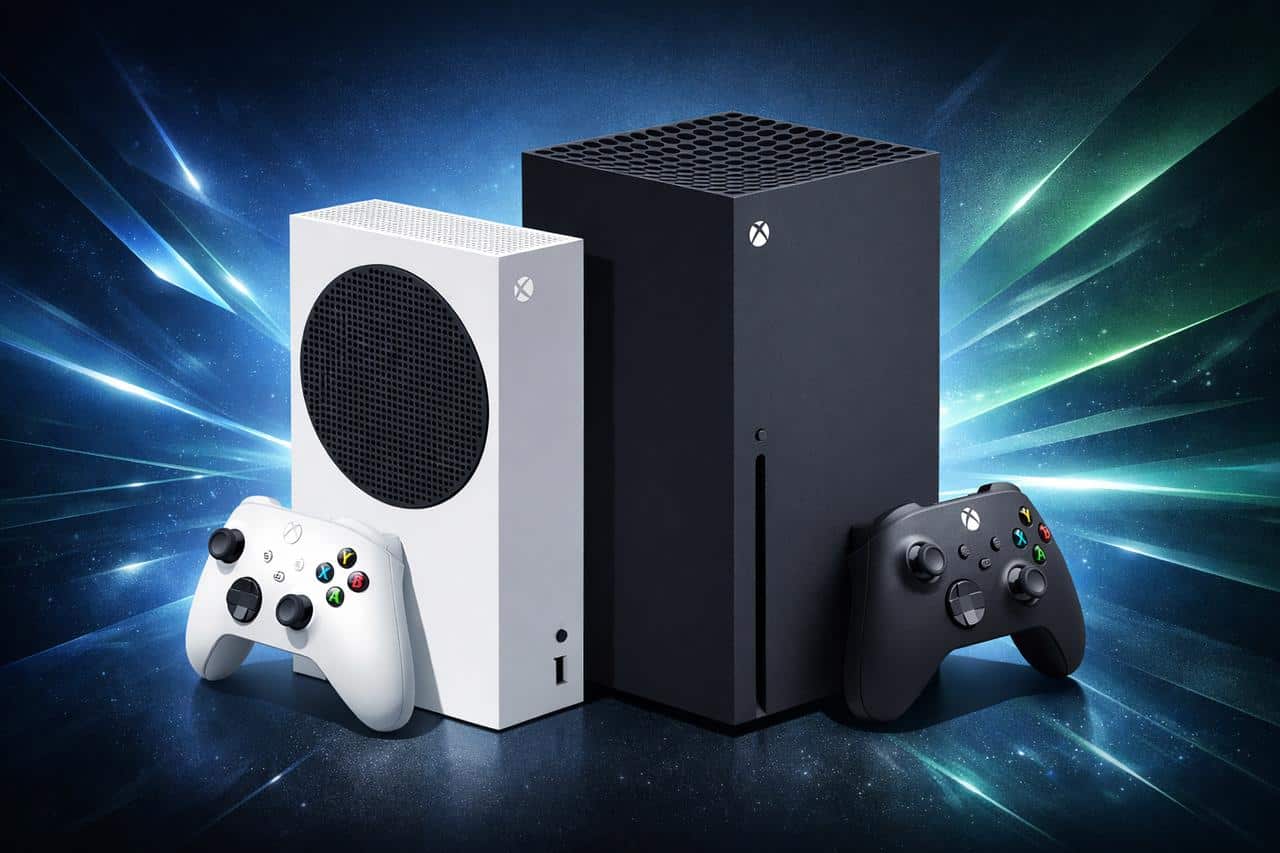
Microsoft’s gaming division underwent a massive leadership shakeup last month. Asha Sharma is the new CEO of Xbox after Sarah Bond moved on from her role, alongside Phil Spencer, who retired from his role as CEO of Microsoft Gaming. Sharma, who assumed the role recently, officially teased the company’s next-gen Xbox console, codenamed “Project Helix,” last week.

According to Sharma, Project Helix will “lead in performance” and allow users to play Xbox and PC games together, hinting at a unified experience. While the announcement sounds like a new direction for Xbox, the idea behind Project Helix may not be new, as pointed out on X by The Verge’s senior editor, Tom Warren (via GameSpot).

Warren, citing a Kotaku report, hints that Microsoft began exploring the concept of a shared Xbox and Windows gaming platform as early as 2016. Interestingly, the report had already described Project Helix as Microsoft’s plan to combine Xbox and Windows. In other words, the strategy behind Helix appears to have been in the works for years.

Back then, Microsoft was already experimenting with ways to bring Xbox consoles closer to the Windows PC ecosystem. The idea was to create a platform where games could run across both environments more easily while reducing the gap between console and PC gaming. Over time, Microsoft, through different software initiatives and cross-platform services like Xbox Play Anywhere, has come close to that ambition.

If Project Helix fully materializes, which should be around 2027 if rumors turn out to be accurate, it would be a statement from Microsoft regarding its long-term strategy to bridge console simplicity with the flexibility of PC gaming. Speaking of strategies, CEO Satya Nadella recently reaffirmed to Xbox developers that the company will continue to invest in the platform, as it remains one of the fundamental pillars of the Microsoft ecosystem.

Resident Evil Requiem Director Confirms Photo Mode, Mini-Game, and Story Expansion

Resident Evil Requiem has achieved a major milestone shortly after launch, with Capcom confirming that the game sold more than 5 million copies in just one week. The strong sales performance signals continued interest in the long-running survival horror franchise.

However, the story of Resident Evil Requiem is far from finished. The game’s director has now confirmed that additional content is already in development.

Director Confirms Future Updates and Expansion Plans

According to Insider Gaming, Resident Evil Requiem director Koshi Nakanishi confirmed that the development team is preparing several updates and new content for the game.

Capcom says it will continue supporting the title by fixing bugs and improving overall performance through upcoming patches.

The developers also revealed several new features that are planned for future updates. One of the most requested additions, Photo Mode, will be introduced in a later update.

In addition, the team is currently developing a new mini-game that will expand the gameplay experience.

The studio also teased a surprise update scheduled for May 2026, though details about the content remain undisclosed.

Story Expansion Will Explore the Game’s World Further

Beyond smaller updates, the development team confirmed that a larger story expansion is also in development.

The expansion will reportedly explore the world of Resident Evil Requiem in greater depth, offering additional narrative content for players who want to learn more about the game’s setting and characters.

At the moment, Capcom has not announced a release window for the expansion.

Developers noted that the project will take time to complete, suggesting the additional story content may arrive later in the game’s lifecycle.

More Resident Evil and Remake Rumors Continue

The success of Resident Evil Requiem has also sparked speculation about future projects in the franchise.

Recent leaks suggest Capcom may be working on a remake of the original Resident Evil, although the company has not officially confirmed the project.

At the same time, rumors about other remasters in the gaming industry continue to circulate, including reports of a possible Fallout 3 remaster.

For now, Capcom appears focused on expanding Resident Evil Requiem with new features and story content following its strong launch.

Fallout 3 Remastered Rumor Surfaces After McFarlane Toys Listing Leak

Rumors about Fallout remasters have circulated for years, with fans hoping to see Fallout 3 and Fallout: New Vegas updated for modern platforms. While Bethesda has remained largely silent on the topic, a new leak from an unexpected source has reignited speculation.

According to Insider Gaming, a recently discovered toy listing from McFarlane Toys appears to reference a potential Fallout 3 Remastered release.

The listing was reportedly found by users on the r/Fallout subreddit, where fans noticed an entry connected to Bethesda’s post-apocalyptic RPG franchise.

Toy listing mentions Fallout 3 Remastered

McFarlane Toys produces collectible figures based on major franchises, including DC, Marvel, Transformers, and various video games.

In a leaked product list circulating online, three new Elite Edition figures are mentioned. One entry specifically reads: “Fallout 3 Remastered – #13 T-45B Nuka Cola.”

The appearance of the phrase “Fallout 3 Remastered” immediately caught the attention of fans, since Bethesda has not officially announced any remaster of the 2008 RPG.

Fans question details in the listing

Despite the excitement, several details in the listing have raised doubts within the community.

Fans quickly pointed out that Fallout 3 never featured a Nuka-Cola themed power armor variant. Additionally, the T-45B armor design referenced in the listing appeared prominently in Fallout 4 rather than Fallout 3.

Because of these inconsistencies, many believe the entry could contain placeholder information or incorrect details.

Rumors continue around Fallout remasters

Bethesda director Todd Howard recently discussed upcoming projects but did not mention any Fallout remasters. Earlier speculation also emerged after Iron Galaxy teased a mysterious project, which some fans believed could involve the Fallout series.

However, the studio has denied the claims that it is working on remasters, so we likely won’t see Fallout 3 and New Vegas remasters anytime soon.

Toy listings have occasionally hinted at upcoming games in the past, though they are not always accurate indicators of future announcements.

For now, the McFarlane Toys listing offers only a possible clue rather than confirmation, leaving fans waiting for an official statement from Bethesda.

Visual Studio Code to Receive Weekly Updates as AI Coding Tools Evolve

Microsoft is changing how often Visual Studio Code receives updates, shifting from a monthly schedule to a weekly release cycle. The move aims to deliver features faster while keeping the editor aligned with the rapid pace of AI development.

The company confirmed the change in a recent blog post, explaining that smaller and more frequent updates should help improve iteration speed without sacrificing reliability.

Microsoft wants to ship features faster

For years, Microsoft released new versions of Visual Studio Code roughly once per month. That predictable cadence gave developers time to test features and adjust workflows.

With the new approach, updates will arrive every week instead. Microsoft says the shorter cycle allows teams to push improvements faster while maintaining quality standards.

Because releases will happen more often, each update will include fewer changes. However, developers should receive new features sooner rather than waiting for larger monthly bundles.

AI tools are likely driving the change

Microsoft did not provide a specific reason for the shift, but the fast pace of AI development appears to be a major factor.

Coding-focused AI models receive frequent updates. New versions of systems such as Claude Opus 4.6 and regular updates to GPT arrive quickly, often introducing new capabilities for code generation and debugging.

A weekly release schedule helps Visual Studio Code keep up with these changes. It also strengthens the editor’s position against emerging AI-focused development environments.

Visual Studio Code 1.111 introduces new AI capabilities

The first weekly update arrives as Visual Studio Code 1.111, which focuses heavily on improvements to AI coding features.

One addition introduces a permissions picker that controls how much autonomy AI agents receive when working in the editor. Developers can choose traditional approval-based controls or enable a fully autonomous Autopilot mode.

Another improvement allows developers to include agent debug events as context in AI chats. This helps users ask AI tools about configuration issues, token usage, and troubleshooting tasks.

Source: Visual Studio Code

Microsoft also redesigned the AI chat tips system. Important guidance about the Plan agent and custom agents now appears first, while details about experimental features and Mermaid diagram generation appear later in the interface.

Source: Visual Studio Code

Older AI editing mode will be removed

The company also announced that the original AI Edit Mode will be deprecated. Microsoft plans to remove it entirely in Visual Studio Code 1.125.

Developers who still rely on the feature can temporarily restore it by enabling the chat.editMode.hidden setting.

AI continues to expand across Microsoft tools

The Visual Studio Code changes arrive as Microsoft pushes deeper into AI across its products. The company recently introduced Wave 3 of Microsoft 365 Copilot, adding more agent-based automation features across Office applications.

Microsoft also unveiled the Copilot Cowork agent, and OpenAI announced a new program that gives open-source developers six months of ChatGPT Pro access.

With weekly updates now in place, Visual Studio Code may evolve much faster than before as AI-driven development tools continue to expand.

Via How to Geek

Windows PCs using Autopatch will receive hotpatch security updates by default starting May 2026

Microsoft has announced that it’s about to roll out a small but important change to how Windows devices receive security updates. Starting with the May 2026 Windows security update, hotpatch updates will be enabled by default via Windows Autopatch for eligible devices managed in Microsoft Intune or through the Microsoft Graph API.

The idea behind hotpatching is simple. Security updates can be applied immediately after installation instead of waiting for a device restart. For IT teams managing thousands of devices, that restart delay often slows down how quickly systems become fully protected.

In the traditional update process, Windows installs the security patch first but activates it only after a restart. Many organizations give users several days before forcing a reboot, which stretches the time needed to reach full compliance. Hotpatch updates change that flow. Once the update installs, the protection becomes active instantly without interrupting users.

Microsoft says the results are already visible in real deployments. In internal comparisons involving companies managing between 30,000 and 70,000 devices, organizations reached 90 percent patch compliance in roughly half the time compared with the standard update process.

Image credit: Microsoft

The company further notes that more than 10 million production devices are already enrolled in hotpatch updates. However, not every system will receive them. In yesterday’s Tech Community blog post, Microsoft added that devices must meet certain prerequisites, while unsupported systems will continue using the traditional restart-based update method.

Before the default switch arrives, Microsoft is adding new controls for administrators. Starting April 1, 2026, tenant settings in Microsoft Intune will allow organizations to block hotpatch updates if they prefer the existing behavior. Moreover, devices that install the April 2026 baseline update and meet the requirements will begin receiving hotpatch updates in May.

Laptop prices could increase nearly 40% as memory and CPU costs spike, TrendForce warns

Laptop prices may soon be heading into unfamiliar territory, unfortunately. After several years of relatively stable pricing for mainstream laptops, growing pressure on key components could force manufacturers to raise prices sharply. If current supply trends continue, the next wave of laptops could cost significantly more than what buyers are used to paying today.

Rising memory and CPU costs could bump up notebook pricing in 2026

A new industry analysis report from TrendForce suggests the global notebook market may face a difficult year in 2026 (via TechPowerUp). The firm warns that rising component costs and uneven supply conditions could push retail prices for mainstream laptops dramatically higher.

Image credit: TrendForce

According to the TrendForce report, the slowdown in memory supply has been a massive issue for manufacturers since the start of 2026. Phison CEO even warned that consumer tech may face both DRAM & NAND shortages until 2030. That’s the very reason many memory suppliers, including Samsung plans to significantly raise NAND prices during the second quarter of 2026, after already implementing increases earlier in the year.

These memory components normally account for around 15 percent of a notebook’s bill of materials. However, after several quarters of price increases, that share could exceed 30 percent by the first quarter of 2026. To illustrate the impact, TrendForce modeled a baseline system. A mainstream laptop that carried a $900 MSRP in early 2025 could see its retail price rise by more than 30 percent simply to maintain current profit margins across manufacturers and distribution channels.

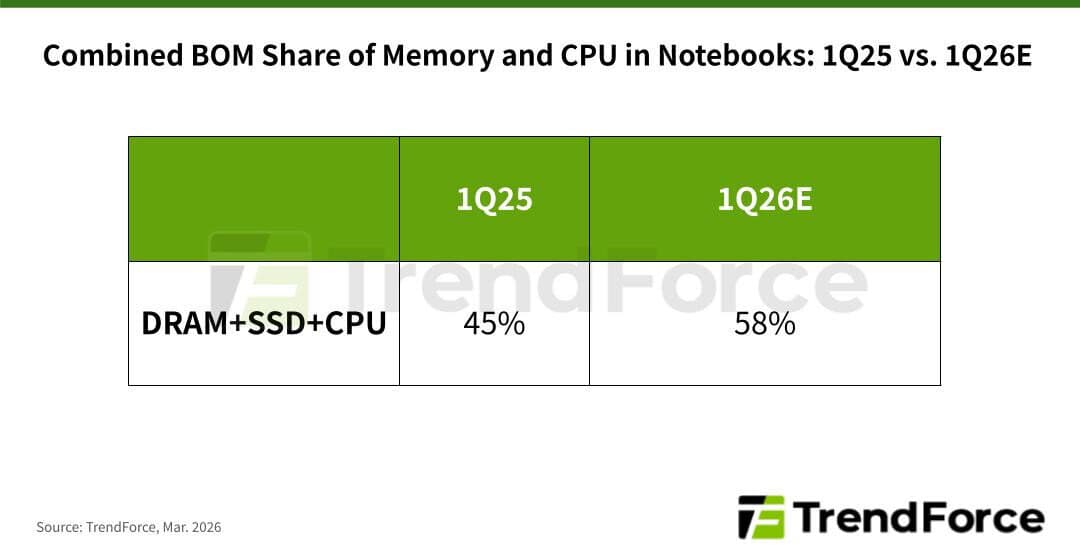
CPU pricing is also adding fresh pressure to the notebook market. According to supply chain observations cited by TrendForce, Intel has already raised prices on certain entry-level and older notebook processors by more than 15 percent, with further increases expected for mainstream and mid-to-high-end platforms in the second quarter of 2026. Because processors already make up one of the largest portions of a notebook’s bill of materials, rising CPU and memory costs together could push their combined share from about 45 percent to nearly 58 percent.

Trendforce further notes that major notebook brands may handle the situation better due to stronger supplier relationships and larger purchasing volumes, while smaller manufacturers could face higher costs and supply risks. Vendors have also been adopting multi-platform strategies that include AMD chips, though some entry-level AMD platforms are now reportedly facing supply pressure as well. All that said, tough days are ahead if you are looking to buy high-configuration notebooks later this year.

EA reportedly starts layoffs across Battlefield studios months after successful Battlefield 6 launch

The gaming industry appears to be going through a rough patch lately, given that some big studios have announced layoffs in the recent past. Last month, Riot Games laid off nearly 80 developers from the 2XKO team. Meanwhile, in the same month, Ubisoft announced job cuts in its Toronto studio. Now, EA has reportedly started laying off staff across several studios working on the Battlefield franchise, just months after the blockbuster launch of Battlefield 6.

EA cuts jobs across Battlefield studios after Battlefield 6 success

According to a report by IGN, the restructuring effort comes as the company continues live-service support for the title while restructuring internal teams. Employees at multiple Battlefield studios, including Electronic Arts teams such as DICE, Criterion Games, Ripple Effect Studios, and Motive Studio, have been impacted by layoffs. The exact number of affected employees has not been disclosed in the report.

In a statement to IGN, an EA spokesperson has said, “We’ve made select changes within our Battlefield organization to better align our teams around what matters most to our community. Battlefield remains one of our biggest priorities, and we’re continuing to invest in the franchise, guided by player feedback and insights from Battlefield Labs.”

The company, meanwhile, has also reassured that all four studios remain operational and will continue supporting the franchise. The layoffs come at a time when Battlefield 6 became the best-selling game in the United States in 2025 and proved to be the biggest launch in the franchise’s history. To catch you up, the title reportedly sold more than seven million copies within its first three days.

That early momentum, however, appears to have slowed in the months since release. Reviews on Steam have also slipped from “Mostly Positive” at launch to a “Mixed” rating as criticism grew. The layoffs also arrive during a turbulent period for the franchise. Battlefield leader Vince Zampella passed away in December in a tragic car crash. Meanwhile, EA is reportedly also preparing for a major acquisition deal involving investors, including the Public Investment Fund. That being said, EA has reportedly clarified that the layoffs are not related to the acquisition.

Valve Hit With Class Action Lawsuit Over Loot Boxes in Counter-Strike 2 and Dota 2

Valve is facing a new class action lawsuit in the United States over the use of loot boxes in several of its most popular games. The legal complaint argues that these in-game systems function as illegal gambling and may target minors.

Lawsuit filed in Washington federal court

According to Insider Gamer, the lawsuit was filed on March 9, 2026, in the U.S. District Court for the Western District of Washington.

The complaint accuses Valve of operating what plaintiffs describe as an illegal gambling system through loot boxes. These randomized reward mechanics appear in several major Valve titles, including Counter-Strike 2, Dota 2, and Team Fortress 2.

The proposed class of U.S. consumers is represented by law firm Hagens Berman, which has previously pursued cases against major tech and gaming companies.

Allegations focus on gambling mechanics and minors

The lawsuit claims that loot boxes rely on deceptive psychological techniques designed to encourage repeated spending. According to the complaint, these mechanics allegedly push players to spend money in hopes of receiving rare in-game items.

Plaintiffs argue that the system exposes children to gambling-like mechanics and may normalize wagering behavior at a young age.

The filing also claims that Valve failed to introduce safeguards such as age verification tools or parental consent requirements that could limit minors’ access to these systems.

Law firm seeks damages for affected players

Hagens Berman says it plans to hold Valve accountable for the alleged practices and recover financial damages for affected consumers.

The firm argues that the system stacks the odds against players who believe they are purchasing entertainment rather than participating in a randomized system resembling gambling.

To support the case, the law firm has launched a website where players can submit reports describing their experiences with loot boxes in the affected games.

Growing legal scrutiny around loot boxes

The lawsuit adds to increasing legal pressure on loot box mechanics across the gaming industry.

The state of New York has also taken action against Valve related to loot boxes, highlighting broader regulatory concerns about gambling-like features in video games.

The current case will focus on whether randomized reward systems in games such as Counter-Strike 2 and Dota 2 legally qualify as gambling under U.S. law.

Further updates are expected as the legal proceedings move forward.

Meanwhile, Valve recently confirmed that its long-anticipated Steam Machine console is still scheduled to launch in 2026 after earlier concerns about potential delays.

Attackers Impersonate IT Support on Microsoft Teams to Deploy A0Backdoor Malware

A new cyberattack campaign has targeted employees at financial and healthcare organizations by abusing Microsoft Teams and Windows Quick Assist to gain remote access to corporate systems. Researchers say attackers used social engineering and disguised malware installers to deploy a stealthy backdoor.

Security researchers at BlueVoyant reported that the attackers impersonated internal IT support staff and tricked victims into giving remote access to their computers.

Attackers Impersonate IT Support on Teams to Deploy Malware

According to BlueVoyant, attackers first flooded employees with spam emails. Shortly afterward, they contacted the same victims through Microsoft Teams while pretending to be IT support personnel offering assistance.

The attackers then instructed victims to start a remote session using Windows Quick Assist. Once the session began, the threat actors obtained full remote control of the victim’s machine.

Quick Assist is a legitimate Windows tool designed to allow remote troubleshooting. In this campaign, however, it served as the main entry point for attackers to install malware on compromised systems.

Malware disguised as Microsoft components

After gaining access, the attackers deployed malware known as A0Backdoor using digitally signed MSI installers. The malicious installers were hosted on a personal Microsoft cloud storage account to make them appear legitimate.

These installers were designed to masquerade as Microsoft Teams components and CrossDeviceService, a legitimate Windows tool used by the Phone Link application.

The attackers relied on a technique known as DLL sideloading. A legitimate Microsoft binary loads a malicious library named hostfxr.dll, which contains compressed or encrypted payload data.

When executed, the malicious DLL decrypts the payload into shellcode and runs it directly in memory. It also uses the CreateThread API to make debugging and malware analysis more difficult.

Encrypted payload and sandbox detection

Before activating fully, the malware performs sandbox detection to determine whether it is running inside a security analysis environment.

If the system appears legitimate, the malware generates a SHA-256-derived key that decrypts the A0Backdoor payload using AES encryption. The malware then relocates itself to a new memory region and decrypts its core components.

The backdoor also collects system information using several Windows API calls, including DeviceIoControl, GetUserNameExW, and GetComputerNameW.

This information allows attackers to fingerprint the infected machine.

Command and control hidden in DNS traffic

Communication with the attacker infrastructure is hidden inside DNS traffic.

The malware sends DNS MX queries with encoded data embedded in high-entropy subdomains. The DNS responses include MX records that contain encoded command instructions.

This approach allows the communication to blend in with normal DNS activity and makes the malicious traffic harder to detect.

Researchers confirmed two organizations targeted in the campaign. One victim was a financial institution in Canada, while another was a global healthcare organization.

BlueVoyant researchers believe the campaign may be linked to tactics previously used by the BlackBasta ransomware group, which was widely believed to have disbanded.

Attackers increasingly abuse legitimate services

The campaign highlights a growing trend in cyberattacks where threat actors abuse legitimate software tools and trusted infrastructure instead of relying on obvious malware downloads.

Security researchers have recently observed attackers using legitimate certificates to distribute malware. Other campaigns have also abused search platforms, including Bing AI results, to distribute fake installers such as malicious OpenClaw downloads. This is not the only development, as threat actors have also been seen selling Remote Desktop exploits online.

Researchers recommend that organizations train employees to verify support requests received through messaging platforms and carefully review any request to start a remote support session.

Via Bleeping Computer

AMD rolls out new Windows 11/10 chipset drivers for Ryzen 9000 and older series

AMD has released a new chipset driver package for Ryzen platforms. The AMD Ryzen Chipset Driver 8.02.18.557 update is now available for Windows 10 and Windows 11 64-bit systems (via Neowin). The latest driver update fixes bugs and brings support updates across a wide range of Ryzen desktop, mobile, and Threadripper platforms.

AMD notes that the update includes fixes related to the AMS Mailbox driver and the S0i3 filter driver, which are part of the power and system management stack on Ryzen platforms. The package continues AMD’s support for a wide list of chipsets, ranging from older platforms like X370, B350, and A320 to newer ones, including X870E, X870, B850, and B840. Compatibility extends across multiple processor generations, including Ryzen 9000, Ryzen 8000G, Ryzen 7000, and several Threadripper families.

However, AMD lists a few known issues. Users installing version 7.xx.xx.xx of the chipset installer can’t directly downgrade to version 6.xx.xx.xx or earlier. The workaround involves uninstalling the newer package and deleting the Qt_Dependencies folder before installing an older release. AMD also notes that some driver names may appear in English on non-English operating systems.

AMD, in its support article, mentions that the Ryzen Chipset Driver package includes several individual drivers designed to support Microsoft Windows platforms. Operating system compatibility may vary depending on the specific AMD hardware in use.

ComponentWindows 10Windows 11Change Details
AMD Ryzen Power Plan / AMD Processor Power Management Support8.0.0.138.0.0.13No change
AMD PCI Device Driver1.0.0.901.0.0.90No change
AMD I2C Driver1.2.0.1261.2.0.126No change
AMD UART Driver1.2.0.1211.2.0.121No change
AMD GPIO2 Driver2.2.0.1362.2.0.136No change
PT GPIO Driver3.0.3.03.0.5.0No change
AMD PSP Driver5.43.0.05.43.0.0Bug Fixes
AMD IOV Driver1.2.0.52Not ApplicableNo change
AMD SMBUS Driver5.12.0.445.12.0.44No change
AMD AS4 ACPI Driver1.2.0.46Not ApplicableNo change
AMD SFH I2C Driver1.0.0.861.0.0.86No change
AMD USB Filter Driver2.1.11.304Not ApplicableNo change
AMD SFH Driver1.0.0.3411.0.0.341No change
AMD CIR Driver3.2.4.135Not ApplicableNo change
AMD MicroPEP Driver1.0.47.11.0.47.1No change
AMD Wireless Button Driver1.0.0.61.0.0.6No change
AMD PMF-6000 Series Driver25.0.6.025.0.7.0No change
AMD PPM Provisioning File Driver8.0.0.618.0.0.61No change
AMD USB4 CM Driver1.0.0.43Not ApplicableNo change
AMD AMS Mailbox Driver5.1.0.14805.1.0.1480Bug Fixes
AMD S0i3 Filter Driver1.0.0.121.0.0.12Bug Fixes
AMD 3D V-Cache Performance Optimizer Driver1.0.0.121.0.0.12No change
AMD SFH1.1 Driver1.1.0.261.1.0.37Bug Fixes
AMD PMF-7040 Series Driver25.2.6.025.2.7.0No change
AMD Interface Driver2.0.0.262.0.0.26No change
AMD PMF-7736 Series DriverNot Applicable24.1.20.0No change
AMD PMF-8000 Series Driver25.5.25.026.10.4.0Bug Fixes
AMD Provisioning for OEM1.0.0.61.0.0.6No change
AMD PMF Ryzen AI 300 Series Driver 1Not Applicable25.6.30.0No change
AMD Application Compatibility Database Driver1.0.0.31.0.0.3No change
AMD NULL Driver for Microsoft Pluton Security Processor 11.0.0.0Not ApplicableNo change
AMD NULL Driver for Microsoft Pluton Security Processor 21.0.0.2Not ApplicableNo change
AMD HSMP Driver1.0.0.71.0.0.7Bug Fixes
AMD PMF Ryzen AI MAX 300 Series DriverNot Applicable26.10.4.0Bug Fixes
AMD PMF Ryzen AI 300 Series Driver 2Not Applicable26.10.4.0Bug Fixes

The AMD Ryzen Chipset Driver 8.02.18.557 package is now available for download directly from AMD’s official support website.

Hackers Allegedly Selling Windows Remote Desktop Exploit for $220K

A Windows exploit targeting Remote Desktop Services is reportedly being sold on the dark web for $220,000, according to a report from Neowin. The vulnerability, tracked as CVE-2026-21533, allows attackers to escalate privileges on compromised systems.

Exploit allegedly listed on underground forum

The listing appeared on an underground malware and exploits forum, posted by a user named “Kamirmassabi.” The seller claims the exploit targets a previously unknown vulnerability in Windows Remote Desktop Services and advertises it as a zero-day exploit.

According to the listing, interested buyers must contact the seller privately to obtain further details about the exploit.

The vulnerability reportedly allows attackers to manipulate a service configuration registry key associated with the TermService protocol, enabling privilege escalation to system-level access.

The exploit requires initial access

Unlike remote code execution flaws that can be triggered from the internet, this vulnerability requires attackers to already have low-privilege authenticated access to the target system.

Initial access could be obtained through common intrusion techniques such as phishing attacks, malicious downloads, or compromised user accounts. Once attackers gain access, they could exploit the vulnerability to elevate their privileges and gain full control over the system.

Microsoft patched the flaw in February

The good news is that Microsoft has already patched CVE-2026-21533 in the February 2026 Patch Tuesday security updates.

This means organizations that have installed the update are protected from the exploit.

However, attackers may still target systems that have not yet applied the patch, especially in enterprise environments where update deployment may be delayed.

Microsoft has also updated Defender security intelligence signatures across installation packages, further strengthening protection against potential exploitation attempts.

Cybercriminals increasingly sell exploits instead of using them

Security researchers note that the listing reflects a growing trend in the cybercrime ecosystem where attackers sell exploits on underground markets instead of using them directly.

High-value vulnerabilities often attract large price tags, especially when they affect widely used enterprise services like Remote Desktop.

System administrators are advised to install the February 2026 security updates immediately to mitigate the risk of exploitation.

This incident also follows recent reports of attackers abusing legitimate certificates to distribute malware, highlighting the evolving tactics used by cybercriminals.

In other security-related news, Microsoft recently restored missing details in its Secure Boot FAQ, providing additional clarification about upcoming certificate changes.

Microsoft launches $99/month Microsoft 365 “E7” Frontier Suite for enterprise customers

Microsoft has unveiled the next phase of its enterprise AI strategy with the introduction of Wave 3 of Microsoft 365 Copilot alongside Agent 365 and the new Microsoft 365 E7: The Frontier Suite. The announcements, which emphasize “Intelligence + Trust,” looks to give organizations smarter, more secure ways to embed AI into everyday work.

Wave 3 brings enhanced agentic experiences to Word, Excel, PowerPoint, and Outlook. Employees can now create, augment, and manage content directly within the apps they use daily. Copilot is model-diverse by design, letting users choose from the latest OpenAI and Anthropic models, including Claude, to ensure AI fits the task at hand. Speaking of which, Microsoft also announced Copilot Cowork AI agent powered by Claude model.

These updates promise faster, more accurate assistance while keeping work grounded in context, thanks to the new Work IQ layer that captures organizational knowledge.

Alongside Wave 3, Microsoft confirmed the general availability of Agent 365 on May 1, priced at $15 per user. Agent 365 offers IT and security teams a central platform to observe, govern, and secure AI agents across the enterprise. Early adoption metrics are impressive: Microsoft reports over 500,000 agents active internally, generating more than 65,000 responses per day in tasks like research, coding, and HR self-service. The system is designed to scale securely, turning AI experimentation into actionable business outcomes.

To unify these offerings, Microsoft is introducing the Frontier Suite with Microsoft 365 E7, combining Copilot, Agent 365, and E5 capabilities in one package, which is priced at $99 per user per month. The suite bundles advanced security tools like Microsoft Entra, Defender, Intune, and Purview, aiming to simplify enterprise deployment while ensuring comprehensive protection.

Intel Introduces Core Series 2 and Panther Lake Core Ultra X9 Chips for Edge Systems

Intel introduced a new lineup of processors at Embedded World 2026, expanding its edge computing portfolio with the Core Processor Series 2 and the Core Ultra X9 300 series. The announcement comes after Intel recently rolled out XeSS 3 support across its Intel Arc graphics lineup, marking several major updates for the company in recent weeks.

Intel targets deterministic performance for edge workloads

The new Core Processor Series 2 chips are built exclusively with performance cores (P-cores), a design choice Intel says improves deterministic performance for edge computing tasks. By focusing solely on P-cores, the processors aim to deliver more predictable latency and response times for workloads that require consistent execution.

According to Neowin, Intel highlighted the Core 9 273PE as a key example and compared it against AMD’s Ryzen 7 9700X. Intel claims the processor offers up to 4.4x lower maximum PCIe latency, 2.5x faster deterministic response, and 3.8× stronger deterministic performance. The company also reports 1.5x higher multi-thread throughput compared to the competing chip.

These improvements are intended for industrial systems, edge servers, and embedded deployments where timing and reliability matter as much as raw processing power.

Panther Lake powers new Core Ultra X9 series

Intel also introduced the Core Ultra X9 300 series, based on the upcoming Panther Lake architecture. The company highlighted the Core Ultra X9 388H, claiming it delivers strong performance compared to competing processors from AMD, Qualcomm, and Nvidia in edge computing scenarios.

Panther Lake processors are expected to expand Intel’s push into AI and edge-focused systems, areas where vendors increasingly compete to deliver efficient compute close to the data source.

Intel stated that systems powered by Core Ultra Series 3 and Core Series 2 processors are already available, allowing manufacturers to begin deploying edge platforms immediately.

The launch arrives during an increasingly competitive period for the processor industry. AMD continues to develop new technologies aimed at boosting the performance of its future Zen 6 architecture, while Qualcomm’s Snapdragon X2 Elite Extreme chips have recently appeared in benchmarks but still trail Apple’s latest M-series processors in some tests.

Microsoft announces wave 3 of 365 Copilot with agentic AI in Word, Excel, and Powerpoint

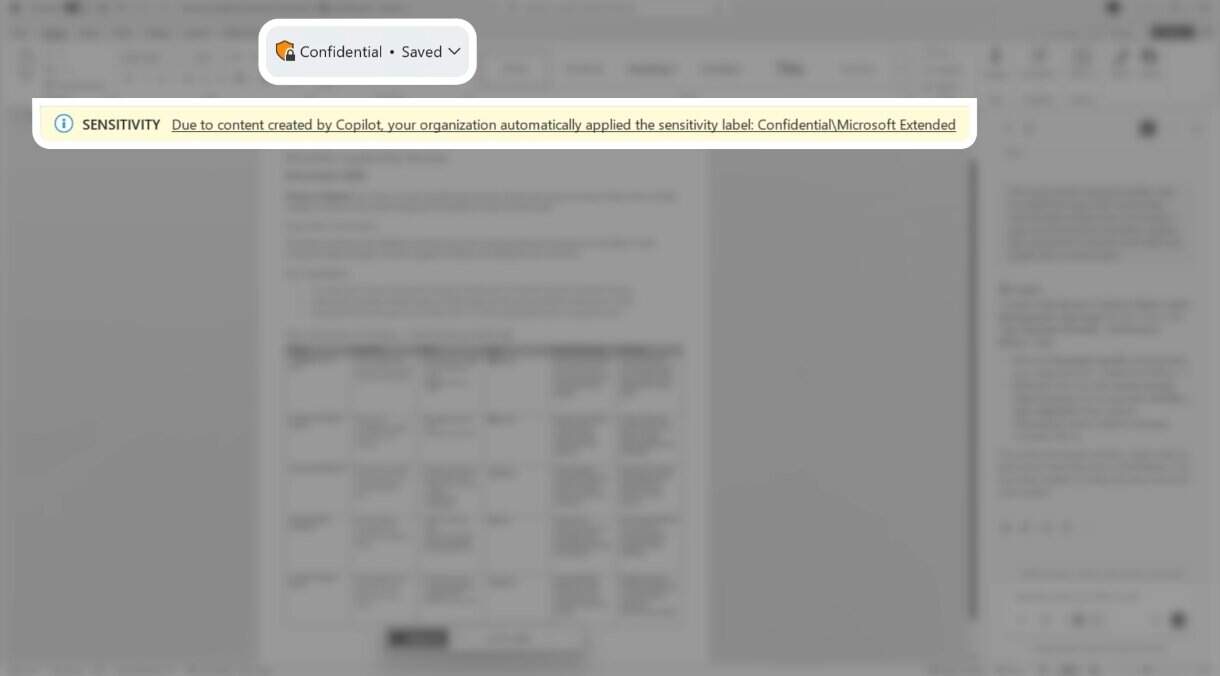
Microsoft 365 Copilot is evolving into a more agentic tool, allowing users take multi-step actions directly inside Excel, Word, and PowerPoint. The update helps teams move work forward where they already work, keeping edits transparent, reviewable, and reversible. Copilot stays grounded in Work IQ, tracking context across files, meetings, chats, and relationships, while respecting Microsoft 365 permissions and sensitivity labels.

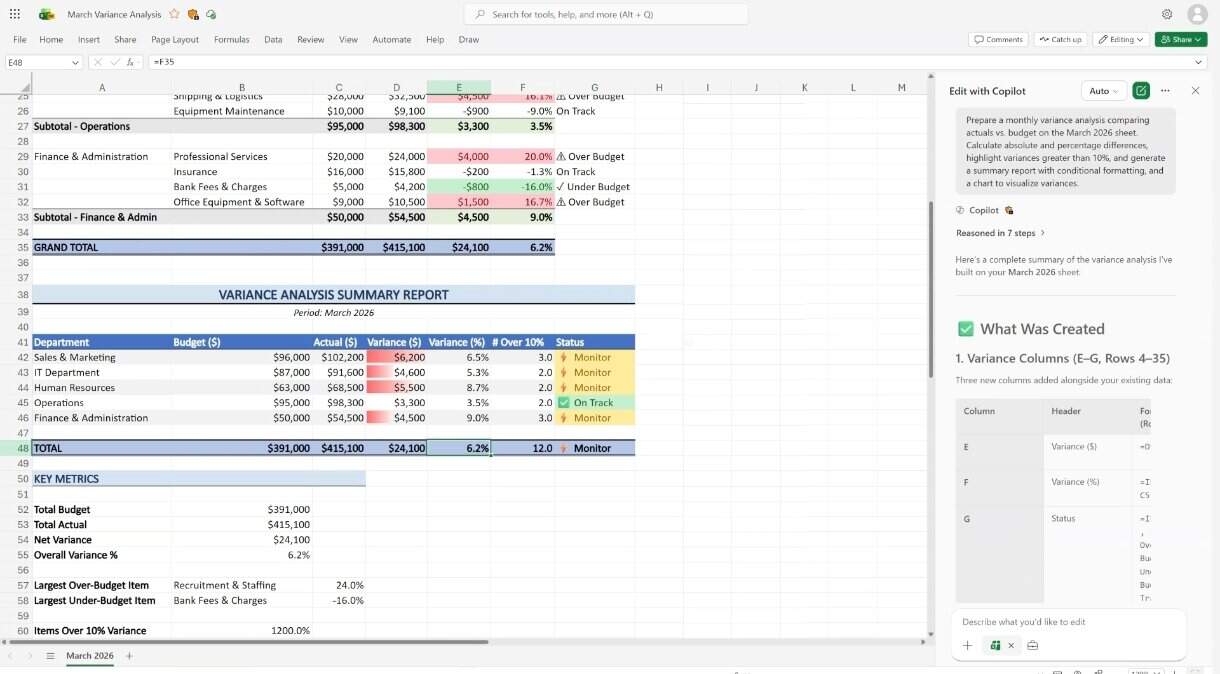
In Excel, Copilot can build and improve spreadsheets natively. Users can model scenarios, refresh inputs, and spot trends directly in their workbooks using tables, formulas, and charts. Updates are applied to the grid so you can review and tweak assumptions. The tool also supports choosing OpenAI or Anthropic models for in-app editing, with local workbooks, file uploads, and file search already supported. Work IQ grounding will roll out later this month, and additional models like GPT-5.4 and Claude Opus 4.6 will be available in the coming weeks.

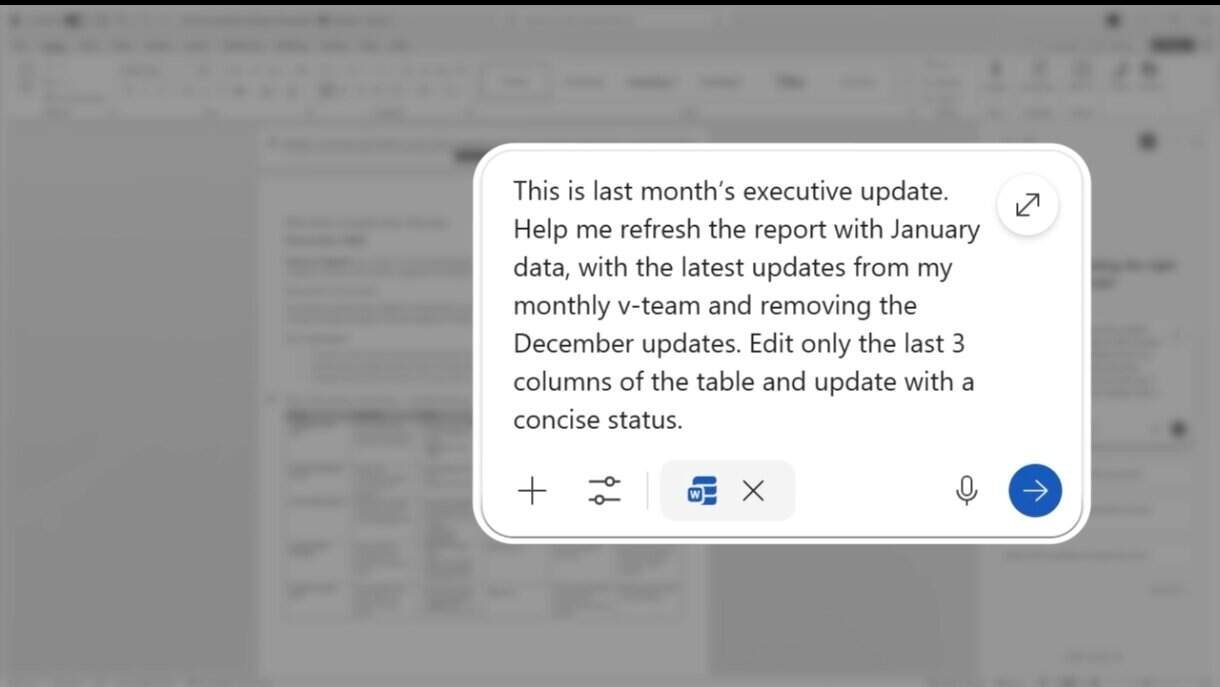
Word now allows users turn drafts into review-ready documents without reconciling copies. Copilot can update template-based documents, add executive summaries, restructure sections, and rewrite for clarity while keeping the file aligned with recent decisions, dates, and details. The editing experience is live today, with model choice coming in April.

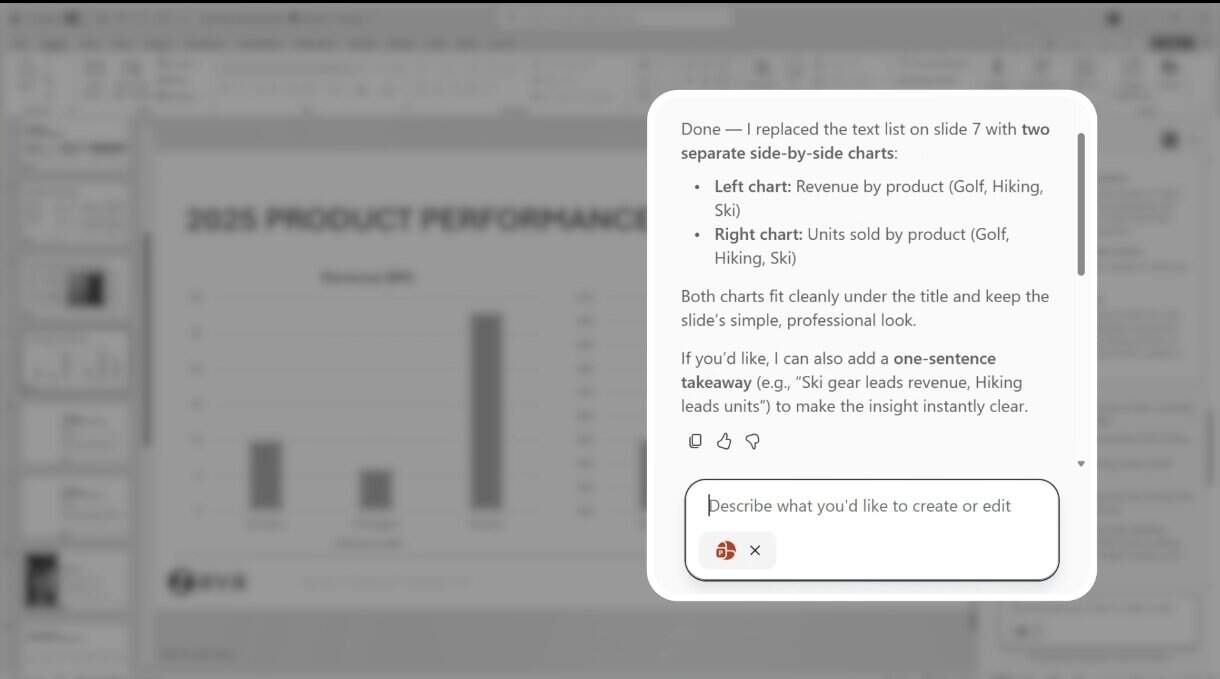
PowerPoint, meanwhile, gets Copilot editing to keep decks crisp and on-brand. It respects organization templates, colors, layouts, and styles, transforming text into visuals, charts, timelines, or diagrams. Teams can improve slides collaboratively without version sprawl. Model choice and Work IQ integration will expand over time, starting with web availability and rolling to Windows and Mac in the coming months.

Besides announcing Microsoft 365 Copilot Wave 3, Microsoft has also announced Copilot Cowork AI agent powered by Claude. Not to forget, Microsoft also claims that 365 Copilot also cuts Power BI optimization time to minutes.

Outlook Update Will Allow Email Attachments Without Internet Connection

Microsoft plans to introduce a new Outlook for Windows feature that allows users to attach files to emails even when they are offline. The update aims to remove a common limitation that currently prevents attachments from being added without an active internet connection.

The change appears in the Microsoft 365 roadmap under Roadmap ID 496371 and targets users who rely on Outlook’s offline mode to continue working during connectivity interruptions.

Outlook for Windows will support attachments in offline emails

Currently, if an internet connection drops while writing an email in Outlook, users can continue composing the message but cannot add file attachments. This limitation often forces users to wait until connectivity returns before completing the email.

Microsoft plans to address this issue by enabling attachment support in Outlook’s offline mode. With the upcoming update, users will be able to attach files to draft emails even when their device is not connected to the internet.

Emails created offline, including those with attachments, will automatically send once the device reconnects to the internet. The update should help users continue working during unstable connections, travel, or power outages.

The feature will apply to Outlook for Windows accounts that have offline mode enabled.

Feature rollout timeline and admin controls

According to Microsoft’s roadmap entry, the feature was originally scheduled for General Availability in February 2026. Microsoft has since delayed the release window.

Targeted Release is now expected to begin rolling out at the end of March 2026. Worldwide General Availability should be complete by late April 2026, while GCC availability will follow by late May 2026.

Users who want to use the feature will need to enable Offline email, calendar, and people in Outlook settings. They must also enable the Include file attachments option under Settings > General > Offline.

Administrators will retain control over the feature through the OWAMailboxPolicy configuration. The default behavior may vary depending on whether the OfflineEnabledWin policy setting is enabled in the organization.

Microsoft notes that existing administrator configurations will remain unchanged when the feature rolls out.

The offline attachment feature arrives as Microsoft continues to refine Outlook for Windows and the broader Microsoft 365 experience.

The company recently acknowledged an issue affecting the classic Outlook app where the cursor can become invisible in certain scenarios. Microsoft has also delayed the migration timeline that would move enterprise users from the classic Outlook client to the new Outlook.

Separately, Microsoft has pushed back the rollout of the Agenda view feature planned for Windows 11.

The new offline attachment capability aims to improve productivity for Outlook users who frequently work without stable connectivity, ensuring emails can still be completed and sent once access to the internet returns.

Via Neowin

Microsoft says 365 Copilot now cuts Power BI optimization time from days to minutes

Microsoft now claims that 365 Copilot is now helping teams tackle slow and bloated Power BI reports in minutes instead of days. The AI tool can analyze report files, identify inefficiencies, and provide a step-by-step mitigation plan, previously reserved for experts and hours of manual work..

Slow Power BI reports are more than frustrating; they increase costs, waste compute capacity, and drive up the total cost of ownership. Traditionally, fixing these issues requires deep knowledge of semantic modeling, Power Query ETL, and DAX optimizations. Not every team has that expertise in-house, and hiring outside help is expensive and time-consuming.

With Copilot, a developer with moderate Power BI experience can now handle tasks that would normally take 16 to 40 hours in under 20 minutes. Tests show semantic model and refresh times cut by 45%, import-mode model sizes reduced by nearly 80%, and report visuals rendering 25% faster. All of this can happen without setting up extra infrastructure or paying for additional licenses, Copilot works with your existing Microsoft 365 setup.

Unlike solutions such as Power BI MCP servers, Copilot keeps all sensitive data inside the customer tenant. No advanced coding is required beyond standard Power BI workflows. This makes it realistic for teams of any size to optimize multiple reports across the organization, freeing up time for higher-value analysis.

For organizations that rely heavily on Power BI, this could change how report performance is managed. AI-driven guidance may now replace costly manual consulting, letting teams focus on insights rather than troubleshooting. At a time when businesses expect faster, cleaner, and more reliable dashboards, tools like Copilot are showing just how far AI can accelerate enterprise workflows. Speaking of AI, let’s not forget that Microsoft, yesterday, also announced Claude-powered Copilot Cowork agent to streamline daily workflow.

Anthropic Finally Files Lawsuit Against Pentagon Over ‘Supply Chain Risk’ Label

As expected, Anthropic has filed a lawsuit against Pentagon after Trump administration officially labeled the company a “supply chain risk.” The legal move escalates a weeks-long dispute over the military use of the company’s Claude AI models, with the start-up claiming the Trump administration is undermining its economic value.

As first reported by Financial Times, in filings with a federal court in California, Anthropic has asked judges to block the designation, calling it “arbitrary” and “capricious.” Lawyers argue that the decision threatens the company’s reputation and core First Amendment rights, and they accuse government officials of targeting one of the fastest-growing private AI companies in the U.S.

The conflict centers on how Claude can be deployed. Pentagon officials reportedly demanded unrestricted rights to use the AI for a wide range of tasks, including sensitive operations. Anthropic CEO Dario Amodei refused to remove two ethical “red lines”: prohibitions on lethal autonomous weapons and domestic mass surveillance. According to the filing, this disagreement triggered the collapse of negotiations and the supply chain risk designation.

Despite the restriction, Anthropic emphasized that most of its commercial clients, including Amazon, Microsoft, and Google, will continue using Claude outside of defense projects. The company also cited social media posts from Donald Trump, who labeled Anthropic an “out-of-control, Radical Left AI company,” and from Pentagon official Pete Hegseth, who accused the start-up of “betrayal.”

Currently, Claude remains the only AI model in classified operations, while OpenAI recently reached a separate Pentagon deal for its technology. However, the online growing backlash has triggered the AI giant to amend its deal with Pentagon. To catch you up, OpenAI’s hardware lead Caitlin Kalinowski resigned recently over similar concerns about surveillance and autonomous weapons, hinting at an unease in the AI industry. At the time of writing this, Pentagon hasn’t issued any statement regarding the lawsuit.

ChatGPT Now Helps You Identify Songs with Shazam Integration

Finding a song no longer requires you to juggle through multiple apps, all thanks to Apple and OpenAI, who have now embedded Shazam directly into ChatGPT, allowing you to identify tracks instantly while chatting. The tool works across iOS, Android, and the web, bringing music recognition right to your fingertips.

Shazam in ChatGPT works simply: type “@Shazam” or ask the AI to identify a song, and a microphone button appears. The system uses the same Shazam recognition tech found across Apple devices, then delivers a preview of the track right inside the conversation. Songs appear as cards, keeping the same design style Apple Music users are familiar with.

The integration is cross-platform, so you don’t need an Apple device to use it. But if you already have Shazam on your phone, any tracks you discover in ChatGPT can be saved directly to your library. This keeps your music history organized, rather than buried under AI conversation threads.
Besides identifying tracks, the feature works seamlessly with Apple Music. You can create new playlists in ChatGPT using the recently identified song as a seed.

Setting up Shazam is straightforward. The tool isn’t enabled by default, but you can go to ChatGPT apps, select Shazam, and connect it. There’s also a dedicated page for instant setup. Once linked, the music recognition service is accessible across all supported devices, from iOS and Android to the web.

The rollout is global, which means anyone with access to ChatGPT can start using it immediately. For users who love discovering music on the fly, this integration finally keeps everything in one place.

via Neowin

Microsoft Reportedly Delays Windows 11 Agenda View to Ensure It Meets “Quality Standards”

Last year, at Ignite 2025, Microsoft announced that there are plenty of new features scheduled for preview late last year and in 2026. Among them was Agenda View, which Microsoft users have been waiting for since Microsoft removed it when Windows 11 was launched. The feature, initially slated for a December 2025 preview, sadly, never happened. After Microsoft updated the original announcement, removing the preview timeline, many assumed it might have been quietly canceled.

Agenda view preview pushed back as Microsoft focuses on improving the user experience and quality

Well, that assumption is now off the table. A Microsoft spokesperson told Windows Central that the agenda view hasn’t been scrapped entirely. The company is reportedly “actively refining the foundational aspects of the experience” to meet quality standards before public preview.

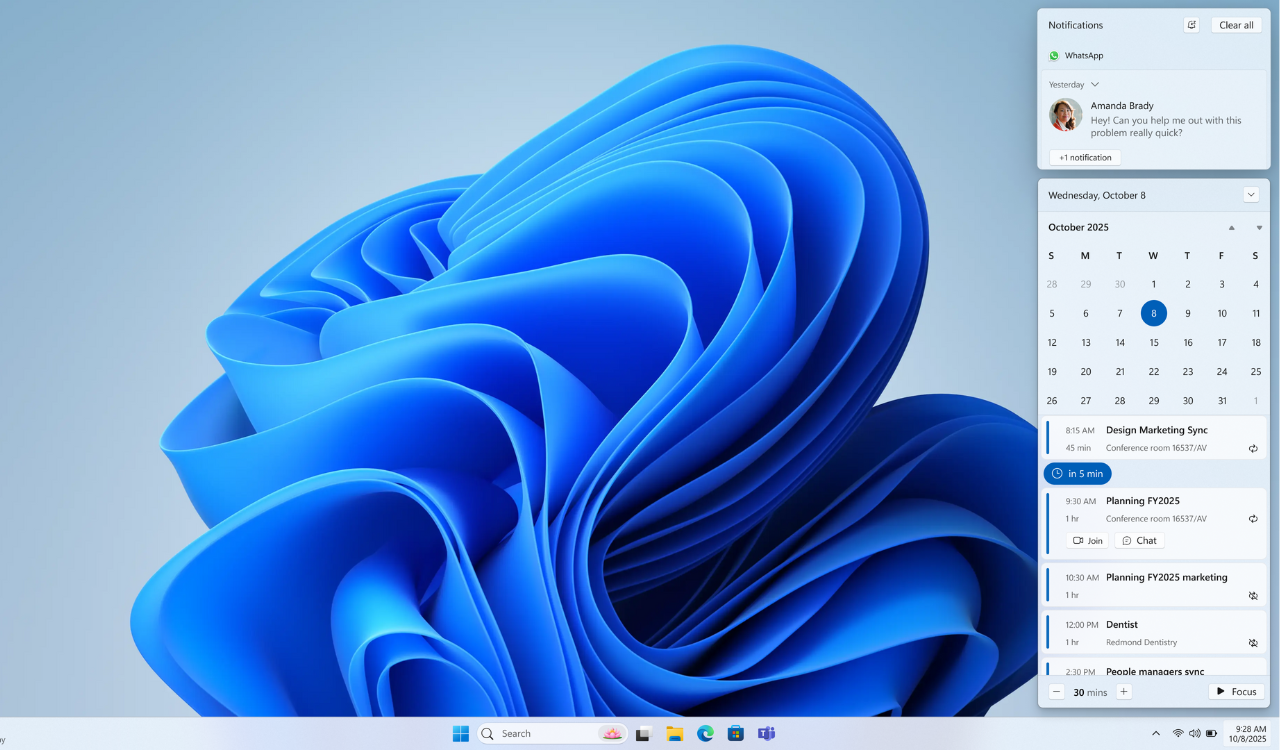
Per the news outlet, the preview is now expected to roll out to Windows Insiders in the “coming months,” which means we may have a few more weeks before it is available to the masses. For users who rely on Windows for work, the agenda view is a handy feature, as it allows them to quickly check meetings, deadlines, and upcoming events directly from the taskbar.

The delay, while disappointing, could be a positive sign. Microsoft is clearly taking extra steps to improve the experience, which was one of the things the company promised when it reassured users that it would move away from its AI-everywhere strategy and refocus on improving Windows 11 from scratch. All that said, the agenda view’s return suggests that Microsoft is getting more serious about listening to feedback and enhancing users’ experience in Windows 11.

While the news of Agenda View’s release may have pleased many, a report published in December shed more light on the feature and how it works, and it immediately sparked online backlash. Per that report, the new Windows 11 version of Agenda View is a WebView2 component, which means it’s non-native.

What do you think about Microsoft’s decision to delay the Agenda View? Share your thoughts in the comments below.

Microsoft Announces Claude-Powered Copilot Cowork Agent to Automate Workplace Tasks

Microsoft has introduced a new AI agent called Copilot Cowork as part of the next phase of Microsoft 365 Copilot, hinting at a broarder shift toward task-oriented “agentic” AI inside workplace tools. The announcement comes as Microsoft rolls out what it describes as Wave 3 of Microsoft 365 Copilot, where the AI assistant evolves beyond simple prompts into systems capable of handling complex workflows. Copilot Cowork is currently available in private preview for select customers, with a wider research preview expected later this month through Microsoft’s Frontier program.

Microsoft brings Claude-powered Cowork agent to Copilot

The new agent was developed in collaboration with AI company Anthropic, integrating technology behind Claude Cowork directly into Microsoft 365 Copilot. Microsoft has already added Anthropic’s Claude Sonnet 4 and Claude Opus 4.1 models to the Copilot ecosystem, and the new agent builds on that multi-model approach.

According to Microsoft, Copilot Cowork is designed to handle long-running, multi-step tasks across different applications. For example, the agent can prepare for a customer meeting by building a presentation, gathering financial data, coordinating schedules, and notifying team members while keeping the user informed throughout the process.

The tool can also assist with research workflows. In one example, Cowork gathers earnings reports, SEC filings, analyst commentary, and relevant news to generate an executive summary, structured research memo, and Excel workbook with organized data.

Microsoft expands its agentic AI ecosystem

Besides Copilot Cowork, Microsoft also plans to introduce agentic AI features across Word, Excel, PowerPoint, and Outlook. These updates will allow users to create documents, analyze data, and build custom AI agents directly inside Microsoft 365 apps. The company also confirmed that Microsoft Agent 365, a platform designed to help organizations manage AI agents, will become generally available on May 1. Microsoft plans to price the service at $15 per user.

Bungie Responds to Marathon Microtransaction Criticism With Currency Bundle Fix

Bungie’s highly anticipated shooter Marathon generated major interest as soon as preorders opened, quickly climbing the Steam paid charts. During its recent server test, the game reached around 143,000 concurrent players, highlighting strong early demand.

Despite this early momentum, activity on Steam has cooled somewhat. The release of Slay the Spire 2 in Early Access pushed Bungie’s title down the charts, while discussions about Marathon’s monetization model began to dominate community feedback.

Microtransactions Spark Player Backlash

Much of the criticism has focused on how Marathon’s premium currency bundles were structured. According to reports from True Achievements, players pointed out that the pricing system made it impossible to buy certain cosmetic items with a single purchase.

Runner skins cost 1,120 Lux, the game’s premium currency. However, the closest bundle available previously was priced at $10 and contained 1,100 Lux, leaving players slightly short of the amount required to purchase a skin. This meant that anyone wanting the cosmetic item needed to buy an additional bundle, raising the total cost beyond what many players considered reasonable.

Bungie Confirms Currency Bundle Changes

In response to the backlash, Bungie confirmed it will adjust the Lux bundle values in an upcoming patch. The $10 Lux bundle will increase from 1,100 Lux to 1,120 Lux, allowing players to purchase a Runner skin directly with a single bundle.

The developer also confirmed that players who already bought the $10 bundle will receive 20 Lux as compensation when the update rolls out. Bungie said it is continuing to review feedback around purchasable cosmetics to improve their overall value.

First Update Will Also Bring Gameplay Improvements

Alongside monetization adjustments, Bungie plans to introduce several gameplay tweaks in Marathon’s first update. The developer aims to improve visibility and resource availability during matches.

Among the planned changes, objective navigation markers will become easier to see, with their visibility increasing from 10 meters to 20 meters. The update will also increase the number of Med Cabinets and Munition Crates spawning on the Permiter map, while starting ammunition will be increased for several free Sponsored Kits, including MIDA, CyberAcme, and Arachne.

Bungie Responds to Community Feedback

Although Marathon attracted strong attention during its server test and preorder phase, the debate around microtransactions quickly became one of the biggest talking points surrounding the game.

Bungie’s decision to adjust the Lux bundles shows that the developer is responding to community concerns early. Addressing pricing and cosmetic value could help maintain player interest as Marathon continues to evolve through future updates.

Snapdragon X2 Elite Extreme Benchmarks Show Apple M5 Pro and M5 Max Still Leading

Qualcomm recently introduced its third-generation Oryon CPU cores with the new Snapdragon X2 Elite Extreme, and early benchmarks show the chip making notable progress against Apple’s latest silicon.

The Snapdragon X2 Elite Extreme features an 18-core CPU designed to boost both single-core and multi-core performance compared to previous Snapdragon X processors, marking a significant step forward for Qualcomm’s Windows laptop platform. However, the key question is whether it can compete with Apple’s M5 chips.

Early Geekbench results reveal strong gains but trailing performance

Initial Geekbench 6 results, reportedly obtained from an ASUS Zenbook 16 system, show significant gains over the previous Snapdragon X Elite generation. However, the chip still trails Apple’s newest processors.

ProcessorCPU CoresGeekbench 6 Single-CoreGeekbench 6 Multi-Core
Snapdragon X2 Elite Extreme18 cores4,03323,198
Apple M5 Pro18 cores4,24228,111
Apple M5 Max18 cores4,26829,233
Apple M4 Max16 cores4,04926,509

According to the results, Apple’s M5 Pro scores about 5.2% higher in single-core performance and roughly 21.2% higher in multi-core workloads compared to the Snapdragon X2 Elite Extreme.

The M5 Max extends that lead further, with around 5.8% higher single-core performance and about 26% better multi-core performance.

Interestingly, even the previous-generation M4 Max, which uses a 16-core CPU, slightly surpasses Qualcomm’s new chip in single-core tests and delivers about 14% stronger multi-core results.

These results highlight Apple’s continued advantage in custom laptop silicon development. Apple has spent several years refining its in-house processors, while Qualcomm’s Oryon-based laptop chips are still relatively new.

The Snapdragon X2 Elite Extreme represents only the second generation of Qualcomm’s fully custom Oryon laptop CPU cores, meaning the architecture may still have room to mature in future iterations.

Meanwhile, Apple’s long-running silicon roadmap continues to push performance forward with each generation.

Qualcomm is expected to continue refining its laptop processors in upcoming releases as it tries to close the gap with Apple’s M-series chips.

In related news, reports suggest that Qualcomm has also delayed its Windows handheld chip project, potentially affecting upcoming portable gaming devices.

Via Wccftech

NVIDIA May Restart GeForce RTX 3060 Production at Samsung Foundry

The GeForce RTX 3060 was one of NVIDIA’s most popular graphics cards, offering 3,584 CUDA cores and up to 12GB of GDDR6 memory. According to a report from Korean outlet Hankyung, Samsung Foundry is now preparing to restart production of the GPU.

If accurate, the move would bring the Ampere-based RTX 3060 back roughly two years after manufacturing reportedly ended.

Samsung may manufacture the GPU again using its 8nm process

The report claims that Samsung will again produce the RTX 3060 using its 8nm fabrication node. This is the same process technology used when the GPU originally launched in early 2021.

Production of the card declined after NVIDIA shifted manufacturing of its newer RTX 40-series GPUs to TSMC in late 2022. The RTX 3060 was eventually discontinued in 2024.

However, rumors from Chinese supply chain sources recently suggested that NVIDIA may ship additional RTX 3060 units during the current quarter.

Older GPUs are gaining attention due to AI demand

Graphics cards like the RTX 3060 were originally designed for gaming and graphics workloads on PCs and consoles. In recent years, however, many of these GPUs have also been used for artificial intelligence workloads.

The Hankyung report links the potential production restart to export restrictions on advanced AI chips. These restrictions primarily affect shipments to China and other regions.

Because of those limits, NVIDIA may consider selling older GPU models that fall outside the restricted categories.

Export policy uncertainty may influence NVIDIA’s strategy

U.S. officials are reportedly discussing new frameworks governing AI chip exports. This regulatory uncertainty has created additional pressure on semiconductor companies that rely on global markets.

Older GPUs could provide an alternative product option in regions where advanced AI accelerators cannot be shipped.

During CES 2026, NVIDIA CEO Jensen Huang also hinted that bringing back older GPUs could help relieve pressure in the gaming market. Prices for high-end GPUs such as the RTX 5090 and RTX 5070 have surged recently, creating supply concerns.

Despite the reports, NVIDIA has not officially confirmed that RTX 3060 production will restart.

NVIDIA continues pushing forward with new AI hardware

While rumors about older GPUs circulate, NVIDIA continues advancing its next-generation hardware.

The company recently shipped early samples of its Vera Rubin VR200 platform to partners. Huang also teased upcoming processors at NVIDIA GTC, promising chips “the world has never seen.”

For now, the possible return of the RTX 3060 remains unconfirmed, but the reports highlight how demand for GPUs continues to shift as artificial intelligence workloads expand across the industry.

Via VideoCardz

OpenAI Announces Codex for Open Source With Six Months of Free ChatGPT Pro

OpenAI is expanding support for the open-source community with a new initiative designed to help maintainers manage projects more efficiently. The company has announced an updated Codex for the Open Source program, offering API credits, ChatGPT Pro access with Codex, and additional security tools to developers who maintain widely used public repositories.

OpenAI expands Codex support for open-source maintainers

The initiative builds on the Codex Open Source Fund, a $1 million program that has already supported projects needing API credits. Over the past year, some teams have reportedly used Codex to automate GitHub pull request reviews and streamline contributor workflows.

With the updated program, eligible maintainers can receive six months of ChatGPT Pro access with Codex, which can be used for everyday tasks such as coding, issue triage, reviewing pull requests, and managing repository workflows. OpenAI says the idea is to reduce the operational burden that often falls on core maintainers.

The program also includes conditional access to Codex Security, a tool designed to provide deeper security insights for repositories that require more rigorous oversight. According to the company, access will be reviewed on a case-by-case basis to ensure projects receive appropriate security support.

In addition, maintainers working on automation tools or repository management systems may receive API credits through the Codex Open Source Fund. These credits can reportedly support tasks such as release automation, pull request analysis, and other critical open-source development processes.

The announcement comes at a time when AI-assisted coding tools are rapidly becoming part of modern development workflows. Tools like Codex, along with alternatives such as OpenCode, Cline, pi, and OpenClaw, are increasingly helping developers speed up repetitive coding tasks.

That being said, it remains unclear how widely the program will be adopted across the open-source ecosystem. If you are interested, you can apply here today.

Report: These Titles Are Most Likely to Leave Xbox Game Pass in April 2026

March 2026 is already looking big for Xbox Game Pass players, as some popular titles are landing on the service this month, including CD Projekt’s Cyberpunk 2077. It will land on March 10. Another popular title, Hollow Knight: Silksong, is also coming to Xbox Game Pass a bit later, on March 17.

Microsoft has also confirmed that six titles are leaving the Xbox Game Pass service on March 15, which includes Bratz: Rhythm & Style, Enter the Gungeon, F1 23, and more. Not to forget, this week’s Xbox releases include Greedfall 2, Fatal Frame II Remake, and more.

Ark, Tomb Raider, and many others could reportedly leave Xbox Game Pass next month

That’s about March, but we may have the names of some titles leaving Xbox Game Pass in April 2026, thanks to folks at PureXbox. Microsoft usually announces games leaving the service two weeks in advance so that players can complete their progress. That being said, they always have the option to keep the titles by purchasing them at a 20% discount to continue playing.

The news outlet, analyzing the Xbox Game Pass addition windows, predicts that several titles might leave the service in April 2026. These include Ark: Survival Ascended, Shadow of the Tomb Raider, Eiyuden Chronicle: Hundred Heroes, Another Crab’s Treasure, and Manor Lords. A few newer additions, such as Commandos: Origins, Blue Prince, Crime Scene Cleaner, Tempopo, and Clair Obscur: Expedition 33, also reportedly fall within that usual one-year window.

While other titles like Grand Theft Auto V, Far Cry 4, and Hunt: Showdown 1896 fit the timeline, these are less likely to leave next month. In some cases, publisher partnerships, especially with Ubisoft, have historically kept certain games available for longer periods. Since Microsoft hasn’t confirmed whether any of these games will leave in April, we recommend you take this information with a grain of salt.

Some of these games may stay longer, others might quietly leave, and additional titles could still be added to the departure lineup before the calendar turns to April.

If there were any games that you think Microsoft should drop from the Xbox Game Pass catalog next month, which would they be, and why? Let us know in the comments below.

Xbox Releases This Week Include WWE 2K26, Greedfall 2, and Fatal Frame II Remake

Microsoft’s Xbox platform is getting a busy week, with dozens of new titles launching between March 9 and March 13.

Alongside the recently announced Wave 1 additions to Xbox Game Pass, several major releases and smaller indie titles are arriving across the Xbox ecosystem.

According to a roundup published by Pure Xbox, the week includes high-profile launches such as FATAL FRAME II: Crimson Butterfly Remake, John Carpenter’s Toxic Commando, WWE 2K26, and Monster Hunter Stories 3.

Below is a full breakdown of Xbox releases scheduled for the week.

Xbox games releasing March 9–13

March 10

  • Crabwave
  • One-Button Games 5 in 1 vol. 5
  • Unsealed: The Mare

March 11

  • 1 CatLine
  • Hidden Cats in Spooky Village
  • Parkour Labs
  • Temari Trials: Dojo’s Test

March 12

  • A Clareira
  • Bubblegum Galaxy
  • Claim the Forest: Shape of Wolves
  • FATAL FRAME II: Crimson Butterfly REMAKE
  • Greedfall 2: The Dying World
  • John Carpenter’s Toxic Commando
  • RoadOut
  • Robot Detour
  • Shalnor: Silverwind Saga 2
  • Stellar Wanderer DX

March 13

  • Adventurous Slime
  • Deckline
  • Don’t Mess With Bober
  • MLB The Show 26 Digital Deluxe Early Access
  • Monster Hunter Stories 3: Twisted Reflection
  • Nordic Ashes: The Complete Saga
  • Stillbone
  • Technotopia
  • Wild West Legacy
  • WWE 2K26
  • Zumba – Galactic Marble Blast

Among the most notable launches, WWE 2K26 continues the long-running wrestling franchise with updated rosters and gameplay improvements.

Meanwhile, the remake of FATAL FRAME II: Crimson Butterfly brings the classic horror game back with modern visuals, while Greedfall 2 expands the RPG series with a new story and world.

Xbox strategy and Project Helix update

The busy release schedule arrives during a period of strategic changes within Microsoft’s gaming division.

Recently appointed Xbox CEO Asha Sharma confirmed that Project Helix, a new initiative tied to the future of the Xbox ecosystem, will prioritize performance improvements and deeper PC compatibility.

Microsoft CEO Satya Nadella also recently reaffirmed the company’s long-term commitment to gaming, describing Xbox as one of Microsoft’s core identities alongside its platform and developer ecosystems.

With a steady flow of new titles and ongoing platform initiatives, the coming months are expected to remain active for Xbox players across both console and PC.

Microsoft Warns AI is Supercharging Cyberattacks as Hackers Automate Phishing, Malware & Recon

Artificial Intelligence (AI) is rapidly reshaping the cybersecurity landscape, and Microsoft now says the same technology helping businesses move faster may also be giving cybercriminals new tools. In a recent report, Microsoft Threat Intelligence warned that threat actors are increasingly integrating AI into their attack workflows, allowing them to scale operations and automate tasks that once required specialized skills.

At a time when companies are racing to deploy AI across productivity tools, coding platforms, and enterprise systems, attackers appear to be experimenting just as aggressively. The report suggests that AI is gradually becoming a “force multiplier” in cybercrime, helping adversaries streamline everything from reconnaissance to social engineering.

Microsoft warns AI is accelerating modern cyberattacks

According to Microsoft Threat Intelligence, malicious groups are now using AI tools to reduce friction across multiple stages of a cyberattack. These include early reconnaissance, phishing campaigns, malware development, and post-compromise activity once systems have already been breached.

Generative AI tools, particularly large language models, are reportedly among the most commonly misused technologies. Attackers can use them to craft convincing phishing emails, translate stolen information, summarize large volumes of data, or even assist with writing and debugging malicious code.

Microsoft notes that AI is not fully replacing human operators. Instead, threat actors appear to be using it to speed up tasks that would otherwise take hours or days. The result, the company suggests, is a faster and more scalable attack cycle. The report also highlights activity linked to several state-backed groups. Some attackers have reportedly used AI to generate fake identities, write job applications, and maintain long-term access inside targeted organizations.

Another emerging concern involves attempts to bypass AI safety controls. Attackers are experimenting with so-called “jailbreak” techniques that manipulate prompts to make AI systems generate restricted or harmful outputs.

The next phase of AI-powered cyber threats may already be forming

Looking ahead, Microsoft says more advanced AI-powered threats are beginning to surface. Early experiments reportedly include malware capable of generating scripts dynamically or adapting behavior during execution rather than relying entirely on prewritten instructions.

Researchers are also watching the development of agent-based AI systems that can plan multi-step tasks, evaluate results, and adjust actions with limited human oversight. For now, many of these capabilities remain experimental. However, as AI tools become more powerful and accessible, it appears increasingly likely that cybercriminals will continue refining how they use them.

via: Beeping Computer

AMD Working on New CPPC Feature That Could Boost Zen 6 CPU Performance

AMD appears to be preparing a new CPU scheduling feature that could improve performance on its upcoming processors, according to a recent Linux kernel patch.

AMD processors already rely on Collaborative Processor Performance Control (CPPC), a part of the ACPI standard that allows the operating system to manage CPU performance and power behavior dynamically. One existing feature within CPPC is “Preferred cores,” which lets the OS schedule workloads on the fastest CPU cores first.

A newly spotted patch on the Linux Kernel Mailing List reveals that AMD is introducing another capability called Performance Priority.

New CPPC feature prioritizes key CPU cores

The new Performance Priority feature is designed to give certain CPU cores a higher minimum performance level compared to others. These minimum performance levels, sometimes referred to as “performance floors,” ensure that important workloads run on cores that maintain higher baseline speeds.

This approach can help critical tasks complete faster while allowing less important workloads to run on lower-priority cores.

According to the kernel patch, system firmware will also be able to consider these performance floors when managing power or thermal throttling. When the processor needs to reduce performance due to power limits or heat constraints, higher-priority cores may still maintain stronger performance levels.


Userspace control over core performance levels

The patch also suggests that userspace software could assign different minimum performance levels to specific CPU cores. This flexibility could allow operating systems or performance tools to optimize workload scheduling based on priority.

The feature is expected to debut on AMD’s next-generation Zen 6 processors, including the rumored Ryzen 10000 series, also known by the codename “Olympic Ridge.”

Both desktop and mobile Zen 6 Ryzen CPUs are widely rumored to launch around early 2027.

If those timelines hold, support for the new CPPC Performance Priority feature could arrive in a future Windows release, potentially Windows 11 26H2 or 27H2, depending on Microsoft’s update schedule.

AMD has not officially confirmed the feature yet, but its appearance in Linux kernel development strongly suggests the company is preparing additional CPU scheduling optimizations for its next-generation processors.

The discovery comes alongside other recent AMD updates, including new details about the Ryzen AI PRO 400 platform and the company pushing back against rumors surrounding delays to its Instinct MI455X accelerators.

Via Neowin