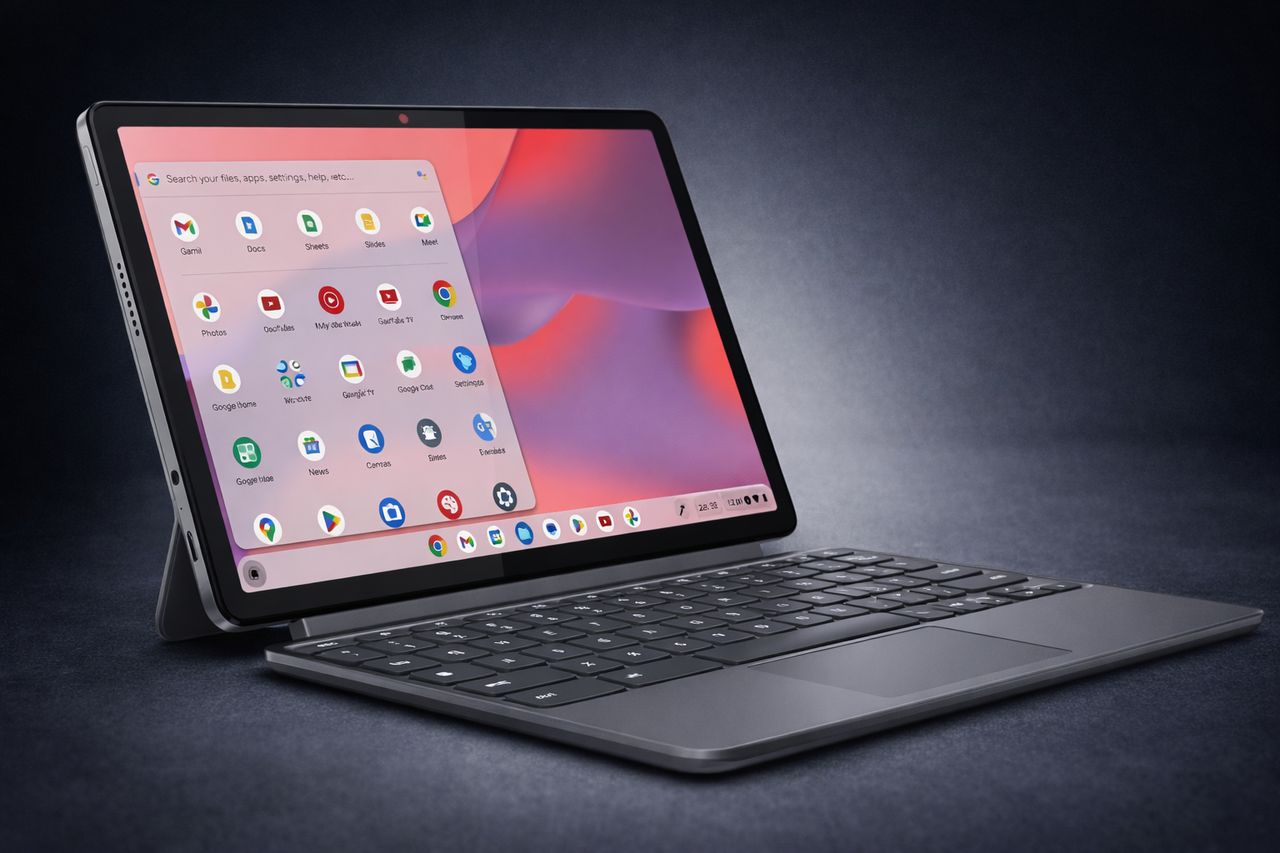
Gemini Rolls Out in Google Chrome for Chromebook Plus Users in the US

According to Neowin, Gemini in Google Chrome is now rolling out to Chromebook Plus devices in the United States, expanding access beyond its initial limited release. The update also reaches users with personal Google accounts and Google Workspace customers in the US, marking a wider push for Google’s AI inside the browser.

Gemini in Chrome debuted at Google I/O 2025 and first launched exclusively for Google AI Pro and Google AI Ultra subscribers. Eligible users can now access Gemini through a dedicated icon in the top right corner of the Chrome browser, where it opens in a side panel without interrupting normal browsing.

What Gemini in Chrome can do

Inside Chrome, Gemini focuses on real-time assistance tied directly to what users view. It can summarize long articles, explain complex topics, and pull information from multiple open tabs to help with comparisons or research.

The assistant also generates content, such as emails or social media posts,s directly from the side panel, and it can create images using text prompts without leaving the browser. Google has also added Gemini Live, enabling two-way voice conversations for brainstorming ideas or preparing presentations.

Previously, Google has also made some changes in the browser, and now you can access the AI agent more quickly from the address bar with Ask Gemini.

Last month, Google expanded its AI presence in Chrome with Gemini-powered Personal Intelligence. This feature is rolling out across macOS, Windows, and Chromebook Plus devices and connects with Google services like Gmail and Photos, allowing users to retrieve contextual information from emails or identify objects in photos.

Gemini in Chrome is also becoming more autonomous through Chrome auto browse, a feature available to Google AI Pro and Google AI Ultra subscribers. Auto browse can click buttons, scroll pages, and enter text to complete tasks on a user’s behalf, while Google says Gemini will always request explicit user consent before performing sensitive actions such as purchases or social media posts.

With Gemini now reaching Chromebook Plus devices in the US, Google continues to position Chrome as a central hub for AI-driven browsing, productivity, and automation.

KB5074178 Rolls Out to Dev Channel With Security And Accessibility Updates

Microsoft has rolled out Windows 11 Insider Preview Build 26300.7733 (KB5074178) to the Dev Channel, shortly after releasing KB5074177 to the Beta Channel. The two updates look nearly identical, as they deliver the same features and fixes, but target different Insider tracks.

This build rolls out gradually to Insiders who enable the Get the latest updates as they are available toggle. Microsoft plans to expand availability to everyone in the Dev Channel at a later stage.

New features and improvements in KB5074178 (toggle on)

Built-in Sysmon

Sysmon now comes integrated directly into Windows instead of requiring a separate download. The built-in version allows advanced system event capture designed for threat detection and security monitoring.

It supports custom configuration files so users and administrators can filter which events get recorded, and all collected data is written directly to the Windows Event Log for use with security tools.

Sysmon remains disabled by default and must be manually enabled through Settings > System > Optional features > More Windows features.

Any existing standalone Sysmon installations need to be removed before activating the built-in version.

Voice Access

Voice Access expands its language coverage with added support for the Netherlands locale. This update improves accessibility for Dutch-speaking users who rely on voice commands to navigate and control Windows.

Fixes (toggle on)

File Explorer

File Explorer receives several quality-of-life improvements focused on accessibility and usability. Keyboard navigation and access keys now work more reliably, issues with renaming folders that use custom names have been resolved, and missing icons and tooltips for the Add to favorites option have been restored.

General fixes

Microsoft has also addressed stability issues affecting cloud-based workflows. Apps no longer freeze when working with files stored on OneDrive or Dropbox, and Outlook setups that rely on PST files stored on OneDrive should no longer experience hangs or unexpected reloads.

KB5074178 follows the recent KB5074170 release in the Dev Channel, highlighting Microsoft’s fast-paced Insider cadence. Users looking for a more stable experience may prefer KB5074105, which recently introduced an easier way to toggle Smart App Control.

As with all Dev Channel builds, features, and fixes remain subject to change before reaching stable Windows releases, but this update shows Microsoft aligning Dev and Beta channels more closely while refining security and accessibility features.

Windows 11 Beta Update KB5074177 Adds Built-In Sysmon and New Fixes

Microsoft continues its fast-paced Insider rollout. Shortly after KB5074169 landed in the Beta Channel, the company has now released Windows 11 Insider Preview Build 26220.7752 (KB5074177) for testers enrolled in the Beta Channel.

The new build targets Windows 11 version 25H2 and arrives through an enablement package. As with recent Beta releases, all new features and fixes require the optional toggle to be turned on.

Windows 11 KB5074177 introduces built-in Sysmon

One of the biggest changes in this build is the introduction of built-in Sysmon, marking a major shift for advanced system monitoring on Windows.

Sysmon now ships directly with Windows and no longer requires a separate download. It allows users and administrators to capture detailed system events for threat detection using custom configuration files. All collected data writes directly to the Windows Event Log, making it easier to integrate with existing security and monitoring tools.

By default, Sysmon stays disabled. Users must enable it manually, and anyone with a standalone Sysmon installation must remove it first.

How to enable built-in Sysmon

  1. Open Settings
  2. Go to System
  3. Select Optional features
    Optional features
  4. Click More Windows features
    browser ftp not working
  5. Check Sysmon

Alternatively, use the command line or PowerShell:

Dism /Online /Enable-Feature /FeatureName:Sysmon

After enabling the feature, complete the setup by running:

sysmon -i

Voice Access expands with Netherlands language support

This build also expands Voice Access functionality by adding support for the Netherlands locale, continuing Microsoft’s gradual rollout of accessibility features across more languages and regions.

Fixes included in build 26220.7752

All fixes in this update also require the optional toggle to be enabled.

File Explorer fixes

  • Improved keyboard navigation and access key behavior for better accessibility
  • Fixed issues when renaming folders with custom names
  • Restored missing icons and tooltips for Add to favorites

General system fixes

  • Fixed app freezes when working with files stored on OneDrive or Dropbox
  • Resolved hangs and reload issues in some Outlook setups using PST files stored on OneDrive

Microsoft continues to warn testers to proceed carefully. Recent reports tied to KB5074169 mention camera malfunctions and lock screen issues, and similar problems can surface with newer Insider builds.

As always, Beta Channel updates can introduce instability, especially on primary devices.

Looking ahead, signs suggest Microsoft may be planning to step back from pushing new AI features in Windows 11, at least in the near term. While the company has heavily invested in AI across its ecosystem, recent Insider builds focus more on system reliability, security tooling, and accessibility rather than headline AI additions.

More clarity should emerge as Windows 11 version 25H2 continues to take shape through upcoming Insider releases.

Delta Force Season Morphosis Is Live With New Operator, Destructible Map, and Major Updates

Delta Force has officially rolled out its new season, Morphosis, and the full patch notes confirm a substantial wave of fresh content and long-requested improvements. The update is now available on all platforms and arrives shortly after the game secured a “Platinum” spot in Steam’s Best of 2025 list.

Season Morphosis introduces a new playable operator, a destruction-heavy Warfare map, expanded Operations content, and several quality-of-life changes shaped directly by community feedback.

New operator and gameplay additions coming to Delta Force

Morphosis adds Vlinder, a new Support Operator built around squad survivability. She deploys healing butterfly drones and rescue UAVs designed to stabilize teammates and keep units in the fight during intense engagements.

A brand-new Warfare map, Aftershock, also joins the rotation. The map focuses on large-scale urban combat with full environmental destruction, allowing players to collapse buildings and trigger seismic events that dynamically reshape the battlefield.

New modes and Operations expansions

The update introduces Flashpoint, a mode where a single, constantly shifting objective draws the entire lobby into one evolving conflict. Control points move throughout the match, forcing teams to adapt on the fly.

In Operations mode, Fiery Owl Hunt lets players take control of boss Saeed and his guards, adding a fresh twist to PvE encounters. Meanwhile, Space City receives a major expansion with new areas, swimming mechanics, and a new boss encounter featuring the Efficiency Director, Alonso Hudson.

Morphosis also delivers several player-requested updates, including:

  • Solo-queue matchmaking for Layali Grove
  • In-game vehicle customization
  • A Normal difficulty option for Tide Prison
  • Additional balance and usability improvements

The Season Pass includes the new operator Vlinder, five firearm skins, four vehicle skins, 2×3 Safe Boxes, Delta Tickets, and various bonus items.

Elsewhere in gaming, players can look forward to new marriage candidates arriving with the Stardew Valley 1.7 update, while demand continues to build for a potential Fallout 3 Remaster.

Fans of industry events also have something to mark on their calendars, as The Game Awards 2026 has officially locked in its date.

Via GamingTrend

Stardew Valley Will Get New Marriage Candidates in a Major Update

Stardew Valley is preparing for a major 1.7 update, and this time the details come straight from its creator.

During an interview with IGN celebrating the game’s 10th anniversary, developer Eric Barone confirmed that the upcoming update will introduce changes to in-game children and expand the game’s romance system.

Expect two new marriage candidates in Stardew Valley 1.7

Barone revealed that Stardew Valley 1.7 will add two brand-new marriage candidates, expanding the existing roster of romanceable characters. This marks one of the most significant social updates the game has received since earlier post-launch expansions.

The identities of the two new candidates remain secret for now. Barone confirmed they will be officially revealed on the game’s anniversary, which takes place on February 26.

Children will play a bigger role

One of the longest-running community requests also made its way into the update. Barone said the 1.7 patch will make in-game children “a little more interesting,” addressing feedback that they currently feel underdeveloped.

He avoided sharing specific mechanics or changes, explaining that he wants players to experience the surprise firsthand when the update arrives.

Beyond social features, Barone hinted that the update will include additions players may not have directly asked for, but ones he believes the community will still enjoy. As with previous updates, these extras aim to deepen the overall Stardew Valley experience without disrupting its core charm.

There is still no confirmed release date for Stardew Valley 1.7. For now, players will need to wait for future announcements and teasers from Barone, who develops the game under the name ConcernedApe.

In other gaming news, discussion continues around a potential Fallout 3 Remaster, while the first wave of February Game Pass titles has officially landed.

Via GosuGamers

Google Meet and Microsoft Teams finally take a step toward true interoperability

Google is quietly removing one of the most annoying barriers in enterprise video meetings. Starting this month, Google Meet and Microsoft Teams will finally work together, without relying on third-party workarounds.

Here’s how Google Meet and Microsoft Teams now connect

The new interoperability feature allows Chrome OS–based Google Meet hardware to join Microsoft Teams meetings directly. At the same time, Windows-based Microsoft Teams Rooms devices can now join Google Meet calls. For organizations juggling both platforms, this is a meaningful shift.

Until now, mixed environments often required additional services or complex setups. Google says this update is designed to simplify cross-platform collaboration, especially for enterprises with standardized meeting room hardware.

There are a few limitations to note, though. The feature currently supports only Chrome OS–based Google Meet Rooms and Windows-based Microsoft Teams Rooms. Other device types are not included at launch. Google also clarified that existing Pexip configurations will remain unchanged for organizations already using them.

From an admin perspective, the feature is enabled by default. IT teams can disable it at the organizational unit level if needed. Setup guidance for joining Google Meet from Microsoft Teams Rooms is handled through Microsoft’s admin documentation, while Google provides instructions for joining Teams meetings from Meet hardware.

Availability and rollout timeline

The rollout is already underway. Admin console visibility began on February 3, 2026, for both Rapid Release and Scheduled Release domains. End users will start seeing the feature from February 16, with a gradual rollout that may take up to 15 days. Moreover, the update is available to all Google Workspace customers using Google Meet hardware. For hybrid workplaces and cross-company calls, this decision finally brings a bit of sanity back to conference rooms.

Publisher Content Marketplace (PCM) Is Microsoft’s Attempt to Fix AI Licensing Problem

If you’ve been wondering how AI companies plan to pay publishers as chatbots replace search, Microsoft now has an answer. The company has announced the Publisher Content Marketplace (PCM), a new platform designed to license premium publisher content directly into AI products like Copilot.

Microsoft launches Publisher Content Marketplace (PCM)

The idea is to improve response quality while creating a sustainable revenue stream for publishers. As AI moves away from blue links and toward conversational answers, access to trustworthy content has become critical.

Microsoft says its internal Copilot testing shows that AI responses grounded in premium, licensed sources are noticeably more accurate and useful. That creates a problem, as much of the web’s most reliable content lives behind paywalls or in private archives. The traditional search-based value exchange does not work well in an AI-first world, where answers are delivered instantly inside a chat window.

Under the new marketplace, publishers can define how their content is licensed and used. AI builders can then discover and license that content for specific use cases. Publishers are paid based on delivered value, not traffic or impressions. Microsoft says participation is optional, with transparent usage reporting and publisher-controlled licensing terms. Publishers also retain full ownership and editorial independence.

Early testing with major U.S publishers

The company has been testing PCM for several months with major U.S. publishers, including The Associated Press, Condé Nast, Vox Media, Hearst Magazines, and USA TODAY. Early pilots focused on grounding select Copilot responses before expanding access.

Microsoft has now begun onboarding demand partners, with Yahoo among the first confirmed participants. All that said, this is still early days; Microsoft says PCM will continue to evolve as more publishers and AI builders join the platform.

OpenAI Global Outage [Feb. 4]: ChatGPT Is Down Right Now for Thousands of Users Globally

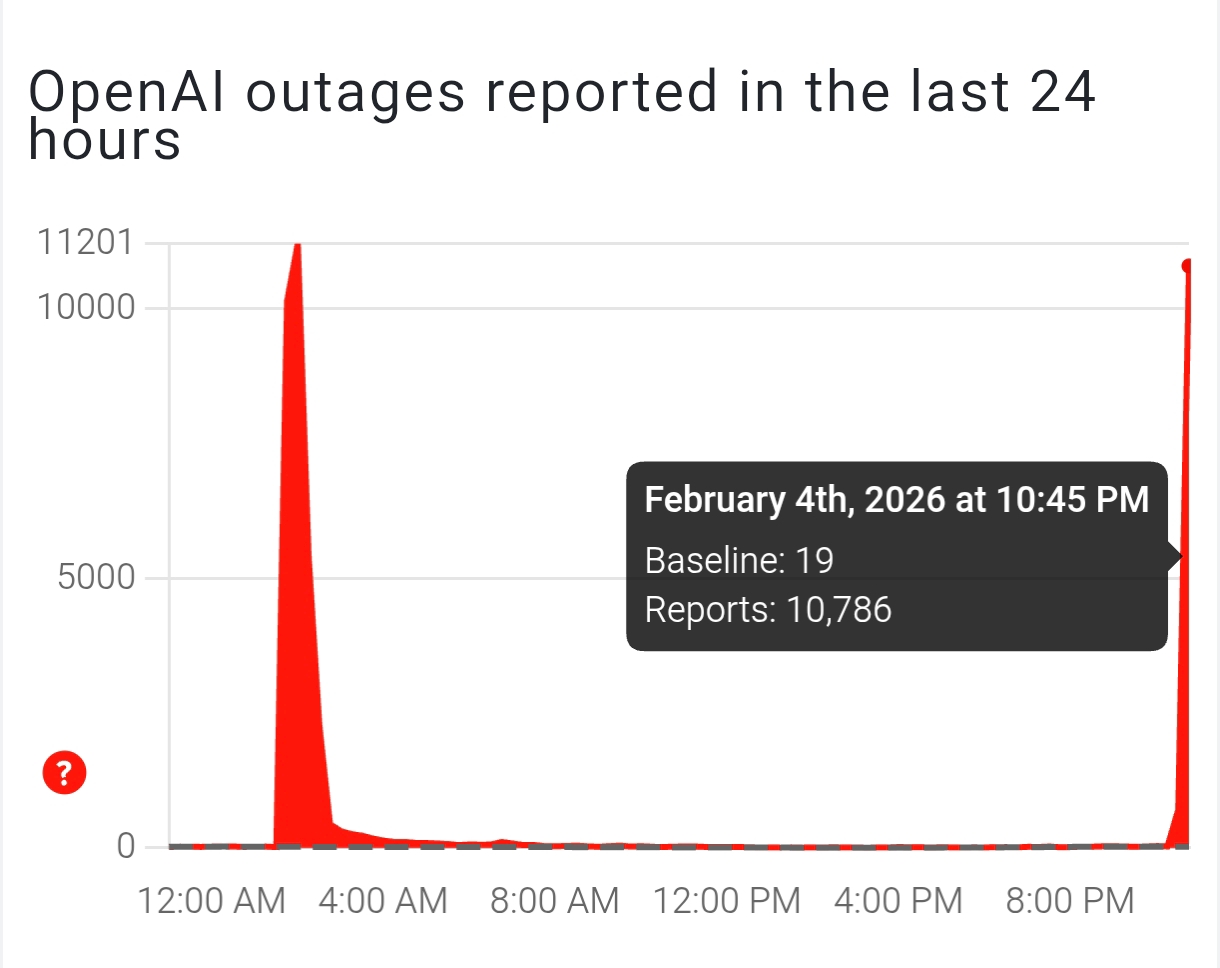
[UPDATE: Feb. 4th 2026, 11:00 PM IST] ChatGPT is down again, for the second time in this week, for thousands of users right now. DownDetector shows over 10,000 user reports at the time of writing this update.


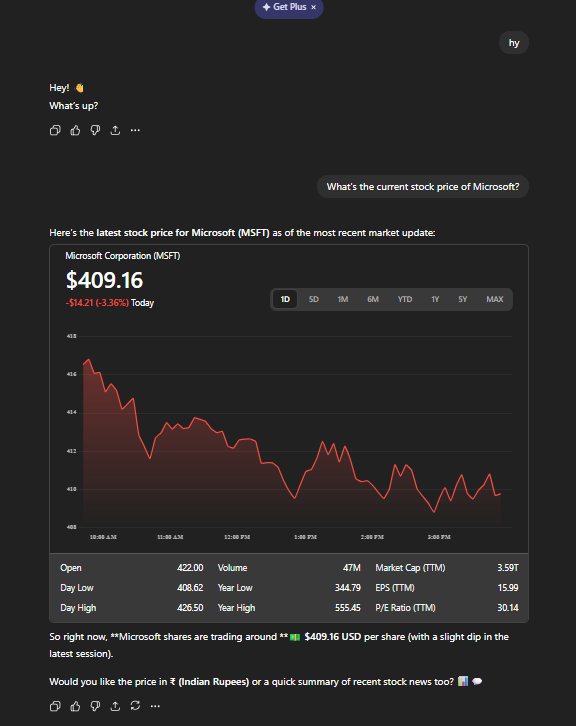
[UPDATE: Feb. 4th 2026, 02:36 AM IST] ChatGPT is working flawlessly now, at least for us. Check out the screenshot, which we took while updating this piece.

Image: Rishaj Upadhyay | Windows Report

[ORIGINAL STORY] If you’ve been wondering if it’s just you or if ChatGPT is actually down, you aren’t alone. It looks like ChatGPT is currently offline for many users, not just you.

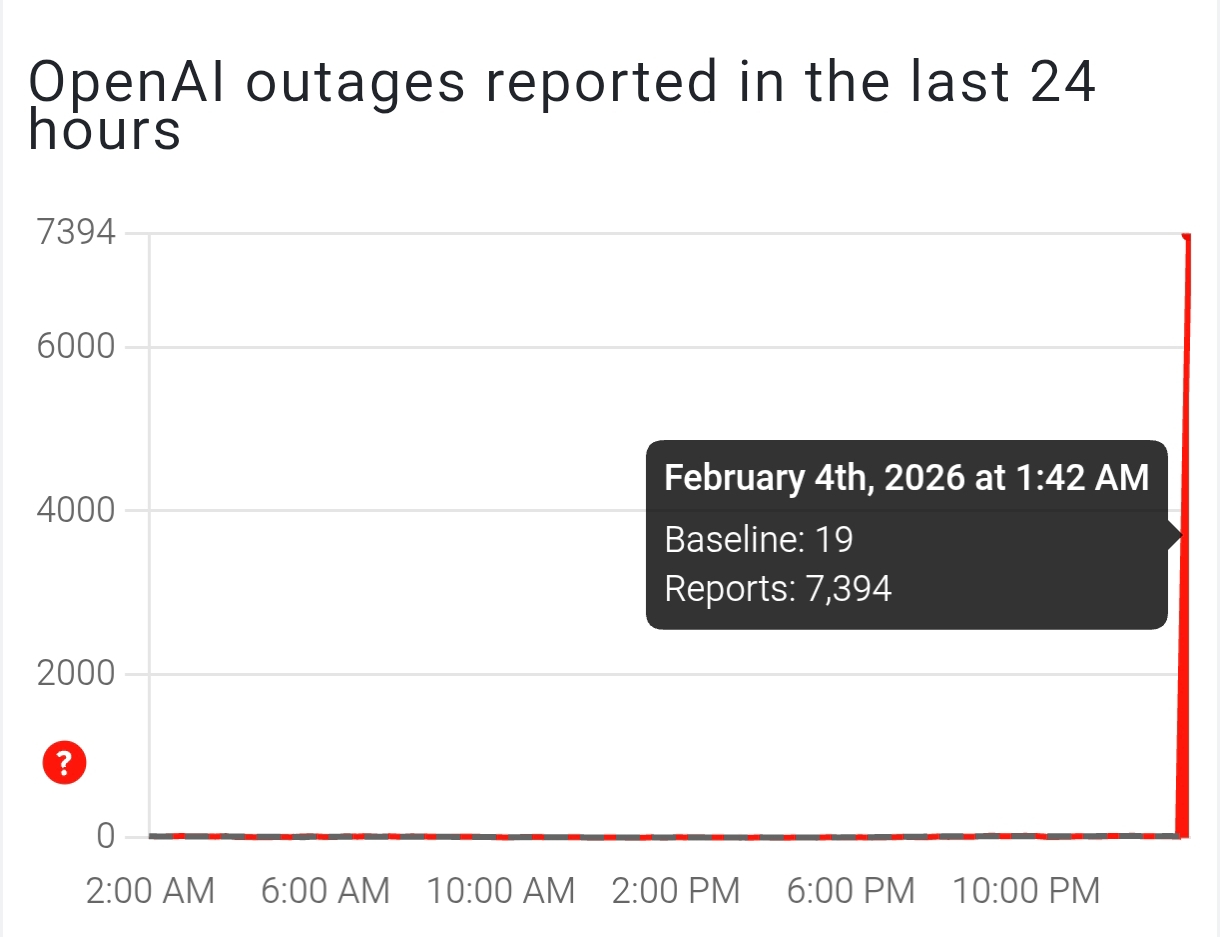
At the time of writing, DownDetector shows over 7000 user reports, with most of the reports suggesting issues related to ChatGPT. When we tried to get some response out of ChatGPT, we came across “Hmm…something seems to have gone wrong.”

Image: DownDetector | TimeZone: IST

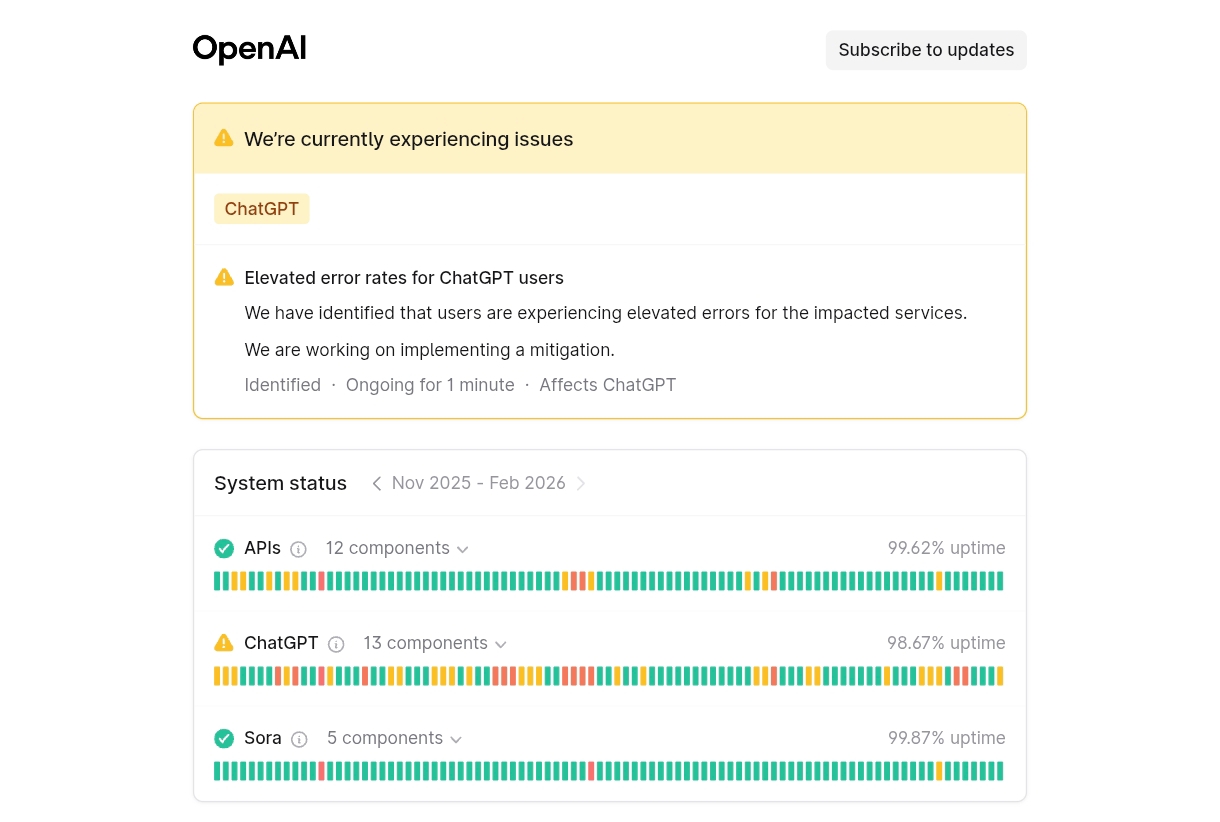
OpenAI has also updated its status page, highlighting the issue. You can check the screenshot below.

Image: OpenAI

We’ll continue to update this story…..

Microsoft Stock Under Pressure as AI Spending Overshadows Strong Earnings

Disclaimer: This article is for informational purposes only and does not constitute financial or investment advice. Stock market investments carry risk, and readers should conduct their own research or consult a qualified financial advisor before making any investment decisions.

Microsoft (NASDAQ: MSFT) delivered solid earnings quarter, but Wall Street isn’t celebrating because the stock is under pressure. Market analysts believe that that the main reason behind the dip is Microsoft’s AI spending, with reportedly weigh heavier than the growth numbers.

According to reporting by lead market analyst at FXLeaders, Microsoft shares are facing renewed downside risk, with analysts now watching the $400 level closely. That’s not all; some are even pointing to $370 as a potential support zone if selling pressure continues.

Strong results, uneasy reaction

On paper, Microsoft’s FY2026 Q2 earnings looked healthy, with revenue reaching $81.27 billion, beating expectations, while adjusted earnings per share also came in ahead of forecasts.

Azure continued to grow at a strong pace, reinforcing Microsoft’s central role in enterprise cloud and AI infrastructure. However, the market reaction told a different story. Microsoft stock slid sharply following the report, extending losses seen over the past week. The news outlet notes that investors appear increasingly focused on profitability and capital efficiency, not just growth.

AI costs take center stage

The biggest concern isn’t demand, but the conpany’s spending. Microsoft reported quarterly capital expenditures of $37.5 billion, up nearly 66% year over year. Much of that increase is directly linked to AI infrastructure, including data centers, custom silicon, and cloud expansion. While Azure revenue growth remained strong, costs are rising faster.

The news outlet further highlights that revenue growth is now being outpaced by cost expansion, putting pressure on margins and raising questions about how quickly AI investments will translate into durable profits.

Dip in major areas are also hurting the stock price

Other than AI, Microsoft also reported dip in some of its major areas. The More Personal Computing segment is expected to decline next quarter, with Windows OEM and Surface revenue under strain due to weaker PC demand. Gaming failed to offset that weakness, with Xbox hardware sales continuing to fall.

Overall, these trends are influencing market shift. Investors are no longer rewarding scale alone.; they want clarity on returns. All that said, market analyst believe that this isn’t a rejection of Microsoft’s AI strategy; it’s a reassessment of timing. Moreover, Microsoft’s stock may remain volatile until margins start to reflect the scale of AI investment.

The Game Awards 2026 Date Is Now Set: Can GTA 6 Squeeze in for Game of the Year?

The Game Awards is officially returning this December, and the announcement has already triggered a familiar conversation, which you might have guessed by now. Yes, here we’re talking about GTA 6. But before we dive into that part, let’s not forget The Game Awards 2026 will take place on Thursday, December 10. The event will once again be hosted at the Peacock Theater in Los Angeles.

The Game Awards 2026 date now locked in, with chatter around GTA 6 getting much louder

As with previous years, the show will air globally and stick to its traditional early-December window. Beyond the date and venue, Keighley said more details will be revealed later this year. As soon as the announcement went live, chatter around Grand Theft Auto 6 (GTA 6) spread across the internet.

Online reactions quickly turned into memes and speculation, with fans wondering how Rockstar’s long-awaited release could factor into the 2026 show. GTA 6 already won Most Anticipated Game at The Game Awards in both 2024 and 2025, helped by repeated delays that kept it eligible. Some are now joking that the streak could continue if the game slips again.

There’s also a more serious question on the table. Will GTA 6 be eligible for awards at The Game Awards 2026? Last year’s cutoff required games to launch by the third Friday of November, which landed on November 21. If the same rule applies in 2026, the cutoff would fall on November 20. Rockstar currently has GTA 6 scheduled for November 19, placing it just inside the eligibility window.

Take-Two Interactive’s earnings report might shed some light on GTA 6’s future

As a side note, Rockstar’s parent company will release its latest earnings report today, February 3, which could offer details on GTA 6’s release plans. For now, The Game Awards 2026 has its date, and once again, GTA 6 is looming large over the conversation.

Is Fallout 3 Remaster Releasing Soon? Possible Clues in Bethesda Ad Sends Fans Into a Frenzy

Speculation is building around Bethesda’s mysterious Fallout countdown, which already had every fan excited about a possible Fallout 3 Remaster announcement. However, a popular insider shut down the rumors, saying the remasters are a long way off and that the countdown has nothing to do with a Fallout 3 Remaster announcement.

Turns out the countdown isn’t for a Fallout 3 remaster; however, fans still have hope thanks to Bethesda’s new ad

Some fans who chose to believe the countdown is related to a Fallout 3 remaster are now disappointed, thanks to a hacker. Folks over at GamingBible cited a metadata discovery revealed by Reddit user clintgh, about which they mentioned, “the countdown is actually for a 3D room explorer, specifically the Mr House penthouse set seen in the TV series. Fans will be able to scope out the penthouse as if they were really there, sort of like on Google Maps where you can drop the camera down to street-level and see what’s about.”

Well, when something new is coming, a single clue can get fans excited. The talk has now been further fueled by a new promotional ad that points toward a long-rumored Fallout 3 remaster. The short advertisement features the popular Aaron Moten alongside the franchise’s iconic Vault Boy. The ad promotes the Fallout brand as a whole, ending with a slate confirming that Fallout 3, Fallout 4, Fallout: New Vegas, Fallout 76, and Fallout Shelter are all playable right now.

However, fans quickly noticed that several moments in the ad appear to reference Fallout 3 very specifically. One scene shows dialogue choices popping up on screen, using a format lifted directly from Fallout 3 rather than newer entries.

Later, Moten and Vault Boy are shown standing in the ruins of Washington, D.C., where they encounter a super mutant, another clear callback to Fallout 3’s setting and gameplay. While footage from multiple Fallout titles appears throughout the ad, Fallout 4 is notably absent from these stylized gameplay moments. That omission has only added to the speculation.

Previous rumors about remasters

Rumors regarding a Fallout 3 remaster aren’t new. Microsoft documents leaked during the FTC case previously referenced a Fallout 3 remaster, and rumors of a Fallout: New Vegas remaster have circulated alongside it. With Fallout 5 still years away, many believe Bethesda could rely on remasters to maintain the momentum created by the TV show’s success.

For now, Bethesda hasn’t confirmed anything. However, the timing, references, and growing internet chatter suggest something Fallout-related is close. Whether it’s a remaster, only time will tell.

Article feature image source: YouTube/Bethesda

Xbox Game Pass February Wave 1 Lineup Is Here: High on Life 2, Madden NFL 26 & More

If you’ve been waiting for Microsoft to roll out the first batch of Xbox Game Pass titles for February, the wait is over. The latest Game Pass update brings a mix of day-one launches and some unexpected additions. Speaking of the notable ones, High on Life 2, Madden NFL 26, and Avatar: Frontiers of Pandora are part of the Xbox Game Pass February Wave 1 lineup. But the list is long.

Final Fantasy II and Like A Dragon: Pirate Yakuza in Hawaii join Xbox Game Pass today

Final Fantasy II is now available across cloud, console, and PC, giving subscribers a classic RPG to dive into right away. Like A Dragon: Pirate Yakuza in Hawaii also joins the service. Speaking of upcoming releases, Madden NFL 26 will join Xbox Game Pass on February 5 for Ultimate and PC Game Pass members, complete with Franchise, Superstar, and Ultimate Team updates. The same day, Paw Patrol Rescue Wheels: Championship will be available for players.

Mid-February is when some notable titles will land on the service. As reported back in December last year, High on Life 2 lands day one on February 13, bringing back its talking alien guns and chaotic sci-fi humor. On the same date, Kingdom Come: Deliverance joins the Game Pass catalog, which will offer a grounded medieval RPG experience.

A few days later, on February 17, Avatar: Frontiers of Pandora lands for Xbox Game Pass. Notably, the game now features a new third-person mode. Apart from these, plenty of others are coming to Game Pass. Check out the table below.

Xbox Game Pass February 2026: Wave 1

Game TitleRelease Date
Final Fantasy IIAvailable Today
Like A Dragon: Pirate Yakuza in HawaiiAvailable Today
A Game About Digging A HoleAvailable Now
IndikaAvailable Now
Monster Train 2 (Update)Available Now
Rainbow Six Siege (In-game Benefits)Available Now
Madden NFL 26February 5
CoD: Black Ops 7 – Season 02February 5
MenaceFebruary 5
Paw Patrol Rescue Wheels: ChampionshipFebruary 5
The First Descendant (In-game Benefits)February 5
RelootedFebruary 10
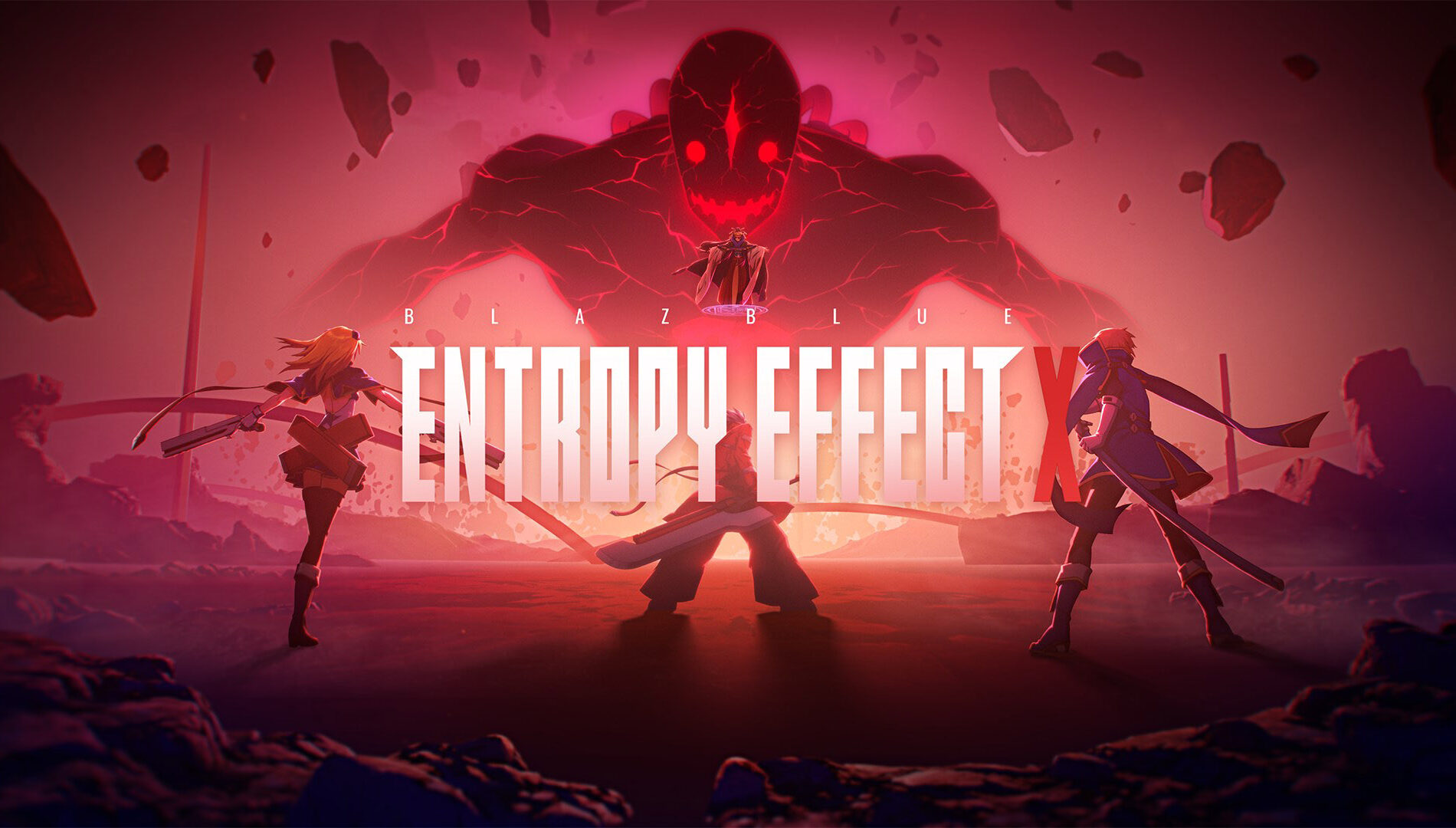
BlazBlue Entropy Effect XFebruary 12
Roadside Research (Game Preview)February 12
Starsand IslandFebruary 12
High on Life 2February 13
Kingdom Come: DeliveranceFebruary 13
Avatar: Frontiers of PandoraFebruary 17
AvowedFebruary 17

As always, a few games are also on the way out. Madden NFL 24 leaves Game Pass on February 15, so now’s the time to jump back in if it’s still on your list.

So, which of these new additions are you planning to try first? Let us know in the comments below.

Microsoft Enforces TLS 1.2 Across Azure Blob Storage, Drops Legacy Security Protocols

We recently saw GitHub Copilot Skill for Azure, and now Microsoft is determined to tighten security across its cloud platform, and this time the focus lands on Azure storage services.

According to a recent announcement from Microsoft, Azure Blob Storage has officially ended support for TLS 1.0 and TLS 1.1 as of February 3. From now on, TLS 1.2 is mandatory as the minimum security protocol for all incoming connections.

TLS 1.2 is now required across Azure storage

The enforcement applies across all Azure cloud environments and affects both existing and newly created storage accounts. Microsoft enforces the requirement at the storage account level, which means related services also fall under the same rule.

Azure Files, Queue Storage, and Table Storage are impacted as well if they share the same storage account. Storage accounts that already rely on TLS 1.2 or newer continue to operate normally and require no changes.

Legacy clients will stop working

Administrators must update configurations immediately to avoid disruptions. Any application or client that still attempts to connect using TLS 1.0 or TLS 1.1 will now fail, as Azure actively rejects requests using deprecated protocols.

Microsoft recommends using Windows 8 or Windows Server 2016 and newer, where TLS 1.2 is enabled by default. For developers, the company advises moving to .NET Framework 4.7 or later and using Visual Studio 2017 or newer to ensure full compatibility.

Stronger security and compliance alignment

By enforcing TLS 1.2, Microsoft strengthens encryption, improves performance, and aligns Azure with modern cryptographic standards such as FedRAMP and NIST. The move also follows broader industry efforts to eliminate legacy security protocols that no longer meet today’s threat models.

Microsoft encourages organizations to update development libraries, remove hardcoded TLS references, and test compatibility using tools like Fiddler or Qualys SSL Labs. Companies should also notify customers and partners to prevent third-party integration failures.

With the deadline now passed, any remaining legacy clients attempting to access Azure storage services will no longer connect.

In related news, Microsoft recently pushed the Sentinel migration deadline to 2027, and the company reported a 16.7% increase in revenue.

Via Neowin

More Ryzen 9000 No-POST Reports Surface as ASRock Remains Silent

We recently covered Ryzen 5 9600X failures on ASRock motherboards, and the situation now appears to be escalating. According to VideoCardz, five new user reports describe Ryzen 9000 processors failing or refusing to POST on ASRock AM5 platforms.

The affected chips span multiple SKUs, including Ryzen 5 9600X, two cases of Ryzen 7 9700X, Ryzen 7 9800X3D, and Ryzen 9 9950X3D. Users reported the incidents across ASRock B850 and X870 series motherboards, with all accounts appearing on Reddit within a single day.

Systems power on but never reach POST on ASRock motherboards

Across the reports, systems power on but fail to reach POST. Owners describe CPU and DRAM debug LEDs staying lit, or the board showing postcode “00.” In one case, flashing BIOS version 4.03 via BIOS Flashback failed to restore functionality. None of the reports mentions visible physical damage to the CPUs, which mirrors earlier AM5-related incidents but without obvious chip defects.

Reported configurations and outcomes

One Ryzen 5 9600X paired with a B850 Pro-A reportedly entered a no-POST state months after a stable build, and neither BIOS Flashback nor CMOS clearing resolved the issue. A Ryzen 7 9700X on a B850M-X showed the same behavior even after a motherboard swap to Gigabyte, prompting a CPU RMA. Another Ryzen 7 9700X on an X870 Pro RS shut down unexpectedly in January and never booted again, despite no overclocking or EXPO use.

A Ryzen 7 9800X3D on an X870E Taichi froze, rebooted to postcode “00,” and failed to recover after RAM swaps, leading to warranty claims for both components. Finally, a Ryzen 9 9950X3D on an X870E Nova WiFi reportedly failed after sleep, with no BIOS access and no improvement after CMOS clearing or BIOS Flashback; RMAs followed with both AMD and ASRock.

These accounts remain unverified user reports rather than confirmed failure analyses. ASRock has not issued a public statement or configuration guidance regarding the reports. The authors contacted ASRock seeking comment and best-practice recommendations for AM5 systems.

At this stage, the reports do not point to a single cause. The failures could involve CPU defects, motherboard firmware behavior, or platform configuration interactions. Until an official response arrives, AM5 users may want to avoid sleep states, keep firmware updated, and document configurations carefully.

In related news, Ryzen 7 9800X3D prices have started to dip, and a Ryzen 9 9950X3D V2 recently appeared in a demo video from ASUS.

DDR5 RAM Prices Pause in Germany Despite Global DRAM Cost Surge

While analysts continue to project soaring DRAM prices driven by AI and data-center demand, retail DDR5 memory pricing has shown an unexpected pause in Germany.

According to data shared by 3DCenter, DDR5 prices at German retailers have largely stopped rising over the past several days. The figures rely on “cheapest available” listings tracked via Geizhals, one of the region’s largest price comparison platforms.

DDR5 RAM prices stabilize in the German retail market

Across a basket of 20 common DDR5 memory products, the average price sits just 0.1% higher than it did in mid-January. That marks a clear slowdown after sharp increases seen in late 2025 and early January 2026.

Individual DDR5 kits still fluctuate, but the broader trend points to short-term stabilization. Several mainstream capacities and speed tiers now sell at flat or slightly lower prices compared to mid-January levels. For the first time in weeks, small price drops have appeared on select SKUs, even as minor increases persist elsewhere.

This pause does not confirm a peak for DDR5 pricing. Supply-side pressure remains strong, and contract pricing often lags behind spot market changes. Any renewed increases at the supplier level could still reach retail shelves later.

Recent memory price pressure has focused more heavily on DDR4, which saw sharper hikes due to sustained demand. DDR5 appears to be taking a brief breather, at least in Germany.

Memory is not the only hardware segment under strain. Graphics card pricing continues to climb as well, with RTX 5070 Ti models surging at U.S. retailers, adding further pressure for PC builders.

Via VideoCardz

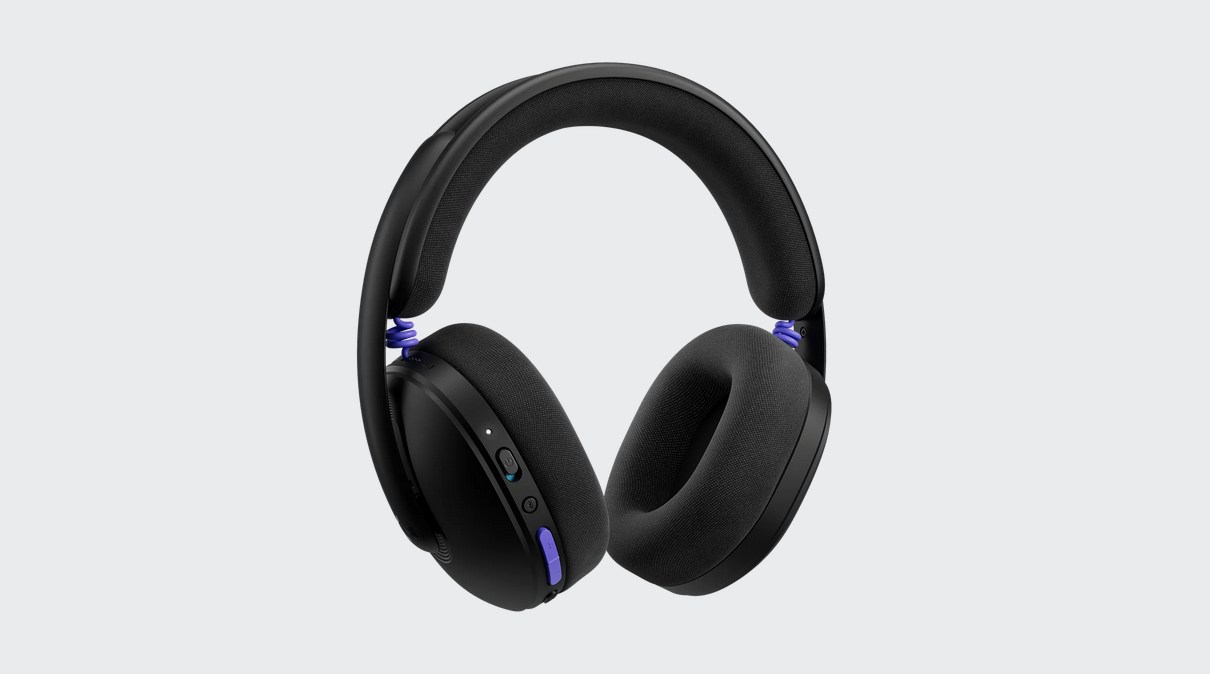
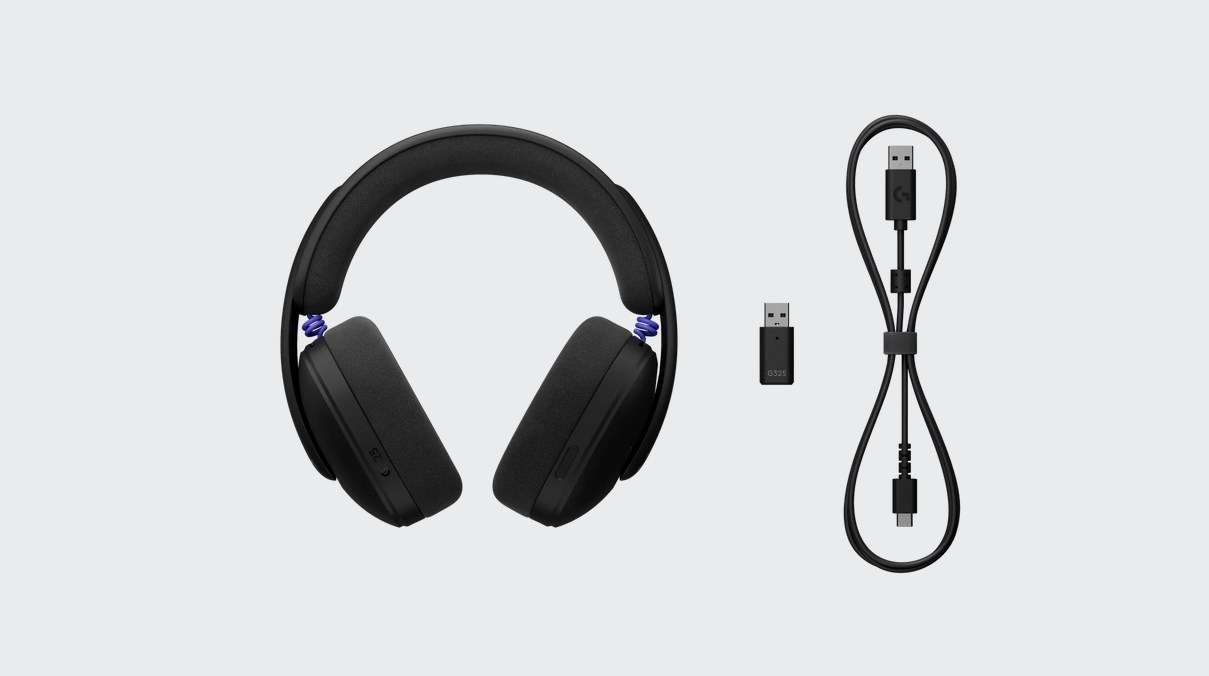
Logitech G325 LIGHTSPEED Targets Budget Gamers With Low Latency Wireless Audio

ASUS ROG Kithara was launched recently, but gamers who want a cheaper wireless option now have an alternative. Logitech G has announced the Logitech G325 LIGHTSPEED Wireless Gaming Headset, a new model aimed at delivering premium features at a lower price point.

The Logitech G325 carries an MSRP of $79.99 and targets players who want low-latency wireless audio without paying flagship prices. Logitech positions the headset as a value-focused option that still delivers comfort, flexibility, and modern wireless performance.

Logitech G325 LIGHTSPEED comes with cross-platform support

The G325 uses Logitech’s LIGHTSPEED wireless technology, which focuses on low-latency audio for gaming. Logitech designed the headset for cross-platform use across PC, console, and mobile devices.

Users can connect through a LIGHTSPEED USB dongle or Bluetooth 5.2, then switch between gaming, calls, and music with a single button press. All key controls, including power, Bluetooth pairing, volume, and mute, sit directly on the headset for quick access.

Logitech built the G325 with comfort in mind. The headset weighs just 212 grams and features plush ear cushions intended for long gaming sessions. It also adopts a clean, minimalist look and ships in lilac, black, and white color options.

Battery life exceeds 24 hours on a single charge, which makes the headset suitable for extended gaming or travel without frequent recharging.

Audio and microphone features

The G325 delivers 24-bit audio, which Logitech says provides rich and immersive sound across different game genres. A built-in beamforming microphone handles voice communication across platforms, while AI-powered noise reduction becomes available through Logitech software.

Users can fine-tune EQ settings and microphone behavior using Logitech G HUB on PC or the companion mobile app, adding extra customization usually found on more expensive models

With the G325, Logitech aims to bridge the gap between entry-level wireless headsets and premium models. The company highlights wireless performance, comfort, and long battery life as key selling points for gamers who want solid features without a high price tag.

In other gaming hardware news, MSI has launched two new IPS monitors, while users looking for a high-end display may want to check out the Dell UltraSharp U5226KW.

Via TechPowerUp

Acemagic Retro X3 Brings Ryzen 7 Performance to a Retro-Styled Mini PC

Retro desktop PCs are clearly back in style, and if systems like MAINGEAR Retro98 don’t quite match your taste, Acemagic now offers a more console-inspired alternative.

As reported by TechPowerUp, Acemagic has officially launched its new retro-styled mini PC, the Retro X3, blending nostalgic design with modern AMD hardware.

Acemagic Retro X3 launches with Ryzen 7 H 255

The Acemagic Retro X3 is powered by AMD’s Ryzen 7 H 255 processor, an eight-core chip based on Zen 4 architecture. Graphics duties are handled by the integrated AMD Radeon 780M iGPU, which should deliver gaming performance similar to handheld PCs like the ASUS ROG Ally and Lenovo Legion Go.

The system has launched in China and is currently available for pre-order. Pricing starts at RMB 1,899 for a barebones configuration without RAM or storage, which roughly converts to $273. Acemagic is expected to charge slightly higher prices once the Retro X3 launches globally.

Memory, storage, and connectivity details

Despite its compact footprint, the Retro X3 supports up to 128 GB of DDR5-5600 memory through modular RAM slots. While that ceiling looks impressive on paper, ongoing memory shortages and rising DRAM prices make fully populating the system unlikely for most buyers.

Storage support comes via a single M.2 2280 slot, allowing up to 4 TB of NVMe SSD capacity. Connectivity options remain strong for a mini PC of this size, with front-facing USB 3.2 ports, a 3.5 mm audio jack, and a USB4 Type-C port. Around the back, users get HDMI 2.1, DisplayPort 2.0, 2.5G Ethernet, and four additional USB 3.2 ports, alongside Wi-Fi 6 and Bluetooth 5.2.

Acemagic leans heavily into nostalgia with a beige plastic enclosure and a large red power button that echoes classic gaming consoles and PCs from decades past. Cooling draws air from the top of the chassis and exhausts it through the sides and rear, helping manage thermals in the compact 128.2 × 128.2 × 44 mm form factor.

In other news, SAPPHIRE is preparing a Crimson Desert–themed Radeon RX 9070 XT, while multiple users have recently reported Ryzen 5 9600X failures on certain ASRock motherboards.

Claude Sonnet 5 Rumored to Be Faster and Cheaper, Leaks Claim

While OpenAI continues removing older ChatGPT models, fresh leaks suggest Anthropic may be preparing its next major release. Weekend reports point to a new model called Claude Sonnet 5, hinting at a significant leap in performance and pricing strategy.

According to TestingCatalog, leaked references show a build labeled Claude Sonnet 5 with an internal date string of February 3, 2026. It remains unclear whether this date signals a public launch or an internal milestone, but the timing would place it just days before Super Bowl LX on February 8.

Claude Sonnet 5, reportedly codenamed “Fennec”

Information shared on X claims that Claude Sonnet 5 carries the internal codename Fennec. Leaks describe it as a full-generation step ahead of Google Gemini, internally referred to as “Snow Bunny.” This aligns with a broader trend of AI labs pushing harder on mainstream visibility to compete with ChatGPT and Gemini.

TestingCatalog reports that early hands-on testing shows impressive math capabilities for the non-thinking Sonnet 5 variant. In some workflows, Sonnet 5 reportedly outperforms Claude Opus 4.5 in coding tasks.

Testers also highlighted structured visual generation as a standout strength. One example involved an ASCII world map prompt that produced unusually complete and detailed output. UI-focused and rendering-related coding tasks reportedly showed similarly strong results.

Context window, pricing, and infrastructure rumors

The observed test build lists a 128k context window, though other sources claim the final version could retain a massive 1 million token context window while running significantly faster than previous Sonnet models.

Pricing rumors suggest an aggressive approach. Sonnet 5 is said to cost around 50% less than Claude Opus 4.5, while delivering stronger overall performance. Insider leaks also claim scores above 80.9% on SWE-Bench, potentially putting it ahead of current top coding models.

Sonnet 5 reportedly targets a faster, lower-cost tier and may be optimized for Google TPUs, enabling higher throughput and reduced latency. A separate clue points to Google infrastructure readiness, as a 404 error on a specific Sonnet 5 Vertex ID suggests the model already exists internally and awaits activation.

If the rumored pricing, latency, and benchmarks hold, Claude Sonnet 5 could emerge as a general-purpose workhorse model for developers and everyday users. This direction fits Anthropic’s recent strategy of offering broadly usable, cost-efficient models rather than focusing only on premium tiers.

For now, all details remain unconfirmed, and timelines, pricing, and performance claims should be treated with caution.

In other AI news, OpenAI and Snowflake have announced a new partnership, and OpenAI has also launched its Codex app on macOS.

YouTube Ends Background Playback Workarounds on Android and iOS

YouTube recently recovered from playback issues, but new changes now frustrate mobile users. The service has started blocking background audio playback on mobile browsers, effectively removing a long-used workaround unless users subscribe to Premium.

Background playback workarounds no longer work on mobile

For years, many users relied on third-party mobile browsers such as Samsung Internet, Brave, Vivaldi, and Microsoft Edge to listen to YouTube videos with the screen turned off. That workaround no longer works on smartphones and tablets.

The change, first spotted by PiunikaWeb, stops audio playback almost immediately when users lock their screen or minimize the browser. Reports so far show the restriction affects both Android and iOS devices.

Many users initially blamed browser updates or a temporary bug. However, a spokesperson for Google confirmed to Android Authority that the behavior is intentional. Google says background playback should remain an exclusive feature for YouTube Premium members.

According to the company, the update ensures consistent behavior across platforms. In practice, non-Premium mobile users now lose access to background audio playback entirely.

With this change, mobile users face a clear choice: subscribe to YouTube Premium at around $14 per month or give up listening to videos with the screen off. The move has already sparked criticism, as many see it as another step toward locking previously accessible features behind a subscription.

Beyond playback changes, YouTube is tightening rules around low-quality AI-generated content and taking part in a trial focused on social media’s impact on mental health.

Via Windows Central

SAPPHIRE Prepares Crimson Desert–Themed RX 9070 XT for AMD Promotion

Crimson Desert was showcased recently, and hardware partners have already started using the game in their promotions. New retail data now points to a themed graphics card tied directly to the upcoming RPG.

Radeon RX 9070 NITRO+ Crimson Desert Edition Spotted

As reported by VideoCardz, listings reveal the full product name as SAPPHIRE NITRO+ RX 9070 XT Gaming OC 16GB Crimson Desert Edition. The card carries a clear visual and branding tie-in with Crimson Desert, the open-world action RPG developed by Pearl Abyss.

The custom GPU uses board code 11348-10-20G, confirming that it’s a distinct SKU rather than a simple marketing label. Evidence of the model also appears in a recent SAPPHIRE TRiXX software update.

TRiXX Update Confirms Crimson Desert Edition

SAPPHIRE TRiXX version 11.0.0 adds official support for two new GPUs: the RX 9070 XT PhantomLink Series and the RX 9070 XT Crimson Desert Edition. This software confirmation strongly suggests coordinated planning between SAPPHIRE and AMD rather than a last-minute branding decision.

SAPPHIRE has already leaned into Crimson Desert imagery in its RX 9000-series marketing. Character artwork from the game has appeared on at least one NITRO+ RX 9000 retail page, reinforcing the partnership’s visibility.

AMD also lists Crimson Desert as a featured title with a dedicated hardware guidance page, further signaling its importance in upcoming Radeon promotions.

Neither AMD nor SAPPHIRE has confirmed a launch date for the Crimson Desert Edition RX 9070 XT. However, the game itself is scheduled to release on March 19, 2026, with pre-orders expected ahead of launch. That timeline suggests the GPU could arrive closer to the game’s release window.

In other Radeon news, Acer now offers the Nitro RX 9070 in a white color option, while AMD has recently launched the Ryzen 7 9850X3D, expanding its latest desktop lineup.

Intel Core Ultra 9 290K Plus Leak Points to Arrow Lake Desktop Refresh

A new Geekbench database entry has revealed the Intel Core Ultra 9 290K Plus, offering the clearest early look yet at Intel’s upcoming Arrow Lake desktop refresh.

Intel has already confirmed that an Arrow Lake Refresh is planned, but the company has not officially announced model names, specifications, or a launch window.

Geekbench listing reveals a 10% increase in performance

As Guru 3D writes, a leaked Geekbench entry pairs the Core Ultra 9 290K Plus with an ASUS ROG Strix Z890-E Gaming Wi-Fi motherboard and 64 GB of DDR5-6800 memory, suggesting testing on a near-final enthusiast platform.

The results were also compared directly against the current Core Ultra 9 285K, highlighting noticeable uplifts across both single- and multi-threaded workloads.

CPU ModelGeekbench Single-CoreGeekbench Multi-Core
Core Ultra 9 290K Plus3,53525,106
Core Ultra 9 285K~3,200~22,560

Based on these figures, the 290K Plus delivers roughly a 10% gain in single-threaded performance and about an 11% uplift in multi-threaded workloads.

Same core layout, higher clocks expected

Leaks suggest the Core Ultra 9 290K Plus keeps the same 24-core configuration as the 285K, split into 8 performance cores and 16 efficiency cores. Power limits are also expected to remain unchanged, with a 125 W PL1 and 250 W PL2.

The performance bump likely comes from higher clocks rather than architectural changes. Rumors point to efficiency cores boosting up to 4.8 GHz, around 200 MHz higher than before, while performance cores may gain roughly 100 MHz on turbo and thermal velocity boost limits.

The Geekbench run itself shows the CPU reaching around 5.7 GHz boost clocks during testing.

The Arrow Lake Refresh is expected to stay on the LGA 1851 socket, keeping compatibility with existing Z890 motherboards. This could allow current Z890 users to upgrade their CPU without replacing the entire platform.

That said, motherboard vendors will likely need to roll out timely BIOS updates to ensure full support for the new chips.

As always, a single Geekbench result serves only as an early signal. Factors such as BIOS maturity, memory tuning, and operating system configuration can significantly affect benchmark outcomes.

Final judgments will depend on independent reviews that examine gaming performance, creator workloads, sustained clocks, thermals, and power efficiency once Arrow Lake Refresh CPUs officially launch.

At the same time, Intel may restrict Arc iGPU branding based on memory configuration, limiting how some systems are marketed. Intel has also unveiled its Xeon 600 CPUs, offering up to 86 cores for high-end workstation users, signaling tighter product segmentation across its lineup.

Sony Patents AI-Generated Podcasts Voiced by PlayStation Game Characters

Sony continues to experiment with unconventional ideas, and a newly spotted patent shows just how far the company might push AI-driven experiences on PlayStation consoles.

Sony explores AI-generated podcasts for gamers

Sony has filed a new patent titled LLM-Based Generative Podcasts for Gamers, which describes an AI-powered podcast system designed specifically for PlayStation users. The concept focuses on personalized audio and video podcasts delivered directly on consoles such as the PlayStation.

According to the patent, the system would generate podcasts tailored to each individual player. The console would pull data from recent gameplay sessions, friends lists, trophies, and other console-level events, then turn that information into a dynamic podcast experience.

In-game characters as podcast hosts

One of the more unusual ideas described in the patent involves using characters from Sony’s video games as podcast hosts. These characters would appear using deepfake-style visuals and AI-generated voices, presenting information in a familiar and entertaining way.

The AI-hosted podcasts could include jokes, banter, and interactive commentary, making them feel more like a conversation than a traditional news update. Content could range from game updates and patch highlights to trophy guidance, gameplay tips, and suggestions for what to play next.

Fully customizable podcast content

The patent also outlines strong customization options for players. Users would be able to decide what information the AI-generated podcast includes or excludes, allowing the experience to focus only on content they actually care about.

This could include news and updates for games they already own, recommendations for titles they do not own yet, and highlights from friends’ recent achievements or activity. The podcast could also offer gameplay strategies or new moves to try, alongside notifications about system firmware or software updates.

This approach positions the podcasts as a potential replacement for traditional gaming podcasts, with content generated uniquely for each user instead of a general audience.

As with any patent application, there is no guarantee Sony will ever turn this idea into a real product. The filing only outlines a possible future feature and does not confirm active development or release plans.

Still, the patent fits into a broader pattern of experimentation at Sony. Recent filings have explored unconventional controller designs, while the company also continues to push players toward the PlayStation 5 with new firmware updates and messaging around the “best” gaming experience.

Via Tech4Gamers

Elon Musk Merges SpaceX and xAI, Pushing AI Computing Into Space

Elon Musk keeps reshaping the tech and space industries. After Grok AI faced controversy and temporary bans in several countries over deepfake concerns, Musk’s AI ambitions have not slowed. Instead, they have scaled dramatically.

According to Bloomberg, Musk is merging SpaceX and xAI in an all-stock transaction that values the combined entity at a staggering $1.25 trillion.

Elon Musk merges SpaceX and xAI

The deal assigns a $1 trillion valuation to SpaceX and $250 billion to xAI. Musk confirmed the acquisition in a statement published on SpaceX’s official website, marking one of the largest corporate combinations ever announced.

People familiar with the matter say shares in the combined company could be priced at $526.59 each, although the final terms remain undisclosed.

A vertically integrated AI and space giant

SpaceX says the merger aims to create a vertically integrated company that spans artificial intelligence, rocket launches, space-based internet, direct-to-device communications, and real-time information platforms. This structure positions the company to tightly link AI development with space infrastructure.

Despite the merger, the combined firm still plans to pursue an initial public offering later this year. Before the deal, SpaceX had reportedly explored an IPO that could raise up to $50 billion, which would have made it the largest public offering in history.

Musk believes space will soon offer the cheapest environment for large-scale AI computation. He argues that, within two to three years, AI training and data processing in orbit will outperform Earth-based alternatives in cost and scale.

To support this strategy, SpaceX is seeking regulatory approval to launch up to one million satellites. These satellites would expand beyond Starlink’s current role and help power Musk’s vision of space-based AI infrastructure.

SpaceX remains Musk’s most stable and successful venture, acting as a major launch provider for NASA and the US Department of Defense. Revenue from Starlink’s network of more than 9,000 satellites now exceeds SpaceX’s launch revenue, providing a potential funding engine for xAI’s capital-intensive AI projects.

Earlier this year, xAI raised capital at a $230 billion valuation, while SpaceX prepared a December share sale valuing the company at roughly $800 billion. The new merger effectively accelerates both companies’ growth plans under a single umbrella.

In related AI news, NVIDIA recently clarified that it has no obligation to invest $100 billion in OpenAI. Meanwhile, a new open-source AI agent called OpenClaw continues to push boundaries around autonomous AI capabilities.

Together, these developments highlight how competition and consolidation continue to intensify across the AI and space sectors, with Musk once again placing himself at the center of both.

Nintendo Switch 2 Explodes Past 17 Million Sales in Record Time

We know that Switch 2 is dominating sales in Japan, but Nintendo has published its Q3 financial results, and the numbers confirm that the Nintendo Switch 2 continues to outperform expectations.

Switch 2 sales momentum shows no signs of slowing

Nintendo reports that Switch 2 has sold 17.37 million units worldwide as of December 31, 2025. The console launched on June 5, 2025, making this a standout performance in less than seven months.

In the previous quarter, Switch 2 sales stood at 10.36 million units, which means Nintendo sold 7.01 million consoles in the last three months alone. With Nintendo’s current forecast set at 19 million units by the end of the fiscal year in late March, the company now appears on track to surpass 20 million units.

The original Nintendo Switch continues to sell strongly despite approaching its ninth year on the market.

During the past quarter, Nintendo sold 3.25 million units of the original Switch. Lifetime sales have now exceeded 155 million units, officially pushing it past the Nintendo DS, which sold 154 million units. This milestone makes the Nintendo Switch the company’s best-selling console of all time.

Switch 2 game sales show strong momentum

Game sales on Switch 2 also remain robust. Nintendo highlights several top-performing titles:

  • Mario Kart World has sold 14.03 million copies, including bundled units
  • Donkey Kong: Bananza reached 4.25 million units sold
  • Kirby Air Riders stands at 1.76 million units sold

Nintendo also notes strong demand for third-party titles. Recent reports indicate that Final Fantasy 7 Remake has been selling out at Switch 2 retailers.

Nintendo reports that the only notable decline this quarter came from IP-related sales, which fell 10.1% year over year due to weaker movie revenue.

Despite that drop, overall performance remained strong. Nintendo’s net sales nearly doubled year over year to $12.25 billion. Operating profit climbed 21.3% to $1.93 billion, while ordinary profit surged 51.3% to $2.93 billion.

In other developments, recent findings suggest that Nintendo may work on additional Switch 2 models. However, rising global memory costs could put pressure on pricing, raising the possibility of a Switch 2 price increase later on.

Via Wccftech

ARC Raiders No Map Conditions Issue Resolved as Events Return

ARC Raiders rolled out a new update with an upgraded anti-cheat system, but it seems that the game is having issues at the moment, as players report no map conditions in ARC Raiders.

No map events in ARC Raiders, as players report PvE content missing

Multiple threads on Steam forums and Reddit suggest that live map events are no longer spawning at all, leaving matches dominated by nonstop PvP. Several players say every session now feels like “extreme PvP,” with no dynamic objectives to break up combat or encourage exploration.

One player pointed to the community-run tracker metaforge.app, which currently shows no active events in rotation. According to users monitoring the site, all events appear to have been pulled without any official explanation.

Some players believe the issue may be connected to problems that existed even before events vanished entirely. Reports claim that the Hidden Bunker event failed to appear during its trial window, raising suspicions that developers may be fixing backend logic tied to event rotation or timing complaints around the bird event.

Unconfirmed claims circulating in the community suggest that event timers could be disabled for roughly 12 hours, with a hotfix planned to address extraction timing and event rotations. The same rumors mention an exploit during the Electromagnetic Storm event that allegedly let players glitch through walls and doors, which may have forced a temporary shutdown of events.

Another alleged comment attributed to Embark Studios claims that event timers stopped synchronizing correctly with ARC deployment and extraction windows, prompting a decision to temporarily disable all live events. However, this statement has not been officially confirmed, and its original source remains unclear.

Beyond missing events, players have also raised concerns about game balance, claiming that blueprints are being sold for real money, potentially undermining progression and fairness in ARC Raiders.

As of now, Embark Studios has not released an official statement confirming the cause of the missing events, but according to new posts on Reddit, events seem to be back again.

Raspberry Pi Raises Prices Again as Memory Market Tightens

Global memory shortages keep pushing hardware prices upward, and Raspberry Pi now joins the growing list of affected products.

As Neowin reports, the Raspberry Pi Foundation has announced a new round of price increases across several of its popular boards. The changes impact Raspberry Pi 4, Raspberry Pi 5, Compute Module 4, and Compute Module 5, while 1GB memory variants remain exempt.

Memory costs push Raspberry Pi prices higher

Raspberry Pi links the price hike directly to rising global memory prices. According to the company, some memory components more than doubled in cost over the last quarter as AI infrastructure projects compete aggressively for memory fab capacity.

The increase scales with memory size. Models with 2GB RAM rise by $10, 4GB versions increase by $15, 8GB boards jump by $30, and 16GB configurations see the steepest increase at $60. Despite this, the $35 Raspberry Pi 4 (1GB) and $45 Raspberry Pi 5 (1GB) stay at their current prices.

Keyboard-based systems also feel the impact. Raspberry Pi 500 and 500+ models receive price bumps, while the Raspberry Pi 400 remains unchanged at $60.

Raspberry Pi CEO Eben Upton says 2026 will likely remain difficult for memory pricing, but he expects the situation to ease. The foundation plans to roll back these increases once memory market conditions stabilize.

Older boards escape the hike. Raspberry Pi Zero and Raspberry Pi 3 retain their original pricing because the company still holds several years’ worth of LPDDR2 inventory for those products.

The broader hardware market shows similar pressure. Memory shortages have already pushed DDR4 prices higher due to constrained DDR5 supply, and GPU pricing has followed the same trend, with recent RTX 5070 Ti price hikes appearing across US retailers.

Xbox Experiments With Multi-Platform Game Pass Quest in Microsoft Rewards

Xbox has recently expanded its streaming library with 40 additional titles, but the company is also experimenting with new ways for players to earn rewards.

Users on Reddit report that Xbox has started testing a new Microsoft Rewards monthly quest called “Game Pass monthly multi-platform.” The quest grants 150 Microsoft Rewards points per month and encourages players to use Xbox Game Pass across multiple devices.

A new multi-platform challenge for Game Pass users

To complete the quest, players must play Xbox Game Pass titles on three platforms: console, PC, and cloud. Each platform requires at least 30 minutes of gameplay to count toward progress, pushing users to engage with the full Game Pass ecosystem.

The quest currently appears only for some users, which suggests a limited test. Reports indicate that availability varies even within the same region, including the US, and not all eligible accounts can see it yet.

At the moment, the quest is available only to Xbox Game Pass Ultimate subscribers. Xbox may adjust both point values and requirements before rolling the feature out more broadly.

Small reward, long-term value

While 150 points per month may seem modest, it adds to long-term Microsoft Rewards accumulation, especially for users who already play across multiple platforms. Players who have access can check for the quest in the Xbox Rewards Hub on console, under “My Rewards,” just below the “monthly 8-pack” section.

Beyond Rewards, Xbox continues to face mixed signals. Reports suggest that Xbox revenue is declining even as overall Microsoft revenue remains strong. On the hardware side, deals like the discounted ASUS ROG Xbox Ally may appeal to users interested in streaming and portable play.

Via PureXbox

Intel Unveils Xeon 600 Workstation CPUs With up to 86 Cores

Rumors around Intel possibly restricting Arc branding based on memory speed have circulated for weeks, but the company also rolled out new workstation hardware. Intel has now officially launched the Xeon 600 Series workstation processors, codenamed Granite Rapids-WS, aimed squarely at high-end professional systems.

As TechPowerUp reports, the Xeon 600 Series replaces the Sapphire Rapids–based Xeon W-2500 and W-3500 lineup and targets single-socket workstations. Intel positions the new family directly against AMD’s AMD Ryzen Threadripper Pro 9000 Series in the premium workstation segment.

Xeon 600 Series focuses on pure P-core design

Intel built the Xeon 600 Series exclusively around Redwood Cove P-cores, skipping E-cores entirely. The lineup includes 11 SKUs, scaling from entry-level models up to an unusually aggressive flagship.

At the top sits the Xeon 698X, which packs 86 cores and 172 threads alongside a massive 336 MB L3 cache. The chip runs at a 2.0 GHz base clock and boosts up to 4.8 GHz using Turbo Boost Max 3.0, or 4.6 GHz with Turbo Boost 2.0. Intel also confirmed that the Xeon 698X supports full overclocking, a rare move for a Xeon workstation processor.

New W890 platform unlocks PCIe and memory bandwidth

Granite Rapids-WS introduces the new W890 chipset and delivers up to 128 PCIe 5.0 lanes directly from the CPU. Intel pairs this with eight-channel DDR5-6400 RDIMM memory support, allowing configurations up to 4 TB of system memory.

Intel also expanded cache sizes compared to the previous Xeon workstation generation and added CXL 2.0 support. These changes target multi-GPU builds, high-speed storage arrays, and data-heavy professional workflows.

AI and content creation remain core targets

Intel highlights broad platform features such as vPro Enterprise and Intel Deep Learning Boost, including VNNI, AVX-512, and AMX. The company aims these processors at AI inference, advanced compute tasks, and professional content creation workloads.

According to Intel’s internal data, the Xeon 600 Series delivers up to 9% higher single-thread performance and up to 61% higher multi-thread performance compared to Xeon W-2500 and W-3500 chips. Intel notes that Core Ultra 5 245K can still lead in some single-threaded and CAD scenarios, while Xeon 600 excels in 3D rendering, photorealistic workloads, and linear algebra tasks.

Pricing starts at $499 for the 12-core Xeon 634 and climbs to $7,699 for the flagship Xeon 698X. Intel will sell some models as boxed CPUs, while others will ship exclusively through OEM workstation systems.

In related developments, Intel recently brought XeSS 3 to Arc GPUs through a driver update. Enthusiast users have already discovered a workaround that enables XeSS 3 on unsupported hardware, keeping Intel’s graphics ecosystem in active flux alongside its new workstation push.

Malwarebytes Brings Real-Time Scam Detection to ChatGPT

We’ve seen plenty of changes around ChatGPT lately, including OpenAI dropping older models. Now, security companies appear to double down on ChatGPT as a frontline defense against scams and malware.

According to BetaNews, Malwarebytes has launched a new integration called Malwarebytes in ChatGPT, designed to help users quickly verify whether suspicious content looks like a scam.

How Malwarebytes in ChatGPT works

The new integration lets users paste potentially malicious content straight into ChatGPT. This includes emails, text messages, direct messages, links, phone numbers, and other questionable material.

ChatGPT then analyzes the content using Malwarebytes’ threat intelligence and scam detection data. It looks for phishing patterns, social engineering tactics, and other common red flags used by scammers.

The system also checks URLs and domains for reputation issues, such as newly registered or suspicious websites. Phone numbers receive similar scrutiny, with warnings tied to unusual regions or known scam activity.

Instead of giving a simple yes-or-no verdict, the tool explains why the content may pose a risk and highlights the specific warning signs it detected.

Users can help improve scam detection

Malwarebytes also allows users to contribute to its threat database by submitting suspicious content through ChatGPT. To enable the integration, users need to:

  1. Sign in to ChatGPT and go to Apps.
  2. Search for Malwarebytes and select Connect.
  3. Use “@Malwarebytes” to check messages, emails, DMs, or other content.

This approach aims to speed up scam checks without requiring separate security software or browser extensions.

Malwarebytes in ChatGPT is available to ChatGPT Free, Plus, Team, and Enterprise users through the Apps section.

The launch comes at an interesting time for OpenAI. Reports suggest slower momentum for some projects, including Sora AI, while Jensen Huang recently clarified that NVIDIA does not need to commit $100 billion to OpenAI upfront, preferring a gradual investment approach instead.

Even so, integrations like Malwarebytes in ChatGPT show how security companies continue to treat ChatGPT as a practical tool for everyday protection against scams and online threats.

Early first look: Firefox’s Smart Window brings memory, models, and a dedicated AI workspace

Mozilla is quietly turning Firefox Nightly into an AI-focused browsing mode through its “AI Window”, now labeled “Smart Window” inside Firefox’s interface. This is not a sidebar or a page overlay. It runs as a parallel browsing mode with its own window, UI, controls, and first-run setup.

Firefox’s Smart Window runs as a separate AI browsing mode

Access to Smart Window requires signing in to a Mozilla account, similar to how Chrome ties Gemini and AI Mode to a Google login. That also allows your AI setup to follow you across devices.

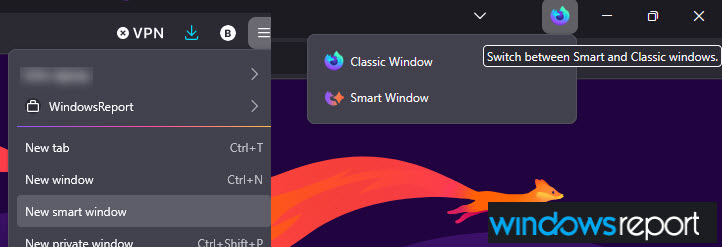
Once signed in, Firefox adds a menu option to open Smart Window, along with a Firefox logo button inside the AI window that switches back to the classic browsing view.

Firefox menu showing a “New smart window” option alongside a Smart and Classic window switch near the window controls. Image Credit: Venkat | WindowsReport.

Personalization and memories

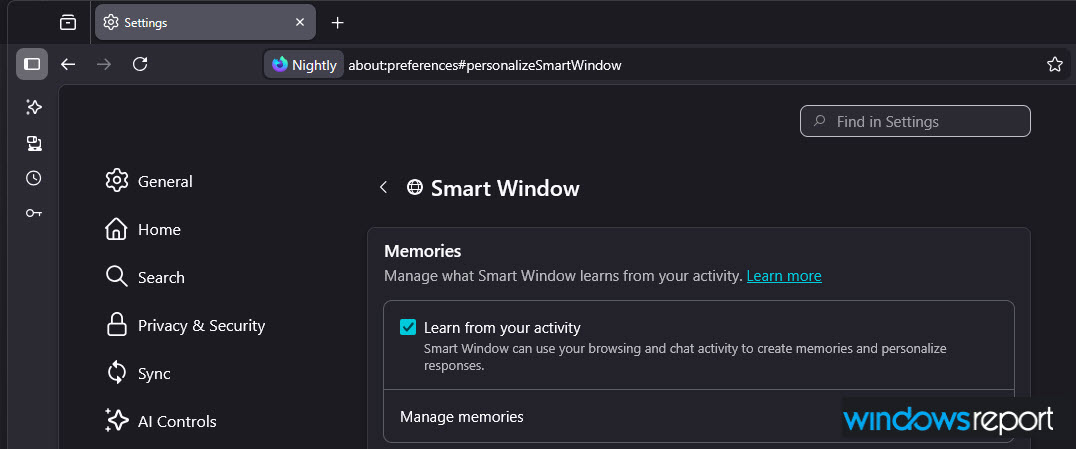
Smart Window appears under Settings > AI Controls, where Mozilla explains how it can learn from your activity. An option labeled “Learn from your activity” lets Smart Window create memories based on browsing and chat interactions to tailor responses over time.

There is also a “Manage memories” section where stored data can be reviewed or deleted. The memory list is currently empty, but the full control panel is already present.

Smart Window appears under AI Controls in Firefox settings, with options to learn from activity and manage memories. Image Credit: Venkat | WindowsReport.

A dedicated AI workspace

Opening Smart Window launches a Nightly-themed, full-page workspace with a single input box at the center that reads:

Ask, search, or type a URL

A person icon inside the input box toggles memory behavior in Smart Window. Separately, a Smart/Classic window switch next to the window controls marks Smart Window as a separate browsing mode.

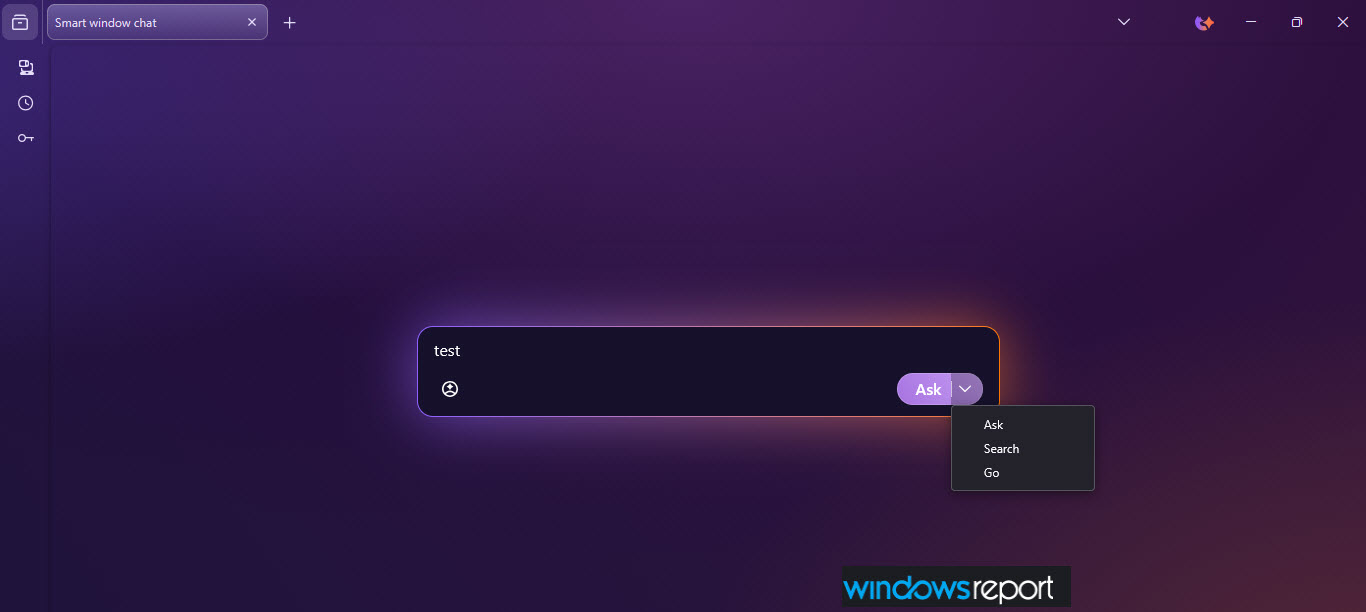
After entering a query, Firefox offers three actions: “Ask” for AI chat, “Search”, which opens Google results in a new tab, and “Go” for direct navigation. At this stage, only Search works. Ask and Go are visible but inactive, which makes it clear the interface is in place while deeper AI behavior is still being built.

Smart Window shows Ask, Search, and Go options attached to the input field after text is entered, with only Search working in Nightly. Image Credit: Venkat | WindowsReport.

Model selection during the first-run experience

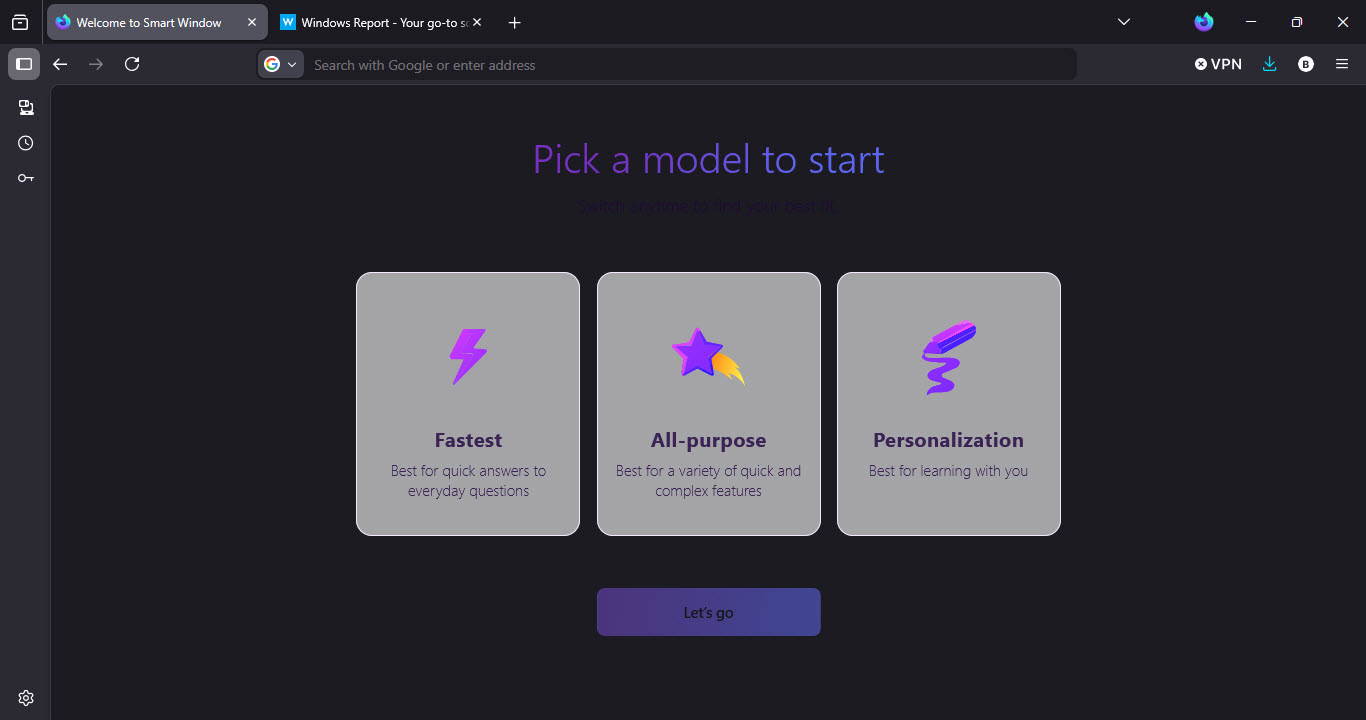
On first launch, Smart Window asks users to choose an AI model through a model selection screen focused on speed, versatility, or personalization. Mozilla also notes that models can be changed later. That level of choice gives users more control than browsers that rely on a single default model.

On first launch, Firefox asks users to choose an AI model for Smart Window, focused on speed, versatility, or personalization. Image Credit: Venkat | WindowsReport.

Even in its current Nightly form, Smart Window feels less like an added feature and more like a separate browsing environment inside Firefox. Account sign-in, memory controls, model selection, and a dedicated interface are already in place.

Mozilla recently announced Firefox AI Controls, which many users see as a kill switch for AI features. Those same settings also include controls for Smart Window, as shown above.

Firefox to Let Users Disable All AI Features With Dedicated Controls, Rollout Starts Later This Month

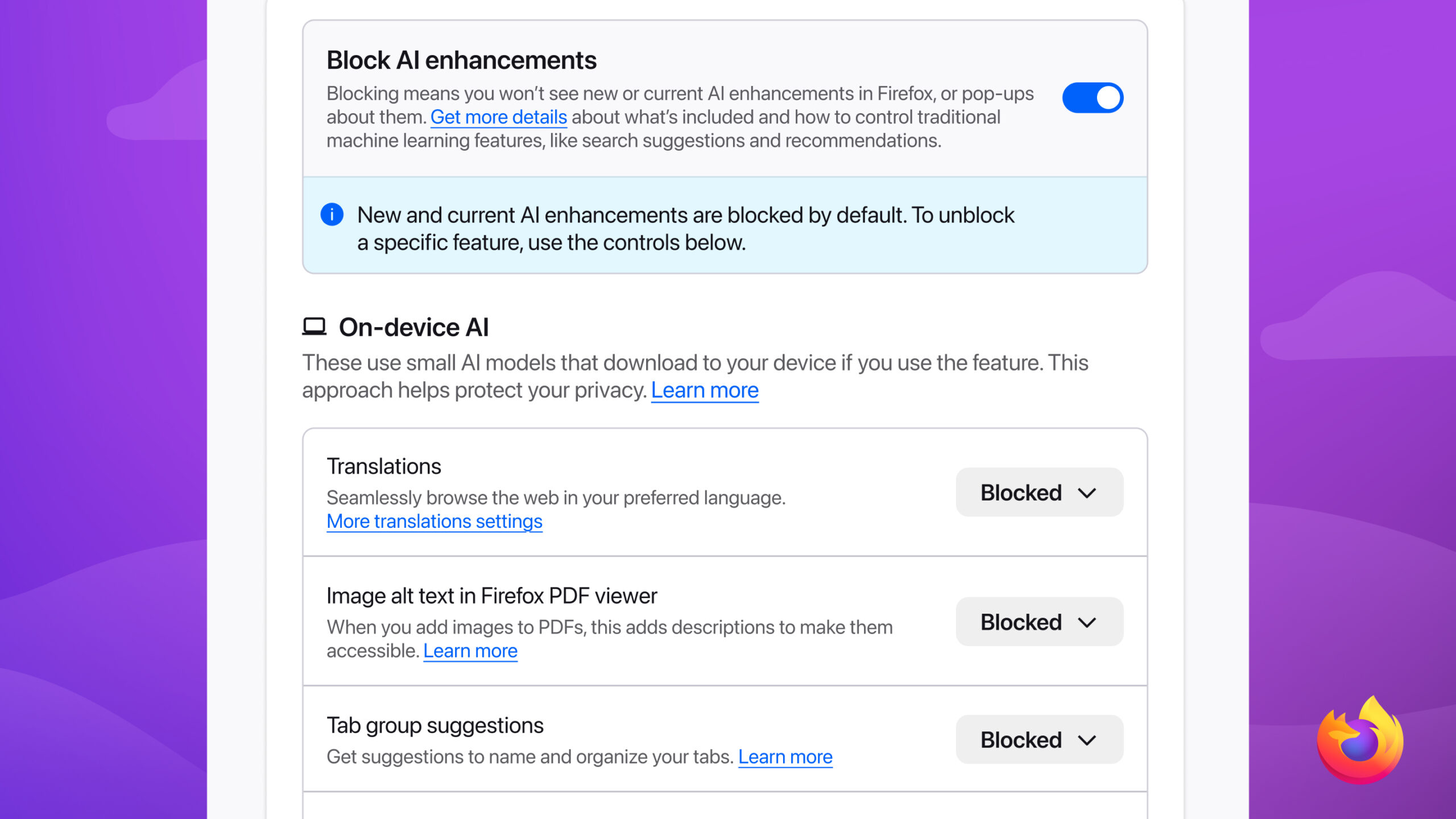
If you hoped for Mozilla to offer you more control over AI on the web, finally, there’s some good news. With the upcoming Firefox 148, which will launch on February 24, the browser will include a dedicated AI controls section in desktop settings. The new AI control settings will allow you to block all AI features or manage individual tools according to your preference.

“People want very different things from AI,” Mozilla notes. “Some want nothing to do with it, while others want helpful AI tools.” The new controls look to respect users on the side of AI, and those who aren’t very fond of AI. However, the company has confirmed that it’ll continue to develop new AI features.

At launch, Firefox AI controls will allow users to manage several features individually, including:

  • Translations, to browse the web in your preferred language.
  • Alt text in PDFs, for accessibility descriptions of images.
  • AI-enhanced tab grouping, which suggests related tabs and group names.
  • Link previews, which highlight key points before opening a link.
  • Sidebar AI chatbots, which allow you to interact with tools like Anthropic Claude, ChatGPT, Microsoft Copilot, Google Gemini, and Le Chat Mistral.

You can toggle individual features on or off, or simply activate the Block AI enhancements option to remove all AI pop-ups, reminders, or new tools. Once set, preferences stay in place across browser updates and can be changed at any time.

For those who want to test AI controls early, Mozilla is making them available in Firefox Nightly. The company also encourages users to share feedback via Mozilla Connect. At a time when companies like Microsoft and Google are stuffing AI into every bit of it, here you have Mozilla offering users the freedom to completely turn off AI features.

OpenAI Launches Codex App for macOS, Expanding Multi-Agent Workflows

If you have been waiting for a dedicated Codex app for macOS, well, it’s here. OpenAI just announced it. So, what’s new about it, you may ask, right? Well, you get a desktop interface designed to help developers orchestrate multiple AI agents, run tasks in parallel, and collaborate on long-running projects.

Codex App for macOS organizes agents and extends workflows

The app is now available for ChatGPT Plus, Pro, Business, Enterprise, and Edu users, with a limited-time rollout to Free and Go plans. The Codex app looks to revolutionize software development by giving users a command center for agents. Thanks to the new app, developers can assign work across multiple agents, review changes in real time, comment on diffs, and even open edits directly in their IDE.

Moving on, the built-in worktree support allows agents to work on the same repository without conflicts. This allows for separating their changes while maintaining local code integrity. Skills is one of the best agents introduced with the Codex macOS app.

It helps extend Codex beyond code generation to handle tasks like information gathering, web development, image creation, and document management. You can create, assign, and share skills across teams, enabling Codex to complete tasks with minimal supervision.

Execution-focused style, security, and future updates

Automations let Codex run repetitive tasks on a schedule, from bug triage to release briefs. Developers can also customize agent personalities, which allows them to choose between a terse, execution-focused style or a more conversational, empathetic approach.

OpenAI says that it hasn’t compromised on the security, either. Sandboxing and permission controls restrict agents to specific folders or cached web data, ensuring safe execution of elevated tasks. The company has further promised that the Codex app will continue evolving, including Windows support, cloud-triggered automations, and faster inference, making it a full-featured hub for multi-agent workflows.

OpenAI and Snowflake Partner to Bring AI Directly to Enterprise Data

OpenAI and Snowflake have announced a multi-year, $200 million partnership that brings OpenAI models directly into Snowflake’s enterprise data platform. Thanks to this partnership, organizations will be able to use AI on their most critical datasets, which helps them build applications and agents without writing code.

The new partnership brings AI to enterprise data

Snowflake, used by over 12,600 companies worldwide, already powers data management, analytics, and collaboration. Now, with OpenAI models like GPT‑5.2 integrated into Snowflake Cortex AI and Snowflake Intelligence, users can generate insights, ask natural-language questions, and build custom AI workflows within the platform itself.

“By bringing OpenAI models to enterprise data, Snowflake enables organizations to build AI that is powerful, responsible, and trustworthy,” said Snowflake CEO Sridhar Ramaswamy. “Customers can leverage their own data alongside world-class AI to accelerate decision-making and innovation.”

The partnership supports a variety of use cases. Snowflake Cortex AI Functions let teams call OpenAI models directly from SQL to analyze rows, text, images, or audio. Enterprises can now deploy AI agents that understand business data, streamline workflows, and deliver insights to employees at every level.

Enterprises see real benefits from the partnership

Several early adopters are already seeing benefits. Canva uses Snowflake and OpenAI to scale its visual AI tools, while WHOOP leverages Cortex Agents for faster, secure business analytics. Both companies highlight how the integration allows rapid experimentation without compromising data security or governance. Moreover, the partnership also extends to enterprise workflow support via OpenAI Apps SDK and AgentKit, allowing deeper integration across Snowflake’s platform.

ASUS ROG Kithara Gaming Headset Launches in US for $299.99

After unveiling at CES 2026 last month, ASUS has finally launched the ROG Kithara gaming headset, its first planar magnetic headset under the Republic of Gamers brand, developed in collaboration with HIFIMAN. Planar drivers aren’t new to audiophiles, but they’re still rare in gaming gear.

ASUS ROG Kithara brings audio precision and clarity to gaming

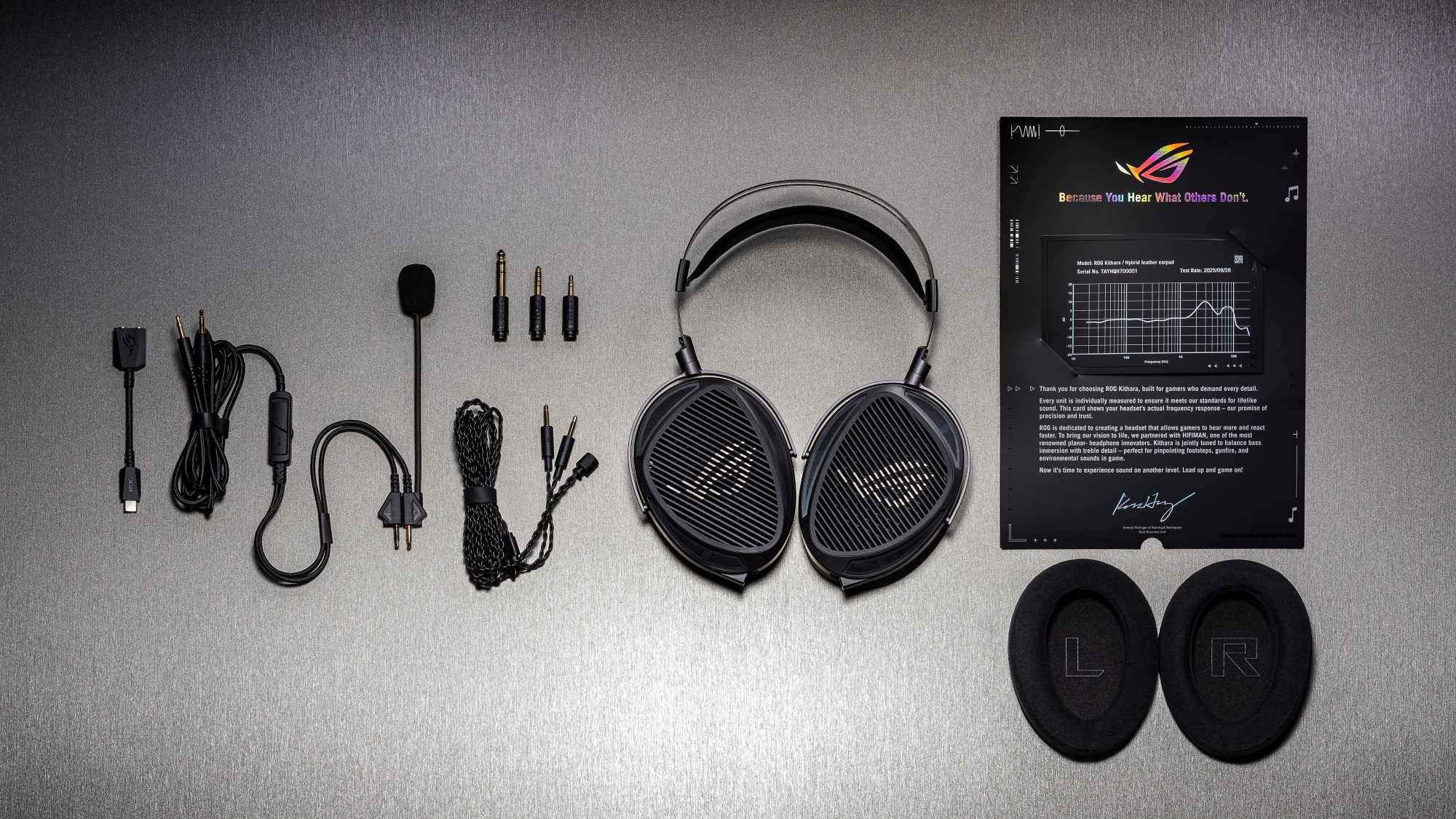
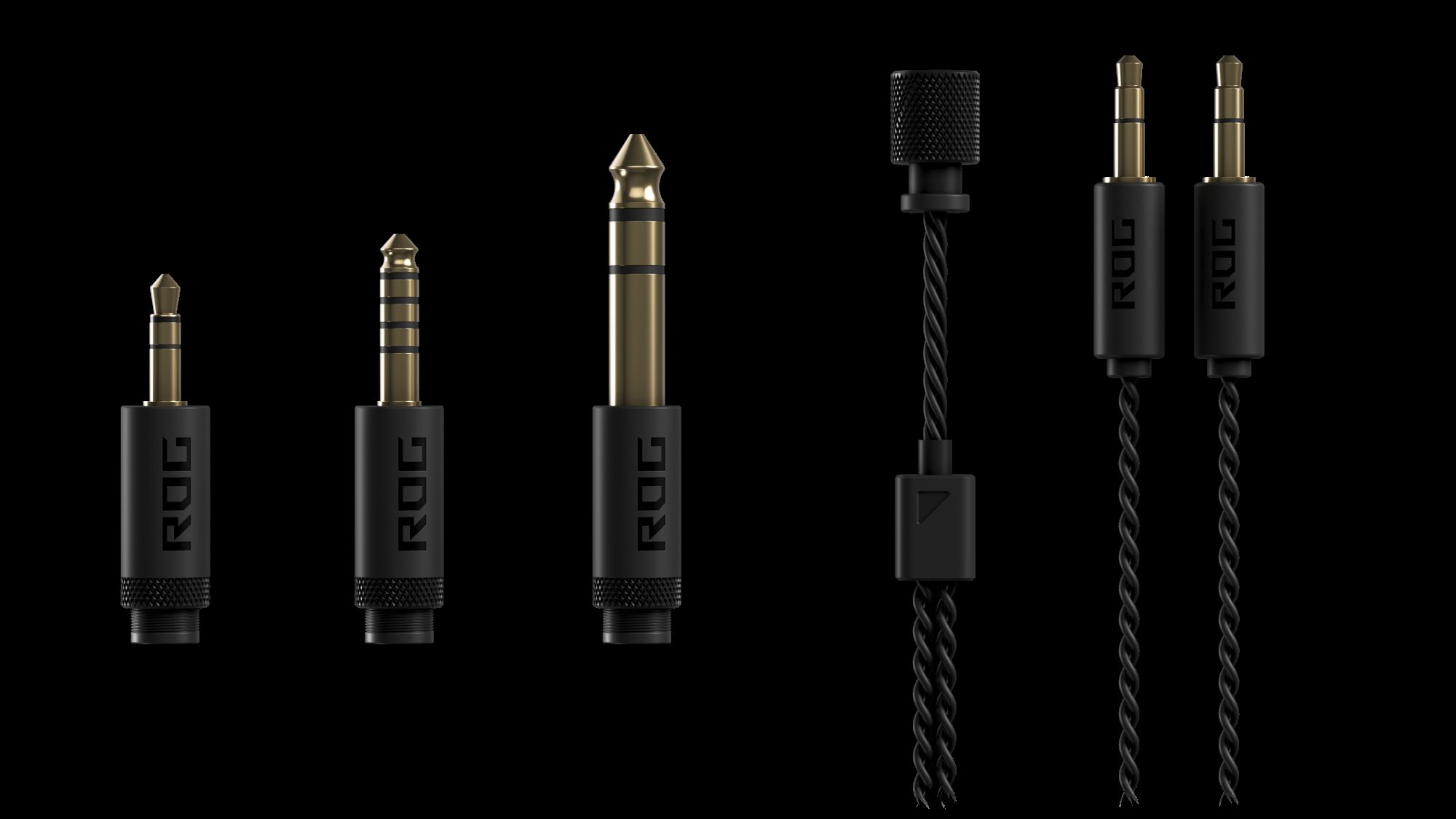
The ROG Kithara uses large 100mm planar magnetic custom drivers by ROG for cleaner sound, lower distortion, and more accurate imaging than traditional dynamic headsets. Additionally, this gaming headset promises a wide frequency range, designed to keep bass controlled and treble crisp, without losing detail.

The open-back design is one of the highlights of ASUS’s first planar magnetic gaming headset, which allows sound to move freely through the earcups. Kithara creates a wider soundstage and better separation. In a real-world scenario, that should make positional audio easier to read, whether it’s footsteps behind a wall or distant gunfire.

Voice chat gets an upgrade, all thanks to the on-cable MEMS boom mic, which covers a full frequency range and keeps audio and mic signals on separate paths. That helps cut down distortion and background noise, a common weakness of analog gaming headsets.

Image credit: ASUS

Not to forget, the ASUS ROG Kithara planar magnetic gaming headset comes with swappable plugs, including a balanced 4.4mm option alongside standard 3.5mm and 6.3mm connectors. It’s built to work just as comfortably with a DAC or amp as it does with a PC or console.

Comfort is the standout feature of this gaming headset

If you are someone who wears a headset all day long, this one should be your go-to, given the comfortable design. You’ll find a metal frame, adjustable headband, and breathable open-back design that aims to make long sessions easier. That’s not all; you can also swap ear pads to fine-tune the fit and feel. All that said, the ROG Kithara is here for gamers who want studio-style sound without giving up competitive awareness. Moreover, ASUS has confirmed that it’s now live for sale in the US at the price tag of $299.99.

Microsoft Integrates Viva Engage Communities Inside Teams

Microsoft is rolling out a new Communities experience inside Teams, bringing Viva Engage communities directly into the app where employees already chat, meet, and collaborate. The update is now available in public preview, which makes company-wide communication more visible and easier to access during the workday.

Viva Engage discussions are now live in Teams

Instead of living in a separate app, communities now sit alongside chats and channels in Teams. Microsoft says the change is designed to strengthen company culture, especially for distributed teams, by keeping broader conversations closer to daily workflows.

Communities in Teams introduce a redesigned layout that feels native to the platform. There’s a larger conversation pane, a docked side rail, and familiar unread indicators. Communities appear inside the unified Chat app, making it easier to scroll feeds, react to posts, and join discussions without switching contexts.

Employees also get more control over how communities appear. Users can reorder them, hide low-priority groups, and organize communities into custom sections. Discovery is built in too, with global search and a new browse experience making it easier to find interest groups, functional spaces, and organization-wide announcements.

AI also joins community conversations

At this point, we can’t imagine Microsoft products without AI, though it has some plans to cut back on AI this year. Speaking of AI features, community agents are now available in public preview, which helps answer repeated questions using existing organizational knowledge. Admins can review and approve responses, speeding up information sharing while keeping accuracy in check.

Community content also feeds into Microsoft 365 Copilot. Public conversations in Engage can now act as grounding sources, allowing Copilot to surface answers with citations that link back to the original discussions. Notably, communities in Teams support events, long-form posts, Q&A, and rich media. Admins can manage membership, pinned posts, and settings directly within Teams, making it easier to run large, organization-wide communities from a single place.

Moreover, the rollout requires no migration, with existing community content, permissions, and governance settings carrying over automatically for Engage customers who opt into the public preview.

Notepad++ Updates Hijacked in State-Sponsored Attack, Developers Respond

Notepad++ users were caught in a sophisticated attack as state-sponsored hackers hijacked the utility’s update system, redirecting traffic to malicious servers. The news comes from developer Don Ho, who confirmed that the breach occurred at the hosting provider level rather than through vulnerabilities in Notepad++ itself.

Malicious update redirection hits Notepad++, Chinese hackers suspected

Ho explained that attackers compromised the infrastructure behind the update process, allowing them to intercept traffic destined for notepad-plus-plus.org and push malicious executables to targeted users. The exact method of the hijack is still under investigation, but early reports suggest a highly selective approach, affecting only specific users in telecommunications and financial services across East Asia.

The security flaw relates to WinGUp, Notepad++’s built-in updater, and its verification process. Attackers exploited the way the updater checked the integrity and authenticity of downloaded files, effectively tricking it into installing poisoned binaries.

In response, Ho’s team has moved the official website to a new hosting provider with stricter security protocols and reinforced the update process with additional safeguards. “According to the former hosting provider, the shared server was compromised until September 2, 2025,” Ho said. “Even after losing access, attackers maintained credentials until December 2, 2025, enabling them to continue redirecting update traffic to malicious servers.”

Independent researcher Kevin Beaumont linked these attacks to a Chinese nation-state group known as Violet Typhoon, also called APT31 (via The Hacker News). The campaign is believed to have begun in June 2025, months before it was discovered publicly. The incident follows Notepad++ version 8.8.9, released last month to address earlier redirect issues.

The breach hints at the risks inherent in software supply chains and highlights the growing capabilities of state-sponsored cyber actors. For now, Notepad++ users are urged to make sure that their updates are sourced directly from the official website and that they remain vigilant while the investigation continues. Moreover the developer also noted to download v8.9.1, which apparently includes the relevant security enhancement.

Article feature image source: Notepad++