Sony May Revamp PlayStation Trophies After New Player Survey

Sony may be preparing changes to the PlayStation Trophy system, according to a new player survey spotted by users ahead of the company’s upcoming State of Play presentation on June 2.

The survey, as reported by Insider Gaming, asks PlayStation users how satisfied they are with the current Trophy experience and what improvements they would like to see in the future. The timing has sparked speculation that Sony could announce Trophy-related updates during or after the event.

Sony asks players about PlayStation Trophies

Some PlayStation users reportedly received an in-game notification inviting them to participate in the feedback program. After responding, users may receive a more detailed PlayStation Trophies questionnaire by email.

The survey includes agree-or-disagree statements alongside open-ended questions designed to gather player feedback about the current system.

One of the most notable prompts asks players directly: “How can we improve the Trophies experience on PlayStation?”

Possible Trophy improvements

The survey immediately triggered speculation about what Sony could change.

Many PlayStation players have requested better Trophy tracking tools, improved profile customization, expanded social features, and more meaningful rewards for earning difficult achievements.

Sony may also explore ways to make Platinum Trophies feel more valuable or visible. Some players have criticized the current system for offering little beyond profile statistics and completion percentages.

Competitors such as Xbox and Steam have continued expanding achievement systems with progression tracking, showcases, and community integrations, increasing pressure on Sony to modernize PlayStation Network features.

State of Play and wider PlayStation changes

The possible Trophy overhaul comes during a busy period for Sony and PlayStation.

Sony has already confirmed a new State of Play presentation for June 2, where the company is expected to showcase upcoming PlayStation 5 games and potentially reveal new platform features.

At the same time, Sony faces criticism over reports that PlayStation accounts are being compromised through an alleged customer-support loophole.

The company is also rumored to be reviving older PlayStation franchises while reportedly scaling back aggressive PC port plans for some major exclusives.

Sony has not officially confirmed any Trophy-related changes yet. However, the appearance of a dedicated feedback survey suggests the company is actively reviewing the future of one of PlayStation’s oldest platform systems.

GitHub Confirms Breach After Malicious VS Code Extension Exposed 3,800 Repositories

GitHub has confirmed that thousands of its internal repositories were breached after an employee installed a malicious Visual Studio Code extension. The incident adds to growing concerns around supply chain attacks targeting developer tools and software ecosystems.

According to a report from BleepingComputer, the breach affected roughly 3,800 internal repositories. GitHub says the attack currently appears limited to internal repositories and that it has not found evidence that customer repositories or external customer data were compromised.

Malicious VS Code extension triggered the breach

GitHub says the intrusion began after an employee installed a compromised VS Code extension from the Visual Studio Code Marketplace. The malicious extension reportedly allowed attackers to gain access to sensitive internal systems and repositories.

The company responded by removing the extension from the marketplace, isolating the compromised employee device, and launching an immediate incident response investigation.

GitHub stated that there is currently no evidence showing broader customer impact outside the affected internal repositories.

TeamPCP claims responsibility

The hacking group TeamPCP claimed responsibility for the breach shortly after reports surfaced online. The group allegedly said it stole nearly 4,000 private repositories from GitHub and later attempted to sell the data on a cybercrime forum.

According to the attackers, the stolen source code and internal data were offered for at least $50,000.

TeamPCP has previously been linked to multiple supply chain attacks targeting developer ecosystems, including attacks involving GitHub, Docker, PyPI, and NPM infrastructure.

The group was also reportedly connected to the Mini Shai-Hulud campaign, which allegedly impacted two employees at OpenAI.

Why malicious VS Code extensions are dangerous

VS Code extensions can deeply integrate with developer environments. While they add productivity features and integrations, they can also access source code, authentication tokens, terminal sessions, and developer credentials.

Security researchers have repeatedly warned that compromised or fake extensions can become effective malware delivery mechanisms. Attackers increasingly target developer tools because compromising one developer workstation can open access to internal repositories, cloud environments, CI/CD pipelines, and signing infrastructure.

This is not the first time dangerous extensions have appeared in the VS Code Marketplace, but the GitHub incident highlights how severe the consequences can become when a trusted internal device is compromised.

Why the GitHub breach matters

GitHub remains one of the most important software development platforms globally. The platform says it serves more than 180 million developers and over 4 million organizations, including 90% of Fortune 100 companies.

The incident comes during a period of escalating attacks against software supply chains and enterprise developer infrastructure.

In recent days, Microsoft also warned organizations about YellowKey exploitation activity and threat actors targeting Microsoft 365 and Azure environments for large-scale data theft. The company additionally announced it disrupted a malware-signing operation allegedly abused by ransomware groups to distribute trusted-looking malicious software.

The GitHub breach further demonstrates how attackers increasingly focus on trusted developer ecosystems, extensions, and software tooling to gain access to high-value corporate environments.

PlayStation’s Next State of Play Officially Set for June 2, Runtime to Exceed an Hour

After months of silence around Sony’s biggest upcoming exclusives, the company has officially confirmed a new State of Play showcase for June 2. At the showcase, players will finally get yet another proper look at Marvel’s Wolverine from Insomniac Games.

The upcoming showcase is scheduled to run for more than 60 minutes, which suggests Sony is preparing a fairly packed showcase ahead of the summer gaming season.

Marvel’s Wolverine will headline Sony’s next big showcase

According to Sony, the event will open with fresh footage from Marvel’s Wolverine. Insomniac reportedly plans to show more of Logan’s combat alongside additional gameplay details tied to the upcoming third-person action-adventure title. Sony also reconfirmed the game’s September 15 PS5 release date.

Beyond Wolverine, the June 2 State of Play will also include new announcements, gameplay reveals, and updates from studios around the world. As of now, Sony has not detailed the full lineup. The broadcast goes live June 2 at 2PM PT / 5PM ET via YouTube and Twitch, while Japanese subtitles will also be available. You can also stream it from the live stream link embedded below:

Interestingly, this showcase announcement arrives shortly after reports suggested Sony may start keeping more of its big single-player titles exclusive to PlayStation platforms for longer periods. That makes Marvel’s Wolverine even more important for the company moving forward, especially as competition around console ecosystems keeps intensifying. Not to forget, the company also recently announced price hike for PS Plus subscriptions.

Valve Removes Another Free Game from Steam Store Over Alleged Malware & Data Theft

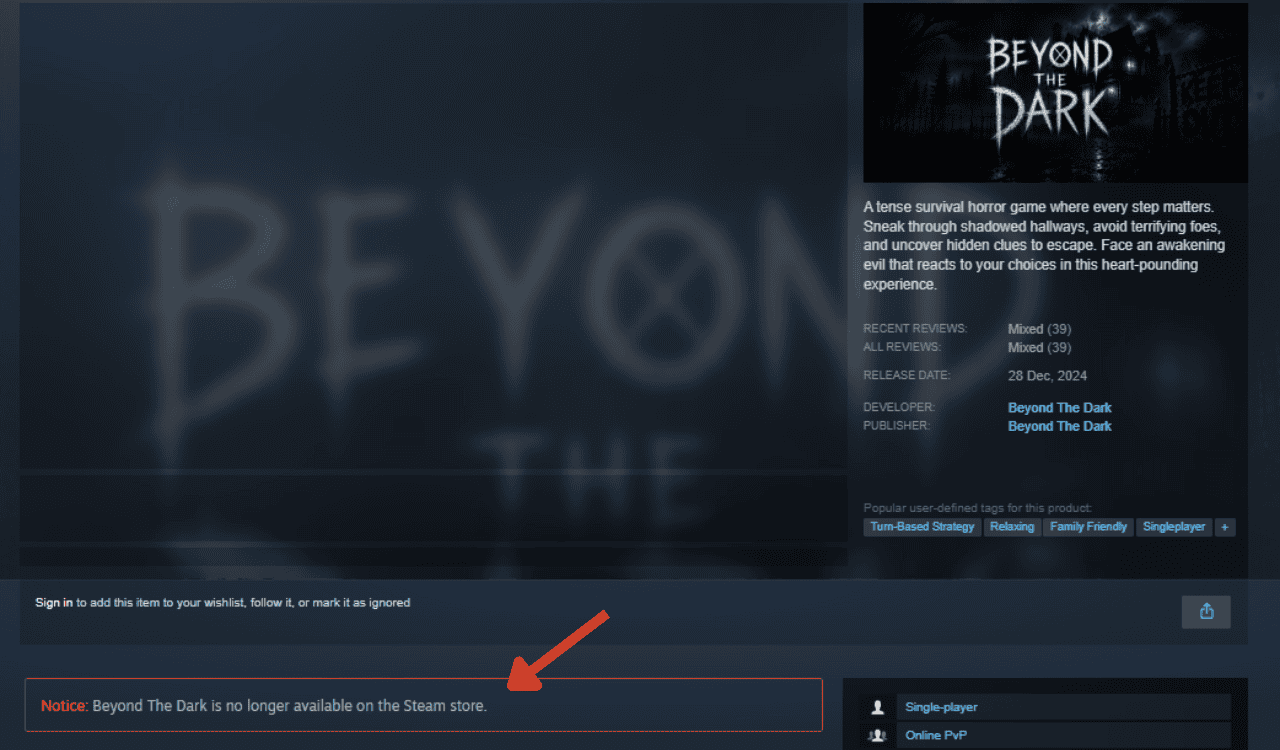
PC players downloading random free games on Valve’s Steam platform may want to start being cautious now. A newly removed title called Beyond the Dark is reportedly the latest game caught distributing malware, and the way it allegedly bypassed Steam’s systems is what’s making the situation look far worse. Back in March, FBI has launched probe into malware infected games on Valve’s Steam store.

Valve reportedly pulled the game after malware claims surfaced

The game presented itself as a free survival horror experience. However, cybersecurity YouTuber Eric Parker claims the project secretly contained malicious software hidden inside a modified UnityPlayer.dll file. For those unaware, that file is commonly used in games built with the Unity engine, which apparently made the malware much harder to spot immediately.

Following Parker’s investigation video, Valve removed Beyond the Dark from Steam entirely (via MP1st). However, users who already downloaded the game could potentially remain exposed if the claims turn out accurate. The malware allegedly targeted personal user information. As of now, the full scale of possible impact remains unclear.

Image credit: Valve

Reports suggest the title first appeared on Steam months ago under a completely different identity called Rodent Race. Back then, it reportedly looked and behaved like an entirely separate game. Fast forward to earlier this month, the developers allegedly started changing assets, descriptions, branding, and core files before eventually turning it into Beyond the Dark.

Needless to say, Steam’s security checking process is now under massive scrutiny. The platform reportedly performs deeper checks during a game’s original approval phase, but large post-launch changes may not receive the same level of scrutiny afterward. If true, that creates a dangerous loophole.

For a storefront handling millions of downloads daily, repeated incidents like this are starting to chip away at player trust fast.

Microsoft Warns Storm-2949 Is Stealing Data From Microsoft 365 And Azure

Microsoft is tracking a threat actor known as Storm-2949 that is targeting Microsoft 365 and Azure production environments to steal sensitive data from high-value organizations, as Bleeping Computer writes.

The group focuses on privileged users, including IT staff and senior leadership, and uses social engineering to take over Microsoft Entra ID accounts. Once inside, the attackers move quickly across Microsoft 365 and Azure services to collect credentials, files, secrets, and infrastructure data.

Storm-2949 abuses password reset flows

Microsoft believes Storm-2949 abuses the Self-Service Password Reset flow to gain access to victim accounts. The attacker starts a password reset request and then tricks the user into approving MFA prompts.

The group reportedly poses as IT support and tells the victim that urgent account verification is required. After the victim approves the prompt, the attacker resets the password, removes existing MFA controls, and enrolls Microsoft Authenticator on a device controlled by the attacker.

Microsoft 365 data theft follows account takeover

After gaining access, Storm-2949 uses Microsoft Graph API and custom Python scripts to enumerate users, roles, applications, and service principals. The group also searches for ways to maintain access inside compromised environments.

The attackers then access OneDrive and SharePoint to look for VPN configurations, IT documentation, remote access details, and other sensitive files. Microsoft says this pattern was repeated across multiple compromised accounts, with different stolen identities exposing different shared folders and directories.

Storm-2949 also targets Azure resources

The campaign extends beyond Microsoft 365. Storm-2949 also moves into Azure infrastructure, targeting virtual machines, storage accounts, key vaults, app services, and SQL databases.

The attackers abuse privileged custom Azure RBAC roles across multiple subscriptions. In some cases, they use stolen permissions to access Azure App Services through FTP, Web Deploy, and the Kudu console, allowing them to browse files, inspect environment variables, and run commands remotely.

Key Vaults, storage accounts, and VMs are abused

Storm-2949 also modifies Azure Key Vault access settings and steals dozens of secrets, including database credentials and connection strings. The group targets Azure SQL servers and storage accounts to expand the amount of data it can steal.

The attackers change firewall and network access rules, retrieve storage keys and SAS tokens, and use custom Python scripts to exfiltrate data. They also abuse Azure VM features such as VMAccess and Run Command to create rogue administrator accounts and execute scripts.

Microsoft shares defense guidance

Microsoft says organizations should apply least privilege across accounts and cloud resources, enable Conditional Access policies, require MFA for all users, and use phishing-resistant MFA for privileged accounts.

Admins should also limit Azure RBAC permissions, restrict Key Vault access, disable public exposure where possible, keep Key Vault logs for up to one year, and monitor high-risk Azure management operations.

The warning comes as Microsoft continues to push users away from SMS authentication and toward safer options such as passkeys. The company also recently disrupted a malware-signing service that threat actors used to make malicious software appear trusted.

Microsoft Rushes to Mitigate Dangerous New “YellowKey” Windows Exploit

The newly exposed Windows security flaw, dubbed “YellowKey,” has become a major headache for Microsoft. After the exploit details leaked publicly alongside a working proof-of-concept, the company has now rushed out official mitigation guidance while it prepares a permanent fix.

The vulnerability reportedly targets BitLocker-protected systems and could allow attackers direct access to encrypted Windows drives under certain conditions. Microsoft is now tracking the issue as CVE-2026-45585.

YellowKey reportedly bypasses BitLocker protections

The exploit was disclosed last week by security researcher “Nightmare Eclipse,” who has recently been dumping multiple Windows zero-days online. According to the researcher, YellowKey abuses specially crafted “FsTx” files placed on either a USB drive or EFI partition.

Once triggered through Windows Recovery Environment (WinRE), attackers can reportedly launch a shell with unrestricted access to the protected storage volume simply by holding the CTRL key during the process. Needless to say, this isn’t something system administrators want to hear.

Interestingly, YellowKey is only the latest in a string of proof of concepts from the same researcher. Previously, the same researcher disclosed BlueHammer, GreenPlasma, RedSun, and UnDefend, several of which reportedly enable privilege escalation or interfere with Microsoft Defender protections.

Microsoft wants admins changing BitLocker settings immediately

Microsoft says the exploit bypasses a security feature rather than directly breaking BitLocker encryption itself. However, the company is recommending multiple defensive steps immediately. One mitigation involves removing the autofstx.exe entry from Session Manager’s BootExecute registry value to stop the FsTx recovery utility from automatically launching inside WinRE.

The company is also strongly recommending switching devices away from TPM-only BitLocker setups toward TPM+PIN authentication. In simple words, users would need to manually enter a startup PIN before Windows unlocks encrypted drives. Meanwhile, admins can configure the newer requirement using PowerShell, Group Policy, Intune, or Control Panel settings.

As of now, Microsoft hasn’t shared a release date for an actual security patch. But we hope it lands as soon as possible.

Samsung Launches “Industry’s First” 6K Gaming Monitor, the Odyssey G80HS

Samsung has officially launched its next-generation Odyssey gaming monitor lineup globally. The launch comes right after LG took wraps off from its “world’s first” 1000Hz FHD gaming monitor. LG’s new gaming monitor will launch in the select regions in the second half of 2026. As far as Samsung’s Odyssey G8 lineup is concerned, it seems Samsung is going with extremely aggressive with specs this year.

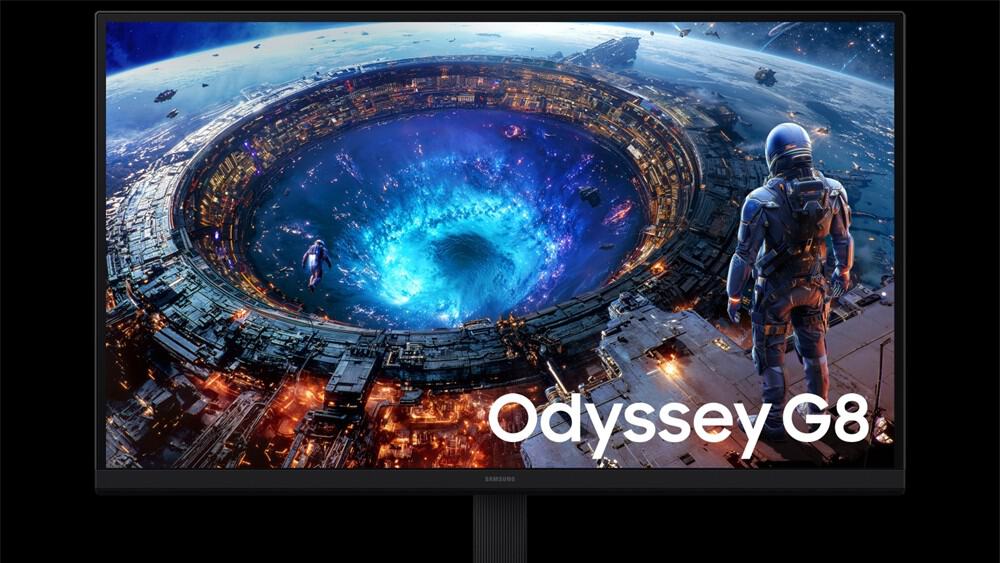
Samsung’s new Odyssey G8 gaming monitor lineup goes all-in on extreme specs

Among the monitors in the latest lineup, the biggest highlight is the new Odyssey G8 (G80HS), which Samsung claims is the “industry’s first-ever” 6K gaming monitor. The said monitor features a massive 6K resolution paired with a 165Hz refresh rate.

Interestingly, Samsung is also adding Dual Mode support, which allows players to switch down to 3K resolution while pushing refresh rates up to 330Hz. In simple words, users can prioritize either ultra-sharp visuals or esports-grade speed based on the game.

The second model, G80HF, from the Odyssey G8 lineup features a 27-inch display, offering 5K resolution at 180Hz. Meanwhile, Dual Mode allows up to 360Hz in QHD.

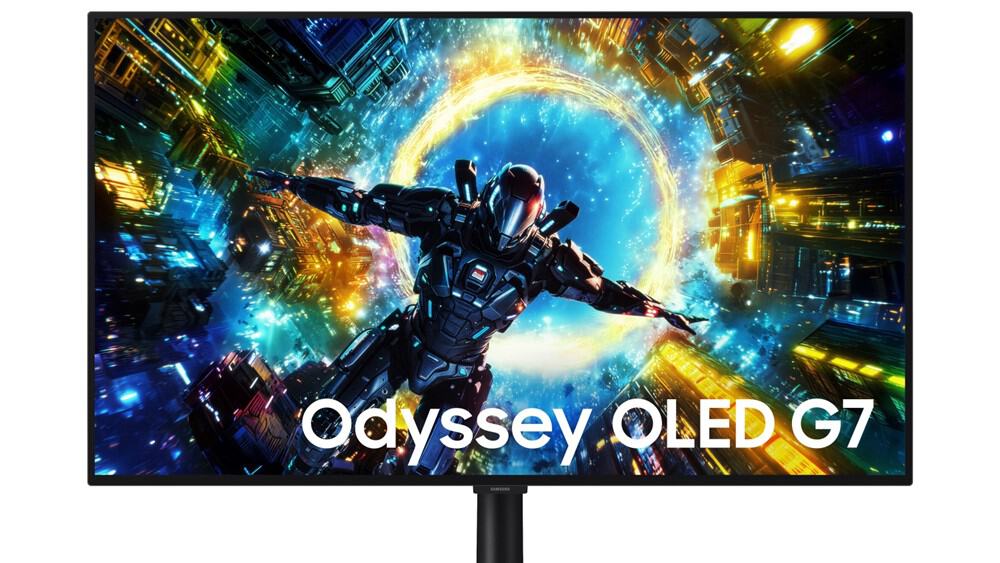
The third model in the Samsung’s Odyssey OLED G8 lineup, G80SH, is available in 27-inch and 32-inch sizes. It combines 4K resolution with 240Hz refresh rates. The monitors use Samsung’s newer QD-OLED Penta Tandem tech, which apparently improves brightness, efficiency, and durability. The 32-inch version also comes with VESA DisplayHDR True Black 500 certification.

Image credit: Samsung

Across the lineup, Samsung has included DisplayPort 2.1, AMD FreeSync Premium, NVIDIA G-Sync compatibility, and HDR10+ Gaming support. Notably, USB-C charging up to 98W is also part of the package on select models.

Samsung also refreshed its professional ViewFinity lineup

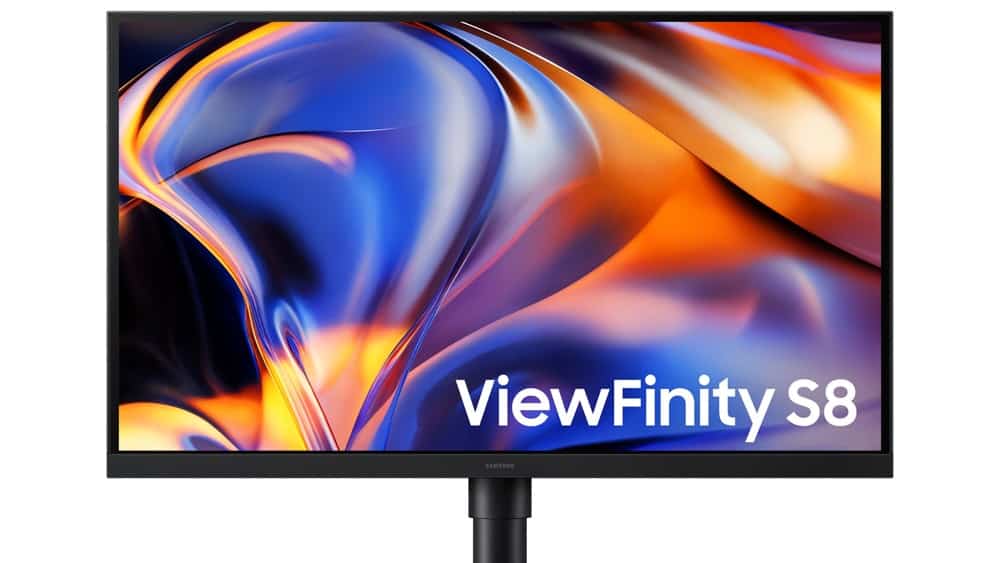
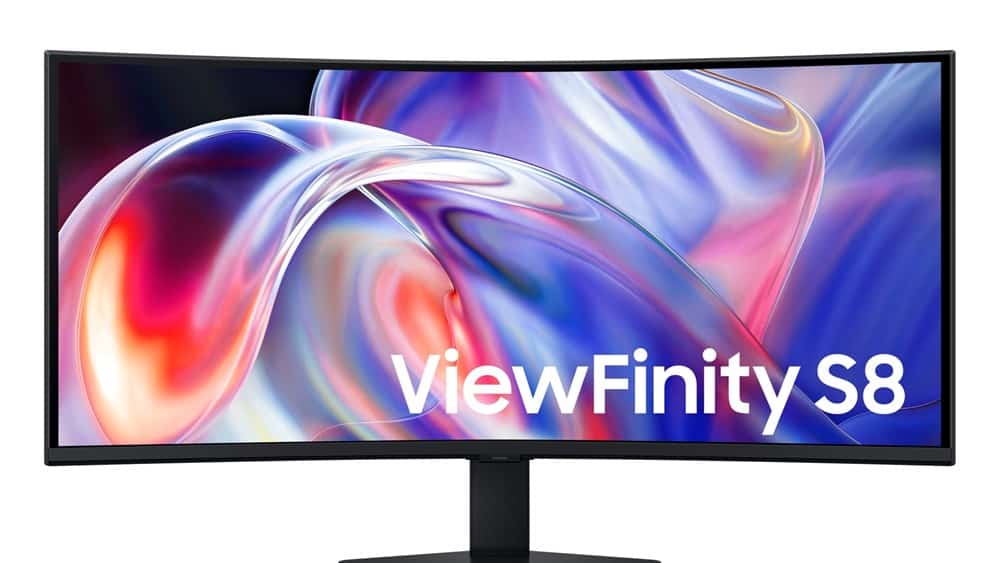
The company also introduced newer ViewFinity S8 displays focused on creators and productivity users. The larger 40-inch ViewFinity S8 features a curved WUHD display with a 144Hz refresh rate and Thunderbolt 5 connectivity supporting up to 80Gbps transfer speeds and 140W charging. Meanwhile, the smaller 27-inch ViewFinity S8 ships with a sharp 5K panel alongside USB-C connectivity for streamlined workflows.

Image credit: Samsung

Samsung has confirmed that all new Odyssey G8, Odyssey G7, and ViewFinity S8 models are available for order starting today globally. With 6K gaming now officially entering the market, it will be interesting to see how quickly rivals respond.

Microsoft Disrupts Malware Signing Service Used By Ransomware Groups

Microsoft says it has disrupted a large malware-signing-as-a-service operation that abused the company’s own Artifact Signing platform to make malicious software appear trustworthy on Windows systems.

The operation, tracked by Microsoft as Fox Tempest, allegedly created more than 1,000 fraudulent code-signing certificates and supported cybercriminal campaigns tied to ransomware, information stealers, and malware loaders.

According to Microsoft, the attackers used the certificates to digitally sign malware, so Windows and security tools would initially treat the files as legitimate software instead of flagging them as suspicious.

Microsoft revokes more than 1,000 fraudulent certificates

Microsoft’s Digital Crimes Unit said it disrupted the operation in May 2026 and revoked more than 1,000 code-signing certificates connected to the scheme.

The company also unsealed a lawsuit in the Southern District of New York and seized the domain signspace[.]cloud, which allegedly supported the malware-signing service. Microsoft says it additionally took hundreds of virtual machines offline as part of the enforcement action.

The seized domain now redirects visitors to a Microsoft legal notice explaining the takedown.

Microsoft believes the attackers used stolen identities from the United States and Canada to pass verification checks for Artifact Signing accounts. The operation reportedly relied on short-lived certificates valid for only 72 hours, helping attackers reduce detection risk and rotate infrastructure quickly.

Malware disguised as trusted software

Microsoft says cybercriminal customers uploaded malicious files to the Fox Tempest platform, where the malware was signed using fraudulently obtained certificates.

The signed files were then disguised as legitimate software installers and applications, including fake versions of Microsoft Teams, AnyDesk, PuTTY, and Webex.

One example attack described by Microsoft involved fake Microsoft Teams installers delivering a malicious loader that later deployed signed Oyster malware before eventually leading to Rhysida ransomware infections.

The signed malware operation is also linked to threats such as Oyster, Lumma Stealer, and Vidar malware campaigns.

Multiple ransomware groups connected to the operation

Microsoft says several ransomware and cybercrime groups used malware signed through the service.

The list includes Akira, INC, Qilin, and BlackByte. Microsoft also connected activity to threat actors it tracks internally as Vanilla Tempest, Storm-0501, Storm-2561, and Storm-0249.

The company says the operation functioned like a professional criminal business with organized infrastructure, customer support, payment handling systems, and Telegram promotion channels.

Access to the malware-signing service reportedly cost between $5,000 and $9,000 in bitcoin, depending on the service package and certificate requirements.

Why signed malware creates a serious security problem

Digitally signed malware often bypasses security warnings because operating systems trust signed executables more than unsigned files.

Microsoft says the fraudulent certificates allowed malicious software to appear authentic during installation and execution. Without those certificates, many of the malware samples may have triggered warnings or been blocked entirely by Windows security protections and endpoint security tools.

The case also highlights how attackers continue abusing legitimate cloud infrastructure and identity verification systems to scale cybercrime operations.

More malware threats continue targeting Microsoft users

The disruption comes as several other security threats continue circulating across enterprise and Windows environments.

Researchers recently disclosed the MiniPlasma exploit alongside new malware known as YellowKey and GreenPlasma. Meanwhile, Microsoft Teams remains a frequent target for attackers, with recent campaigns using the platform to distribute ModeloRAT malware through phishing and fake support schemes.

Via Bleeping Computer

Google AI Studio Now Lets You Build Native Android Apps in Minutes

If you are into Android app development and like the idea of vibe coding, Google delivered some big news at I/O 2026 related to Google AI Studio. The company has announced that you can now build native Android apps directly from Google AI Studio, while also adding Google Workspace integrations, mobile app support, cloud deployment, and AI-generated design tools. For developers and even non-coders, this is probably the biggest signs of “vibe coding” going mainstream.

Google AI Studio can now build native Android apps

As mentioned earlier, the biggest highlight is the native Android app generation inside AI Studio. Google says users can simply select “Build an Android app,” describe the idea, and the platform generates production-quality Kotlin code using Jetpack Compose.

Interestingly, Google is removing most of the traditional setup headaches as well. There’s no SDK installation, no local environment setup, and no heavy development machine requirement anymore. In other words, everything runs directly inside the browser.

The experience also includes an in-browser Android emulator alongside ADB support, which allows users to preview apps or install builds directly onto Android devices. Google is also allowing developers to connect their Google Play accounts and push apps directly to the Play Store’s Internal Test Track with a single click.

That’s not all; Google AI Studio now integrates directly with Google Workspace apps like Sheets, Drive, and Docs. Developers can build dashboards around spreadsheet data, organize Drive files, or create tools connected to existing workflows without leaving AI Studio.

Google wants AI Studio to become an all-in-one creator platform

Google is also launching a dedicated AI Studio mobile app. The app is available for pre-registration now and allows users to edit code, remix apps, preview builds, and share live deployments directly from phones.

On the design front, AI Studio can now generate custom images using Nano Banana. A newer annotation tool also allows creators to draw directly onto app previews and tweak interfaces conversationally. Moreover, Google says first-time users can deploy their first two apps to Google Cloud completely free without requiring a credit card.

In case you missed, the company has also announced new models like Gemini 3.5 Flash, Gemini Omni, and launched Ask YouTube in the US for Premium users aged over 18.

Google & Samsung Finally Unveil the First Android XR Smart Glasses, Coming Later This Fall

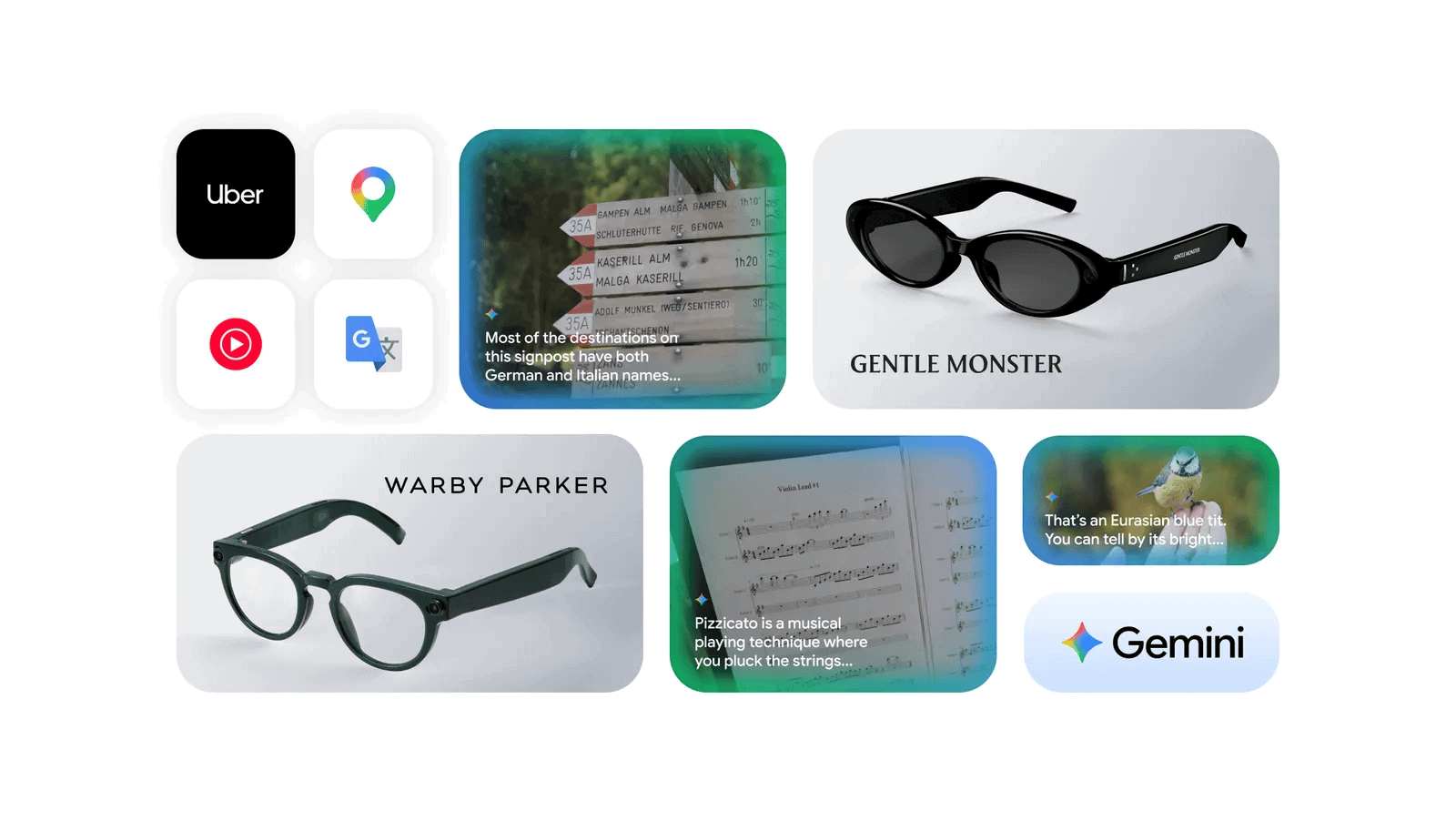
After multiple leaks and rumors, Google finally announced its Android XR smart glasses made in partnership with Samsung and Qualcomm, at the I/O 2026 event yesterday. That said, fashion brands Gentle Monster and Warby Parker are behind the actual eyewear designs.

Google and Samsung offer first, better look at Android XR smart glasses

The company officially confirmed that Android XR-powered “audio glasses” are launching later this fall, bringing Gemini directly into lightweight everyday eyewear.

Google says that there will be two categories of intelligent eyewear: audio glasses focused on spoken assistance, and display glasses that surface visual information directly in front of users. The first wave launching later this year focuses on audio glasses. Notably, there’s no official name and price for these glasses just yet.

Image credit: Google

Google wants Gemini living inside your glasses

Based on what Google showed at I/O, the company clearly wants these to look like regular glasses people would genuinely wear daily. Speaking of features, you can activate Gemini either by saying “Hey Google” or tapping the frame. From there, the glasses can answer questions about surroundings, provide turn-by-turn navigation, summarize messages, play music, translate conversations in real time, and even interact with apps like Uber and Mondly.

Interestingly, users can instantly capture photos or videos, then ask Gemini-powered editing tools like Nano Banana to remove distractions or alter scenes using simple voice commands. Google also notes that Android XR glasses can translate both speech and written text while preserving tone and pitch in spoken responses.

Gemini can also apparently handle background multi-step tasks, like preparing a DoorDash coffee order while the phone stays inside a pocket. Google has also confirmed that the glasses will support both Android and iPhone pairing as well.

Othe announcements from Google I/O 2026

Google has also released its latest model, Gemini 3.5 Flash, and a new model, Gemini Omni, which it says can create anything from any input. The company is bringing Gemini Omni integration for YouTube Shorts, while also launched Ask YouTube. The smart AI-powered search experience in YouTube is rolling out to Premium users aged 18 and older in the US through YouTube’s experimental features hub. Moreover, the company has also announced AI verification tools across Search, Gemini, Chrome, and more. Last but not least, Google has also expanded the Gemini app with Daily Brief, AI automation, and more features.

Google Starts Limiting Gemini Usage With New AI Quotas

Google appears to have introduced new usage limits for the Gemini app as the company expands its AI ecosystem.

Until recently, Gemini’s Flash model felt almost unrestricted for many users. Now, some Gemini users are seeing a new quota system that tracks both short-term and weekly AI usage. The change suggests Google may be preparing a stronger monetization strategy for Gemini as AI infrastructure costs continue to grow.

Gemini now uses two separate usage counters

The updated Gemini usage page reportedly includes two different counters. The first tracks current usage and refreshes every five hours. The second tracks weekly usage limits across the user’s account.

This means some users could still remain locked out of certain Gemini features even after the five-hour timer resets if they have already exhausted the weekly quota.

Google does not currently provide a simple fixed message cap. Instead, usage appears tied to the complexity of tasks, AI models, and advanced features being used inside Gemini.

More demanding requests, including multimodal generation and advanced reasoning tasks, may consume quota faster than basic prompts.

Google promotes AI Plus subscriptions

As users approach the new limits, Google has started promoting its paid Google AI Plus plan more aggressively inside Gemini.

According to reports from users, the subscription can roughly double available AI quota access compared to the standard tier. This creates a clearer separation between free and paid Gemini experiences.

The move follows a broader industry trend where major AI companies increasingly place limits on free usage while reserving higher-performance access for subscribers.

Gemini expansion continues with new AI tools

The new limits arrive shortly after Google expanded the Gemini app with several major upgrades.

The company recently introduced Gemini 3.5 Flash and Gemini Omni Flash models designed to deliver faster responses and more advanced multimodal AI capabilities.

Google also launched new features like Ask YouTube, which lets users search and interact with YouTube content using AI-powered conversations.

At the same time, Google expanded its AI verification and transparency tools across products like Gemini, Search, Chrome, and Pixel devices. These systems help users identify AI-generated or modified content more easily through technologies like SynthID watermarking and Content Credentials.

AI profitability pressure is growing

The Gemini changes also reflect increasing pressure across the tech industry to turn AI investments into sustainable revenue.

Companies like Google, Microsoft, OpenAI, and Meta continue spending billions on AI infrastructure, chips, cloud systems, and model training. Investors increasingly want evidence that these products can generate long-term profits instead of operating primarily as expensive experimental platforms.

Spotify Cracks Down on Fake AI Podcasts with Verified Badges

Spotify finally appears to be taking AI impersonation seriously. As podcasting gets flooded with cloned voices, fake hosts, and questionable AI-generated content, Spotify is now rolling out verified badges for podcasts alongside stricter enforcement against impersonation. To catch you up, Spotify also recently started rolling out similar badges to verify real artists on the platform.

Spotify wants podcasts listeners to know what’s real

The company says the new “Verified by Spotify” badge will start appearing on select podcast shows beginning today. As seen in the feature image above, the new verification badges comes with a light green checkmark and is meant to confirm that a show is the official presence of a creator, publisher, or brand on the platform.

The company says podcasting is built around connection and familiarity, which makes creator identity increasingly important as AI-generated audio keeps growing. As for the eligibility, the verification will depend on several factors, including sustained listener activity, compliance with platform policies, and audience authenticity checks meant to catch fraudulent or bot-driven engagement.

That being said, Spotify also admits authenticity in podcasting is becoming more complicated. The company says its approach will continue evolving over time, which likely means today’s badge rollout is only the beginning.

AI voice cloning is clearly on Spotify’s radar

Besides verification badges, Spotify has also reconfirmed that unauthorized impersonation is prohibited on the platform. This includes AI voice cloning and other methods used to mimic creators without permission. The company says it will remove podcast content and shows that impersonate creators or hosts.

Spotify already has reporting tools in place for unauthorized voice or identity usage, but it now appears to be strengthening enforcement as AI-generated podcasts become easier to produce. Interestingly, Spotify is not framing AI itself as the enemy. In fact, the company says AI can still unlock new creative possibilities if used responsibly.

Google Expands AI Verification Tools Across Gemini, Search, Chrome, and Pixel

Google is expanding its AI content transparency and verification tools across Gemini, Search, Chrome, Pixel devices, and Google Cloud. The company says the goal is to help users understand where online media came from and whether it was edited or generated with AI.

The move comes as AI-generated images, videos, and audio become increasingly difficult to distinguish from authentic media. Google says users need simpler ways to verify content directly inside the products they already use every day.

SynthID reaches 100 billion watermarked files

Google revealed that its SynthID watermarking system has already been used on more than 100 billion AI-generated images and videos. SynthID embeds invisible markers into AI-generated media, allowing the content to be identified later without changing how it looks or sounds to users.

The company says SynthID verification inside the Gemini app has already been used more than 50 million times globally. Google is now expanding those verification tools to Search and plans to bring them to Chrome in the coming weeks.

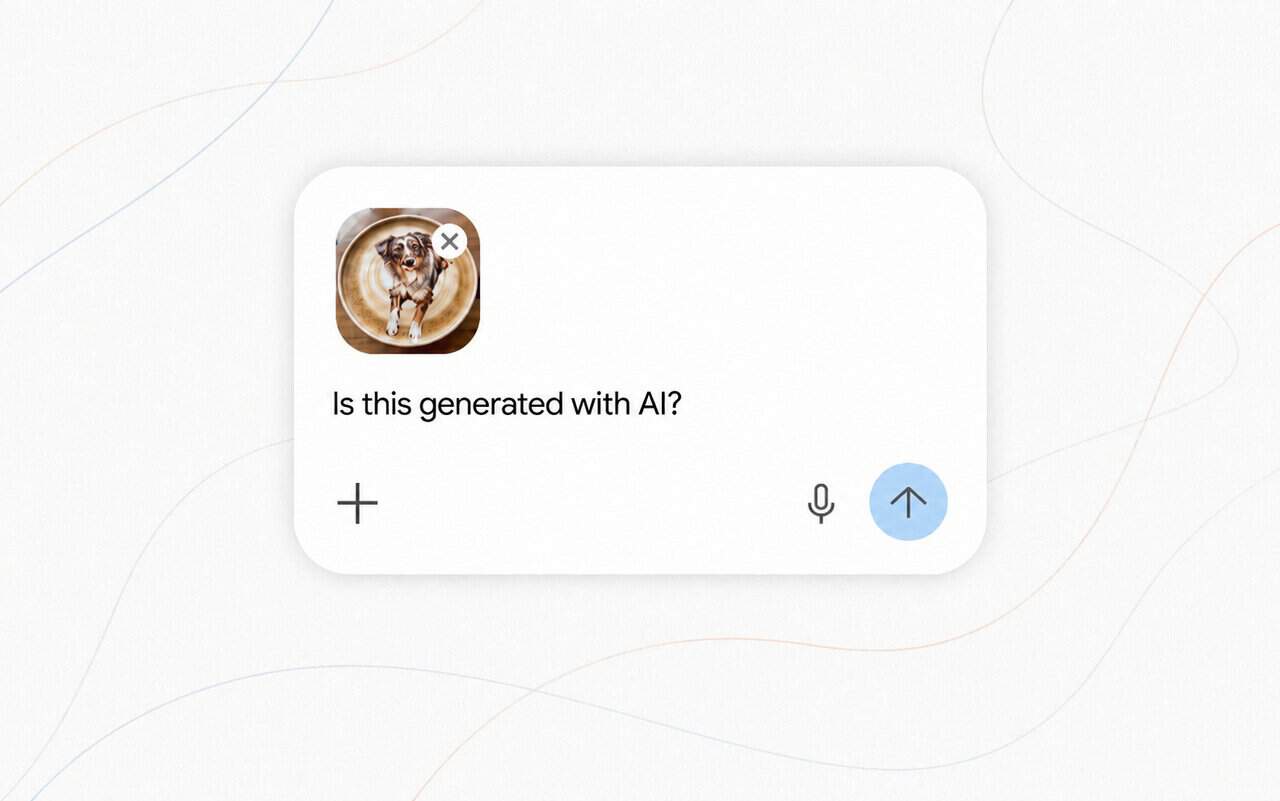
Users will eventually be able to ask questions such as “Is this AI generated?” or “Was this made with AI?” through products like Gemini, Lens, Circle to Search, AI Mode, and Gemini in Chrome.

Content Credentials expand to Pixel cameras

Google is also pushing wider adoption of C2PA Content Credentials, an industry standard designed to show how digital media was created or modified. These credentials can reveal whether content came directly from a camera, whether editing software altered it, or whether AI tools generated parts of the media.

According to Google, authentic camera-captured content is becoming just as important to identify as AI-generated material.

The Google Pixel 10 became the first smartphone to support Content Credentials directly inside the camera app for images. Google is now expanding support to video recording on Pixel 8, Pixel 9, and Pixel 10 devices. The company says this creates stronger proof that media originated from a real camera rather than an AI model.

Google also confirmed that support for checking C2PA Content Credentials will roll out in Gemini first before arriving later in Search and Chrome.

OpenAI, NVIDIA, and Meta join the effort

Several major AI companies are joining Google’s watermarking initiative. Google says partners including OpenAI, ElevenLabs, and Kakao will use SynthID technology in their AI-generated content workflows.

The company is also working with NVIDIA to watermark AI-generated video produced through Cosmos models.

Meanwhile, Meta plans to support Content Credentials labeling on Instagram. This means media captured natively on supported Pixel devices may appear as verified authentic camera content when uploaded to Instagram.

Google Cloud gets new AI detection tools

Google is additionally launching a new AI Content Detection API through Google Cloud’s Gemini Enterprise Agent Platform. The API will allow businesses to detect AI-generated content created by Google and other popular AI models.

Google says the technology could help with content labeling, moderation, fraud prevention, feed sorting, and fact-checking systems.

The broader rollout shows Google pushing harder into AI transparency as synthetic media becomes more common across the internet.

In other recent announcements, Google also expanded the Gemini app with additional AI features and introduced the new Gemini Omni Flash and Gemini 3.5 Flash models.

YouTube Brings ‘Ask YouTube’ & Gemini Omni Remixing to Shorts

Yesterday’s Google I/O event was packed with several announcements, revolving around AI Search, new Gemini 3.5 Flash model, and more. Needless to say, YouTube also got some attention, and this time it is not only about watching videos anymore. The company is now turning YouTube into an AI chatbot.

YouTube is getting a much smarter search experience

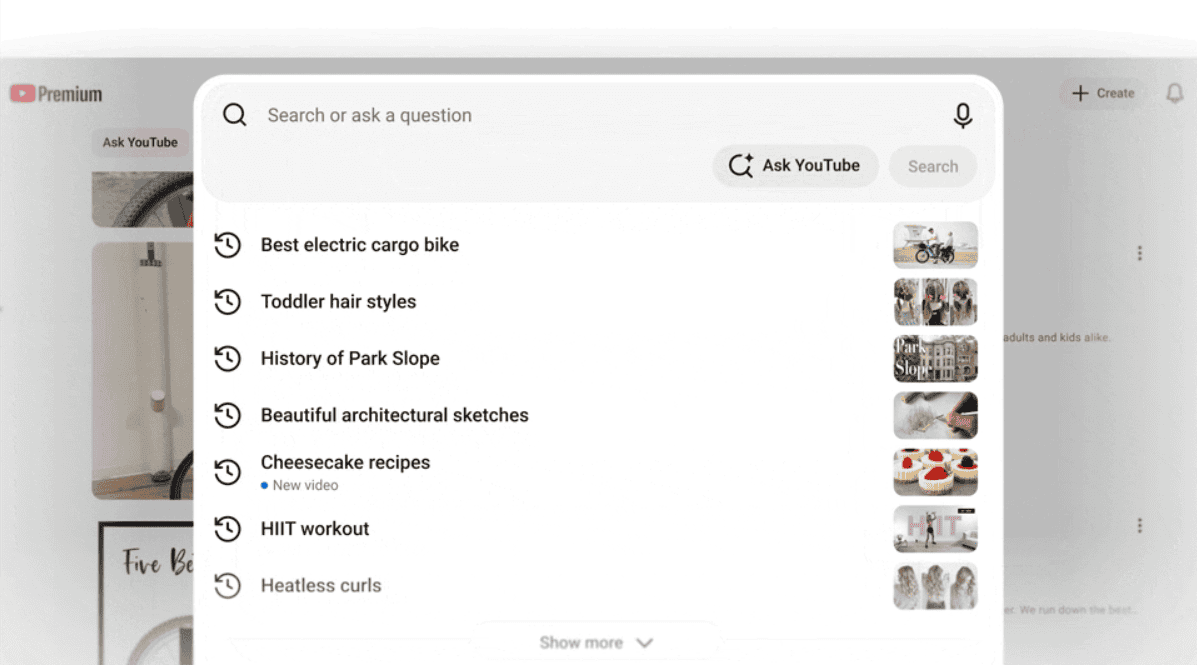
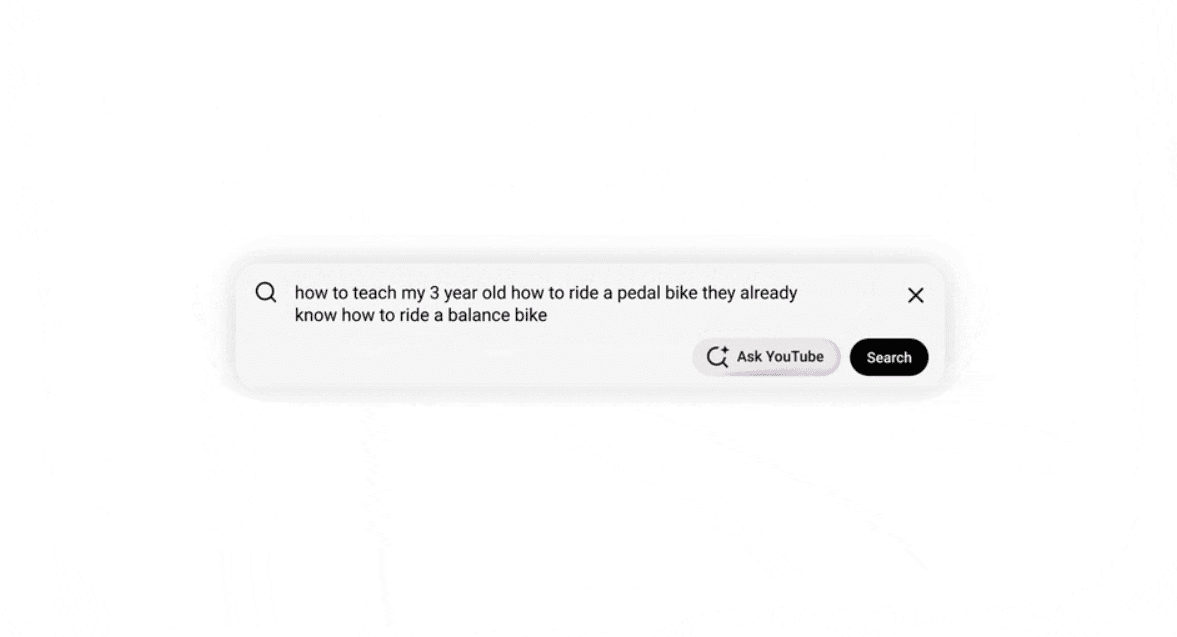
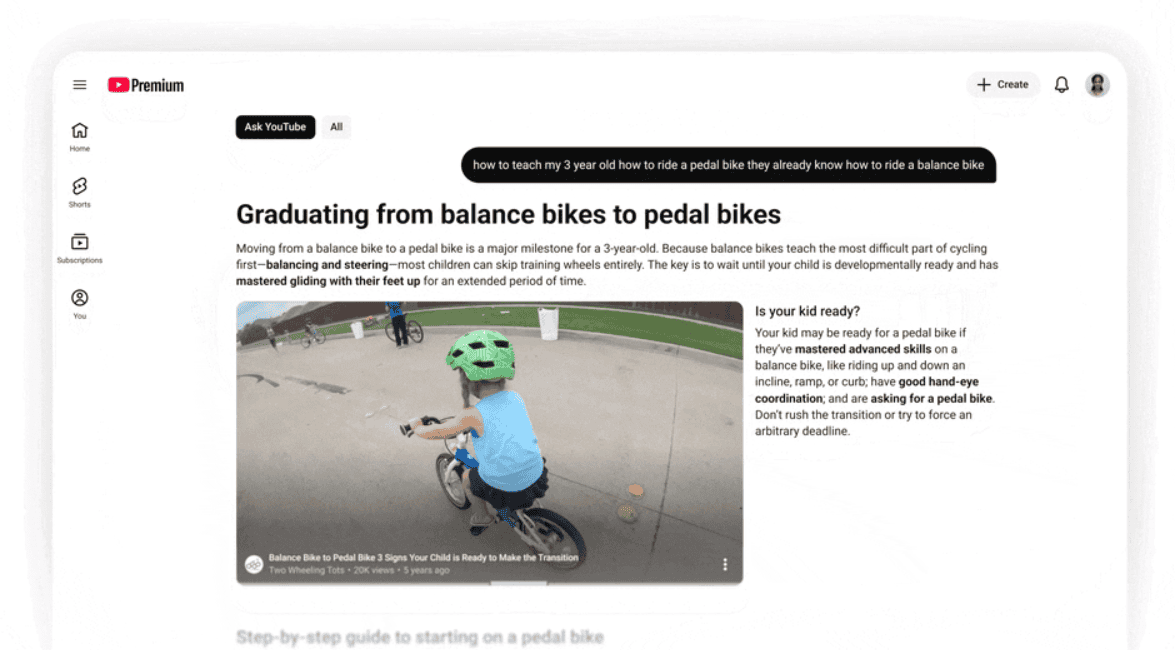
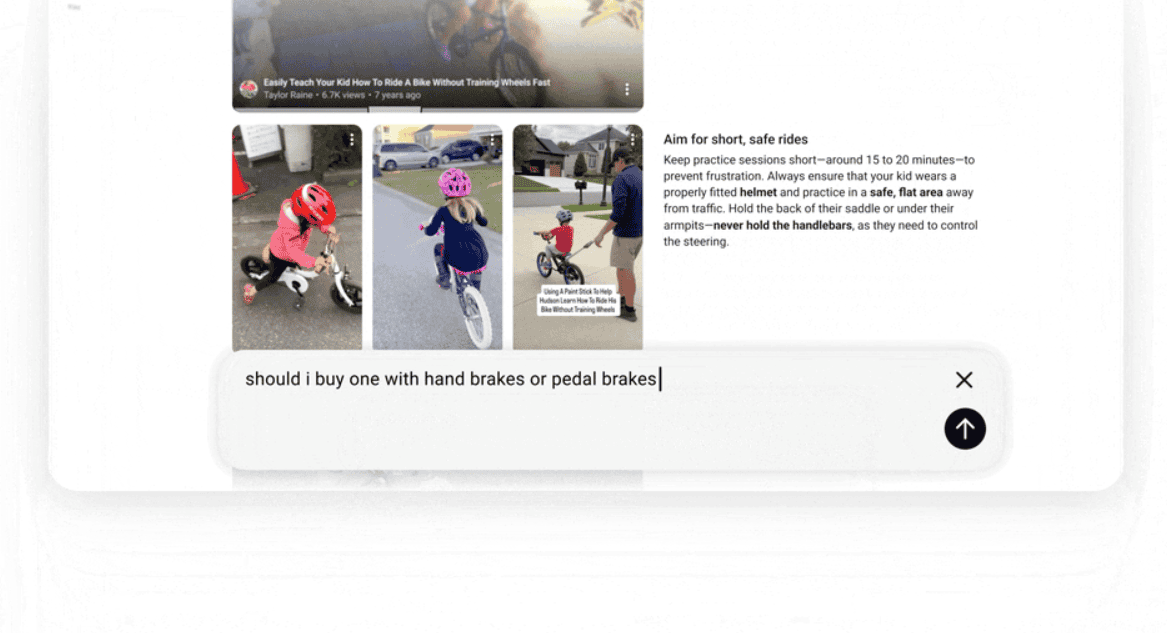
Speaking of new features, YouTube is getting “Ask YouTube.” As the name suggests, instead of typing basic search keywords, users can now ask full questions naturally, almost like chatting with Gemini itself. For example, someone could ask for cozy game recommendations before bedtime or tips for teaching a child how to ride a bike. YouTube will then pull together relevant Shorts and long-form videos into a structured AI-generated response.

Ask YouTube supports follow-up questions too, meaning users can continue refining results without starting over. For now, the feature is available to Premium users aged 18 and older in the US through YouTube’s experimental features hub. Google says a wider rollout is planned later on.

Gemini Omni is expanding across YouTube Creation tools

YouTube Shorts is also getting upgraded with Gemini Omni integration. For those unaware, Gemini Omni is a new model that can generate “anything from any input.” Users can now remix eligible Shorts using prompts and images to completely transform videos. Google says creators can change scenes into different aesthetics, place themselves alongside creators, or reshape videos while still preserving the original context.

The company claims Gemini Omni handles difficult video and audio edits behind the scenes, making the process easier for casual creators who may not have advanced editing skills. Google is also bringing the same Omni-powered remixing features to the YouTube Create app, with AI Playground support arriving later.

It’s worth noting that YouTube says remixed Shorts will include digital watermarks, metadata labels, and links back to original videos. Creators can also opt out of visual remixing entirely. Meanwhile, YouTube’s likeness detection tool is now expanding to all creators aged 18 and older.

Google Expands Gemini App With Daily Brief, AI Automation, and More

Google used its Google I/O 2026 keynote to announce one of the biggest updates yet for its Gemini AI platform. The company revealed several new AI models, productivity agents, interface redesigns, and deeper integrations across devices and apps.

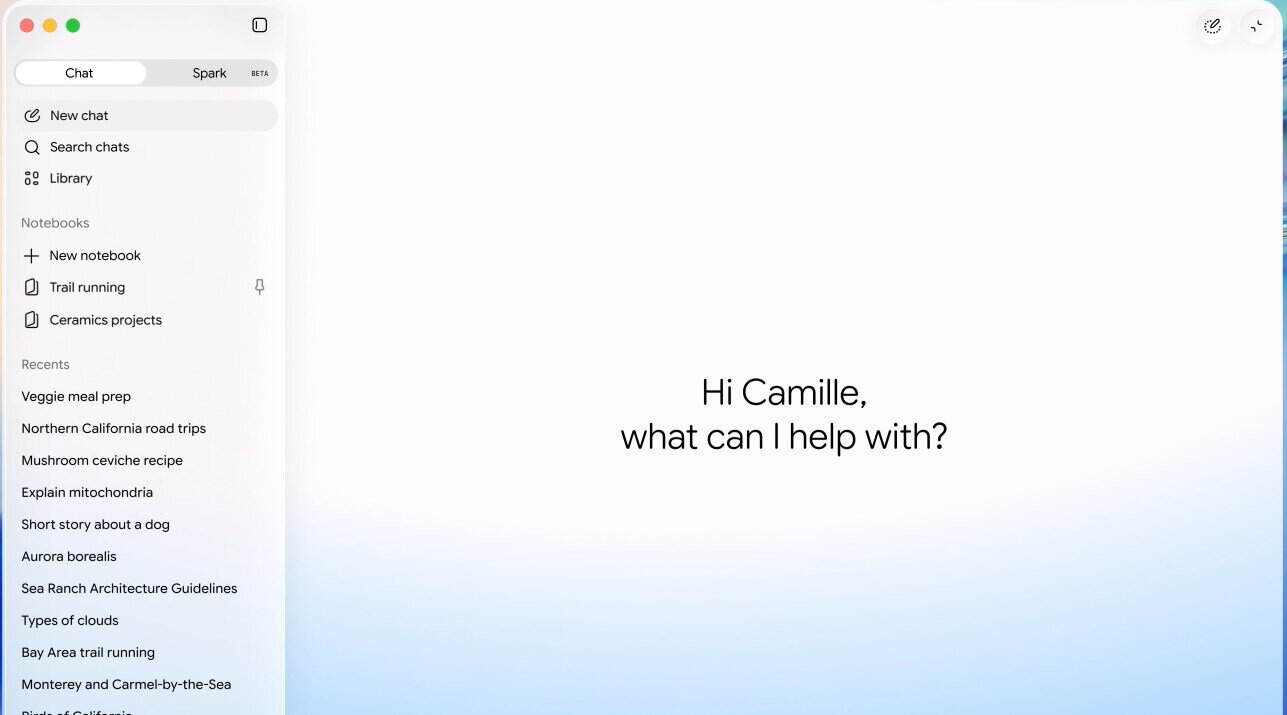
The announcements include Gemini 3.5 Flash, the new Neural Expressive interface, Gemini Omni for cinematic AI video generation, Daily Brief, Gemini Spark, and a new macOS app experience.

Google is clearly pushing Gemini beyond a chatbot into a full AI operating layer designed to work continuously across productivity, media creation, and personal assistance.

Gemini 3.5 Flash becomes Google’s next-generation fast AI model

Google introduced Gemini 3.5 Flash as the first model in its next-generation Gemini lineup. The company says the model combines improved intelligence with faster responses and quicker actions.

The model appears focused on balancing performance and speed for everyday AI interactions, including search, writing, automation, and assistant tasks.

Google positioned Flash as a core building block for many of the new Gemini experiences announced during the event.

Neural Expressive redesign changes how Gemini looks and feels

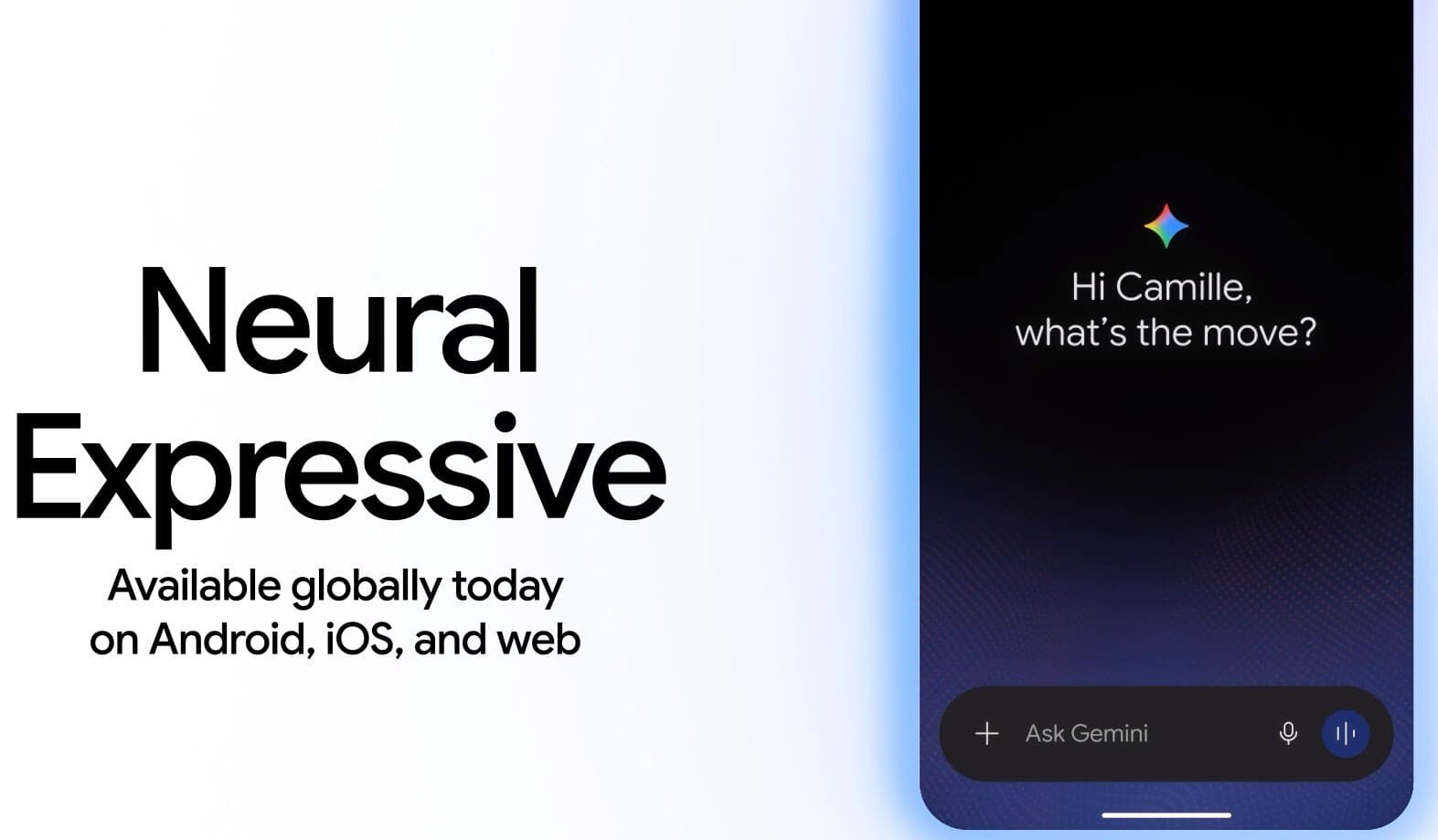
Gemini is also getting a major visual overhaul through a new design system called Neural Expressive.

The redesign adds fluid animations, brighter colors, updated typography, and haptic feedback across supported devices. Google says the goal is to make Gemini interactions feel more natural and immersive.

Gemini Live now sits directly inside the main Gemini experience instead of existing as a separate mode. Users can smoothly move between typing and voice conversations without switching interfaces.

Google also demonstrated richer AI responses that include images, narrated videos, timelines, and dynamic visual elements.

Neural Expressive is rolling out globally on web, Android, and iOS.

Gemini Omni focuses on cinematic AI video generation

Google also revealed Gemini Omni, a new AI video generation model aimed at creators and advanced media workflows.

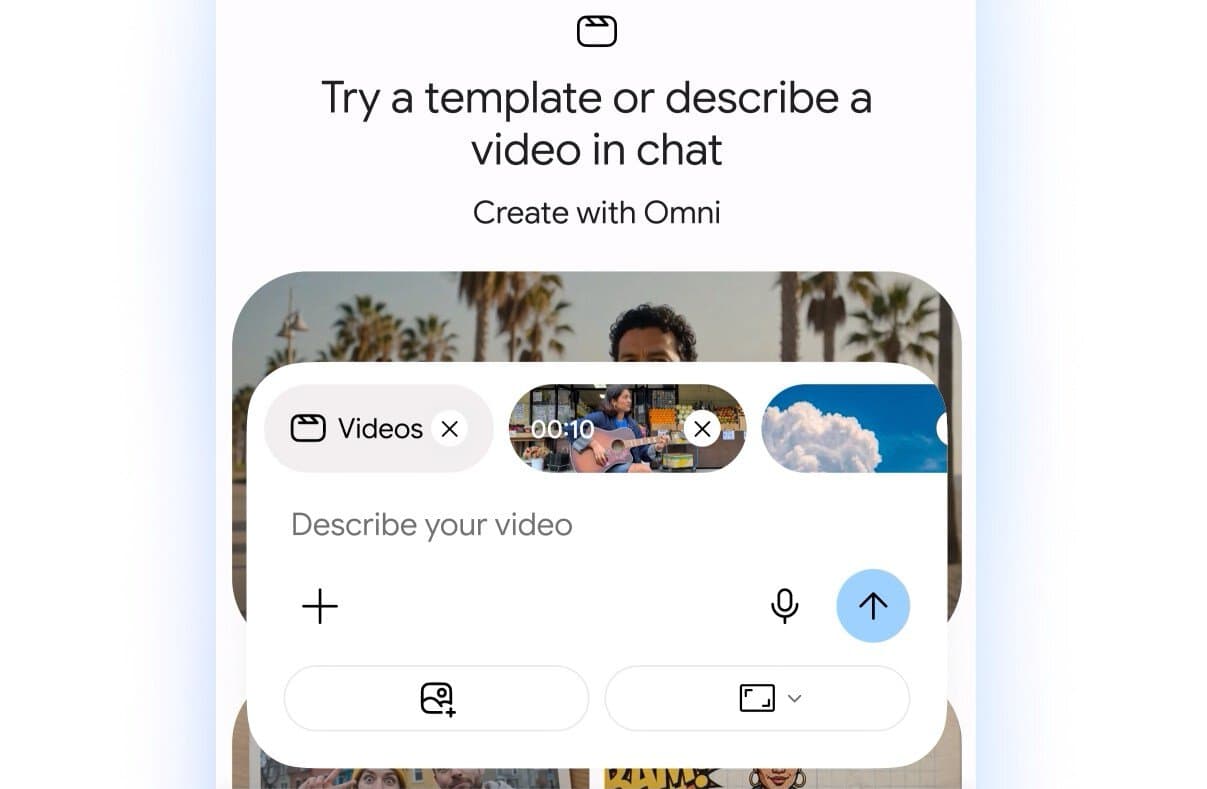
Gemini Omni supports prompts using text, images, and video clips. Users can generate cinematic-style videos, edit scenes using natural language, apply zoom effects, swap backgrounds, and use built-in templates.

The feature is launching for Google AI Plus, Pro, and Ultra subscribers worldwide.

The move places Google in more direct competition with AI video tools from companies like OpenAI and Runway.

Daily Brief turns Gemini into a morning planning assistant

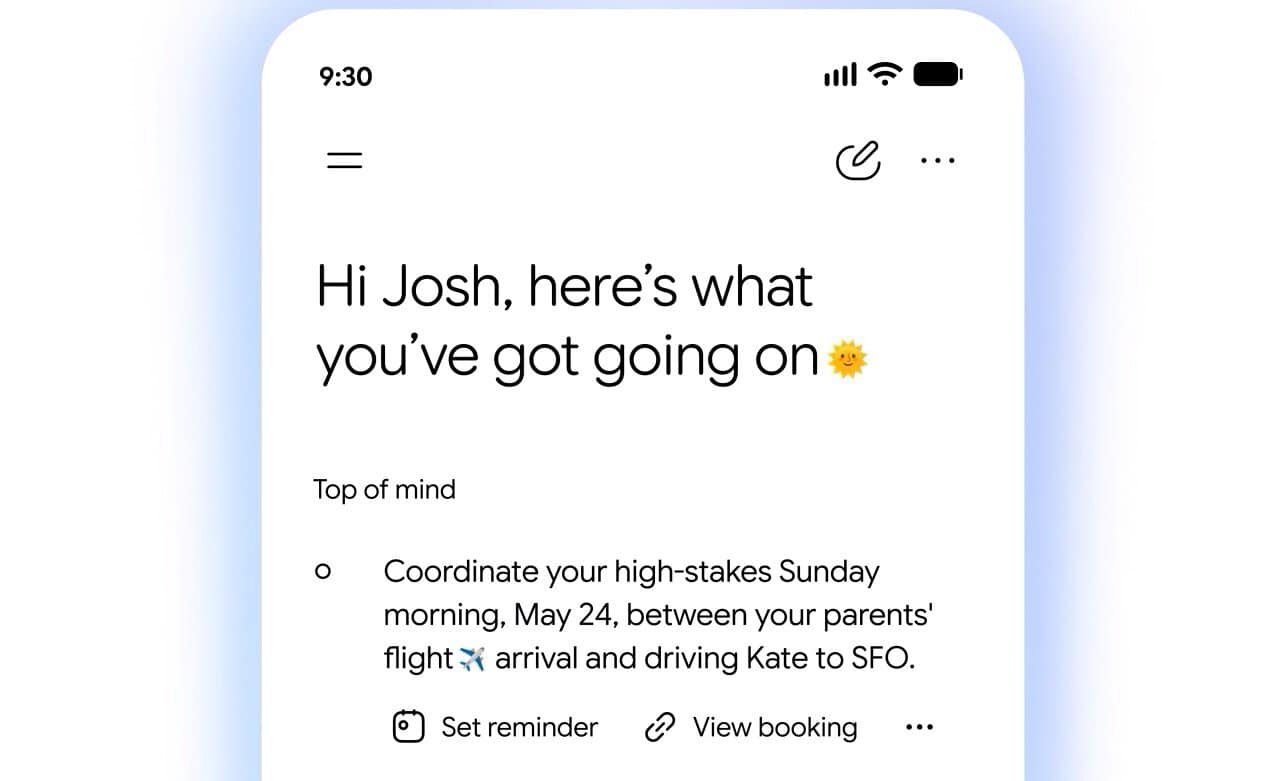
Google announced Daily Brief, a new AI agent designed to create personalized morning summaries.

The tool pulls information from connected services like Gmail and Calendar to surface urgent emails, upcoming meetings, reminders, and follow-up tasks.

Google says Daily Brief can also recommend next steps based on a user’s goals and priorities.

The feature will launch first in the U.S. for Google AI Plus, Pro, and Ultra subscribers.

Gemini Spark runs continuously in the background

One of the biggest announcements was Gemini Spark, which Google describes as a 24/7 personal AI agent.

Spark can continue running tasks even when a device is locked or a laptop lid is closed. It integrates directly with Workspace apps including Gmail, Docs, and Slides.

Google says Spark can monitor inboxes, summarize information, draft emails, create documents, and automate recurring workflows.

The company also confirmed future support for texting and emailing Spark directly, creating custom sub-agents, and controlling browsers locally on-device.

Spark will initially launch for trusted testers before expanding as a beta for U.S.-based Google AI Ultra subscribers.

Google is also adding MCP integrations for services including Canva, OpenTable, and Instacart. These integrations will allow Spark to complete more real-world tasks across external apps and services.

Gemini arrives on macOS with desktop automation plans

Google also confirmed that the Gemini app for macOS is now available to download.

Gemini Spark support will arrive on macOS later this summer, alongside additional desktop-focused AI features.

Future updates will allow Gemini to work with local files and automate desktop workflows. Google also previewed voice features designed to turn rough-sounding ideas into structured drafts using on-screen context.

The announcements show Google pushing Gemini toward becoming a persistent cross-platform AI assistant rather than a standalone chatbot.

In related Google news, reports suggest Google is also preparing a Chrome feature that would allow users to block websites from appearing inside AI Mode responses.

Microsoft Confirms Teams macOS Bug Triggering Endless Location Permission Popups

Microsoft has confirmed a new bug affecting Microsoft Teams on macOS that causes repeated location permission prompts to appear, even after users deny access multiple times. The issue appears connected to a recent macOS security update and is currently tracked under advisory ID TM1315837.

Teams on Mac keeps asking for location access

Affected users report that Teams repeatedly asks for permission to access location services for GPS, Wi-Fi, and nearby network features. Some users say the issue started appearing around May 14, 2026, while the first reports surfaced earlier on May 11.

In many cases, clicking “Don’t Allow” does not stop the popup. The permission dialog immediately returns after dismissal, making Teams frustrating to use on some Mac systems.

Microsoft says the problem only affects certain Mac users who previously enabled location access inside Teams settings.

Microsoft blames a recent macOS security update

According to Microsoft, a recent macOS security change appears to prevent the operating system from correctly saving users’ location permission choices for Teams.

Because macOS fails to retain the selected preference properly, Teams continues requesting the same permission again and again. Microsoft says it is now working with Apple to better understand the behavior introduced by the macOS update while also investigating a possible Teams-side fix.

The company labeled the incident as an advisory rather than a major outage, suggesting the overall impact remains limited.

Microsoft shares a temporary workaround

Microsoft says affected users can try manually resetting location permissions inside macOS settings. The workaround involves opening System Settings, navigating to Privacy & Security and Location Services, then toggling location access for Microsoft Teams and Microsoft Teams ModuleHost off and back on before returning the settings to the preferred state.

The company says this may temporarily stop the repeated permission prompts on some affected devices.

Teams continues facing multiple recent problems

The macOS permission issue arrives during a busy period for Microsoft Teams users. Microsoft recently confirmed it is removing Together Mode from Teams and also explained why Teams meeting recordings sometimes disappear unexpectedly.

In separate security news, attackers have also started abusing Teams chats to distribute ModeloRAT malware. While the latest macOS issue does not appear security-related, repeated permission popups may make Teams difficult to use until Microsoft and Apple release a permanent fix.

Via Bleeping Computer

Microsoft Drops New Windows 11 Insider ISOs for Experimental and Beta Channels

Microsoft has published new Windows 11 Insider ISO files for testers, giving users another way to install the latest preview builds without relying on Windows Update, as spotted by Neowin.

The new ISO images are available for multiple Insider channels and can be used for clean installs, virtual machines, spare PCs, or in-place upgrades on existing Windows 11 systems.
New Windows 11 Insider ISO builds are now available

Microsoft released three new Insider ISO images on May 15 across different preview branches:

These ISO files let users install preview builds directly from bootable media instead of downloading updates through the Settings app.

Microsoft says the images support several installation methods, including USB installation media, virtual machine deployments, and upgrade installs over an existing Windows 11 setup.

How to download the Insider ISOs

Users need a Microsoft account enrolled in the Windows Insider Program before downloading the files.

The ISOs are available through Microsoft’s official Windows Insider download page after signing in with a registered Insider account.

The downloads target advanced users and testers who want to try unreleased Windows 11 features before wider rollout.

Release Preview builds also received new fixes

Alongside the new ISO images, Microsoft also updated Release Preview builds for Windows 11 versions 24H2, 25H2, and 26H1.

These builds preview upcoming non-security fixes and features expected to arrive later this month for stable Windows 11 users.

Microsoft additionally released Insider builds 26100.8521 and 26200.8521 in the Release Preview channel. The updates include fixes for various audio problems and notification-related bugs affecting some testers.

The company continues expanding the renamed Insider branches after recently rebranding Canary and Dev into Experimental Future Platforms and Experimental channels.

Chrome lets Google AI Mode automatically access open tabs

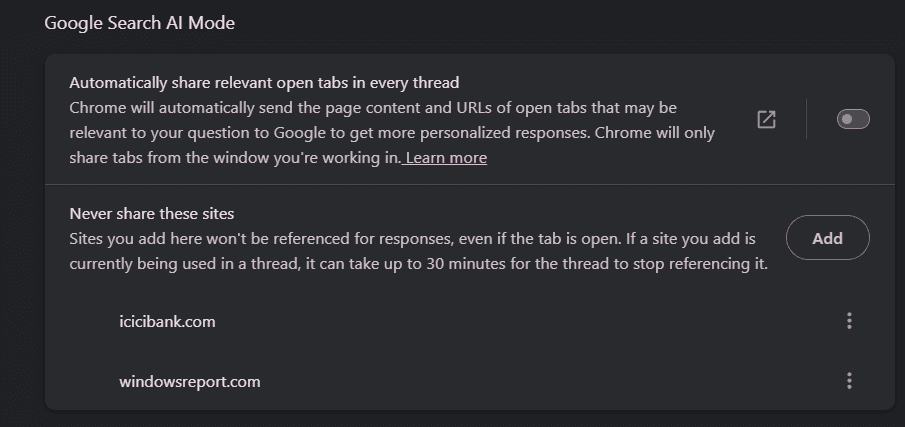
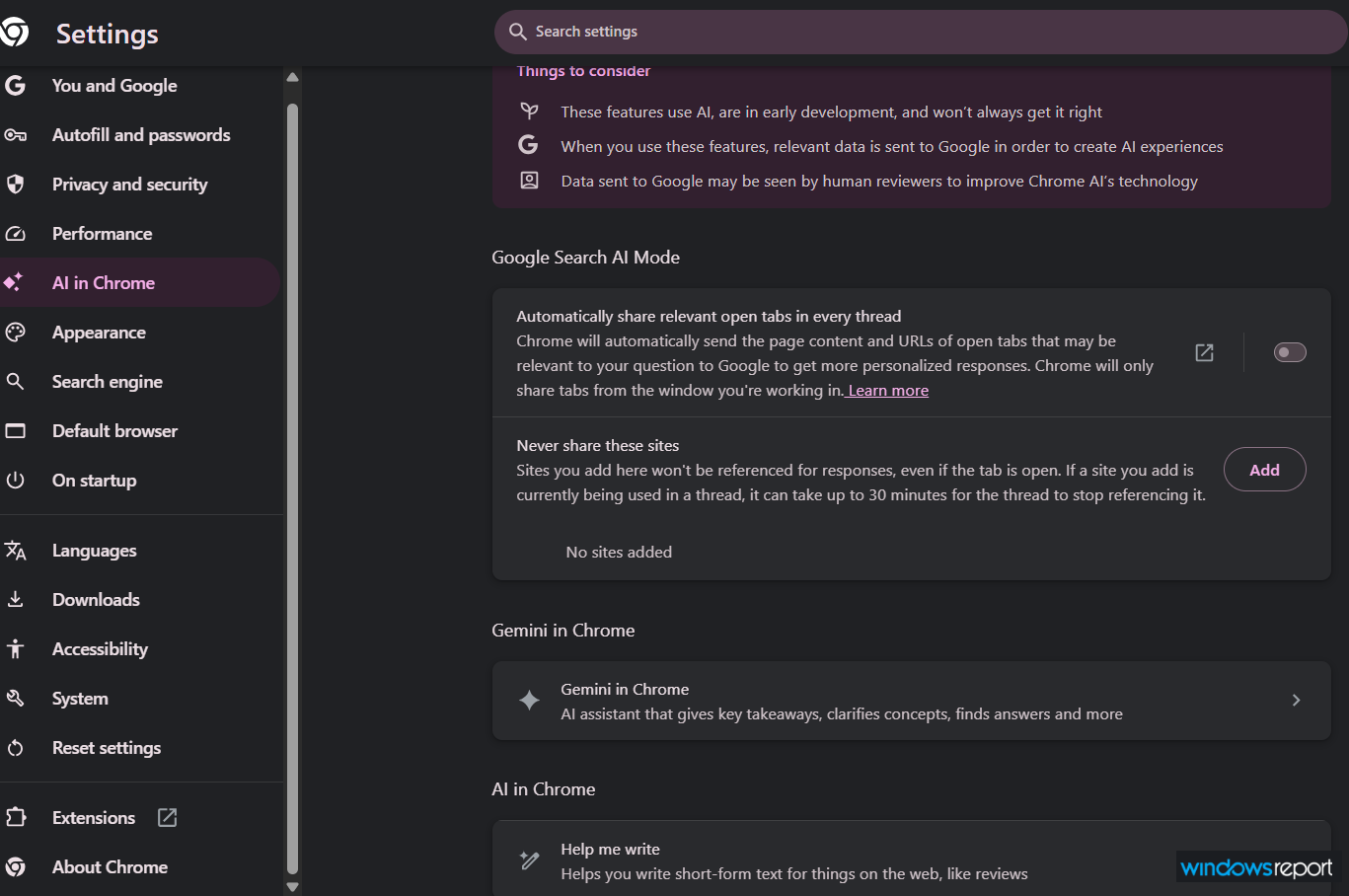
Chrome Canary has added a “Google Search AI Mode” section under “AI in Chrome,” with a browser-level toggle that can automatically share relevant open tabs in every thread during AI conversations. The same settings page also includes a “Never share these sites” list that lets users block specific domains from AI Mode responses.

You can find the Google Search AI Mode section under Chrome > Settings >AI in Chrome, where users can manage tab sharing for AI conversations.

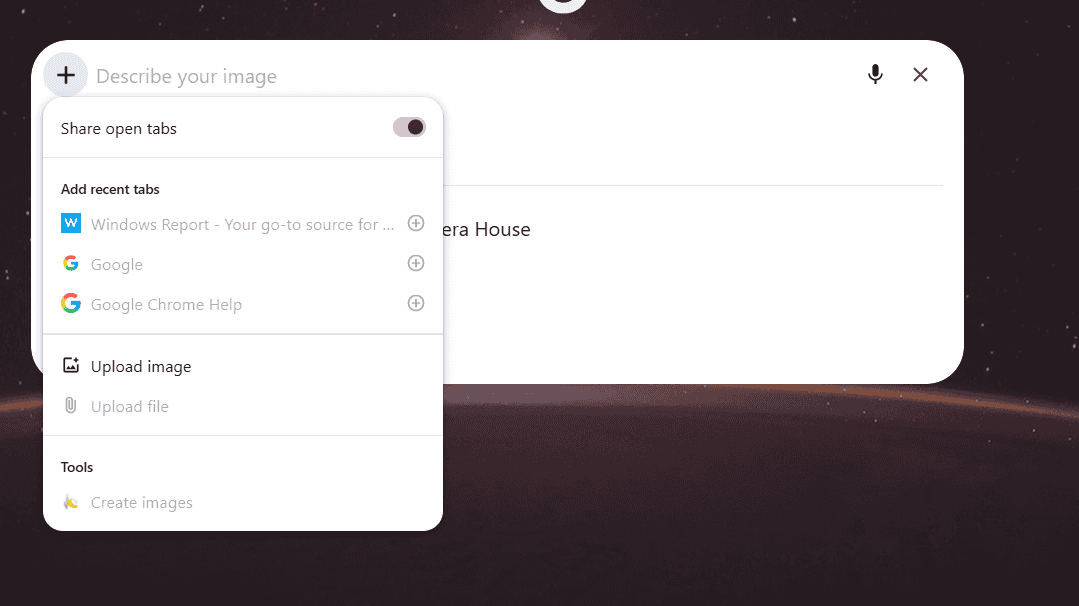
Chrome says the setting will automatically share relevant open tabs by default to provide more tailored answers, sending the page content and URLs of tabs from the current window. AI Mode also offers a separate “Share open tabs” control after users click the + button in the compose box, which lets them pick tabs to share manually.

That means Chrome now seems to be testing two layers of tab sharing: a browser-level preference in settings and a per-conversation control inside AI Mode itself. For now, the two do not appear to sync, which suggests the feature is still being wired together.

Instead of relying only on manual tab selection, Chrome seems to be preparing for a more persistent, session-aware sharing model tied to Search AI. Google has previously referred to related work as Smart Tab Sharing, and this Canary UI exposes that through Chrome’s new settings.

Chrome is starting to let AI Mode see more of your browsing context, but it is also adding an exclusion list to keep certain sites out. That balance between convenience and control is what makes the addition interesting.

Chrome Canary’s new “Never share these sites” list lets users exclude privacy-sensitive or confidential websites from AI Mode responses. Just click Add, enter a domain, and Chrome keeps that site out of AI Mode even if the tab stays open. Sites added here won’t be referenced, even if the tab stays open, and if a site is already being used in a thread, it can take up to 30 minutes for that thread to stop referencing it.

Importantly, the new tab-sharing behavior is not turned on by default in Chrome Canary, as we noticed. Users must enable the toggle if they want AI Mode to use open tabs for more relevant responses. That makes the feature more privacy-conscious, since Chrome is offering it as an opt-in rather than making it automatic.

Apart from giving users control over site blocking in AI Mode, Chrome is also testing AI suggestions using open tabs.

Latest Firefox Update Adds VPN Location Selector, Fresh Home Page & More

Mozilla Firefox has officially released Firefox 151. The latest version brings visible interface changes, stronger privacy protections, and a handful of surprisingly useful quality-of-life upgrades. One of the biggest highlights of Firefox 151 is the redesigned Firefox Home page.

Mozilla says the new Tab experience helps prepare the browser for upcoming features landing between Firefox 151 and 152, including widgets and shortcut improvements. Alongside the redesign, Firefox is also adding new wallpapers, which users can customize directly from the New Tab page.

Image: Mozilla

Mozilla says that Firefox 151 strengthens fingerprinting protection inside Standard Enhanced Tracking Protection, which makes it harder for websites to uniquely identify users across the web. Peeer the company, the update reduces identifiable fingerprinting data by roughly 14% overall and nearly 49% on macOS systems.

Not to forget, Firefox is also getting new “End Private Session” option that instantly wipes all private browsing data without forcing users to close the entire window.

Image: Mozilla

Moving on, Firefox 151 now lets users merge multiple PDFs directly inside the built-in PDF viewer. The browser is also expanding local profile backups to Linux after previously limiting the feature to Windows.

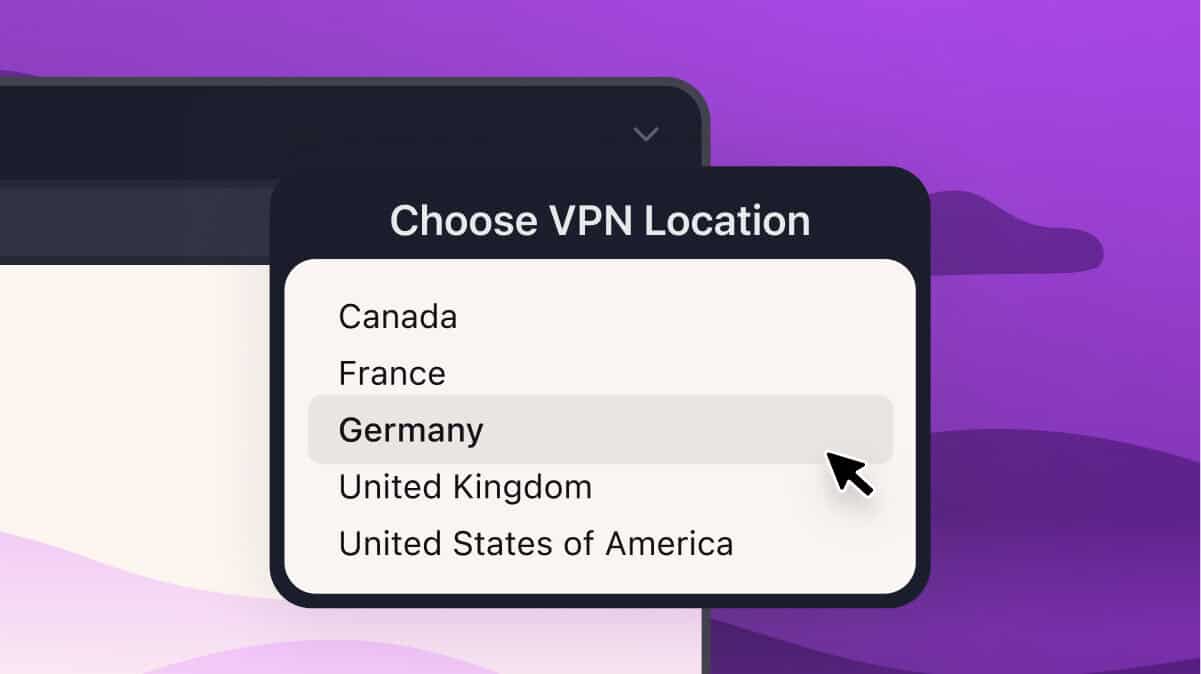
Mac users are getting several improvements as well. Firefox now properly pastes URLs copied from iPhones through Apple Universal Clipboard, while dropdown menus finally adopt native macOS styling for a more consistent system feel. Meanwhile, Firefox’s built-in VPN is getting manual location selection, which allows users choose specific countries instead of relying entirely on automatic routing. Mozilla says this feature is rolling out gradually.

Image: Mozilla

As for the bugs, Firefox 151 fixes multi-monitor issues, improves image color management on macOS, enlarges the Settings search bar, and changes how geolocation permissions behave on Windows.

New Windows 11 Release Preview Build Fixes App Launch Issues, Broken Notifications & Muted Audio

Microsoft has just released Insider Build 26100.8521 and 26200.8521 for Windows 11 version 24H2 and 25H2 respectively. The company notes that the new builds fix a few issues Insiders have been experiencing in Release Preview after installing previous build released under KB5089573.

Here’s what Microsoft mentions in the changelog for the new builds:

Updated: 19 May 2026 – Updated build numbers, fixing a few issues impacting Insiders in Release Preview after the previous flight, including:

  • Fixed an issue resulting in the audio volume being unexpectedly muted on certain devices
  • Fixed a Windows Push Notification service (WPN) hang, which could lead to some apps not launching and notifications not working.

It’s worth noting that rest of the changelog for the update remains similar to the ones released last week. If you want to learn more, you can check our separate article here.

Speaking of updates, let’s not forget that Microsoft has recently also confirmed that the latest Patch Tuesday update for Windows 11 fails to install for some users. Fortunately, the company has shared aa few workarounds to fix it.

Google’s New ‘Gemini Omni Flash’ Model Can Generate “Anything From Any Input”

In addition to Gemini 3.5 Flash, Google has also unveiled Gemini Omni at Google I/O 2026, and this might be one of the company’s wildest Gemini announcements yet. Unlike previous Gemini upgrades that mainly focused on chat, coding, or reasoning, Gemini Omni is built around creation. Google says the new model can generate “anything from any input,” starting with video.

The first release under this new family is called Gemini Omni Flash, and it’s rolling out today through the Gemini app, Google Flow, and even YouTube Shorts. According to Google, the model can combine text, images, audio, and video together to generate fully edited video clips that stay visually consistent across multiple prompts and edits.

Gemini Omni turns video editing into a conversation

Gemini Omni Flash reportedly lets users modify videos simply by talking to it naturally. That means users can upload footage and ask Gemini to change objects, environments, motion, physics, or even entire scenes through conversation. Google showcased examples where statues transformed into bubbles, mirrors behaved like liquid metal, and skateboards gained animated motion effects without rebuilding scenes from scratch.

Interestingly, Google says the model also understands physics and real-world behavior much more accurately than previous systems. The company demonstrated chain reaction marble tracks, claymation-style explainers about protein folding, and rapid-fire alphabet visualizations generated from single prompts.
Speaking of prompts, Gemini Omni can reportedly pull from almost any reference type. Users can combine images, videos, music, drawings, and written instructions together into one cohesive clip. Google says voice references for audio are supported first, while broader audio input support is coming later.

Google is already pushing Omni into YouTube

Google has also announced digital avatars powered by Gemini Omni. Users can create AI-generated video versions of themselves using their own voice and likeness, although the company says broader speech-editing capabilities are still being tested carefully. Every video generated through Gemini Omni will include Google’s SynthID watermarking system as well.

Gemini Omni Flash is rolling out globally today for Google AI Plus, Pro, and Ultra subscribers, while YouTube Shorts and the YouTube Create app are getting access free of charge starting this week.

Google’s Latest ‘Gemini 3.5 Flash’ AI Model Announced at I/O 2026

Google has officially taken the wraps off Gemini 3.5 Flash at Google I/O 2026. The company claims the new model is its fastest and most capable Flash model yet. Gemini 3.5 Flash offers the best in terms of reasoning and coding capabilities, but at the same time, it is able to maintain the superfast processing speeds that the Flash range is famous for. In addition, Google claims that the new model is capable of running four times faster than its counterparts, but for just half the price.

Gemini 3.5 Flash is Google’s strongest agentic and coding model yet

In the era of fierce competition among OpenAI, Anthropic, and Google, Gemini 3.5 Flash looks like an attempt to demonstrate that speed does not have to compromise intelligence anymore.

During the presentation, Google revealed several benchmark results that seem rather impressive. For example, in the Terminal-Bench 2.1 test evaluating coding skills, Gemini 3.5 Flash achieved 76.2%, significantly outperforming Gemini 3.1 Pro (70.3%) and leaving far behind its predecessor Gemini 3 Flash (58%).

Another point to be mentioned is improved agentic workflow performance. As for GDPval-AA Elo, Gemini 3.5 Flash scored 1656, while Gemini 3.1 Pro got only 1314. On the other hand, in the MCP Atlas scaled tool usage test, Gemini 3.5 Flash received 83.6%, once again exceeding other Gemini models.

Image: Google

One should note that Google compares Gemini 3.5 Flash not only with its own products but also with competing models such as GPT-5.5 or Claude Opus 4.7. Although GPT-5.5 still demonstrates some superiority in coding and abstract reasoning tasks, Gemini 3.5 Flash proves itself competitive in most areas.

Availability

Gemini 3.5 Flash is generally available via Google Antigravity, the Gemini API in Google AI Studio and Android Studio, Gemini Enterprise Agent Platform and Gemini Enterprise. It’s also now available to everyone in the Gemini app and AI Mode in Search. On behalf of the entire Gemini team, we can’t wait to see what you build.

OpenAI Co-Founder, Andrej Karpathy, Officially Joins Anthropic

OpenAI co-founder and ex-Tesla AI director, Andrej Karpathy, has officially joined Anthropic, adding yet another major name to the company’s rapidly growing roster of talent. The announcement came directly from Karpathy via a post on X, where he said the next few years of large language model development are going to be “especially formative.”

Karpathy also revealed that he’s returning to full-time research and development work. Meanwhile, Anthropic confirmed he will begin this week and lead a new effort focused on accelerating pretraining research using Claude. In simple terms, this is the stage where models build their foundational knowledge and capabilities before becoming public-facing products.

Anthropic keeps stacking major talent

At a time when competition between OpenAI, Anthropic, and xAI is becoming increasingly aggressive, Karpathy’s move feels significant. Anthropic has been quietly building momentum over the past few months, reportedly positioning itself to rival OpenAI more directly both financially and technologically.

Interestingly, Karpathy’s career path has crossed through nearly every major player in modern AI. After co-founding OpenAI, he left in 2017 after being recruited by Elon Musk to join Tesla and lead the computer vision team behind Autopilot.

Earlier this month, former xAI founding member Ross Nordeen also joined Anthropic, while the company simultaneously struck a compute partnership deal with SpaceX tied to xAI’s Colossus data center.

With Anthropic now pulling talent from OpenAI, Tesla, and xAI almost simultaneously, the battle for the people building tomorrow’s models may be getting just as intense as the technology race itself.

Microsoft Confirms Windows 11 Update Bug Blocking Security Updates Since March

Microsoft has confirmed a Windows 11 bug that prevents some users from downloading updates through the Settings app. The issue, tracked internally as WI1311742, causes Windows Update to fail with error 0x80010002 on affected devices.

The problem first appeared after the March 2026 Patch Tuesday update and may also affect later cumulative updates released in April and May 2026. Microsoft says the issue specifically impacts update downloads through Windows Update in Settings, not the ability of Windows itself to install updates.

Windows 11 users may have missed months of security updates

The issue was first linked to KB5079473, the March 2026 Patch Tuesday update for Windows 11. According to Microsoft, devices affected by WI1311742 may fail to download any newer cumulative updates released afterward.

This matters because some affected systems could now be missing several months of security patches. Users may also miss recently introduced Secure Boot certificate updates, which are becoming increasingly important as older certificates approach expiration.

Microsoft recently started deploying Secure Boot certificate changes that add a new SecureBoot folder used for future certificate updates. Devices blocked by this Windows Update issue may not receive those files automatically.

Microsoft says timeout changes caused the issue

Microsoft explained that the bug is related to changes in Windows Update download timeout requirements. The company says the issue does not indicate corruption, device integrity problems, or broken Windows installations.

Instead, the bug affects how Windows Update handles downloads from Microsoft’s servers through the Settings app.

Microsoft also noted that many affected PCs were still able to install the February 2026 security update before the problem started appearing in March.

Another Windows update issue is also affecting users

This is not the only Windows 11 update problem currently impacting users. Microsoft recently acknowledged installation issues affecting KB5089549 after many users reported failed installs and update loops.

The company has already shared a temporary workaround for KB5089549 while it investigates a permanent fix.

Because the current Windows Update bug blocks newer updates entirely, affected devices may also miss these important certificate changes until Microsoft resolves the issue.

Via Neowin

Microsoft Unveils New Surface Pro & Surface Laptop for Business with Intel Panther Lake Chips

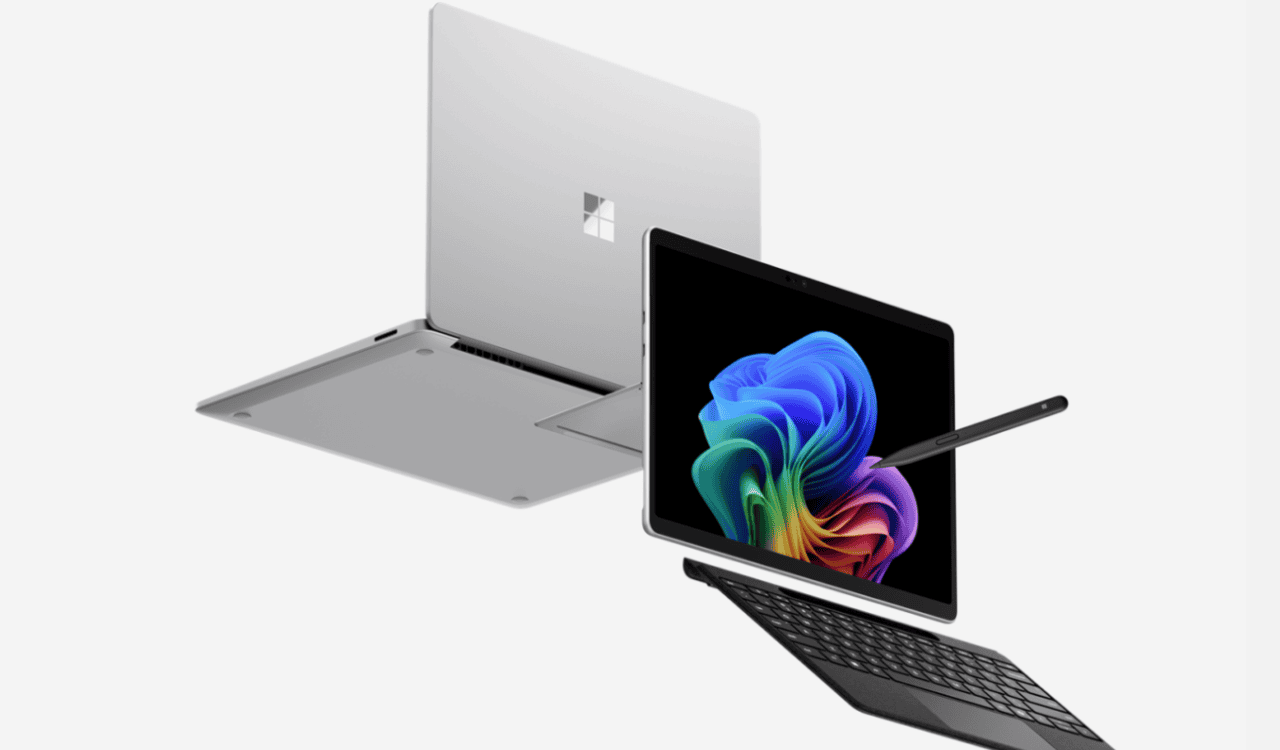
Microsoft has just announced a bunch of Surface PCs for business, which makes it pretty clear that the company is going all-in on the AI PC race. At a time when every major tech brand is throwing around “AI-ready” claims, Microsoft is positioning the new Surface PCs as the complete package for businesses, with powerful hardware, built-in AI acceleration, better security, and more.

Microsoft’s new Surface lineup goes all-in on AI PCs

The new Surface Pro for Business and Surface Laptop for Business models are now available in select markets with Intel Core Ultra Series 3 processors. Microsoft says the new chips deliver up to 35% better graphics performance than Apple’s MacBook Air with M5 and up to 95% faster performance compared to Surface Laptop 5 on select configurations.

Interestingly, Microsoft also confirmed Snapdragon X2-powered Surface models are arriving later this year. The company claims those systems could deliver up to 80% faster local AI inferencing alongside improved battery life.

The new 13-inch Surface Laptop for Business starts at $1,499 for 16GB and 24GB variants, while an 8GB model will reportedly launch later this year for $1,299. Meanwhile, the bigger 13.8-inch and 15-inch Surface Laptop for Business models start at $1,949.99. Microsoft says these PCs can deliver up to 23 hours of battery life.

Notably, the Surface Pro for Business 13-inch also starts at $1,949.99 and includes optional 5G connectivity, on-device AI processing, touch, pen, voice, and keyboard support. Microsoft has also integrated privacy screen with anti-glare support on select Surface Laptop models. Rather than relying on some third-party privacy filters, users can reportedly activate the feature instantly with a shortcut key.

Image credit: Microsoft

Microsoft wants Surface to become the default AI work machine

Besides raw specs, Microsoft is, of course, focusing on AI-powered workflow and enterprise security. The company says the new Surface lineup is designed for real-time transcription, AI-assisted writing, image generation, and live translations directly on-device.

There’s also a major focus on repairability and sustainability this time around. Microsoft says nearly every major component inside these new Surface devices is replaceable, while the chassis uses recycled aluminum materials. Not to forget, the launch comes just a month after Microsoft announced price hike for consumer Surface laptops across the board.

XBOX Game Pass May 2026 Wave 2 Lineup Includes Forza Horizon 6, Jurassic World Evolution 3 & More

The May 2026 Wave 2 lineup for XBOX Game Pass is now official, with some known day on launches and some interesting additions that players would love. The biggest addition in the lineup is undoubtedly Forza Horizon 6. It’s now available with Game Pass Ultimate and PC Game Pass on Cloud, XBOX Series X|S, Handheld, and PC. Besides this, several other games are coming to XBOX Game Pass later this mohth and in early Jube.

All the games coming to XBOX Game Pass later this month and June

GameRelease Date
Forza Horizon 6May 19
Dead Static DriveMay 20
My Friend Peppa PigMay 20
Pigeon SimulatorMay 20
Remnant IIMay 20
Winter BurrowMay 20
Luna AbyssMay 21
Escape SimulatorMay 26
Echo Generation 2May 27
The Outer Worlds: Spacer’s Choice EditionMay 27
Crashout CrewMay 28
Kabuto ParkMay 28
Final Fantasy VIJune 2
Jurassic World Evolution 3June 2

Apart from these additions, XBOX has also announced that Microsoft Jewel (PC) is getting in-game benefits on May 26. Moreover, the company has also confirmed five games will leave XBOX Game Pass on May 31.

Valve’s Steam Frame VR Headset Appears Publicly Ahead of Launch

Valve’s upcoming Steam Frame VR headset has appeared publicly for the first time after German VR creator VooDooDE VR shared hands-on footage online. According to reports from VideoCardz, the creator posted a short clip on X and said he would spend several days testing the device.

VooDooDE briefly commented on the headset’s comfort and confirmed he had access to the full package, including the wireless PC connection dongle. The appearance marks one of the first known public demonstrations of Steam Frame hardware outside Valve itself.

Steam Frame Runs SteamOS on Standalone Hardware

Steam Frame is Valve’s new standalone VR headset designed to run SteamOS directly on ARM-based hardware. Unlike traditional PC-tethered VR systems, the headset can operate independently while also supporting wireless PC VR streaming from gaming desktops.

The headset forms part of Valve’s broader 2026 hardware push, which also includes the upcoming Steam Machine revival and the new Steam Controller.

Hardware Specs Suggest High-End Standalone VR Focus

The reported specifications place Steam Frame closer to premium standalone VR devices rather than entry-level headsets.

The headset reportedly includes:

  • Qualcomm Snapdragon 8 Gen 3 processor
  • 16GB LPDDR5X memory
  • Dual 2160×2160 LCD displays
  • Wireless PC VR streaming support

Valve appears to focus heavily on combining portable VR gaming with Steam’s existing PC ecosystem.

VooDooDE Says It Was Not His Device

After the initial posts gained attention, VooDooDE clarified during a YouTube discussion that the headset did not belong to him personally. He also stated he had not signed a non-disclosure agreement with Valve.

The creator did not explain whether the unit was a developer kit, a pre-release sample, or another creator’s hardware. That uncertainty makes it difficult to determine how close the headset is to a final retail launch.

Early Streaming Tests Could Arrive Soon

One of the most interesting details involves the included wireless streaming dongle. That accessory suggests Valve may prioritize low-latency PC VR streaming as a major Steam Frame feature.

If VooDooDE continues testing publicly, early impressions about latency, image quality, tracking, and battery life could appear before Valve officially reveals launch plans.

At the moment, the public appearance confirms that at least some Steam Frame units are already circulating outside Valve. However, it still does not confirm that official review samples have entered wider media distribution.

Valve has also recently appeared in headlines over possible reservation queue plans for Steam Machine hardware and compatibility complaints surrounding the new Steam Controller outside the Steam platform.

XBOX Preparing Biggest Transformation in Platform History

Microsoft’s gaming division could be heading toward its biggest transformation yet. During an interview at the Digital Dragons Conference, ID@XBOX director Guy Richards suggested XBOX may change more in the next few years than it has during the last 25 years combined.

The comments arrive during a major transition period for XBOX under new CEO Asha Sharma, as Microsoft pushes new platform features, branding changes, and broader ecosystem updates.

XBOX says more changes are coming

Richards told GamesRadar+ that XBOX is entering a period of rapid evolution as player habits continue to shift across devices, services, and business models.

According to Richards, XBOX no longer sees gaming as something tied to a single console or device. Players now move between PCs, handhelds, consoles, cloud gaming, and mobile platforms more frequently than before.

Microsoft appears focused on adapting XBOX around that behavior instead of keeping the traditional console-first approach.

The company has already introduced several major changes in 2026, including the XBOX rebrand, platform feature updates, and a redesigned achievement system. Microsoft also recently launched a new Player Voice feedback hub to collect user suggestions directly from the community.

One of the earliest and most requested ideas from fans has reportedly been bringing back more XBOX exclusives.

XBOX’s 25th anniversary may reveal future plans

Microsoft is also preparing for XBOX’s 25th anniversary celebrations later this year. Richards confirmed that XBOX FanFest will return in June, but said it only represents the beginning of Microsoft’s broader summer plans.

Rather than focusing entirely on nostalgia, Richards suggested Microsoft wants the anniversary to help define what XBOX becomes over the next 25 years.

That statement has already fueled speculation about future XBOX hardware, ecosystem changes, subscription strategy updates, and deeper cross-platform integration.

Microsoft has increasingly pushed XBOX beyond the console itself through Game Pass, cloud streaming, PC gaming, and support for multiple business models, including free-to-play and subscription-based gaming.

XBOX wants to stay flexible for developers and players

Richards also emphasized that Microsoft wants XBOX to remain attractive for both developers and players as the gaming market changes.

The company appears committed to giving studios more flexibility in how they publish and monetize games while allowing players to access XBOX services across more devices.

This strategy reflects Microsoft’s broader push toward making XBOX a platform ecosystem instead of only a hardware brand.

With the 25th anniversary approaching, Microsoft may soon reveal how far that vision could go.

ARC Raiders Introduces New Trader, Major Balance Changes, and Anti-Cheat Upgrade

ARC Raiders has released its new 1.29.0 update, bringing a fresh trader system, a new grenade launcher, gameplay balancing, social improvements, and anti-cheat upgrades. The patch also introduces several quality-of-life fixes following player feedback from previous updates.

One of the biggest additions is a new trader named Ermal, also known as the Nomadic Envoy. Players who reach Level 25 can now access his special barter system in Speranza. Ermal accepts valuable ARC materials and rare weapons in exchange for high-tier items and progression rewards.

He also introduces expanded stash space and a new Expedition Vault system. The Expedition Vault allows players to safely store up to five valuable items and retrieve them after an Expedition. Weekly rotating offers include cosmetics, blueprints, Raider Tokens, and progression-focused rewards.

New Rascal grenade launcher joins the arsenal

The update also introduces a compact grenade launcher called The Rascal. Developers describe it as a lighter anti-ARC sidearm designed for players who want explosive firepower without carrying the heavier Hullcracker.

The Rascal delivers strong damage output but comes with slower reload times and less predictable accuracy. Embark Studios says the weapon offers a safer and more mobile alternative for dealing with ARC enemies.

ARC enemies now detect players more realistically

Update 1.29.0 includes several AI and balance changes focused on fairness and stealth gameplay. ARC enemies now react more naturally to players hiding in bushes or smoke.

Players standing near the edge of cover are easier to detect, while deeper concealment inside foliage or smoke provides better protection. Sound detection also received adjustments, with ARC enemies hearing players more effectively outdoors while detection indoors or through geometry has been reduced.

The developers also adjusted Queen and Matriarch movement to reduce frustrating knockback situations during encounters.

Weapon durability changes after player feedback

Embark made additional durability tweaks after players criticized the previous patch for making weapons degrade too quickly. Some weapons now last longer before breaking.

Weapon mods also gained new functionality. Scoped weapons can now receive aim-down-sights transition speed bonuses through specific modifications, giving players more customization options during combat.

Social features and end-of-round improvements

The update improves squad visibility and social tools. Players can now see every squad member at the end of a round, including teammates who failed to extract.

Nameplates now support social actions such as reporting, muting, and blocking players directly from the interface. Players can also leave squads immediately during the tunnel sequence instead of waiting for the round to fully end.

Embark also fixed a console voice chat issue affecting PS5 and Xbox users when opening the console UI.

Denuvo Anti-Cheat rollout begins May 19

The update also marks the beginning of Denuvo Anti-Cheat integration for ARC Raiders. The rollout starts on May 19 and will initially target a limited group of players.

The developers clarified that the game is not using Denuvo DRM. According to Embark, the anti-cheat system will work alongside Anybrain to improve cheat detection while minimizing performance impact.

The update arrives as Embark recently confirmed ARC Raiders will move toward larger bi-annual updates instead of smaller monthly patches. Meanwhile, other gaming news includes the launch of Forza Horizon 6 and ongoing compatibility complaints surrounding Valve’s Steam Controller outside Steam.

LG UltraGear 25G590B is the “World’s First” Native 1000Hz Gaming Monitor

LG has unveiled the new LG UltraGear 25G590B, claiming it as the world’s first Full HD gaming monitor with a native 1000Hz refresh rate. The monitor targets competitive esports players and focuses heavily on ultra-fast responsiveness for FPS gaming.

The new UltraGear model features a 24.5-inch Full HD display and supports its full 1000Hz refresh rate without relying on dual-mode technology. That means players do not need to lower resolution or switch screen modes to reach maximum refresh speeds.

Native 1000Hz without compromises

Unlike some gaming monitors that use special dual-mode settings to achieve extremely high refresh rates, LG says the 25G590B runs at native 1000Hz by default. Players can use Full HD resolution and the maximum refresh rate simultaneously.

LG says this creates more consistent practice conditions for competitive gaming while also improving motion smoothness, visual feedback, and input responsiveness.

The 24.5-inch screen size also reflects the monitor’s esports focus. LG claims the smaller display helps players keep critical visual information within their natural field of view during fast-paced matches.

Built for motion clarity and competitive gaming

The monitor includes Motion Blur Reduction Pro technology designed to make moving objects appear sharper and easier to track during gameplay.

LG also confirmed the monitor uses an advanced IPS panel alongside a low-reflection coating to reduce glare. According to the company, this should improve visibility in different lighting environments while maintaining consistent color reproduction.

The stand uses a compact, minimalist design intended to leave more desk space for mouse movement. LG also added calibration indicators to help users fine-tune swivel, tilt, and height adjustments more accurately.

AI-powered gaming features included

LG is also adding several AI-focused features to the UltraGear 25G590B.

AI Scene Optimization automatically adjusts image settings depending on the game genre, while AI Sound aims to improve positional audio and voice clarity when compatible headsets are connected.

These additions are meant to complement the monitor’s extreme refresh rate and create a more immersive gaming experience overall.

Launch planned for later this year

LG says the UltraGear 25G590B will launch first in select markets during the second half of 2026, with wider availability expected later.

In other hardware news, AMD Ryzen 9 PRO 9965X3D and AMD Ryzen 7 PRO 9755X3D were recently revealed, while Microsoft patents also gave us an early look at a canceled foldable Microsoft Surface concept.

PlayStation Accounts Are Reportedly Being Hacked Through Support Loophole

Out of nowhere, PlayStation users now have a new reason to worry, it goes far beyond the usual PSN outage complaints. Over on X, we’ve come across multiple user reports claiming that PlayStation Network accounts are allegedly being hijacked through Sony’s own account recovery process. Not to mention, the situation is already making community worry more than ever.

PSN users are reportedly being targeted by hackers

The discussion exploded after former IGN Editor, Colin Moriarty, revealed on X that his own PSN account had been hacked (via Insider Gaming). According to Moriarty, another affected user reportedly warned him days earlier that attackers already had his information and planned to target his account next. Unfortunately, that warning apparently turned out to be accurate.

As shared by multiple users online, the alleged workaround sounds worryingly simple. Reports claim attackers only need a public PSN ID alongside a piece of older transaction information linked to the account. After that, hackers reportedly contact Sony support, provide the details as proof of ownership, and then request an email change linked to the account.

What’s making the situation even more alarming is that users claim the process can reportedly bypass two-factor authentication entirely once the account email gets swapped. As of now, Sony hasn’t publicly responded to this reported security loophole.

Some users are now advising players to remove their PSN IDs from public social media bios, especially if they’re linked to prominent gaming profiles or older transaction history that may have leaked elsewhere online. This comes at a time when Sony is already dealing with backlash around rising PS Plus subscription prices and renewed exclusivity debates.

All that said, the good news is that some people from within the company have escalated the matter. We’ll let you know if we hear anything from Sony regarding this.

Chrome is removing the Windows Emoji menu from its address bar after eight years amid a UI refresh

Google is removing the Windows Emoji menu option from Chrome’s address bar years after adding it. The change is part of GlowUp, Google’s initiative to refresh Chrome’s desktop UI. Chrome is also dropping other Omnibox context menu items such as Writing Direction, Look Up, and Autofill.

Chrome originally added the Emoji menu item in 2018. The feature gave users a quick way to open the Windows emoji panel directly from editable text fields, including the address bar. At the time, it served as a convenient shortcut for users who preferred using a mouse instead of the Win + . keyboard shortcut.

Current preview builds already show the address bar right-click menu without the Emoji option. Standard editing actions such as copy and paste remain available, but the dedicated emoji shortcut is gone.

A Chromium commit describing the cleanup states:

“[GlowUp] Remove unnecessary menu items from the Omnibox context menu. This CL removes the emoji, writing direction, look up, and autofill menu items from the omnibox context menu.”

The shortcut made more sense when it first arrived because emoji access was still relatively new on Windows, and many users were unfamiliar with the operating system shortcut.

Over time, however, the Omnibox entry became harder to justify. Many web apps and social platforms now include their own emoji pickers, while Windows already exposes the emoji panel system-wide through Win +.

Google rarely removes long-standing interface options without data behind the decision. While the company has not shared any metrics publicly, the cleanup suggests the Omnibox Emoji entry may no longer see enough use to justify keeping an extra menu item inside the address bar.

Recently, we reported that Google introduced several Chrome desktop UI changes across Windows, Mac, Linux, and ChromeOS. Some of the work already includes dynamic theme colors in Settings, and a renamed AI section inside Chrome.

For Windows users, the practical impact is minimal because emoji input still works through the operating system shortcut and app-level emoji pickers.

Chrome is also working on a new PWA install dialog that looks like native Windows app installs and could soon notify users when products come back in stock.

Sony May Revive Classic PlayStation Franchises, Insider Claims

PlayStation is under heavy scrutiny after increasing PlayStation Plus prices and confirming that future single-player exclusives may no longer launch on PC. Now, a new rumor suggests Sony could revisit some of its dormant franchises.

Rumors claim that Sony is reviving older franchises

According to insider NateTheHate, there is truth to claims that Sony is exploring the revival of older PlayStation IPs. However, the insider did not specify which franchises may return or how far these discussions have progressed.

The latest speculation started after separate rumors claimed Sony could be bringing back the InFamous series. That report remains unverified, but NateTheHate’s comments suggest Sony may be looking at multiple older franchises rather than focusing on a single game.

Sony owns several dormant PlayStation IPs that fans have wanted to see return for years, including franchises from the PS1, PS2, and PS3 eras.

Rumors circulating online suggest Sony could be considering revivals of older PlayStation franchises, including MotorStorm, Sly Cooper, Ape Escape, and SOCOM.

However, none of these projects have been officially confirmed by Sony, and there is currently no evidence that any of the games are actively in development. The speculation mainly comes from insider discussions and growing fan interest surrounding the possibility of PlayStation bringing back dormant IPs.

Meanwhile, reports claim Sony is also struggling with potential PS6 pricing challenges due to ongoing memory supply shortages, which could affect next-generation hardware costs.

Via Insider Gaming

Forza Horizon 6 Available Today With XBOX Game Pass, Here’s What You Can Expect

After years of rumors, teases, and massive leaks, Forza Horizon 6 is finally here. Early Access went live for Premium Edition owners last week, while everyone else officially jumps into Horizon Japan starting today. Not to forget, the game has also launched day one of Xbox Game Pass today.

Playground Games has now shared a detailed breakdown explaining how players’ first few hours in Horizon Japan will actually work. And honestly, it might be the most compelling Horizon opening Playground has ever built.

Forza Horizon 6 throws players straight into Horizon Japan

The game starts with a massive cinematic-style Prologue that rapidly introduces several regions across Japan. Players first take control of a 2024 Nissan GT-R Nismo while speeding through Hokubu’s countryside. From there, things quickly escalate into snowy off-road racing, Touge mountain roads, rocket launches, and finally a massive convoy sequence featuring the game’s cover car, the 2025 GR GT Prototype.

Once the intro wraps up, the actual progression system begins. Players create their character, adjust assists, and then meet Mei and Jordy before entering the Horizon Festival itself. Interestingly, Playground is heavily leaning into player freedom this time around.

Your first starter car choice includes the 1989 Nissan Silvia K’s, 1994 Toyota Celica GT-Four ST205, or a 1970 GMC Jimmy. However, all three eventually get added to your garage anyway.

Speaking of garages, Forza Horizon 6 appears to massively expand customization. Players can now fully design personal garages with furniture, posters, structures, lighting, and downloadable layouts from other users. The new Estate system also lets players permanently build structures directly into the open world for friends to visit.

Playground also confirmed Treasure Cars, Aftermarket Cars, returning Barn Finds, Touge Battles, Horizon Play multiplayer, and Festival Playlist events right from launch.

Horizon Japan appears to be Playground’s biggest sandbox yet

Forza Horizon 6 appears to be doubling down on player creativity and long-term progression instead of simply focusing on visuals alone. Interestingly, progression is now linked to Wristbands and Discover Japan stamps. Higher-level events only unlock once players continue exploring regions, races, collectibles, and side activities throughout the map. Eventually, earning the Golden Wristband grants access to the exclusive Legend Island area and a brand-new Goliath race.

Needless to say, Playground clearly wants Horizon Japan to feel less like a racing game menu and more like a living automotive playground players continuously grow inside over time.

Free Users on X Won’t Like the New Posting Limits, Here’s Why

It seems Elon Musk’s X is gradually making life harder for free users again. In what appears to be another push toward Premium subscriptions and an effort to tackle bot accounts, X has quietly reduced daily posting limits for non-paying accounts, and the change is significantly stricter than before.

According to a newly updated X Help Center page, free users are now capped at just 50 posts and 200 replies per day (via The Verge). Back in the old days of Twitter, and even under early X branding, users could post or repost up to 2,400 times daily. Needless to say, this is a massive downgrade.

X quietly slashes posting limits for free users

The updated support page suggests the new limits are meant to reduce backend strain, alongside minimizing downtime and error pages across the platform. That being said, many users across social media believe the move is less about stability and more about nudging people toward paid subscriptions.

Interestingly, not every limit has changed. As of now, users can still reportedly send up to 500 DMs daily, follow 400 accounts per day, and change their email address four times every hour. If users hit the new cap, X will apparently throw an error message preventing additional posting.

The stricter posting limit on X comes at a time when the company is heavily integrating Grok and paid-only AI perks. Speaking of Premium, X currently offers three paid tiers starting from $3 monthly for Basic. Meanwhile, Premium and Premium+ unlock fewer ads, longer posts, verification badges, and higher Grok usage limits.

No official announcement yet

What’s also worth noting is that X still hasn’t fully clarified whether paid subscribers are completely exempt from these new posting restrictions. Some parts of the support documentation reportedly still reference the older 2,400-post limit as well, which suggests the rollout may still be incomplete or inconsistently updated.

In related company news, X CEO Elon Musk has lost the landmark lawsuit against OpenAI and Sam Altman on the grounds that he filed the lawsuit too late.

XBOX Fans are Pleading to Bring Back Exclusives, New “Player Voice” Feedback Hub Reveals

It took barely a day for XBOX Player Voice to turn into something much bigger than just a feedback portal. While XBOX launched the platform as a simpler way for players to share opinions directly with the company, fans are already using it to send a very loud message about the future of the brand.

XBOX fans demand exclusives, free multiplayer, and Game Pass family plans

Not to mention, the biggest topic right now is exclusives. One of the most upvoted requests on the newly launched XBOX Player Voice forum is asking Microsoft to bring back proper first-party exclusives. At the time of writing, the suggestion has already crossed more than 6,500 upvotes, making it one of the platform’s hottest discussions so far. Here’s what the top post on the new feedback hub from user, Carlos Hernandez, reads:

“XBOX was built off of great game exclusives, you cannot sell any consoles without a reason to buy the console compared to your competition or even sending your tentpole games over to your competitor. BRING THEM BACK PLEASE !!!”

Over the past few months, Microsoft has aggressively pushed its multiplatform strategy forward, with titles like Halo: Campaign Evolved and Forza Horizon 6 heading toward rival platforms including PlayStation. Needless to say, not every XBOX fan appears happy with that direction.

That being said, exclusives are far from the only thing players are demanding. Backwards compatibility and free online multiplayer are also exploding in popularity across the forum, with both requests reportedly sitting above the 4,800 upvote mark already.

Speaking of multiplayer, many users argue that removing the paywall for online gaming would immediately give XBOX a major advantage over PlayStation, especially since PC players already access multiplayer services for free. Meanwhile, backwards compatibility continues to remain one of the most requested legacy-focused features among long-time fans.

Further down the rankings, achievements and Game Pass discussions are also getting serious attention. Some players want DLC achievements separated from base-game completion lists, while others are pushing for a PlayStation-style Platinum Trophy equivalent. On the subscription side, players are requesting a proper XBOX Game Pass Family Plan for households with multiple consoles.

At a time when XBOX is going through massive platform changes under Asha Sharma, Player Voice is already revealing what the community may actually care about the most.