Microsoft Reportedly Turns to OpenAI to Fix Its Chip Problem

Microsoft is reportedly seeking help from OpenAI to make competitive chips. The news comes via Bloomberg, which, in its report, suggests that the plan is to adopt and expand on OpenAI’s custom silicon designs to bolster its semiconductor lineup.

In a recent conversation with podcaster Dwarkesh Patel, CEO Satya Nadella confirmed that Microsoft will have full access to OpenAI’s chip innovations. “As they innovate even at the system level, we get access to all of it,” Nadella said. This hints that Microsoft’s hardware goals are now closely tied to its AI partner’s progress.

Under a revised partnership agreement, Microsoft secured intellectual property (IP) rights to OpenAI’s chip designs and extended access to its AI models through 2032. However, OpenAI’s upcoming consumer hardware remains off-limits, suggesting the ChatGPT maker plans to develop and market those independently.

The move highlights Microsoft’s shift in strategy, which appears to be building everything in-house, to partnering where it counts most right now. Designing next-gen AI chips requires billions in investment and years of expertise, areas where OpenAI’s engineering advantage could fast-track results.

As rivals like Google ramp up their Tensor chips and Amazon doubles down on Trainium, Microsoft is choosing a practical route. By partnering with OpenAI, Microsoft isn’t only looking to position itself as a leader in the AI race, but also revamp how future Windows and Azure systems handle AI workloads.

What’s left to see is whether this partnership helps Microsoft catch up or makes it even more reliant on OpenAI. Do you think this is a smart long-term play, or is Microsoft giving too much control to its AI partner?

via TechCrunch

Microsoft & Backbone Unveil $179.99 Backbone Pro Xbox Edition Controller

Microsoft and Backbone have come together once again to bump portal gaming one notch up. Months after the Backbone One – Xbox Edition was launched, the companies have now launched a redesigned, cross-device controller, which is the Backbone Pro – Xbox Edition.

The new controller has been designed under the Xbox program and aims to unify your gaming setup. Speaking of its design, the Backbone Pro – Xbox Edition comes with full-size ALPS thumbsticks, laser-etched grips, and Hall Effect triggers. These combined will make it feel like a true console-grade accessory.

The controller also has two rear buttons and a built-in battery that offers USB-C wired and Bluetooth Low Energy wireless modes for more flexibility. Microsoft and Backbone are promoting it as your go-to controller for gaming at home or on the go.

Thanks to FlowState, switching between devices is just a tap. While the controller proudly carries the Xbox branding, it works seamlessly with more than just Microsoft’s ecosystem.

The Backbone App supports Apple Arcade, Steam Link, and other mobile-friendly games, too. You can also remap buttons, create custom profiles, and fine-tune your setup directly in the app.

Microsoft is offering one month of Xbox Game Pass Ultimate as a freebie if you buy this controller. The Backbone Pro – Xbox Edition is available now for $179.99 via Backbone.com, Xbox.com, and Amazon. It will hit Best Buy stores in the U.S. by November 30, with global shipping also supported.

This New Windows Concept Teases What the OS Could Look Like in 2026

A few days back, Windows President Pavan Davuluri shared a tweet hinting that Windows is evolving into an “agentic OS.” That tweet wasn’t received well by users already frustrated with Microsoft’s move to push AI into almost every feature and product these days.

Now, if you’re left wondering what the future of Windows might look like, one Windows fan may have just visualized it. Following Pavan’s recent statement, a prolific concept designer who goes by the name AR4789 on YouTube has unveiled Windows 26.

The video shows how Microsoft’s operating system could evolve in 2026 and beyond. The Windows 26 concept skips the traditional setup screen and goes straight to an active desktop experience. As seen in the video below, you can spot features like floating widgets, an AI-powered search bar, and smarter Copilot integration.

There’s also auto dark mode and expanded customization options that make the OS look more fluid and adaptive — something Microsoft is clearly aiming for in the AI era.

Many users said this kind of AI-assisted yet distraction-free experience is something they would actually welcome, rather than what Microsoft has been doing with its AI-heavy updates.

While Microsoft hasn’t announced Windows 12 or any successor to Windows 11, the concept video of Windows 26 has fans imagining what might come next.

via: Beta News

Windows 11 Users Push Back as Microsoft Exec Says It’s “Evolving into an Agentic OS”

If you thought Microsoft’s AI focus had reached its peak, think again. In a post shared on X, Windows president Pavan Davuluri says that the operating system is “evolving into an agentic OS.” The post was supposed to highlight Windows’ role in powering AI workloads, but unfortunately, it triggered a backlash from users.

Many took Davuluri’s comment as another sign that Microsoft is steering the OS too far toward automation and away from user control. The replies on X were overwhelmingly negative.

From the looks of it, Windows users seem quite exhausted by Copilot pop-ups, forced Microsoft account logins, and recurring update issues that already make the OS feel intrusive.

While Davuluri’s post focused on the future of Windows as an AI platform, the audience reaction suggests a widening gap between Microsoft’s ambitions and what its users actually want. Many are calling for the company to fix stability and performance issues before layering on more AI features.

Microsoft has been pushing hard on AI, be it Copilot or Windows 11 as a whole. But the fact that users are frustrated with the ongoing development, the company may need to prove that its so-called “agentic OS” won’t replace user choice with algorithmic control.

Speaking of AI, Microsoft has also announced Fairwater, which it calls an AI superfactory. The facility is located in Atlanta, Georgia, and has been built to power the next era of hyperscale AI computing. What are your thoughts about the AI push? We’d love to hear your thoughts in the comments below.

First Look: We Tried Chrome’s Hidden “Vertical Tabs” Feature

Google Chrome’s long-awaited Vertical Tabs feature now appears in the latest Canary version for desktop. We first reported this in July based on a Chromium Gerrit change. The feature now works in an early form and gives a clear view of how Chrome plans to add sidebar-style tab management.

A new “Show tabs on side” option appears when you right-click the tab bar. This option moves the tab strip to the left sidebar and replaces the top tab layout.

Chrome shows a hidden “Show tabs to the side” option inside the window control menu. Image Credit: Venkat | WindowsReport.

Inside the vertical layout, the Tab Search button sits at the top. Tab groups and the plus button for new tabs are at the bottom. A collapse and expand control is available at the top of the sidebar. The Tab Search button, tab groups, and the new tab button all work in this early view.

Chrome’s early Vertical Tabs layout in Canary with the sidebar visible on the left. Image Credit: Venkat | WindowsReport.

When you right-click inside the vertical tab area, Chrome shows another option: “Show tabs at the top.” This option switches the browser to the horizontal tab layout. The same menu includes actions such as Close tab and Close other tabs, which confirms that Chrome gives full tab control inside the sidebar.

The vertical layout includes a “Show tabs at the top” option to return to the horizontal tab strip. Image credit: Venkat | WindowsReport.

In our tests, we could switch between horizontal and vertical layouts without issues. The layout still feels rough for daily use, but the main structure exists.

Browsers with Vertical Tabs usually give users a simple toggle inside the right-click menu, clear tab titles in the sidebar, access to Tab Search, and the ability to open or close tabs inside the same area. Chrome now follows this approach.

Chrome already includes Tab Search, Tab Groups, and the collapse or expand control inside Vertical Tabs. These tools give users a clearer way to handle many tabs on large screens.

This is an early version of Chrome’s Vertical Tabs. The layout, options, and placement may change before Google makes the feature available for public testing.

Microsoft Edge added Vertical Tabs in 2021. Vivaldi had sidebar tabs from the start, and Brave, Firefox, and Arc now include their own versions of Vertical Tabs. Chrome users often use extensions for this layout, so a built-in version could give them a simpler way to manage many tabs.

Correction: An earlier version of this article stated that Firefox, Brave, Vivaldi, and Arc added Vertical Tabs after Microsoft Edge introduced the feature in 2021. Vivaldi, though, supported sidebar tabs before Edge. The line has been updated for accuracy.

All Steal a Brainrot Coin Shop Items

Steal a Brainrot features a Coin Shop where players spend their earned cash on various items that boost the gameplay. The shop sits in the center of the map and functions as a marketplace for purchasing gear that assists with stealing, defending, and general movement around the game world.

The Coin Shop stocks a wide selection of tools and equipment, each serving different purposes. Some items unlock immediately while others require you to reach specific milestones before they become available for purchase. In this article, we’ll explore all purchasable items from the Coin Shop, breaking down their prices, unlock requirements, and what they do.

All Coin Shop Items

The game currently features 40 total items, with 38 of them available for purchase at the Coin Shop. The remaining two items are obtained through different methods outside the shop.

The Coin Shop differs from the Robux Shop, where you can buy brainrots. The Coin Shop exclusively sells in-game gear using the cash you earn during gameplay, while the Robux Shop handles premium currency transactions. Here’s a complete list of all purchasable items:

ItemPriceUseRebirths Required
Slap$500Slaps stealers0
Speed Coil$750Fast running0
Trap$1KTraps stealers0
Iron Slap$2.5KSlaps stealers1
Gravity Coil$3KHigher jump1
Bee Launcher$10KReverse stealers’ controls, change their FoV, and add visual effects to their screen.1
Gold Slap$15KSlaps stealers2
Coil Combo$20KFast running and higher jump2
Rage Table$25KThrow at stealers and release a scream2
Diamond Slap$50KSlaps stealers3
Grapple Hook$75KCling and pull to solid things3
Taser Gun$100KShocks stealers3
Emerald Slap$200KSlaps stealers4
Invisibility Cloak$300KTurns you invisible 4
Boogie Bomb$500KMakes stealers dance4
Ruby Slap$1MSlaps stealers5
Medusa’s Head$5MStones stealers5
Dark Matter Slap$1.5MSlaps stealers6
Web Slinger$2MConnects stealers in a lone and pushes them6
Flame Slap$2.5MSlaps stealers7
Quantum Cloner$3.5MClone yourself and use this tool as a decoy7
All-Seeing Sentry$5MShoots stealers7
Nuclear Slap$6MSlaps stealers8
Rainbowrath Sword$10MSlaps stealers with a rainbow glitter8
Galaxy Slap$15MSlaps stealers9
Laser Cape$20MShoot a laser from your eye9
Glitched Slap$25MSlaps stealers10
Body Swap Potion$50MSwap positions with players10
Splatter Slap$75MSlaps stealers11
Paintball Gun$100MShoot paintball balls11
Heart Balloon$150MFly in slow motion12
Magnet$200MYou can pull friends to help them steal by moving faster.12
Megaphone$250Mactivate a jumpscare sound that can scare away stealers13
BeeHive––13
Gummy Bear$400MSlap stealers and transform them into a gummy bear14
Subspace Mine$500MExplodes whoever steps on them14
Heatseeker$700MShoots a missile15
Attack Doge$1BDefend yourself from enemies15

Most items unlock progressively as you accumulate rebirths, with prices ranging from $500 for basic tools to $1 billion for the Attack Doge. Focus on earning cash and completing rebirths to access the higher-tier items that offer more powerful abilities for both offensive and defensive gameplay.

Final Words

The Coin Shop offers 38 purchasable items that cater to different playstyles and strategies. Start with the affordable basic items and work your way up through rebirths to unlock more powerful gear. Planning your purchases based on your preferred gameplay approach will help you progress efficiently and dominate matches.

Chrome Tries a New Way to Make Pages Easier to Read

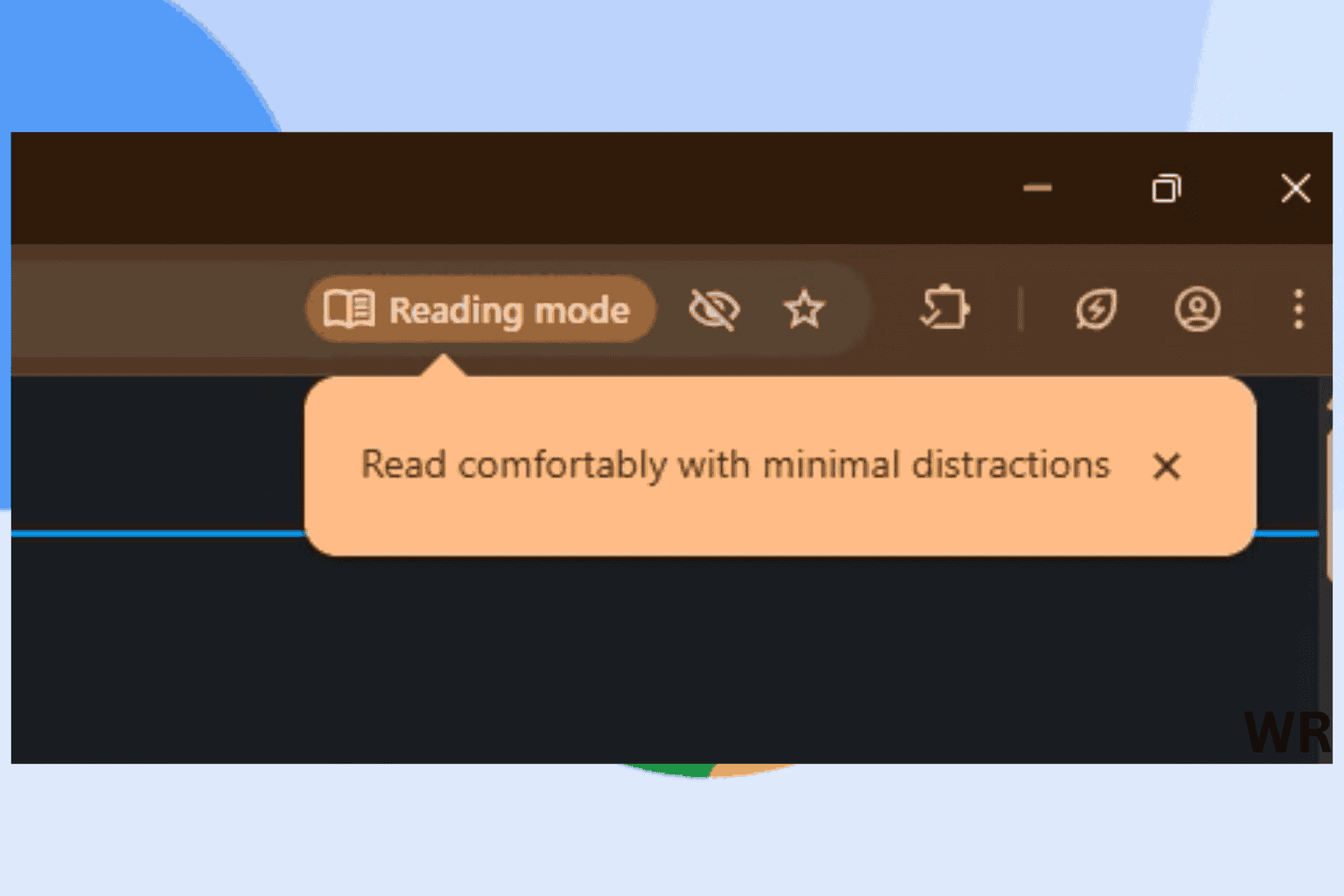
Google is testing a new way to help you “read comfortably” in Chrome. The browser now shows a simple button labelled “Reading mode” in the address bar when it detects that the current page supports a clean view with “minimal distractions.”

Reading Mode cuts out visual clutter on the page and leaves the article text without its images. It gives a simple, calm view that keeps distractions away.

Chrome tests a Reading mode button in the address bar

Reading Mode has been in Chrome for a while, but this new address bar placement puts the option in a clearer spot. You no longer need to open menus or right-click a page to find it.

To make users aware of the new control, Chrome shows a small message when the button appears for the first time. The message says: “Read comfortably with minimal distractions.” This helps users notice the option quickly.

Chrome shows a Reading mode button in the address bar with a tooltip. Image Credit: Venkat | WindowsReport.

For a long time, Google kept Reading Mode inside menus, so most people never found it. The new location in the address bar solves that problem. It puts the button where everyone naturally looks when they open a page. It also lets Chrome offer a cleaner view without altering the page for every user.

Chrome now detects pages that work well with this reading view and may place the button in the address bar with a short tooltip when it becomes available. The feature is under testing in Chrome Canary and may reach more users after Google completes the experiment.

Google is also testing immersive mode for the feature in Chrome, and it also tests Mozilla’s Readability system, which Firefox uses for its Reader View.

OpenAI Announces GPT-5.1 Instant & GPT-5.1 Thinking

OpenAI has announced GPT-5.1, a major upgrade to its flagship model that debuted in August. The company describes this as an “upgrade” to GPT-5 that makes ChatGPT smarter, faster, and more fun to talk to.

The release introduces two versions: GPT-5.1 Instant and GPT-5.1 Thinking. According to OpenAI, the Instant model feels warmer, more responsive, and better at following instructions, while the Thinking model is designed to handle complex reasoning with more consistency. ChatGPT will automatically route user queries to the model best suited for the task.

Both versions will begin rolling out this week, replacing the current GPT-5 lineup, though older models will remain available for three months under ChatGPT’s “legacy” dropdown.

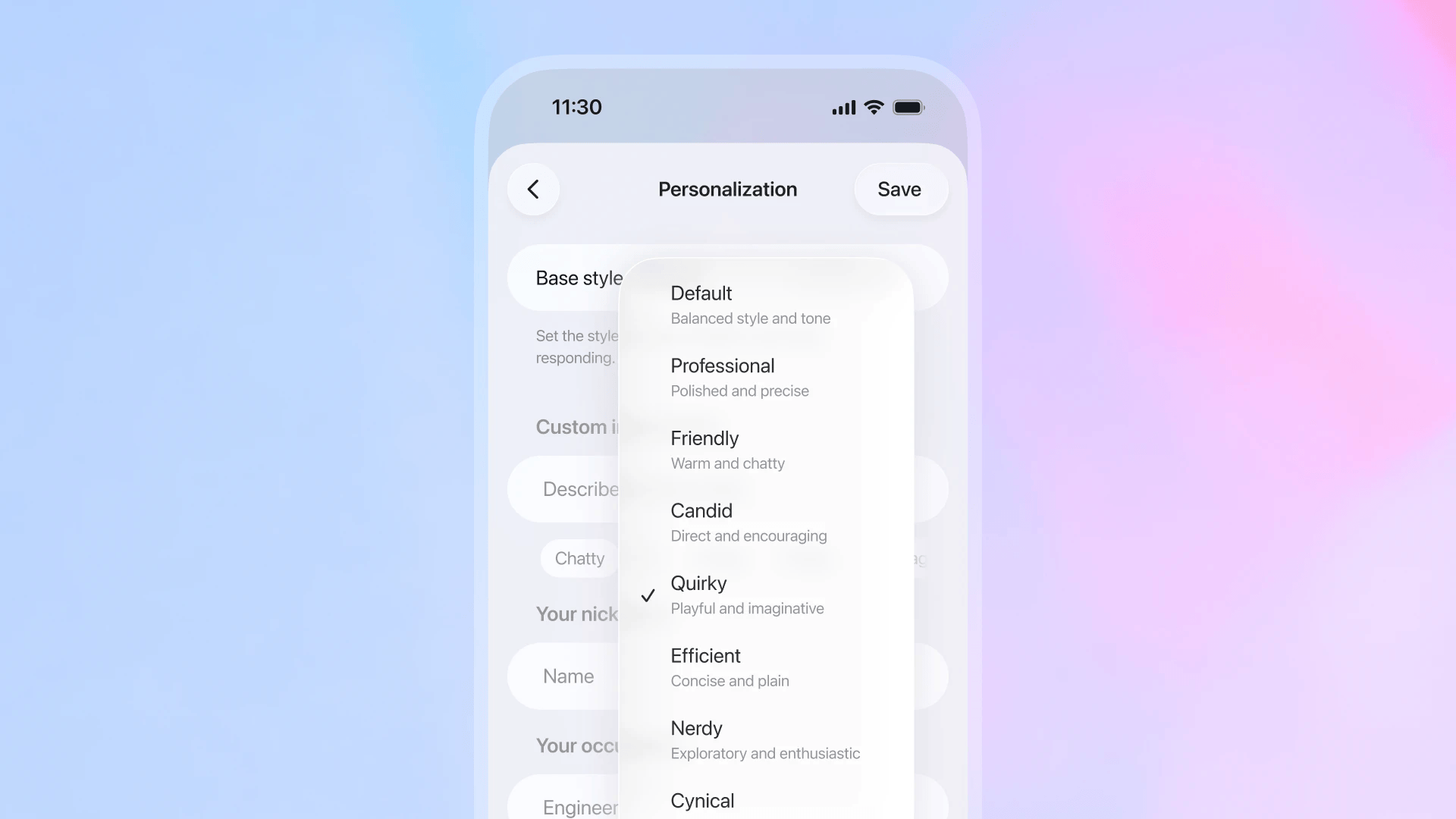
Alongside the model update, OpenAI is expanding its personality presets, offering users more control over ChatGPT’s conversational tone. You can now pick from eight distinct styles: Default, Professional, Friendly, Candid, Quirky, Efficient, Nerdy, and Cynical.

The company also teased an experimental tool that will allow users to change ChatGPT’s tone directly from settings.

All that said, the latest release follows the lukewarm reception of GPT-5, which many users criticized for underwhelming improvements. OpenAI hopes GPT-5.1, alongside its recently announced ChatGPT Atlas AI browser, will restore some of that lost faith in users as competition from Anthropic and others intensifies.

Everything to Know About Valve’s Next-Gen Steam Controller

Valve’s 2026 product lineup not just include Steam Machine and Steam Frame. A next-gen Steam Controller is also coming next year. The upcoming controller aims to bring every game in your Steam Library right to your fingertips. Valve describes it as “all the inputs to play all the games on Steam, wherever Steam is.”

One of the standout features is the new Steam Controller Puck. It’s a small magnetic hub that doubles as both a charging dock and a low-latency wireless transmitter. The Puck offers a lightning-fast 8ms end-to-end connection and supports up to four controllers simultaneously. You can also connect via Bluetooth or USB-C if you want.

Image: Valve

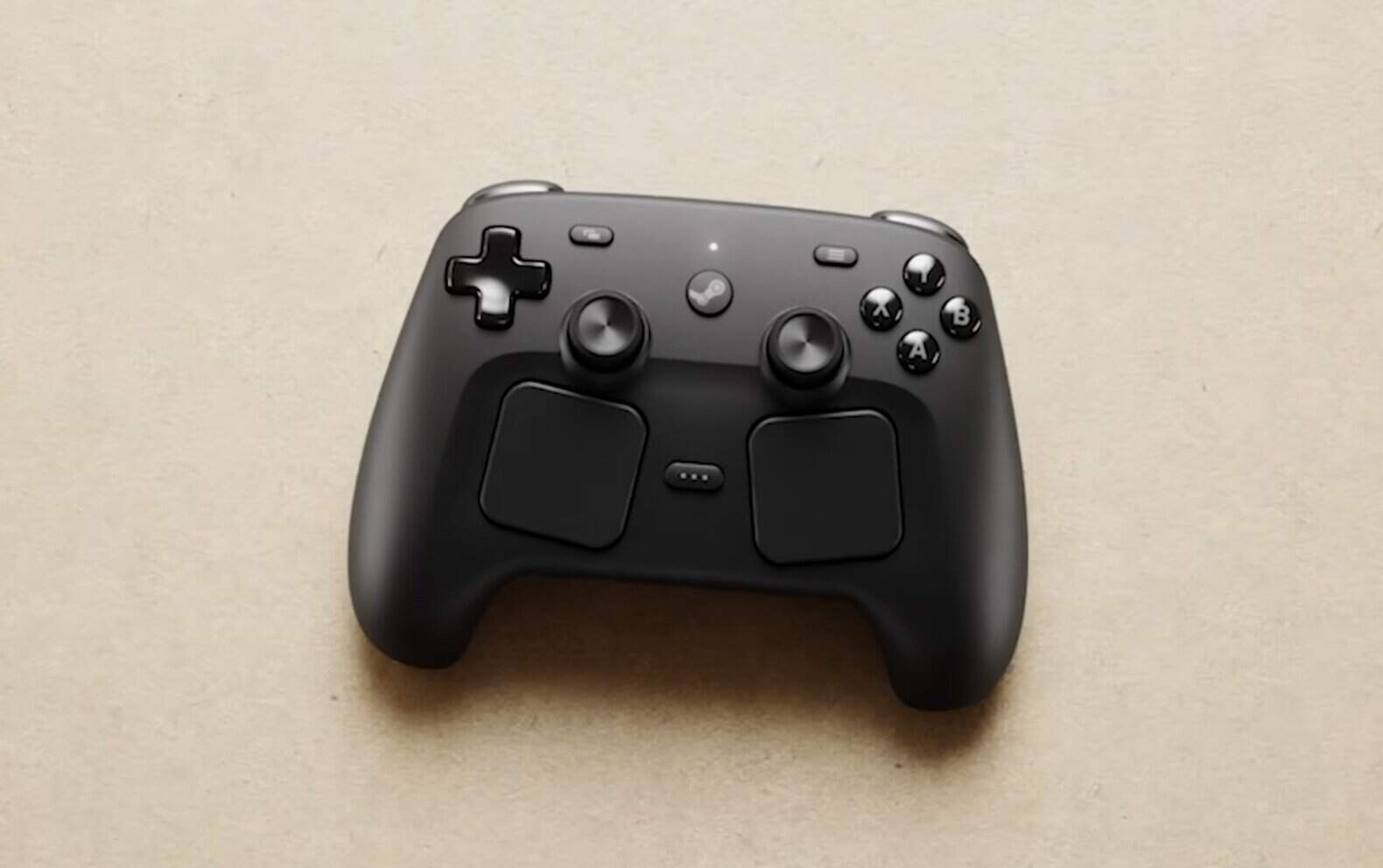
The controller itself features next-generation magnetic thumbsticks using TMR technology for smoother movement, enhanced responsiveness, and long-term durability. They include capacitive touch support, which enables motion controls and Valve’s new Grip Sense feature. It’s a capacitive touch system along the handles that activates gyro aiming when you hold the controller naturally.

There’s also high-definition haptic feedback with four motors. There are two motors inside the trackpads and two in the grips. Both combined allow precise tactile responses and realistic rumble. The dual trackpads provide another layer of control, offering pressure-sensitive clicks and customizable feedback that make even mouse-heavy games playable on a controller.

Image: Valve
Image: Valve
Image: Valve

Valve is also making sure to keep comfort a key aspect. The Steam Controller’s redesigned layout features ergonomic triggers, bumpers, and a familiar ABXY button setup optimized for long play sessions. It includes four rear grip buttons, all remappable via Steam Input, giving players a level of personalization similar to the Steam Deck.

With an 8.39Wh battery providing over 35 hours of gameplay, USB-C charging, and full Steam Input integration, Valve’s new controller is built to be the ultimate all-in-one gamepad for the entire Steam ecosystem.

Valve’s New Steam Machine is “6x Powerful” Than Steam Deck

Valve surprised everyone today by announcing three new products it’ll launch in 2026. Earlier, we detailed the Steam Frame, Valve’s standalone VR headset designed to bring the entire Steam library to portable VR.
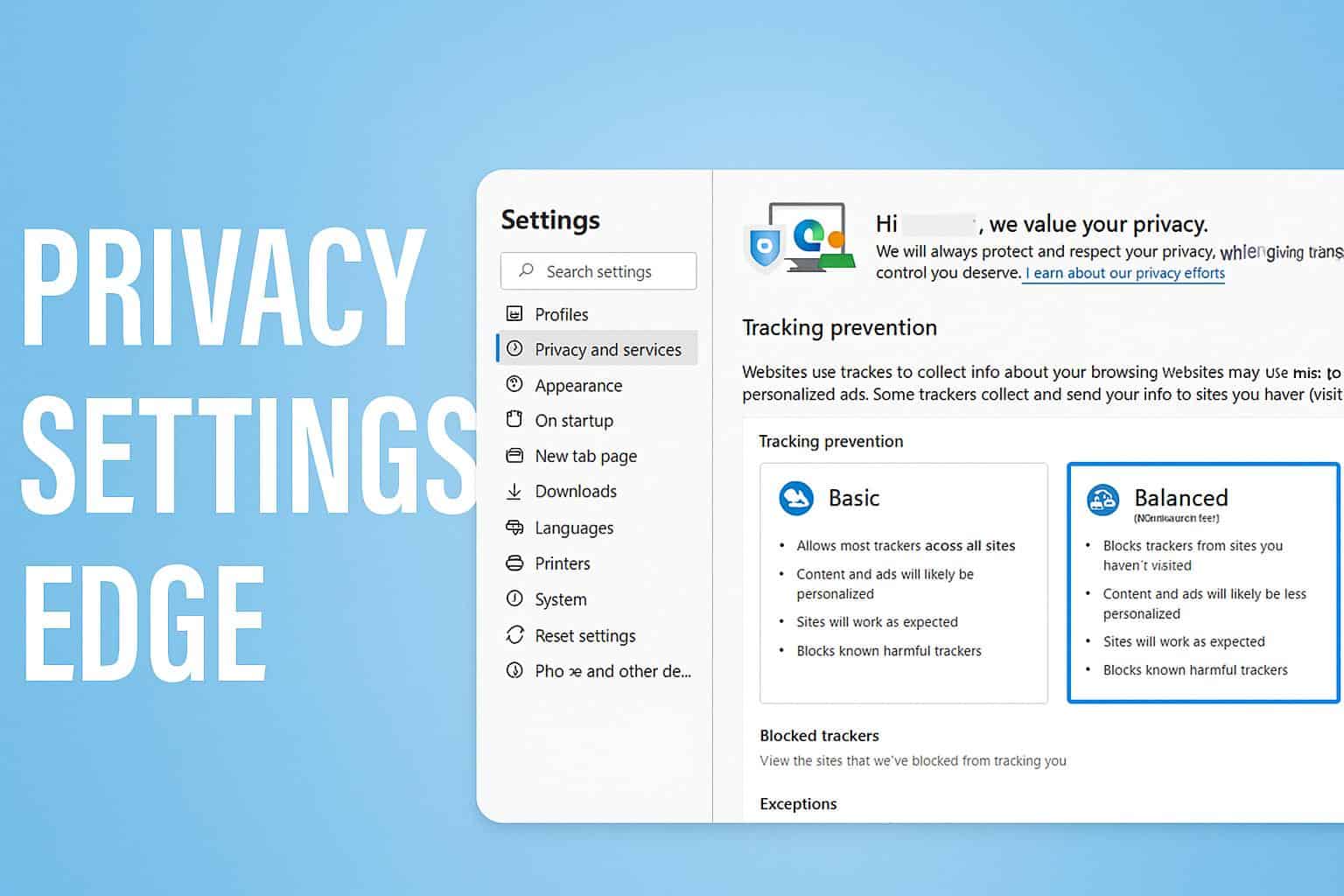
Image: Valve

Alongside the headset, the company has also revealed the Steam Machine. It’s a compact yet powerful console that can deliver the full Steam experience on any screen. Think of it as more powerful console-version of steam deck.

As Valve notes, Steam Machine is designed for players who want high-end PC gaming performance without the bulk of a desktop rig. The company describes it as “powerful PC gaming made easy, in a small and mighty package.”

Image: Valve

The device itself is roughly the size of a 6-inch cube, which promises to run the latest AAA titles at 4K resolution and 60 FPS. It comes with AMD’s semi-custom desktop-class CPU and GPU, paired with FSR support for enhanced upscaling performance.
Steam Machine runs on the latest version of SteamOS and comes with features like fast suspend and resume, cloud saves, and seamless integration with the broader Steam ecosystem. Meanwhile, you can access you entire Steam library by simply logging into their account.

Image: Valve

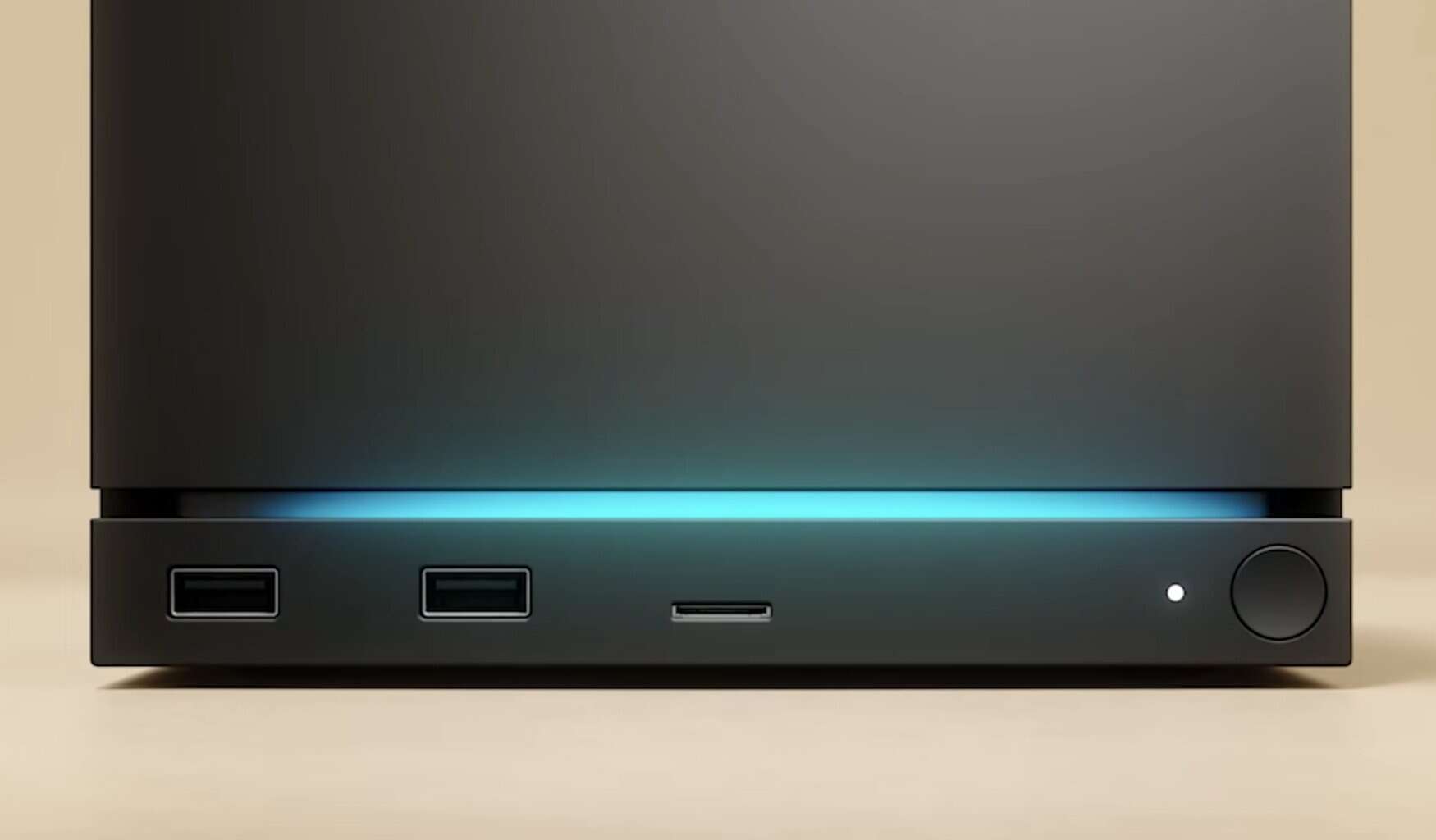
In terms of design and functionality, the Steam Machine balances performance with practicality. It’s described as “cool and whisper-quiet,” even during demanding sessions. Speaking of ports, Steam Machine comes with DisplayPort 1.4, HDMI 2.0, Gigabit Ethernet, one USB-C port, and four USB-A ports. When available, you can choose from 512GB and 2TB configurations, both expandable via microSD.

Valve further says that Steam Machine comes with Wi-Fi 6E, Bluetooth 5.3, and built-in support for the Steam Controller’s wireless adapter. Unlike many compact PCs, the Steam Machine has a built-in power supply.

Valve says the Steam Machine will make PC gaming more accessible while maintaining the flexibility and performance that PC players expect.

Valve Unveils Steam Frame VR Headset to Make Steam Library Truly Portable

Valve has officially announced its long-awaited standalone VR headset, the Steam Frame. While pricing and release details are yet to be announced, Valve says more information will be shared “in early 2026” after developer kits ship.

The upcoming headset is powered by Qualcomm’s Snapdragon 8 Gen 3 ARM processor and runs a custom ARM-based version of SteamOS, similar to the one powering the Steam Deck. This setup allows users to play a wide range of titles directly from their Steam library, including both traditional PC games and select VR titles.

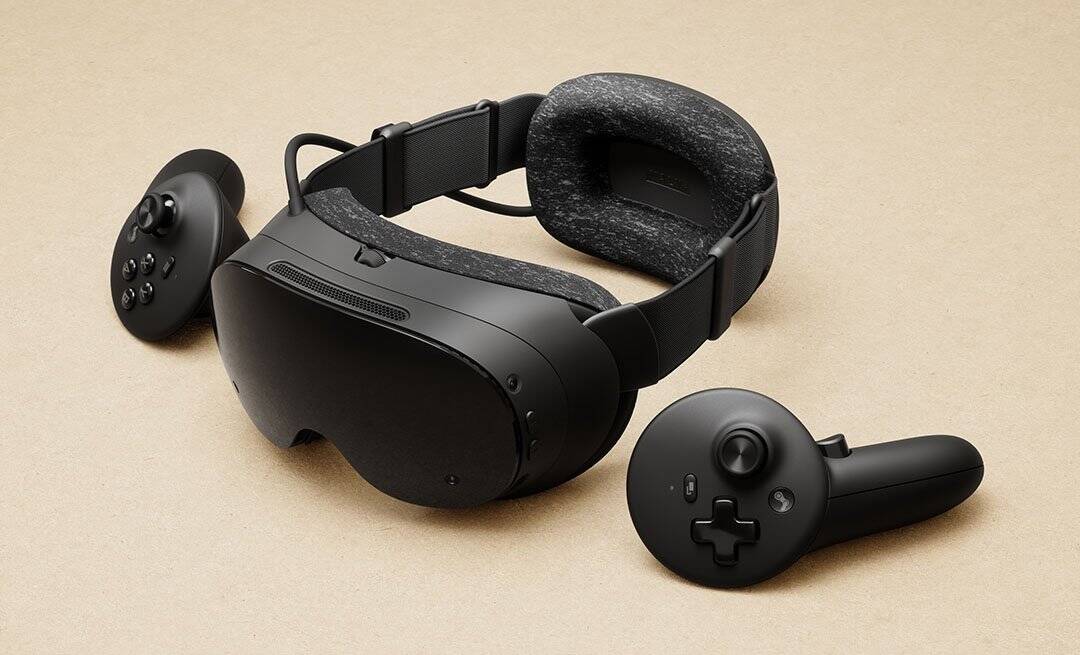
The Steam Frame features dual 2,160×2,160 LCD panels with refresh rates ranging from 72Hz to 120Hz, an experimental 144Hz mode, and a 110° field of view. It also comes equipped with eye-tracking and pancake optics.

The lightweight modular build, weighing just 435 grams, includes the strap, battery, and integrated speakers. The core display and compute unit weighs only 190 grams, keeping comfort in focus for longer sessions.

Valve says the headset is primarily designed for low-latency PC streaming, using a Wi-Fi 6E dongle for a direct, high-speed connection between the headset and the host computer.

To enhance streaming performance, Valve has developed a foveated streaming system which uses eye-tracking to prioritize resolution in the center of a user’s view. Apparently, that stystem reduces bandwidth use without compromising image clarity.

The company’s new controllers also feature 6-DOF tracking, haptic feedback, capacitive finger sensing, and magnetic thumbsticks. Their button layout mirrors traditional gamepads, making them ideal for both VR and flat-screen games.

Although Valve confirmed it currently has no first-party VR titles in development, the Steam Frame looks to offer unified hardware-software ecosystem for VR under SteamOS. Developer kits are expected soon, as Valve wants to give studios time to optimize their games ahead of the official launch.

Windows on Arm to Get Microsoft’s New Low-Latency Audio Driver in 2026

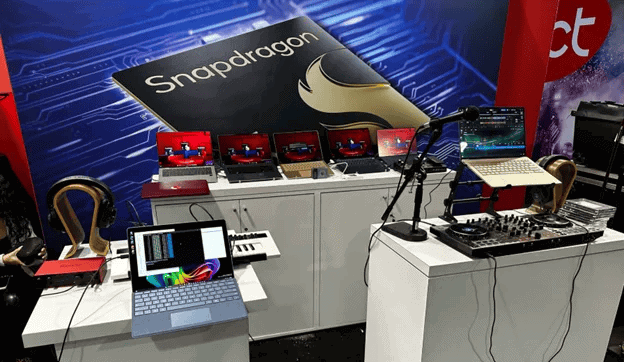
Microsoft is expanding the horizons of music production on Windows on Arm64. And it’s visible in the latest updates and partnerships, which highlights, how Arm-based PCs powered by Snapdragon X Elite chips, are improving things for musicians and audio professionals.

The lightweight, quiet, and power-efficient laptops, like the Surface Laptop 7, offer exceptional performance for digital audio workstations (DAWs) without overheating or draining batteries.

Over the past year, most major DAWs have gone native on Arm64. This inckes some popular names like Steinberg Cubase, Nuendo, REAPER, Bitwig Studio, and Cakewalk Sonar. Notably, Ableton Live is set to launch its Arm64 version in 2026.
If we talk about hardware, it’s getting equal support. Leading audio interface makers such as Yamaha/Steinberg, RME, Focusrite, and Audient have released native Arm64 drivers. It enables musicians to enjoy low-latency, high-quality sound on Windows without third-party add-ons.

Microsoft’s upcoming in-box low-latency USB Audio Class 2 and ASIO driver, built in parternship with Qualcomm and Yamaha, will further simplify setup and ensure consistent, studio-grade performance across devices. Meanwhile, frameworks like JUCE and security tools like iLok are expanding Arm64 compatibility. It’ll ensure that music creators have all the professional tools they rely on.

With this ecosystem maturing rapidly, Windows on Arm64 is emerging as a serious platform for music production. If you’d like to read the full, comprehensive post with all details, demos, and developer updates, check it out here.

Microsoft Announces Fairwater, Its AI Superfactory Located in Atlanta

Microsoft has announced Fairwater, which the company calls as AI superfactory, located in Atlanta, Georgia. The company says that it has been built to power the next era of hyperscale AI computing. The facility combines NVIDIA Blackwell GPUs, custom networking, and advanced power management.

Fairwater achieves 4×9 availability at 3×9 cost, thanks to highly available grid power and next-gen efficiency systems. Instead of relying on costly backup generators, Microsoft developed software and GPU-based energy controls that stabilize power use without waste.

These systems dynamically manage load, introduce supplementary workloads, and integrate on-site storage to maintain grid balance as AI workloads surge.

It’s worth noting that Fairwater data center runs a unified GPU cluster powered by NVIDIA Blackwell accelerators. Each rack packs up to 72 GPUs connected via NVLink, providing 1.8 TB of bandwidth and 14 TB of pooled memory per GPU. Interestingly, that’s among the highest compute densities ever achieved.

Microsoft has also redefined AI networking with a two-tier, 800 Gbps Ethernet-based system and its SONiC switch OS. Partnering with NVIDIA and OpenAI, the company introduced a Multi-Path Reliable Connected (MRC) protocol to improve data flow, telemetry, and congestion control for ultra-reliable AI performance.

Fairwater is part of Microsoft’s broader AI WAN optical network. For the uninitiated, it connects Azure AI data centers nationwide. With 120,000 new fiber miles added last year, this network allows seamless interconnection between supercomputers across the U.S., giving developers access to a unified AI infrastructure optimized for scale, flexibility, and cost-efficiency.

If you’d like to deep dive into everything, feel free to check this blogpost.

Sony Unveils 27” PS5 Desktop Gaming Monitor With DualSense Charging Hook

Sony has teased its upcoming PlayStation 27” Gaming Monitor, designed specifically for desktop gaming with the PS5. One of the standout features of the new monitor includes a built-in DualSense charging hook. Sony says that it will help players to keep their DualSense or DualSense Edge controllers charged and ready.

According to Shuzo Kikuchi, VP of Product Management at Sony Interactive Entertainment, the new 27″ desktop is for players who want the flexibility to enjoy PS5 games outside of the living room, whether at their desk, in personal spaces, or even remotely via PlayStation Portal.

The monitor features a Quad High Definition (2560×1440) IPS display and supports Auto HDR Tone Mapping, which automatically adjusts HDR settings when used with a PS5 or PS5 Pro console.

It also supports VRR (Variable Refresh Rate) and refresh rates up to 120 Hz on PS5 and 240 Hz on compatible PC and Mac devices, ensuring smooth and seamless gameplay.

Image: Sony
Image: Sony

For connectivity, the monitor offers two HDMI 2.1 ports and one DisplayPort 1.4 port, supporting 2560×1440 at up to 240Hz, VRR, and FRL. It also includes two USB-A and one USB-C port, which can be used with PlayStation Link adapters or other devices. Audio is handled via built-in stereo speakers or a 3.5mm audio output, and the monitor is compatible with select VESA mounting systems for flexible desk setups.

The 27” Gaming Monitor pairs well with PlayStation’s recently announced Pulse Elevate wireless speakers, which provide lifelike audio and seamless voice chat, creating a complete desktop gaming experience.

PlayStation plans to launch the monitor in 2026 in the U.S. and Japan. Pricing and availability details will be shared closer to the release.

Windows 11 KB5068861 Not Installing For Many; Throws 0x800f0983 Error Code

Microsoft’s latest Windows 11 update (KB5068861), released on November 11, 2025, is reportedly failing to install for many users.

The update, supposed to bump 25H2 and 24H2 systems to respective Build 26200.7171 and 26100.7171, is throwing the error code 0x800f0983, leaving users frustrated across Reddit and other forums.

Image credit: Reddit/u/Admirable-Detail-681

A quick search across the comment on this Reddit post, first seen by Windows Report, hints that issue isn’t limited to one or two users, but has affected multiple users. No wonder, users are quite frustrated about the issue. To be honest, it has been a pattern since last few months. Every new update comes with some kind of error or bug.
Some users claiming their PCs became unbootable after repeated installation attempts. We can confirm that common troubleshooting steps like SFC /scannow and DISM /RestoreHealth haven’t work to fix KB5068861 not installing error.

One user specifically noted that after multiple failures, Windows got stuck in a recovery loop, even disabling USB input devices in the recovery environment. The issue isn’t limited to desktops by the way. We earlier reported on similar installation errors on devices like the ROG Ally X running Windows 11.

Microsoft has not yet issued an official acknowledgment or fix for the KB5068861 installation issue. But, affected users are advised to pause updates temporarily until a stable patch is released.

What Is Portmaster Firewall? Complete Windows Setup Guide

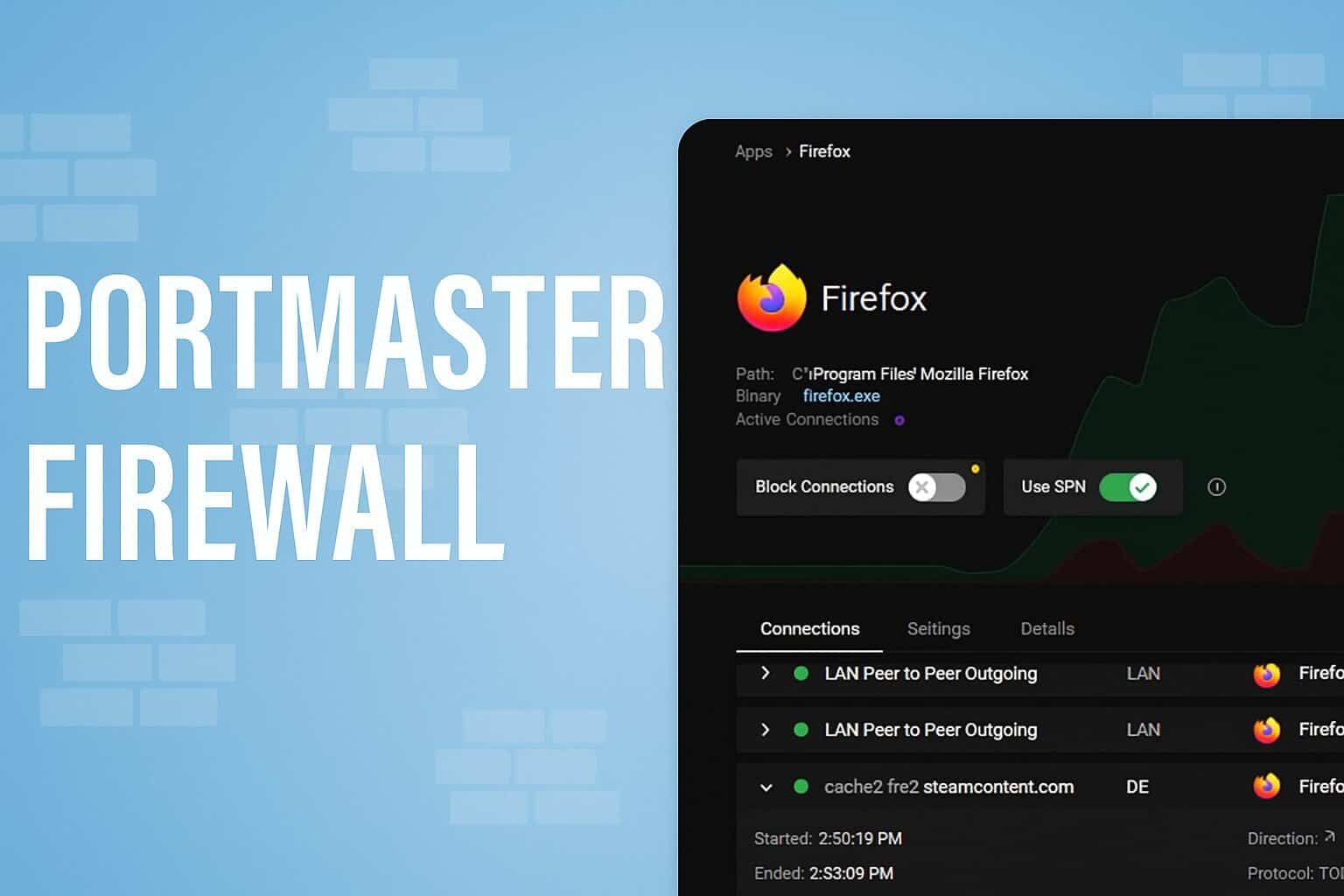
If you want more control over your network connections and online privacy, Portmaster Firewall is one of the best free tools you can install on Windows. It helps you block unwanted tracking, monitor all internet connections, and encrypt your DNS traffic automatically.

This guide explains what Portmaster does and walks you through the setup and configuration process step by step.

What Is Portmaster Firewall and How to Use It on Windows?

How to Install Portmaster Firewall on Windows

  1. Go to the official Portmaster website: https://safing.io.
  2. Click Download for Windows and save the installer file.
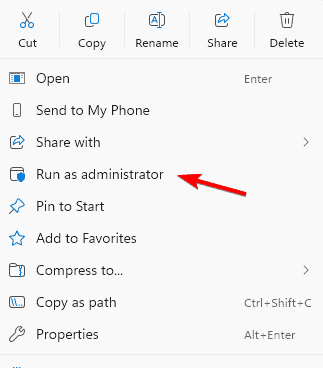
  3. Open your Downloads folder and right click the installer.
  4. Select Run as administrator to launch the setup.
  5. Accept the license agreement when prompted.
  6. Choose an installation location or use the default path.
  7. Click Install and wait for the setup to finish.
  8. When complete, Portmaster starts in the background automatically.

If Windows Firewall interferes during setup, see how to check if Windows Firewall is blocking a port or program.

How to Configure Portmaster Firewall

  1. Click the Portmaster icon in the Windows system tray.
  2. Select Open Dashboard to launch the control panel.
  3. Open Settings > Network to review your current network setup.
  4. Enable DNS over HTTPS (DoH) to encrypt DNS traffic.
  5. Choose your preferred secure DNS provider from the list.
  6. Go to Privacy Filter and toggle Block Trackers to prevent tracking.
  7. Open Apps to view programs connected to the internet.
  8. For each app, set Allow or Block to control network access.

Understanding how ports work can improve your setup. Learn more about SMB ports 139 and 445.

Why Use Portmaster Firewall?

  • It is free and open source.
  • Visualizes and controls every connection on your PC.
  • Encrypts DNS requests for added security.
  • Blocks trackers and unwanted background activity.
  • Works alongside Windows Firewall without conflicts.

What Is Portmaster Firewall?

Portmaster Firewall is a free, open source privacy firewall that lets you monitor and manage every connection your computer makes to the internet. Unlike traditional firewalls that only block ports or programs, Portmaster also offers privacy filters, DNS encryption, and advanced connection visualization. It is designed for users who want an easy to use but powerful way to safeguard their online activity without manually editing complex firewall rules.

For comparison, review this overview of Windows 10 firewalls to understand how Portmaster differs from built in options.

FAQs

Is Portmaster Firewall safe to use?

What Is Portmaster Firewall? Complete Windows Setup Guide

Does Portmaster replace Windows Firewall?

No. It complements Windows Firewall by focusing on privacy while Windows Firewall handles system level protection.

Can I use Portmaster with a VPN?

Yes. Portmaster works with VPNs and can route apps through them for stronger privacy.

Does Portmaster slow down the internet?

In most cases, no. DNS encryption may add a slight delay that is usually unnoticeable.

Conclusion

Portmaster Firewall is a powerful and user friendly tool that gives you visibility and control over your online activity. By following the steps in this guide, you can install, configure, and start protecting your network connections within minutes. If you value transparency, privacy, and open source software, Portmaster is an excellent addition to your Windows security toolkit.

Windows 11 Now Natively Supports Third-Party Passkey Managers Like 1Password & Bitwarden

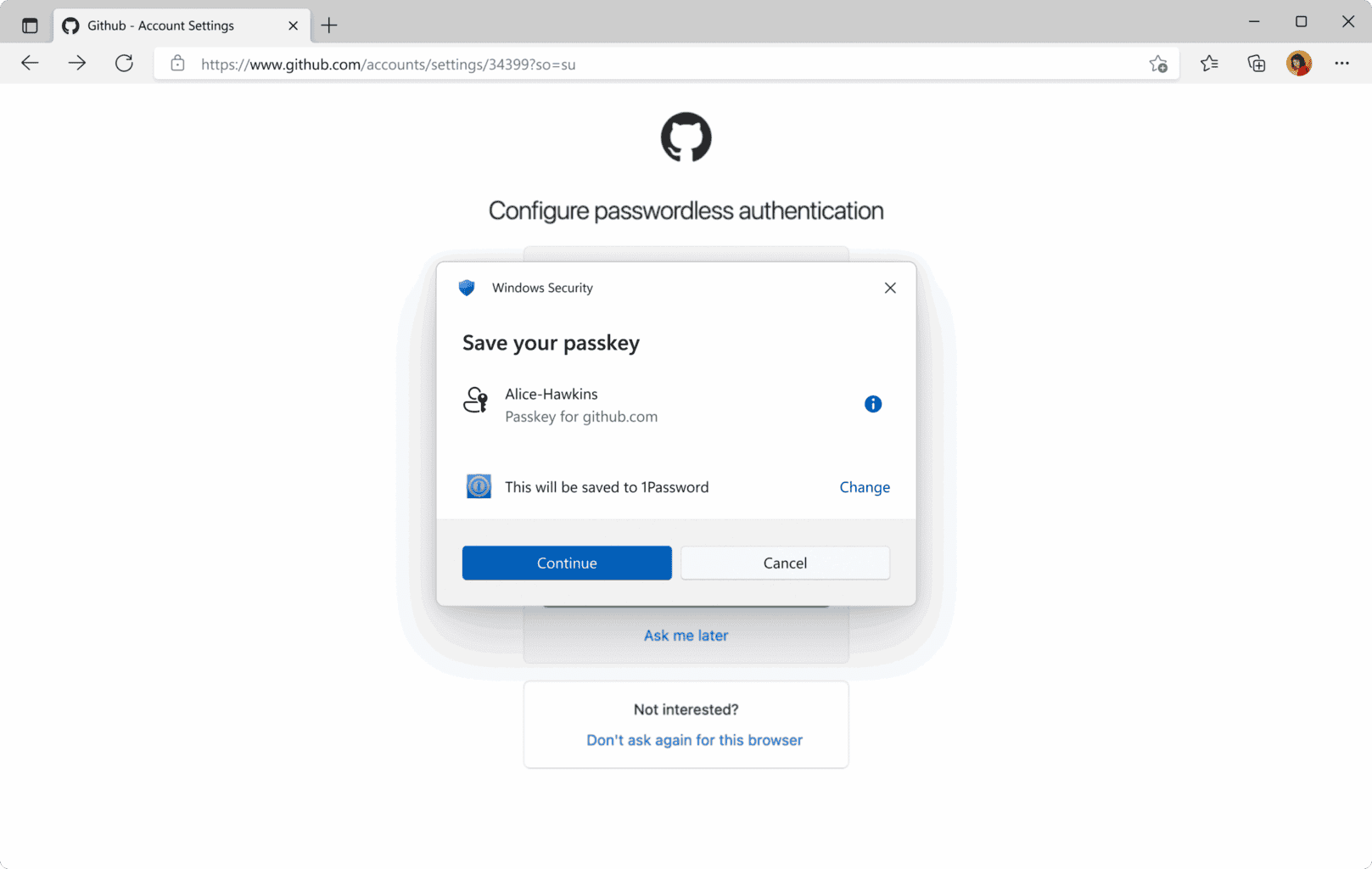
Microsoft has rolled out native support for passkey managers with the Windows 11 November 2025 security update. The feature, now generally available, allows you to sign in faster and more securely. In other words, you have all the freedom to choose your preferred passkey manager.

According to Microsoft, the new plugin passkey manager support lets users manage their credentials directly within Windows 11. That means you can now use Microsoft Password Manager, or trusted third-party providers like 1Password and Bitwarden, to create and authenticate passkeys across browsers and native apps.

Travis Hogan, Product Manager at 1Password, said collaborating with Microsoft’s Windows Security team was a “rewarding partnership.” He added that 1Password is proud to be the first password manager offering native passkey support in Windows 11. “We’re proud to give customers a seamless passwordless experience inside and outside the browser,” he added.

Bitwarden had similar thoughts about this collaboration. A statement from the company reads:

Bitwarden is delighted to collaborate with Microsoft on bringing native passkeys to Windows 11. This partnership enables more organizations and users to embrace passkeys confidently, knowing they can manage their credentials securely on Windows and across all their devices and platforms.

Image: Microsoft

As for Microsoft’s own solution, Microsoft Password Manager from Edge is now fully integrated into Windows as a plugin. Passkey operations, including creation, authentication, and syncing, are protected by Windows Hello and hardware-based encryption through Azure Confidential Compute.

Image: Microsoft

For users, this means your passkeys are securely stored, synced, and ready to use across devices.

Manage Privacy Settings in Microsoft Edge: Step by Step

If you want to keep your browsing data private, Microsoft Edge includes built-in privacy tools that let you control tracking, cookies, and data sharing. Follow this guide to manage privacy settings step by step.

How to Manage Privacy Settings in Microsoft Edge?

How to Open Privacy Settings in Microsoft Edge

Start by accessing the main privacy menu where all key options are located.

  1. Launch Microsoft Edge by clicking the Start button and selecting it from your list of apps.
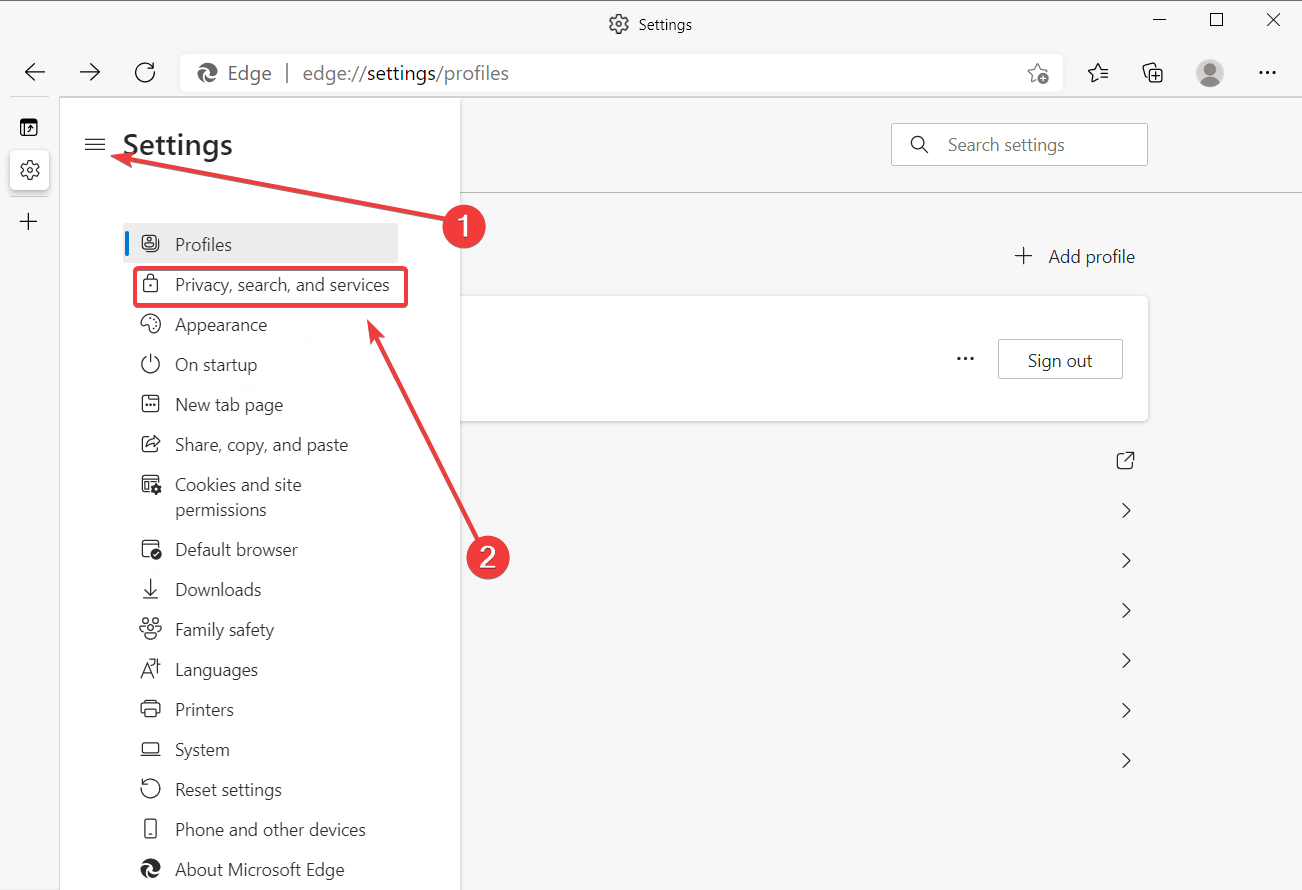
  2. Click the three dots (⋯) in the upper-right corner, then select Settings from the dropdown menu.
  3. In the left sidebar, click Privacy, search, and services to view all privacy and security options.

For a full walkthrough on private browsing, see how to make Microsoft Edge private.

How to Adjust Tracking Prevention in Edge

Modify your tracking level to decide how much data websites can collect while you browse.

  1. Under Tracking prevention, choose your preferred level:
    • Basic allows most trackers and personalization.
    • Balanced blocks harmful and cross-site trackers (default).
    • Strict blocks most trackers for maximum privacy.
  2. Click Exceptions to allow certain trusted sites to bypass your tracking settings.

Learn more about optimizing privacy and search settings in how to set up Microsoft Edge for privacy.

How to Clear Browsing Data in Edge

Use this feature to delete your history, cookies, and cache for better privacy and performance.

  1. In Settings, go to Privacy, search, and services and scroll down to Clear browsing data.
  2. Click Choose what to clear.
  3. Check the boxes for Browsing history, Cookies, or Cached images.
  4. Select a time range, then click Clear now.

How to Manage Cookies and Site Permissions

Control which sites can store data or track your online activity.

  1. Open Cookies and site permissions in the left sidebar.
  2. Click Manage and delete cookies and site data.
  3. Toggle Block third-party cookies for better privacy.
  4. Optionally, allow specific sites if you trust them.

How to Use Secure Browsing Features

Enhance your security by turning on built-in protection and encryption tools.

  1. Turn on Microsoft Defender SmartScreen:
    • Open the Security section in Settings.
    • Enable Microsoft Defender SmartScreen to block phishing and malicious sites.
  2. Enable HTTPS Mode:
    • In the Security section, toggle Automatically switch to HTTPS for all websites.
  3. Check Password Security:
    • Go to Settings > Profiles > Passwords.
    • Use Password Monitor to get alerts if your credentials are leaked.

If you want more control over your browsing experience, check out how to change the default search engine in Microsoft Edge.

FAQs

Quick answers to common privacy questions in Edge.

Does Edge have a private browsing mode?

Yes. Open a new InPrivate window with Ctrl + Shift + N or select it from the menu.

Can I stop Edge from saving passwords?

Yes. Go to Settings > Profiles > Passwords and turn off Offer to save passwords.

How often should I clear browsing data?

Clear it weekly or enable the option to delete data automatically when you close Edge.

Can I sync my privacy settings across devices?

Yes. Sign in with your Microsoft account and enable Sync to apply privacy preferences across all your devices.

Conclusion

Managing privacy settings in Microsoft Edge helps you stay secure and in control of your data. By adjusting tracking levels, clearing browsing data, and enabling built-in protection, you can enjoy a safer, faster, and more private experience online.

KB5068861 Allegedly Fails to Install on ROG Ally X; Throws 0x80071ab0 & 0x800f0991 Error

Microsoft’s recent Windows 11 security update, KB5068861, has started to trouble some users. A new Reddit post by user u/claireus, spotted first by Windows Report, claims that the November 2025 Patch Tuesday update released yesterday consistently fails to install on their ASUS ROG Ally X.

Per the user, it shows only a “Retry” message each time they attempt the update. It seems the issue hasn’t just affected one user. At the time of writing this, we come across a comment from another user, u/hosseinfarnia, who reports a similar issue. Per the user, KB5068861 installation failed on their ASUS ROG Ally X, with error code 0x80071ab0.

On the second attempt, the user came across error code 0x800f0991. Fortunately, the installation completed on the third attempt. For reference, 0x80071ab0 is related to corrupted system files or an issue with the Windows Update component store.

The error code 0x800f0991 also points to similar reasons. But it can also be related to problems with the Windows Update service not being able to download or install the necessary files properly.

Whatever may be the case, if you own ROG Ally X and face a similar issue, try installing the update a few times. If that doesn’t make things better, you can also follow the steps mentioned here.

Earlier today, we also reported that KB5068861 allegedly broke one user’s PC running Windows 11 25H2. That said, some users point to an issue related to the graphics card. If you haven’t gone through that story, read it here.

How to Find Your Steam ID on PC and Web (Step-by-Step Guide)

Your Steam ID is a unique number assigned to your Steam account. You may need it for linking accounts, joining servers, or verifying your profile. Here’s how to easily find your Steam ID using different methods.

How to Find Your Steam ID?

1. Find Steam ID via Steam Client

If you have the Steam app installed, this is the quickest way to locate your ID.

  1. Open the Steam app on your PC.
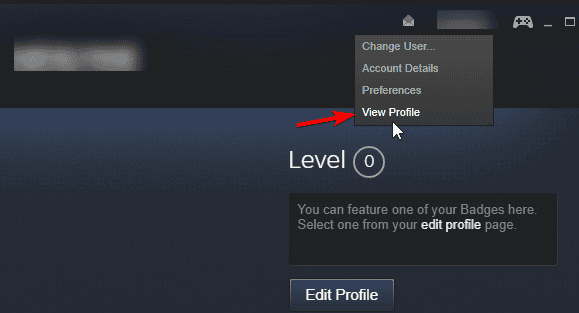
  2. Click your username at the top and select View my profile.
  3. Right-click on your profile page and choose Copy Page URL.
  4. Your Steam ID is the number at the end of that URL. Example: https://steamcommunity.com/profiles/76561198000000000

For more ways to connect with other users, check out this guide on Steam user search.

2. Find Steam ID Using the Website

You can also find your Steam ID through Steam’s web version.

  1. Visit Steam Community and sign in.
  2. Click your profile name at the top right.
  3. Look at the URL in the address bar.
  4. The number after /profiles/ is your Steam ID.

If you’re managing multiple Steam accounts, you might also find it useful to learn how to redeem Steam codes.

3. Find Steam ID Using Third-Party Tools

If you use a custom URL instead of a numeric one, tools can help you retrieve it.

  1. Go to SteamID.io in your browser.
  2. Enter your Steam profile link or custom URL.
  3. Click Lookup.
  4. The site will show your SteamID, SteamID3, and SteamID64 information.

4. Enable URL Display in Steam Settings

Your profile URL may be hidden by default. Here’s how to make it visible.

  1. Open Steam and click Steam in the top-left corner.
  2. Select Settings, then go to Interface.
  3. Check Display web address bars when available.
  4. Click OK, then revisit your profile page to see your ID.

If you’ve recently moved or changed locations, you may also want to read about how to change your Steam region.

FAQs

What is my Steam ID used for?

It identifies your account in games, mods, and online communities.

Can I change my Steam ID number?

No, the numeric ID is permanent, but you can change your custom profile URL anytime.

Is it safe to share my Steam ID?

Yes, sharing it is safe since it doesn’t expose personal information.

What’s the difference between Steam ID and Steam username?

Your Steam ID is a permanent numeric identifier, while your username is a display name you can change anytime.

Conclusion

Finding your Steam ID is simple through the Steam client, website, or online lookup tools. Whether you need it for mods, multiplayer servers, or account verification, these steps make it easy to access your unique identifier.

Major Nelson Reflects on Xbox 360’s 20th Anniversary with a Priceless Custom Console

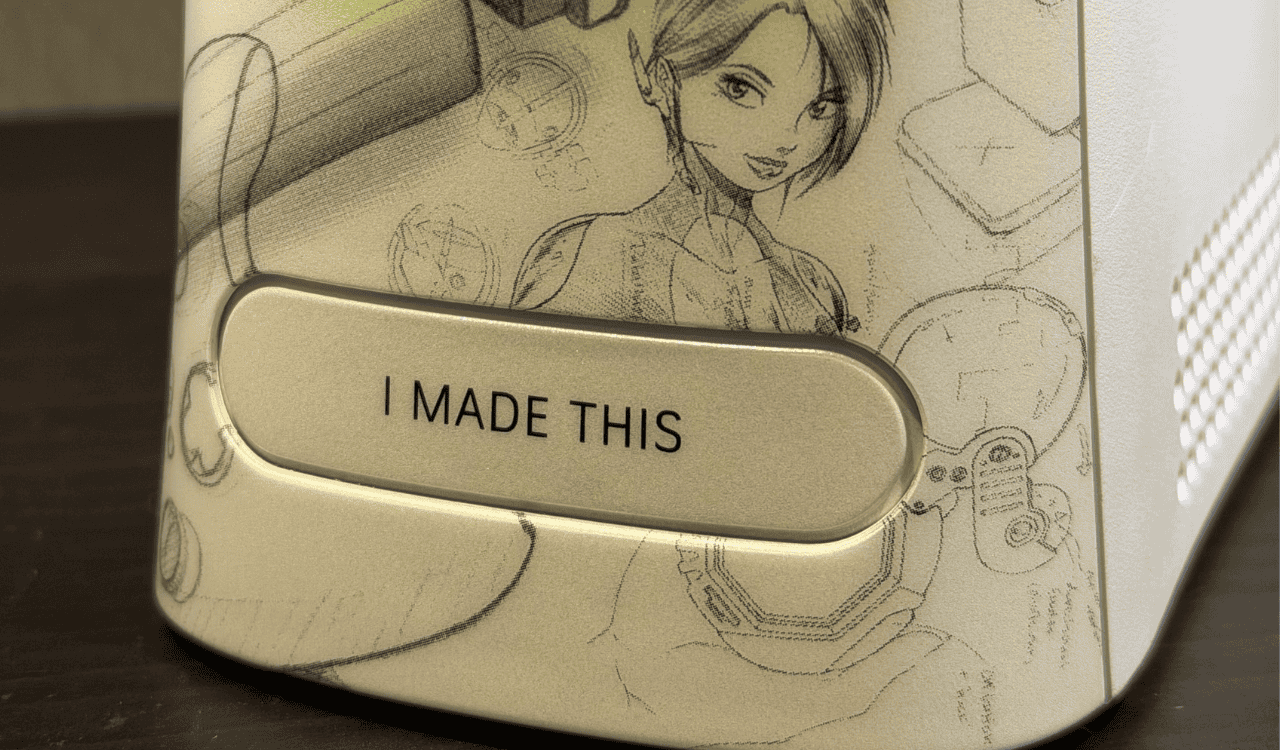
Larry Hryb, who is better known as Major Nelson, recently reminded everyone about the 20th anniversary of the Xbox 360 (falling on November 22nd) with a heartfelt post on X (formerly Twitter).

The longtime Xbox community figure shared photos of his original launch console, which he says was gifted to every team member who helped bring the Xbox 360 to life back in 2005.

“Later this month marks the 20th anniversary of kicking off the HD era with the launch of Xbox 360,” Hryb wrote in a post on X. “Helping build, ship and launch this console was one of the most magical professional moments of my career. Here, for the first time…are photos of my launch console that each team member receiived as a thank you. Fun fact: I have NEVER turned this console on,” he added.

Check out the images below:

Image credit: Mark Nelson on X

When asked which game, Hryb replied that he would pick Hexic. Foe those unaware, it’s the classic puzzle game that came preinstalled on launch consoles.

Image credit: Mark Nelson on X

In the replies, fans were quick to joke that powering it on now might trigger the infamous Red Ring of Death. For those unaware, it was a hardware issue that plagued many early units of Xbox 360. Others noted that it could still boot into the iconic “Blades” dashboard, which would make it a rare and nostalgic find if it still works.

To catch you up, Hryb left Xbox in 2023 after two decades but remains one of the brand’s most beloved ambassadors. His latest post is a warm reminder of an era that helped define modern gaming.

Speaking of consoles, The PlayStation 5 has now officially outsold every Xbox console ever released. According to Sony’s latest financial report, the PS5 has sold 84.2 million units worldwide since its 2020 debut. If we have to compare, the Xbox 360 took an entire decade to reach similar figures.

via Pure Xbox

Bluetooth and Devices Settings Windows 11 Full Overview

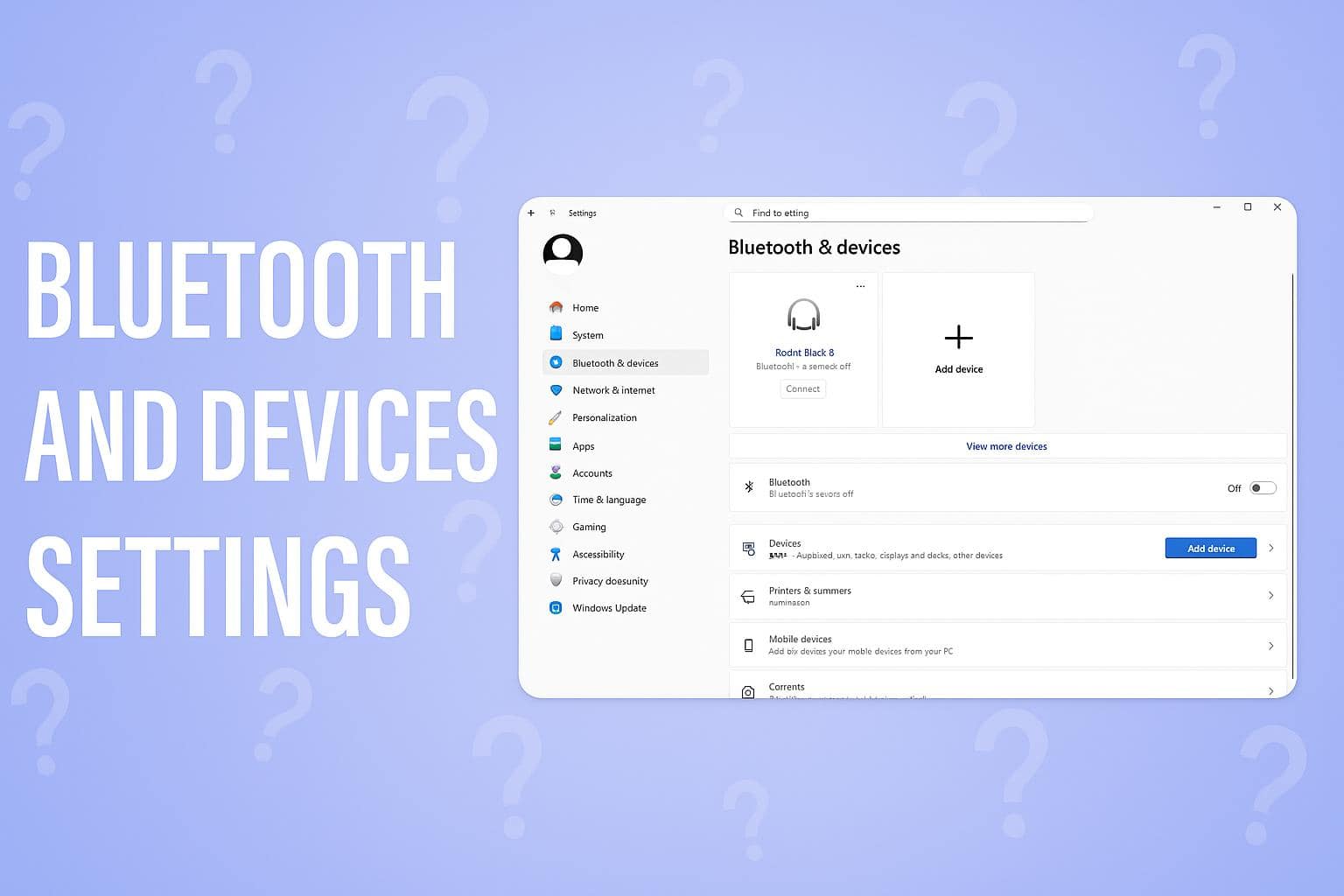
The Bluetooth and Devices section in Windows 11 centralizes all your peripheral management, from pairing wireless accessories to configuring displays and printers. This guide explains every available subsection and how it helps you manage connected hardware.

Overview of All Sections in Bluetooth and Devices?

1. Bluetooth

This section allows you to control and pair wireless devices.

  • Turn Bluetooth on or off.
  • View all paired and available devices.
  • Click Add device to connect headphones, keyboards, or mice.
  • Remove or rename connected devices as needed.

If you are concerned about your PC’s connectivity privacy, check out Windows privacy settings to manage permissions for Bluetooth and other wireless features.

2. Devices

Use this area to check all peripherals connected to your PC.

  • View USB devices, controllers, or webcams.
  • Manage or troubleshoot connected accessories.
  • Confirm compatibility for new or replaced hardware.

3. Printers & Scanners

Here you can set up and maintain your printing devices.

  • Add or remove printers and scanners.
  • Set a default printer for your system.
  • Access queues and manage driver settings.

This lets you connect your Android phone to Windows for syncing data.

  • Pair your Android phone using the Link to Windows app.
  • Sync notifications, messages, and photos.
  • Make and receive calls directly from your PC.

5. Cameras

This section displays all built-in and external cameras.

  • Manage webcam permissions for apps.
  • Troubleshoot camera issues quickly.
  • Adjust camera behavior for meetings or recordings.

6. Mouse

Here you can personalize your mouse behavior.

  • Change pointer speed and button configuration.
  • Adjust scrolling options.
  • Fine-tune mouse settings for precision or gaming.

If you use assistive tools, explore Ease of Access keyboard settings for additional accessibility options that work alongside your mouse configuration.

7. Touchpad

Ideal for laptop users, this section customizes your touchpad functions.

  • Set gesture sensitivity.
  • Enable or disable tap-to-click.
  • Manage two or three-finger gestures.

8. Typing

This section helps you improve typing speed and accuracy.

  • Enable text suggestions while typing.
  • Turn on autocorrect or spell check.
  • Access emoji shortcuts and language preferences.

9. Pen & Windows Ink

Perfect for stylus users, this area adjusts pen functionality.

  • Modify pressure sensitivity.
  • Customize pen shortcuts for drawing or navigation.
  • Access handwriting input and related tools.

10. AutoPlay

AutoPlay controls how your PC reacts to external media.

  • Choose actions for USB drives or memory cards.
  • Set automatic file opening or manual prompts.
  • Prevent unwanted media from opening automatically.

11. USB

This section provides tools for managing USB connections.

  • View alerts for malfunctioning USB devices.
  • Review recognized and unrecognized accessories.
  • Troubleshoot USB connectivity problems.

What Is the Bluetooth and Devices Section?

The Bluetooth and Devices menu helps you manage all external connections on your PC. It includes tools for Bluetooth pairing, printer setup, camera configuration, USB accessories, and more.

You can open it by pressing Windows + I, then selecting Bluetooth & devices from the left sidebar.


Why These Settings Matter

Having all hardware controls in one place simplifies configuration and troubleshooting. Whether you are pairing wireless accessories or managing external storage, the Bluetooth and Devices settings panel gives you direct access to every device-related option.

FAQs

How do I open Bluetooth and Devices settings?

Press Windows + I, then click Bluetooth & devices on the left panel.

Can I view all connected devices at once?

Yes. The Devices tab lists all connected or recently paired peripherals.

Where do I manage printers in Windows 11?

Go to Bluetooth & devices > Printers & scanners to add or configure printers.

Why can’t I see Bluetooth options on my PC?

Your device might not support Bluetooth or its driver is missing. Check Device Manager > Bluetooth to confirm it is installed.

Conclusion

The Bluetooth and Devices settings in Windows 11 serve as a central hub for managing all your peripherals. From Bluetooth pairing to printer setup and USB troubleshooting, each section ensures smooth connectivity. For more system-wide configuration options, see how to open and use Accessibility settings on Windows 11 to customize your experience further.

Reddit User Claims KB5068861 Update Causing Black Screens & System Glitches on Windows 11 25H2

Yesterday, Microsoft released November Patch Tuesday update, KB5068861, to fix a bunch of issues reported in the last build. Well, it seems the new update is causing serious display and performance issues for a user. Yes, it is the only reported case of KB5068861 breaking PCs and it came via Reddit user u/StainedGlassAloe.

Reddit user alleges KB5068861 is breaking Windows 11 25H2 PCs

In the Reddit post first spotted by Windows Report, the user alleges that the update “broke” the laptop while launching the game Warframe, leading to black screens, brightness lock, and erratic system behavior. Honestly, it looks bad, but that doesn’t guarantee the update is buggy, which is why I’ve used terms like “claims” and “allege” throughout the article.

Image credit: Reddit/u/StainedGlassAloe

The user even mentioned the update installed without consent mid-game and caused their system to crash. Even after uninstalling KB5068861 update, it automatically reinstalled upon reboot. “I’m getting very HAL 9000 vibes from this update,” he notes referencing the self-aware AI from 2001: A Space Odyssey.

Symptoms include brightness and driver issues

According to the post thread, the affected user’s brightness controls also stopped working, locking the display at full brightness. Their NVIDIA graphics driver repeatedly failed to install, with the system asking to redownload the same Game Ready driver multiple times.

Image credit: Reddit/u/StainedGlassAloe

Apparently, clicking on apps triggers odd right-click behavior and random “admin permission” prompts, suggesting possible driver or system file corruption. Another Reddit commenter suggested uninstalling the update via Update History or reinstalling GPU drivers from the manufacturer’s site, but the issue persisted.

The user suggests that the update reportedly loops itself back after every restart, making it difficult to remove. As of now, Microsoft hasn’t acknowledged the problem.

Possibility of graphics card problem

If you’re also experiencing similar issues after KB5068861 update, there are a few things you can do, according to u/TransitionMaximum655, who believes the aforementioned issue is nothing but an issue related to graphics card or matrix/flex cable. According to the user, “chances it’s related to updates is abyssmal.”

How to Print a Contact Sheet of Photos in Windows 11

Printing a contact sheet of photos is a quick way to preview many images on one page before printing them individually. This guide shows you how to create and print a contact sheet using built in Windows tools.

How to Print a Contact Sheet of Photos in Windows 11?

1. Using File Explorer

The easiest way to do this is with File Explorer:

  1. Press Windows + E to open File Explorer.
  2. Navigate to your image folder and hold Ctrl while selecting photos.
  3. Right-click one of the selected photos and choose Print.
  4. In the Print Pictures window, select Contact Sheet under layout templates.
  5. Choose printer, paper size, and quality settings.
  6. Click Print to generate your contact sheet.

If your printer is not working properly, make sure it is correctly installed. See how to install a local printer in Windows 11.

2. Using the Windows Photos App

  1. Press Windows + S, type Photos, and press Enter.
  2. Import or open the folder that contains your photos.
  3. Select the images you want to include.
  4. Click the Print icon at the top and select Print.
  5. Choose a multi photo layout such as 4×6 or 9 per page.
  6. Review the preview and click Print.

If colors or print quality seem off, you can print a test page in Windows to verify that your printer is working correctly.

Why Print a Contact Sheet?

  • Review thumbnails before large prints
  • Organize image archives
  • Select the best shots for editing or sharing

Before printing several sheets, it is smart to check your printer ink levels to ensure you have enough ink for high quality results.

FAQs

How many images can I print per contact sheet?

It depends on your chosen layout, usually between 4 and 35 photos per page.

Can I create a digital contact sheet instead of printing?

Yes. Choose Microsoft Print to PDF as your printer to save a contact sheet as a PDF.

Do I need third party software?

No. Windows 11 already includes tools for creating and printing contact sheets.

Can I change the image order on the contact sheet?

Yes. Rename your photos in the desired sequence before printing. The contact sheet follows file name order.

Final Thoughts

Creating and printing a contact sheet of photos in Windows 11 is simple using File Explorer or the Photos app. Both methods let you preview, organize, and print multiple images efficiently, which is helpful for photographers and everyday users alike.

Microsoft to Retire Sidebar App List in Edge, Focuses on Copilot

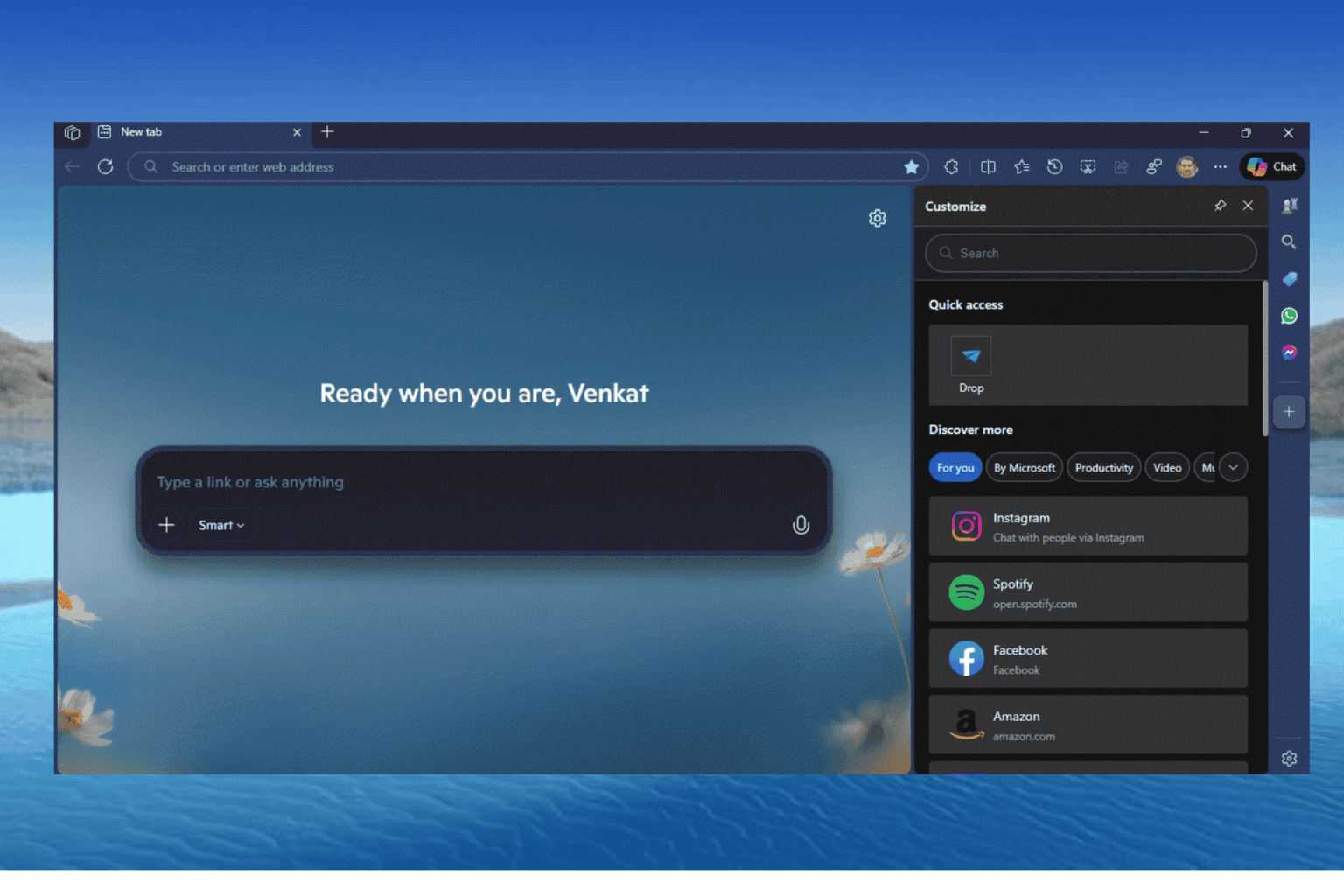
Microsoft will phase out the “Sidebar app list” in Edge, a new notice inside the browser’s Canary version confirms. This change affects the section that allowed users to pin websites like Instagram, Spotify, and Facebook to the sidebar for quick access. Built-in tools such as Copilot, Outlook, and others will remain available.

Microsoft Edge is retiring the Sidebar App List

The notice appears when users click the “+” button in the sidebar. It reads:

“Sidebar app list is being retired.
We’re simplifying Edge. New apps can no longer be added, and the quick access list will be removed gradually in future updates. Copilot is not affected — this helps us focus on making it even better.”

This means users will no longer be able to add or open web apps directly through the sidebar. The change will roll out gradually across Canary and Dev versions before reaching stable releases.

After: When users click the “+” button in the Edge sidebar, a notice now appears confirming that the sidebar app list is being retired.

When Microsoft first added the sidebar hub in Edge, it acted as a small “app launcher.” Users could pin websites like Outlook, Instagram, or LinkedIn to create mini web apps that appeared next to their browser tabs. It made multitasking easier because users could check email or open Office web apps without closing the current page.

Later, Microsoft merged these sidebar features with built-in tools like Bing Chat (now Copilot), Calculator, and Outlook integration. The sidebar eventually became a productivity dashboard.

Copilot Becomes the Focus

Microsoft says Copilot will not be affected by this removal. Instead, the company appears to make it the main feature for users who have used the sidebar apps before.

The support page linked in the notice explains that users can still open their favorite sites through Edge’s Edge Bar, pinned tabs, or Progressive Web Apps (PWAs).

In summary, future versions of Edge will no longer allow users to add new sidebar apps. The sidebar app list will be retired, while Copilot and other built-in tools will stay. Microsoft recommends using the Edge Bar or installing sites as PWAs for similar access.

Apart from this, Microsoft recently fixed Edge’s cluttered context menus. The company is also testing a change that opens Copilot in the sidebar when users press F1 for Help in Edge.

Mediacom Outlook Settings: Accurate IMAP and SMTP Setup Guide

If you use Mediacom email and want to access it directly from Microsoft Outlook, you’ll need the correct server settings. This guide shows you how to add your Mediacom email to Outlook with accurate incoming and outgoing configurations.

How Do I Configure Mediacom Outlook Settings?

1. Open Outlook and add a new account

Start by accessing the account settings menu.

  1. Click File > Account Settings > Account Settings

  2. Under the Email tab, click New.

2. Choose manual setup

This option lets you enter all details yourself for better accuracy.

  1. Select “Manual setup or additional server types” > Next

  2. Choose “POP or IMAP” > Next

3. Enter account details

Here’s where you’ll input your Mediacom email credentials and server information.

  1. Your Name: the name you want displayed
  2. Email Address: full Mediacom email address
  3. Account Type: IMAP (recommended) or POP3
  4. Incoming mail server: mail.mediacombb.net
  5. Outgoing mail server (SMTP): mail.mediacombb.net
  6. User Name: full email address
  7. Password: your Mediacom email password

4. Configure advanced settings

Check these details to ensure smooth sending and receiving of emails.

  1. On the Outgoing Server tab:
    • Check “My outgoing server (SMTP) requires authentication”
    • Select “Use same settings as my incoming mail server”
  2. On the Advanced tab:
    • IMAP port: 993 with SSL/TLS
    • POP3 port: 995 with SSL/TLS
    • SMTP port: 587 with STARTTLS or 465 with SSL/TLS

    5. Test and finish setup

    Finally, confirm everything works before closing the setup window.

    1. Click OK > Next
    2. Wait for Outlook to test sending and receiving
    3. Click Finish when both tests succeed

    For those that have sent an email by accident, don’t miss our How to Resend an Email in Outlook guide.

    What you’ll need

    Before setting up your account, make sure you have the following ready:

    • Your full Mediacom email address (for example, [email protected])
    • Your email password
    • The correct incoming and outgoing mail server details

    Server settings for Mediacom email

    These are the standard IMAP and SMTP settings you’ll need to connect your Mediacom account.

    ProtocolServerPortEncryptionNotes
    Incoming (IMAP)mail.mediacombb.net993SSL/TLSRecommended for syncing across devices
    Incoming (POP3)mail.mediacombb.net995SSL/TLSUse if you prefer storing mail locally
    Outgoing (SMTP)mail.mediacombb.net465SSL/TLSCommon legacy option
    Outgoing (SMTP alternative)mail.mediacombb.net587STARTTLSPreferred secure connection

    Additional settings:

    • Username: full email address
    • Outgoing server requires authentication (check “My outgoing server (SMTP) requires authentication”)
    • Enable SSL or TLS encryption

    If you need a simpler way to sign in on new devices, scan a QR during sign in, don’t miss our How to Sign in to Outlook Using a QR Code guide.

    Why these settings matter

    Using the correct IMAP and SMTP configurations ensures reliable delivery, proper device sync, and secure authentication. Incorrect ports or missing encryption often cause connection or send and receive errors.

    To speed up repetitive replies, set up reusable templates for New Outlook by following our How to Create an Email Template in New Outlook article.

    Common issues and solutions

    Here’s how to troubleshoot the most frequent problems users face.

    ProblemCauseFix
    Cannot receive mailIncorrect IMAP or POP settingsConfirm server = mail.mediacombb.net, port 993 or 995, SSL/TLS enabled
    Cannot send mailSMTP authentication disabledEnable “My outgoing server requires authentication”
    Sync issues between devicesUsing POP3 instead of IMAPSwitch to IMAP to keep all folders synced
    Repeated password promptsWrong username or SSL offUse full email as username and enable SSL

    FAQ

    Can I use POP3 instead of IMAP?

    Yes, POP3 works if you only check mail from one device, but IMAP is better for syncing messages.

    Why does Outlook ask for my password again?

    Double check your full email address is in the username field and SSL/TLS is enabled.

    Which SMTP port should I use?

    Try port 587 with STARTTLS first. If it fails, switch to port 465 with SSL/TLS.

    How can I back up my Outlook emails?

    Export your mailbox as a PST file from File > Open & Export > Import/Export to create a local backup.

    Conclusion

    By following this setup, your Mediacom email will be securely configured in Microsoft Outlook with smooth delivery, proper synchronization, and time saving tools for daily email management.

    Minecraft Brewing Stand Recipes and Potion Crafting Guide

    Learn how to make every potion in Minecraft with this complete brewing stand recipe list covering ingredients, effects, and smart modifiers with this guide.

    How to Brew Potions in Minecraft With a Brewing Stand?

    How to use a Brewing Stand?

    Brewing is an essential Minecraft skill that helps you craft potions for protection, healing, or combat boosts.

    1. Place the Brewing Stand on the ground.
    2. Add Blaze Powder to the fuel slot on the top left.
    3. Place up to 3 Water Bottles in the bottom slots.
    4. Add the main ingredient in the top slot to start brewing.

    For a smoother experience, check out this tutorial on how to play Minecraft effectively to understand crafting basics and inventory management.

    Base Potion Recipes

    Start your brewing journey by learning the base potions that act as foundations for every recipe.

    Potion TypeIngredientResult
    Water BottleNonePlain base
    Awkward PotionNether WartUsed for most potions
    Mundane PotionRedstone DustLimited use
    Thick PotionGlowstone DustUsually unused

    Common Potion Recipes

    Awkward Potions are the base for most effect potions that improve survival and combat.

    PotionIngredient Added to Awkward PotionEffect
    Potion of HealingGlistering Melon SliceInstantly restores health
    Potion of Fire ResistanceMagma CreamPrevents fire and lava damage
    Potion of SwiftnessSugarIncreases movement speed
    Potion of StrengthBlaze PowderBoosts melee attack damage
    Potion of RegenerationGhast TearGradually restores health
    Potion of Night VisionGolden CarrotImproves vision in darkness
    Potion of InvisibilityPotion of Night Vision + Fermented Spider EyeMakes player invisible
    Potion of LeapingRabbit’s FootAllows higher jumps
    Potion of Water BreathingPufferfishEnables underwater breathing
    Potion of PoisonSpider EyeDamages over time
    Potion of WeaknessFermented Spider Eye on Water BottleReduces attack strength
    Potion of HarmingHealing or Poison Potion + Fermented Spider EyeInstantly deals damage
    Potion of SlownessSwiftness or Leaping Potion + Fermented Spider EyeSlows movement speed
    Potion of Turtle MasterTurtle Shell + Awkward PotionIncreases defense but slows movement
    Potion of Slow FallingPhantom MembranePrevents fall damage

    If you are building an alchemy room in your base, read about how to build efficiently in Minecraft to organize your crafting and brewing setup.

    Modifiers and Enhancements

    Modifiers upgrade or change your potions’ effects to make them more powerful or longer lasting.

    ModifierIngredientEffect
    Extended DurationRedstone DustIncreases potion duration
    Increased PotencyGlowstone DustStrengthens the potion
    Splash PotionGunpowderMakes potion throwable
    Lingering PotionDragon’s BreathCreates a lingering effect cloud

    Example: Brewing a Potion of Strength

    This potion increases melee damage and helps you win tough battles easily.

    1. Add Blaze Powder to fuel your Brewing Stand.
    2. Place 3 Water Bottles in the bottom slots.
    3. Add Nether Wart in the top slot to create Awkward Potions.
    4. Replace the Nether Wart with Blaze Powder in the top slot.
    5. When brewing finishes, you will get Potion of Strength (3 minutes).
    6. Add Glowstone Dust to increase strength.
    7. Add Redstone Dust to extend the duration.

    To find Blaze Rods faster, learn how to see chunks in Minecraft and locate Nether Fortresses efficiently.

    FAQs

    What is the fuel for the Brewing Stand?

    The Brewing Stand uses Blaze Powder as fuel. Without it, brewing will not start.

    Can I brew multiple potions at once?

    Yes. You can place up to three bottles in the bottom slots to brew three potions at the same time.

    Why do I need Nether Wart first?

    Nether Wart creates the Awkward Potion base, which is required for most potion recipes to work.

    Can I mix Redstone and Glowstone?

    No. Redstone extends duration while Glowstone increases power, but one will cancel the effect of the other if added afterward.

    Conclusion

    Mastering potion brewing gives you a major advantage in both exploration and survival. Always begin with an Awkward Potion, keep Blaze Powder stocked, and experiment with new recipes to become a true Minecraft alchemist.

    You can also learn how to use the rare Heart of the Sea in Minecraft to boost your underwater builds alongside your strongest potions.

    For faster ore smelting and smoother resource upgrades, learn how to make a blast furnace in Minecraft to support your brewing setup.

    SMB Ports 139 and 445 Explained with Quick Security Steps

    SMB ports 139 and 445 are essential for file and printer sharing across Windows networks. However, these same ports are often exploited by attackers, making it important to understand how they work and how to secure them effectively. This guide explains their differences, how to check their status, and steps to disable or protect them on Windows 11.

    All You Need to Know About SMB Ports 139 and 445

    What Are SMB Ports 139 and 445

    SMB is a network file sharing protocol used by Windows systems to share files, printers, and other resources. Two ports are primarily associated with SMB communication: Port 139 and Port 445.

    • Port 139: Used by SMB over NetBIOS in older stacks such as SMBv1.
    • Port 445: Used by SMB directly over TCP in modern versions such as SMBv2 and SMBv3.

    Learn how to open ports in Windows Server if you need to manage SMB access in a server environment.


    Why Are SMB Ports 139 and 445 Important

    These ports enable file and printer sharing, authentication with Active Directory, and remote administration. They also introduce risk if exposed on public or untrusted networks because they are frequent targets for malware and ransomware.


    How to Check If SMB Ports 139 and 445 Are Open

    1. Using Command Prompt

    Use Command Prompt to quickly see if the ports are listening.

    1. Press Windows + R, type cmd, and press Enter.
      run cmd
    2. Type netstat -an | find “139” and press Enter.
    3. Type netstat -an | find “445” and press Enter.
    4. Look for LISTENING to confirm the port is active.

    2. Using PowerShell

    PowerShell provides a targeted connectivity test for each port.

    1. Open PowerShell as Administrator.
    2. Run Test-NetConnection -ComputerName localhost -Port 445
    3. Review the output to confirm whether the port is open or blocked.

    If the ports appear blocked, check whether Windows Firewall is the cause by following this guide on how to tell if Windows Firewall is blocking a port or program.


    How to Disable SMB Ports 139 and 445

    1. Turn Off SMBv1 for Port 139

    Disable SMBv1 to remove legacy exposure.

    1. Open Control Panel then select Programs and choose Turn Windows features on or off.
    2. Uncheck SMB 1.0/CIFS File Sharing Support.
    3. Click OK and restart the PC.

    2. Disable SMBv2 and SMBv3 for Port 445

    Use PowerShell to disable modern SMB versions if absolutely necessary.

    1. Launch PowerShell as Administrator.
      Powershell run as administrator
    2. Run Set-SmbServerConfiguration -EnableSMB2Protocol $false
    3. Restart the computer to apply changes.

    Note: Disabling SMB can break file sharing and domain authentication. Only proceed if your environment does not rely on SMB.


    How to Secure SMB Ports Without Disabling Them

    If your network depends on SMB, harden the service rather than turning it off. Proper firewall rules and strong authentication significantly reduce risk.

    1. Restrict SMB to trusted IP ranges using a firewall.
    2. Enable SMB signing to verify message integrity.
    3. Keep Windows and SMB protocol components updated.
    4. Disable guest access and enforce strong authentication.

    For granular control, follow this guide to open firewall ports safely in Windows and configure SMB securely. For clearer visibility into SMB traffic and fast per app blocking, consider Portmaster Firewall to monitor connections and reduce unnecessary exposure.


    FAQs

    What are SMB ports used for

    They are used for file and printer sharing, authentication, and remote access between Windows devices.

    Should I block ports 139 and 445

    Yes, block them on public or untrusted networks and keep them open only on secured private LANs.

    What happens if I disable SMB

    File and printer sharing may stop, and domain logons can fail in networked environments.

    Is SMBv1 still safe to use

    No. SMBv1 is outdated and insecure and should be disabled due to known exploits such as WannaCry.


    Final Thoughts

    SMB ports 139 and 445 are vital for Windows networking but can expose systems if misconfigured. If you rely on file sharing, secure these ports with tight firewall rules and strong authentication. If you do not need SMB, disabling it is the safest option.

    Unblock Restricted Sites on Windows 11 Fast: Step by Step

    If you cannot access certain sites because they are blocked by your network, ISP, or organization, use the safe methods below to unblock restricted websites effectively.

    How to Unblock Restricted Websites on Windows 11?

    1. Use a VPN

    1. Download a trusted VPN app such as NordVPN, ProtonVPN, or ExpressVPN.
    2. Install and launch the VPN on your PC.
    3. Connect to a server where the site is accessible.
    4. Open your browser and visit the blocked site.

    Why it works: A VPN masks your IP and encrypts traffic so sites see a different location.

    If you want to learn more about VPS, don’t miss our Can a VPN access blocked sites guide to learn more.

    2. Try a Proxy Website

    1. Search for reputable web proxies such as Hide.me Proxy or KProxy.
    2. Open the proxy page and enter the blocked site URL.
    3. Start browsing through the proxy gateway.

    Note: Proxies rarely encrypt traffic. Avoid sensitive logins.

    You can also check a full walkthrough of features and setup in this KProxy free guide to help you choose the best proxy option.

    3. Use Google Translate as a Temporary Proxy

    1. Go to translate.google.com.
    2. Paste the blocked site URL in the text box.
    3. Select two different languages and open the translated link.

    4. Change Your DNS Settings

    1. Press Windows + I to open Settings.
    2. Go to Network & Internet > Advanced network settings.
    3. Open More network adapter options.
    4. Right-click your active adapter > Properties.
    5. Select Internet Protocol Version 4 (TCP/IPv4) > Properties.
      ipv4 properties
    6. Choose Use the following DNS server addresses and enter 8.8.8.8 and 8.8.4.4.
      change DNS server
    7. Click OK to apply.

    5. Use the Tor Browser

    1. Download Tor from the Tor Project.
    2. Install and open Tor, then connect to the Tor network.
    3. Browse the blocked site in Tor.

    If you’re using wireless connection, we have a great guide on How to unblock a website on Wi-Fi router so don’t miss it.

    Why Are Some Websites Blocked?

    • Network administrator policies at school or work
    • Geo-restrictions based on your location
    • Government censorship or compliance rules
    • Browser, firewall, or DNS-level filters

    Learn more about why pages get blocked and common fixes in this guide: This page has been blocked by your administrator.

    FAQs

    Why are some websites blocked on my school or office network?

    Administrators block sites to control bandwidth, improve productivity, and reduce security risks.

    Is it legal to unblock restricted websites?

    Using legal privacy tools is generally allowed. Bypassing institutional rules may violate policies. Check local laws and terms.

    Can I unblock sites without installing anything?

    Yes. Try web proxies or Google Translate, but security and reliability are limited.

    Why do I still see Access Denied after turning on a VPN?

    Some sites detect VPNs. Switch servers or protocols, or try a different provider.

    Can antivirus or firewall settings block websites?

    Yes. Tight firewall rules or web shields can block safe domains. Review allowlists and settings.

    Conclusion

    To unblock restricted websites on Windows 11, start with a VPN, try a proxy or Google Translate for quick access, adjust DNS if needed, or browse with Tor for anonymity. Always use reputable tools and avoid sharing sensitive data on untrusted services.

    Chrome’s New “AI Mode” Search Box Starts Appearing on Android and iOS

    Google seems to be expanding its new AI Mode search box to more platforms. After it appeared in Chrome Canary on desktop, the same design is now visible in Chrome Beta for iOS and Canary for Android.

    The layout looks familiar. The standard search bar is replaced with a taller “Ask Google” box, which includes an AI Mode button and a “+” icon within it. It resembles the one seen earlier on the desktop, which allows users to add files, images, or tabs for context before asking a question.

    Chrome’s address bar shows a new + button that lists recent tabs and options like Add Image, Add File, Deep Search, and Create Images. Image Credit: Venkat | WindowsReport.

    On iOS, the “+” button already shows options such as Attach Tabs, Camera, Gallery, and File. These match what users see on desktop Chrome, allowing file or image selection before a query. But the AI Mode button itself is not working yet, which shows the feature is still under testing.

    Chrome iOS Beta shows the new AI Mode search box with a + button that opens options like Attach Tabs, Camera, Gallery, and File. Image Credit: Venkat | WindowsReport.

    On Android, the setup looks simpler for now. The “+” button appears inside the search box, but the menu does not yet expand with extra options. This shows Google’s plan to bring the same design to both mobile platforms.

    Chrome Canary on Android shows the taller search box with a + button, matching the desktop layout. Image Credit: Venkat | WindowsReport.

    AI Mode on desktop Chrome already shows Google’s intent to turn its search box into more than a space for typing URLs or queries. It is where users can soon add content, create prompts, or ask questions with context, and now, that idea is extending to mobile, too.

    If this is made available, Chrome’s address bar and New Tab Page across devices could share the same unified AI Mode experience, powered by Google Gemini.

    That is not all. Google is also testing Nano Banana and Deep Search under the search box and inside the address bar on desktop Chrome. Nano Banana helps create images, and Deep Search assists with research on topics. Can’t wait to see these features reach Chrome on mobile for both Android and iOS.

    KB5071959 OOB Update Fixes Windows 10 ESU Enrollment Bug

    It has been nearly a month since Microsoft officially ended support for Windows 10. While the company promised to keep the OS secure through its Extended Security Updates (ESU) program, many users were left stranded after running into enrollment issues.

    Now, Microsoft has quietly rolled out an out-of-band (OOB) update (KB5071959) to fix the bug that prevented some users from joining the ESU program. The issue stemmed from a bug in the enrollment wizard that caused it to fail mid-process, blocking users from accessing extended security patches.

    The fix arrives after weeks of user frustration, particularly in Europe, where many continued to see “ESU Enrollment coming soon” messages despite Microsoft claiming a full rollout by mid-October.

    With the new patch, Microsoft says affected Windows 10 consumer devices should now be able to successfully enroll in ESU using the built-in wizard. Once enrolled, systems will begin receiving regular updates via Windows Update. In fact, the first extended security update for Windows 10 is now available under KB5068781.

    Free GTA Online Feels Like Rockstar’s Apology for GTA 6 Delay

    Rockstar Games appears to be in damage control mode following the recent delay of GTA 6 to November 2026. The studio has announced that GTA Online is now free-to-play until November 17. It’s unclear whether the freebie is to calm fuming fans or shift attention from the ongoing employee protests.

    The free to play update was shared on X, confirming that for a full week (starting November 11). In simple words, anyone can jump into Grand Theft Auto Online without paying a dime as of now.

    That said, Rockstar confirmation came a bit later. Initially, the details were spilled by GTA community member @PLTytus on X. Following up on the report, @Dogmanx on X reached out to confirm with Rockstart Games. In reply, the studio shared a message which reads:

    At the moment, if you play on console, you will have access to GTA Online as a free trial starting today, November 11th, and ending on November 18th. You will also have free access to the game on Story mode.

    The statement above certainly rules out speculation around permanent or temporary removal of PS Plus or Game Pass requirement to play GTA Online.

    If you’ve never tried the multiplayer experience before, GTA Online isn’t just an add-on to GTA V. It’s an ever-evolving world packed with missions, chaos, and community-driven content. For those unaware, GTA Online allows you to create your own criminal, rise through the ranks, and build your empire.

    All of the above while exploring a massive open world alongside up to 30 other players. Whether you prefer teaming up for high-stakes heists or going solo in street races, there’s no shortage of ways to wreak havoc.

    Rockstar describes it as a “dynamic and persistent world” that blends freedom, activity, and missions. From customizing your vehicles and properties to climbing the criminal ladder, the game rewards creativity and ambition.

    This free-play week could be Rockstar’s way of keeping the GTA community engaged while the GTA 6 wait grows longer. Fans have been vocal about their disappointment since the delay announcement, and this gesture might just help the studio win back some goodwill, at least for now.

    Do you also think the sudden announcement of free to play GTA online is to calm disappointed fans? Drop your thoughts below.

    via: RockstarIntel

    Visual Studio 2026 Launches With Updated UI and GitHub Copilot Upgrades

    Microsoft has finally launched Visual Studio 2026. The latest version makes the IDE feel lighter, faster, and more in line with how developers actually work. As with almost every Microsoft product, Copilot takes center stage in the workflow.

    The AI assisstant can help developers modernize .NET and C++ projects, refactor code, and optimize builds with intelligent suggestions. It’s one of the most used features in Visual Studio today and have been praised for streamlining coding workflow.

    Besides AI upgrades, Visual Studio 2026 brings a UI redesign, a more flexible settings system, and over 5,000 bug fixes based on users’ feedback. The Visual Studio team also added nearly 300 new features on users’ demand. Well, it seems Microsoft was taking a note of every feedback from developers out there.

    Microsoft has also made sure that all 4,000+ extensions, which worked with Visual Studio 2022, runs flawless in the 2026 version.On top of that, the co.pany says that existing projects now open instantly without requiring migration. In short, developers can pick up right where they left off.

    Another major change in this version is that the updates are now independent of .NET and C++ toolchains. In simpler terms, this means faster IDE updates without affecting your compiler setup. Automatic monthly updates will keep new features rolling in, while the Insiders Channel lets early adopters test upcoming builds.

    Microsoft has also mentioned that Visual Studio 2026 will be available on December 1, 2025, via the Microsoft Store and Visual Studio site. If you want to download it, click here. For those interest in release noted, make sure to check it here.

    Quick Rundown of What’s New in Visual Studio 2026:

    • GitHub Copilot now includes new C# and C++ agents that assist with refactoring, debugging, and code optimization in real time.
    • The new Profiler Agent automatically identifies performance bottlenecks, acting like an inbuilt performance coach.
    • A refreshed, modern UI and flexible settings system make the IDE cleaner, faster, and more intuitive to use.
    • Over 5,000 bugs have been fixed and 300 community-requested features added in the past year alone.
    • Visual Studio 2026 is fully compatible with projects and extensions from Visual Studio 2022, requiring no migration steps.
    • Built-in support for Mermaid diagrams enhances documentation and workflow visualization directly within the IDE.
    • The IDE is now decoupled from its .NET and C++ build tools, allowing independent updates without toolchain disruptions.
    • Automatic monthly updates deliver continuous improvements without interrupting development flow.
    • The Insiders Channel offers early access to experimental features while keeping the main setup stable.
    • More than 4,000 existing extensions remain compatible, ensuring a seamless and familiar upgrade experience.

    KB5068861 Rolls Out New, Redesigned Start Menu to Every Windows 11 Users

    Microsoft has just rolled out the November 2025 Patch Tuesday update for Windows 11, and this one’s a little more exciting than your usual bug fixes. The update, released under KB5068861, brings a redesigned Start Menu along with several new tools and improvements for Copilot+ PCs.

    The highlight of this update, as mentioned earlier, is the new, redesigned Start Menu. It now has a scrollable “All” section with clean category and grid views, making navigation more intuitive.

    Image credit: Microsoft

    The layout also adapts automatically to your display size, and there’s deeper integration with Phone Link, featuring a new expandable side panel and a mobile device button next to the search bar. It’s a subtle but noticeable refresh that makes the Start Menu feel more dynamic.

    For Copilot+ users, the update introduces a smarter Click to Do experience. You can now use it to translate on-screen text, convert units, or even select objects freely using Freeform and Rectangle selection.

    Moving on, File Explorer gets hover-based quick actions like “Open file location” and “Ask Copilot,” while Voice Access adds Fluid Dictation to automatically refine grammar and punctuation in real time. The improved Windows Search also brings semantic understanding to all Copilot+ PCs.

    Besides visual improvements, the Taskbar now features new battery icons that change color to indicate status: green for healthy, yellow for saver mode, and red for critical. The Administrator Protection feature debuts in preview, offering new security controls accessible via Windows Security or Intune.

    Microsoft says a couple of File Explorer changes, including recommended files and third-party cloud integration, have been delayed for a future update. Moreover, the updates also fix the annoying Task Manager bug reported by many.

    KB5068781 Released As First Windows 10 Extended Security Update

    It’s been nearly a month since Microsoft officially ended Windows 10 support. The company rolled final Patch Tuesday update (KB5066791) on October 14, 2025. If you’ve been enrolled in the ESU program, the first extended update is here in the form of KB5068781.

    According to Microsoft, the update addresses an issue where users could see a message, “Your version of Windows has reached the end of support.” Microsoft previously confirmed that the message was mere an error. Now, thst has been fixed.

    Alongside KB5068781, Microsoft also released out-of,-band update, KB5071959 that fixes a specific issue in the ESU enrollment process where the enrollment wizard could fail, preventing users from joining the program.

    With this fix, consumer devices should now be able to successfully enroll in ESU using the built-in wizard. Once the enrollment is complete, devices will continue to receive critical security patches via Windows Update as part of the ESU program.

    Microsoft also confirmed that this cumulative update includes all the security improvements from last month’s KB5066791 release. It is labeled as a security update for non-enrolled devices, as it resolves a key issue that was stopping affected users from receiving critical updates.

    KB5068865 Fixes Networking Parser Issue in Windows 11 23H2

    Microsoft has pushed out the November 2025 Patch Tuesday update, KB5068865, for Windows 11 23H2. After installation, your system with 23H2 will move to Build 22621.6199.

    While this release primarily focuses on security improvements, it also includes an important fix related to the Windows networking stack. The update resolves a problem with the HTTP.sys request parser, a core Windows component responsible for processing HTTP requests. Microsoft in the changelog notes:

    This security update contains fixes and quality improvements from KB5068865 (released October 28, 2025). The following summary outlines key issues addressed by this update. Also, included are available new features. The bold text within the brackets indicates the item or area of the change.

    • [Networking] Fixed: This update fixes an issue in the HTTP.sys request parser, a Windows component that reads and processes HTTP requests. The parser allowed a single line break within HTTP/1.1 chunk extensions, where the RFC 9112 standard requires a carriage return and line feed (CRLF) sequence to terminate each chunk. This can cause a parsing discrepancy when front end proxies are a part of the setup.

      To turn on strict parsing, use the following registry key:
    • RegistryKey: [HKEY_LOCAL_MACHINE\SYSTEM\CurrentControlSet\Services\Http\Parameters]
    • Registry value: “HttpAllowLenientChunkExtParsing”=dword:00000000
    • Data to be set: 0 

    The update is available now through Windows Update and can also be downloaded manually from the Microsoft Update Catalog. Moreover, it’s worth noting that the November Patch Tuesday Update for Windows 11 version 24H2 and 25H2, under KB5068861, fixes the annoying Task Manager bug and a few other issues.